
Tesseract’s robot reveal: Wearable proximity trackers to keep workers at a safe distance
May 27, 2020 | Austin Barnes

Kansas City-wired clip-on robots could make social distancing a second thought, as Tesseract Ventures shares its first mainstream product with the world.
“This product exemplifies our mantra that there is nothing more human than technology and is a great example of what you can expect to see from Tesseract Ventures in the future,” said John Boucard, Tesseract Ventures founder and CEO.
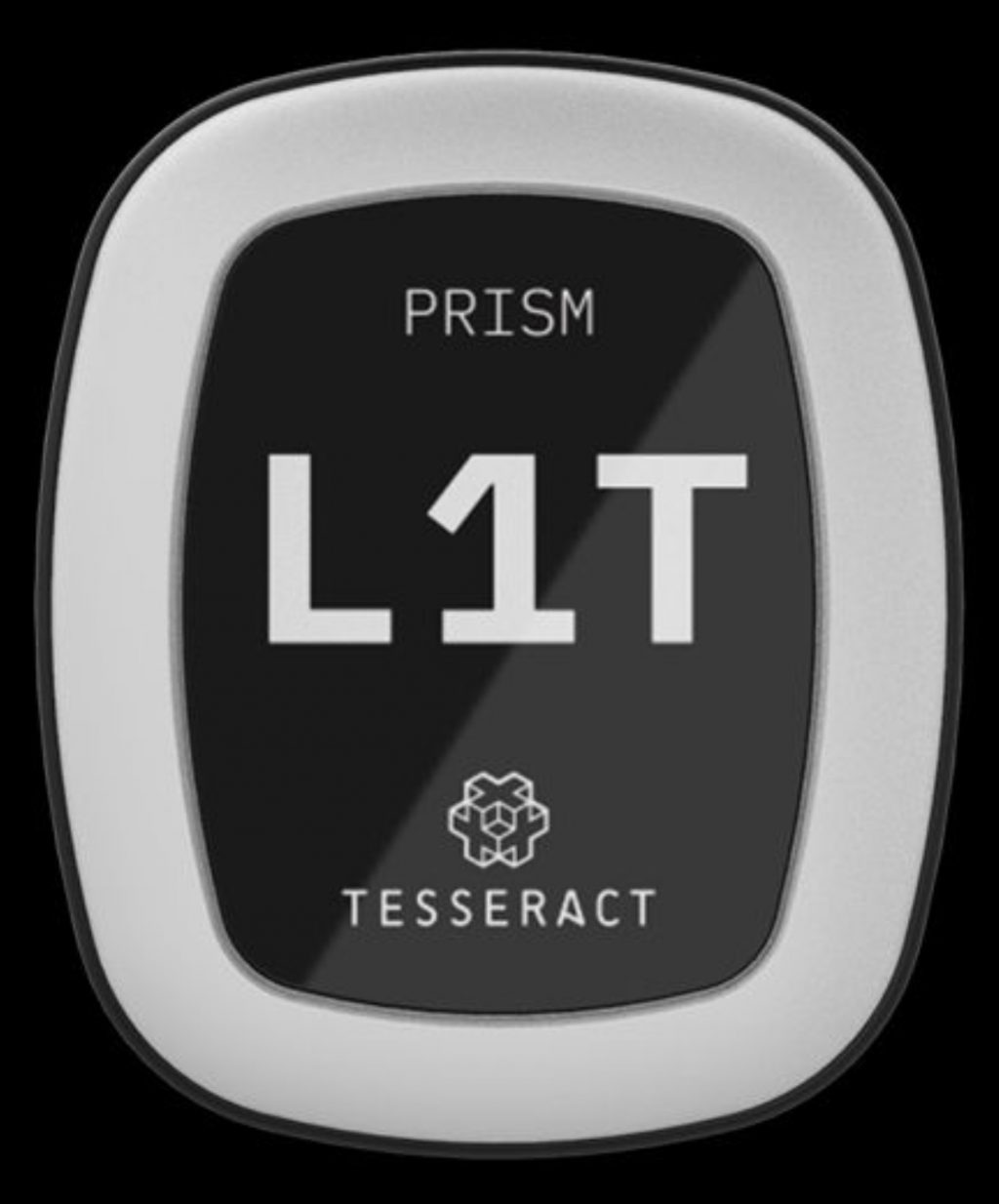
Tesseract PRISM
The high-tech robotics startup — one of Startland News’ Kansas City Startups to Watch in 2020 — announced the Tesseract PRISM (TM) Wednesday, marking the first major unveiling of a product for the company, which has raised significant venture capital from local funders — despite heavily guarding its plans and technology.
“We recognize how hard essential employees are working right now, and we are proud to be able to provide a technology that can help create safer work environments during this difficult time,” Boucard added.
Click here to read more about Boucard and his vision for the future of robotics.
Unveiled as Stay at Home orders continue their roll back, PRISM acts as part of a larger cyber-physical worksite-management system, in tandem with Tesseract PRISM Anchors — wearable badges which track and document the proximity of workers and students in real time and alerts staff and management if social distance is broken, ultimately creating safer work and school environments, the company explained in a release.
“The capabilities of this product are endless, now and in the future,” said Dave Starr, vice president of research and development for Tesseract. “Not only is PRISM a vital piece of technology for ensuring workers keep their distance from one another during this pandemic, it was originally designed to benefit industry operators by providing data to help them identify problem zones within a site.”
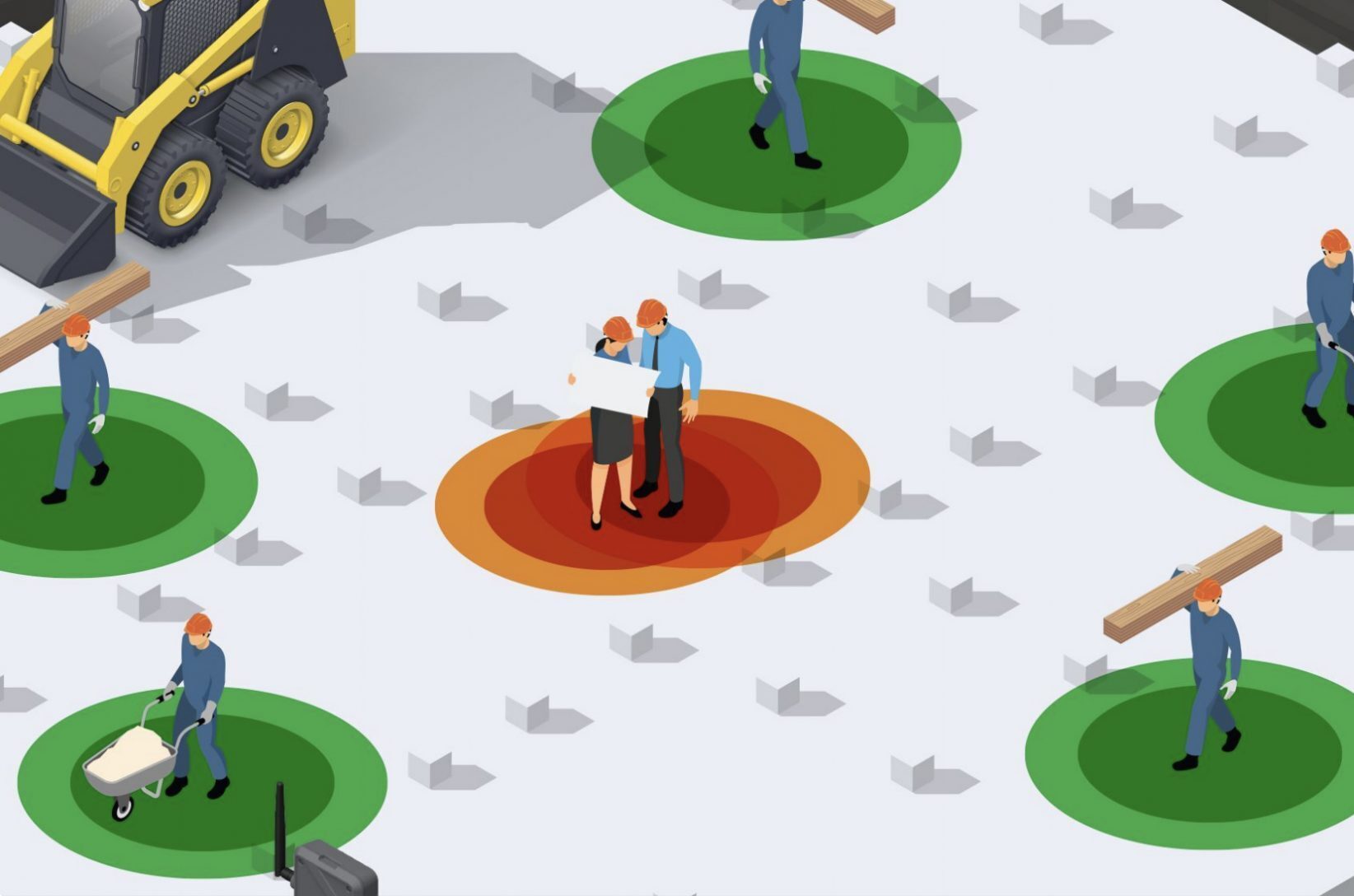
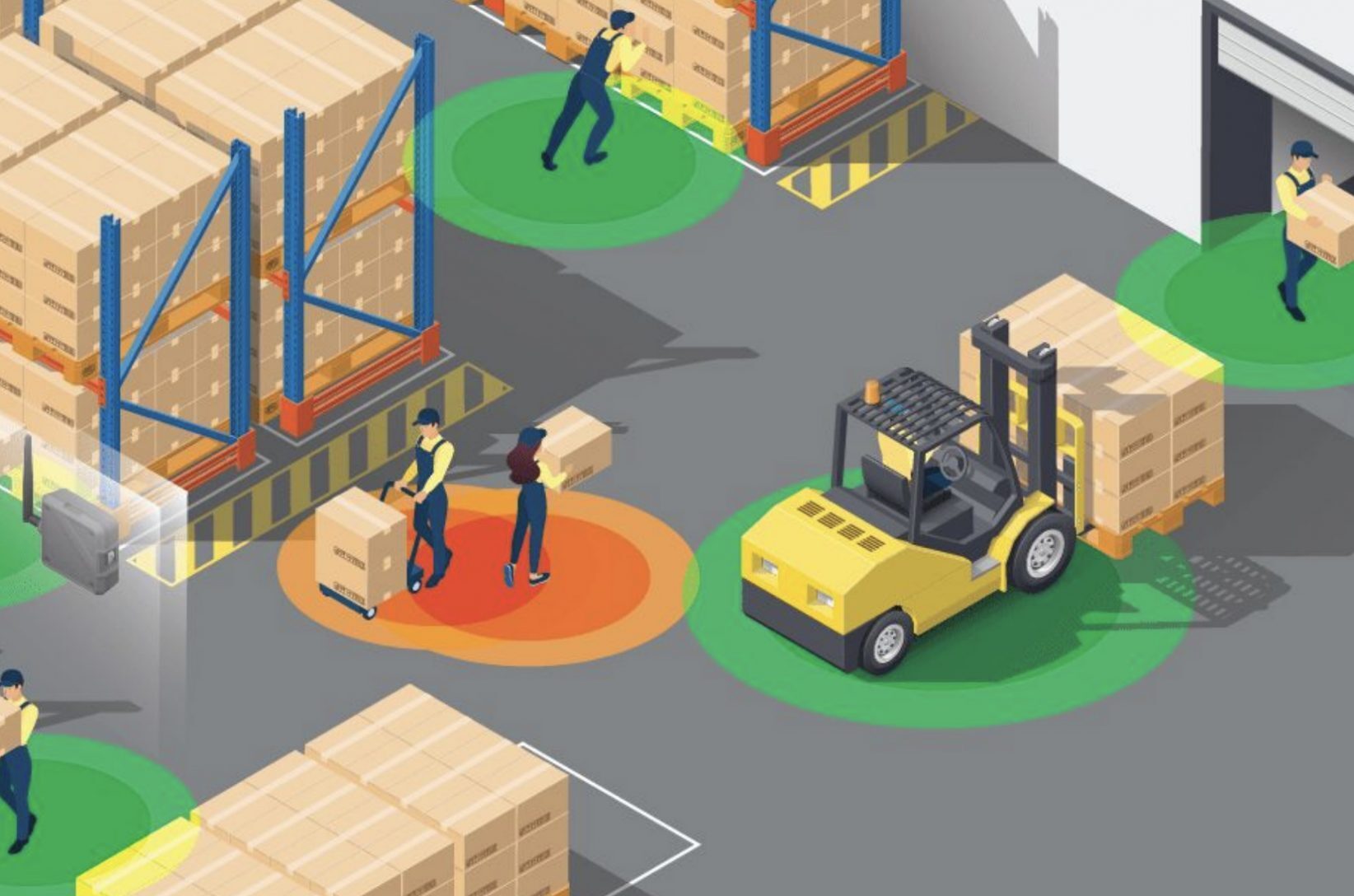
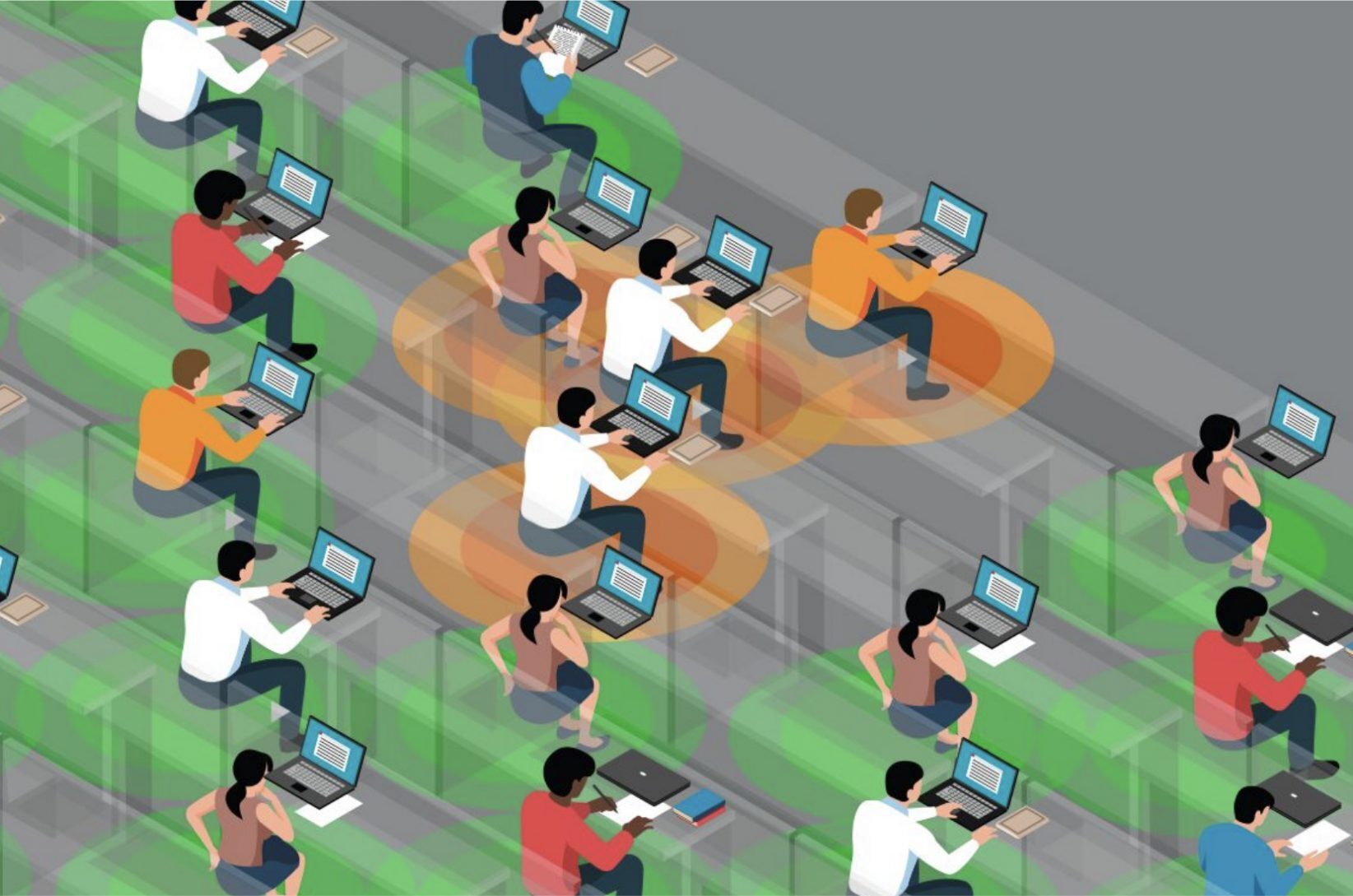
Full product capabilities include credentialed worker identification; emergency SOS beaconing; control site access, defined entry and exclusion zones within the job site; the ability to assign workgroups, privileges and certifications for individuals; the ability to assign personal space requirements and receive alerts when cross-contamination occurs; rugged, site-ready construction; and RFID compatibility with existing access points.
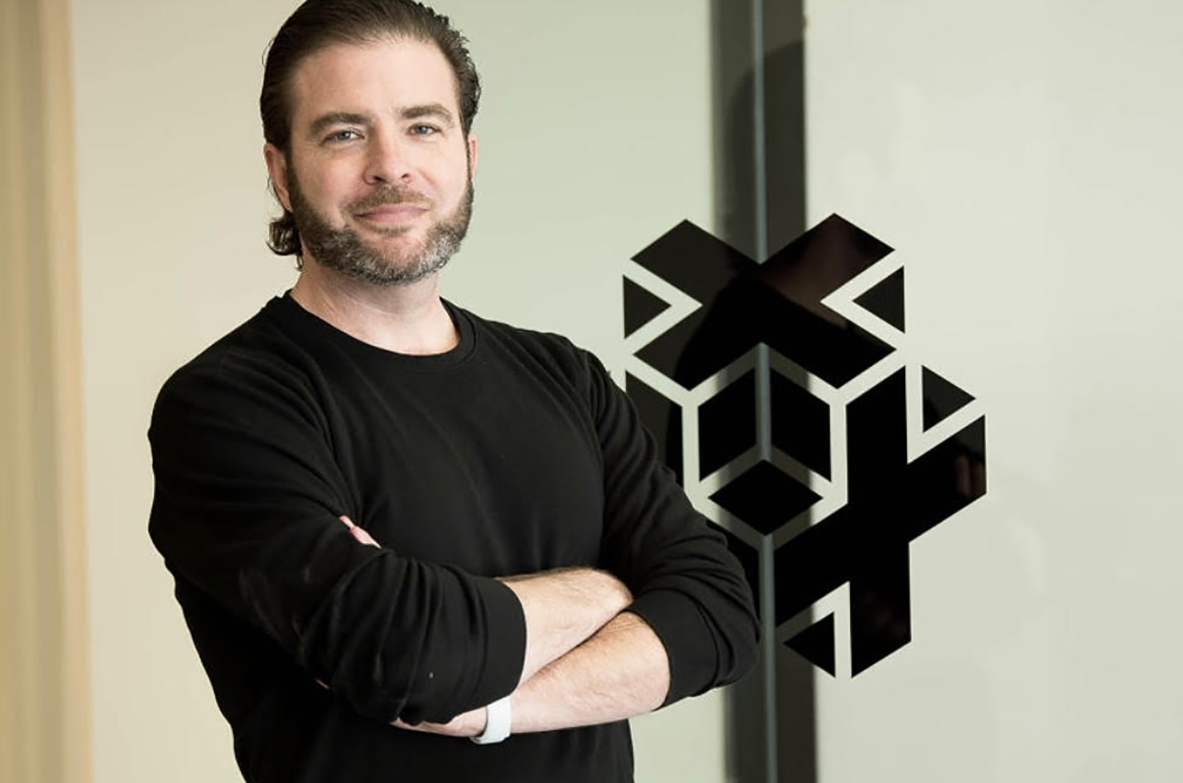
John Boucard, Tesseract Ventures
PRISM was developed in Tesseract Ventures’, Crossroads-based Future Lab — an advanced, multi-disciplinary R&D studio — and was built in the company’s Martin City-based Cyber-Physical studio, which develops products that will define the future of work.
The company has two additional development studios — Experiential Entertainment and Human Things — which round out its mission to empower businesses and people to be able to defy the boundaries of space and time, Boucard told a crowd gathered for the Startland News’ Kansas City Startups to Watch in 2020 Celebration in January.
The startup’s mission was most recently backed by a $2 million investment from UMB Capital Corporation in March.
Featured Business

2020 Startups to Watch
stats here
Related Posts on Startland News
In time for Mother’s Day: Ovatemp wants to boost women’s fertility
The arrival of Ana Mayer’s baby girl isn’t the only thing she’ll be thinking about this Mother’s Day. Mayer — who’s among the newest founders in the Techstars-led Sprint Mobile Health Accelerator in Kansas City — will also be mulling how to further develop Ovatemp, the Boston-based ovulation tech company she leads. Ovatemp offers women…
Founder of defunct Symptomly shares lessons from failure
Failure is a touchy subject. But for Derek Bereit — the former CEO and co-founder of mobile asthma tracking company Symptomly — his company’s failure was an opportunity shrouded in a difficult situation. Rather than sulking, Bereit sat down with Startland News to discuss Symptomly’s demise, the lessons it provided him and the possibilities that…