
Looking for investors? A startup’s first ask shouldn’t be for money, leading VCs say
January 26, 2024 | Nikki Overfelt Chifalu

Most startup founders think of funding as transactional, Darcy Howe shared, but it’s actually relational.
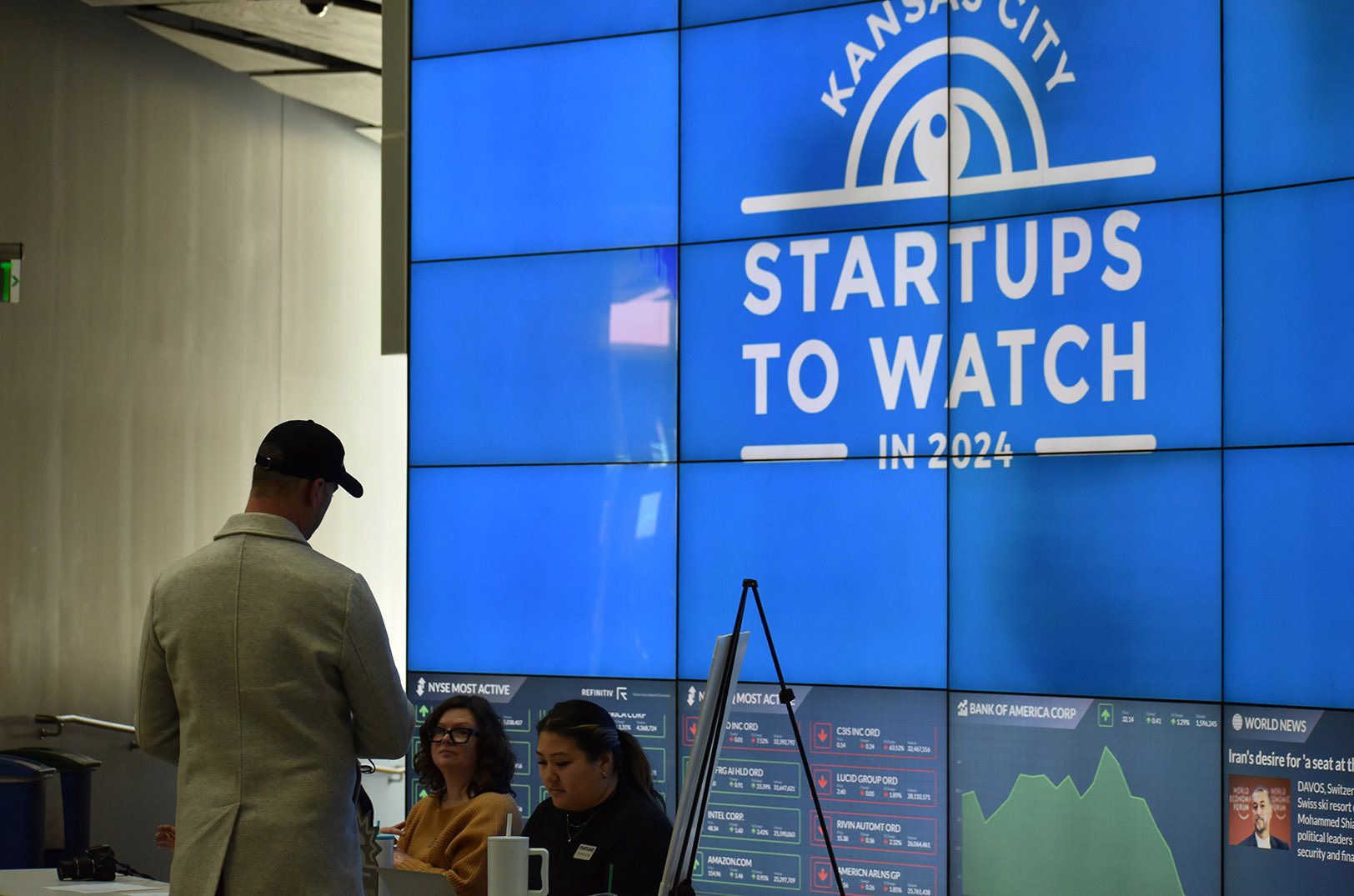
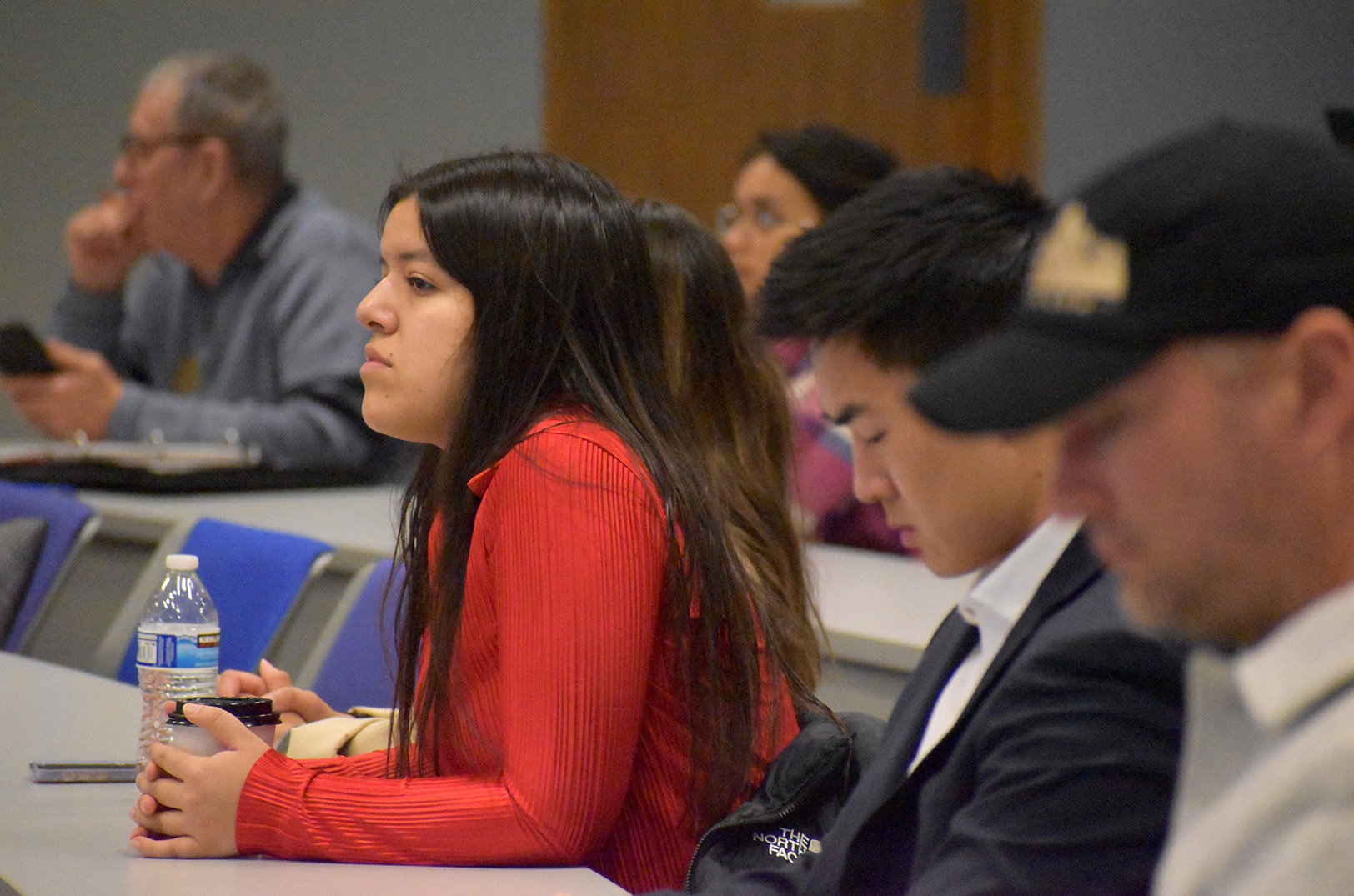
“You’ve got to have relationships with people long before they’ll fund and that includes angels and all the others,” the KCRise Fund founding managing director told a crowd gathered at UMKC’s Bloch Executive Hall for Startland News’ Kansas City Startups to Watch in 2024 seminar and reception.
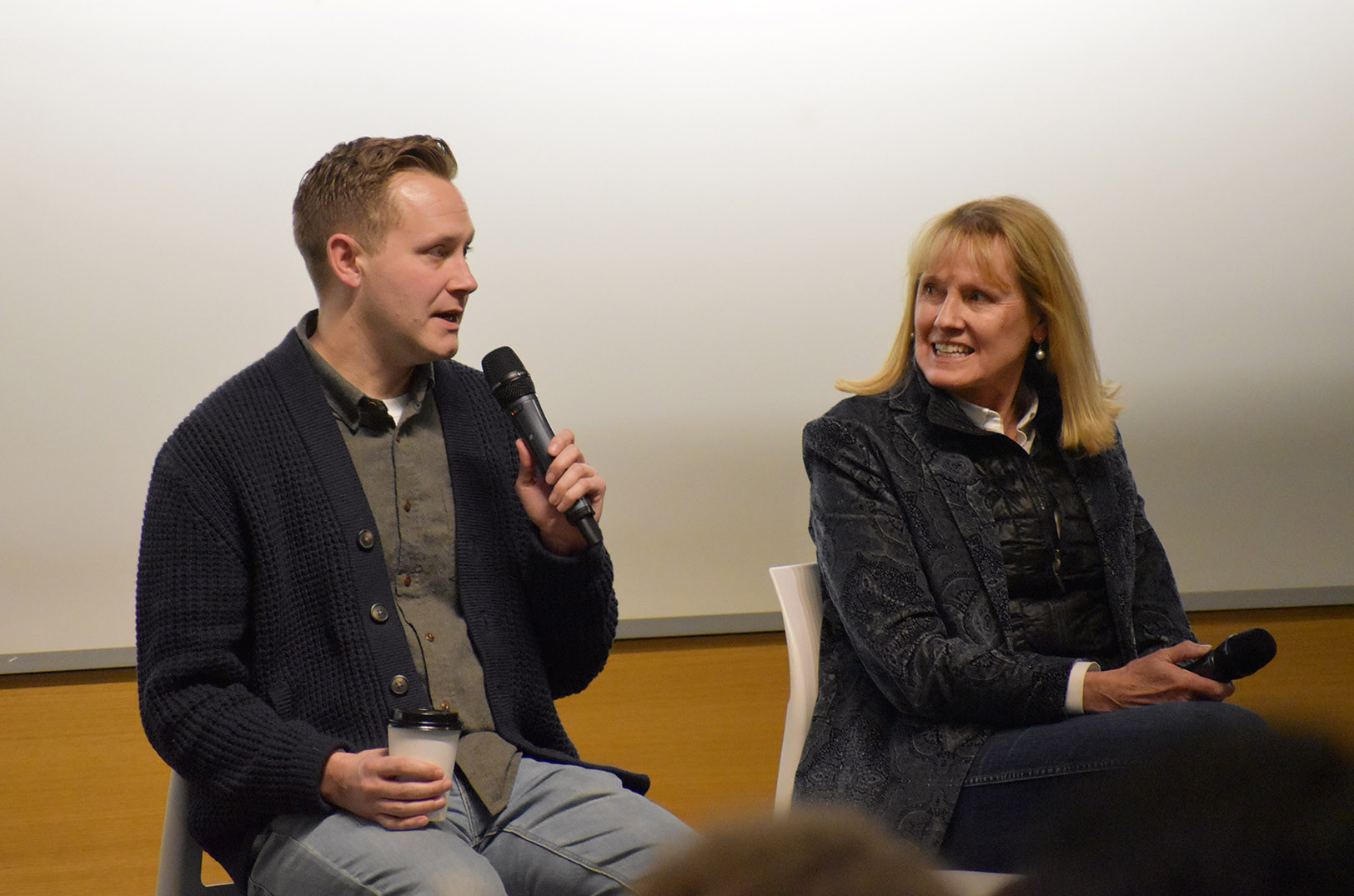
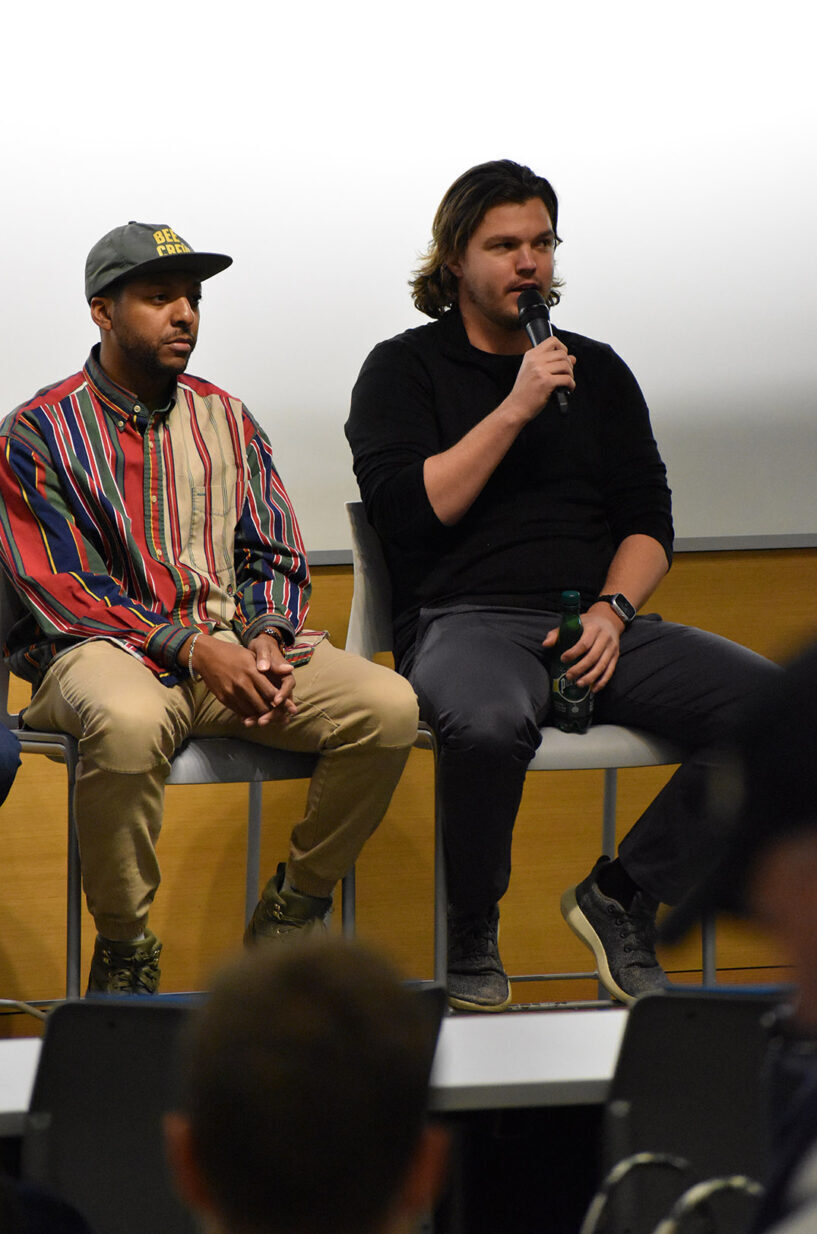
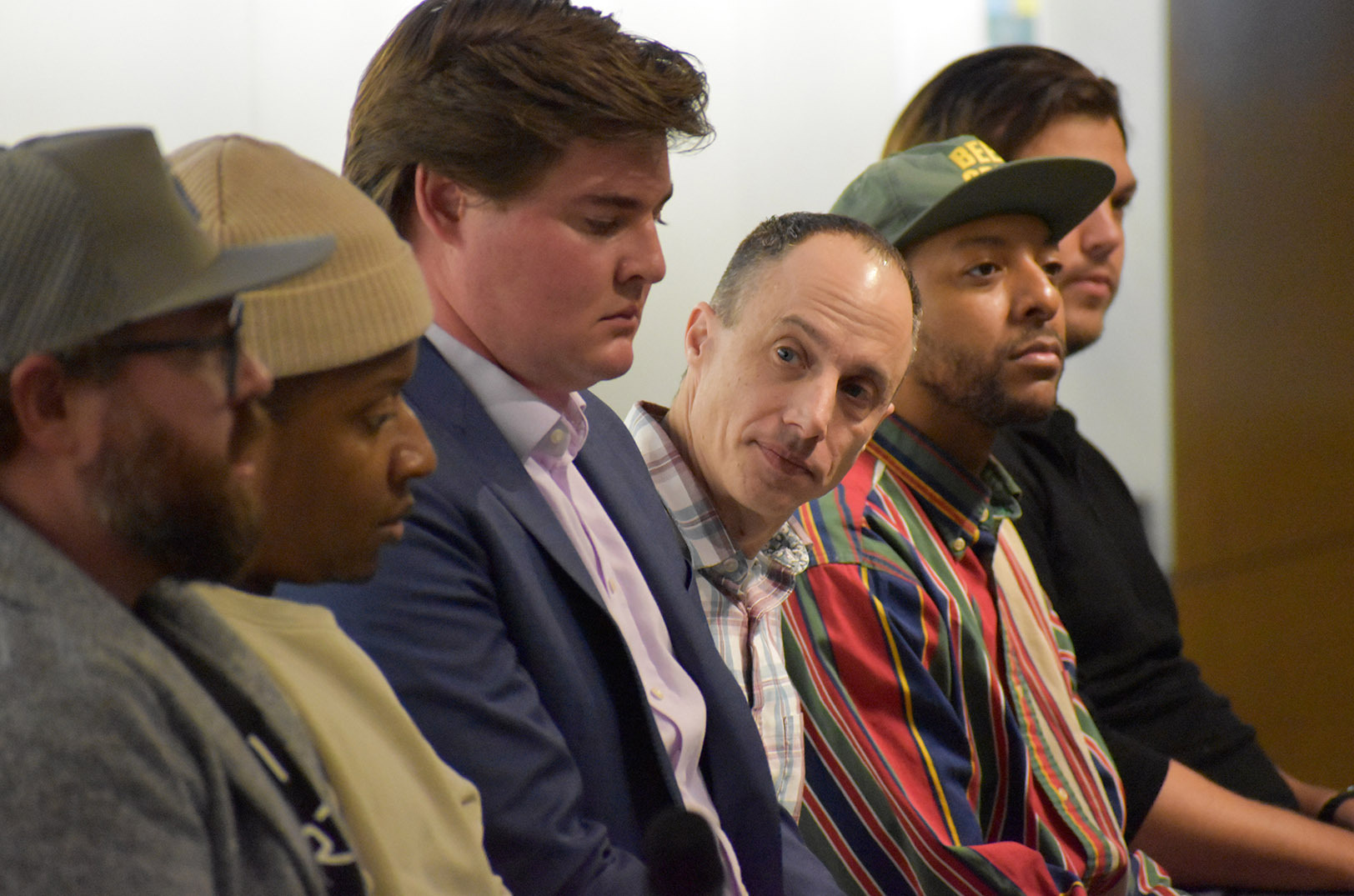
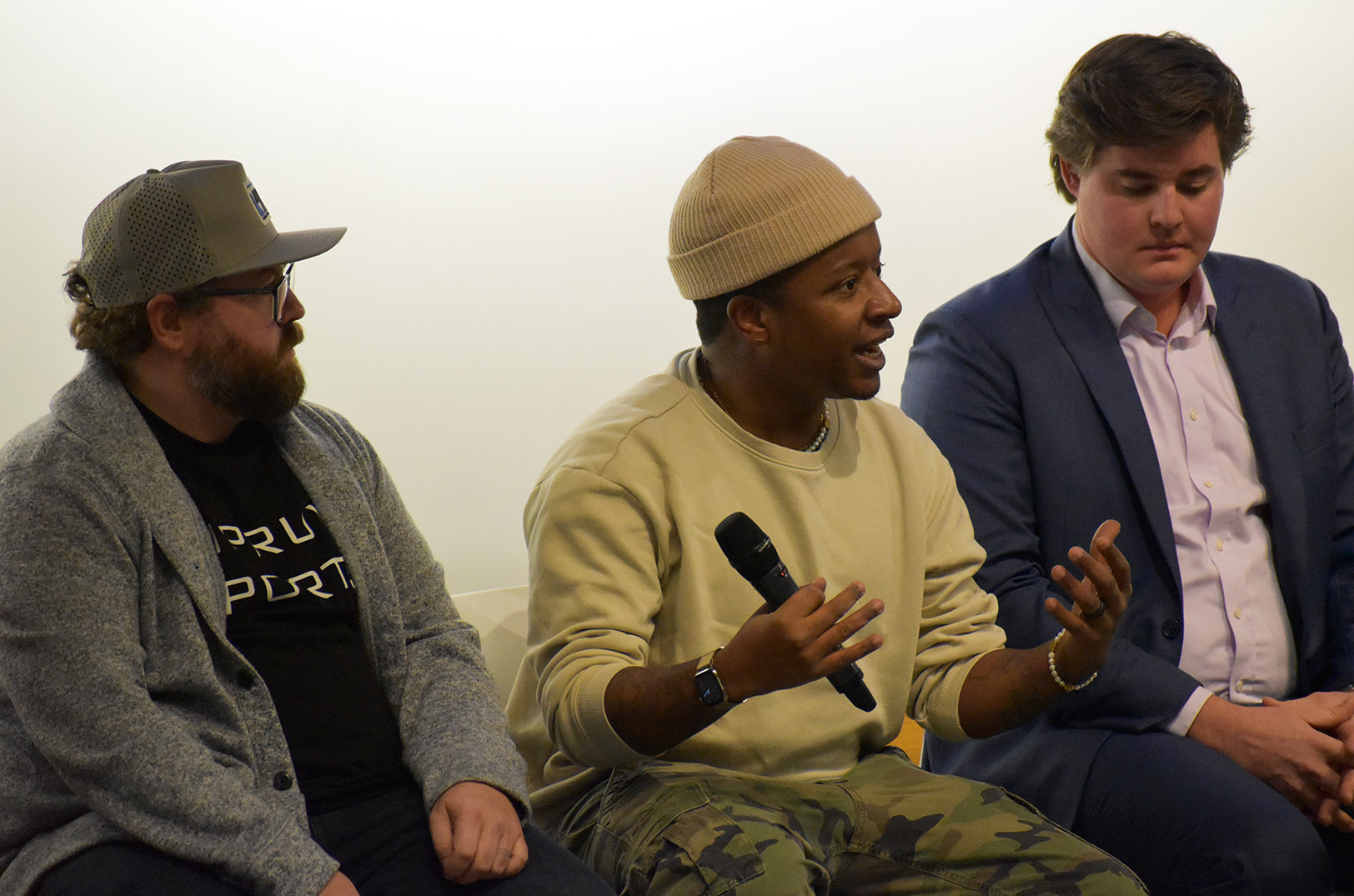
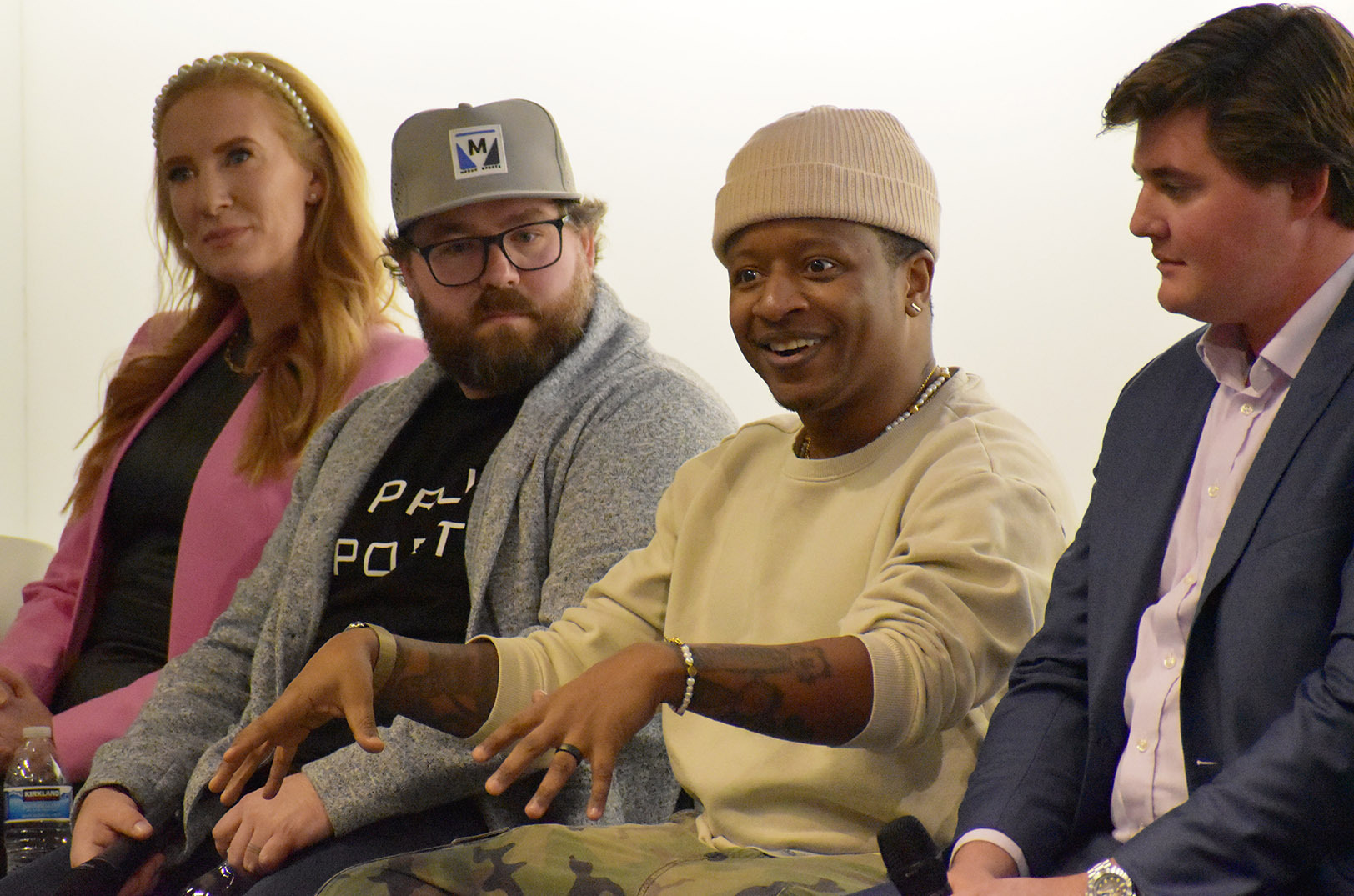
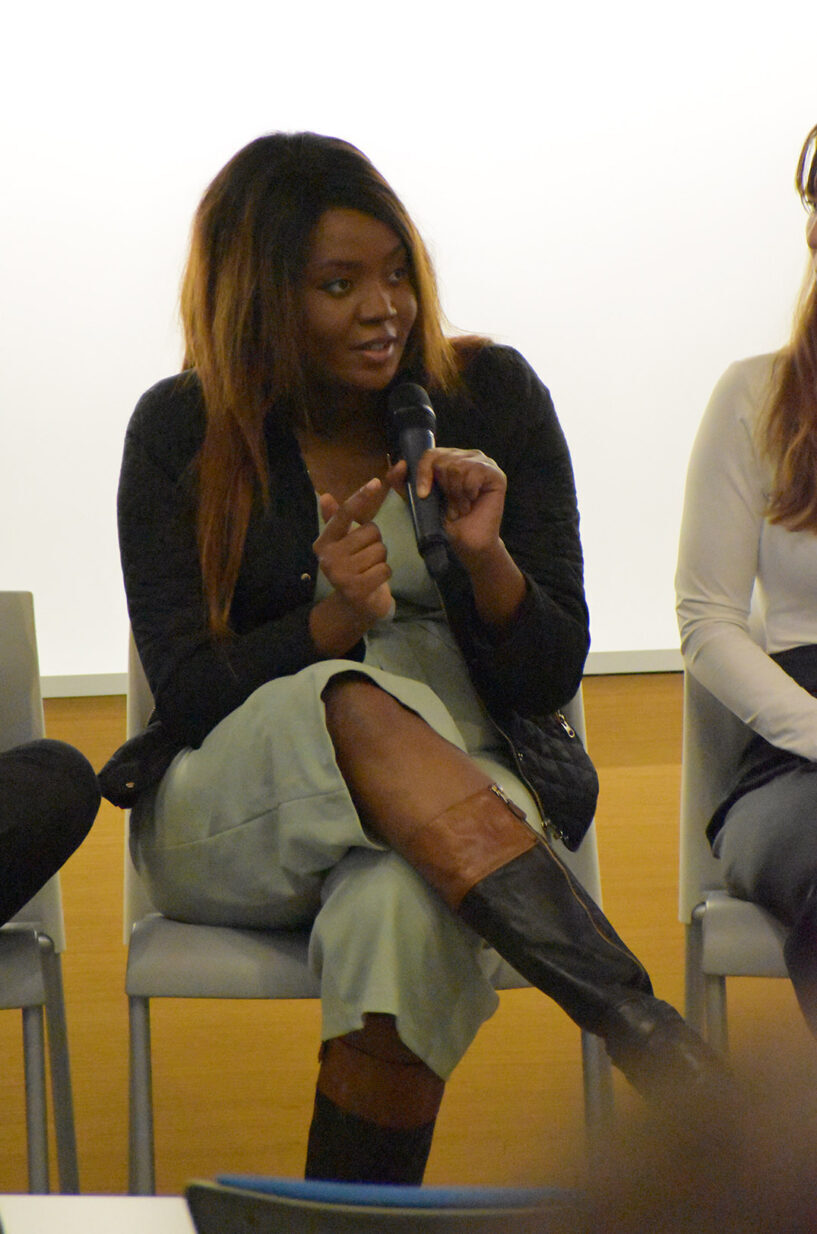
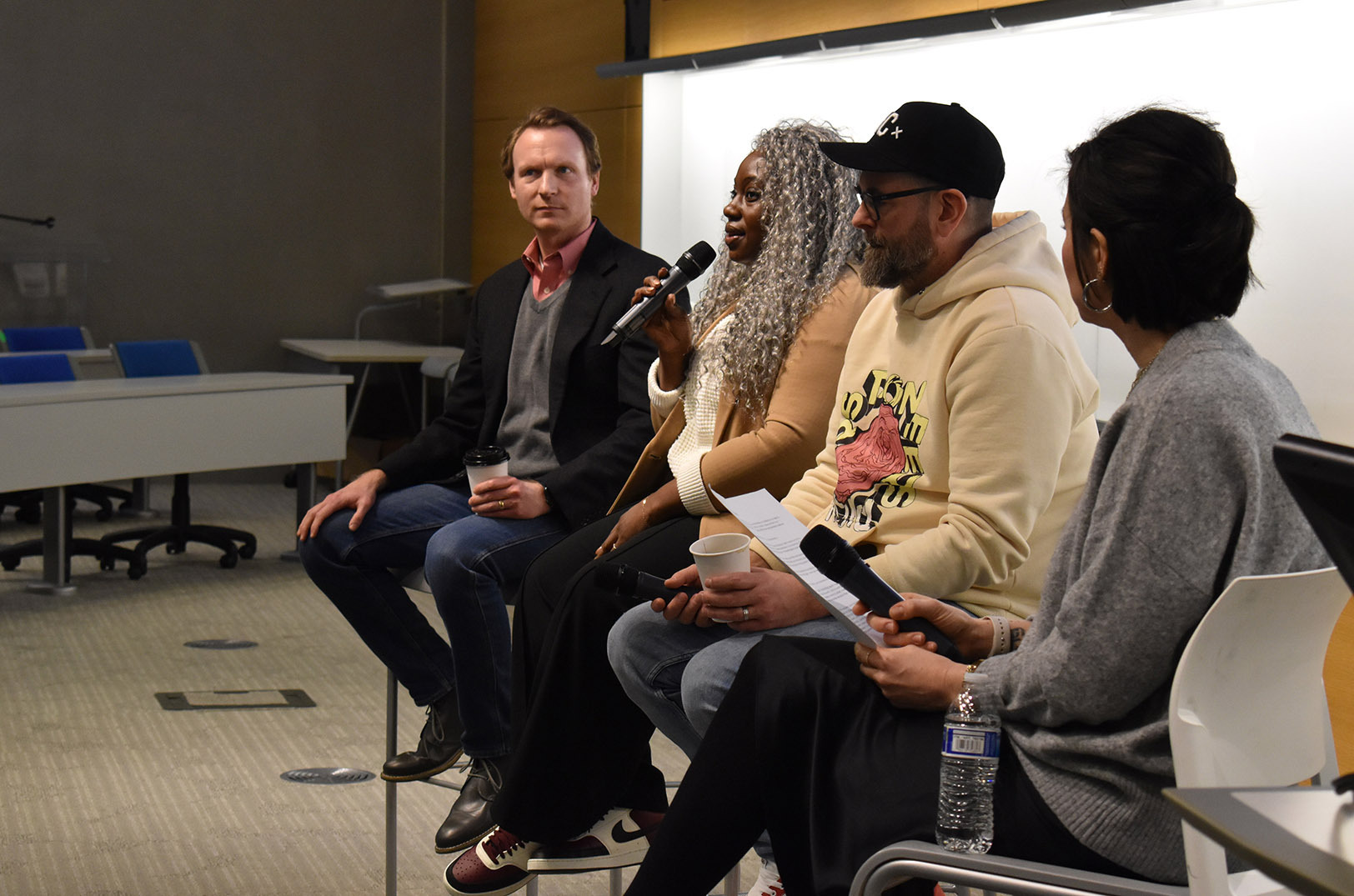
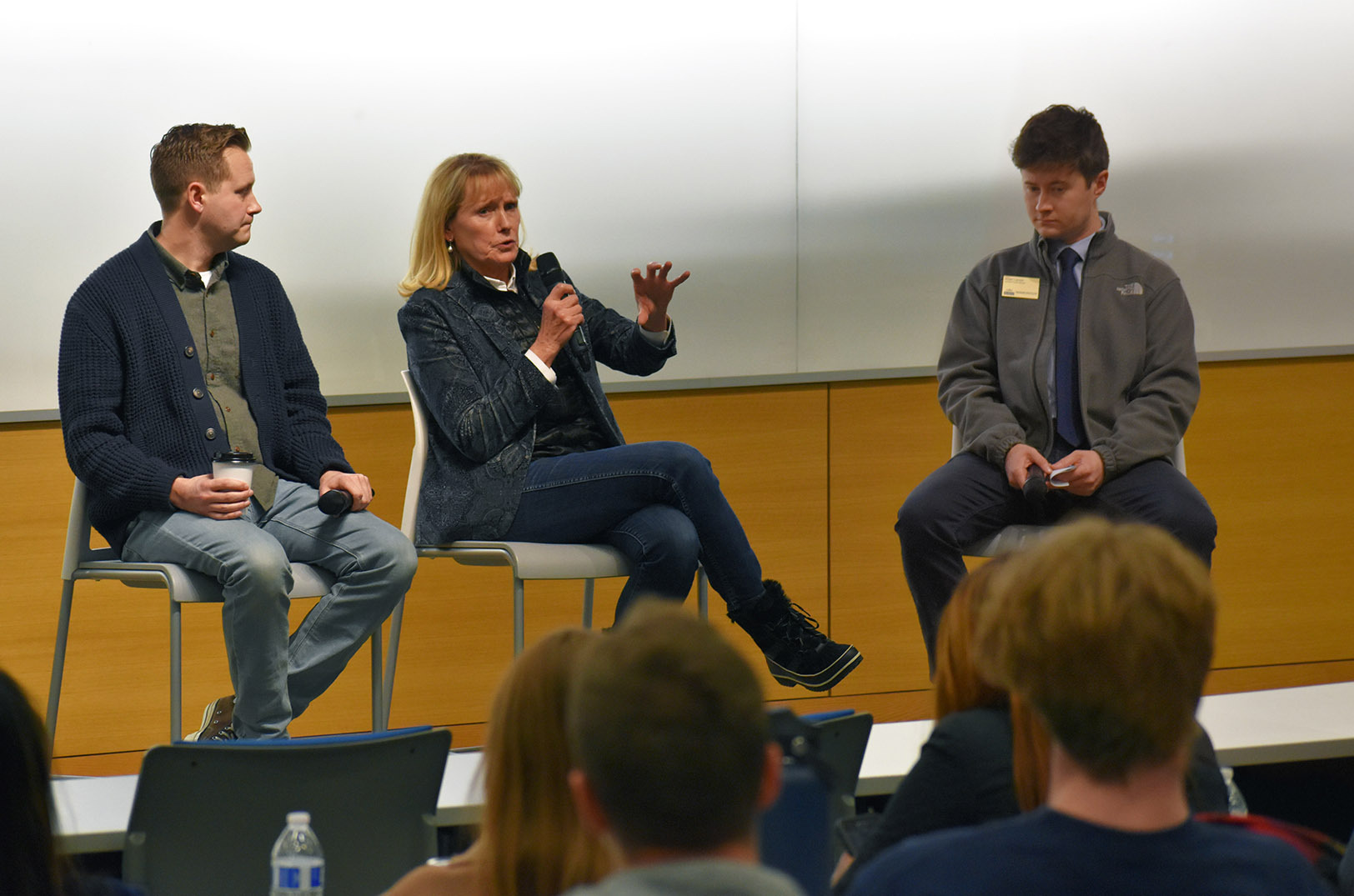
Taylor Clauson, Abstraction Capital, and Darcy Howe, KCRise Fund, talk during a “Funding Your Startup in 2024” panel conversation at Startland News’ Kansas City Startups to Watch in 2024 seminar and reception; photo by Taylor Wilmore, Startland News
Taylor Clauson, founder of Abstraction Capital, echoed that point in conversation with Howe and Adam Larson, UMKC Henry W. Bloch School of Management.
“You need to build relationships early and often,” Clauson explained. “If you’re going to start something, start having conversations before you start it. Have conversations as you start, as you ramp up, as you go through MVP. Then when you’re ready to raise, you’ve already built the relationship.”
For example, he said, it’s a much easier yes to having a conversation with a founder if they can say: “Remember what I said I was going to do six months ago? Here’s what I’ve done”; versus a cold email asking for $1 million in funding for a company that might not be a fit.
“Just start to map out the universe of like, ‘Who are people I should talk to?’” Clauson continued. “And I would encourage you to say yes to every conversation in the early days, because you never know where that could network you to in the long run.”
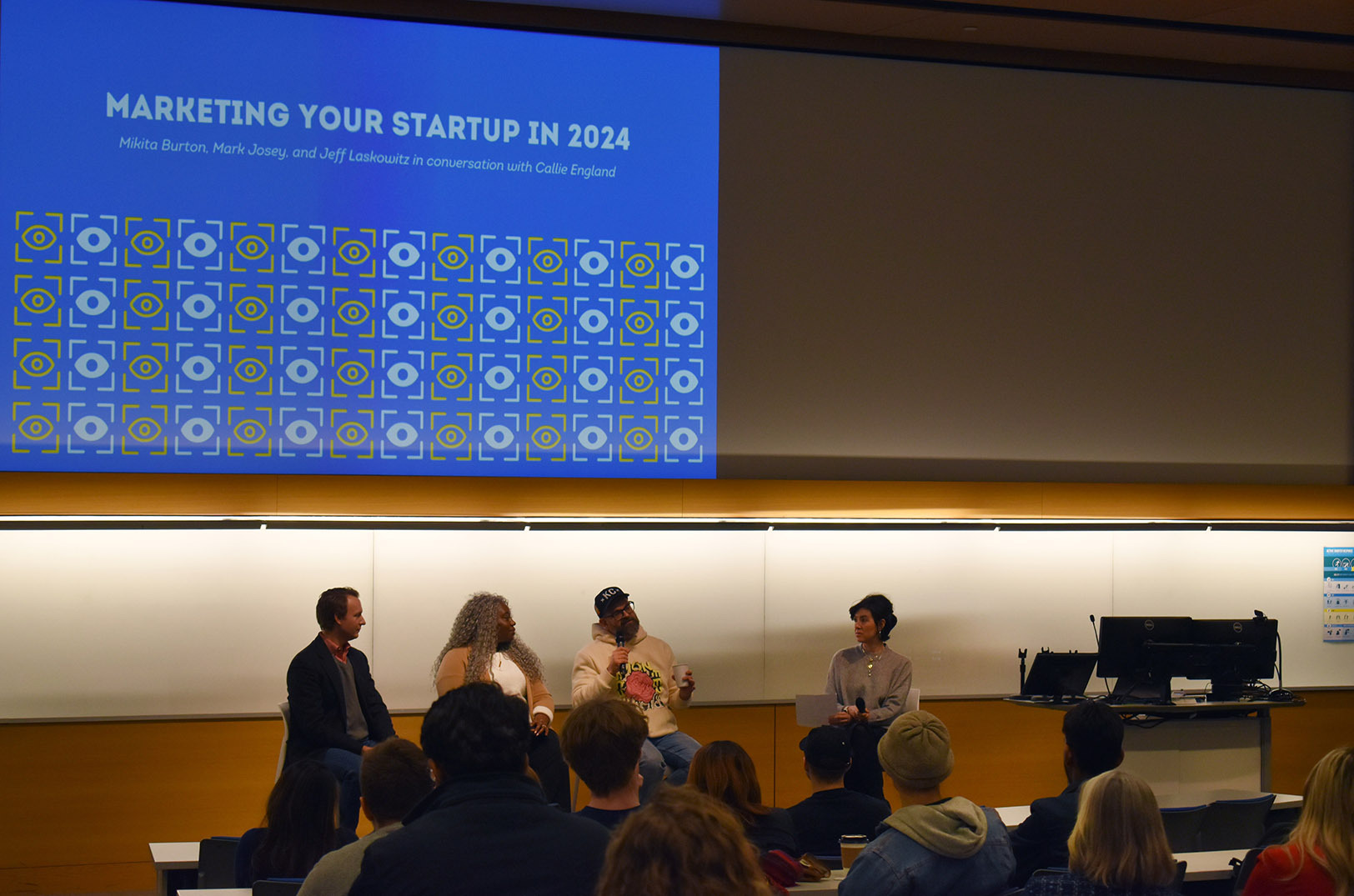
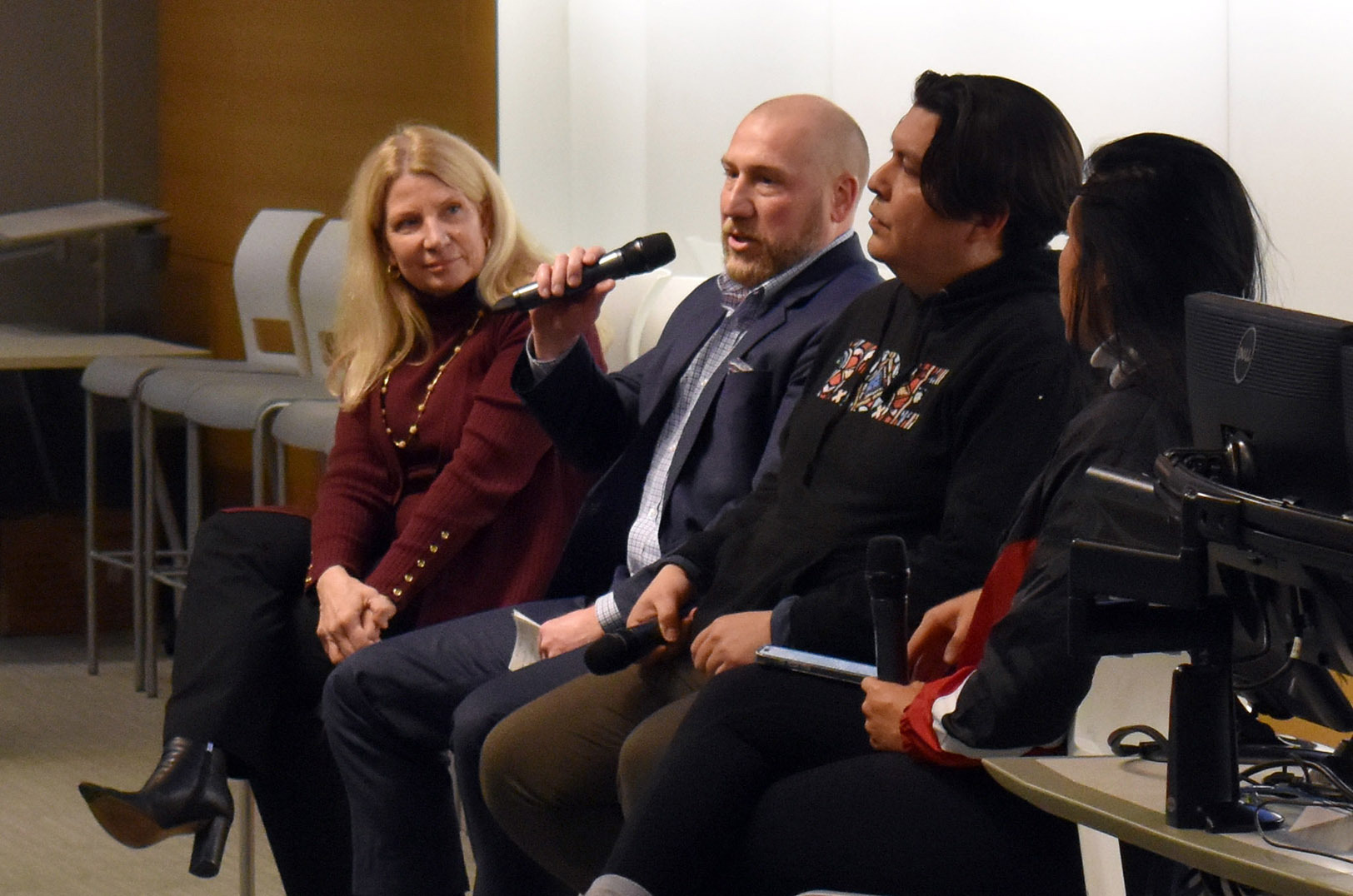
Other panel sessions at the Startland News event included discussions from the 10 Kansas City Startups to Watch, marketing, and resources, presented with support from the Ewing Marion Kauffman Foundation and sponsors Morgan Stanley, UMKC’s Bloch School, Messenger Coffee Company, and Spark Kansas City.
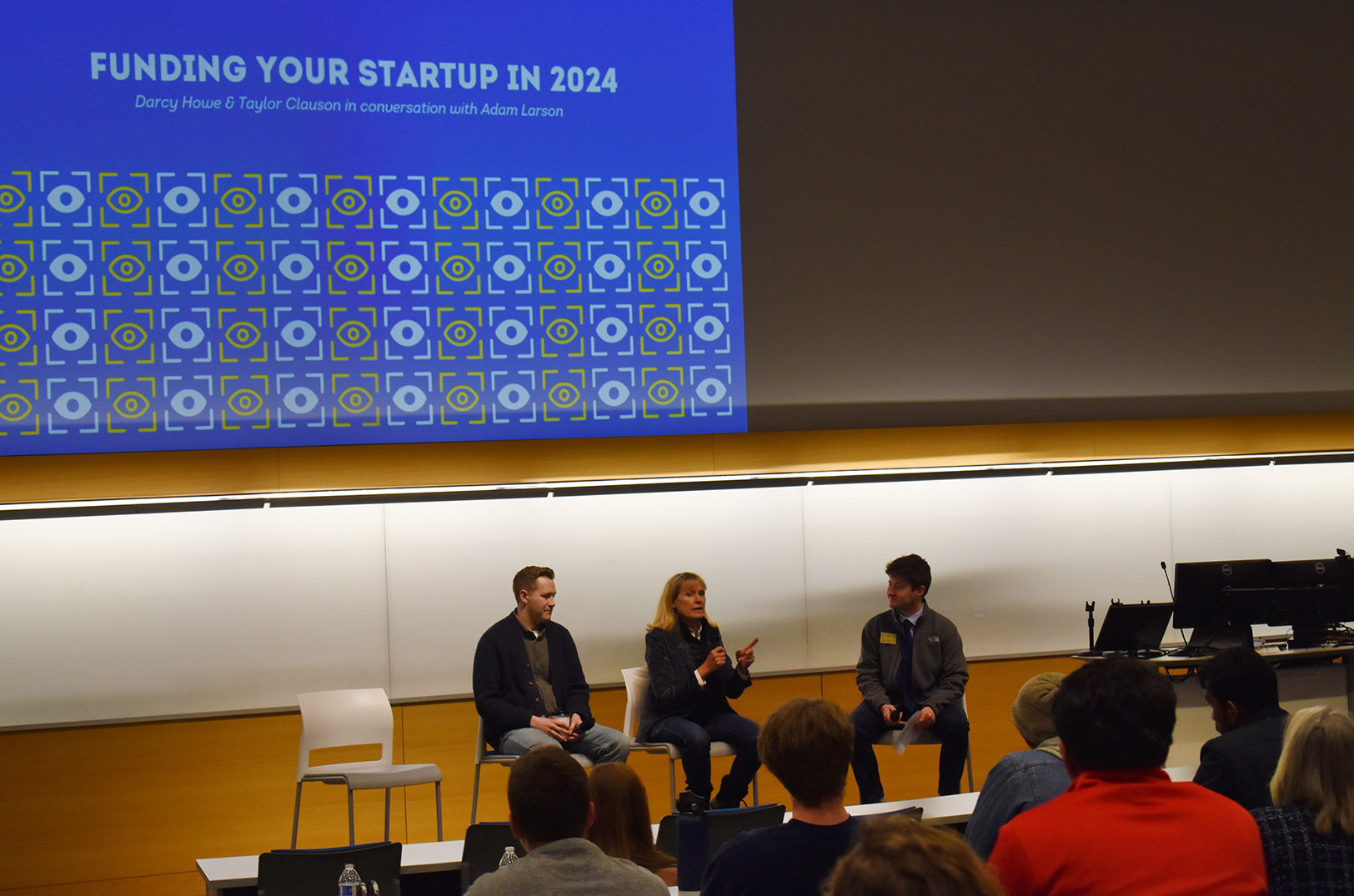
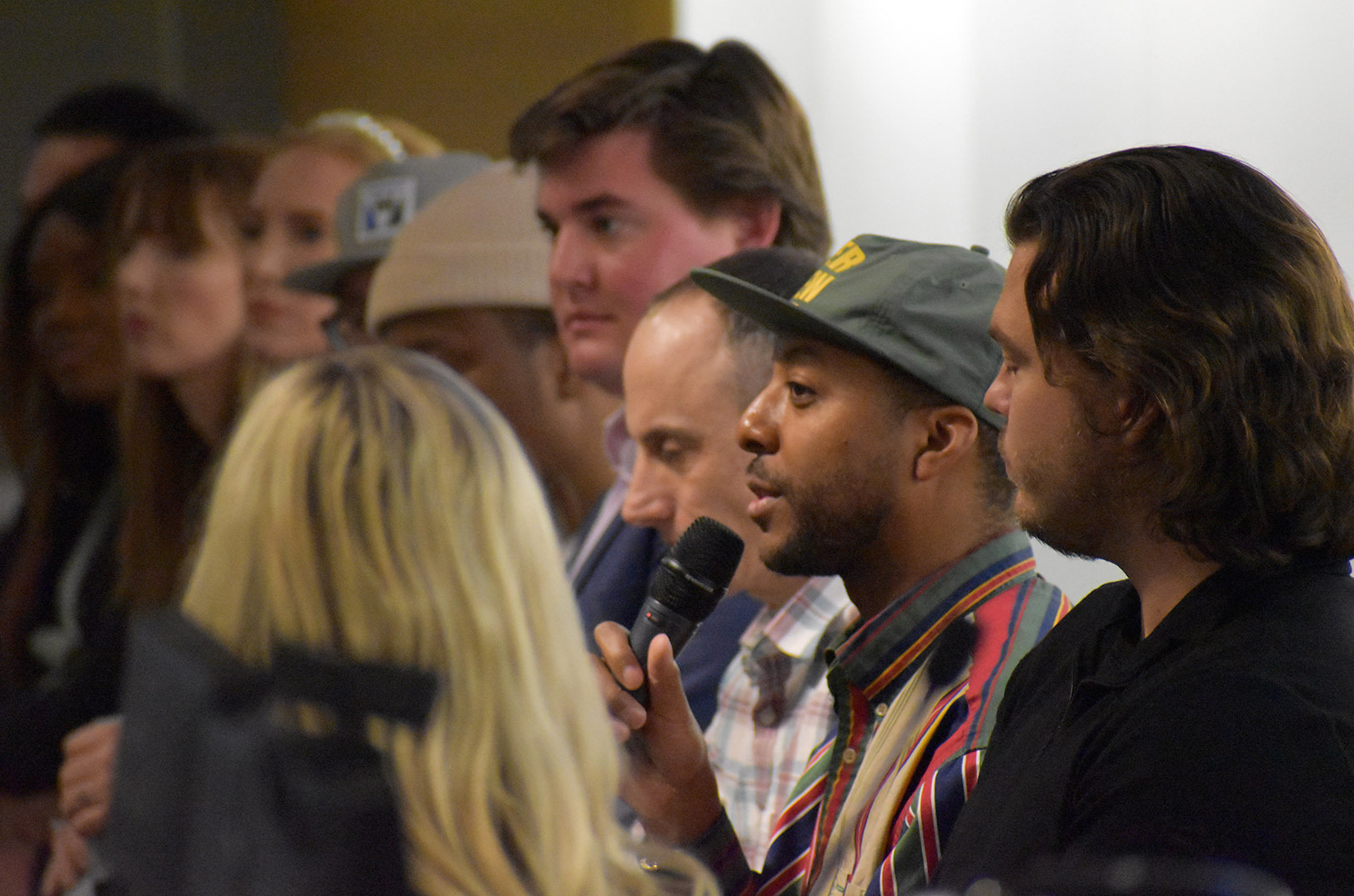
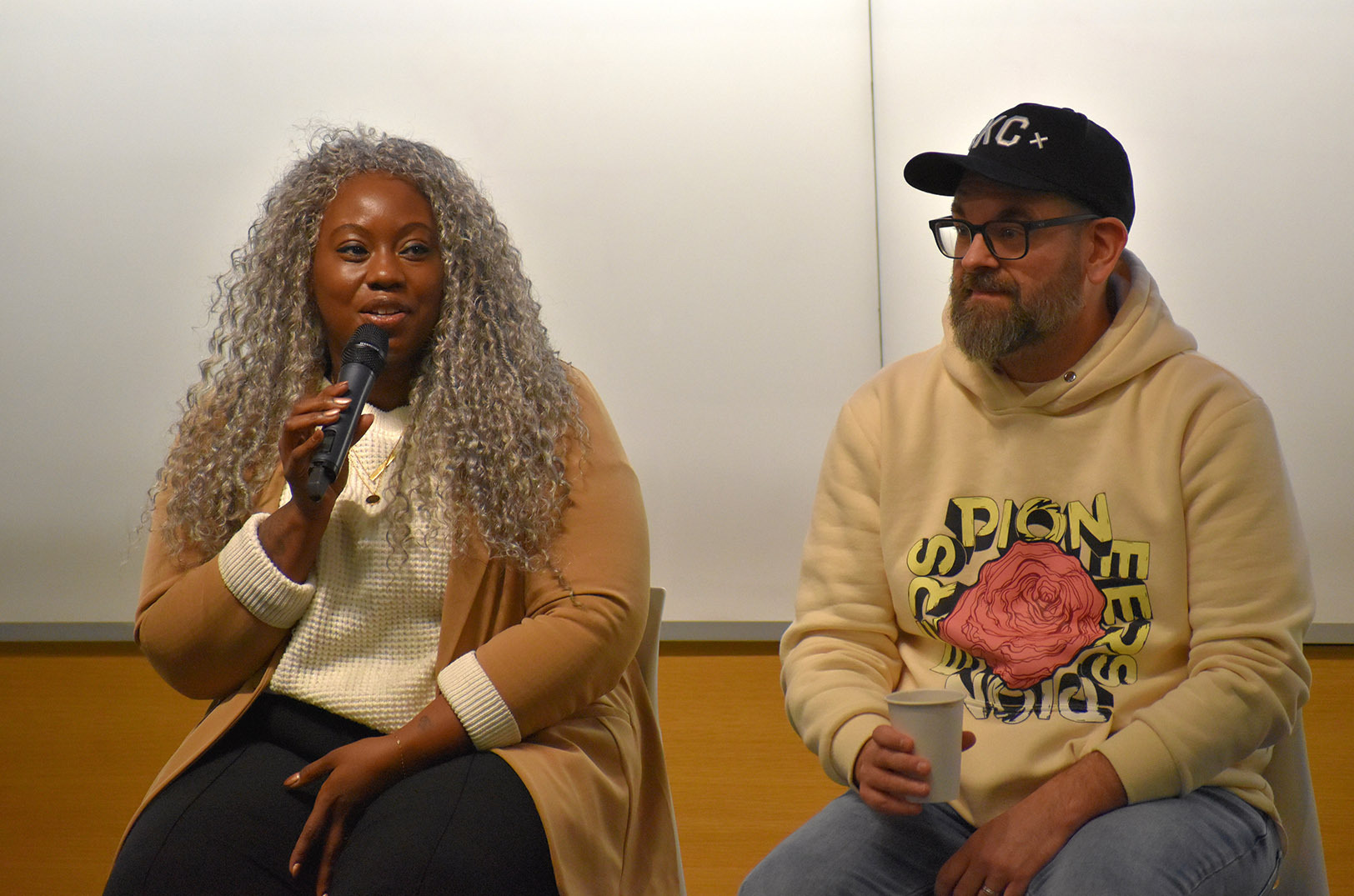
Darcy Howe, KCRise Fund, speaks alongside Taylor Clauson, Abstraction Capital, during a “Funding Your Startup in 2024” panel conversation at Startland News’ Kansas City Startups to Watch in 2024 seminar and reception; photo by Taylor Wilmore, Startland News
Howe encouraged founders to send out monthly or quarterly friends and family updates to everyone they know with three parts: results of what they previously said they would do, what they’re planning next, and how the friends and family can help (money, customers, pilots, advisors, pricing, strategy, talent).
Being disciplined with these updates will set the founder apart, she said.
“They don’t have to be big wins — just little wins — showing that you’re doing what you’re saying you’re going to do,” Howe explained. “We’re watching you and we’re judging you like, ‘Are they the kind of founder I can back?’”
From the archives: KCRise Fund closes $34M Fund III with ‘hyper-local’ focus
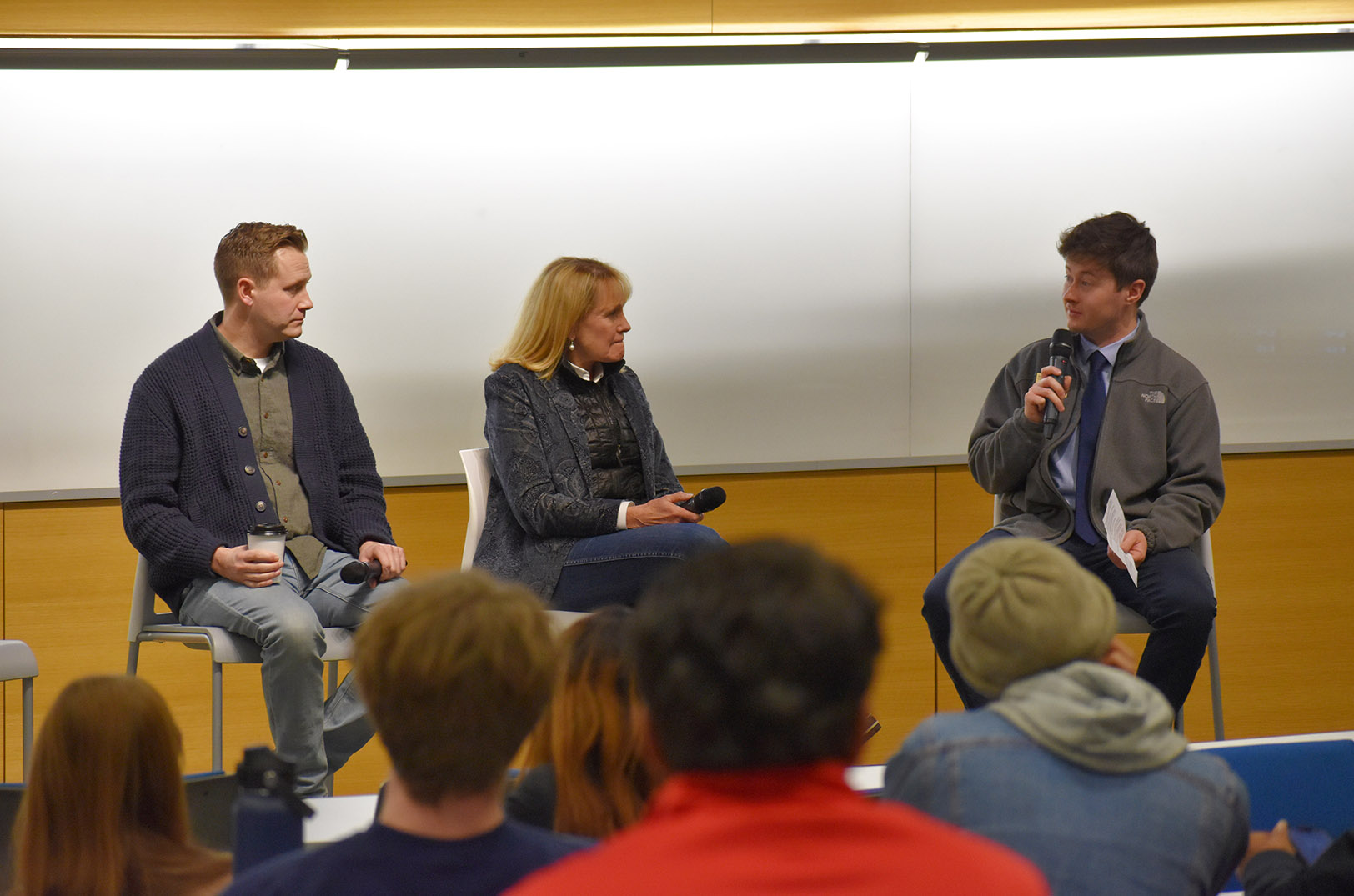
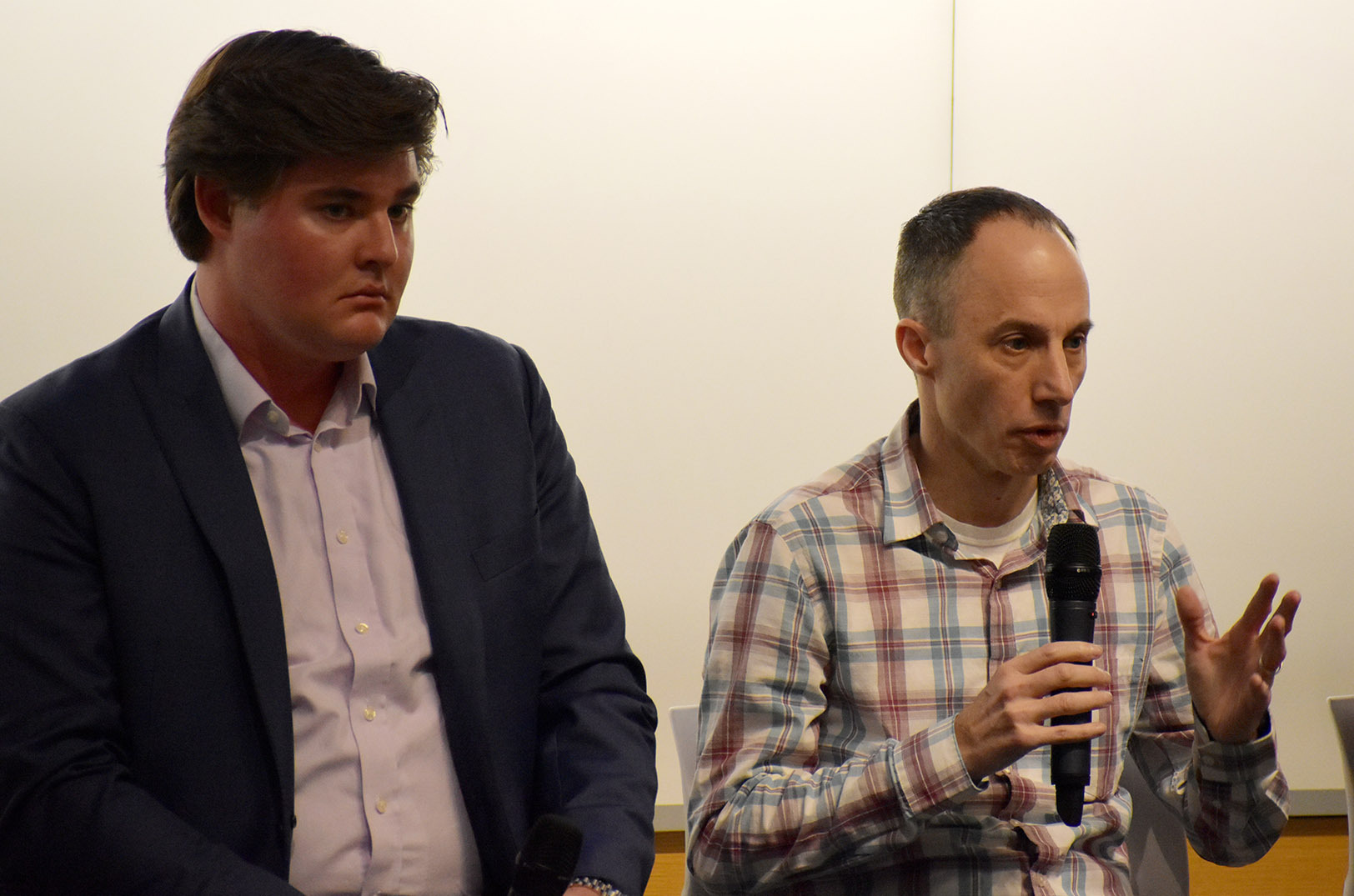
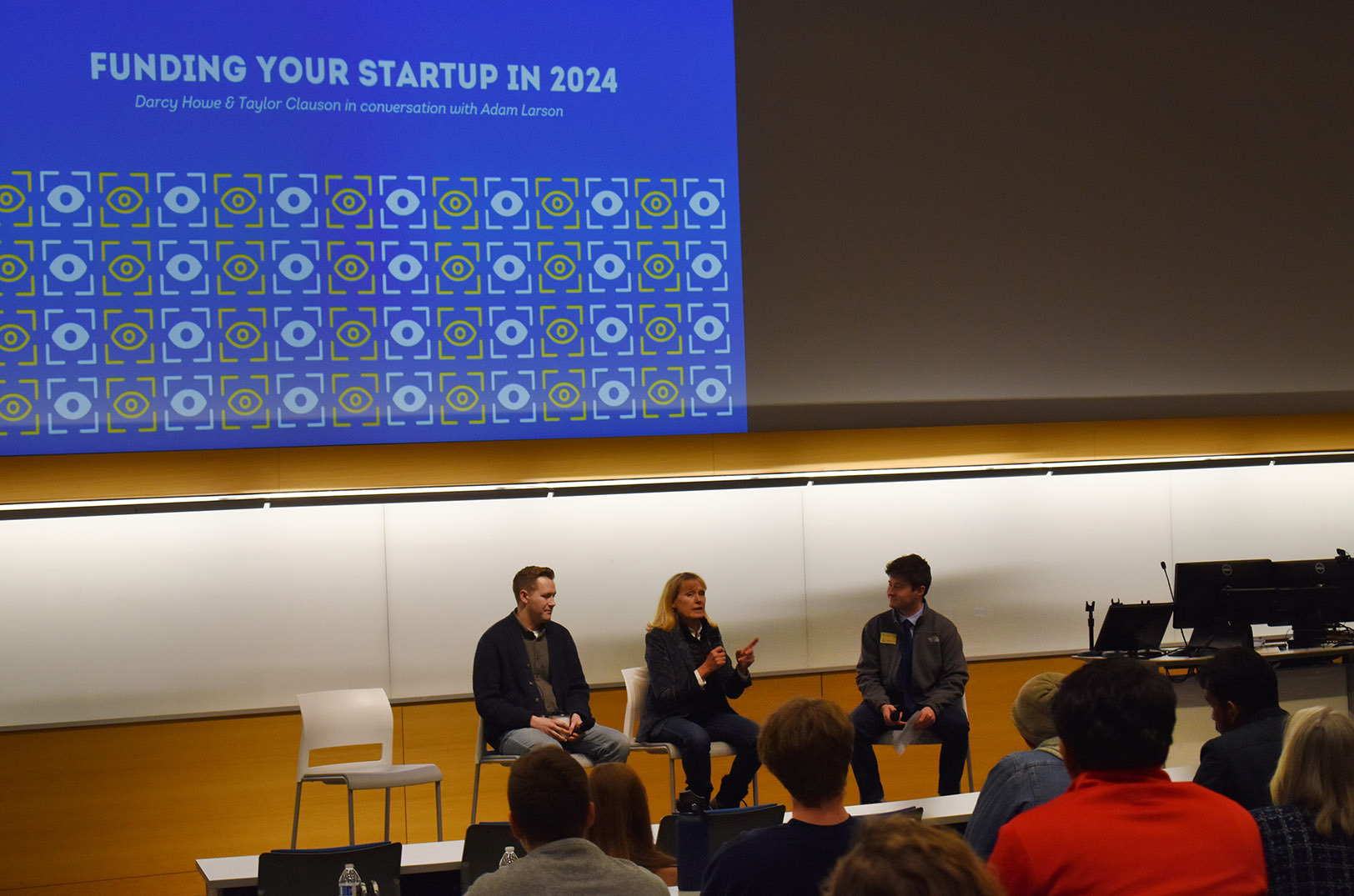
Adam Larson, UMKC, poses a question to Taylor Clauson, Abstraction Capital, and Darcy Howe, KCRise Fund, during a “Funding Your Startup in 2024” panel conversation at Startland News’ Kansas City Startups to Watch in 2024 seminar and reception; photo by Taylor Wilmore, Startland News
While building those relationships, Clauson said, it’s also important for founders to do their homework on investors.
Clauson’s Abstraction Capital, for example, is an early stage venture fund for technical founders building developer tools, devops, software infrastructure and other technical tools. KCRise Fund, on the other hand, invests in early-stage technology companies with a strategic connection to the western half of Missouri or the entire state of Kansas, with a primary focus on business-to-business companies.
“Venture funds are a specific product targeting a specific type of return,” Clauson continued. “They all approach their niches very differently. So what I do to help founders is very particular to my space. I will have conversations as early as I can, before they incorporate, at any point along that journey. That’s when I want to get to know them and then help prep them for exactly what the fundraiser is going to be and what is going on in the company.”
Howe noted it’s also important to look at startups that have gotten funding previously to see what they’ve done with it and how they communicated back to investors.
“[The easiest companies to back] stayed in touch, they built relationships, and they created something that has a real product market fit where somebody wants to pay for it,” she said.
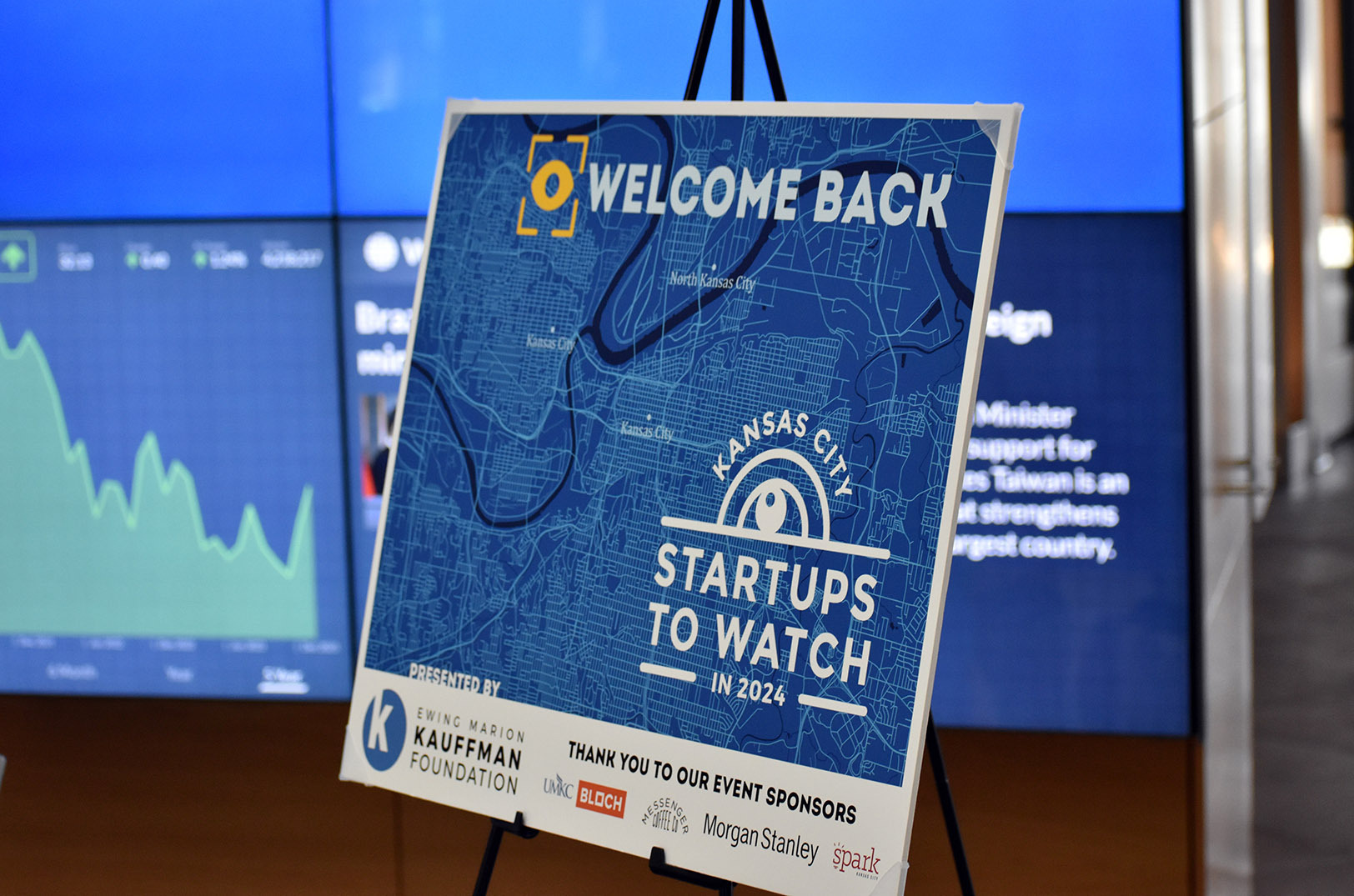
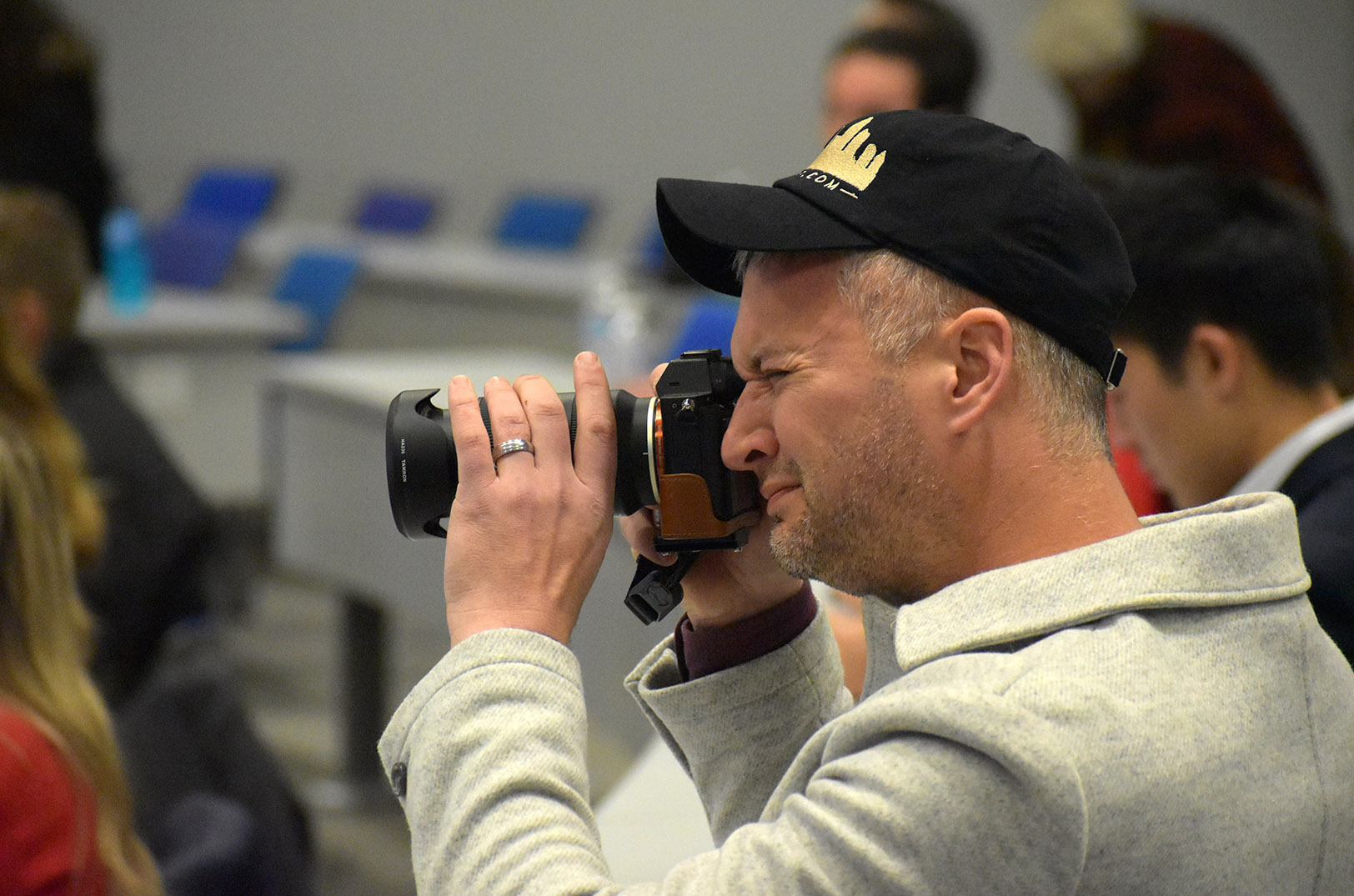
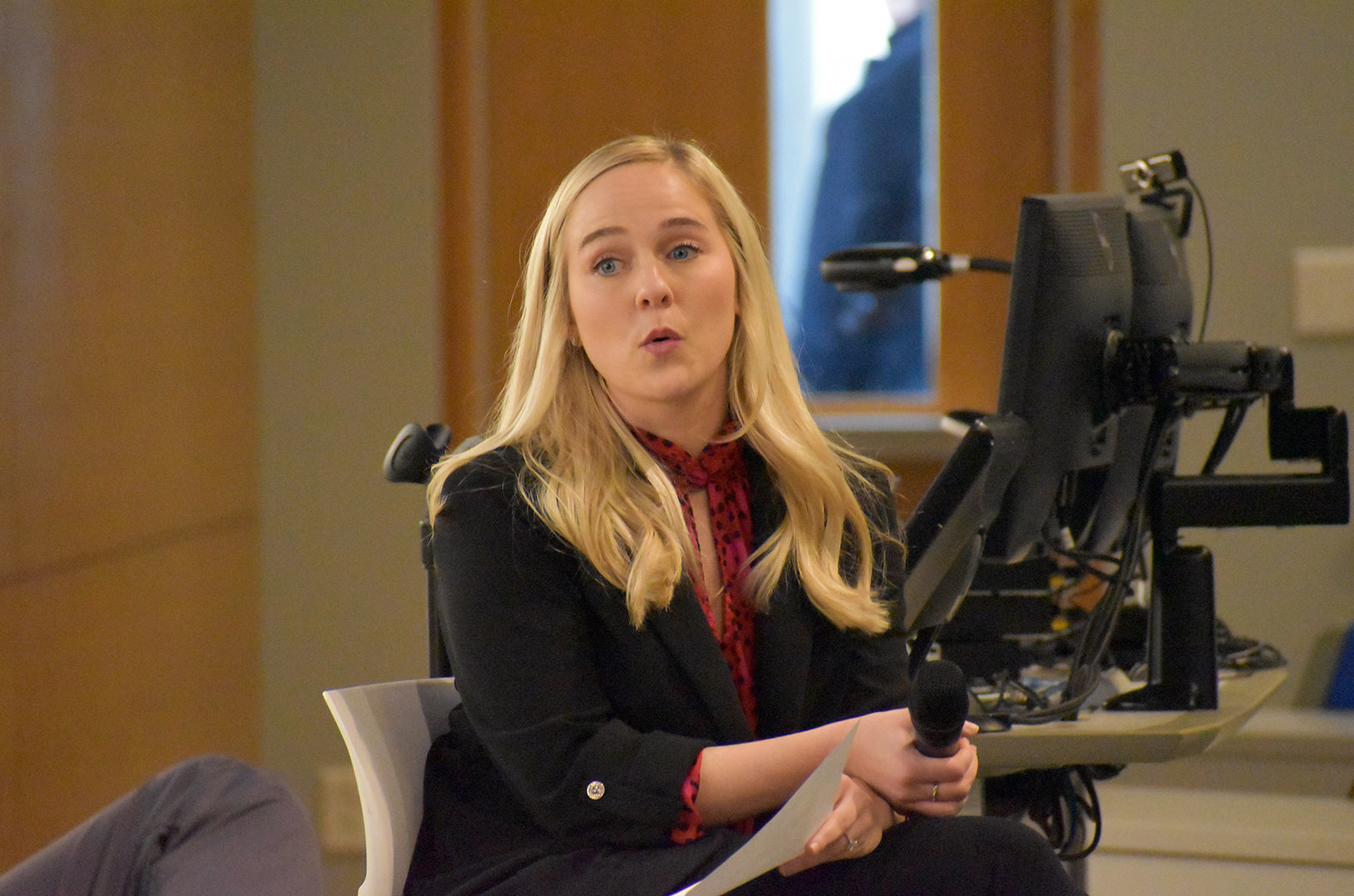
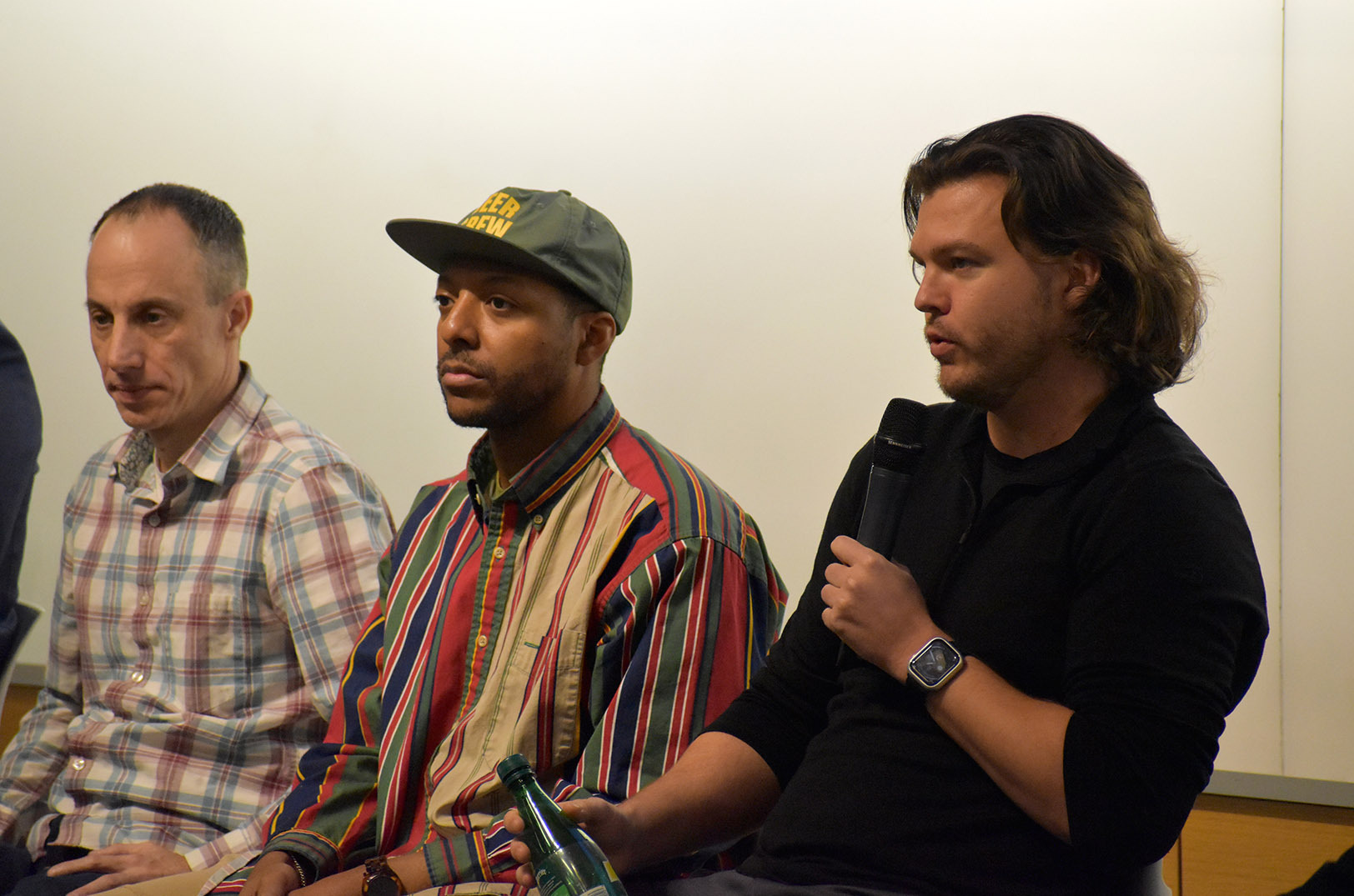
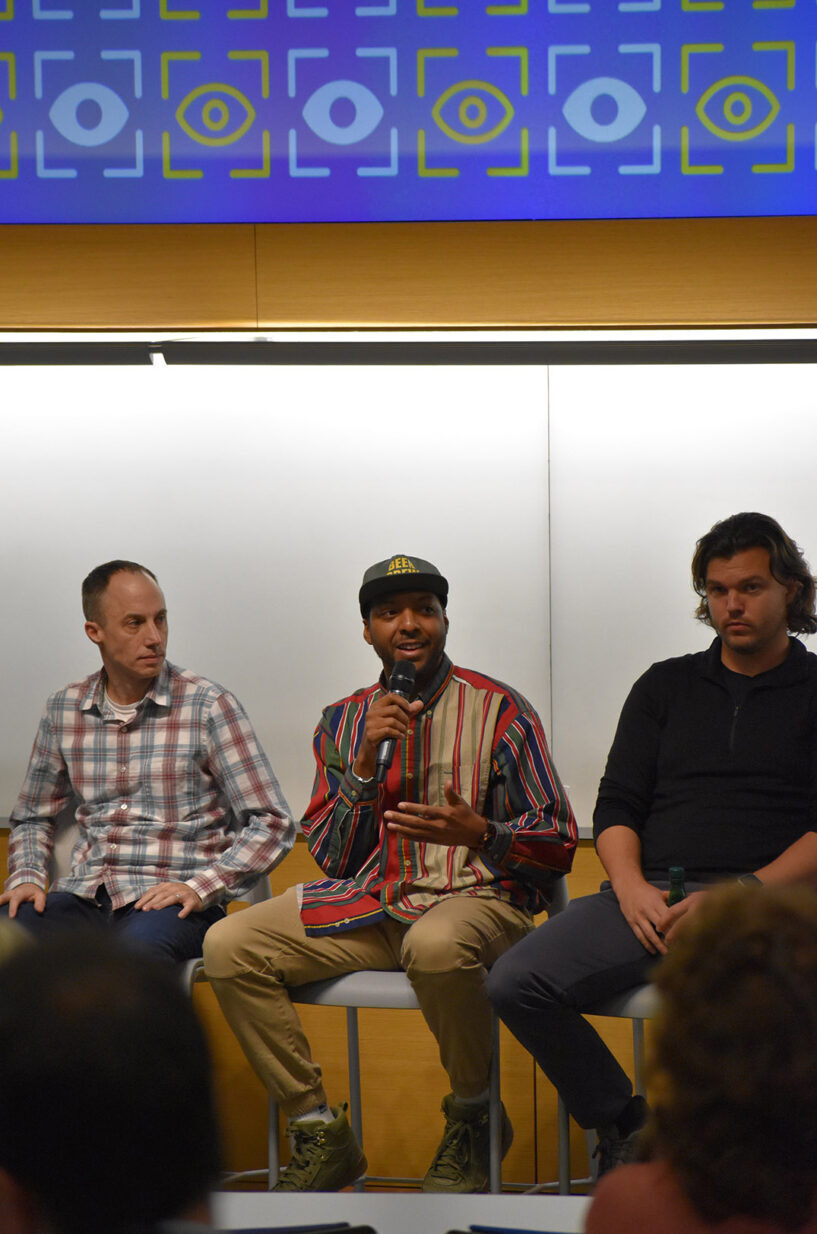
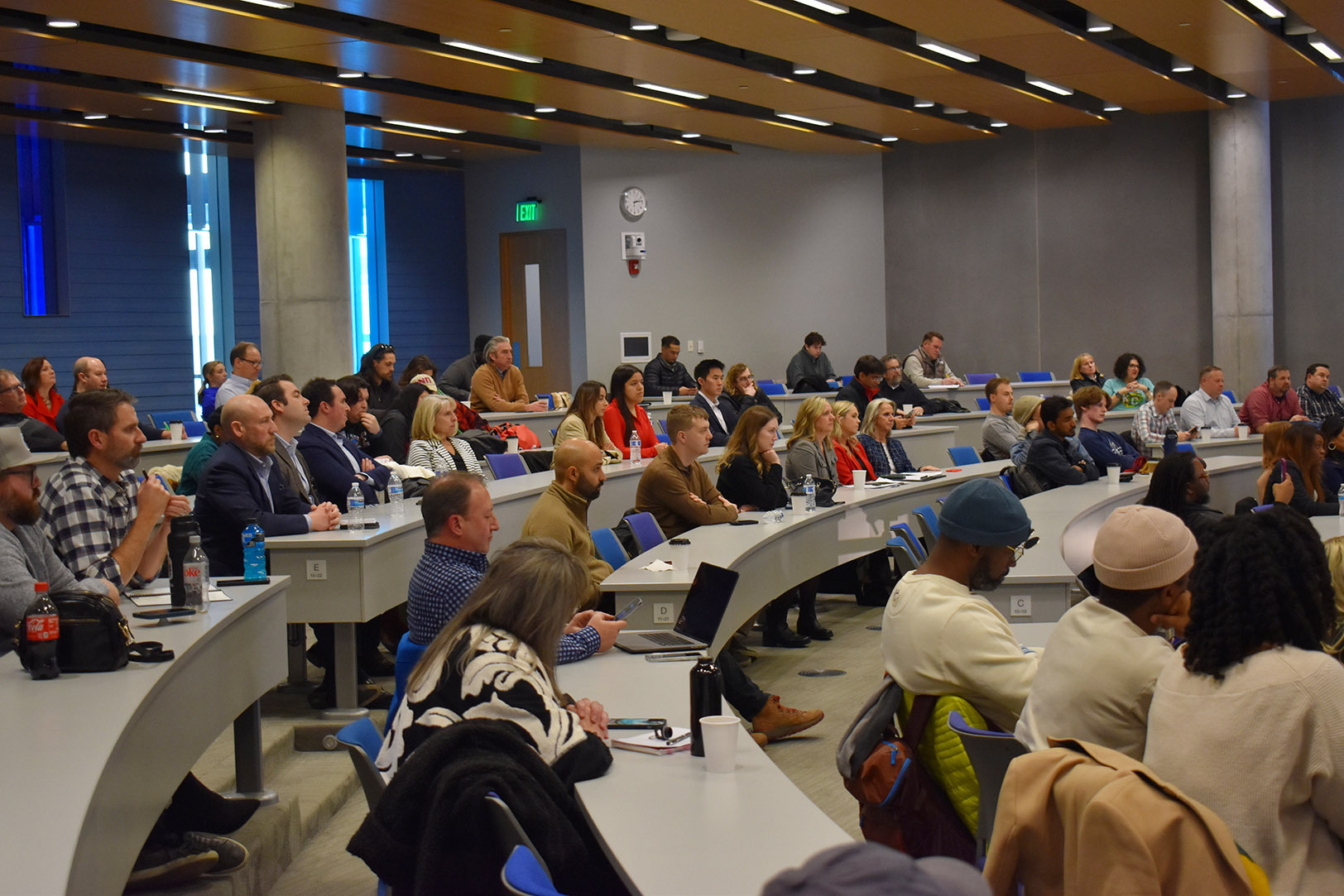
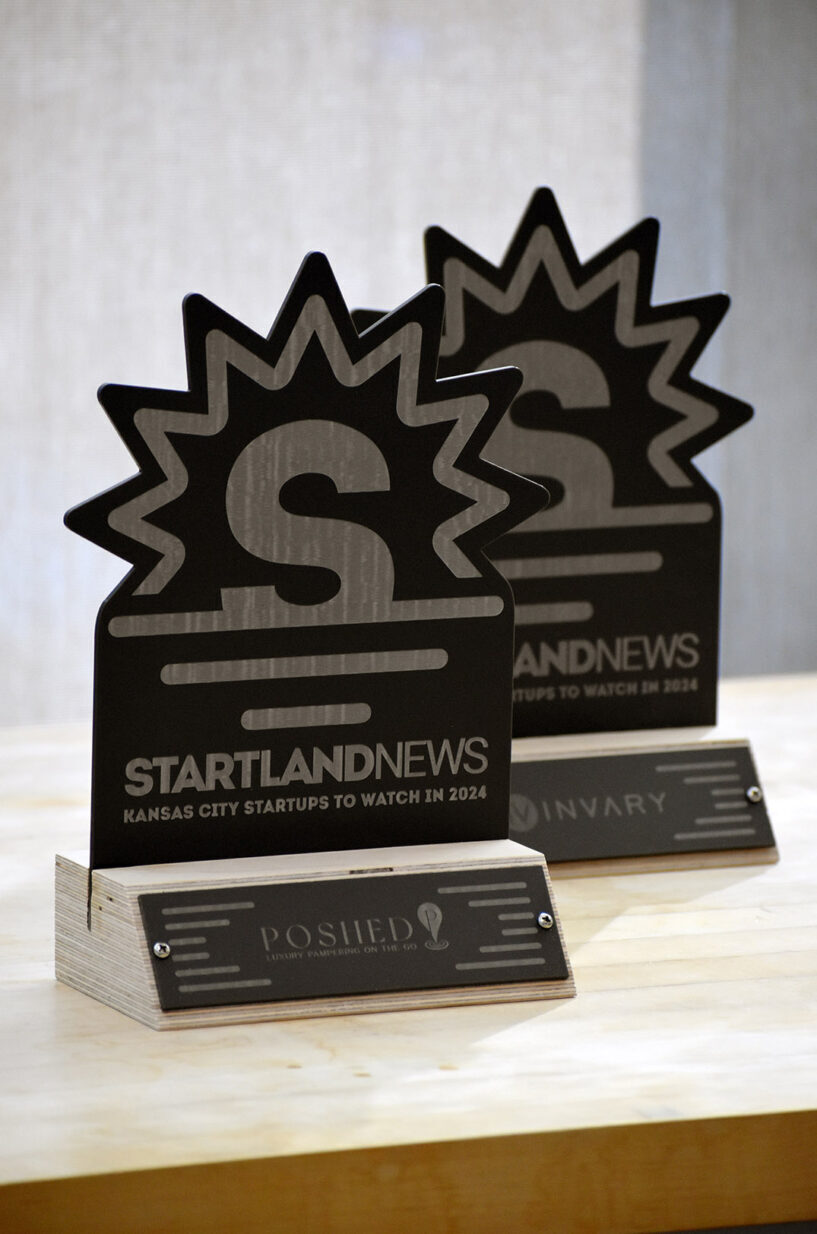
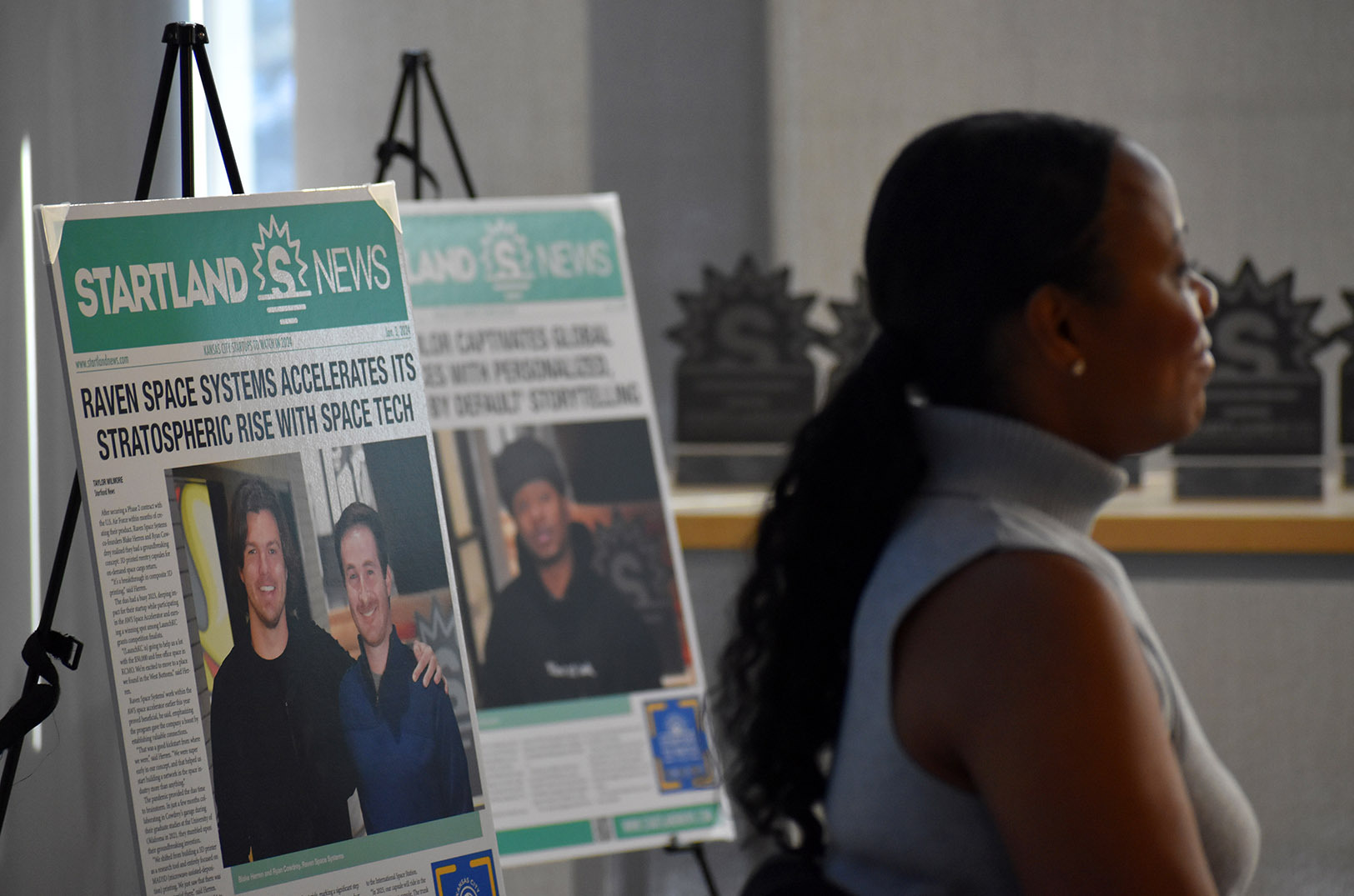
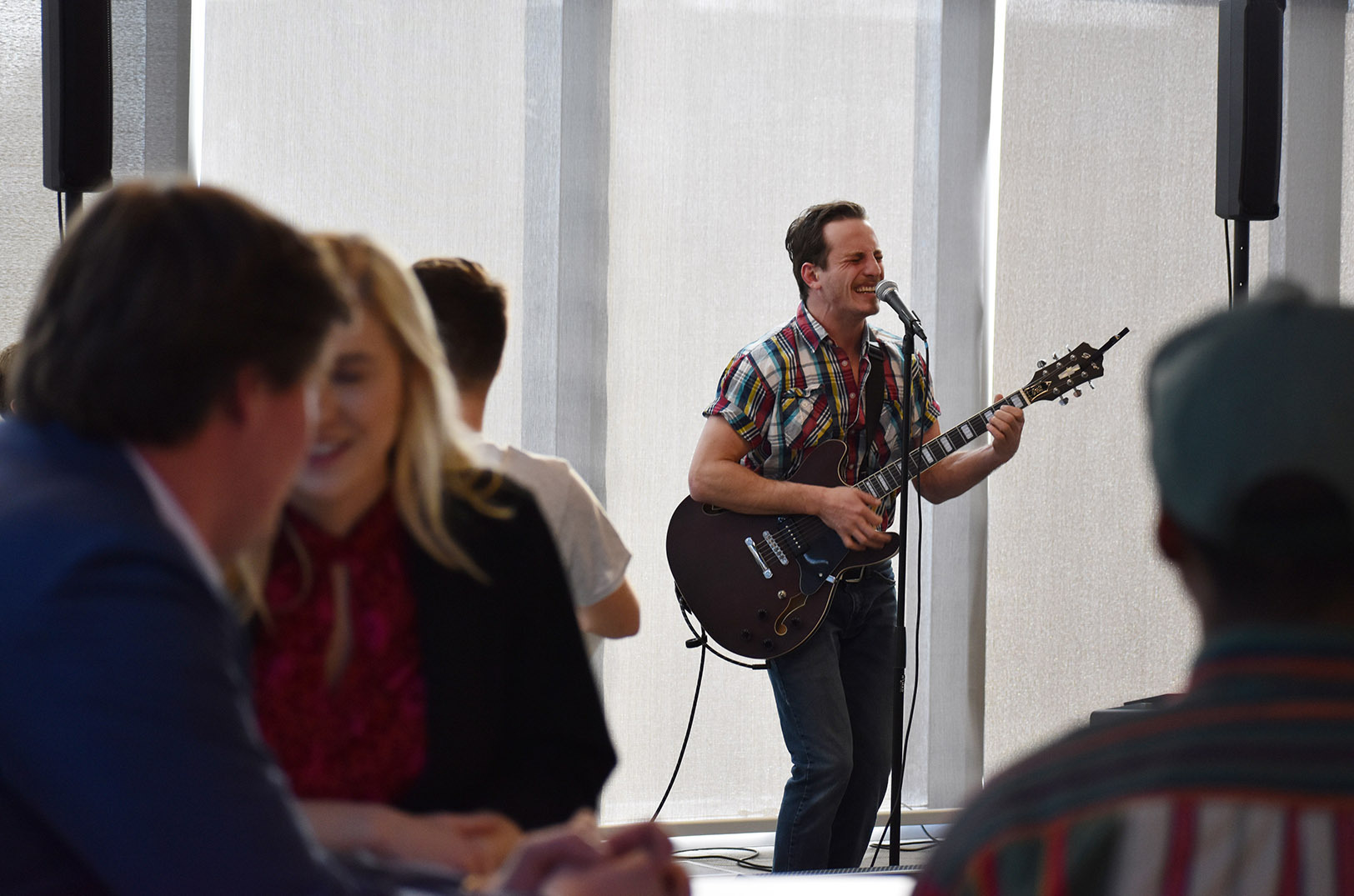
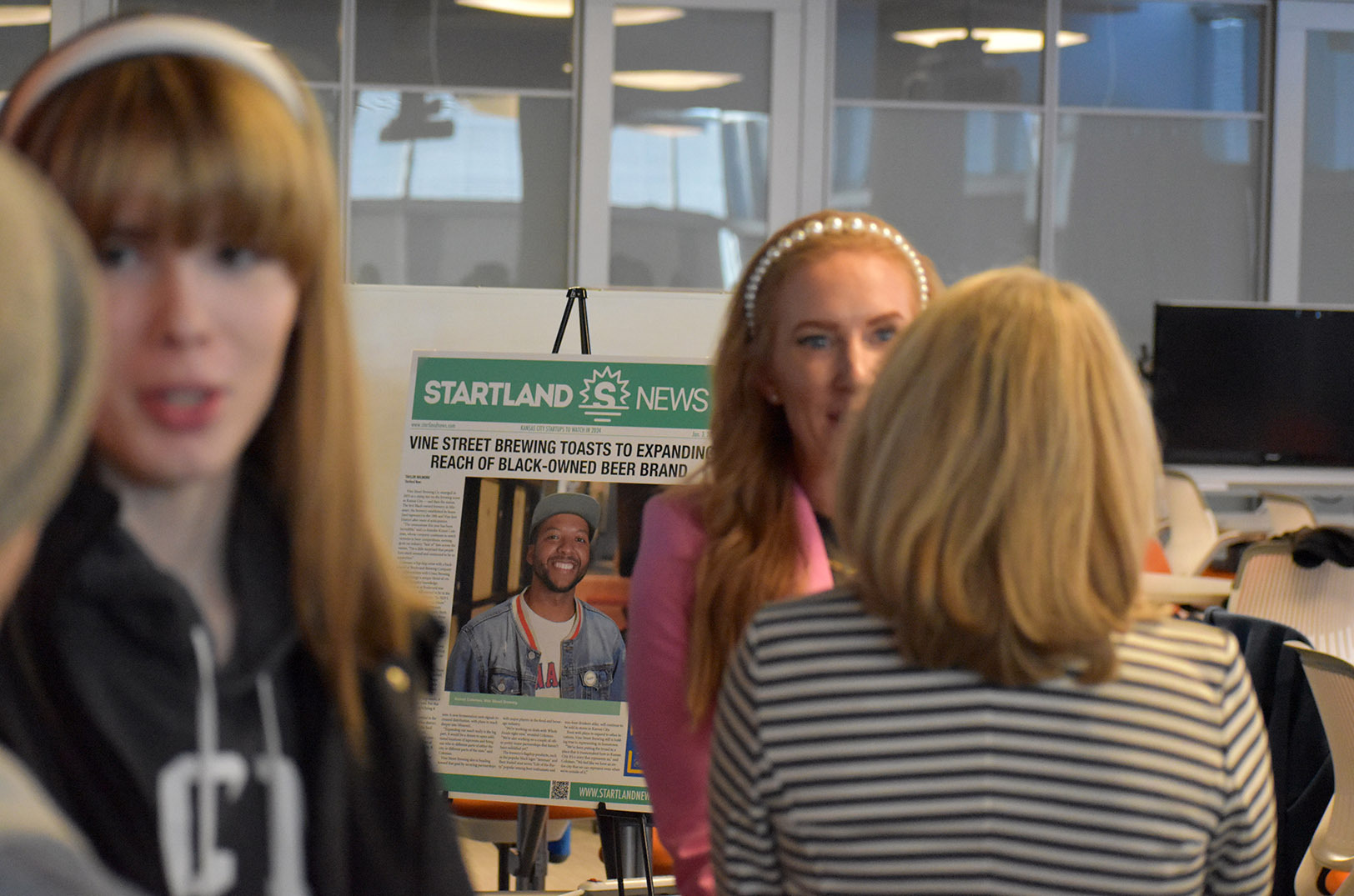
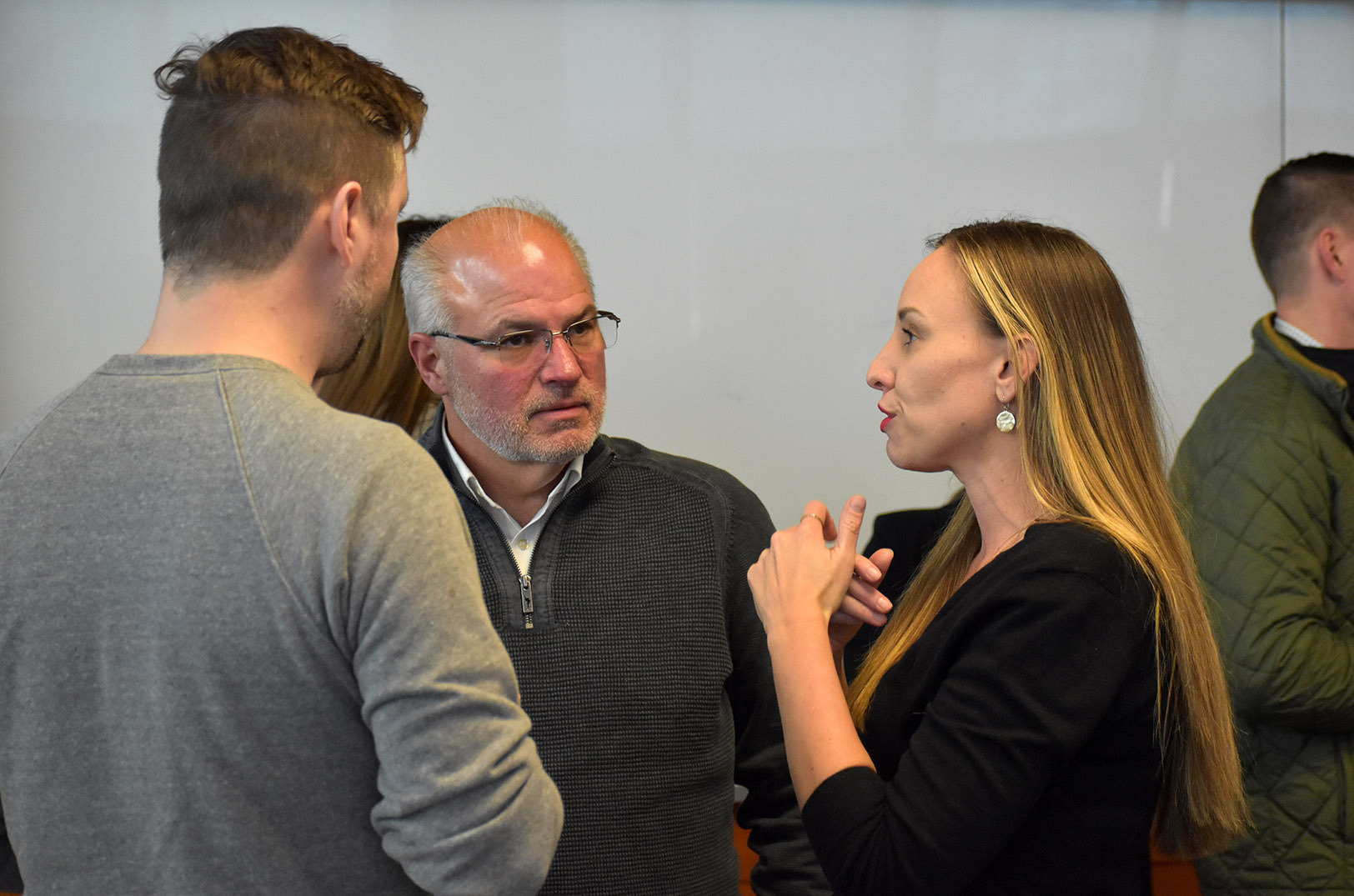
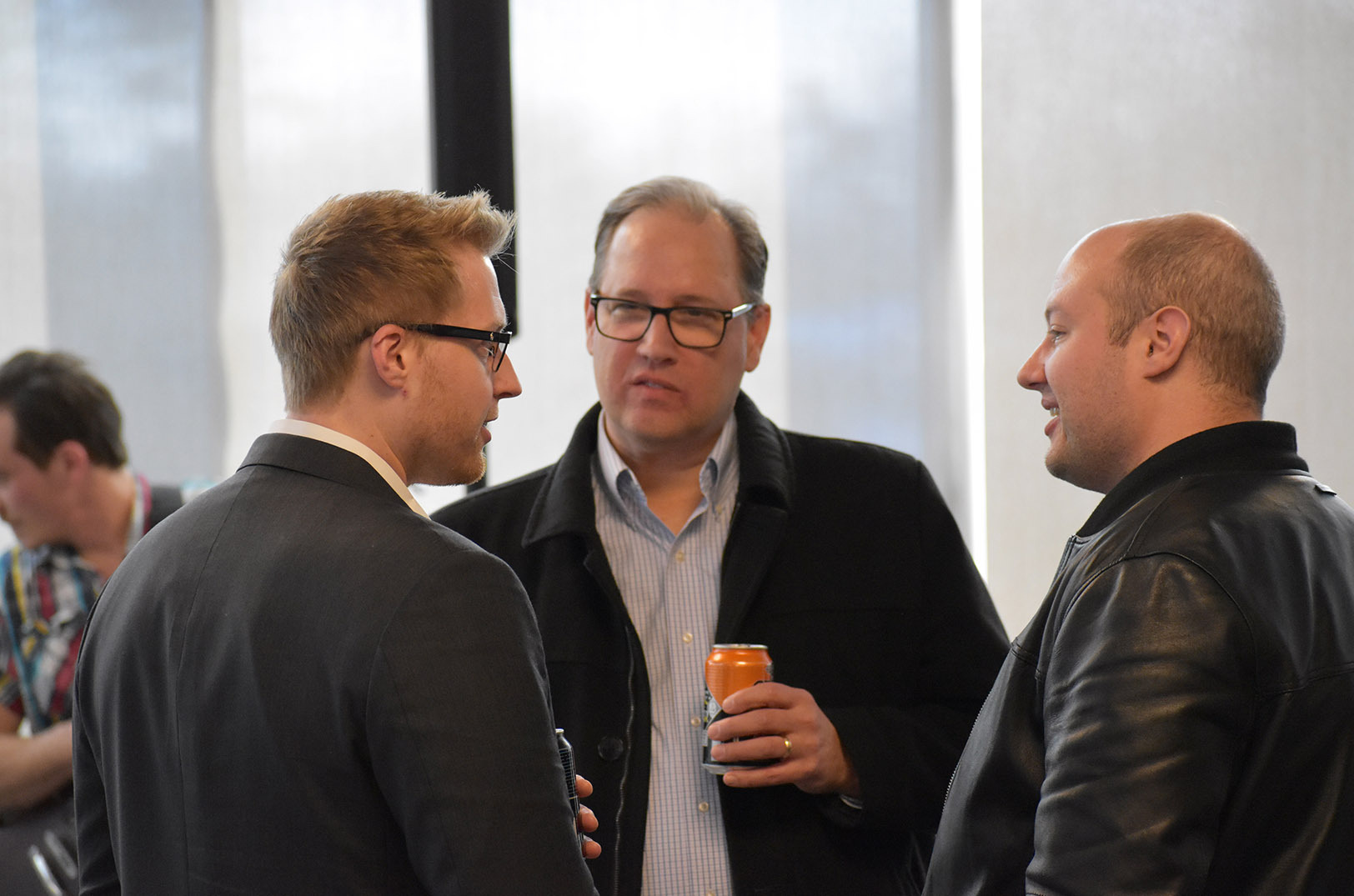
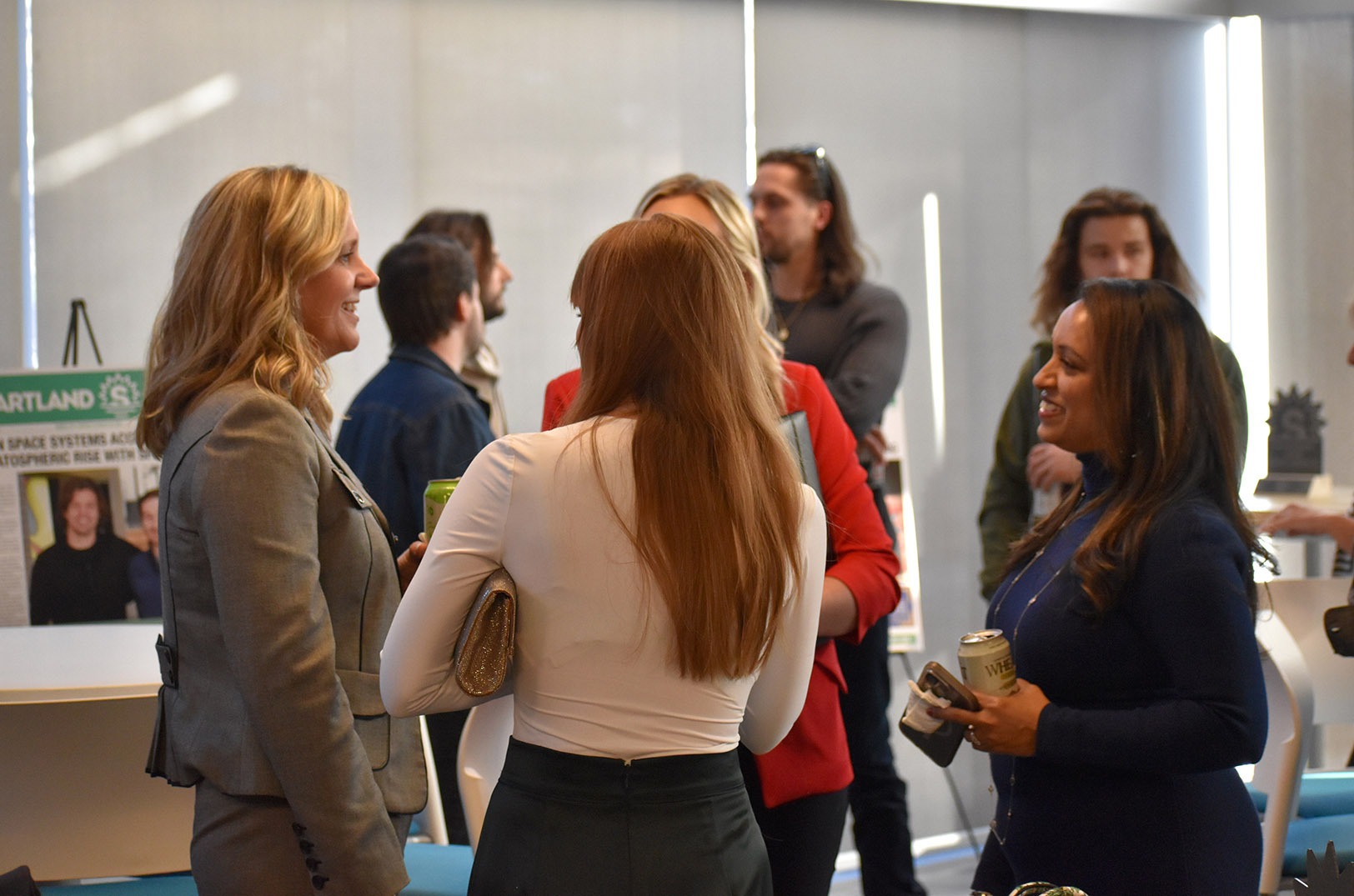
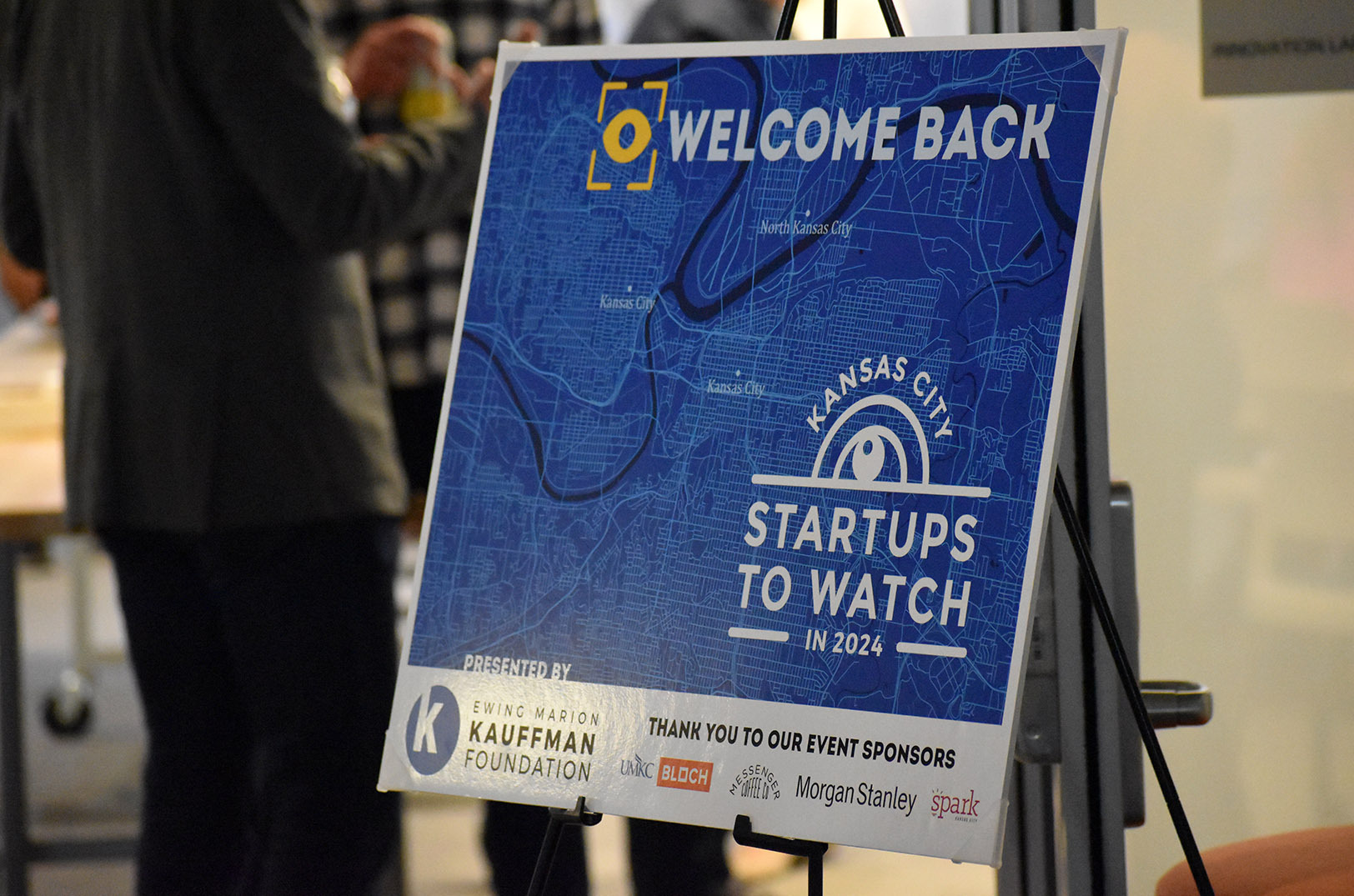
Check out a photo gallery below from Startland News’ Kansas City Startups to Watch in 2024 seminar and reception.





















Featured Business

2024 Startups to Watch
stats here
Related Posts on Startland News
ECJC relocates office, updates brand
The Enterprise Center in Johnson County is shaking things up. The non-profit organization that connects entrepreneurs to the resources they need to grow revealed Thursday an updated website, brand identity, and new office location. “This move is the culmination of a long, strategic transition to ensure that as Kansas City’s entrepreneurial community changes, we change…
Former Sprint COO LeMay dishes on KC capital, failure
There are few people in Kansas City more connected into the area’s investor, corporate and startup community than FarmLink CEO Ron LeMay. Also now managing director of Kansas City-based OpenAir Equity Partners, LeMay frequently sees the successes and failures of the metro area’s capital landscape. The former Sprint COO recently spoke with dozens of Kansas…
RFP365 partners with Kansas City, raises $950K
On the heels of a six-figure raise, area tech firm RFP365 recently landed the City of Kansas City as a client for its software that eases the request for proposal process. The company’s deal with Kansas City was born from the city’s “Innovation Partnership” program, which affords entrepreneurs the opportunity to “test drive” their technologies…
Study: Gov should take long-term approach to grow new businesses
A recent study by the Ewing Marion Kauffman Foundation reports that while governments have long supported entrepreneurship, new business creation is waning. The study — Guidelines for Local and State Governments to Promote Entrepreneurship — found that new businesses comprised about 8 percent of all U.S. businesses in 2011, down from roughly 15 percent in the…