
Sandy Kemper at IXKC: Trust is the hack for building FinTech or any startup in KC (Photos)
June 20, 2018 | Tommy Felts

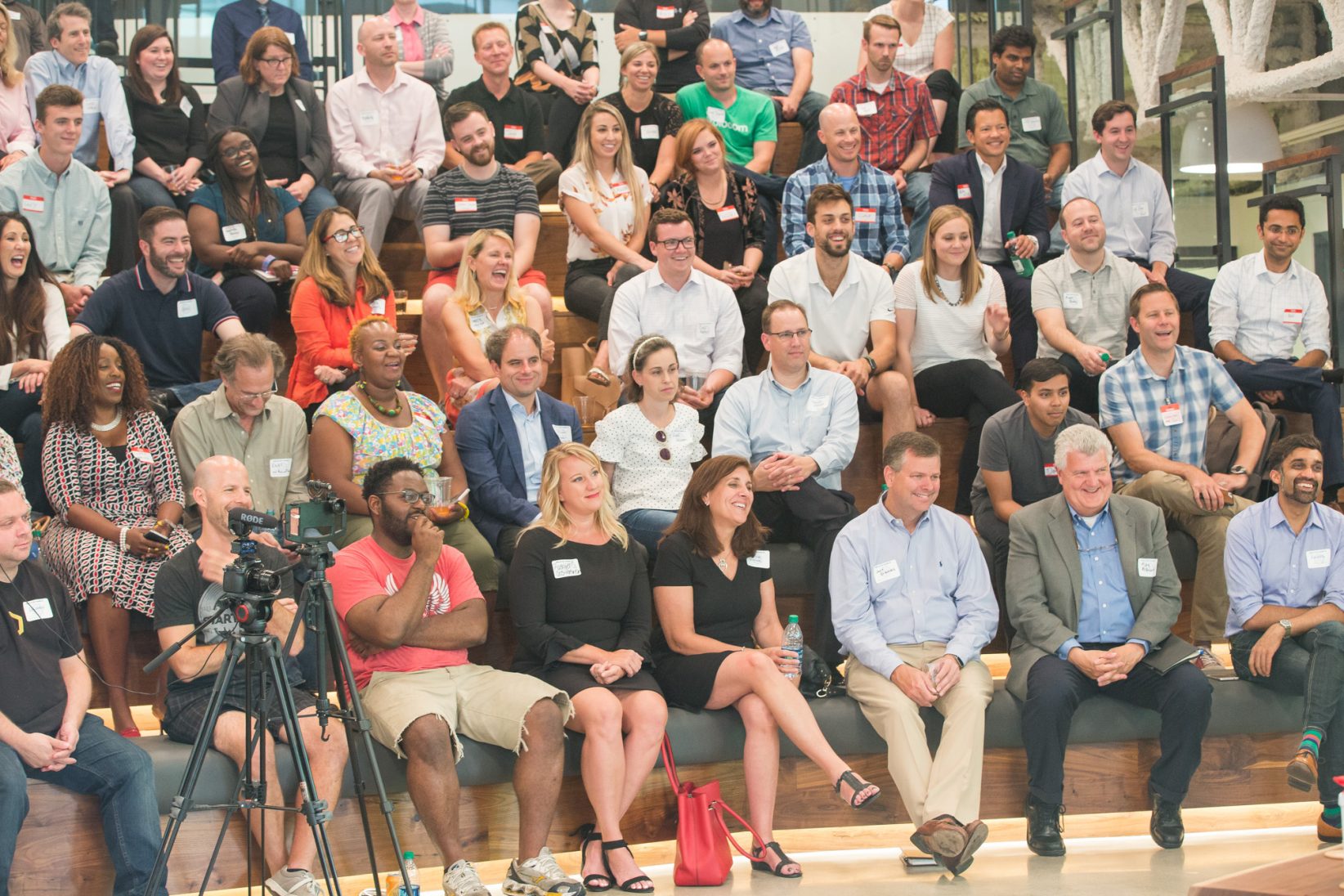
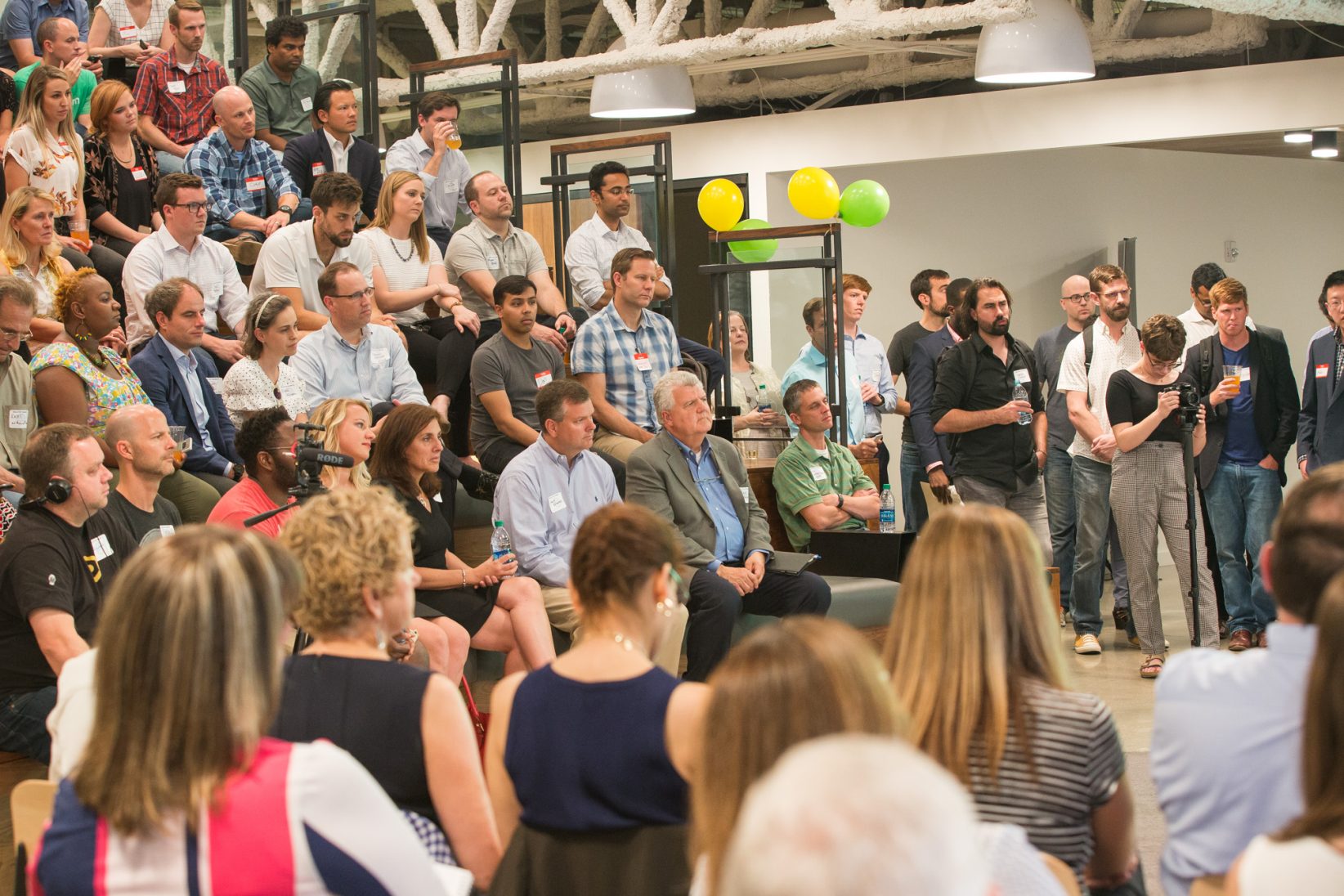
Act like everyone is watching … because they are, Sandy Kemper said.
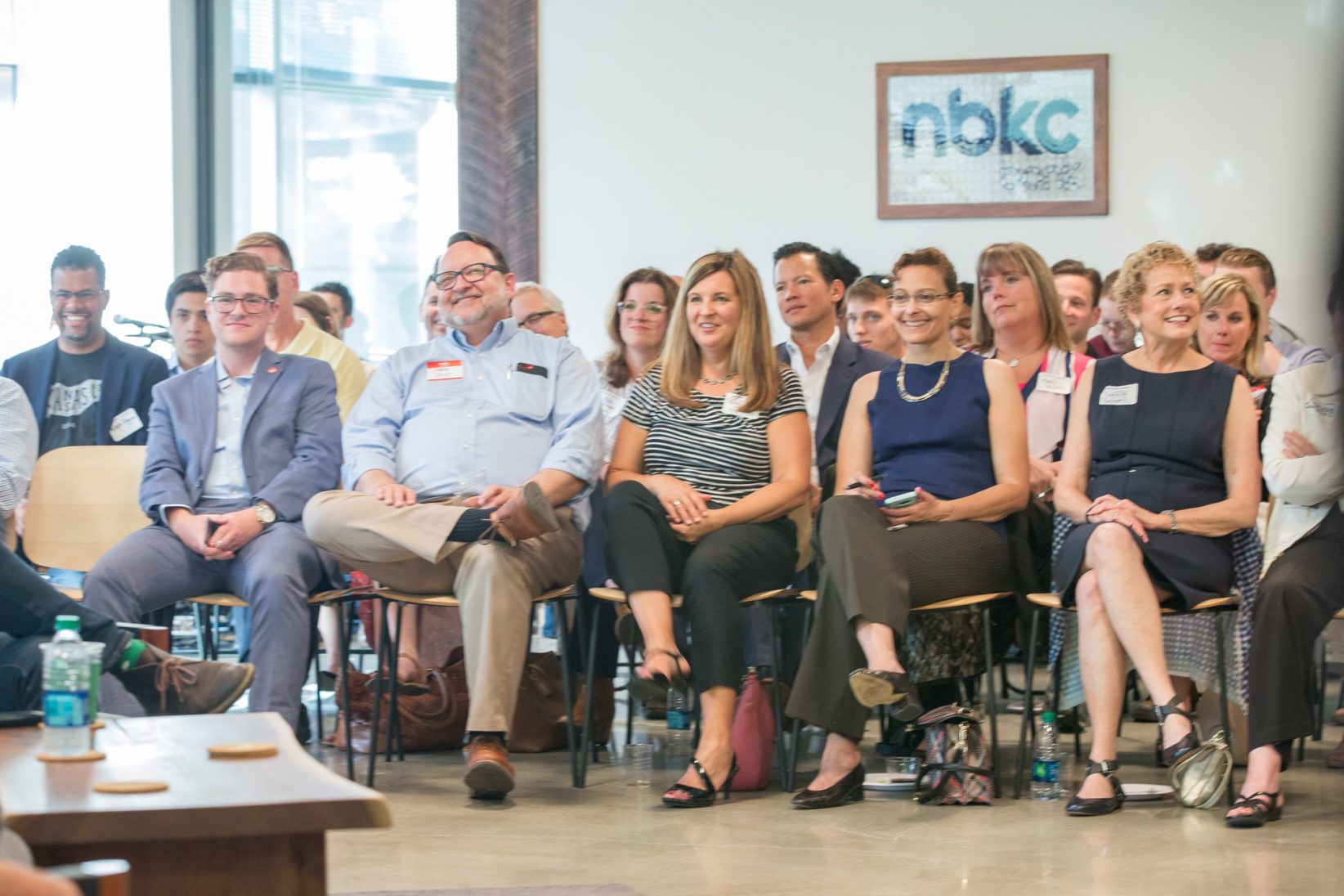
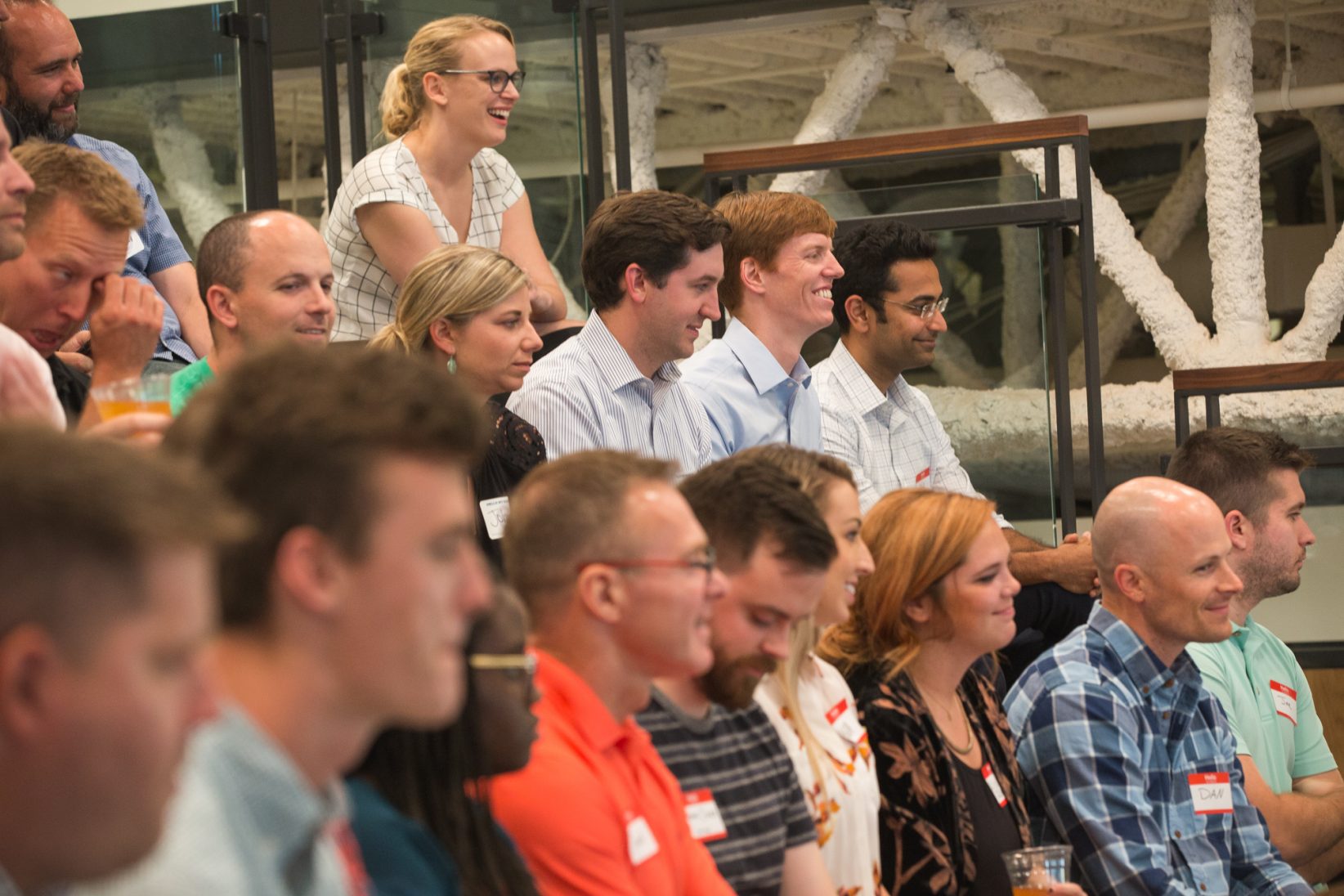
“It’s something I think a lot of folks — maybe not from around here — fail to understand,” the C2FO chairman and CEO told a packed crowd Tuesday at Startland’s Innovation Exchange at nbkc bank. “You cannot get away with anything. And some of these jackasses at companies out west and out east have shown very bad culture, very bad behavior to their associates — very bad morals, both financially and culturally. Somehow they missed this very broad and obvious statement.”

Pettet
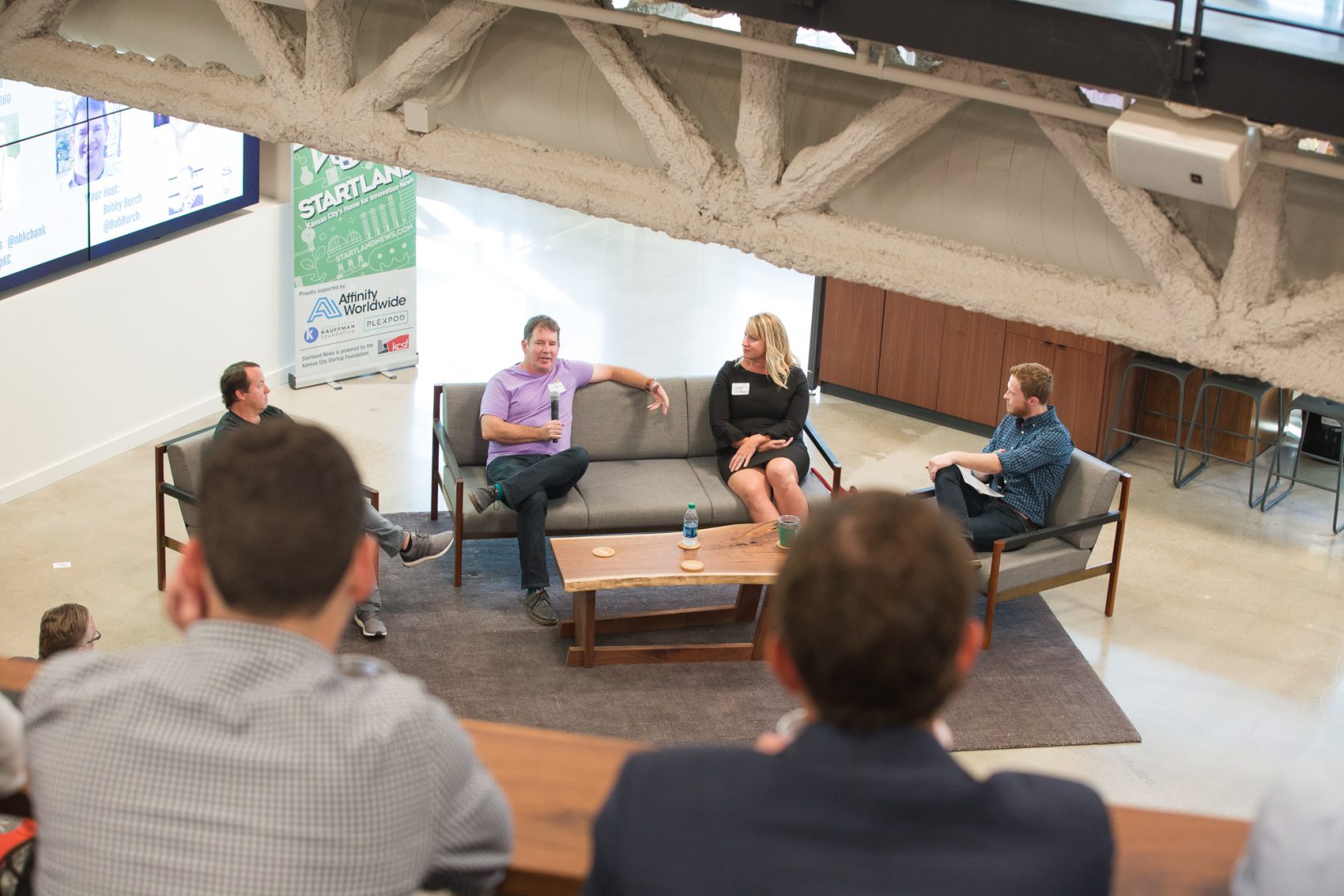
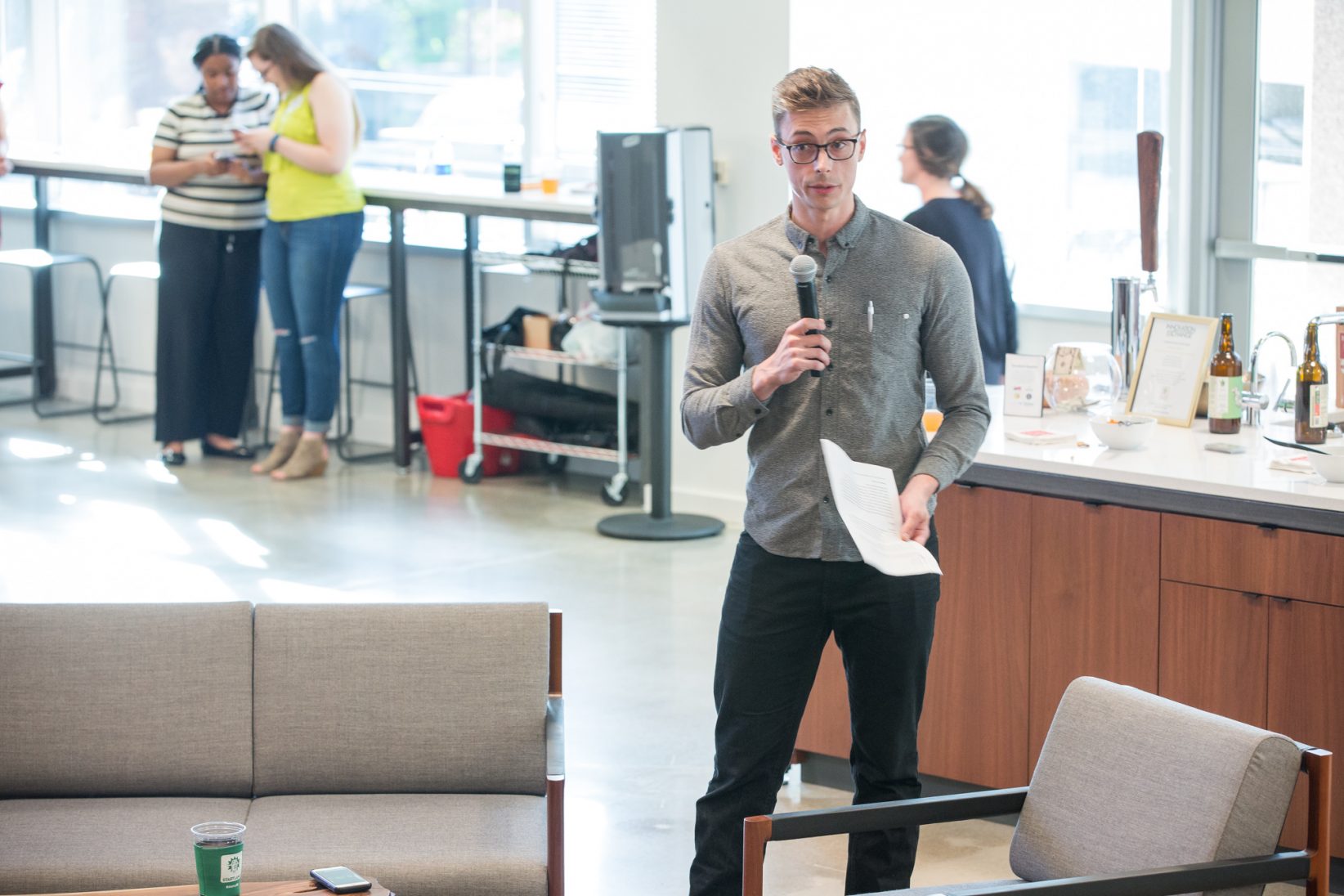
Fielding questions from Zach Anderson Pettet, FinTech strategist for nbkc, as well as audience members, Kemper’s answers routinely circled back to issues of trust.
Trust starts internally, he said, noting C2FO communicates with its team about the company’s progress on nine key performance indicators — a grade card that sheds light on C2FO’s wins and losses.
“[You need] complete transparency, even if you’re not making money, even if things are tough, because that builds trust, right?” Kemper said. “If you’ve got that, then you’ve got the loyalty of your team and you’re showing them loyalty by trusting them with the numbers of your company.”
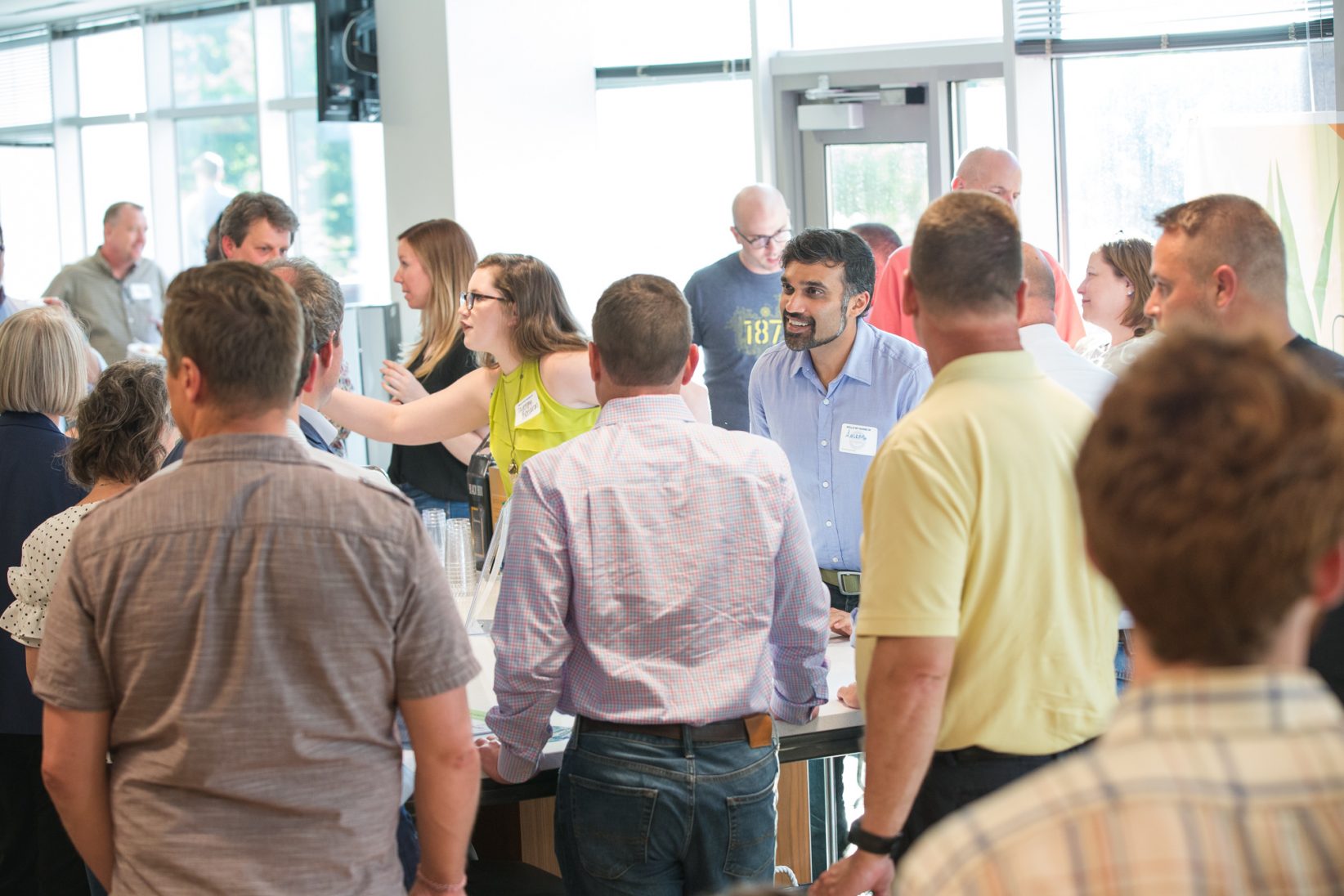
Kemper was among four executives at the FinTech-focused Innovation Exchange, joining Matt Burgener, CEO of Blooom, Rachael Qualls, CEO of Venture360, and Jim Starcev, co-founder of PerfectCube, in the spotlight. Burgener, Qualls and Starcev participated in a panel discussion that delved into their companies’ journeys to success and thoughts on the future of FinTech.
Keep reading after the photo gallery.
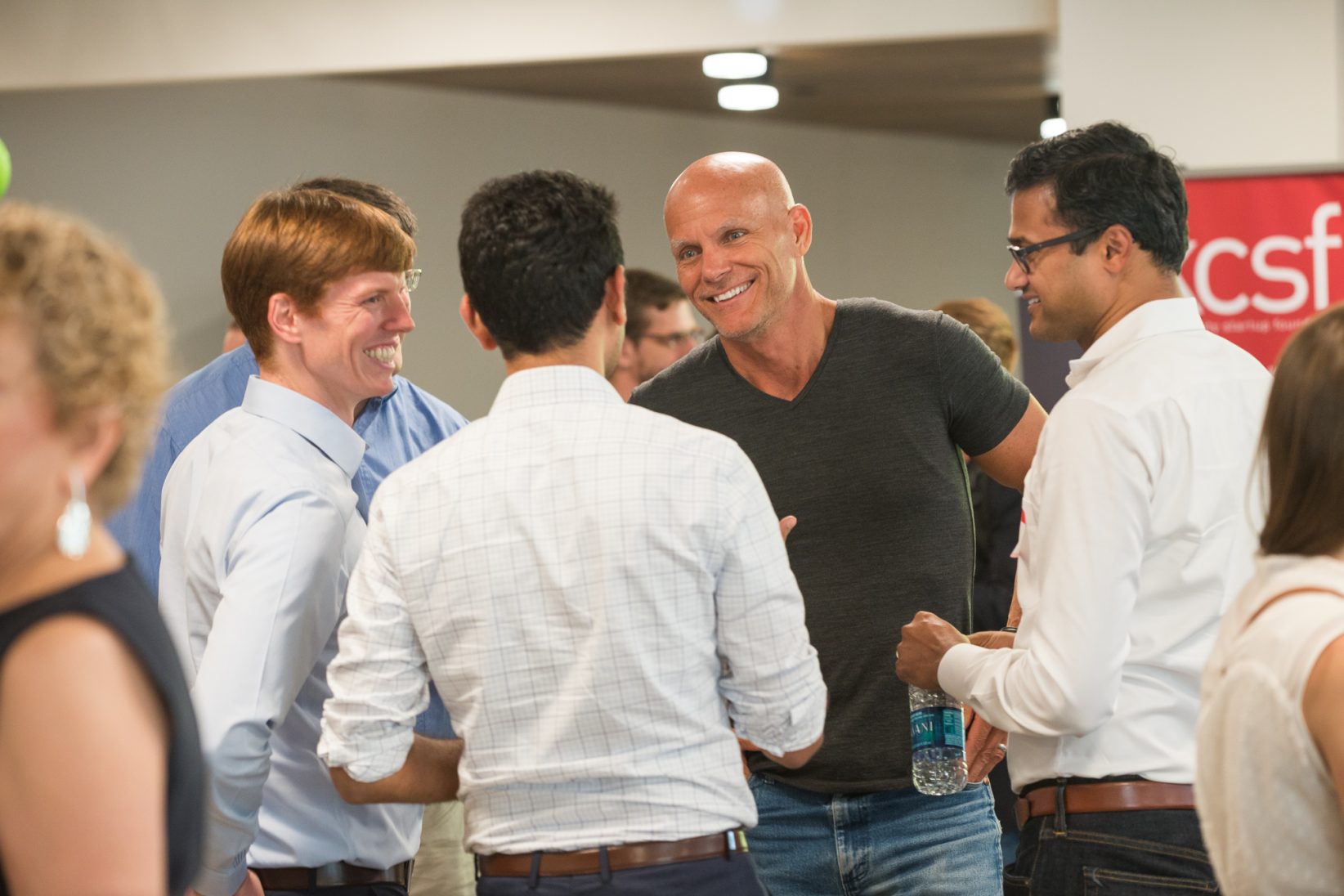
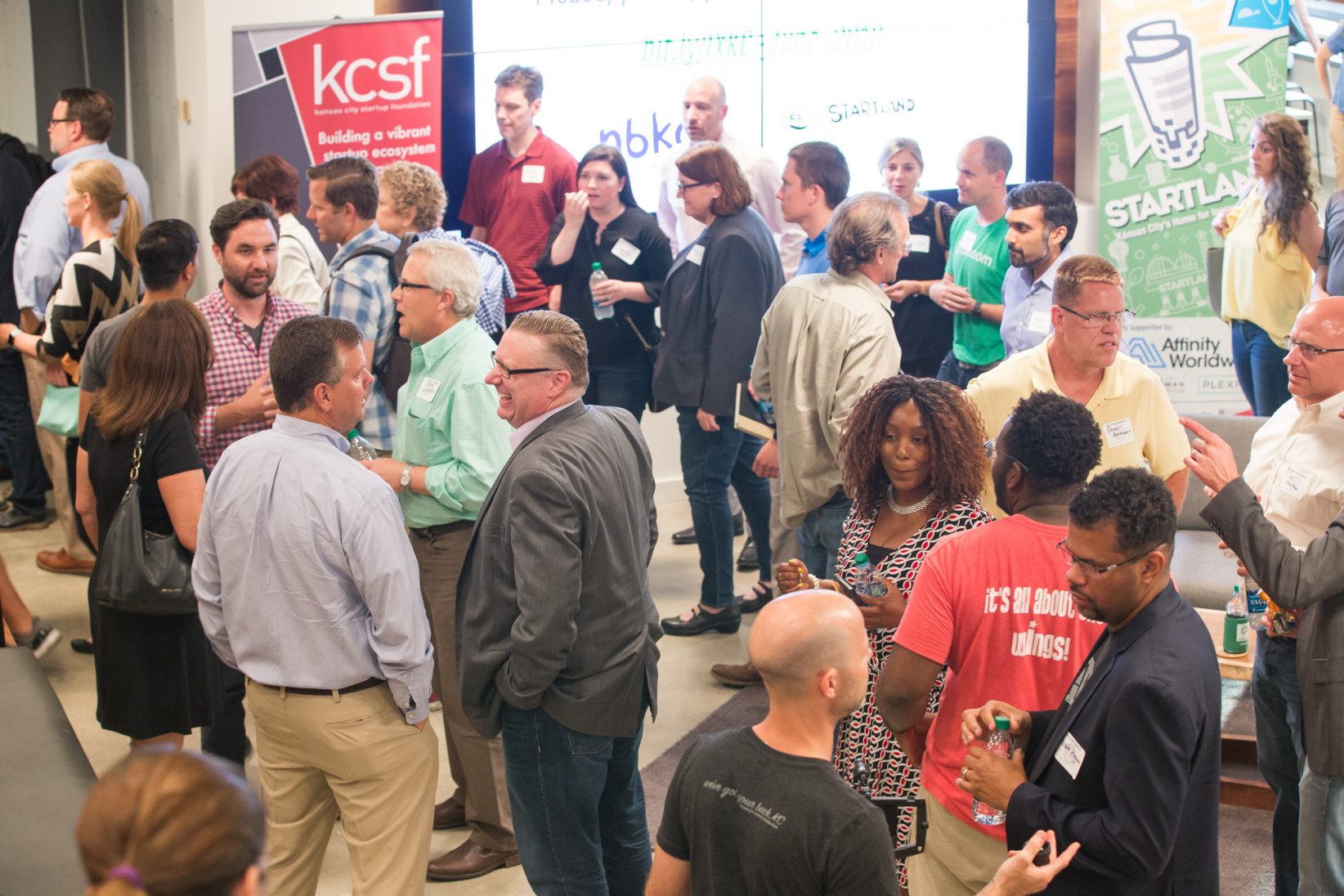
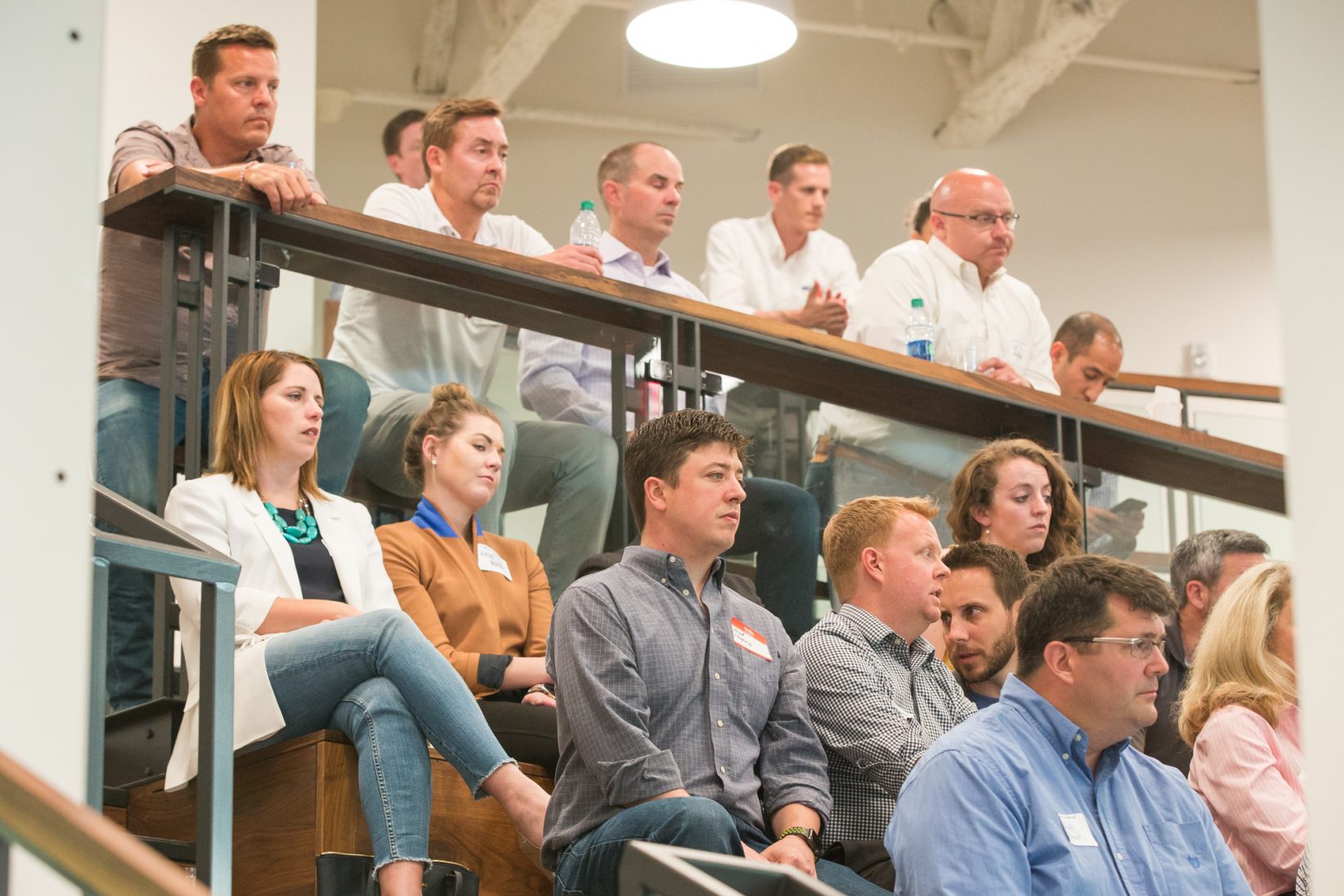
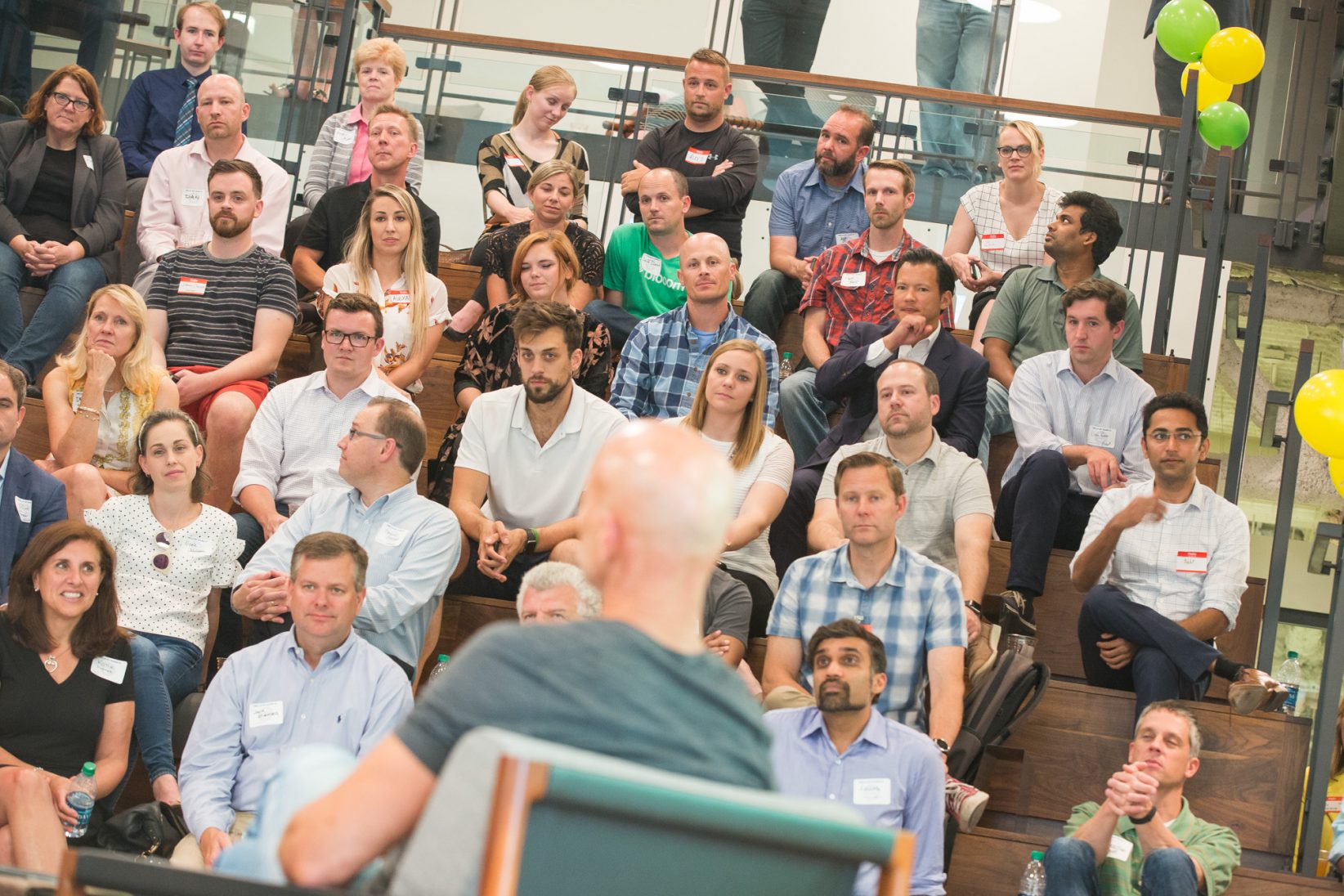
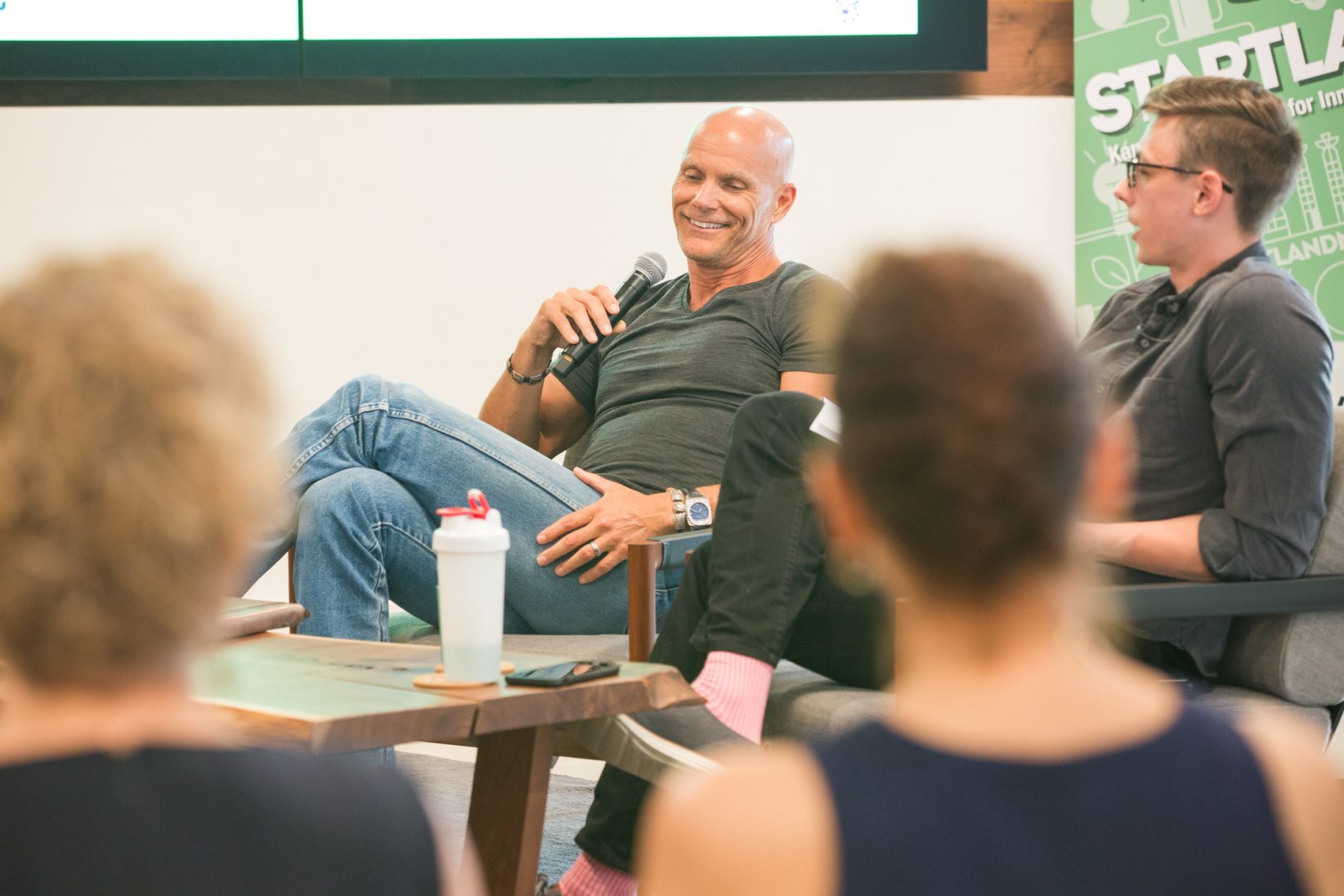



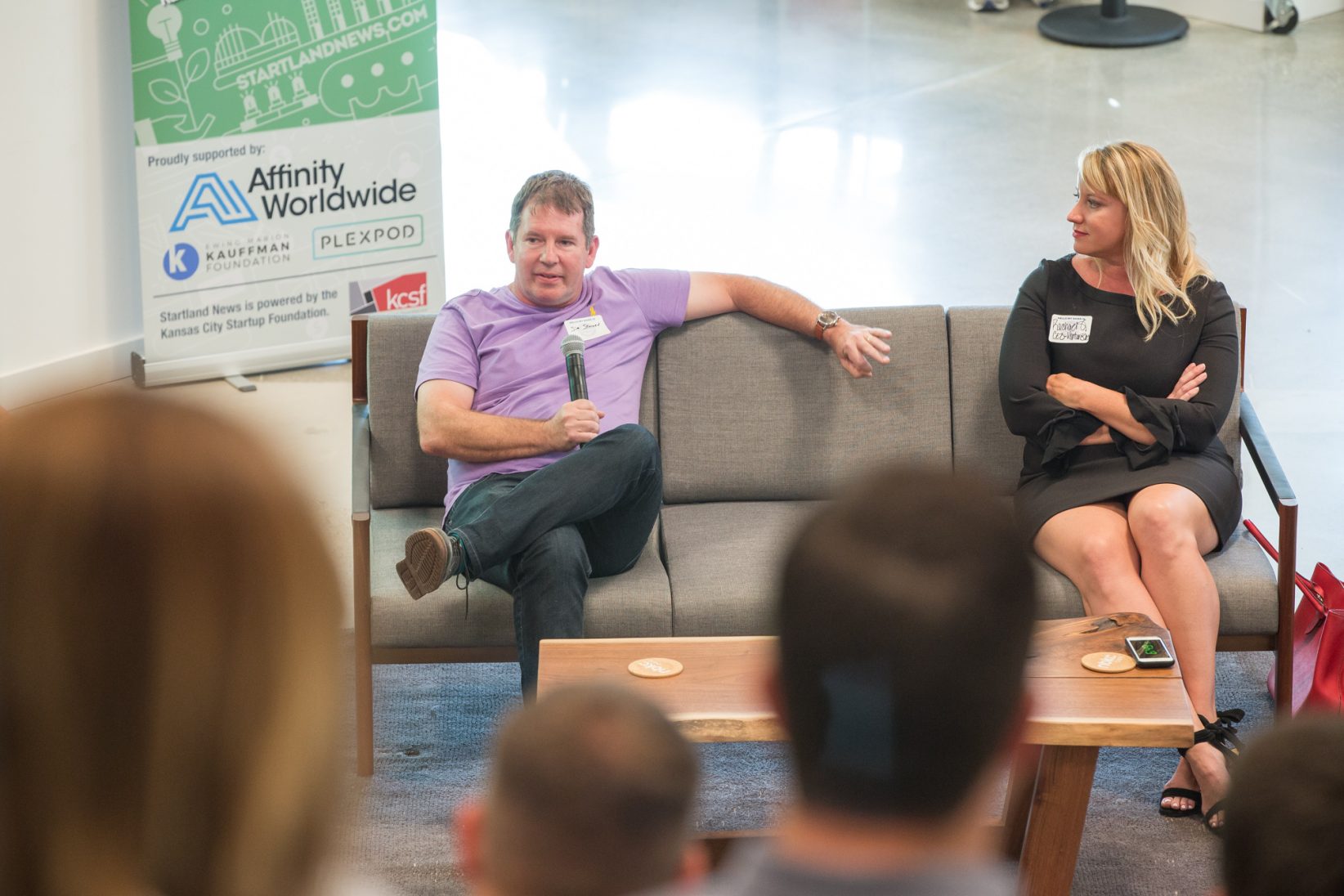
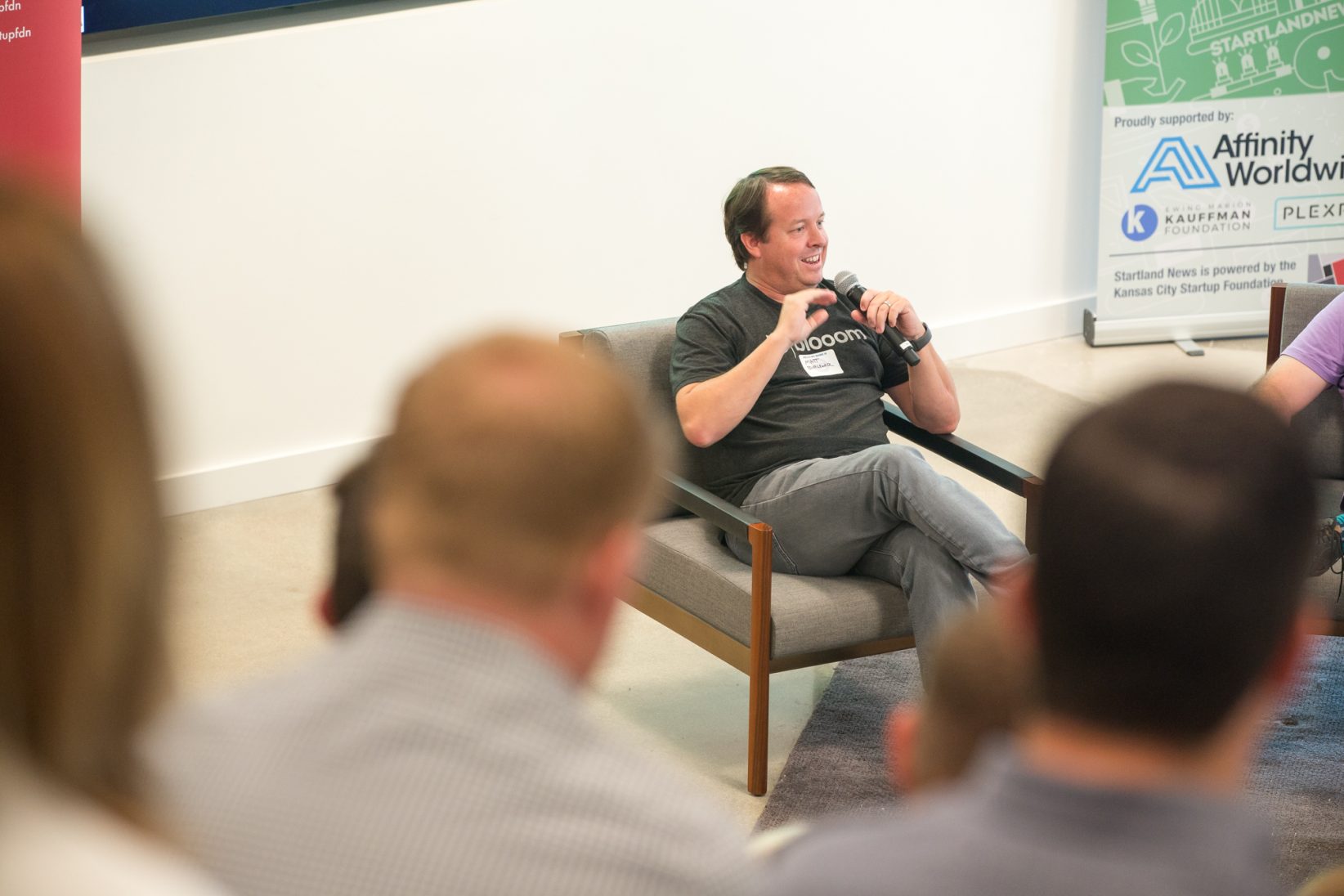
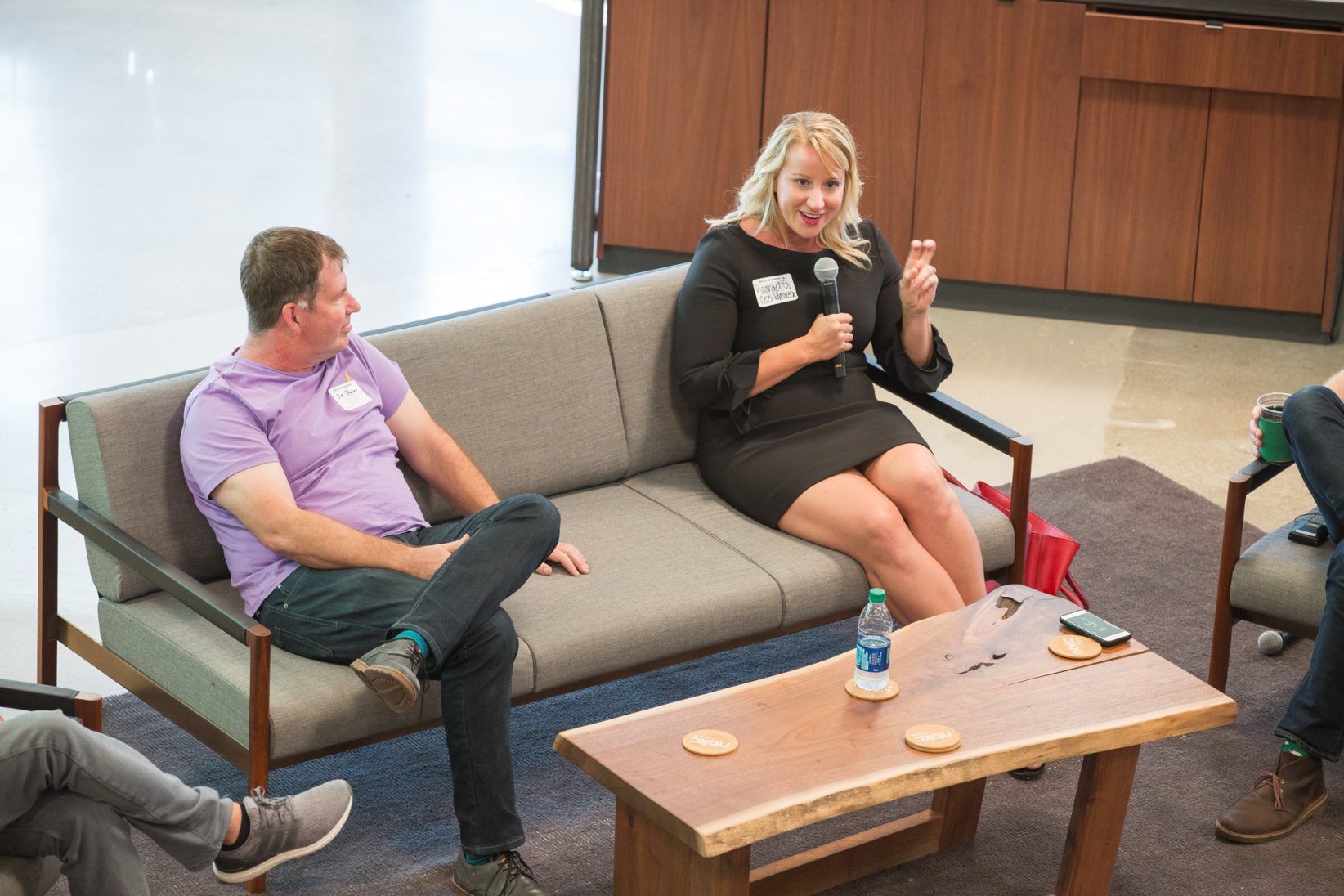
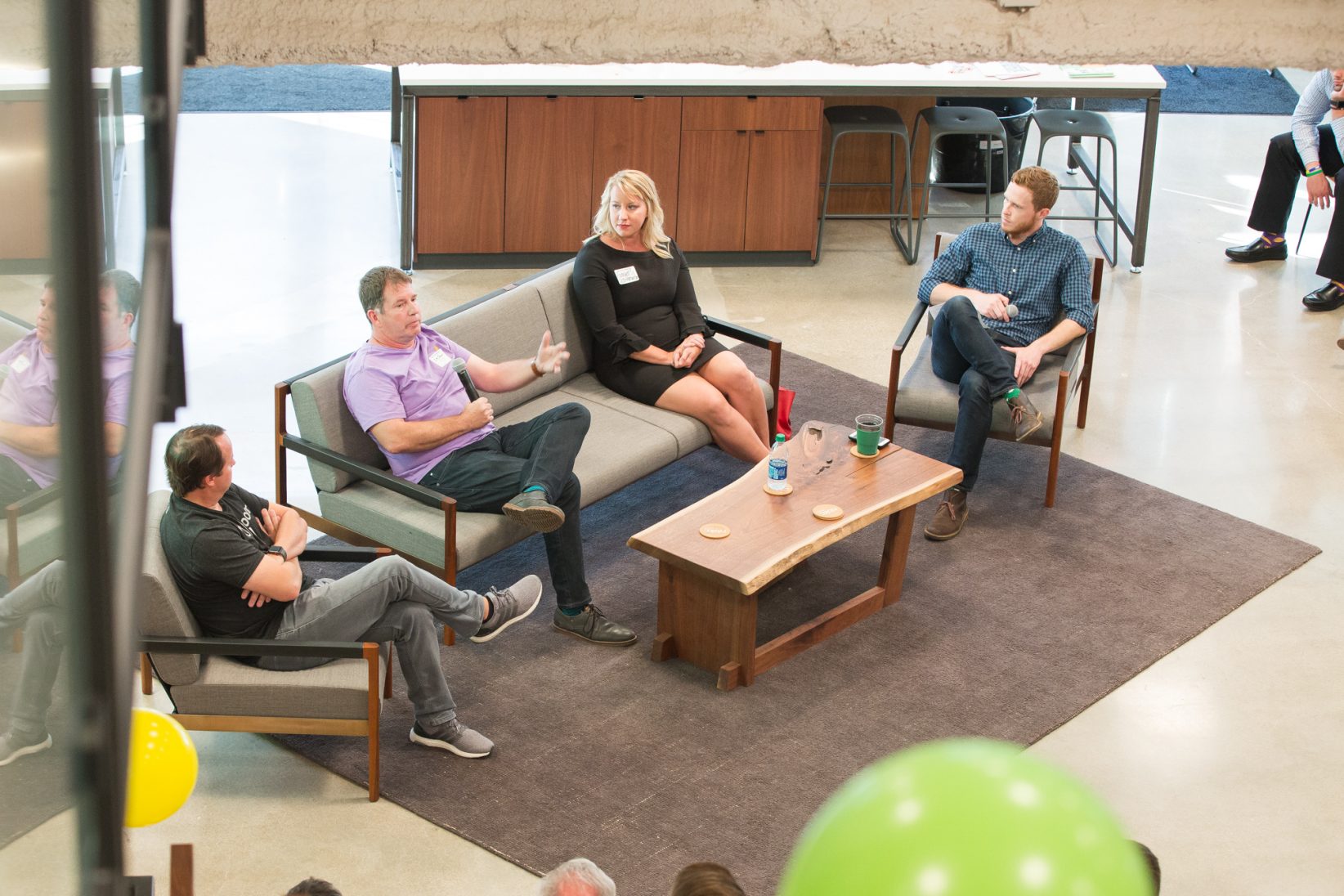


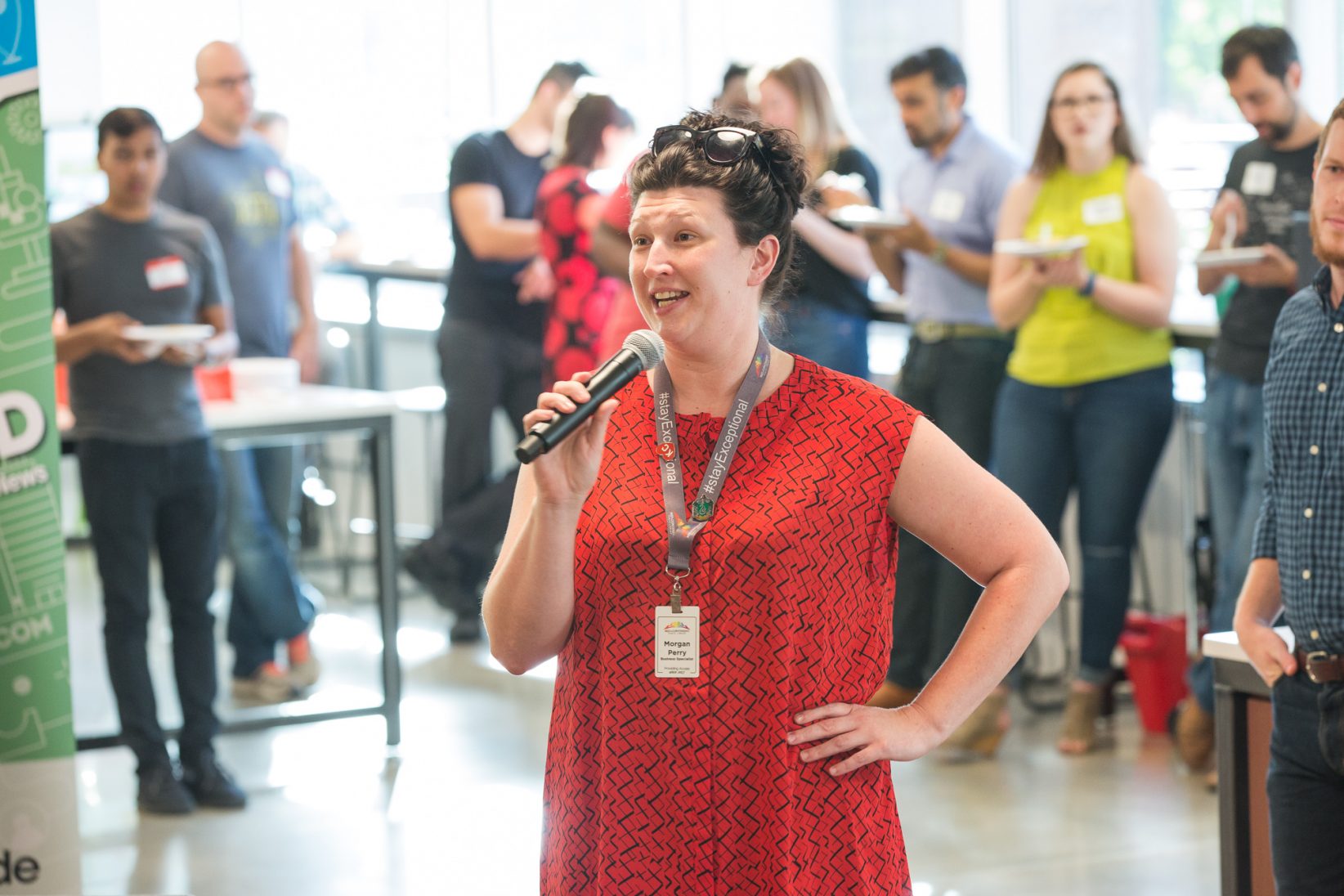
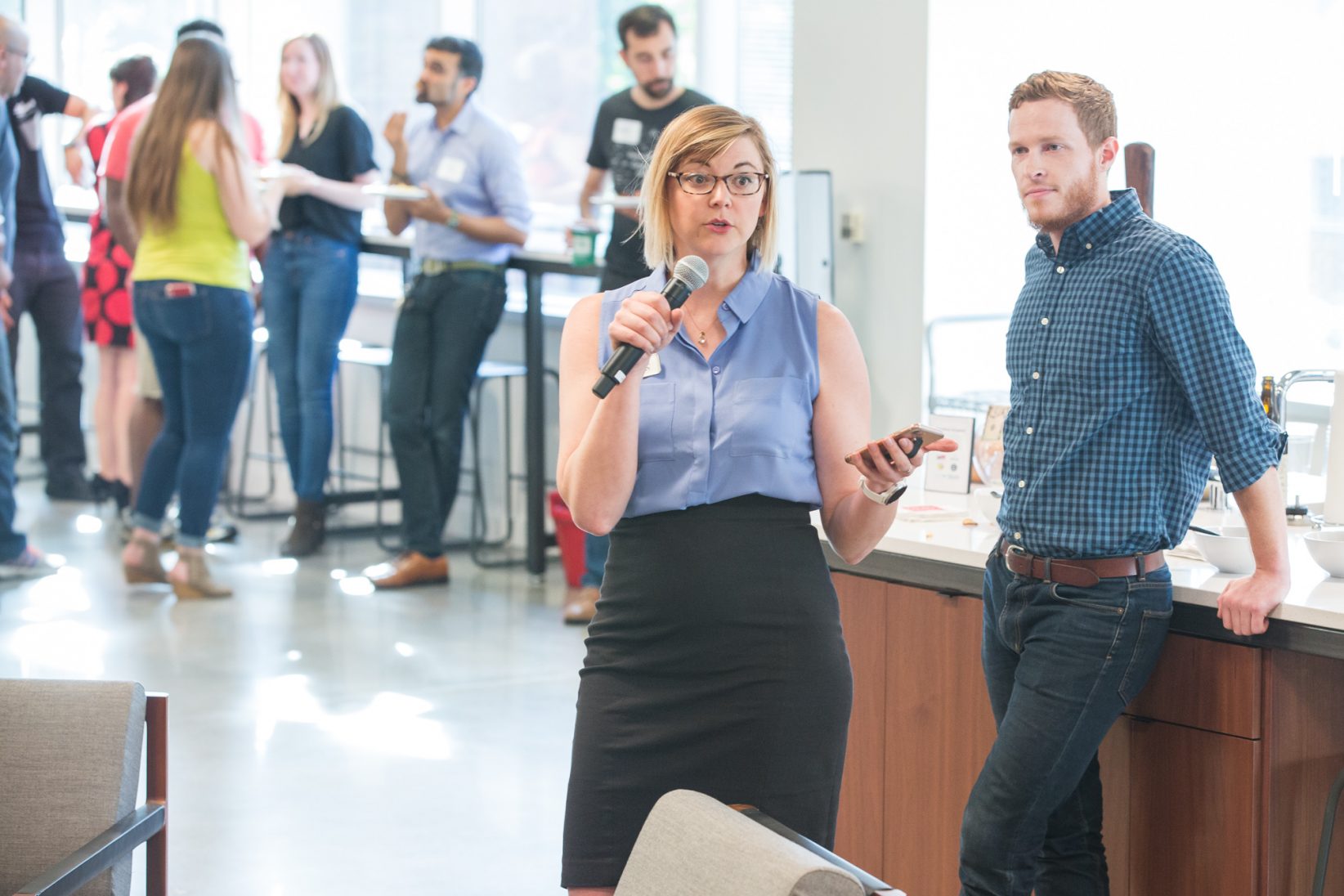

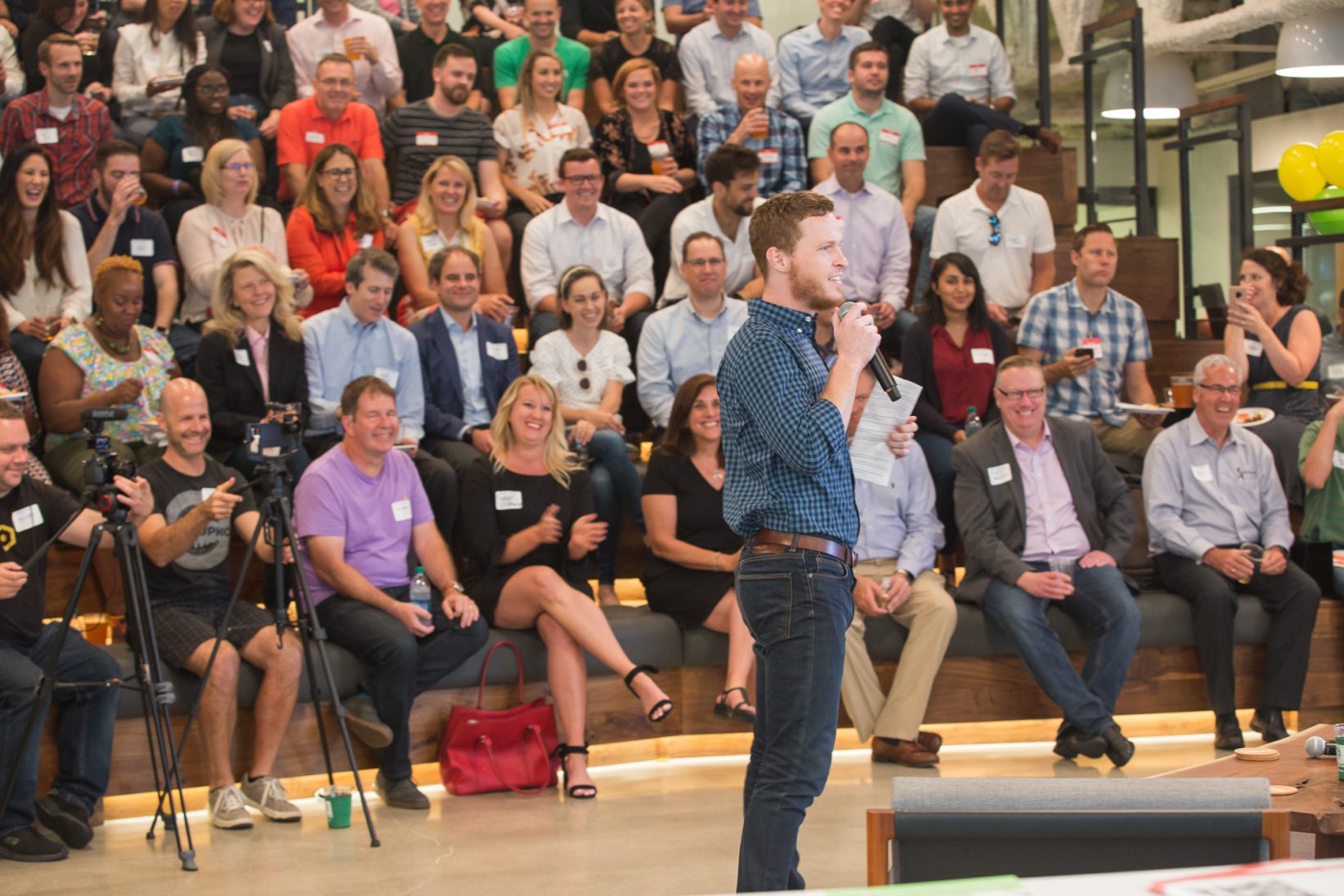
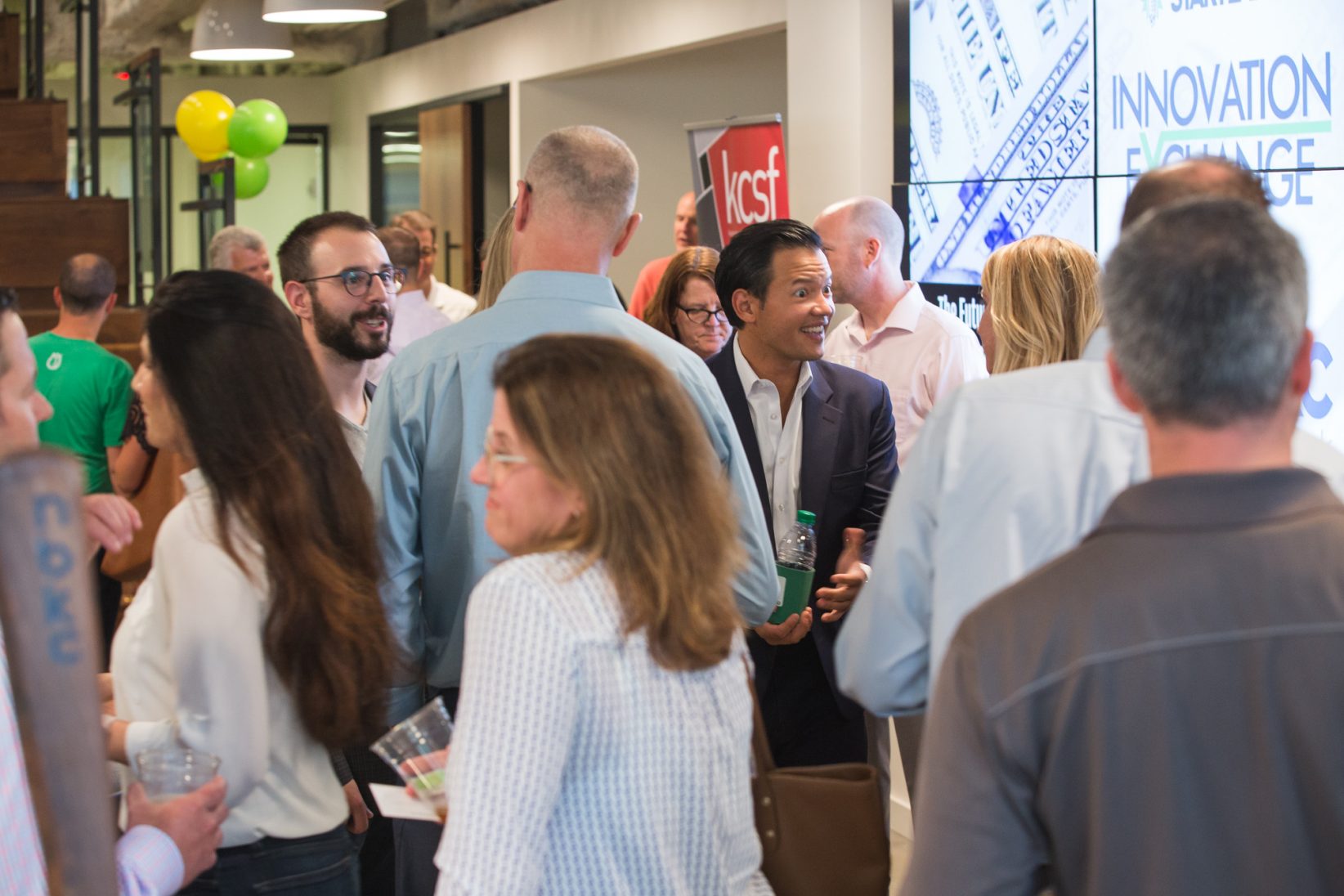
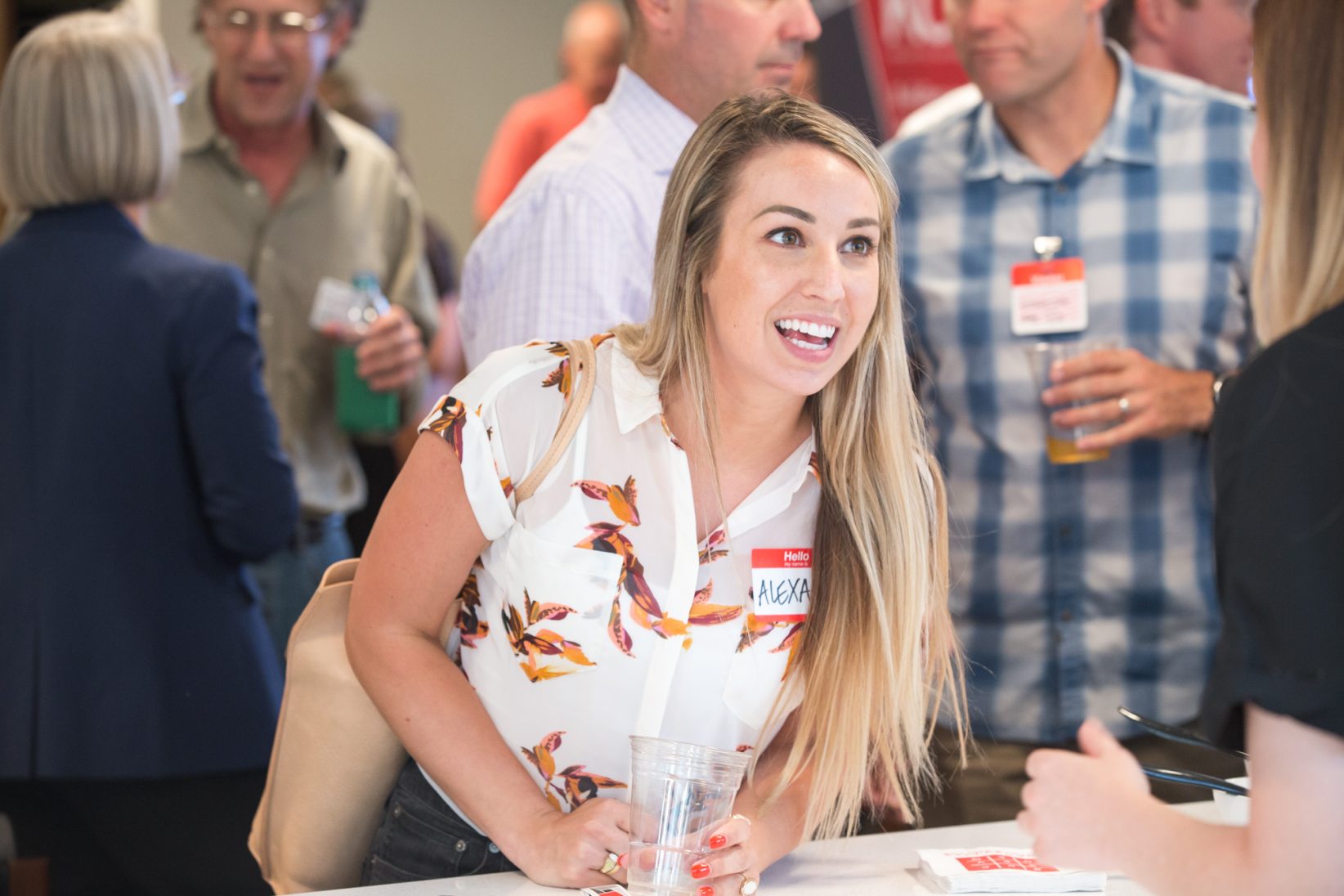
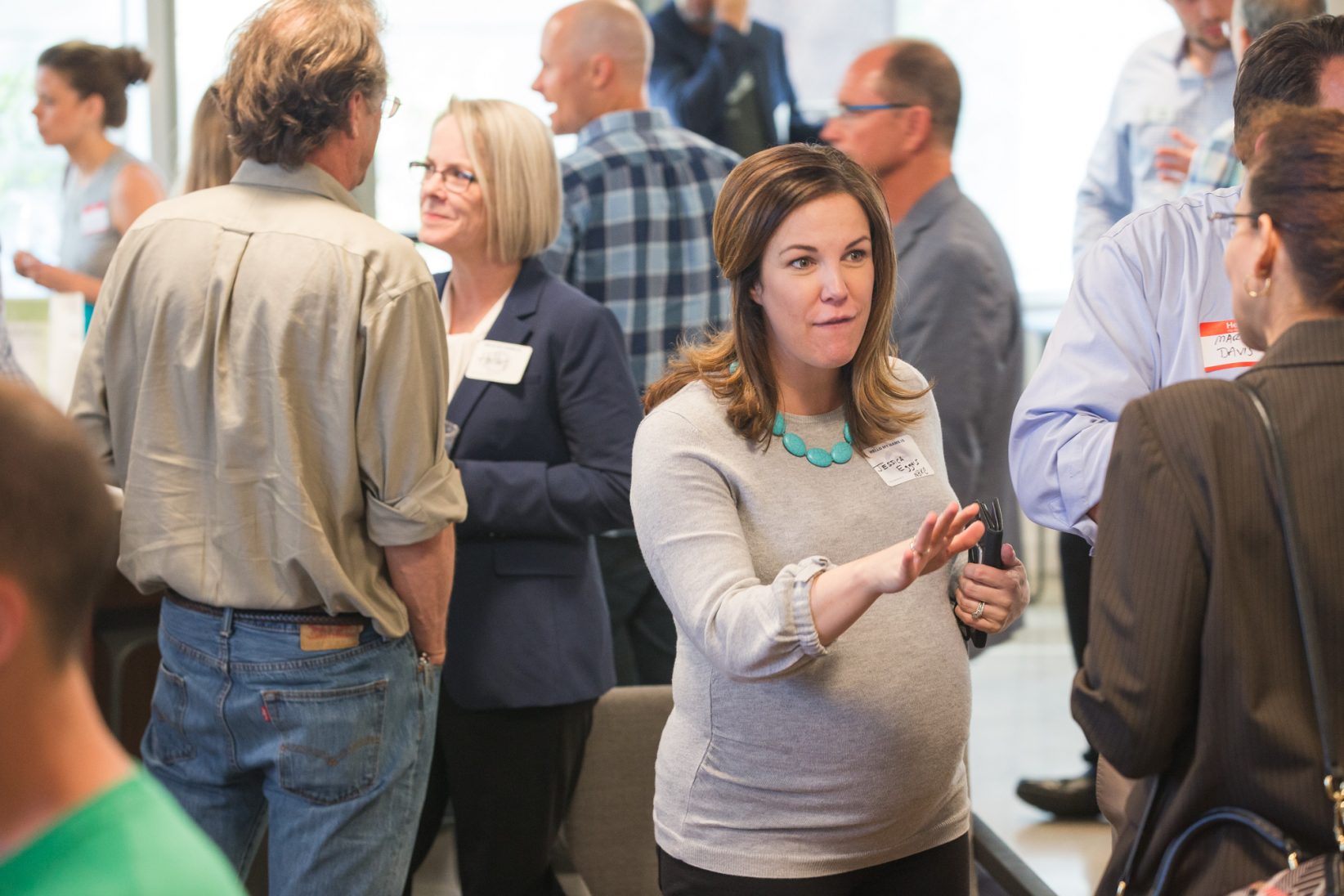
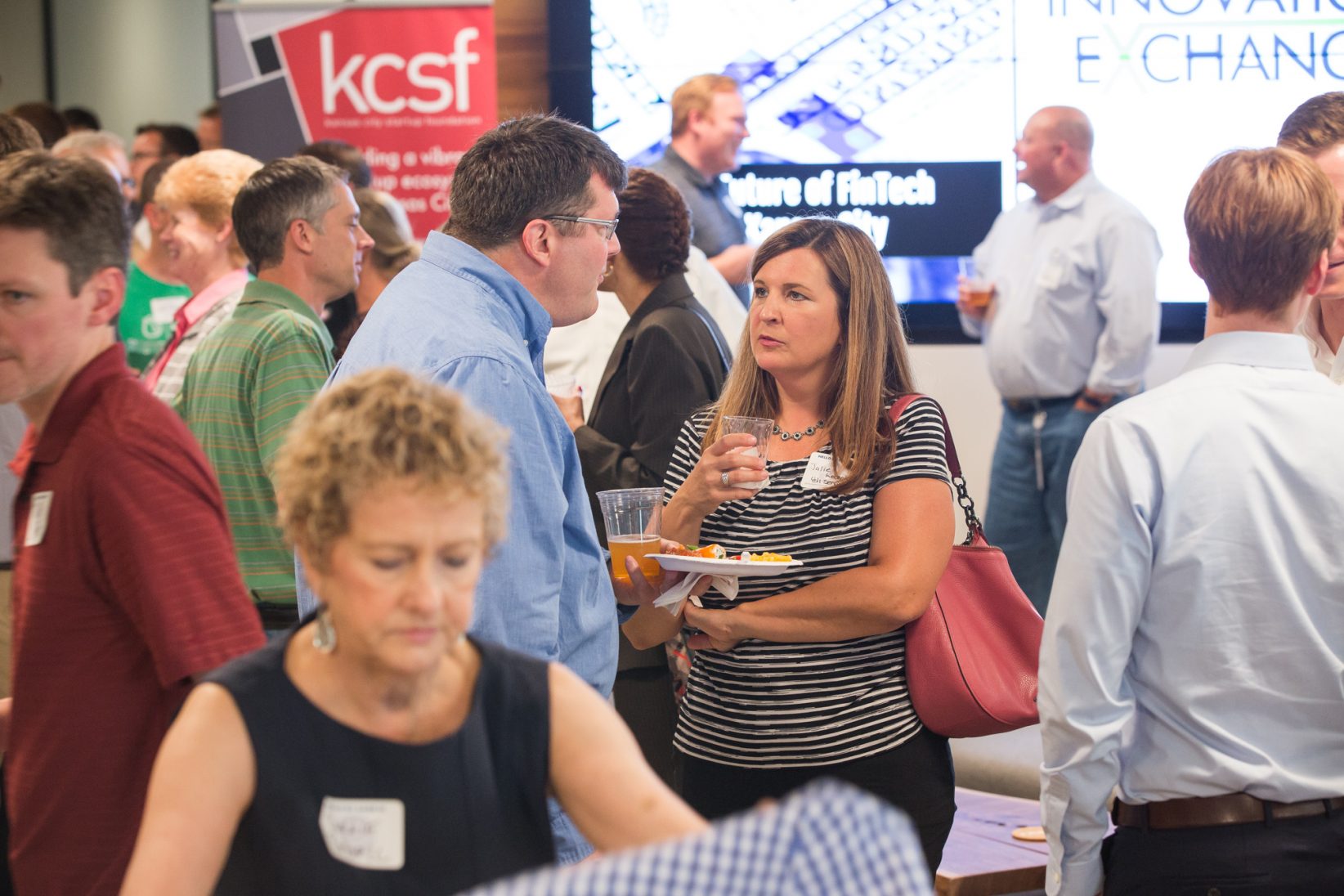
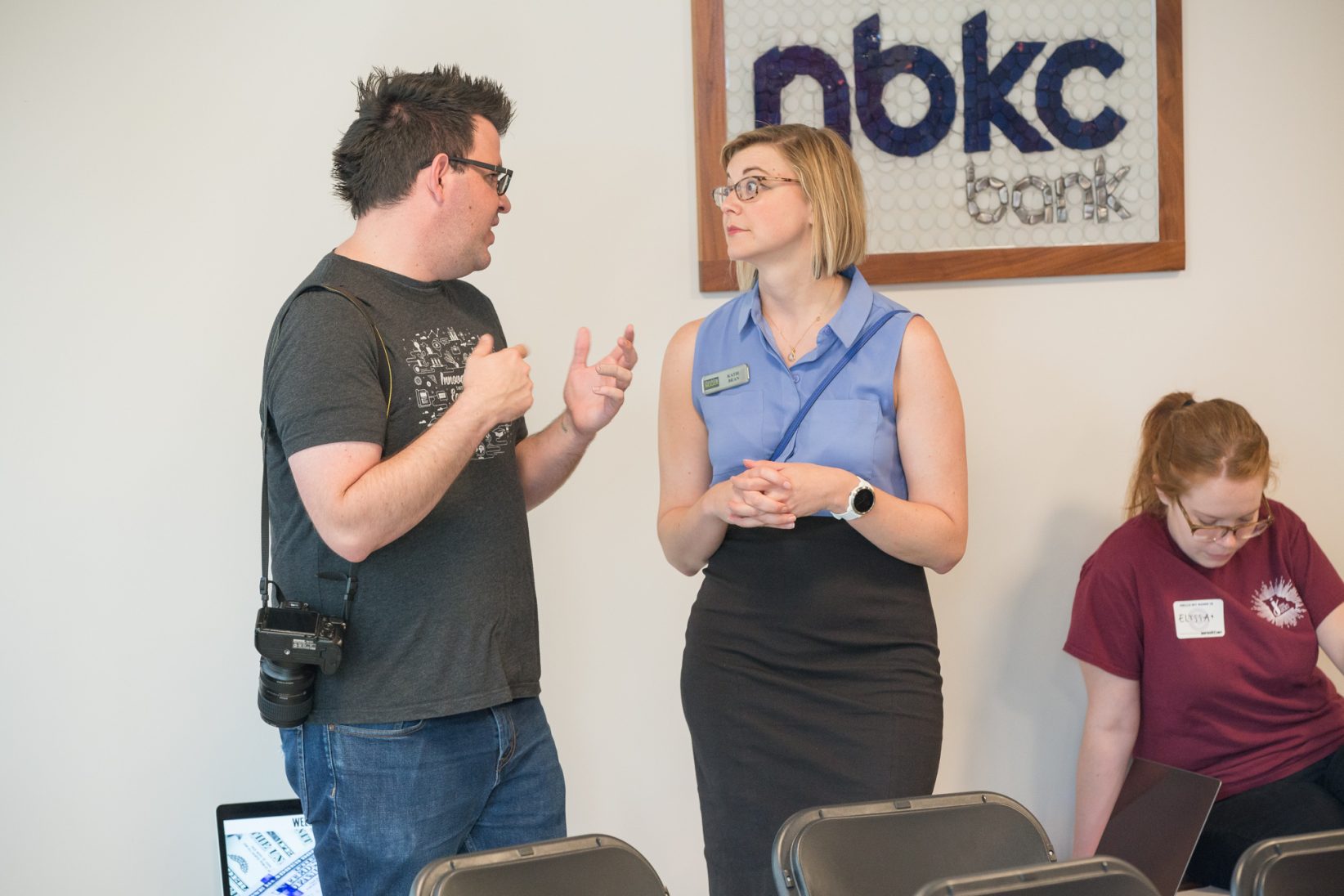
As the event wrapped with Kemper and Pettet’s one-on-one chat, the C2FO founder grew more contemplative, and challenged the crowd with a concern facing his own growing company — a firm that recently raised a $100 million round for global expansion.
“What is trust? Trust is actions observed over time. How does that person’s arrow fly? Not in the first moment of flight — it’s what’s done time and time and time again,” Kemper said. “So trust is action validated over time, such that I have confidence that I know what you’re going to do when my back’s up against the wall with you. It’s a super hard thing to do when you get big. Trust just breaks down.”
Kemper cited his team’s Dunbar number, which he described as the maximum number of trusted relationships a higher-order mammal can have.
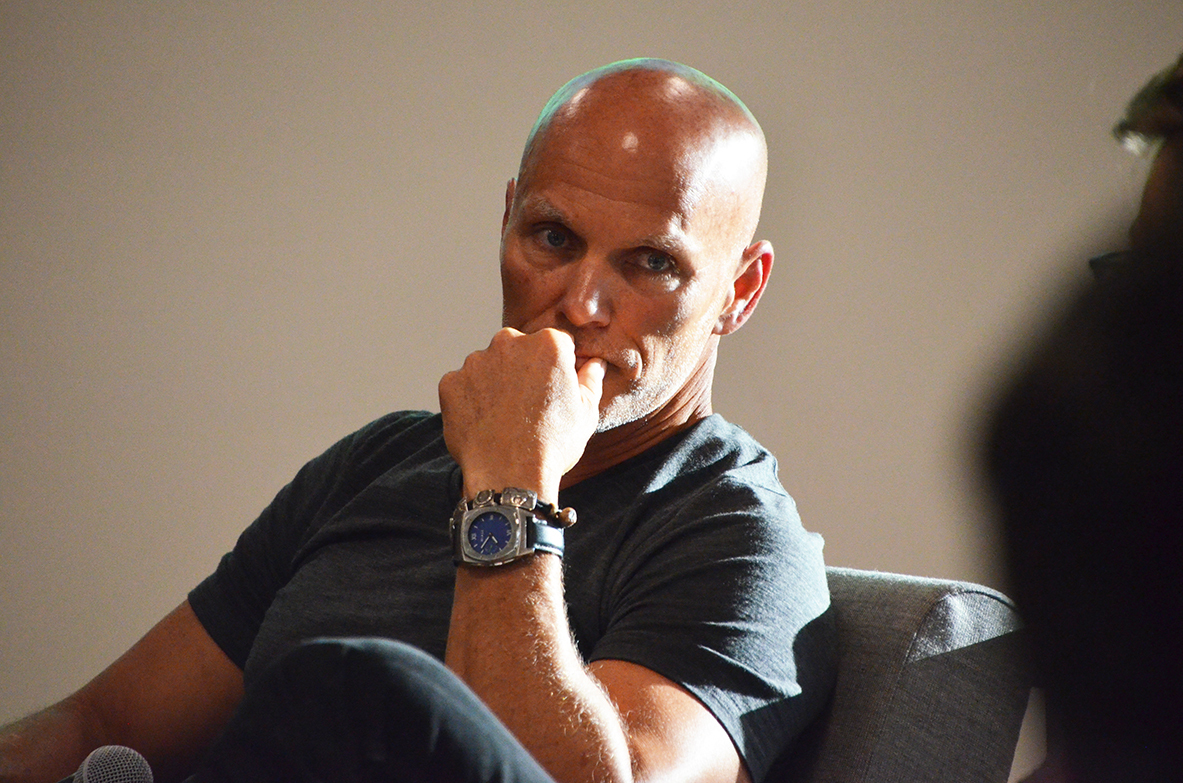
Sandy Kemper, C2FO, Innovation Exchange
“We’re over our Dunbar Number now and and it’s difficult in our company because we’ve always been very tight,” he said, noting the current team is the best with which he’s ever worked. “I’m trying to figure out a way to hack the Dunbar number — to try to find ways for us to build more cohesion in the team through trust.”
“The bigger you get, the more you have to reiterate, the more you have to talk about diversity, parity — not just skin colors, but different ideas, hairstyles, sexual orientation,” he added.
Recognizing and embracing the team for its attributes and characteristics is part of building a community based in trust, Kemper said. It’s a struggle, however, to overcome inherent biases of the human condition.
“Even though we as humans are wired to trust people, our hack as humans for trust is: That person looks like me; That person sounds like me. It’s fundamental to the way we were from the villages and the tribes we had when we were primitive people,” he said. “It is really hard to solve this because we are engrained, sadly, by structural flaws because of the way we had to exist as creatures. This should not be the way we create trust today. We are very different entities than we were back in the old days.”
Kemper and his most trusted partner — his wife, Christine — were honored in December as the University of Missouri-Kansas City’s Regional Entrepreneurs of the Year. That relationship reflects an additional foundational layer on which companies like C2FO must be built, he said.
“My advice to entrepreneurs: It’s not ever your show. It’s always going to be your spouse’s show with you,” Kemper said. “Whether that spouse is engaged in the business or not, whether that spouse is an entrepreneur or not, it’s always going to be a dynamic duo. Full stop. If you’re married or you have a significant other, whoever that is, they’re in just as much as you’re in. It may not look like that on a piece of paper, but it is absolutely the truth.”
Check out a Facebook Live broadcast of Tuesday’s Innovation Exchange event at nbkc below.
Featured Business

2018 Startups to Watch
stats here
Related Posts on Startland News
1MC recap: program traces roots, features The Swapping Co., OneDayKC
Kansas City’s 1 Million Cups tried something new today. And by new, it was actually old. The event met in its original venue, Kauffman Labs, which served as an intimate setting for attendees. Entrepreneurs and community members gathered around desks and viewed presentations projected onto a white board. “The venue change happened today because our…
Coming UMKC innovation center to serve students, entrepreneurs
With funding shored up from private and public donors, the University of Missouri-Kansas City is planning to move ahead with its plan to build the Robert W. Plaster Free Enterprise Center to support students and entrepreneurs. Missouri Gov. Jay Nixon announced Tuesday that the state is allocating $7.4 million to the center, which represents half…
Security firm Nodal nabs $100K, ramps up hiring
Good news is stacking up for Kansas City-based Nodal Industries. The security hardware tech company recently snagged $100,000 in seed funding as part of an opportunity to participate in the 500 Startup accelerator program, based in Mountain View, Calif. The funding will allow Nodal to hire up to eight people, as well as ramp up production…
Play-It Health lands in top-ranked digital health accelerator
As with many successful startups, the idea for Play-It Health was born out of personal experience with an unsolved industry need. Kim Gandy, a former clinician and now the founder and CEO of Play-It Health, recognized that patients were having trouble engaging and adhering to their medical regimen. In the worst cases, this led to…