
From Aussie garage to unicorn: How SafetyCulture continues its climb in an ever-changing environment
November 13, 2020 | Channa Steinmetz

Starting from humble beginnings, SafetyCulture earned its membership in the Australian unicorn club this year with a $1.3 billion valuation, said Nick Topping.
“Our CEO and founder Luke Anear actually founded the company [in 2004] out of his garage in Townsville, Australia,” said Topping, who leads the marketing and business development teams in the Americas for SafetyCulture. The company has had a growing presence in Kansas City since first arriving in 2016.
[pullquote]

Founder: Luke Anear
Founding year: 2004
Amount raised to date: 149.4 Million
Noteworthy investors: Blackbird Ventures, Tiger Global Management, Index Ventures, Scott Farquhar (Atlassian co-founder)
Current employee count: 62 in Kansas City; 415 internationally
Elevator pitch: SafetyCulture is a workplace safety and quality platform that uses their application, iAuditor, to collect consistent data, standardize operations, send reports, identify failed areas and get problems resolved through checklist software.
[/pullquote]
The software startup — which focuses on workplace safety and quality — has been successful in growing its ability to adapt to needs in an expanding market, Topping noted.
Throughout the COVID-19 pandemic, SafetyCulture has taken steps to offer relevant and new material for its clients and beyond.
“We started digitizing government and CDC guidelines from around the world into checklists, so that people could access those easily,” Topping explained. “We developed a COVID hub where people could do safety checks just for COVID.”
Such COVID resources are offered through SafetyCulture’s flagship product, iAuditor — an application that simplifies the auditing process by allowing workers to effectively manage safety and quality from a mobile device.
Safety is priceless, Topping said, noting SafetyCulture offers a free version of iAuditor. The paid service, which offers deeper insight, is available to schools at no cost.
“We actually made [iAuditor] free to all schools nationwide,” Topping said, “which has been a really cool initiative to see schools using it to do safety checks and help students get back to school safely.”
SafetyCulture’s resources cross nearly all businesses and organizations, he said.
“You typically think of a checklist for safety quality in high-risk industries like construction, mining or manufacturing,” Topping noted. “But with the pandemic, there’s high risk everywhere — from going into an elevator to a coffee shop.”
“So we’ve seen a shift in various businesses looking at quality assessments,” he continued. “Clients can use our product as a competitive advantage to win back customers and also help keep employees safe.”
Listening to the client
To keep up with relevant COVID-based materials, SafetyCulture has continued to hire, specifically within their Customer Success Team who works closely with customers to identify needs and optimize effectiveness.
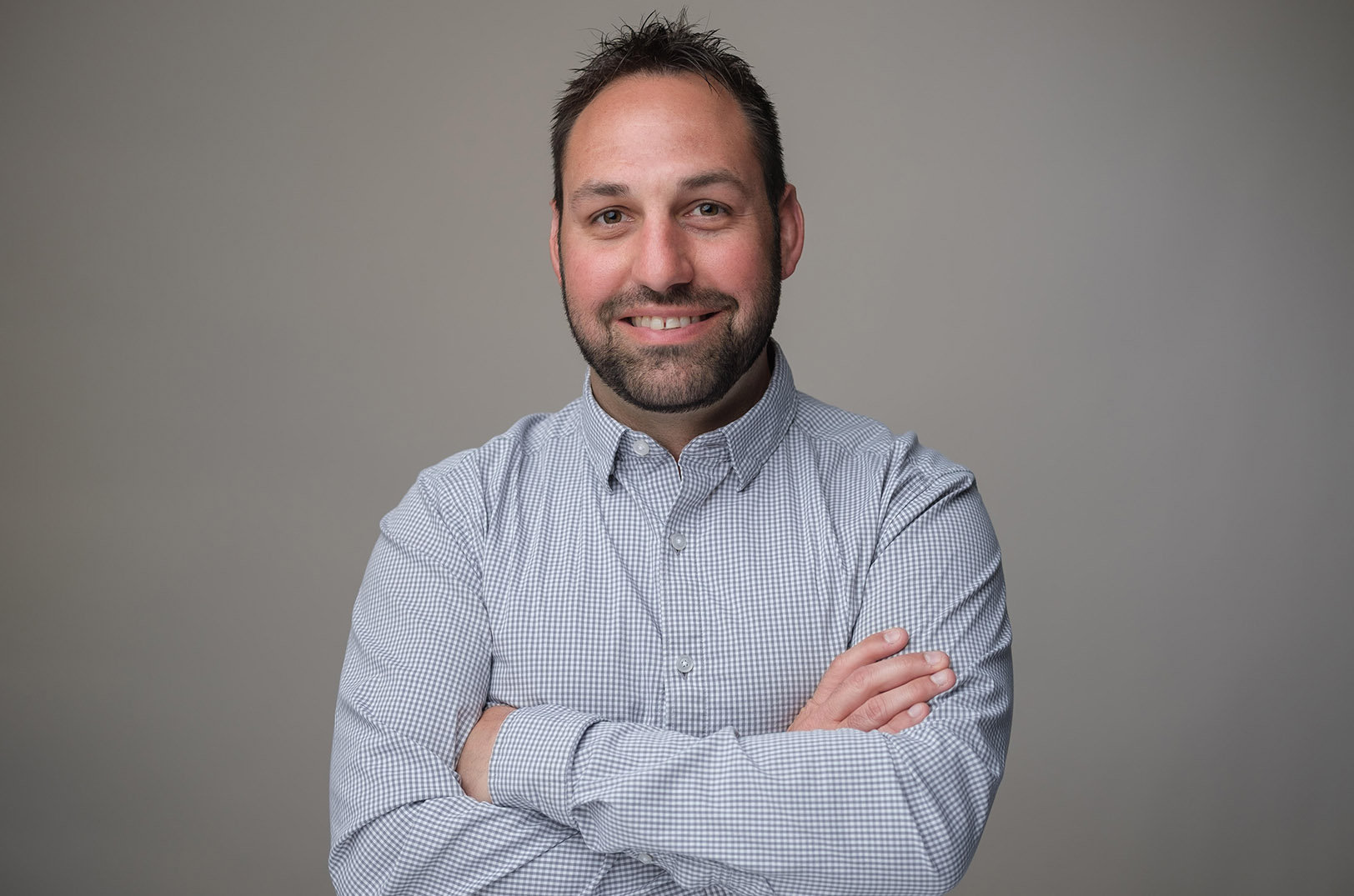
Nick Topping, SafetyCulture
“There’s also been no furloughs or layoffs within the company,” Topping added.
SafetyCulture made its first acquisition in September with EdApp — a global training company. Topping sees the company continuing to grow through customer feedback and acquisitions that make sense, he said.
“We got feedback from customers that inspections and checks go hand-in-hand with training,” Topping said of SafetyCulture decision to acquire EdApp. “So we have a mobile training tool that allows [companies] to do quick training from a distance.”
Click here to read about SafetyCulture’s acquisition of a “micro-learning” application.
From surviving to thriving
To help organizations prepare for success in the post-pandemic world, SafetyCulture is playing host Nov. 18 to a virtual summit, “From Surviving to Thriving.”
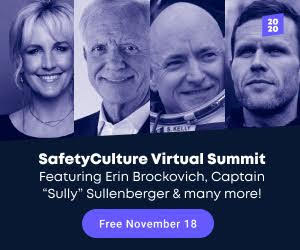
The summit is expected to cover how businesses can capitalize on recent shifts through adaptability and innovation, as well as insights from the leadership of SafetyCulture, Topping noted.
“We have some really great speakers,” Topping shared. “There’s Captain Sully who’s the pilot behind the ‘Miracle on the Hudson,’ Capt. Scott Kelly, who’s a NASA astronaut who dealt with adapting in space, John McAvoy who went from behind iron bars to becoming an Iron Man, and so many inspiring others.
“All these people were ordinary people who did extraordinary things because they adapted and changed; that is really the theme of the event,” he continued.
Click here to register for SafetyCulture’s free virtual event, 9 a.m. to 1:30 p.m. Nov. 18 on Zoom.
Featured Business

2020 Startups to Watch
stats here
Related Posts on Startland News
Women flex their tech muscles at KC conference
Framed by a LEGO guitar and robotic vehicle, Rheanne Walton and Emma Howard anxiously review notes at their podium as dozens of technology experts await their pitch. The middle-school students are visiting the Kansas City Developers Conference to share the story of their all-girl robotics team, MindSTEM, and how it competes in the FIRST LEGO…
New lab hopes to boost digital inclusion in Kansas City
A new computer lab in Northeast Kansas City hopes to serve as a tech oasis in a digital desert among low-income households. Google donated and opened the new lab Monday in Chouteau Court, furthering the company’s mission to help bridge the area’s digital divide through education about computers and Internet use. Rachel Hack Merlo, Google…
Lantern scores big with Sporting Kansas City deal
Tech firm Lantern Software’s mobile app hit the right pitch with its hometown soccer team. The startup, located in Kansas City, Kan., recently partnered with Sporting Kansas City to offer its mobile concessions ordering platform. The deal, effective Saturday, will allow fans in Sporting KC’s Boulevard Members Club to order and pay for concessions on…
Scarcity of women, parents in startups offers research opportunity
It’s no secret that — like any business — an entrepreneurial ecosystem is disadvantaged without a diverse set of players. But hurdles such as late night meetings and male-dominated culture at startups create barriers to entry for two specific groups: women and parents. That’s why researchers at the Ewing Marion Kauffman Foundation are taking another…