
An absent-minded workplace gaffe, a nationwide Starbucks controversy; why the CEO ‘leadership jersey’ demands fearlessness on diversity, inclusion
September 28, 2021 | Tommy Felts

Editor’s note: The following story is sponsored by Morgan Stanley, a New York-based multinational investment bank and financial services company, and is a follow-up to this summer’s “Nothing to Fear” virtual panel discussion on diversity and inclusion efforts. The conversation was led by Carla Harris, vice chairman and managing director at Morgan Stanley, with moderator Channa Steinmetz, Startland News reporter.
C2FO is a financial supporter of Startland News.
[divide]
When Starbucks executive Howard Schultz closed more than 8,000 of the global coffee company’s stores in 2018 for racial bias training, much of the ensuing political commentary and cultural criticism from cable TV pundits sought to scald the former presidential candidate — forcing him into the hot seat to defend Starbucks’ motivations.
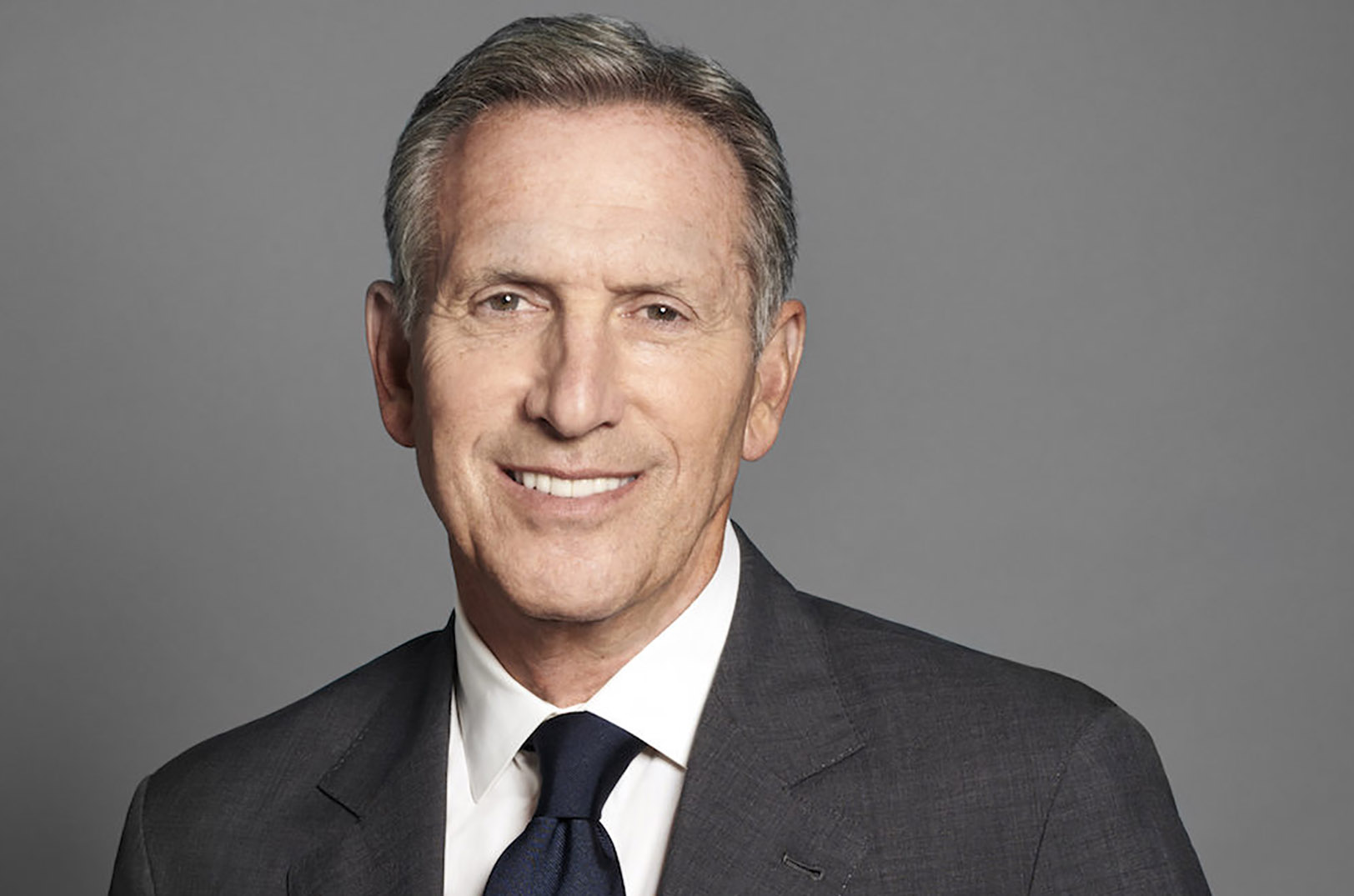
Howard Schultz, Starbucks
“I’ve been criticized over the years for allegedly using Starbucks as a political platform, which is obviously not the case,” Schultz, now chairman emeritus of Starbucks, told a Startland News audience this summer. “I’ve come to believe that the rules of engagement for a company today and its leaders — private or public — are very, very different than in the past. And as a result of that, I really believe it is the role and responsibility of the company to be engaged in a positive way — [a way] that is apolitical on social issues that affect your employees and your customers.”
“It’s pretty hard in this day and age to open up the newspaper or watch the news, especially if you’re a global company like we are, and not be affected by something that’s going on around the world that perhaps is affecting your business, your employees, or your customers,” he continued, describing the strategy behind taking a stand on diversity and inclusion efforts in the wake of headline-grabbing race-related incidents and an ongoing social justice movement. “Our people have come to expect Starbucks to have a voice; they look for it as a sense of belonging because of the faith and confidence they have in what we stand for, and the fact that we’re not afraid to participate in the conversation.”
Schultz joined Startland News for a discussion about corporate diversity and inclusion trends — and the paralyzing mindset that often keeps leaders from embracing them. Presented by Morgan Stanley, the panel conversation also featured Sandy Kemper, founder and CEO of C2FO, one of Kansas City’s biggest and most influential startups, and Carla Harris, a 33-year Wall Street veteran and Morgan Stanley executive.
Fear is among the biggest impediments to progress, Harris emphasized, providing an anchoring theme for the hour-long dive into DEI and lingering hangups about such efforts.
“In the past 15 months, you’ve heard a lot of companies talk about courageous conversations that they’re starting to have, which gives a little bit of credence and evidence to the fact that people have been afraid up until now to talk about what they consider to be tough issues, whether it’s around race or whether it’s around gender,” she said.
It often boils down to the fear of making a mistake — even the fear of litigation, Harris continued.
“Or, if you say the wrong thing, it’s frankly the fear of looking stupid.”
That’s a risk for many corporate leaders, she explained, because most are hoping to leave a legacy.
“Up until now, the predominant components of the report card have been: Did you expand? Did you get a greater market share? Did you have record profitability or record revenues? Did you have customer engagement and customer acquisition that was beyond anybody else in your industry?” Harris described. “The human capital management piece [often relegated to a back-burner HR function] has not been a really big part of a CEO’s report card in the court of public opinion.”
“So you have CEOs who’ve said, ‘Listen, I’m not going to deal with that DEI thing. Because the guy before me didn’t really handle that. And the guy before him didn’t really dig into it. And if I get it wrong, it could be a catastrophe.”
But the conversation today isn’t about the guy who used to be wearing the “leadership jersey,” Harris said: It’s about who’s wearing it now.
Watch the “Nothing to Fear” panel below or keep reading.
At Leawood-based C2FO, an integrated effort to build diversity within the company’s ranks includes Project Equity — a crew from beyond HR that includes leadership and provides an inclusion overlay to hiring decisions, Kemper described. Among the project’s elements is a “Grit Score” that factors in the challenges an applicant has faced in their life — specifically recognizing that people who have been in non-majority positions frequently have had to struggle and suffer more because of it.
Click here to learn more about C2FO’s place at the top of the 2021 Kansas City VC-Backed Companies Report.
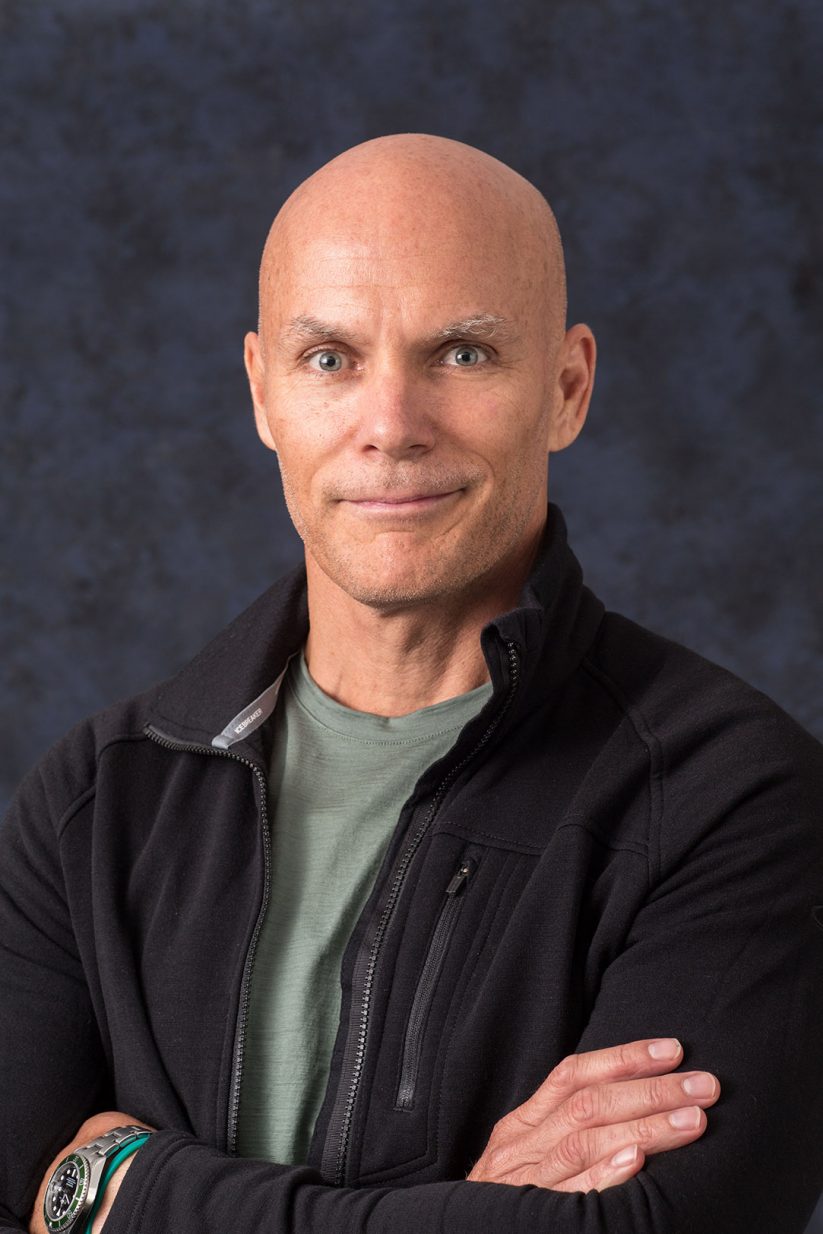
Sandy Kemper, C2FO
“Grit is fundamental to being an entrepreneur … and to that entrepreneur’s success,” Kemper said, discussing the Grit Score. “We assign that not as a leveler per se, but as an assigned value that helps us assess the grittiness of an individual. We find that those who have come from more difficult backgrounds have more grit, and usually folks who are in a minority population come from more challenging backgrounds.”
“We think from a human capital, toughness and tenacity perspective, that is a shaper of success for future hires.”
A key part of the process: approaching even the most well-intentioned (and successful) solutions with humility and grace, Kemper said.
The C2FO leader declined recognition for the company’s DEI efforts, as well as Juneteenth donations this summer, noting that the work wasn’t about building positive PR for the growing fintech leader.
Diversity, equity and inclusion not only offer commercial appeal and profit motive, he said — all three panelists acknowledged studies and anecdotes making the business case that DEI work boosts bottom lines — but a moral imperative for companies like C2FO.
“Do it for the right reasons,” Kemper said. “There’s a cynical eye right now because there were a lot of folks doing a lot of [talking] and have not followed up after BLM, after Trayvon [Martin], after Ferguson [Missouri]. There’s a lot of talk and not a lot of action.”
Of course, with action comes scrutiny, he added — echoing a sentiment expressed by Schultz.
“Know full well you won’t do a perfect job,” Kemper cautioned. “And when you screw up, as I’ve done any number of times, publicly address your screw up and talk as best you can from your heart. If you’re leading from your heart, and it’s a good heart, that action will be understood. That action will even be forgiven when it’s not correct.”
As an example, Kemper recalled a gaffe of his own: when speaking about diversity within C2FO, specifically related to the LGBTQIA+ community, he was dinged for absent-mindedly saying “sexual preference” instead of “sexiual orientation.”
“I was like, ‘I know that. I know it’s orientation.’ I screwed up and I was kicking myself for it,” he said. “The next Monday meeting, I said, ‘Guys, look. I’m not perfect. I’m not going to be anywhere near perfect for a long time. … I screwed up and I wanted to make sure you knew that I screwed up and that it’s not going to happen again.’”
Fear of such uncomfortable situations is natural, Harris said, acknowledging her own uncertainty about how to address Asian members of her team after a March 2021 shooting in Atlanta where the killer largely targeted Asian women.
“I thought, let me reach out and see how they’re doing,” she said. “Then I went ‘Wait. They don’t want me to reach out. They don’t want me to talk about it. Who am I to be presumptuous? … So I went through all of these [feelings], and I was paralyzed thinking maybe I shouldn’t do anything.”
“But then I said, ‘Carla Harris, you cannot allow your ignorance or your inexperience to stop you from expressing your humanity.’ So I sat down and wrote four sentences to them … and the response I got back was just amazing,” Harris continued. “I was so happy that I pushed through the fear — somebody who considers herself, frankly, fearless was paralyzed thinking ‘Who am I? Am I doing the right thing? It could all go wrong.’”
“But if we’re wearing the leadership jersey, we all have to push through that fear and trepidation, and extend our hand so that we can make a difference and move the organization along.”
[divide]
Morgan Stanley’s approach
Morgan Stanley, the presenting sponsor of the “Nothing to Fear” virtual event, is guided by five core values: Do the right thing, put clients first, lead with exceptional ideas, commit to diversity and inclusion, and give back.
The firm’s Multicultural Innovation Lab is among Morgan Stanley’s strategies to address a roughly $4.4 trillion missed opportunity because of an industry failure to capitalize multicultural and women-owned businesses.
Launched in 2017 to promote financial inclusion and provide founders of tech and tech-enabled startups with much-needed access to investors — along with the tools, resources and connections they need to grow and thrive — the Lab’s mission is nothing less than to transform the investing landscape.
To date, 51 companies have participated in the lab with more than $80 million in additional funding after the experience.
Click here to learn more about the current cohort.
The Multicultural Innovation Lab is co-led by Harris, vice chairman and managing director at Morgan Stanley.
Click here to learn more about Morgan Stanley’s Multicultural Innovation Lab.
Featured Business

2021 Startups to Watch
stats here
Related Posts on Startland News
Brewery, taproom taking root in former JoCo Macy’s amid neighborhood transformation
An Iowa-based brewer — lauded for igniting economic growth and vibrancy in the communities where it plants its taprooms — announced plans Monday to expand its Big Grove brand into Prairie Village, projecting a fall 2026 opening within a long-dormant retail space in Johnson County. Dirt already is moving outside the former Macy’s department store…
Goodwill merger pushes expansion plans, KC’s new adult high school to the front of the store, leader says
Consolidating operations between offices in Kansas City in St. Louis not only will produce one of the largest Goodwill footprints in the nation, said Mike Sinnett; the move is expected to bolster efforts to add more retail stores and deepen initiatives like the soon-to-open Excel Center at Bannister Road. Goodwill of Western Missouri and Eastern…
LISTEN: Biotech founder breaks down how she turns microorganisms into high-quality protein in just 24 hours
On this episode of Startland News’ Plug and Play Topeka founder podcast series, we explore a ground-breaking food innovation with Katelijne “Kate” Bekers, co-founder and CEO of MicroHarvest. This biotech startup is pioneering the world’s fastest protein production — turning microorganisms into high-quality protein in just 24 hours, using sustainable fermentation and agricultural side-streams, while…
From ravioli to revenue: How Pasta La Fata became a fresh pasta powerhouse in mid-Missouri
Editor’s note: The following story was produced through a paid partnership with MOSourceLink, which boasts a mission to help entrepreneurs and small businesses across the state of Missouri grow and succeed by providing free, easy access to the help they need — when they need it. [divide] COLUMBIA, Mo. — Michelle “Shelly” La Fata built Pasta La…