
Missouri lawmaker urges SBA change to ease access to federal funds for digital tools
December 4, 2024 | Startland Staff

Government red tape is getting in the way of entrepreneurs’ ability to compete, said Mark Alford, detailing his efforts in Washington, D.C. to ensure affordable, equitable access to and use of “digital technologies” — especially when the federal government is involved, he added.
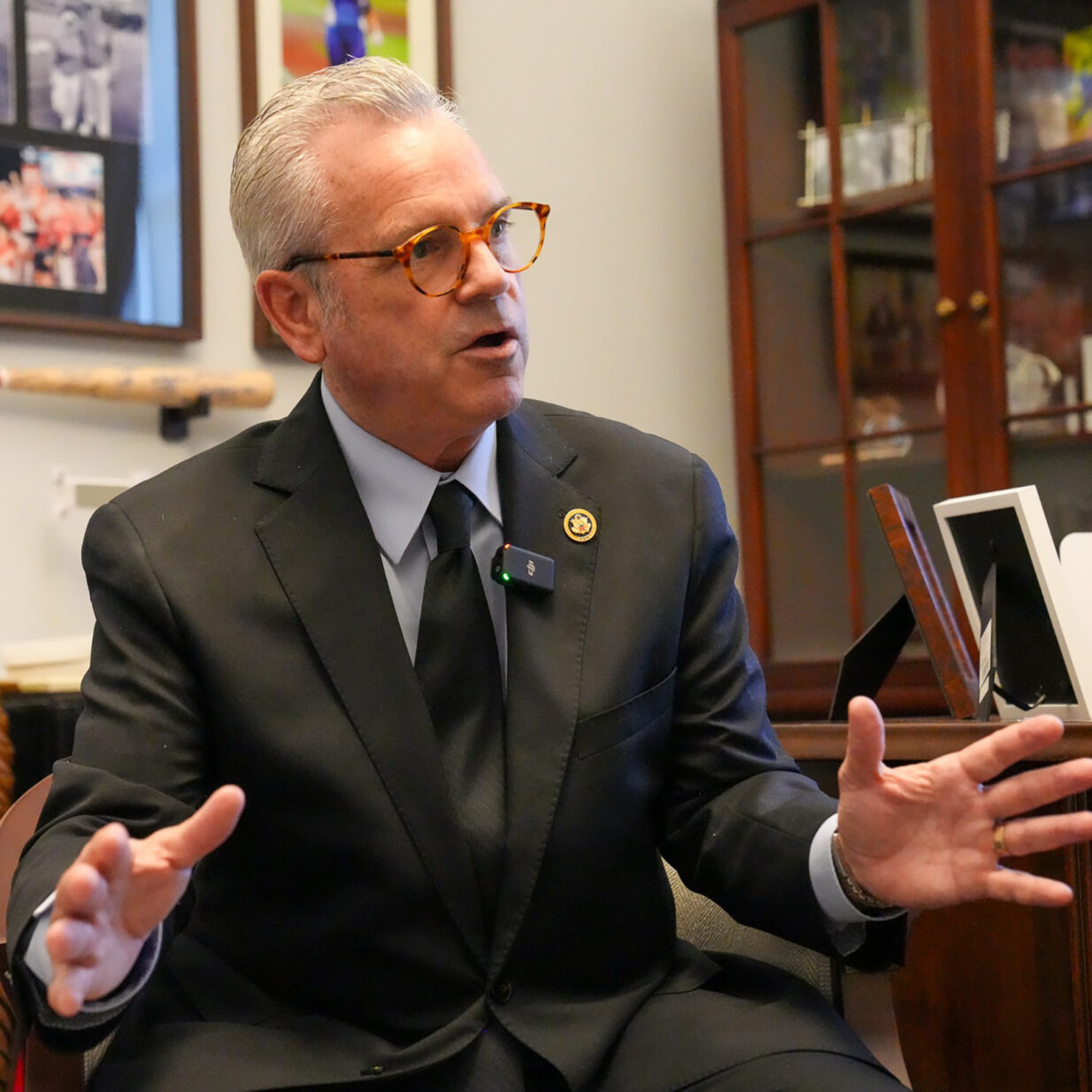
U.S. Rep. Mark Alford, R-Missouri; photo courtesy of Mark Alford’s Office
“Small businesses are the fabric of America, driving innovation and growth,” said U.S. Rep. Alford, R- Missouri, introducing a bill this week that would clarify Small Business Administration rules to allow SBA 7(a) loan funds to be used for digital tools and services.
“This legislation provides clarity and support for small businesses to embrace digital tools, enhancing their competitiveness in a rapidly evolving global market,” he continued, noting that small businesses that incorporate more technology platforms into their operations are more likely to have seen growth in their sales, profits, and employment since 2020.
Their success could hinge on eliminating barriers to digital adoption by updating federal relief programs, grant programs, and lending programs to include digital tools as an allowable use of funds, providing parity with the Economic Aid Act, his office said.
Click here to read the text of Alfords’ Small Business Technological Advancement Act.
Alford, who represents Missouri’s Fourth Congressional District in the U.S. House, serves on the Agriculture Committee, the Armed Services Committee, and the Small Business Committee.
“Fintech is the financial tool of choice for millions of American small businesses and startups, helping them access capital, streamline accounting, and manage complex expenses, inventory, and payroll,” said Penny Lee, president and CEO of the Financial Technology Association, a trade group representing fintech industry leaders. “We applaud Congressman Mark Alford for introducing commonsense legislation that would make it easier for small businesses to benefit from these innovative technological tools.”

2024 Startups to Watch
stats here
Related Posts on Startland News
ECJC relocates office, updates brand
The Enterprise Center in Johnson County is shaking things up. The non-profit organization that connects entrepreneurs to the resources they need to grow revealed Thursday an updated website, brand identity, and new office location. “This move is the culmination of a long, strategic transition to ensure that as Kansas City’s entrepreneurial community changes, we change…
Former Sprint COO LeMay dishes on KC capital, failure
There are few people in Kansas City more connected into the area’s investor, corporate and startup community than FarmLink CEO Ron LeMay. Also now managing director of Kansas City-based OpenAir Equity Partners, LeMay frequently sees the successes and failures of the metro area’s capital landscape. The former Sprint COO recently spoke with dozens of Kansas…
RFP365 partners with Kansas City, raises $950K
On the heels of a six-figure raise, area tech firm RFP365 recently landed the City of Kansas City as a client for its software that eases the request for proposal process. The company’s deal with Kansas City was born from the city’s “Innovation Partnership” program, which affords entrepreneurs the opportunity to “test drive” their technologies…
Study: Gov should take long-term approach to grow new businesses
A recent study by the Ewing Marion Kauffman Foundation reports that while governments have long supported entrepreneurship, new business creation is waning. The study — Guidelines for Local and State Governments to Promote Entrepreneurship — found that new businesses comprised about 8 percent of all U.S. businesses in 2011, down from roughly 15 percent in the…