
ESHIP Summit recap: Largest-ever meeting of ecosystem builders convenes to forge new economic model
June 30, 2017 | Bobby Burch

At times regarded as a buzzword whose definition is as variable as a startup’s valuation, the concept of entrepreneurial ecosystems received stalwart validation last week when the largest gathering of leaders cultivating such communities met in Kansas City.
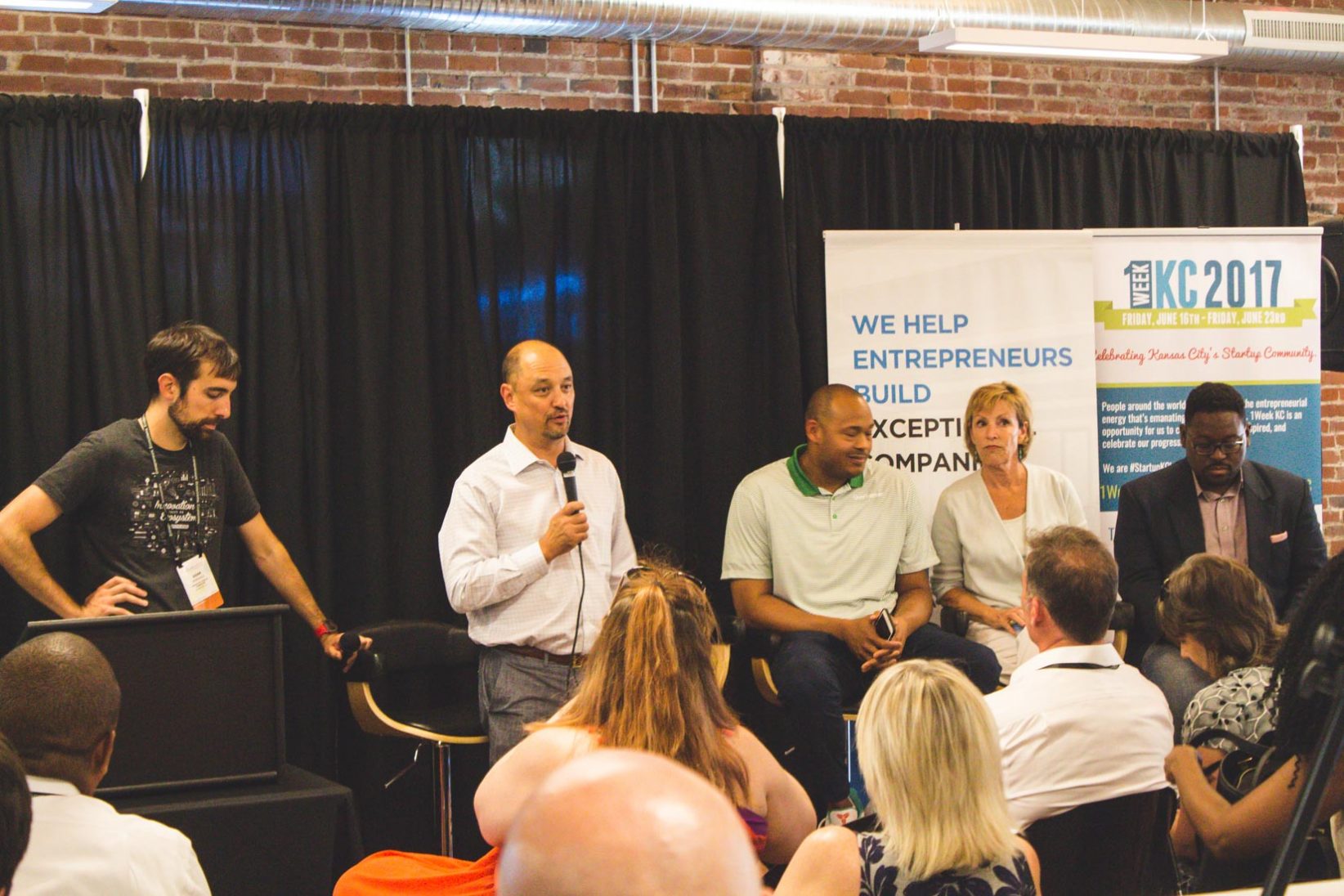
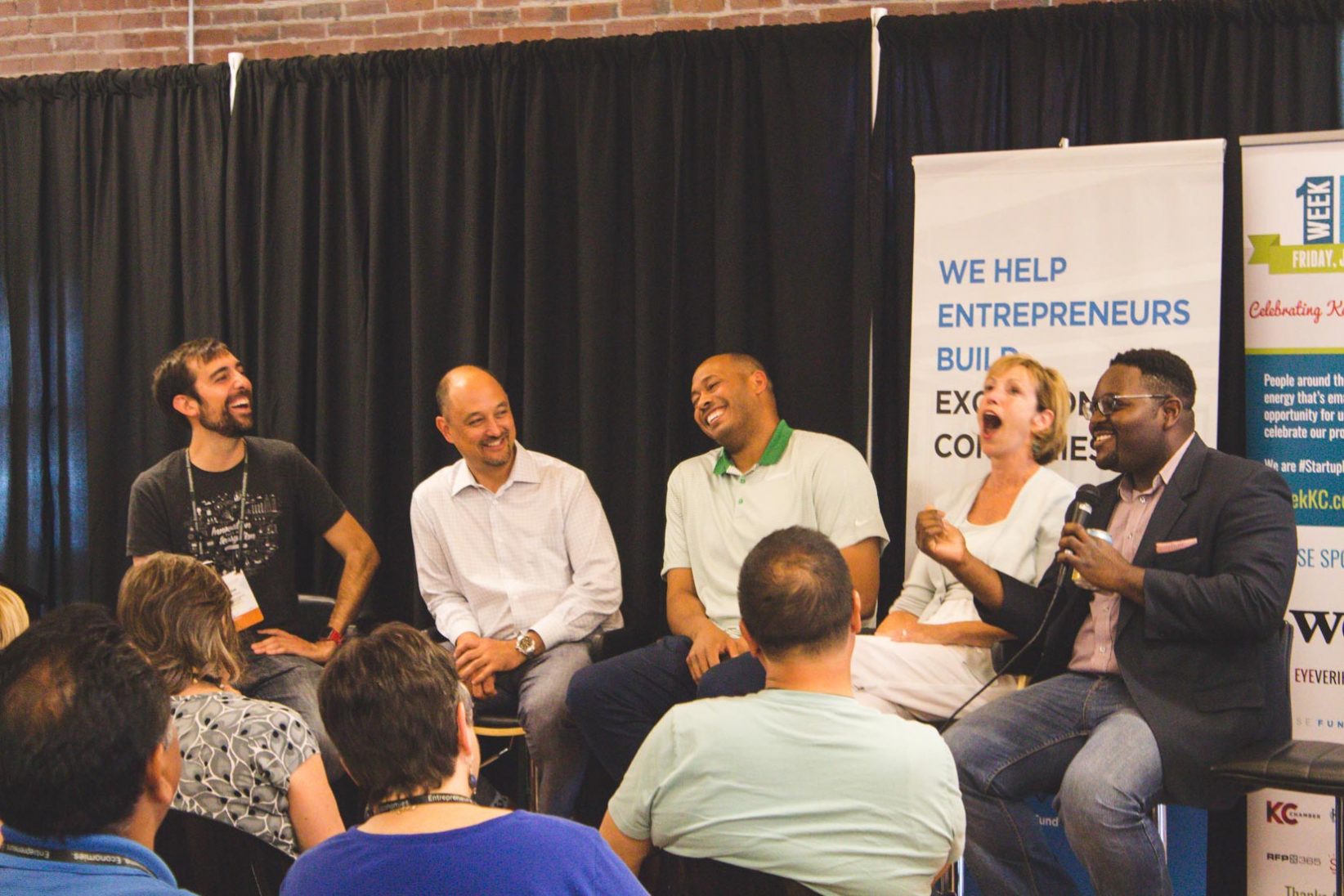
The Ewing Marion Kauffman Foundation’s ESHIP Summit culled more than 400 entrepreneurial ecosystem builders from around the world to the City of Fountains. The three-day summit — whose mission was in part to explore a new model of economic development focused on entrepreneurship — represents the largest ever meeting of ecosystem leaders in the United States.
Andy Stoll, the foundation’s senior program officer in ecosystem development, said the summit was unlike any other event as it focused on how to build a community for entrepreneurs in which they can thrive.
“Having that many people together reaffirmed what both Kauffman and myself have always believed, which is that there’s a new emerging field of ecosystem building,” Stoll said. “This is really the beginning of a new model for economic development. To see the different types of people and the places they came from was powerful and affirming. Not everyone uses the term ecosystem builder, but a lot of people were thinking of how we can build a system that supports and encourages more entrepreneurs in our communities, which was exciting.”
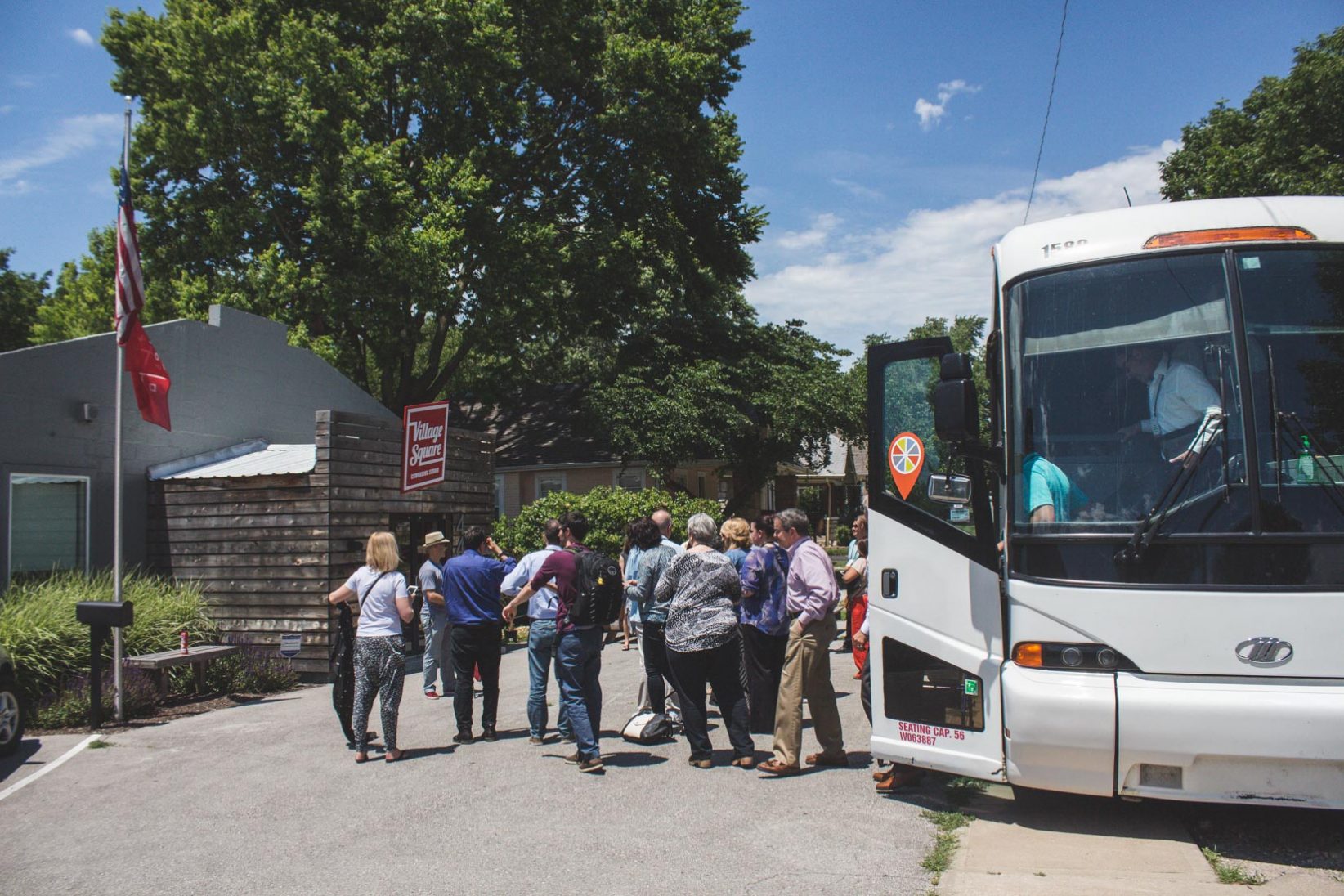
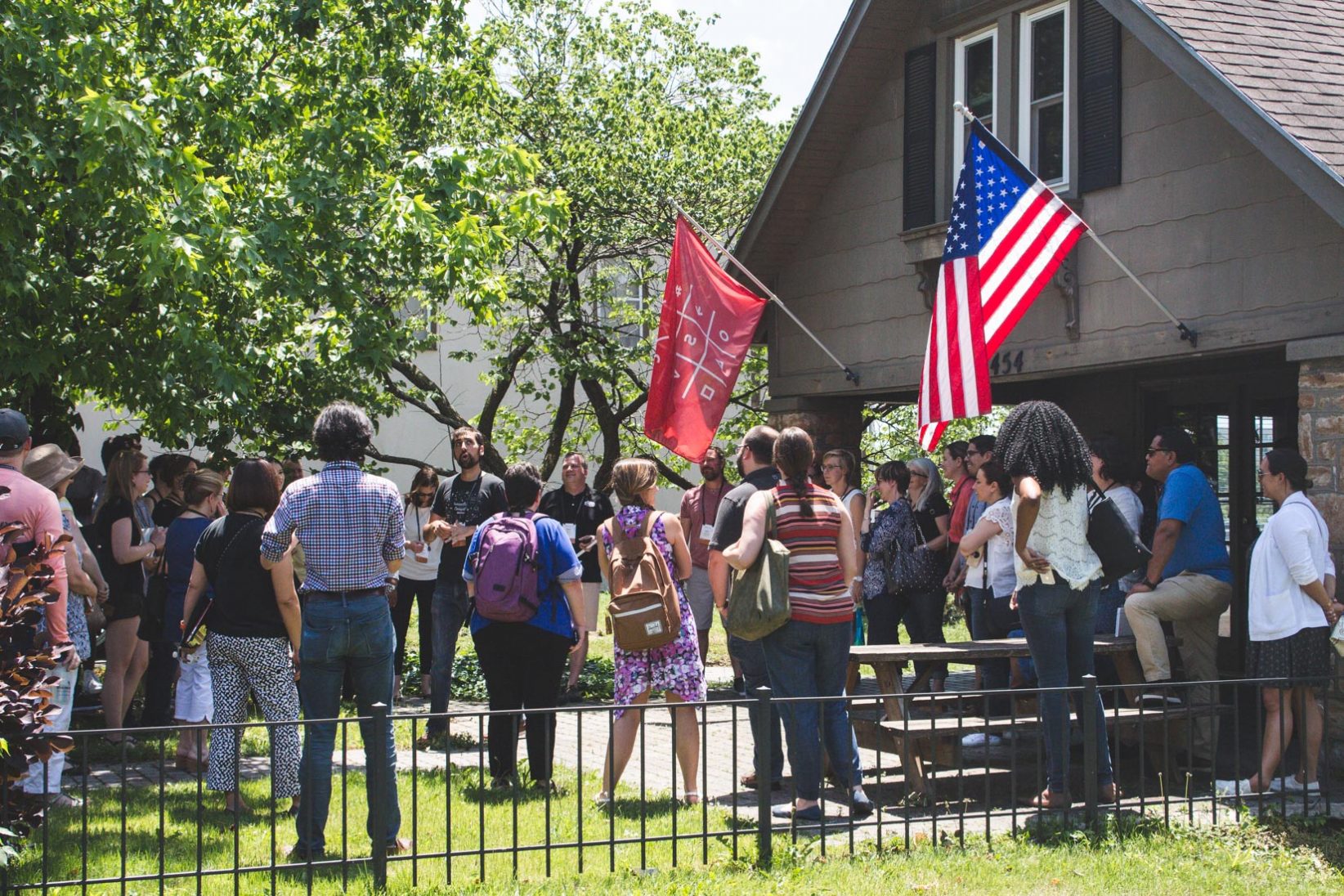
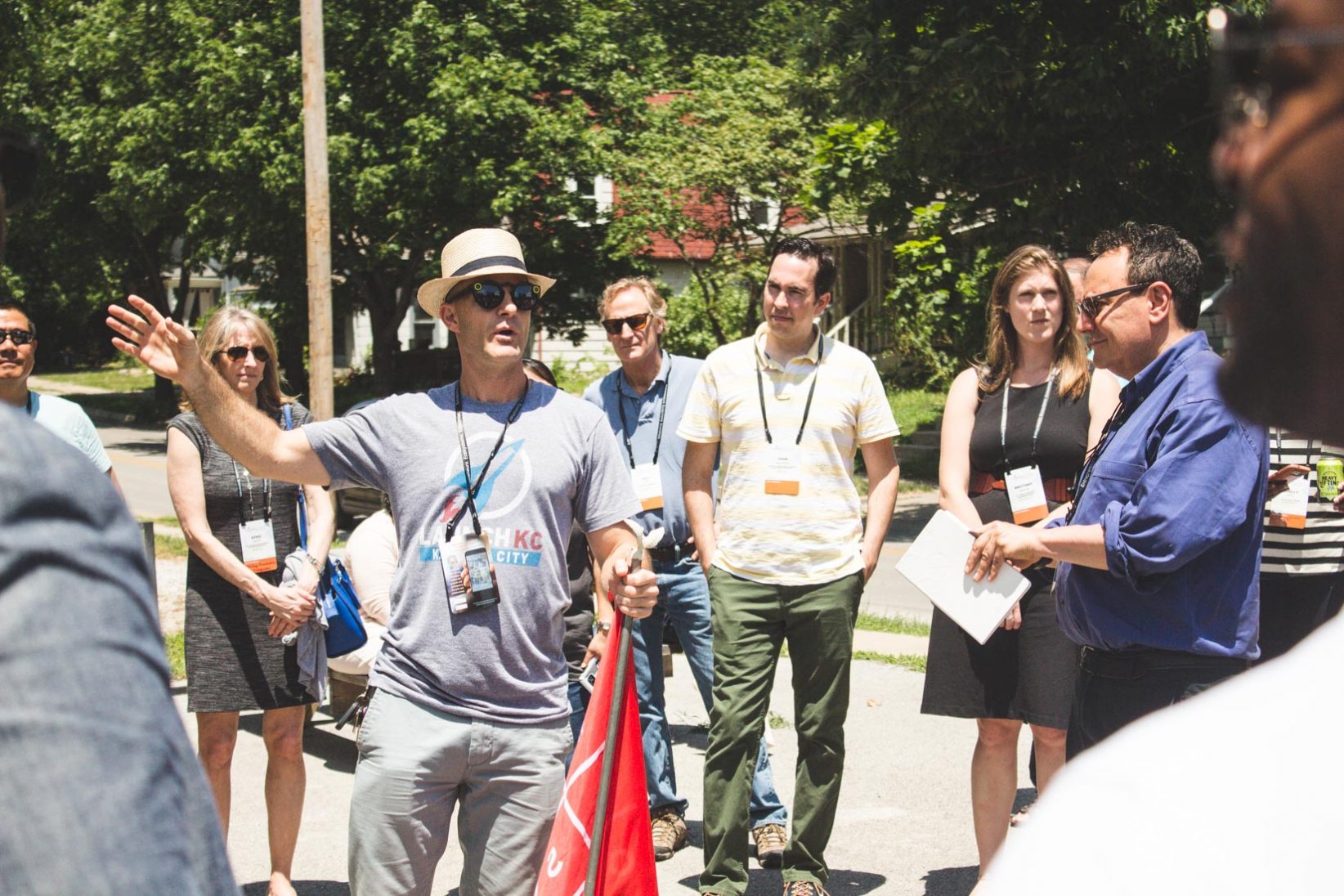
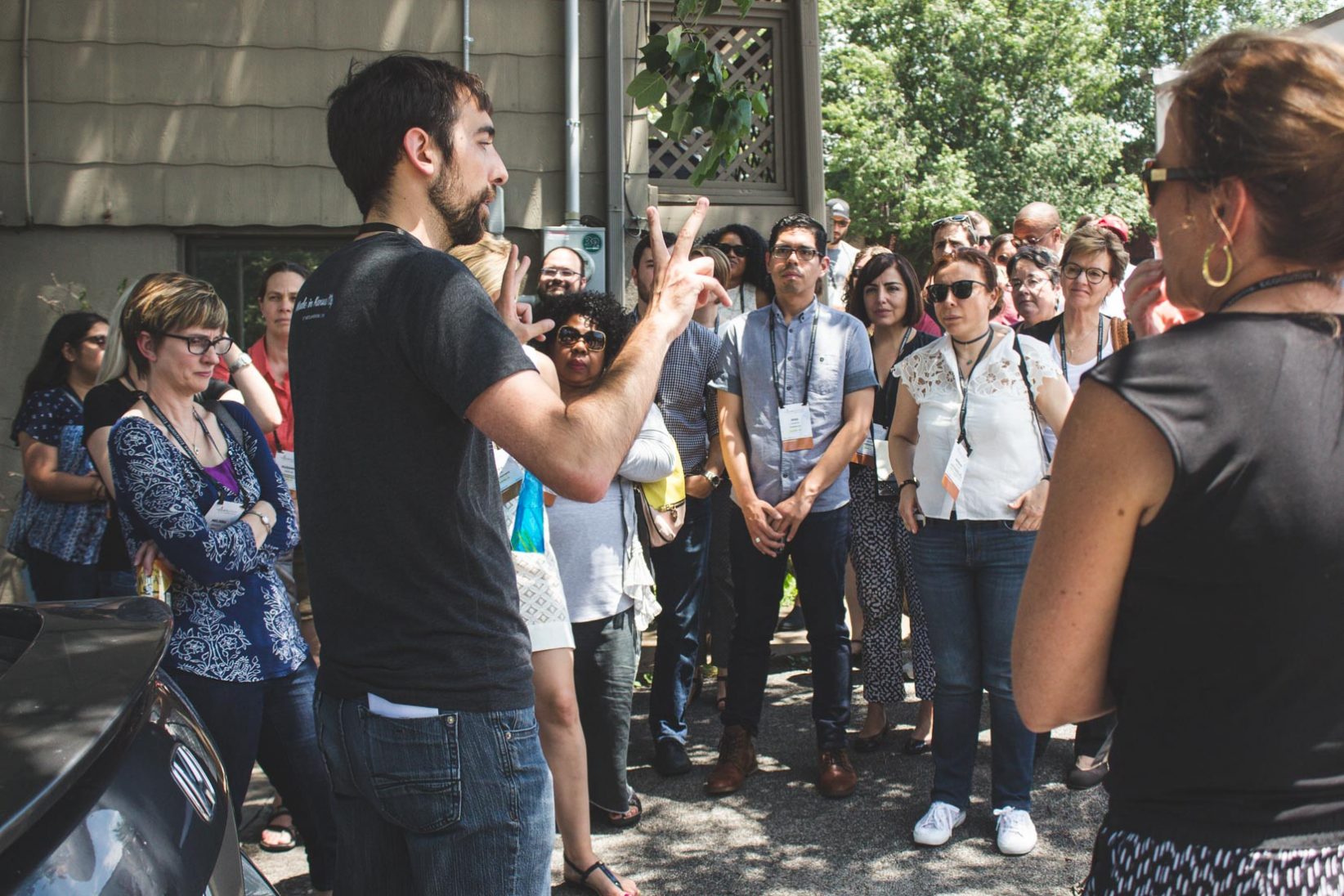
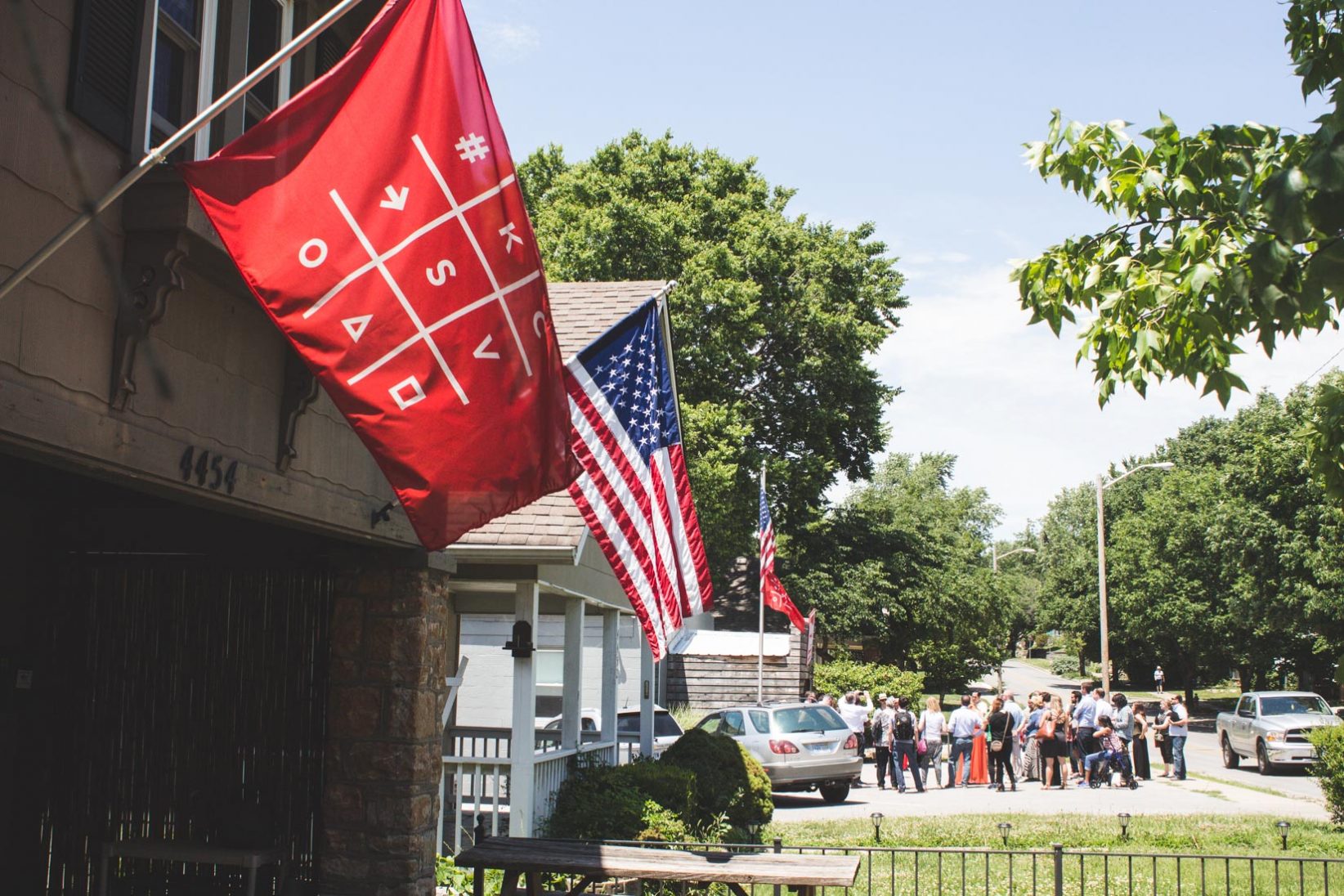
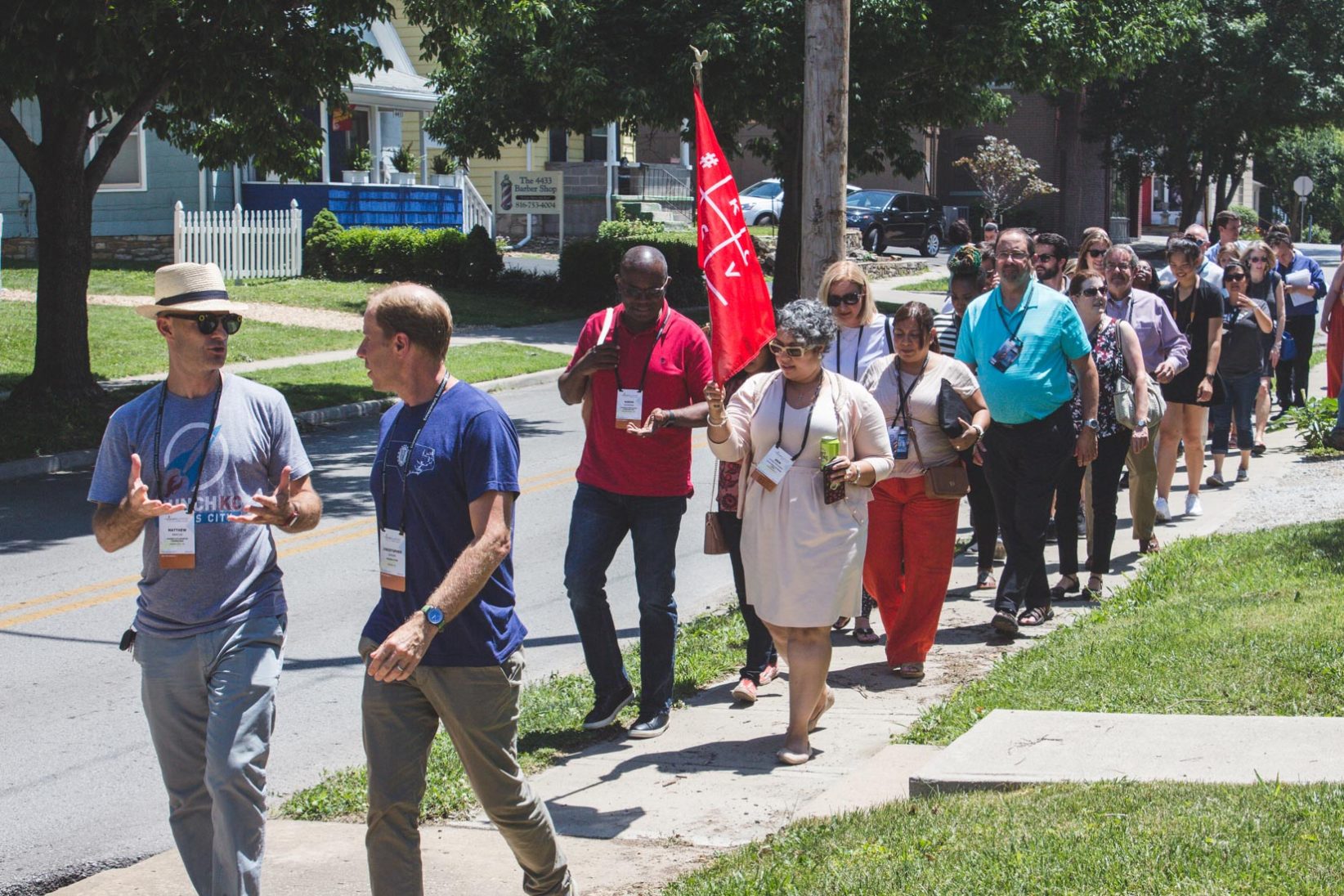
Over the three days, the summit featured a variety of installations, including a Kansas City startup tour, analysis of ecosystem amenities, conversations to challenge attendees’ notions on economic development and other thought-provoking content, Stoll said. But as attendees embarked on the summit, Stoll said an intriguing exercise was for the group to define common nomenclature in the field of ecosystem development. For example, each attendee was asked to define words like ecosystem, entrepreneur, startup, capital and others.
Stoll was surprised by the array of answers.
“What we found were that some of the definitions were as varied as the diversity of attendees,” he said. “It’s both exciting but also a little intimidating in recognizing that there’s a lot more work to bring this field together than a three-day event can.”
Stoll said that among many focus areas, diversity and inclusion of minority entrepreneurs was central. He said that the Kauffman Foundation’s research has shown a large gap among minority entrepreneurs, prompting to further support efforts to boost business creation among underrepresented groups.
For example, the foundation’s State of Entrepreneurship report found if minorities started and owned companies at the same rate as White people, the U.S. would have over one million more businesses and up to an extra 9.5 million jobs.
Stats like that should prompt ecosystems around the nation to be more intentional in catalyzing minority entrepreneurship, he said.
“Diversity and inclusion became an underlying theme for the event,” Stoll said. “Diversity and inclusion aren’t just important because they’re the right thing to do, but there’s also an incredibly powerful economic imperative to be more inclusive in building entrepreneurial ecosystems. Not giving all the community an opportunity to be an entrepreneur decreases the economic output of the community. It doesn’t allow a community to be its true, full self.”
Reagan Hales, vice president for strategic communication for the Amarillo Economic Development Corporation, said the summit was inspiring for a variety of reasons, including conversations on diversity and inclusion.
With her head “still spinning in a good way” from the summit, Hales said it’s imperative for her and other organizations to drive change in how ecosystems are built.
“You couldn’t leave the summit without thinking about diversity and inclusion,” she said. “My task now is to figure out how to give women and minorities and those entrepreneurs that haven’t been placed in a public role, a platform to be seen by a younger generation. Younger people need role models. We need to give these role models a public voice.”
A partner of Alyeska Venture Management in Anchorage, Alaska, Katherine Jernstrom said that her community also faces challenges with diversity and inclusion.
“There are over 100 languages spoken in the Anchorage School District and Anchorage is considered the largest Alaska Native Village. And yet, we don’t focus on diversity and inclusion enough,” said Jernstrom, who’s also the founder of the Boardroom. “I think because we’re such a new entrepreneurial community that we’ve built programs, funds and infrastructure with a lot of passion and speed but perhaps with less intention than we should have. I learned that we need to change that.”
Both Jernstrom and Hales said they were blown away by Kansas City. ESHIP Summit attendees not only were treated to in-depth conversations of ecosystem building, but also the area’s vibrant art, music and food scene. Many attendees also took in a Kansas City Royals game, in which Royals second baseman Whit Merrifield hit a walkoff home run for a comeback win that was punctuated with fireworks.
It made an impression on Hales.
“I don’t think that the rest of the world knows what’s going on in Kansas City — but they will soon,” she said. “I grew up in Texas and I’m familiar with Austin and communities like Boulder and San Francisco that are known for entrepreneurship and innovation. But to go to Kansas City and see what’s happening there community-wide is really inspiring.”
Jernstrom echoed the sentiment.
“I love Kansas City,” she said. “I’m so in awe of the food scene, the arts and culture, the people. You can actually feel the energy of a community that has put so much intention and work into rebuilding their neighborhoods and spirit of innovation. After a late night visit to the Green Lady Lounge with other ESHIPers I called my husband to download my day. His response was ‘So we should move to Kansas City then?’”
Stoll said that the Kauffman Foundation plans to host at least two more ESHIP Summits — one in 2018 and another in 2019 — but has not yet settled on a location.

Featured Business

2017 Startups to Watch
stats here
Related Posts on Startland News
Study: Gov should take long-term approach to grow new businesses
A recent study by the Ewing Marion Kauffman Foundation reports that while governments have long supported entrepreneurship, new business creation is waning. The study — Guidelines for Local and State Governments to Promote Entrepreneurship — found that new businesses comprised about 8 percent of all U.S. businesses in 2011, down from roughly 15 percent in the…
Kansas City’s Innovation Partnership program to expand
Kansas City’s program to streamline the integration of technologies into City Hall is set to expand in hopes of attracting more entrepreneurial participation. The City of Fountain’s Innovation Partnership program plans to ramp up marketing and resources to welcome more companies hoping to test drive their technologies with the city, said Ashley Hand, Kansas City’s…
Mid-America Angels race for record-setting investment year
After investing nearly $1 million in the first quarter of 2015, regional investment network Mid-America Angels is on pace for its best year yet. Mid-America Angels injected $870,000 of funding into two area companies during the first three months of 2015, which sets it on a pace to surpass $3 million in investments for the…
- « Previous
- 1
- …
- 1,344
- 1,345
- 1,346