
KC tech community likely staying home, skipping events and travel until 2021, report says
August 14, 2020 | Tommy Felts

Tech leaders are now accepting that a return to work and live events will take longer — perhaps much longer — than initially expected at the outset of the Coronavirus pandemic, said Ryan Weber.
“In April, there was a rosier outlook for the resumed timeframe around in-person business events, office reoccupation and business travel,” said Weber, KC Tech Council president, in a second-phase report on COVID-19’s impact. “Now, expectations are much more conservative.”
In fact, many don’t think they’ll return to the office, large-scale events or business travel until at least early 2021, he said.
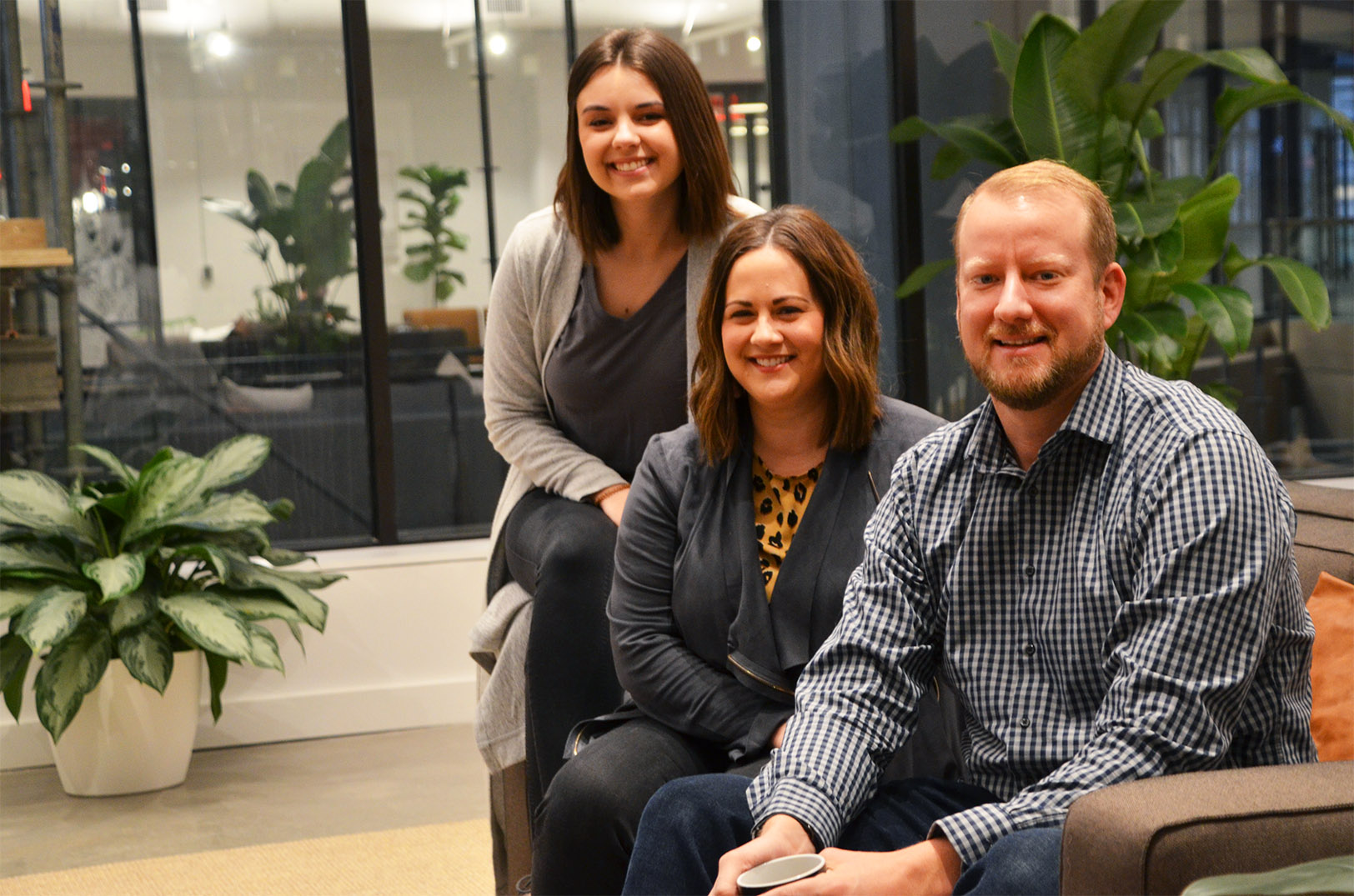
Haley Regan, Kara Lowe, and Ryan Weber, KC Tech Council, March 2020
The findings come from KC Tech Council’s outreach to a curated group of about three dozen Kansas City tech leaders — a cross-section of CEOs, presidents and market leads — measured in April and again in July to get a better understanding of current perceptions and future predictions as they navigate their employees and organizations through the COVID-19 pandemic.
Click here to read the COVID-19 Impact Index, v2, which also explores the pandemic’s effects on hiring, demands for products and services, and overall confidence in the economy.
“Business leaders, especially CEOs, have a difficult job of predicting the future. This is never an easy task,” Weber told Startland News. “In today’s environment, collecting reliable data and interpreting the results to make data-driven decisions is a constant, nerve-wracking challenge.”
Responses across the April and July indexes indicate leaders are adapting to new information as it develops — and adjusting expectations accordingly — not underestimating the crisis and the impact it can or will have on employees or businesses, he said.
For example, about one-fourth of respondents initially believed a quick return to work (sometime between May and August) would be critical, but as the summer of COVID progressed, that number shrank dramatically. By July, the vast majority answered that a timeframe to return was unknown or not even critical.
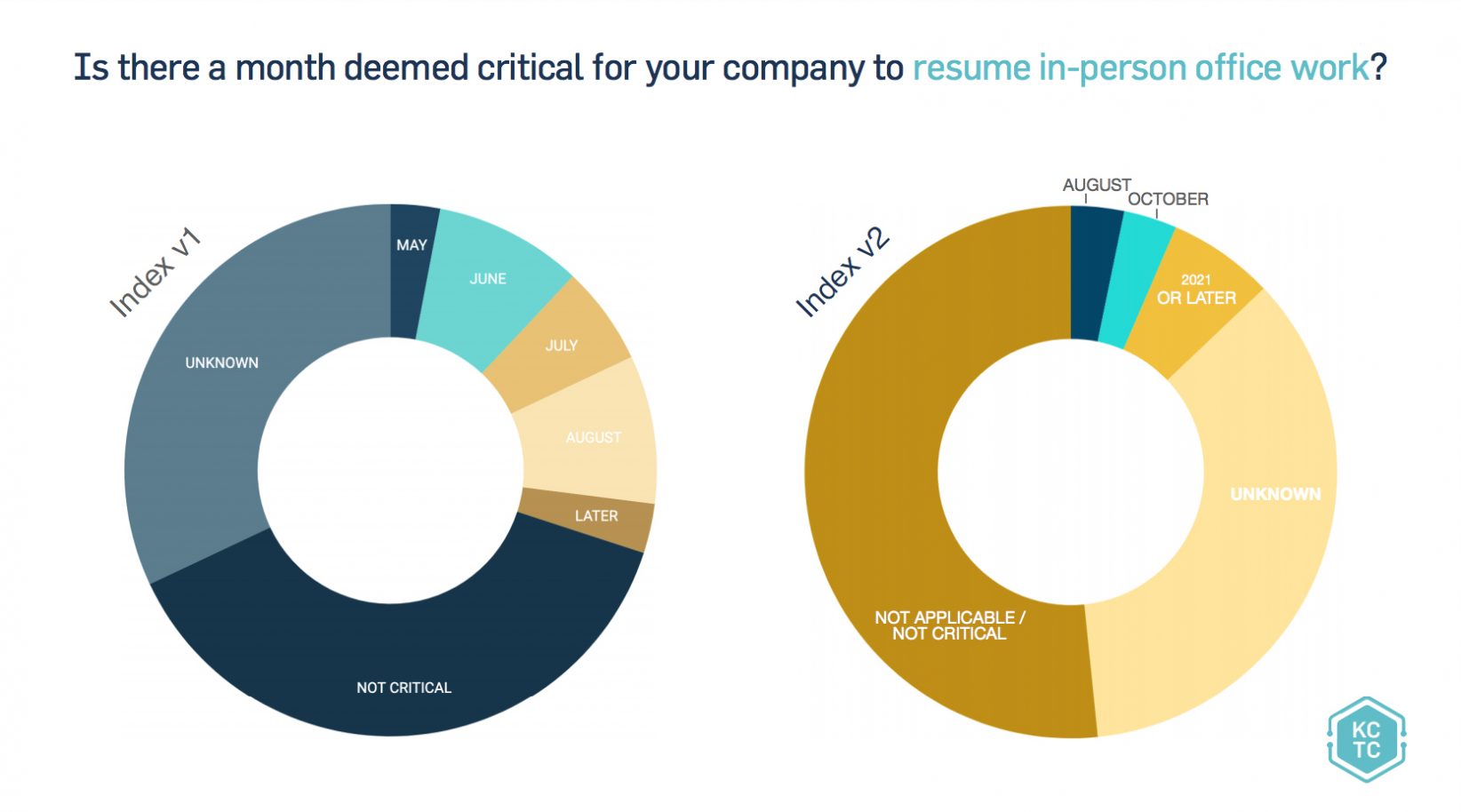
COVID-19 Impact Index, v2
Culture shock
Technology has helped bridge the gap as companies become more comfortable and confident in remote setups, Weber said.
“There is a lot of research about the positive results remote work can have toward increased productivity,” he said. “Technology has also played a significant part in allowing us to adapt and stay connected.”
Click here to read cyber security experts’ warning to remote workers and their employers.
Still, many leaders fear a disconnected workforce could have a negative impact on team culture, according to the KC Tech Council’s findings.
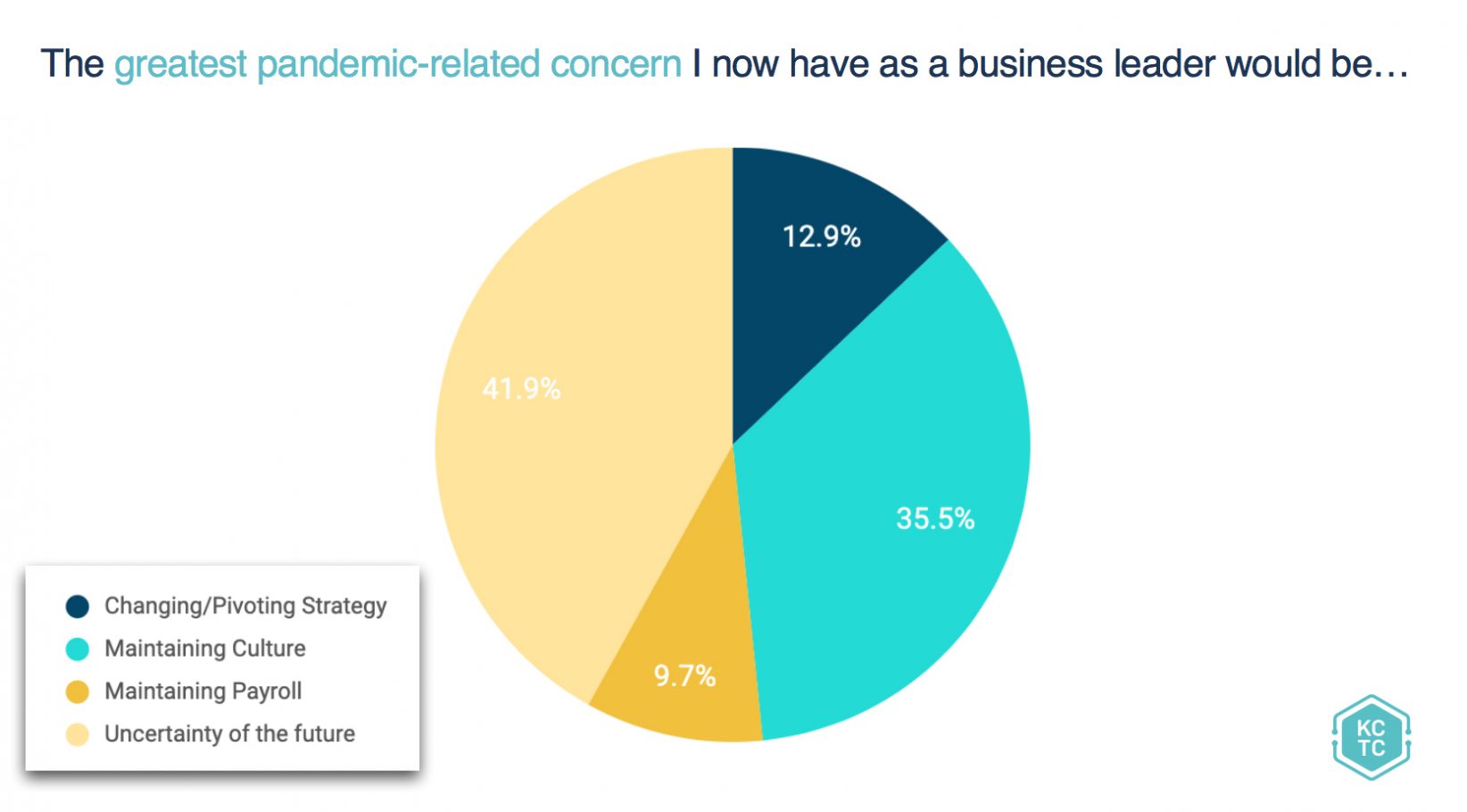
COVID-19 Impact Index, v2
“In a remote environment that pulls employees’ home and work lives into the same plane, it can be a challenge to create and maintain a culture that unites, encourages and supports as effectively from a distance as it can when organizations share the same space,” the report reads.
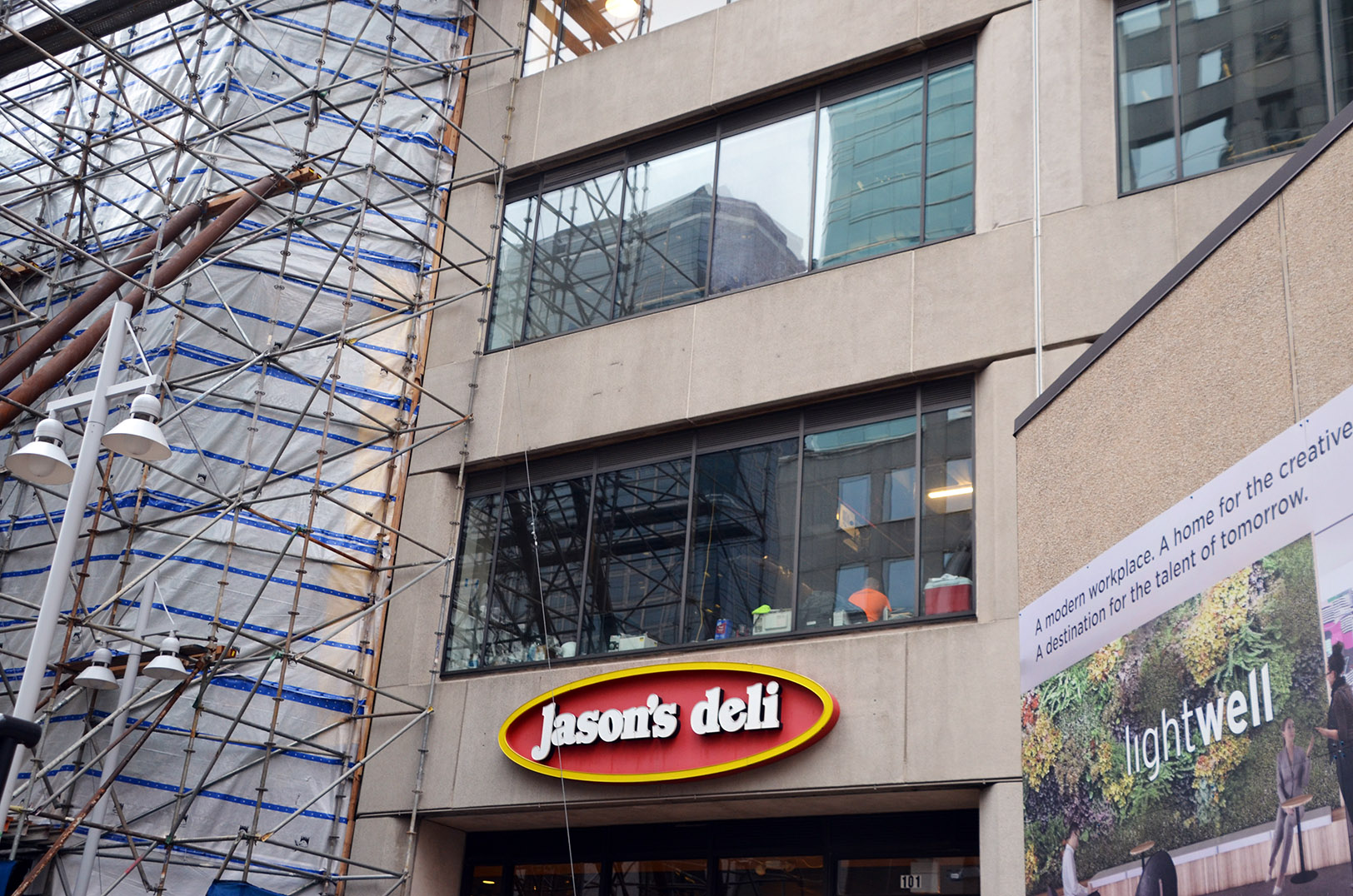
KC Tech Council’s new headquarters, Lightwell building downtown, March 2020
A member at WeWork Lightwell in downtown Kansas City, the KC Tech Council will soon have a new headquarters within the renovated Lightwell development, but its staff — like many tech companies across the metro — is continuing remote work until people are comfortable returning, Weber said.
“Moving forward, safety is our top priority and it’s essential to keep in mind that everyone’s situation is unique,” he said. “Even though our office and building are open, deciding when to return to the office full-time will be an individual decision.”
Waiting on No Coast, other events
The organization — an advocate for the tech industry in Kansas City — isn’t immune from the logistical headaches and community responsibilities associated with COVID-19, Weber said. It’s planned, second-annual No Coast celebration and awards show ultimately was scuttled for 2020 as the pandemic persisted.
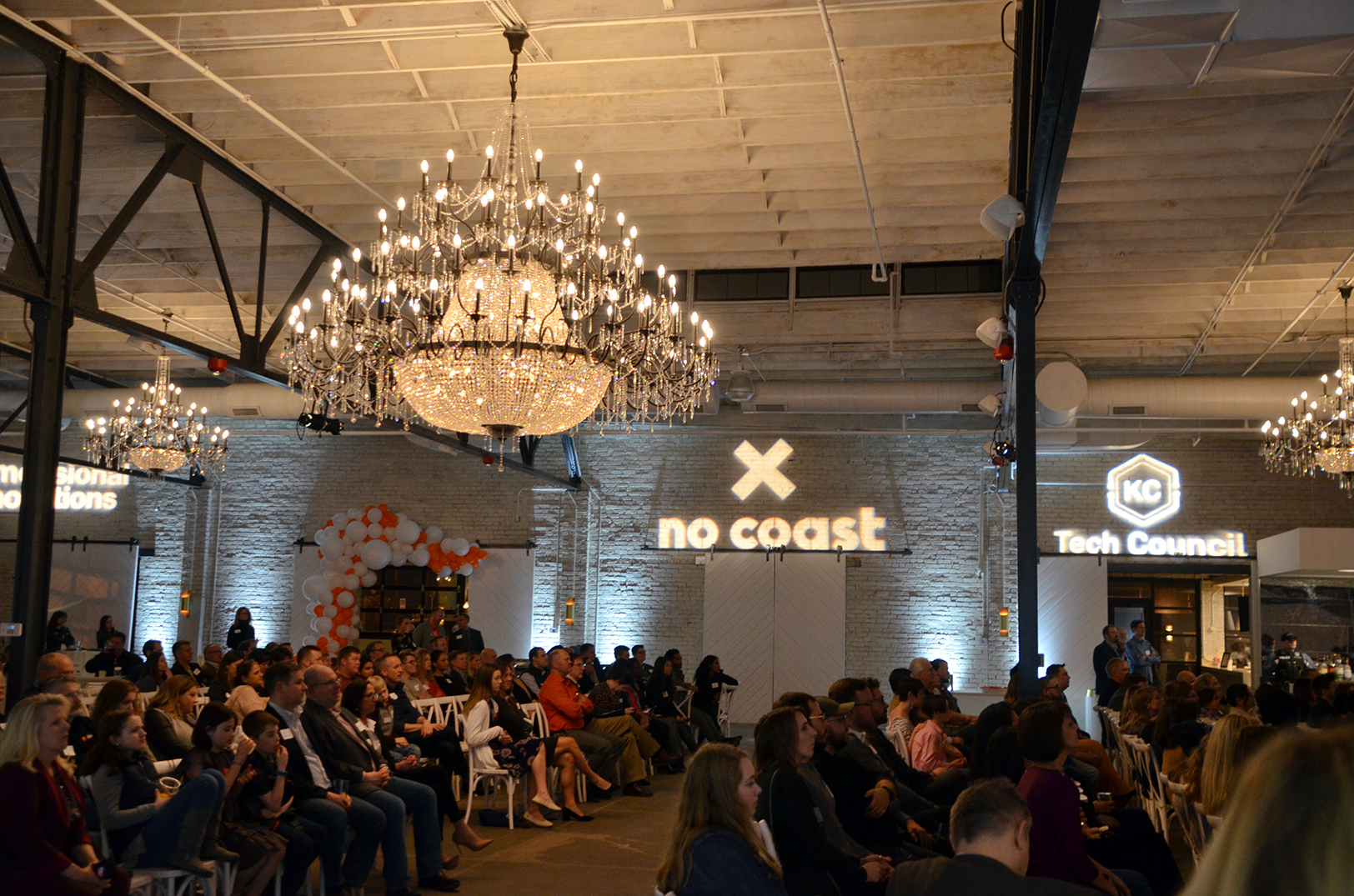
No Coast 2019, The Abbott
“It wasn’t an easy decision. When we first postponed from May to September, we promised to only host this event if it was safe, and based on the rising number of cases this wasn’t something we could guarantee,” Weber said.
The results of the July impact index further validated the No Coast cancelation, he said.
While more than two-thirds of respondents initially thought events could resume by at least July or August, mid-summer attitudes quickly shifted to a resounding “December or Later.”
“More than 90 percent of respondents anticipate waiting four or more months,” said Weber.
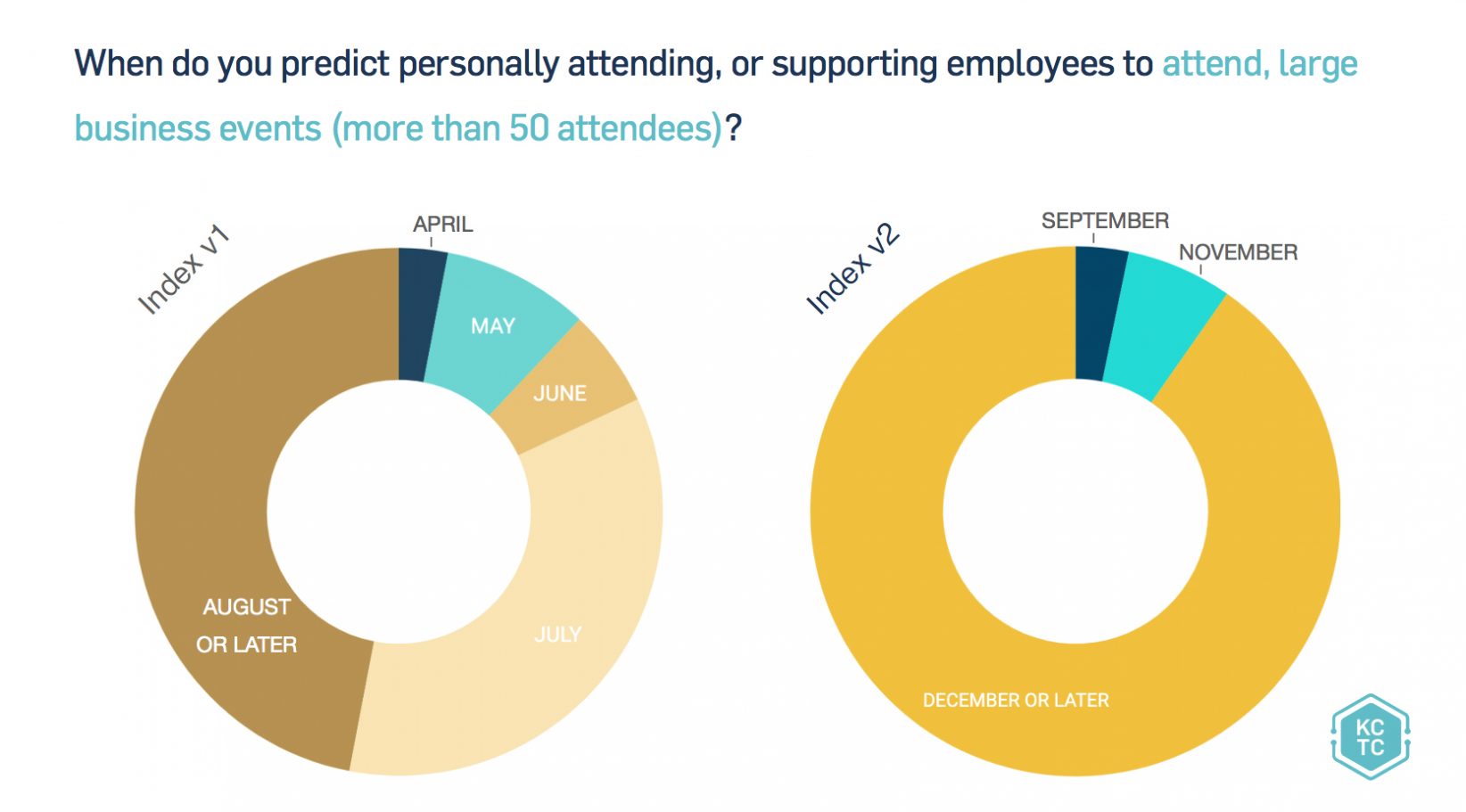
COVID-19 Impact Index, v2
Featured Business

2020 Startups to Watch
stats here
Related Posts on Startland News
André’s planted its flag in KC 70 years ago; chocolatier says that’s just a taste of what’s to come
Nearly 5,000 miles from Switzerland, a small group toured the inner sanctum of an iconic 70-year-old Kansas City company — a family-run brand that helped redefine accessible luxury in the Midwest, one Swiss chocolate-covered almond at a time. “What people get excited about André’s is the legacy, that we take a lot of pride in…
Here’s how ULAH’s new boutique model aims to rack success for local brands, not inventory debt
The new KC Collective consignment-based program for local brands at ULAH is a win for both the Westwood boutique and Kansas City creatives, said Joey Mendez and Buck Wimberly, announcing a fresh model to help the struggling store stay open and financially stable. “We’ve always had local brands,” said Mendez, co-founder of ULAH, explaining the…
Tiki Taco ticks up giving alongside expansion; CEO owns up to taco shop’s neighborhood impact model
A month-long campaign in the popular Kansas City-based chain offers easy add-on: joining KC GIFT’s network of donors Restaurant executive Eric Knott wants Tiki Taco’s operators to own the neighborhoods into which the popular taco shop expands, he said, but that doesn’t just mean dominating the fast-casual market in each pocket of Kansas City. “Our…