
Kauffman officials: None of us can survive — or solve — COVID-19 small business challenges alone
April 16, 2020 | Tommy Felts

Editor’s note: The following is part of Startland News’ ongoing coverage of the impact of Coronavirus (COVID-19) on Kansas City’s entrepreneur community, as well as how innovation is helping to drive a new normal in the ecosystem. Click here to follow related stories as they develop. The Ewing Marion Kauffman Foundation is a financial supporter of Startland News.
Entrepreneurs are facing a stark reality, said Melissa Roberts Chapman.
“It’s unlike anything we have seen,” said Roberts Chapman, senior program officer for entrepreneurship at the Ewing Marion Kauffman Foundation, setting the context for a conversation about COVID-19’s impact on small businesses in the Heartland. “Just being honest and transparent: Even with the resources we have at Kauffman, there’s really a limited amount that we can do to solve this problem alone.”
Click here to read more about the Kauffman Foundation’s efforts so far to provide relief during the COVID-19 pandemic.
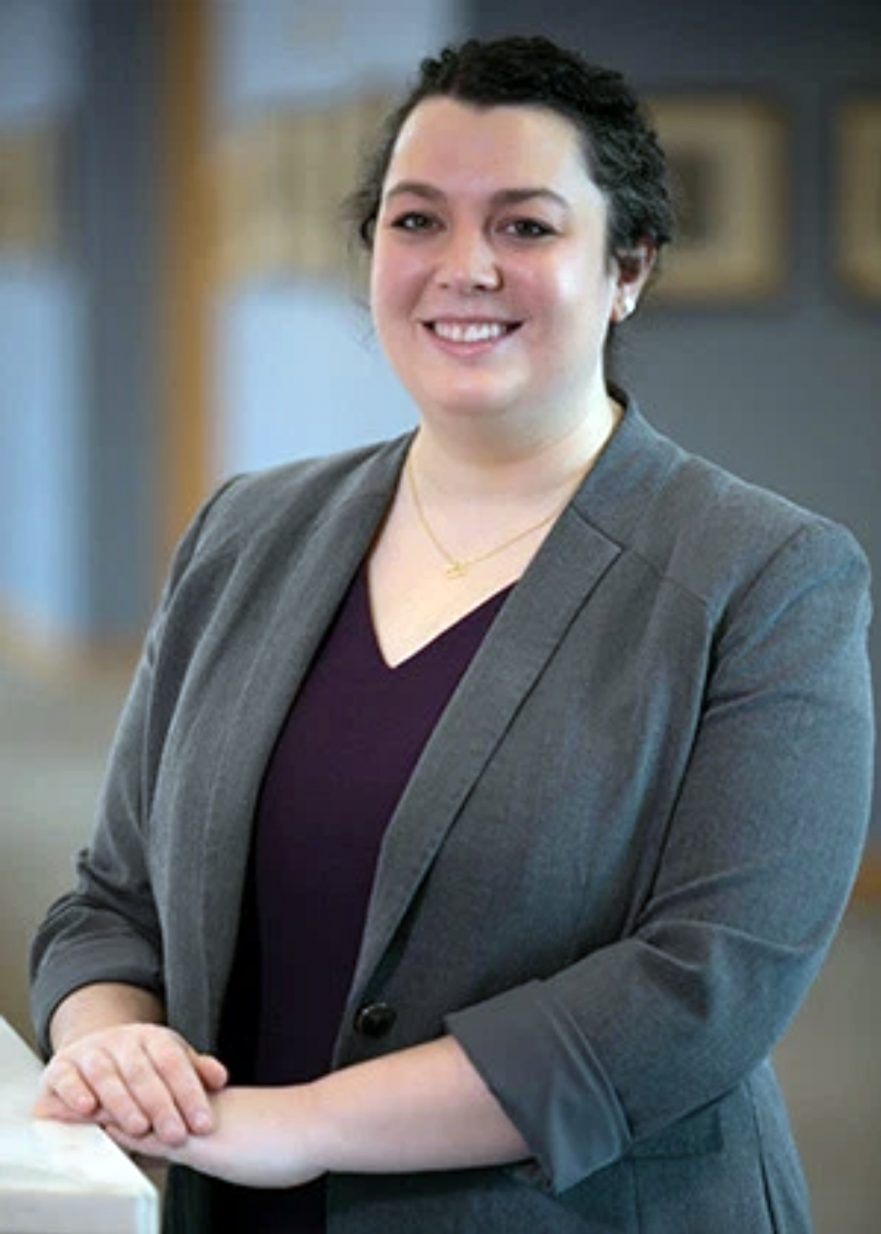
Melissa Roberts Chapman, Ewing Marion Kauffman Foundation
Roberts Chapman shared her comments during a recent panel — “From the Front Lines of Small Business Relief in KC” — an hour-long virtual discussion organized by STARTLAND, the parent organization of Startland News. The event is recurring at noon Fridays. Click here for more information on the virtual series.
“It is as bad as you think when it comes to the environment for small businesses,” said Roberts Chapman, citing dire statistics on cashflow and cash reserve concerns, as well as anticipated layoffs. “To get through this challenge — and to make it out on the other side in a phase of economic growth — is going to take really smart and coordinated efforts from entrepreneur support organizations all over this region, from the government at every level.”
Entrepreneurs are already doing what they do best, she added.
“They’re being creative. They’re finding ways to contribute to their communities and to employ people while doing it,” Roberts Chapman said. “These are going to be tough times, but we know we’ve got the smarts and the dedication to make it through it.”
Many small businesses struggled with applications for the recent Paycheck Protection Program through the U.S. Small Business Administration, she noted during the virtual panel, which also included representatives from AltCap, KCSourceLink and the Small Business Development Center at UMKC.
Specifically, Roberts Chapman referenced those underserved small business owners who don’t have a pre-existing relationship with a lender or who face a knowledge and resource gap related to applying for loans and relief funds.
Adding to the concern that vulnerable entrepreneurs had fallen to the back of the line, the scarcity of funds became real for many small businesses Thursday when the federal government announced the PPP had exhausted its $349 billion war chest. The program can lend no more money until the U.S. Congress allots additional funding.
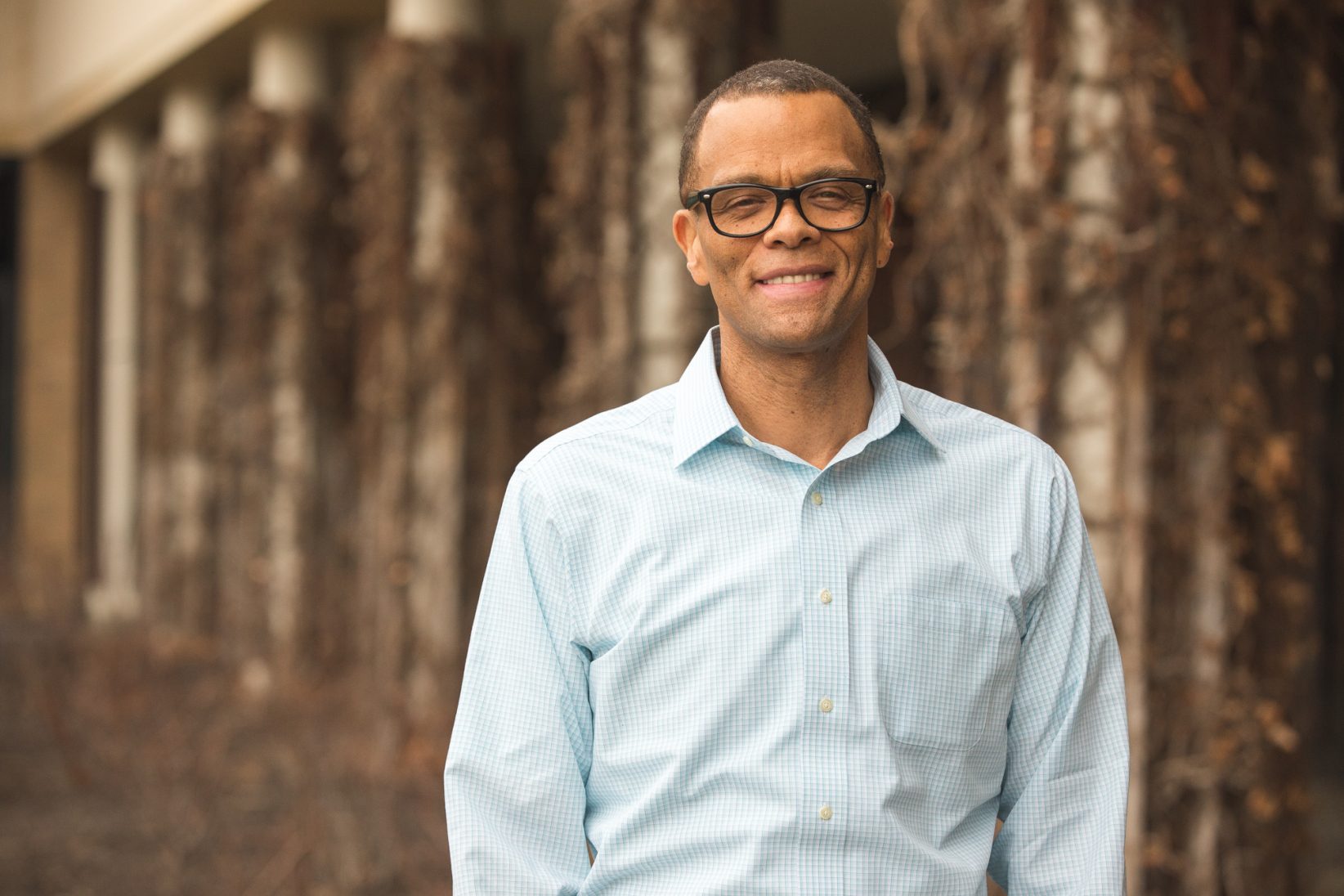
Philip Gaskin, Ewing Marion Kauffman Foundation
Not everyone has an equal shot to pursue opportunity, said Philip Gaskin, the Kauffman Foundation’s new vice president for entrepreneurship, referencing the distance between the American Dream and the American reality.
Click here to read more about Gaskin’s thoughts on the interdependence of the entrepreneur ecosystem in a recent Kauffman Currents feature.
“Unfortunately, in many communities, unequal opportunity leaves people behind,” Gaskin said. “They face barriers to realizing their full potential because of where they live, their race, gender, ability, or even who they chose to love – and some of these populations will be most impacted from the current pandemic.”
Kauffman Foundation officials like Gaskin and Roberts Chapman see it firsthand, he said.
“New businesses led by women, people of color, or in rural areas face additional barriers to be successful,” Gaskin said. “In the aftermath of this crisis, for all small and new businesses to regain their footing and for our economy to flourish, we will need to make it easier for entrepreneurs everywhere to find their way. That means providing the networks of understanding and communities of support that will help us rebound.”
Featured Business

2020 Startups to Watch
stats here
Related Posts on Startland News
1MC recap: program traces roots, features The Swapping Co., OneDayKC
Kansas City’s 1 Million Cups tried something new today. And by new, it was actually old. The event met in its original venue, Kauffman Labs, which served as an intimate setting for attendees. Entrepreneurs and community members gathered around desks and viewed presentations projected onto a white board. “The venue change happened today because our…
Coming UMKC innovation center to serve students, entrepreneurs
With funding shored up from private and public donors, the University of Missouri-Kansas City is planning to move ahead with its plan to build the Robert W. Plaster Free Enterprise Center to support students and entrepreneurs. Missouri Gov. Jay Nixon announced Tuesday that the state is allocating $7.4 million to the center, which represents half…
Security firm Nodal nabs $100K, ramps up hiring
Good news is stacking up for Kansas City-based Nodal Industries. The security hardware tech company recently snagged $100,000 in seed funding as part of an opportunity to participate in the 500 Startup accelerator program, based in Mountain View, Calif. The funding will allow Nodal to hire up to eight people, as well as ramp up production…
Play-It Health lands in top-ranked digital health accelerator
As with many successful startups, the idea for Play-It Health was born out of personal experience with an unsolved industry need. Kim Gandy, a former clinician and now the founder and CEO of Play-It Health, recognized that patients were having trouble engaging and adhering to their medical regimen. In the worst cases, this led to…