
PBS docuseries puts KC creator at the intersection food and ‘transformational travel’
December 28, 2023 | Taylor Wilmore

Food travel is about more than getting the most exotic or expensive social media-worthy photo of a meal to share for superficial clout, said Jim Kane, emphasizing the transformation power of connection when someone truly allows themselves to use food as a lens for understanding culture.
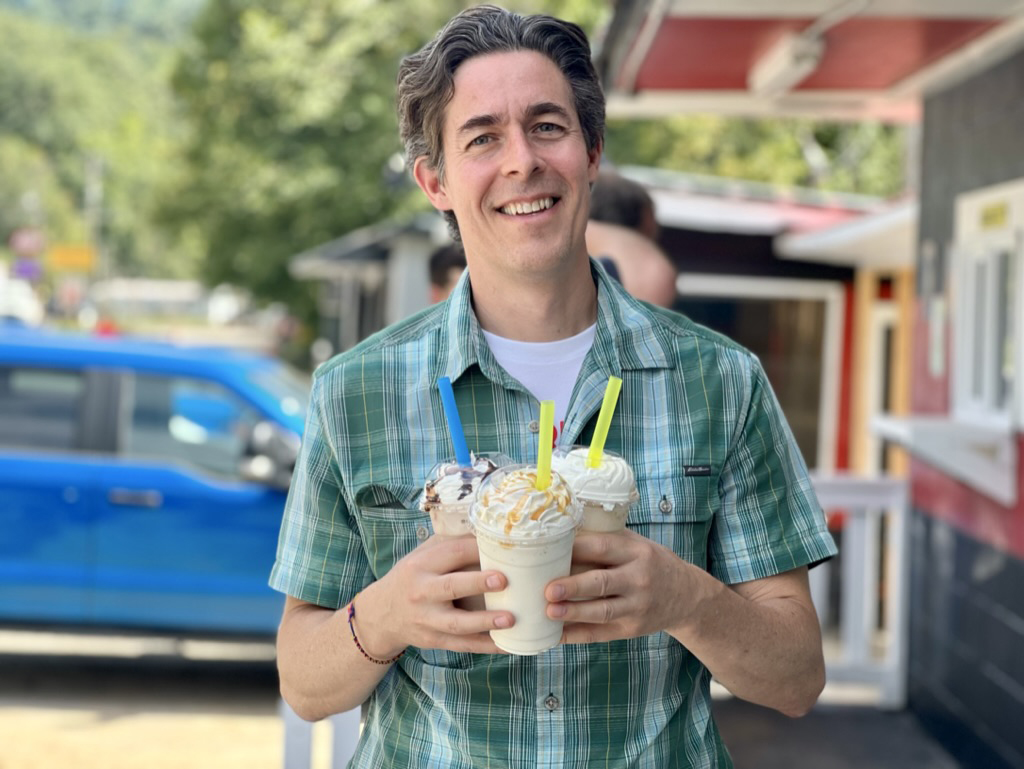
Jim Kane, creator and TV producer
“Before the pandemic, there were a lot of checklists and bragging-rights type of food travel, like ‘I went to this fancy restaurant,’ or ‘I went to this Michelin-starred place,’” the Kansas City-based creator and TV producer said. “But, I think the next evolution in food travel will be how can food connect us to the people we’re meeting and to the lands we’re visiting? How can food make us feel part of something bigger than ourselves?”
Kane explores such questions within his PBS docuseries, “The Food Principle”; delving into how an essential part of every human life — food — is interwoven with critical and universal concerns like climate change, biodiversity loss, health and healing, social justice and inclusion.
“These are big, hairy, daunting issues that we all face no matter where we’re located in the world,” said Kane. “Food can enable us to act against, or to confront some of these global challenges, and hopefully do it in a way that feels more empowering and that powers us as individuals.”
Click here to watch episodes of “The Food Principle.”
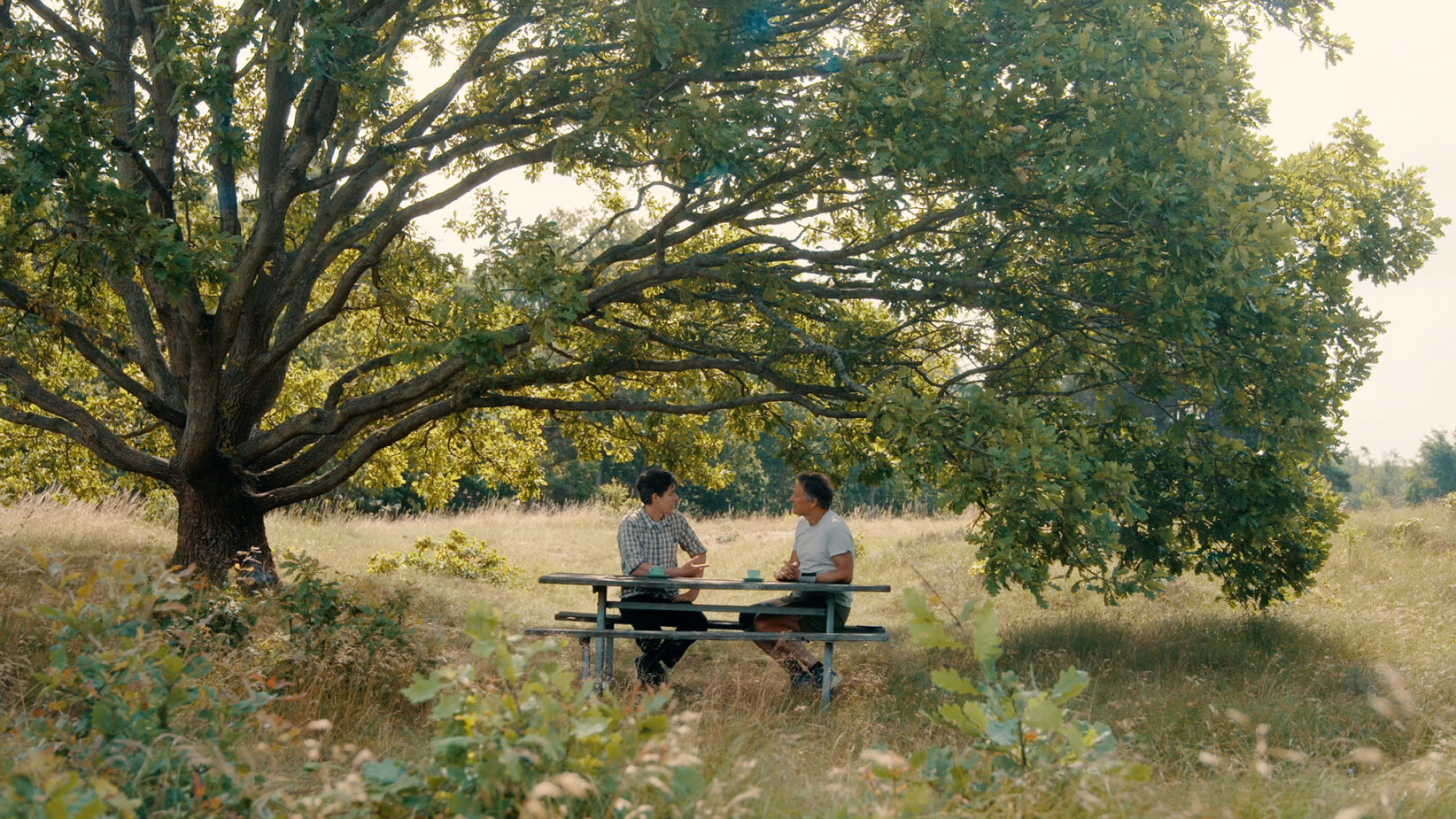
Jim Kane interviews Claus Meyers in Denmark for an episode of “The Food Principle” on PBS; image courtesy of Jim Kane
Exploring samfundssind through food
Kane’s docuseries features conservation, connection, and community at its core, he said, with the first season following him from Denmark to the Appalachian Mountains in the United States.
The creator is captivated by diverse cultures and the array of flavors that define those corners of the globe, he said, connecting the two very different locations through the social belief of community spirit.
When Kane sketches out ideas for the next episode of The Food Principle, he attempts to drill down into ties between the destination and a pressing global issue. He wanted to film in Denmark for the first season because of the rich food culture and its status as a mecca for food creatives to live and work.
Specifically, Kane wanted to explore a uniquely Danish element within that food culture, he said.
“I stumbled across this Danish word called ‘samfundssind,’ which represents social consciousness and community mindnesses,” Kane detailed. “I thought there’s a global issue we can all think about, and the Danes do it really, really well.”
“So that was my hook,” he said. “Let’s explore samfundssind through the lens of food, and through food innovators who are using it.”
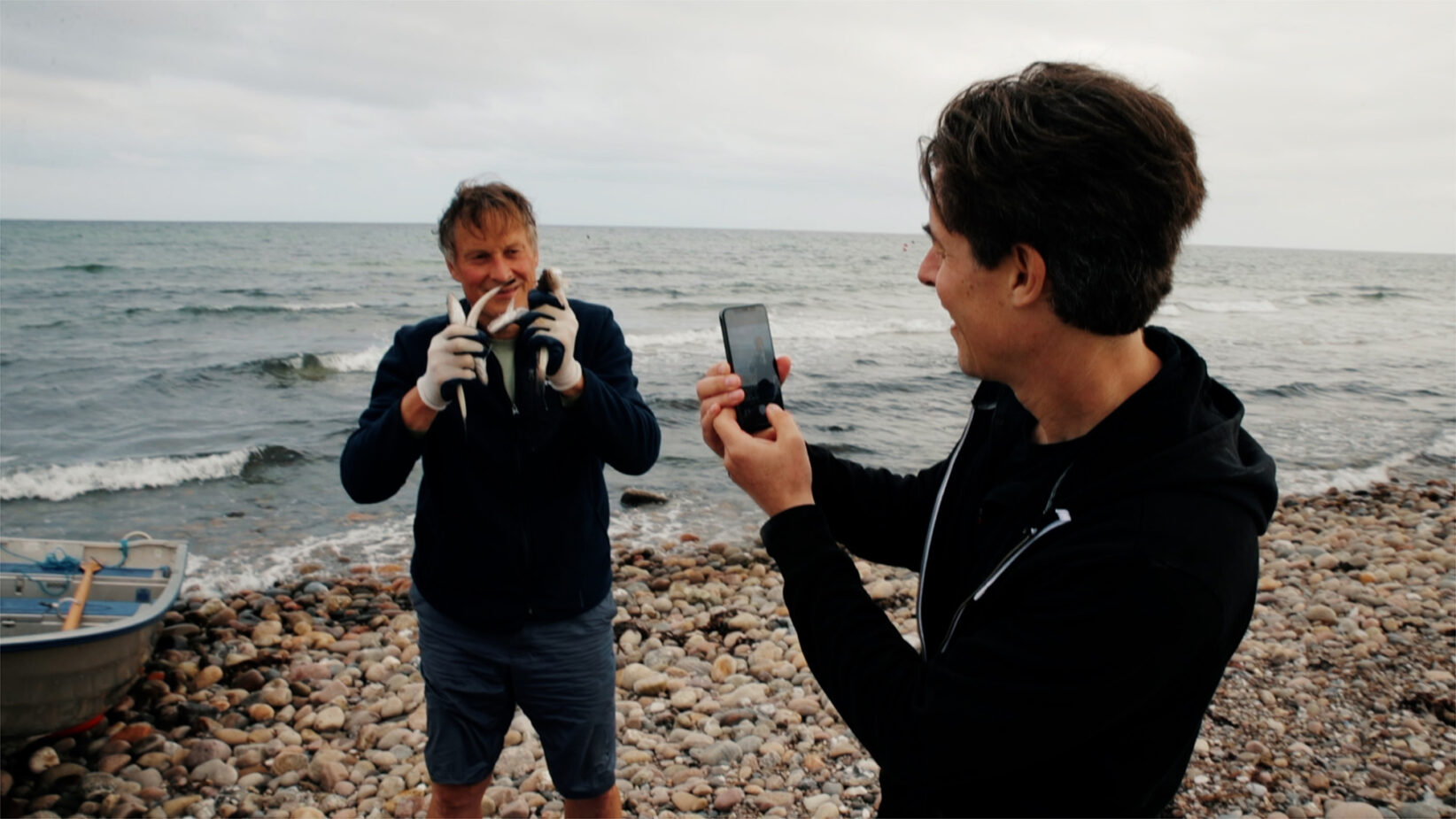
Jim Kane photographs Claus Meyers in Denmark for an episode of “The Food Principle” on PBS; image courtesy of Jim Kane
Focused on samfundssind, Kane investigates places in Denmark like The World’s Best Picnic, where guests from an abandoned part of the North of sealand gather to eat together, or Lola Impact, a job inclusion and training project that targets people on the periphery of society and helps them get involved in culinary courses.
“Everybody who cooks has an opportunity or an obligation to do something meaningful,” said Claus Meyers, one of the architects of the New Nordic Manifesto who was featured in the episode “Part 1: Architects and Builders.”
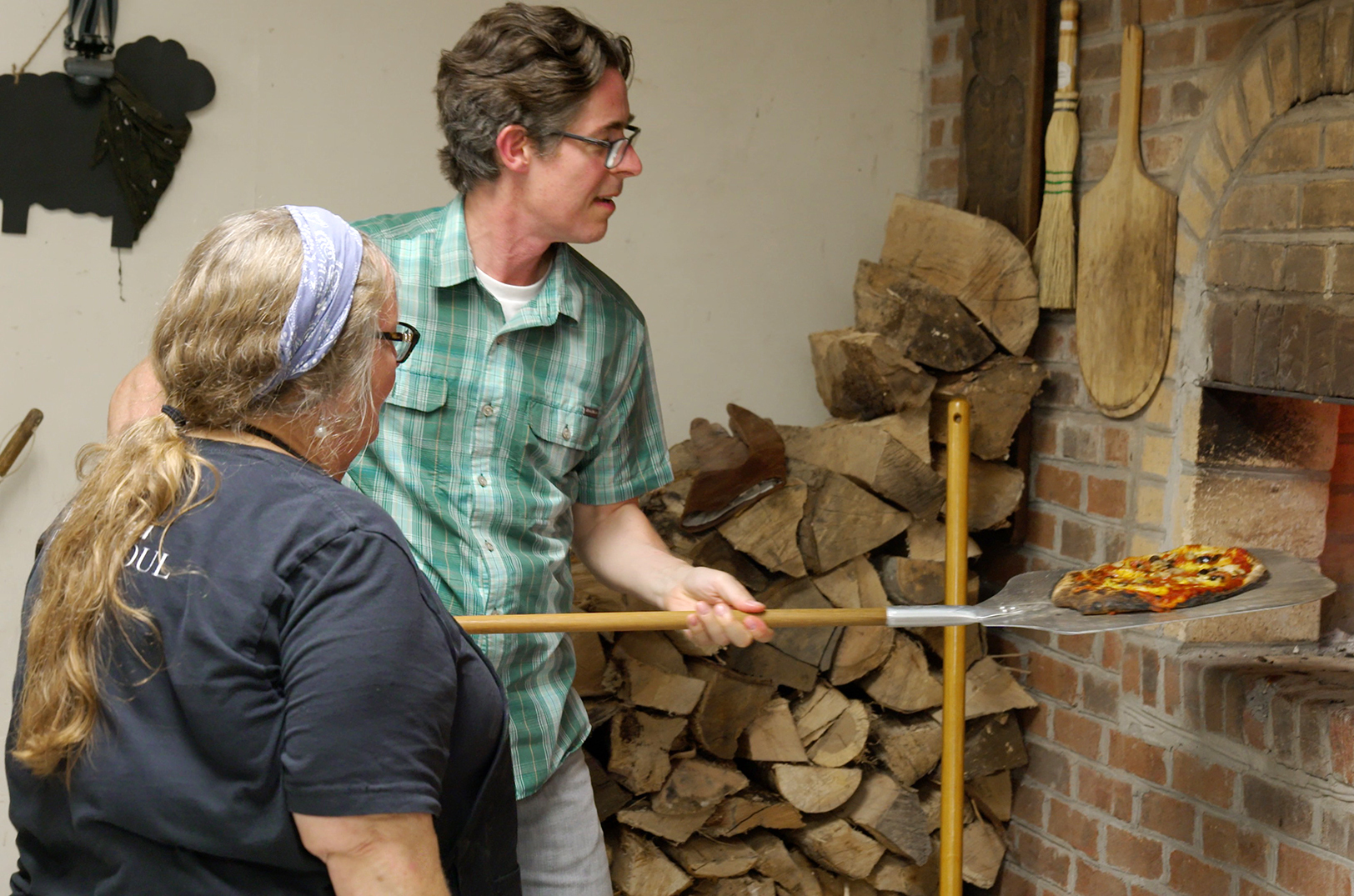
When visiting the Appalachian Mountains later in the season, Kane saw a need to address the culture of healing needed in the region, he said.
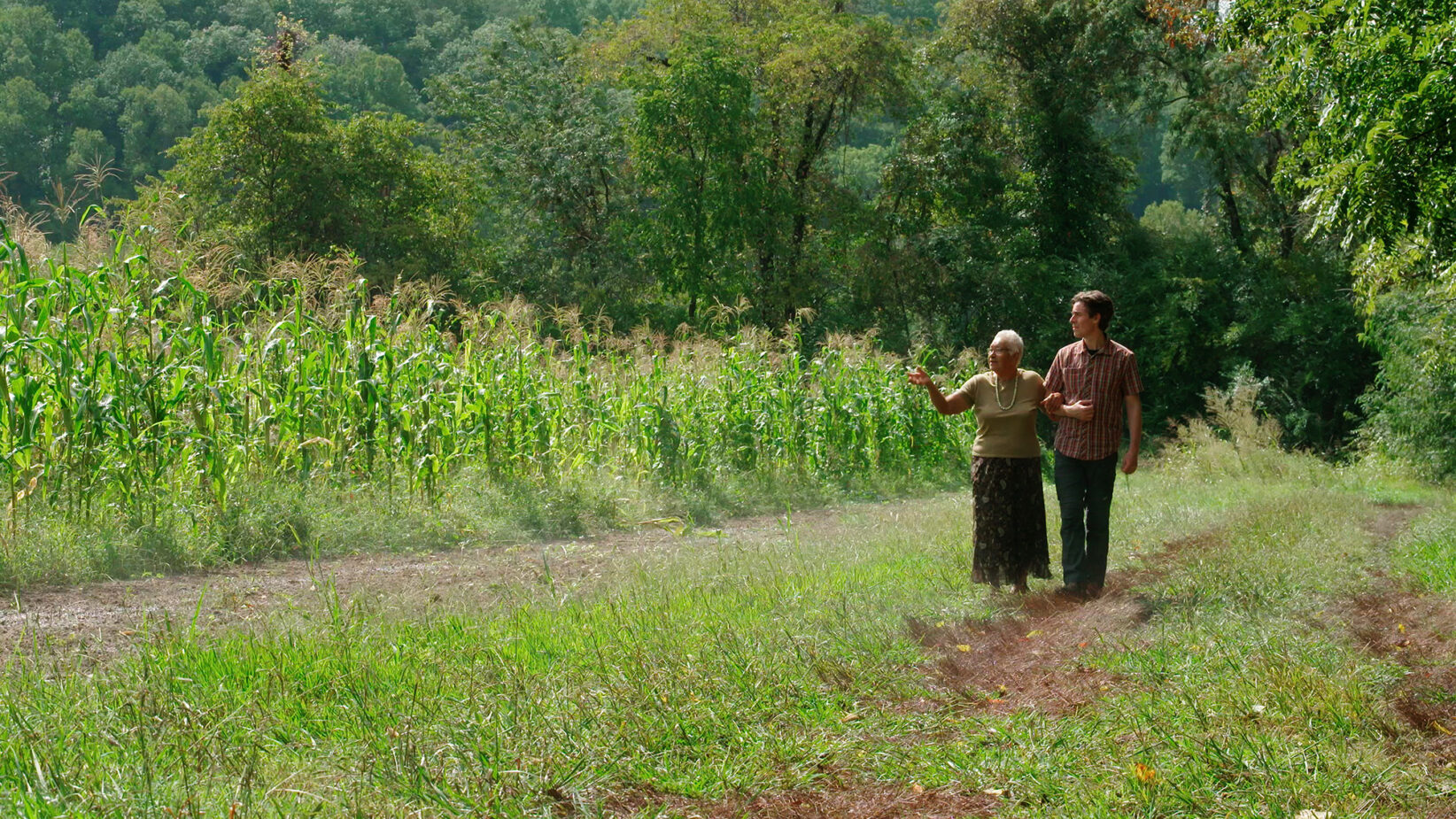
Jim Kane and Amy Walker “The Spirit Gardener” stroll through Walker’s ancestral homeland in North Carolina for an episode of “The Food Principle” on PBS; image courtesy of Jim Kane
“It’s a physically beautiful region. It’s bio diverse and has a rich culture. But, it suffered a lot,” Kane continued. “It’s a lot of extraction and also a lot of problems often caused by the outside imposed on Appalachia. But I thought of healing and recovery for this. There’s a global issue. So that’s how I go about the destination, matching it to the theme.”
For Season 2, Kane is eyeing the South American country of Chile and its culture of rewilding. Rewilding is a progressive conservation strategy that enables nature to heal ecosystems and create diverse habitats through natural processes, essentially letting nature take care of itself.
From trip designer to TV producer
Before he embarked on his career as a journalist exploring the travel sector, Kane spent nearly two decades as a trip designer. His small company, Culture Explorers, existed primarily on paper, he said, but its mission was profound: to connect travelers with local people and culture in authentic and engaging ways.
Food took the stage during the process of bridging cultural gaps, Kane explained.
“It became a centerpiece and as a tool for ways to connect and engage people with other cultures, with landscapes, and with traditions,” he said, “That’s how that idea started to become important to me.”
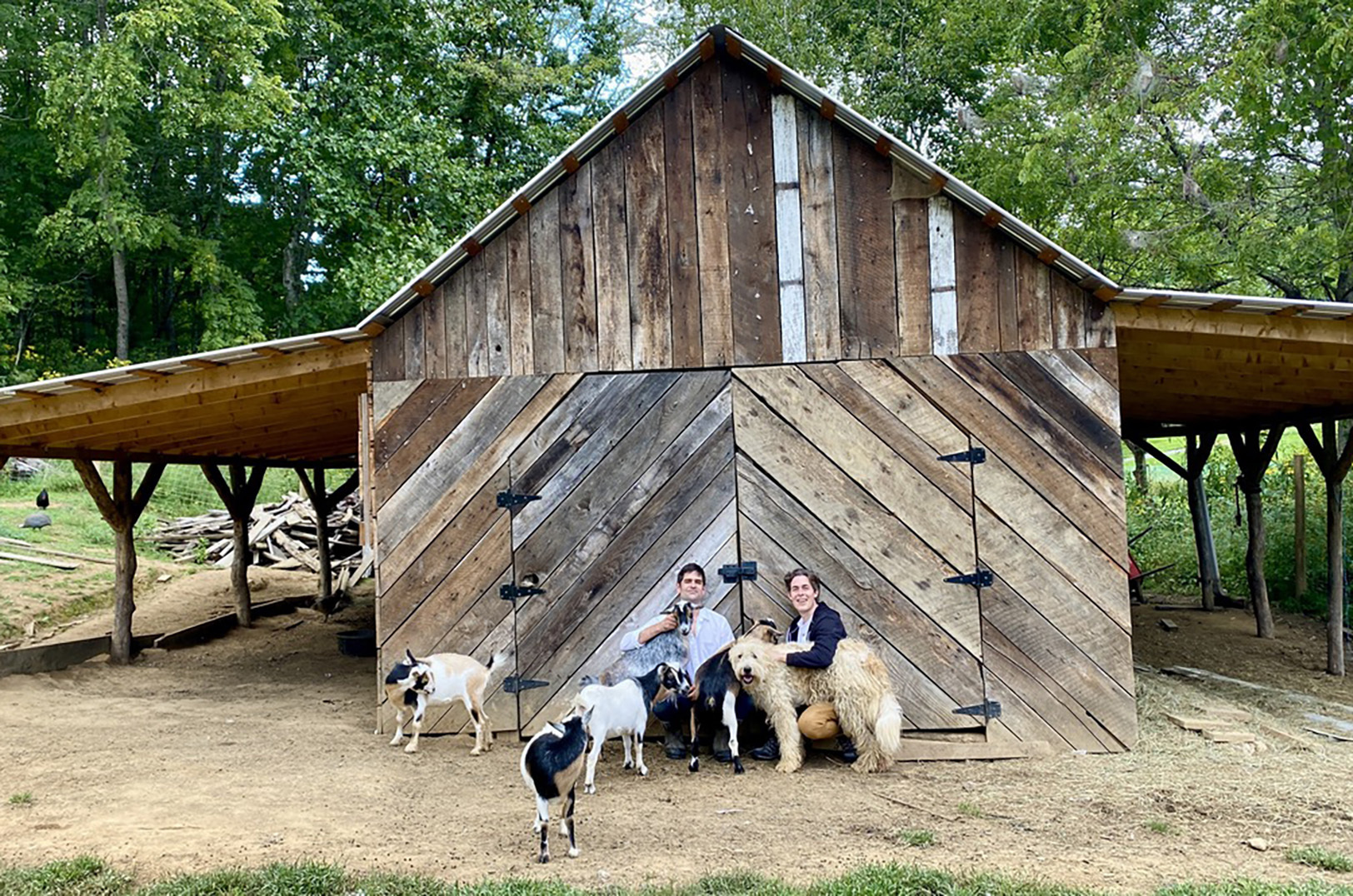
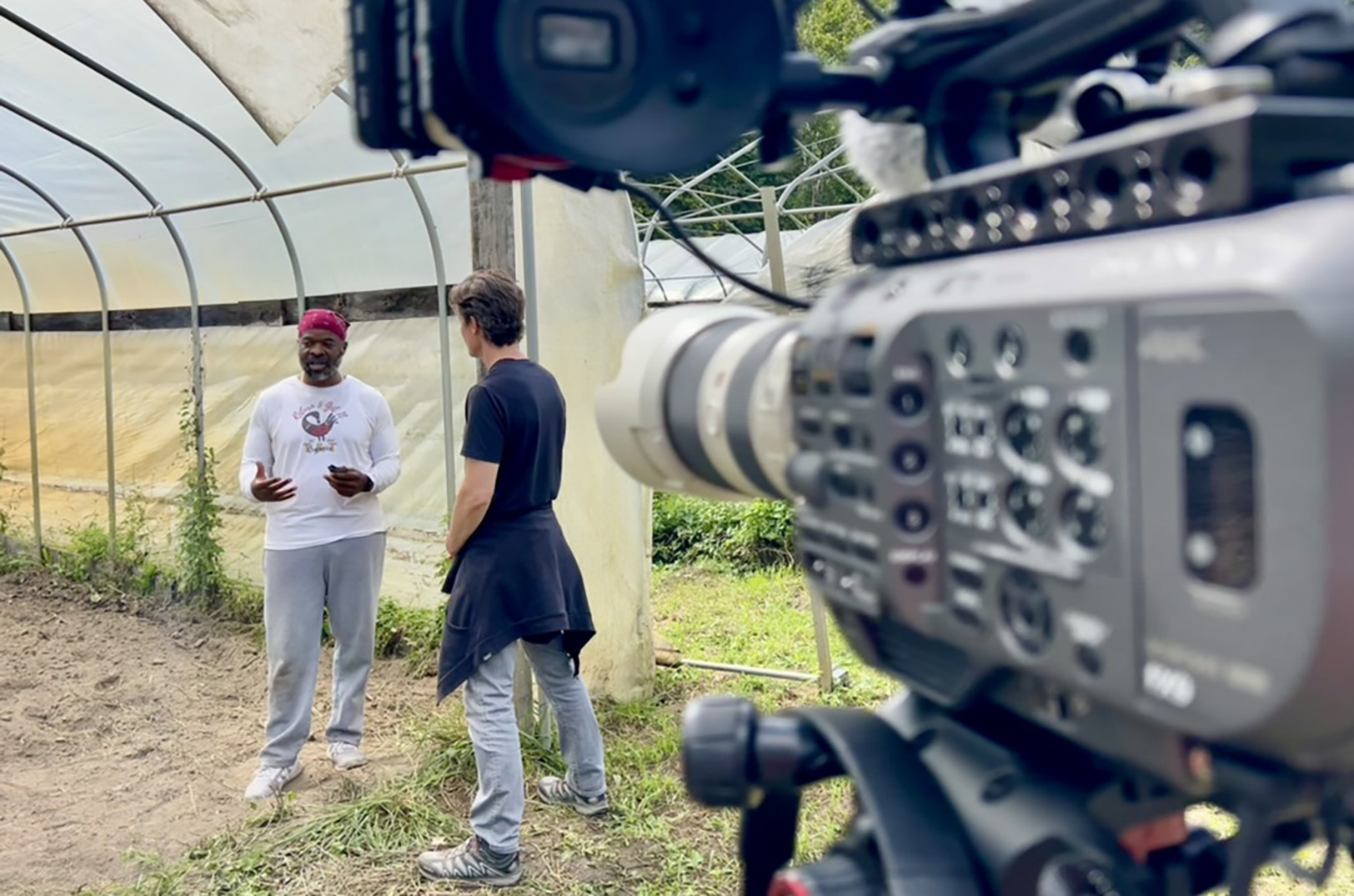
Fast forward to 2015, and Kane was using that same idea when creating a series of digital shorts called “Off the Table.” The similarities between “Off the Table” and “The Food Principle” lie in both series being foodcentric in their documentary-style storytelling. Both also aimed to immerse viewers in real-life experiences.
Inspired by earlier series, “The Food Principle” sought not only to highlight how food connects people to landscapes and ecosystems but also how it empowers individuals to confront global challenges, Kane said. He was able to focus on creating “The Food Principle” after COVID hit — a global pandemic that forced the closure of his international travel business.
“I was really excited about the potential and I thought I hadn’t given it my all back then because I was sort of multitasking,” Kane said.
Kane’s own experiences as a traveler and storyteller had taught him the profound impact that travel could have on personal growth and understanding, calling his journeys “transformational travel.”
“I think transformational travel is when you have an experience which connects with you in such a way that you come back a little different,” said Kane.
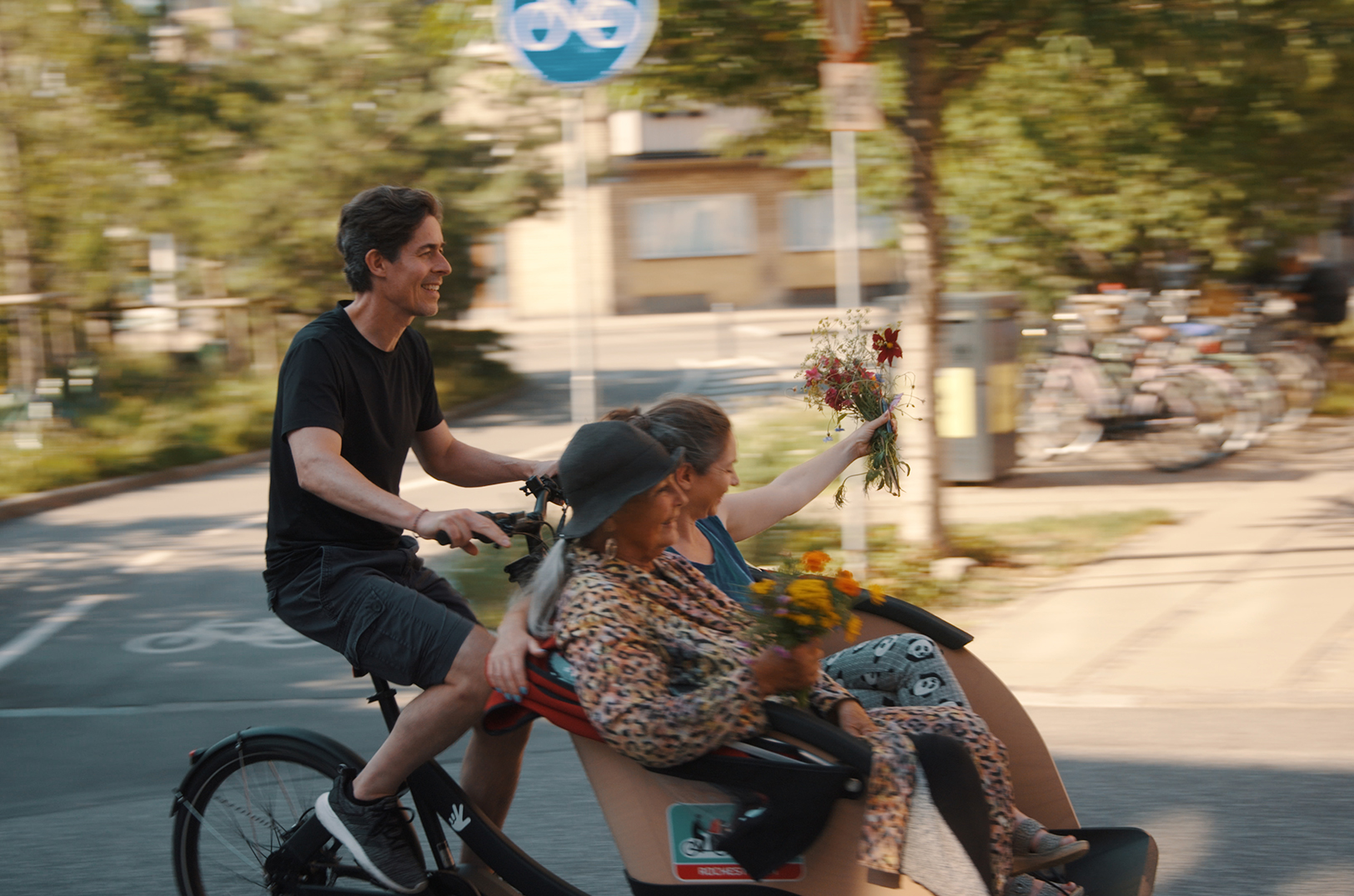
Jim Kane in an episode of “The Food Principle” on PBS; image courtesy of Jim Kane
Kansas City connections
Despite it being his homebase, Kane acknowledges he only recently turned his own lens to what Kansas City’s food culture has to offer.
“In terms of hidden cultures, I think that one thing I’m attuned to is the Latin American community here as a city,” he said. “My wife is from Venezuela. We met when I was living there and we’re raising our son bilingual and bicultural.”
Music in Season 1 of “The Food Principle” subtly highlights Latin culture in Kansas City as it features the Kansas City-based rock band Making Movies — known for its Latino activism in the United States and abroad.
Kane has also promoted the “New Roots for Refugees” program by Cultivate Kansas City, showcasing how it enriches the community through cultural diversity. And he encourages locals to volunteer at places like Harvesters and World Central Kitchen in Kansas City as practical ways to incorporate samfundssind in their own lives.
“It’s really about caring for others that you might not necessarily know in person, but that are your neighbors,” said Kane. “Even if you don’t know them, they are your community members, and they are your brothers and sisters.”

2023 Startups to Watch
stats here
Related Posts on Startland News
Windhaven Farms, Chemistry take 1 Million Cups stage
The seemingly disparate industries of agriculture and marketing were on display this week at 1 Million Cups with startups Windhaven Farms and Chemistry. Windhaven Farms founder Kristen Wolf first presented her local meat distribution company, which delivers an assortment of locally-raised, organically-grown meat products, including beef, pork, chicken and rabbit. “The product is really, really…
KC among the best cities to find a job
The City of Fountains is apparently overflowing with job opportunities. Career data Glassdoor recently named Kansas City, Mo. as the No. 2 city to find employment. Kansas City currently has nearly 28,800 employment opportunities, a median base salary $46,000 and median home value of $138,500. Glassdoor determined the final rankings by looking at hiring opportunity…
Kansas City named a top tech locale
Kansas City again was touted as a top tech destination. Tech publication PC Magazine recently named Kansas City as one of “13 high-tech cities you’ll want to call home.” The magazine noted Kansas City’s access to Google Fiber, its low cost of living and communities such as the Kansas City Startup Village as reasons to…