
IXKC: Racial bias conversation puts white faces in an awkward spot — the minority
May 24, 2018 | Tommy Felts

Editor’s note: Check out photos from this event below the story.
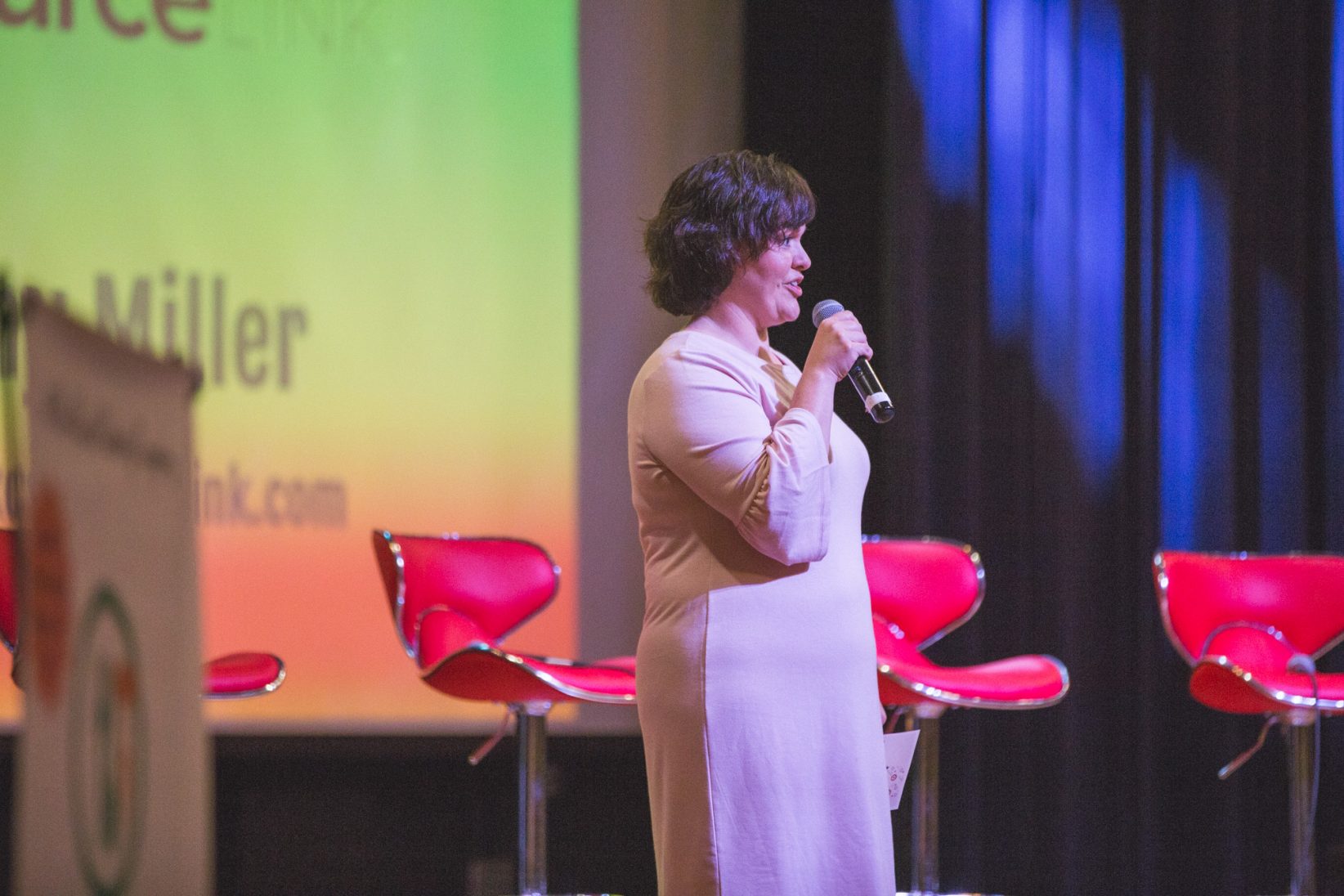
White people have to understand that they’ll never understand, said Lora McDonald.
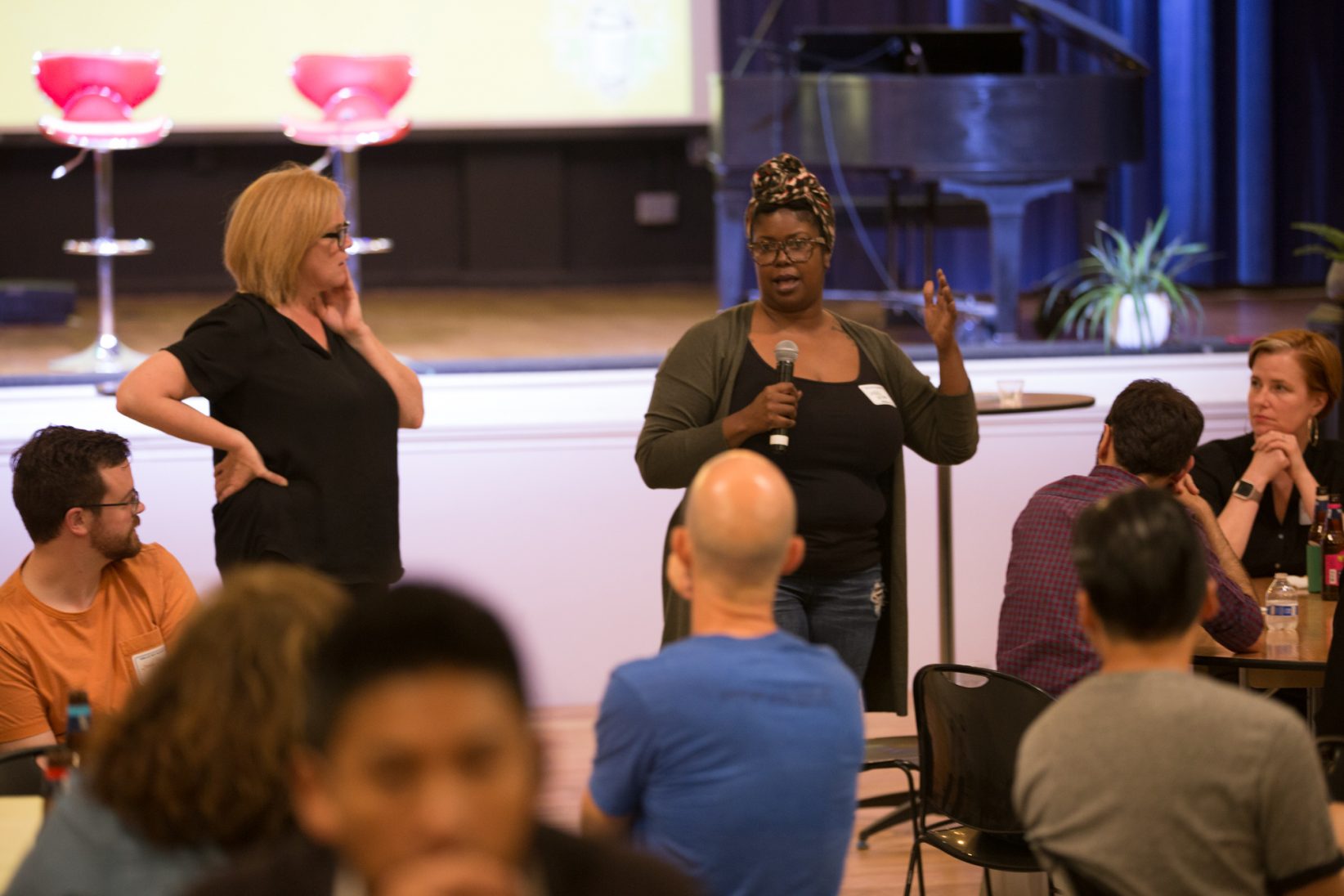
“White people only have to be ‘white’ when they’re in a room with other races. When they aren’t, they get to be individuals, not just a monolithic group,” she told a diverse crowd at Startland’s recent Innovation Exchange conversation about disrupting racial bias in startup culture.
For people of non-white races, “otherness” tends to be their defining characteristic in the workplace and greater society, added McDonald. The nuances of that reality are challenging for even the most well-intentioned white person — like her — to ever fully comprehend, she admitted.
Privilege, racial bias and their effects can, however, be acknowledged and discussed to move a multi-ethnic community forward, continued McDonald, executive director for Metro Organization for Racial and Economic Equity (MORE2).
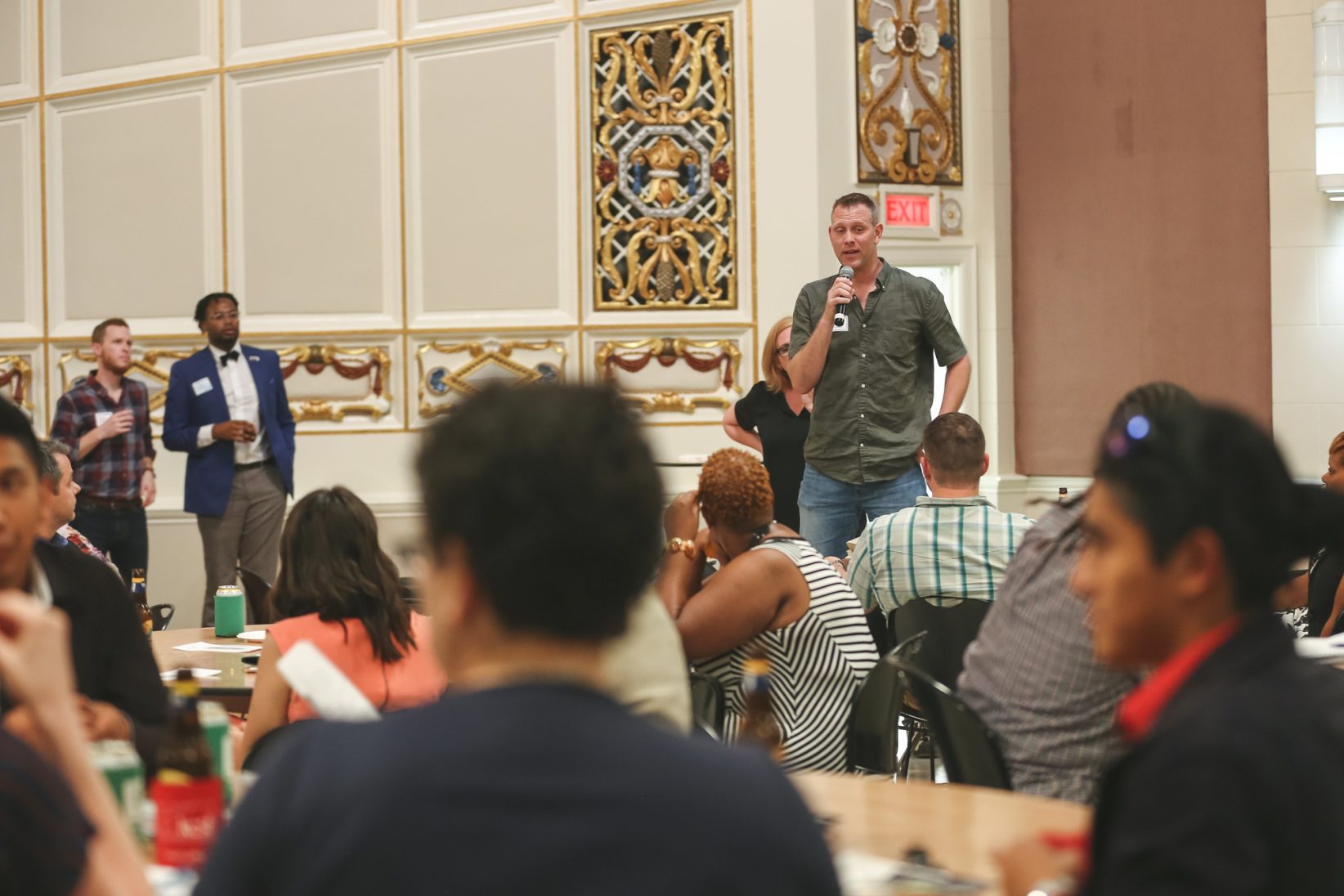
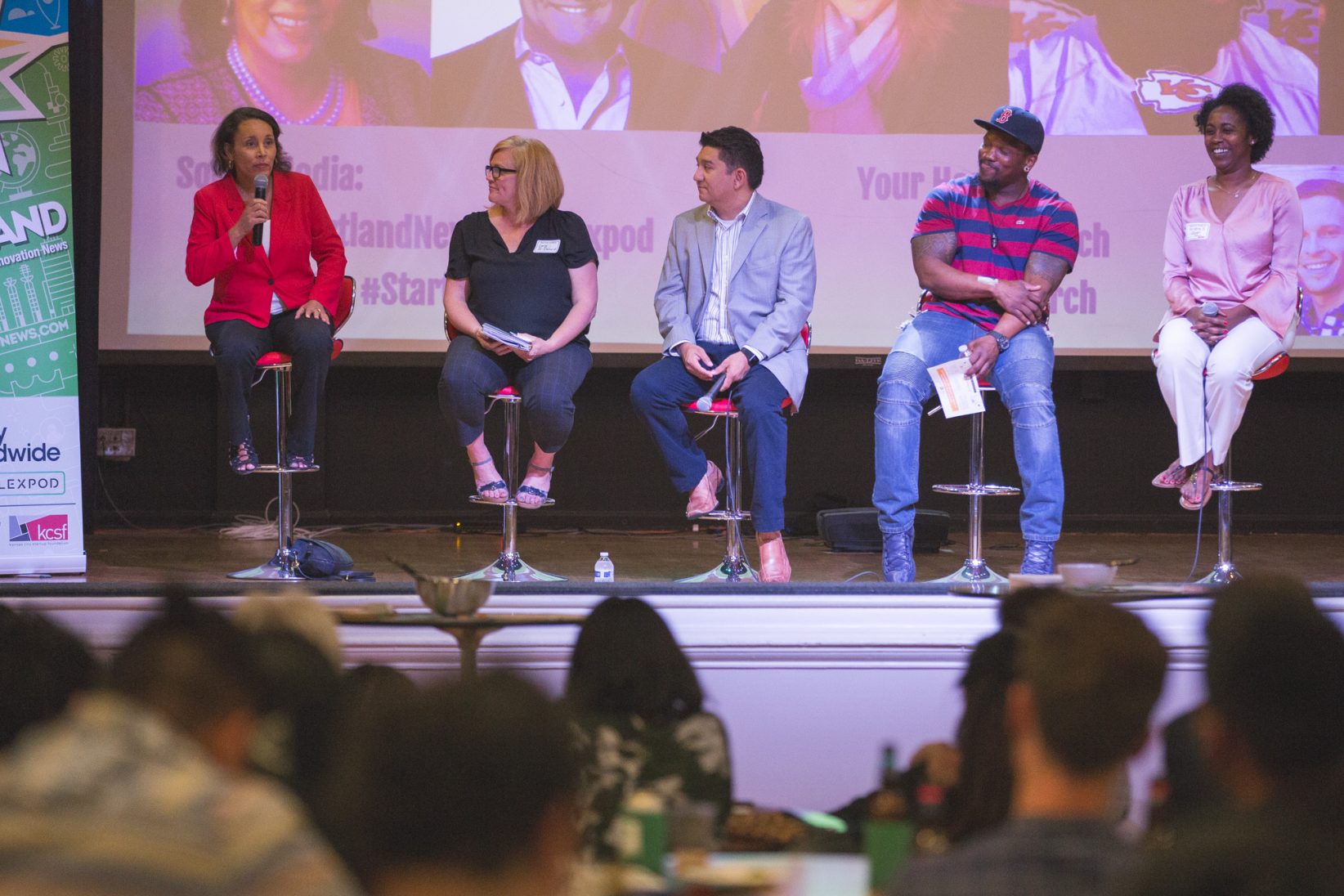
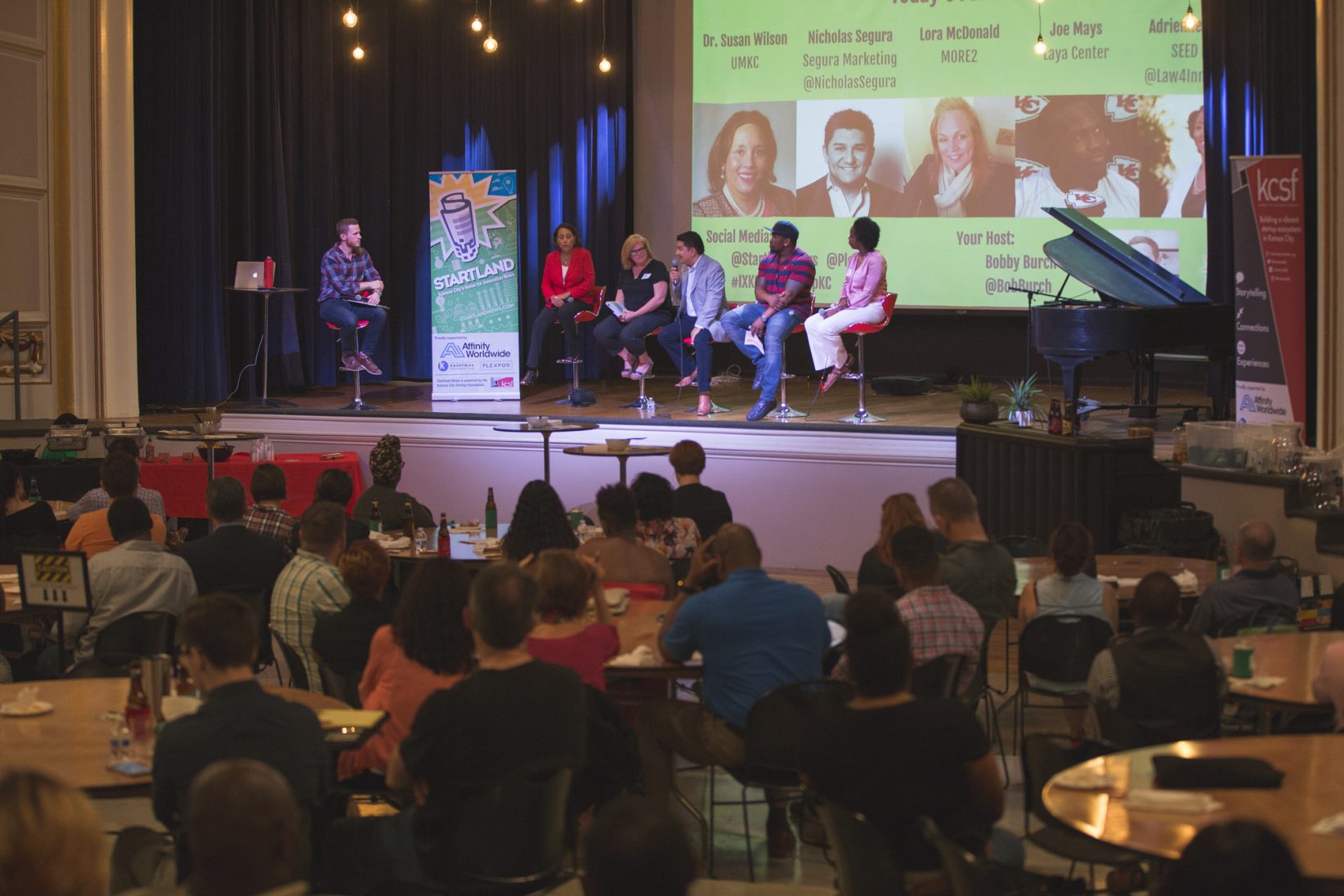
The pointed and, at times, uncomfortable conversation Tuesday night at Plexpod Westport Commons was a collaboration between Startland News and Jordan Williams, founder of Keefe Cravat and whose push for dialogue in the wake of recent race-related incidents in the news helped spark the idea for an interactive community event.
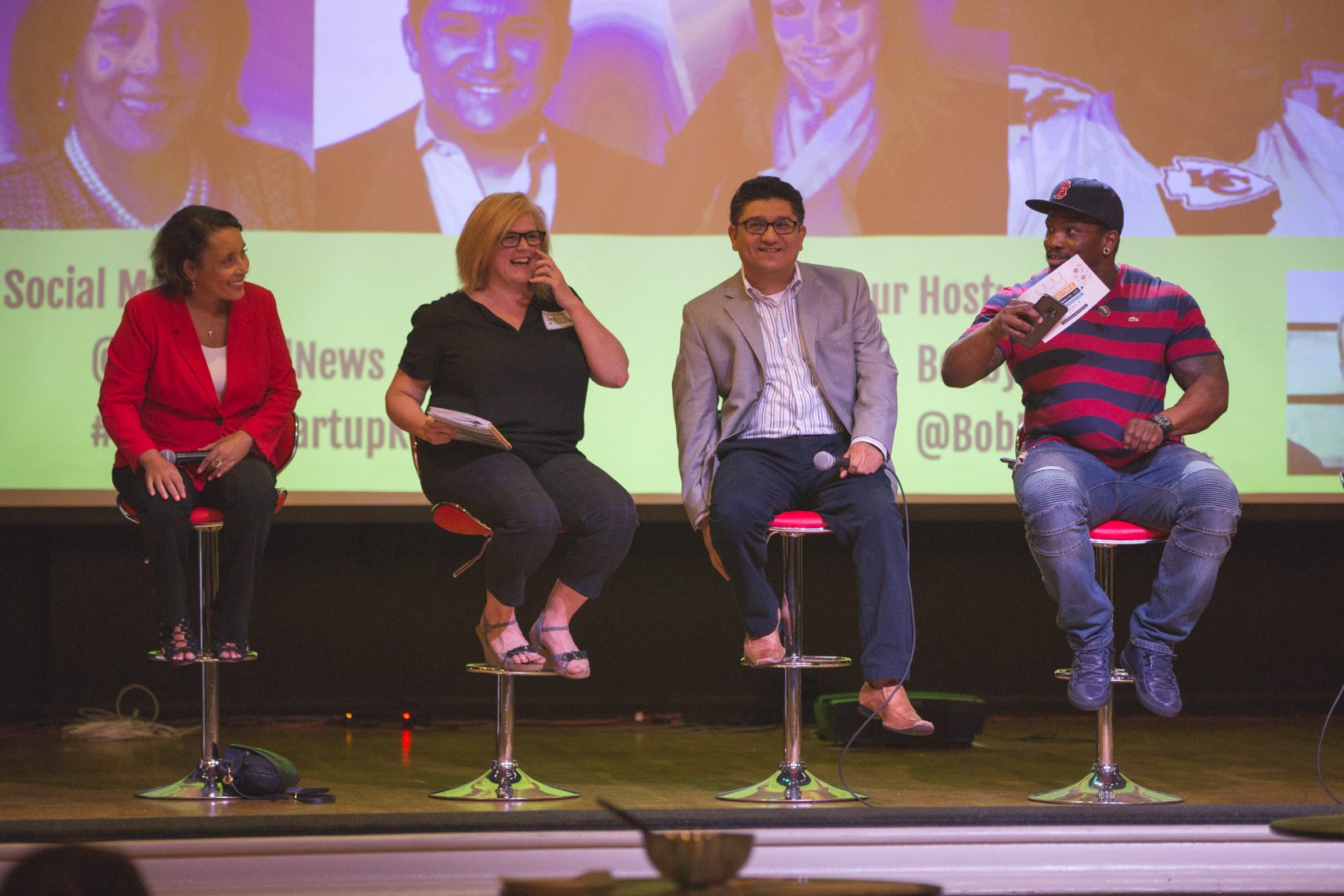
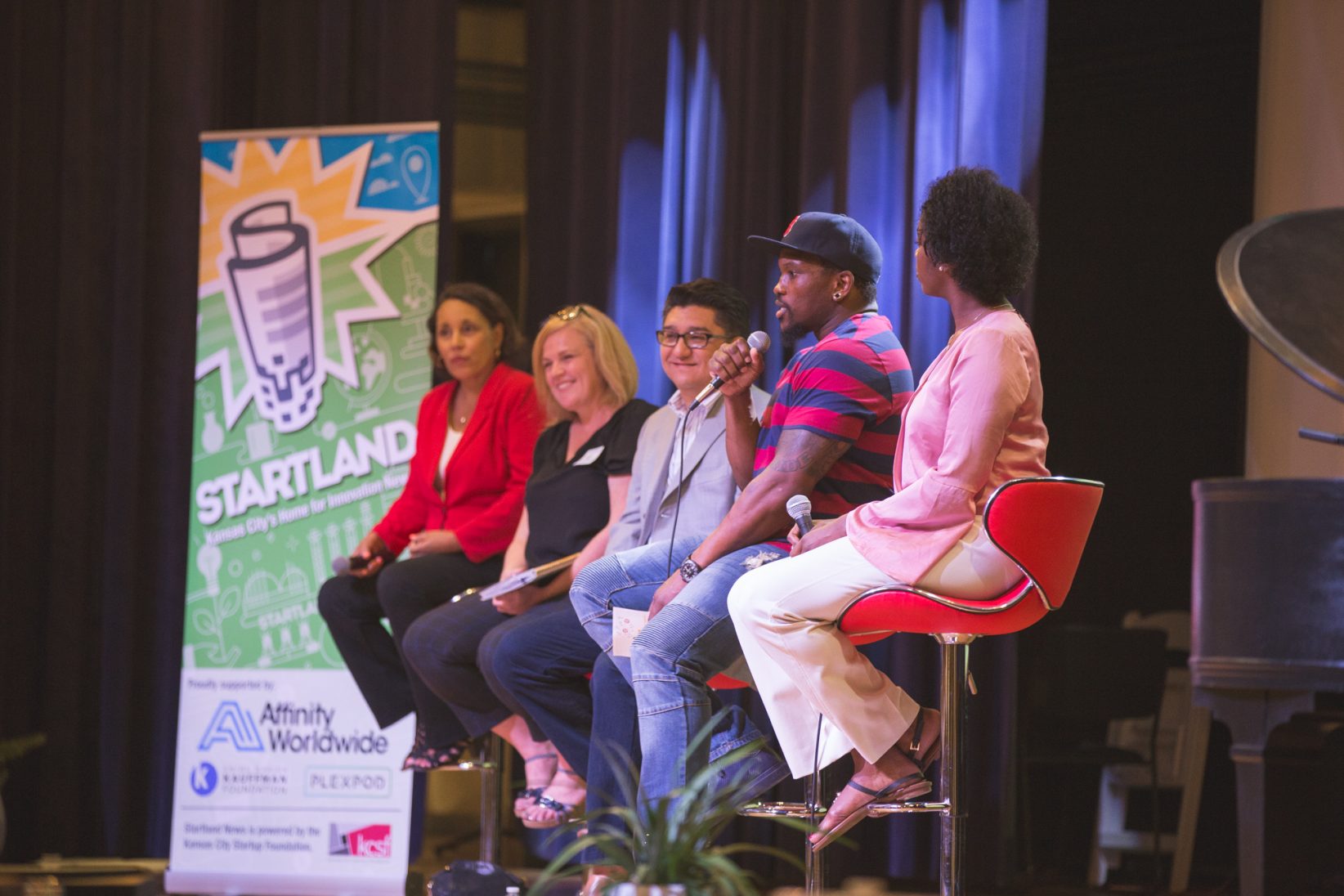
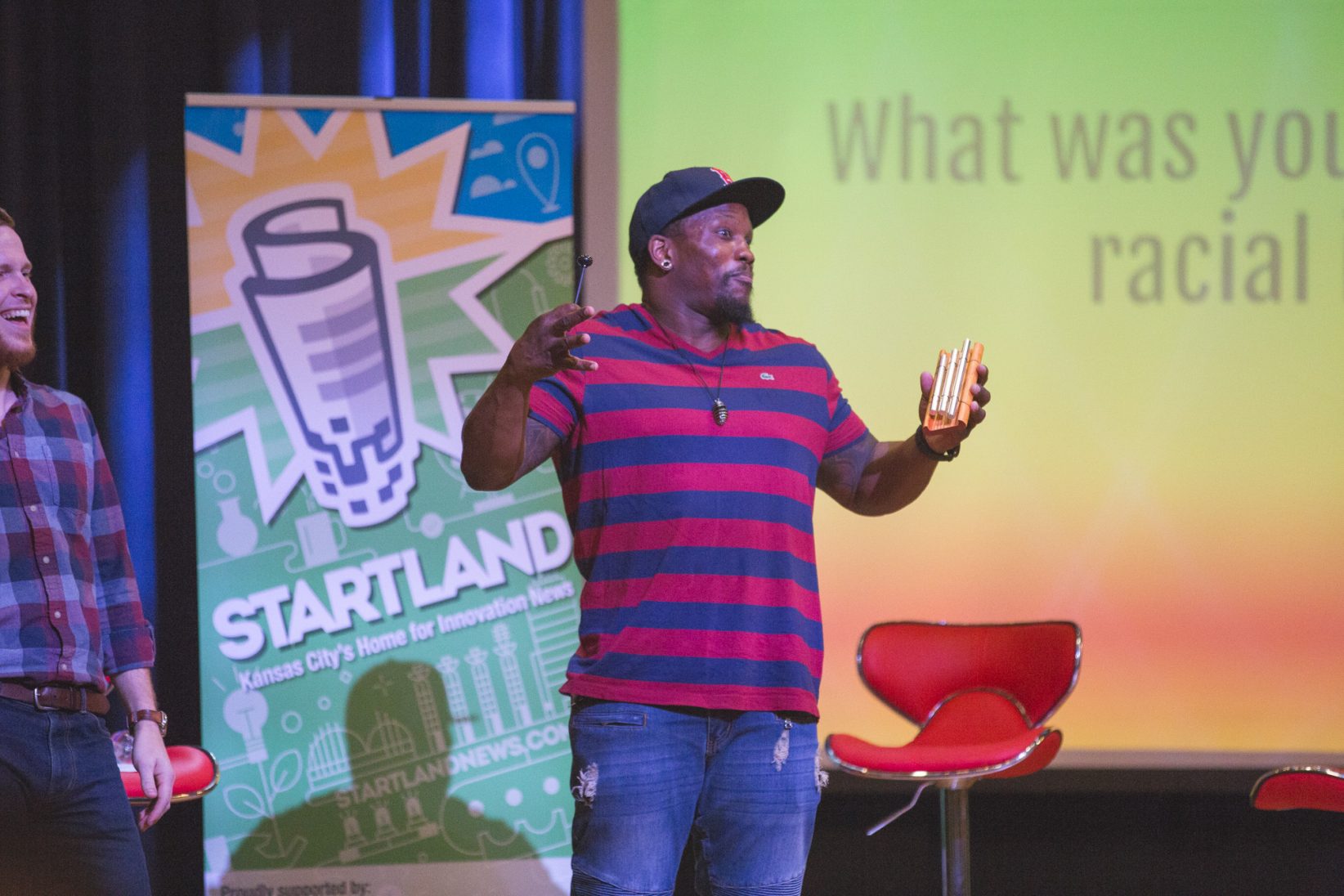
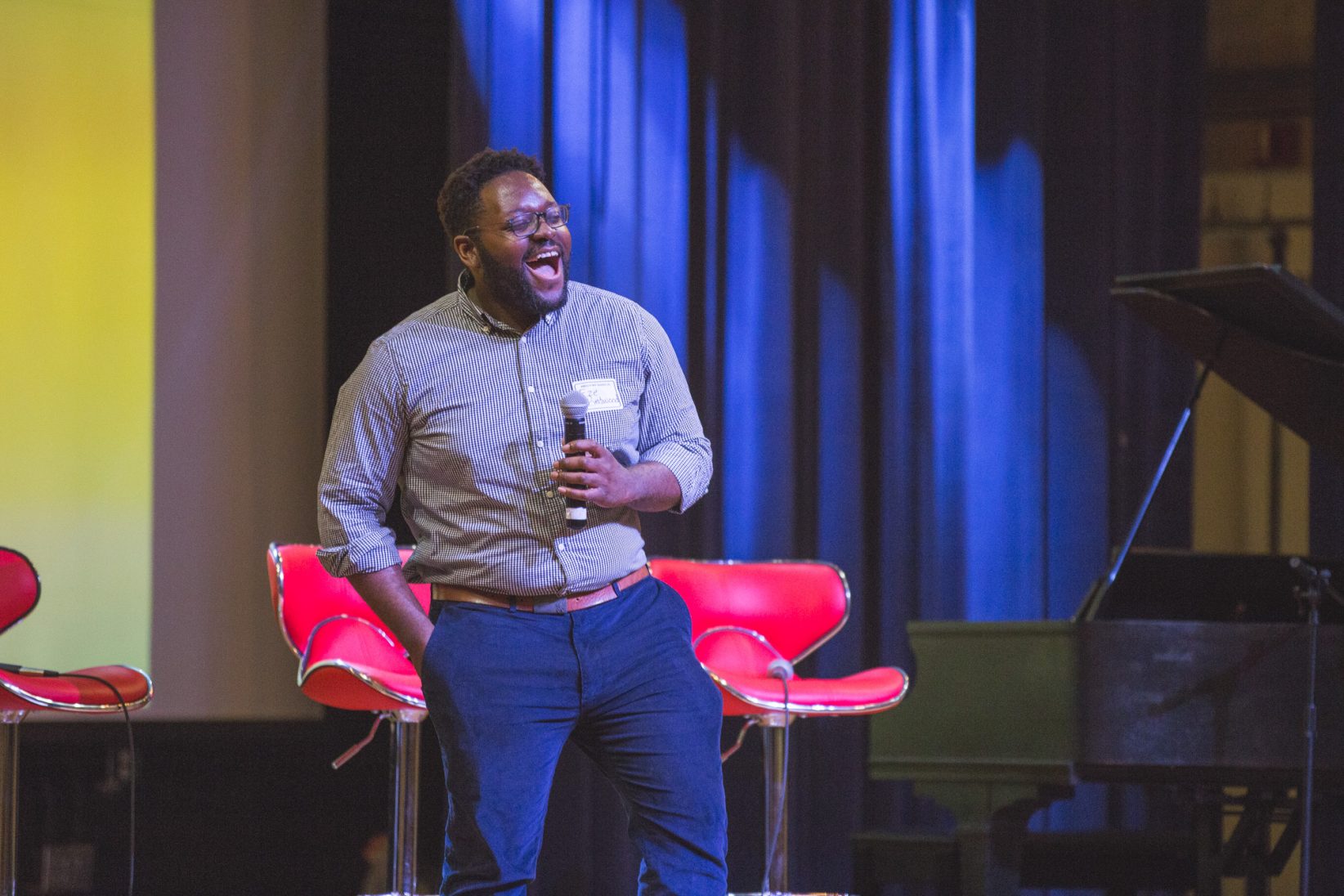
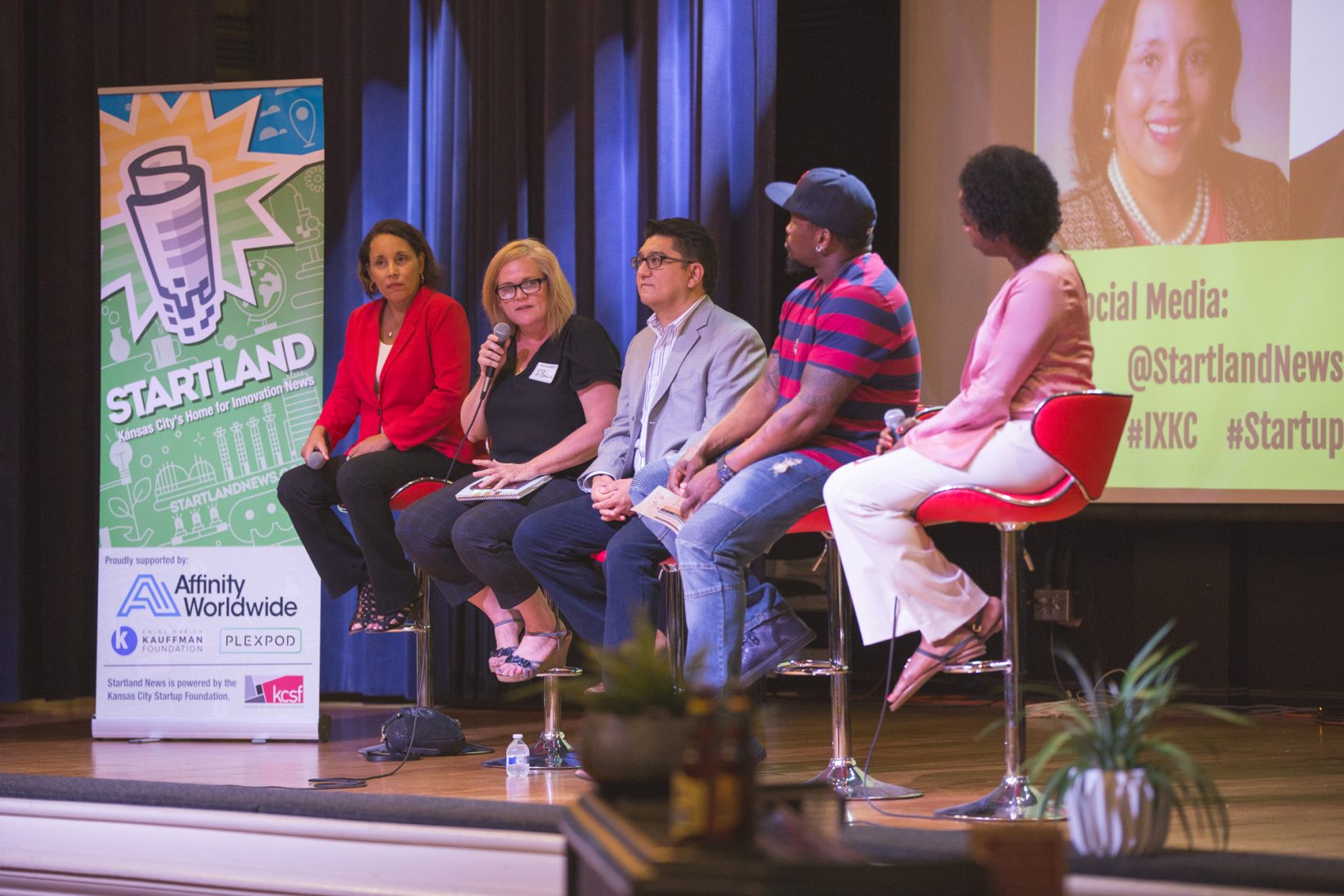
“It’s time to be vulnerable,” former Chiefs player and owner of The Laya Center Joe Mays advised Innovation Exchange attendees during a panel discussion on bias.
Originally from Chicago, Mays was raised in a majority-black, inner-city neighborhood where the only white people typically seen were teachers, he said. His life changed when he left for college.
“When I went to school in North Dakota, that was a huge culture shock for me — to go from one end of the spectrum to the opposite end,” Mays said. “Growing up, I was always taught I can be ‘my way’ whenever I’m around ‘us,’ and whenever I’m around other people, I have to act a certain way. I have to carry myself a certain way. I have to talk a certain way.”
“I had to totally lose myself, and gain another part of myself,” he added.
While Mays praised his experience at North Dakota State, it was the start of a journey where he had to learn to adapt and adjust to white society, he said.
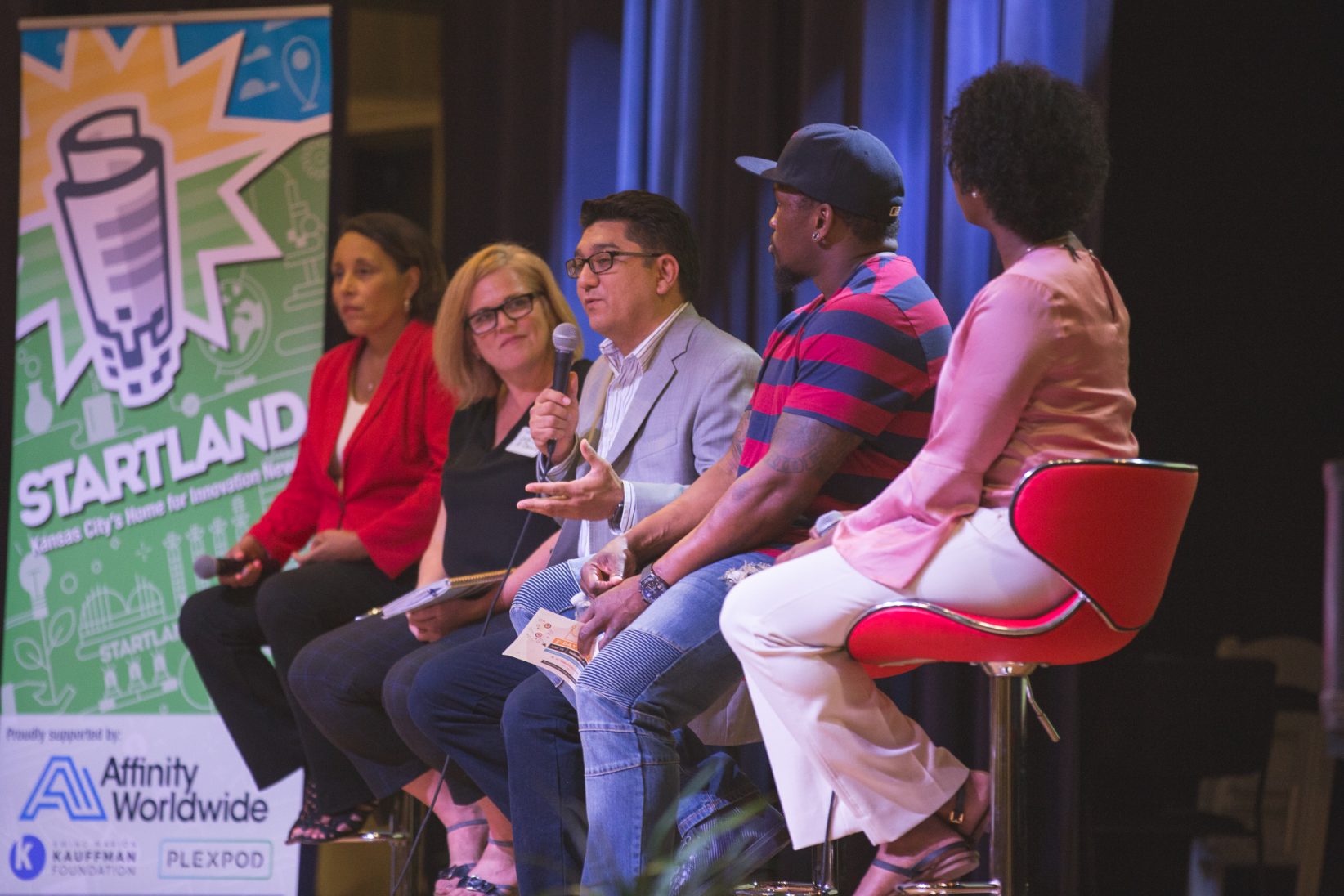
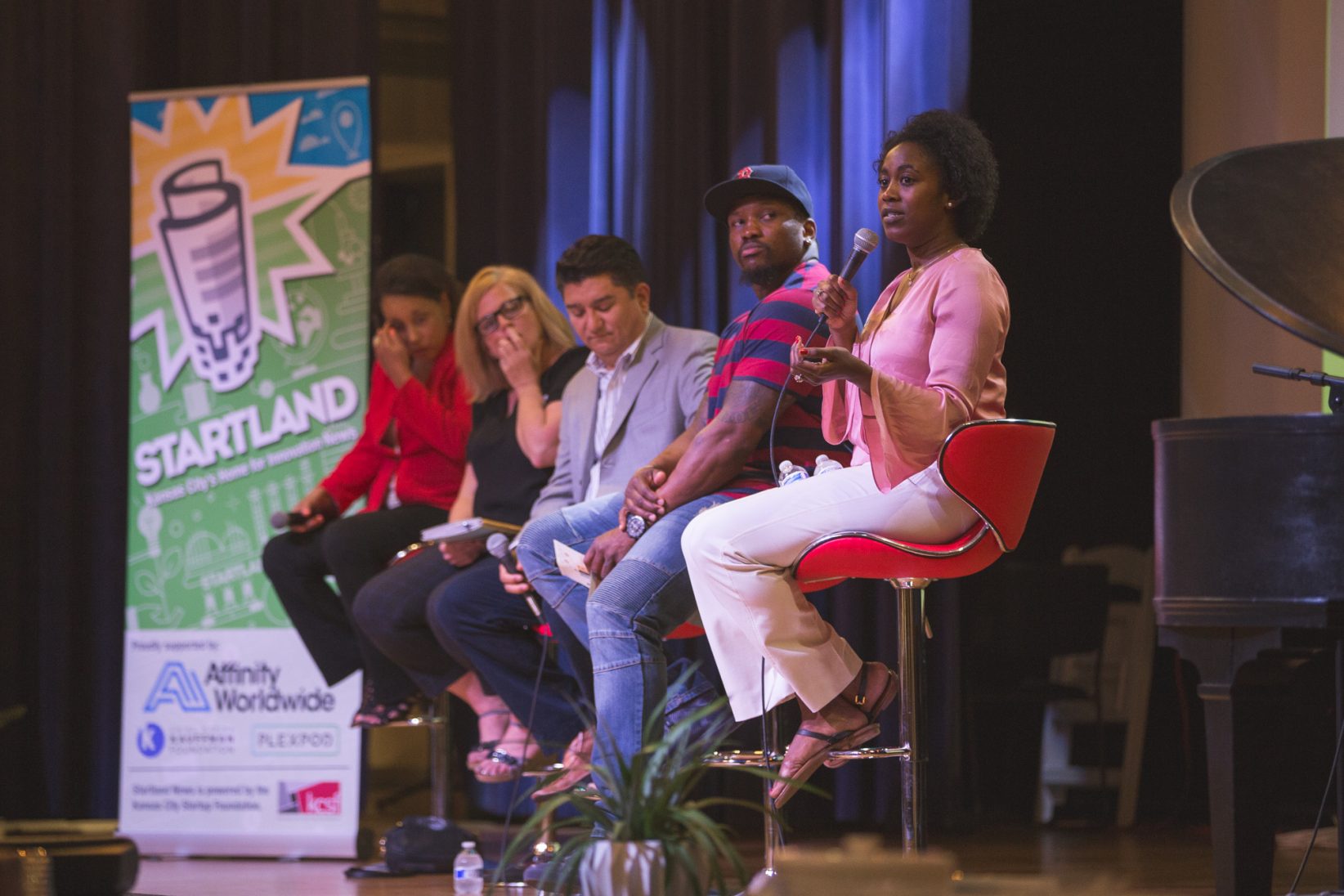
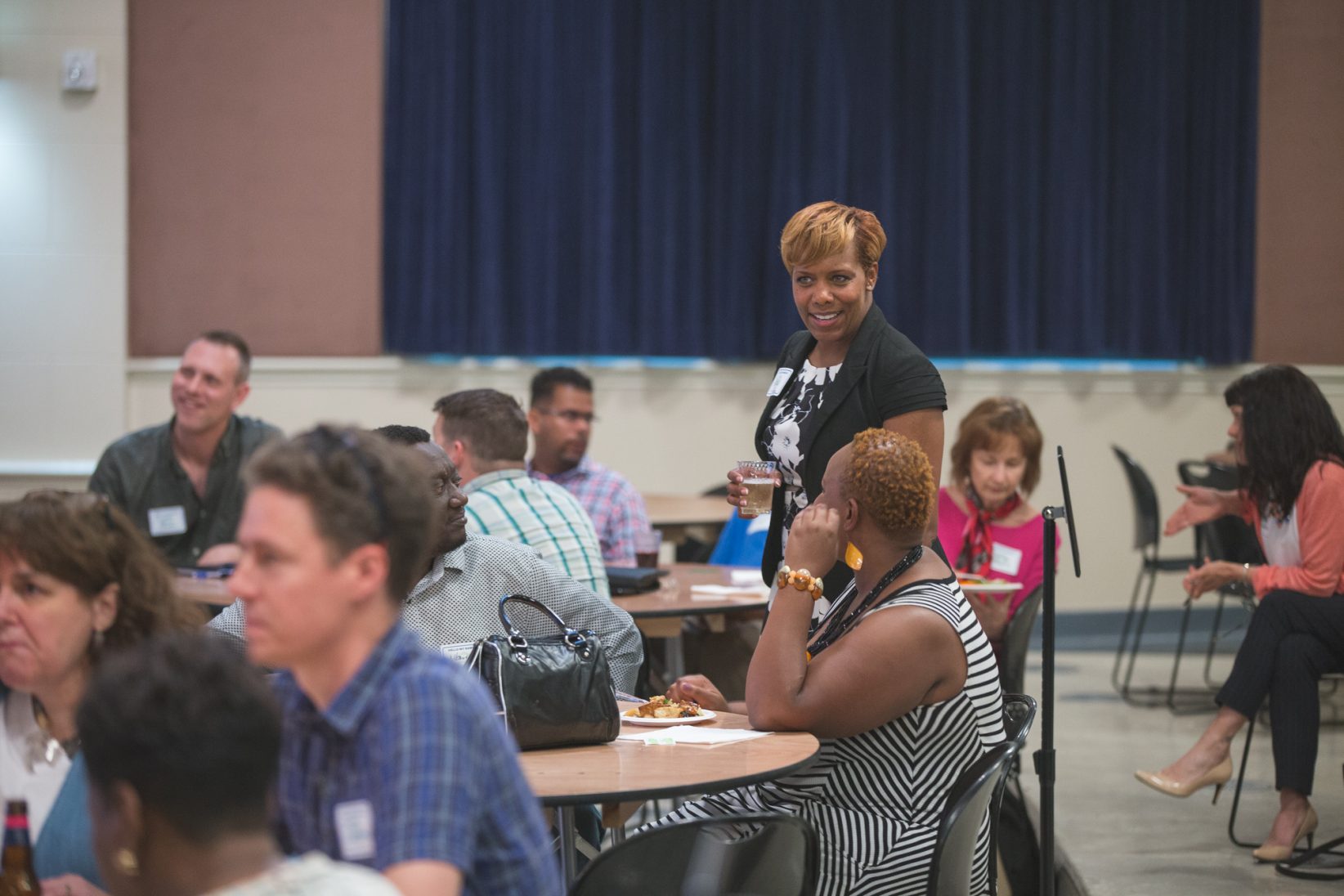
Mays’ fellow panelists — McDonald; Dr. Susan B. Wilson, vice chancellor of diversity and inclusion at the University of Missouri-Kansas City; Nicholas Segura, a Kansas City marketing executive, and Adrienne Haynes, an entrepreneur, business attorney and leader of the Multicultural Business Coalition — each encouraged the crowd to get uncomfortable.
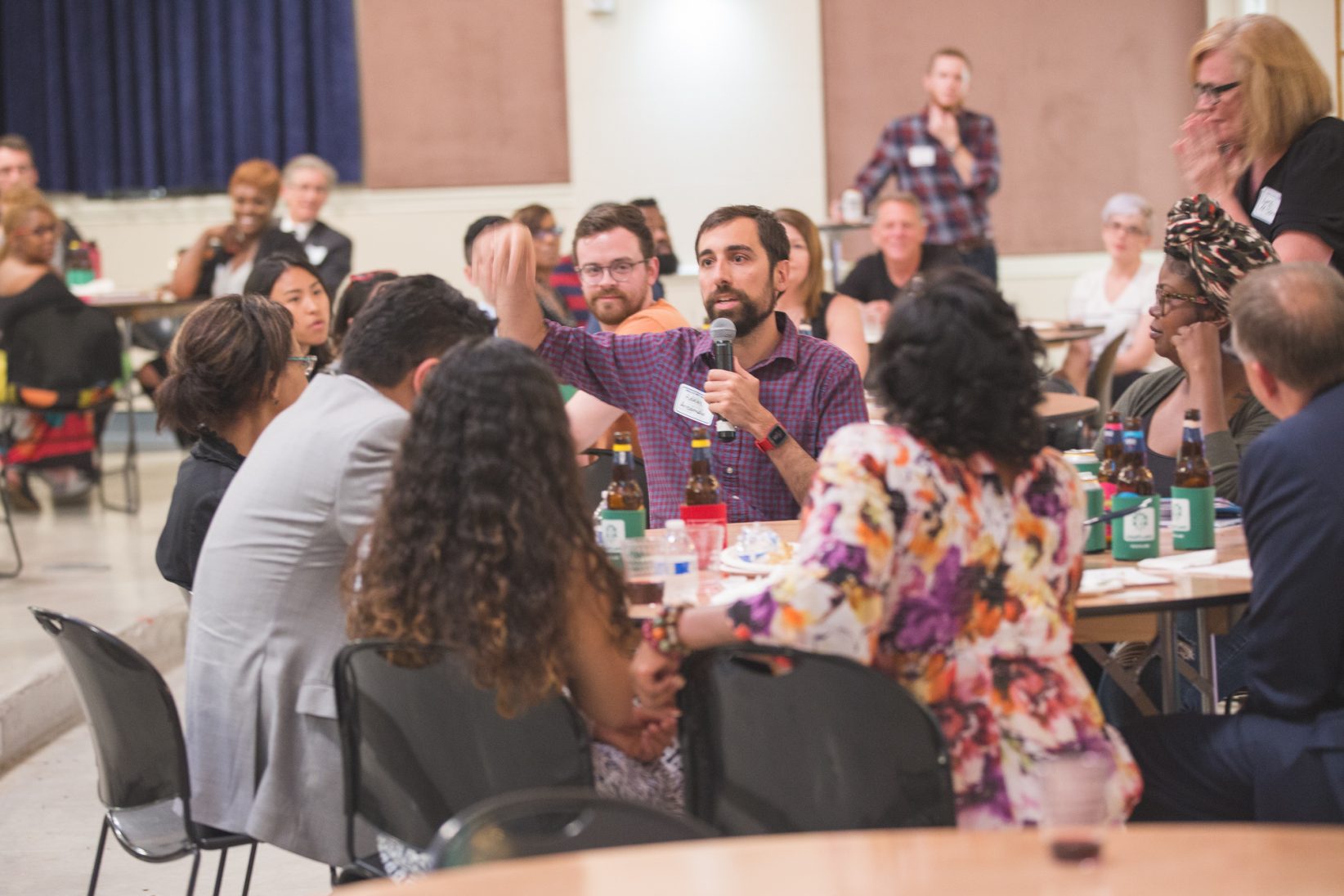
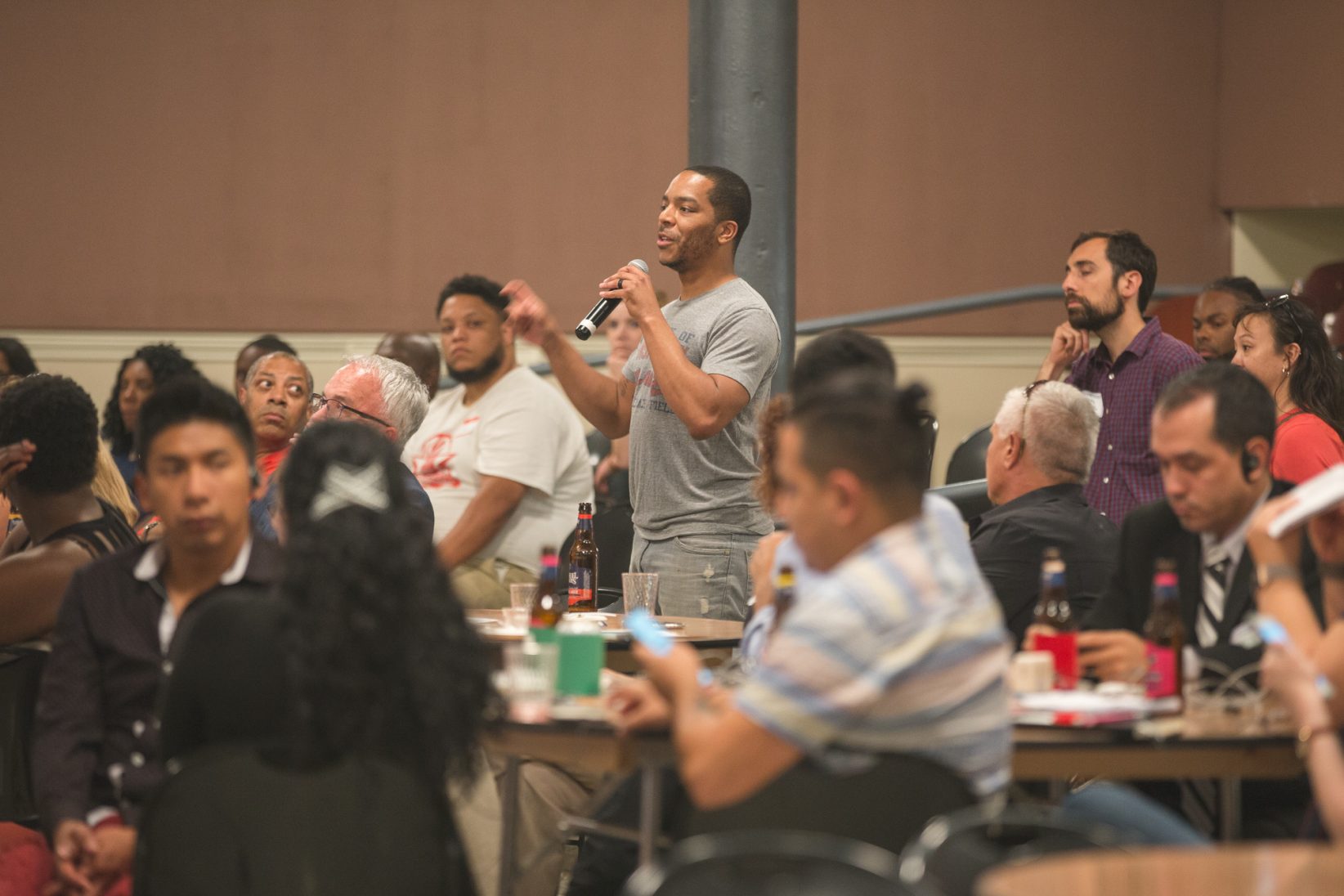
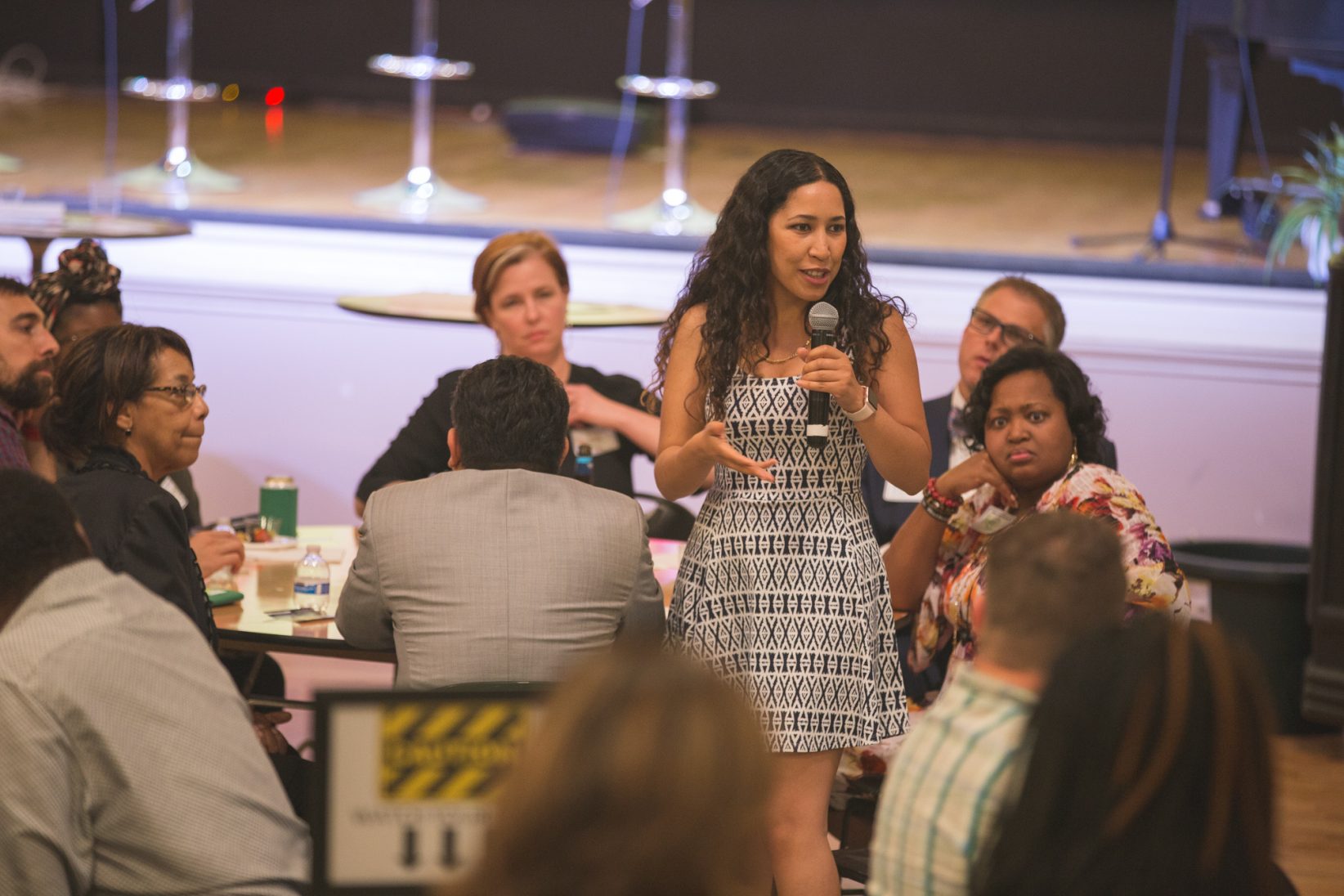
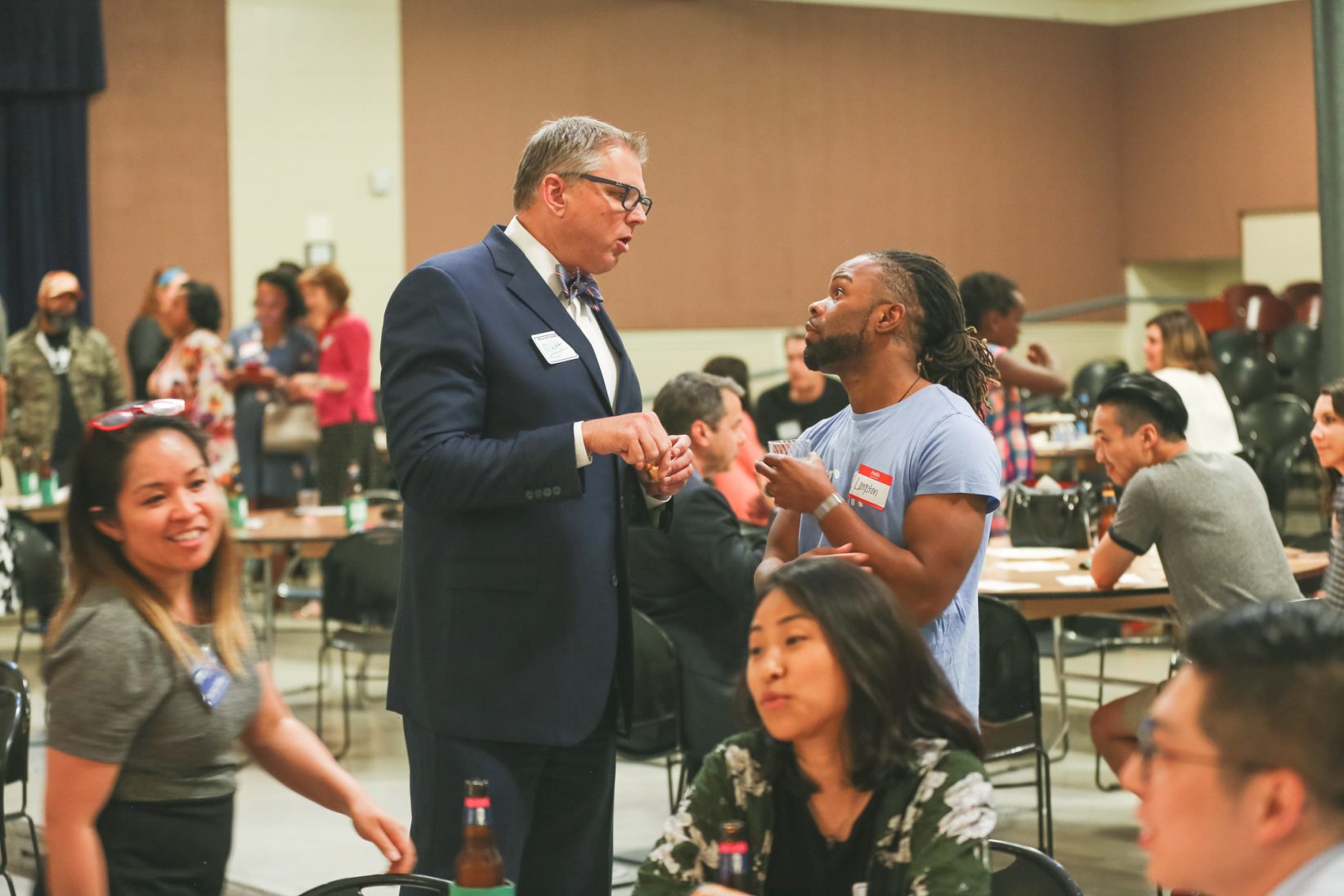
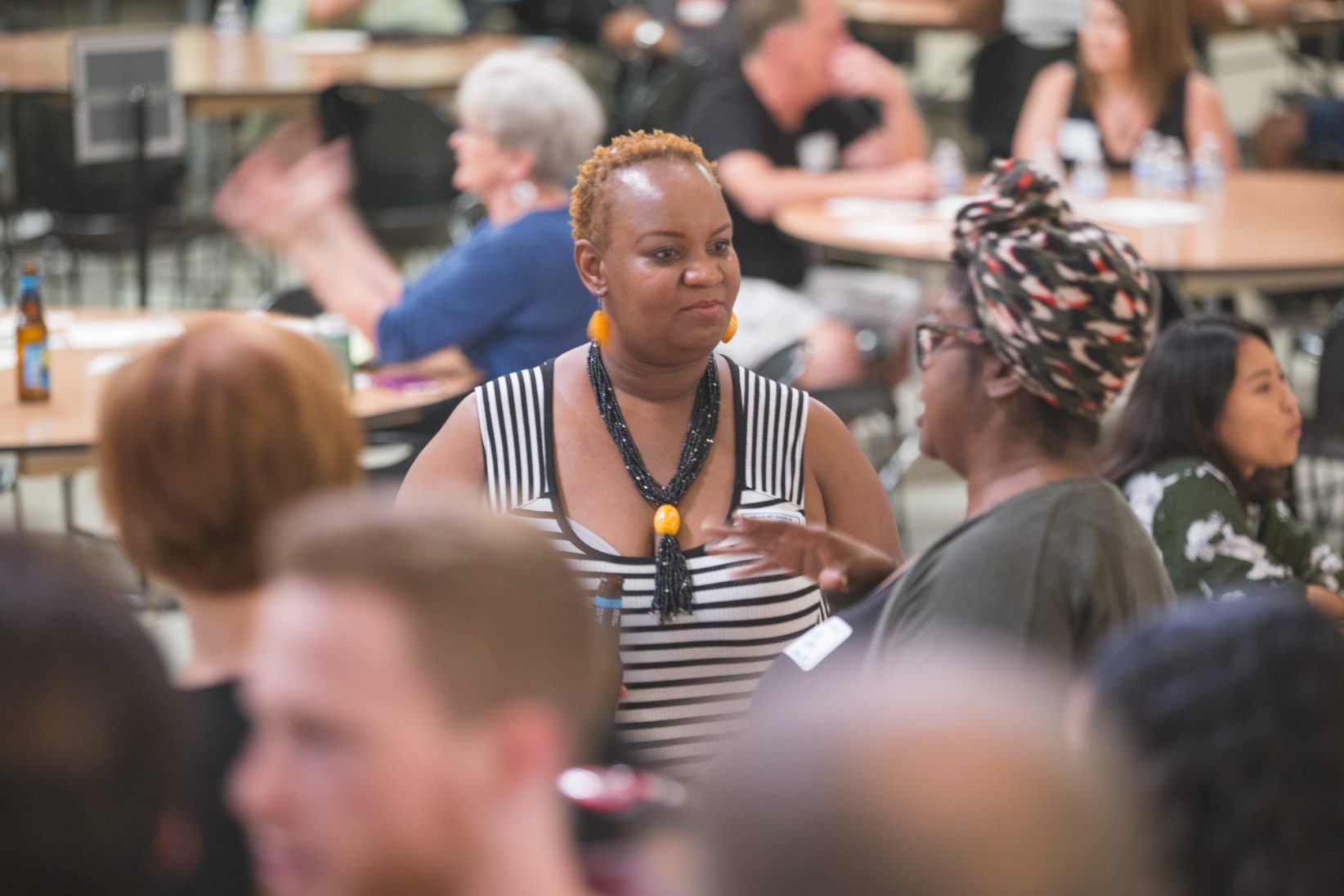
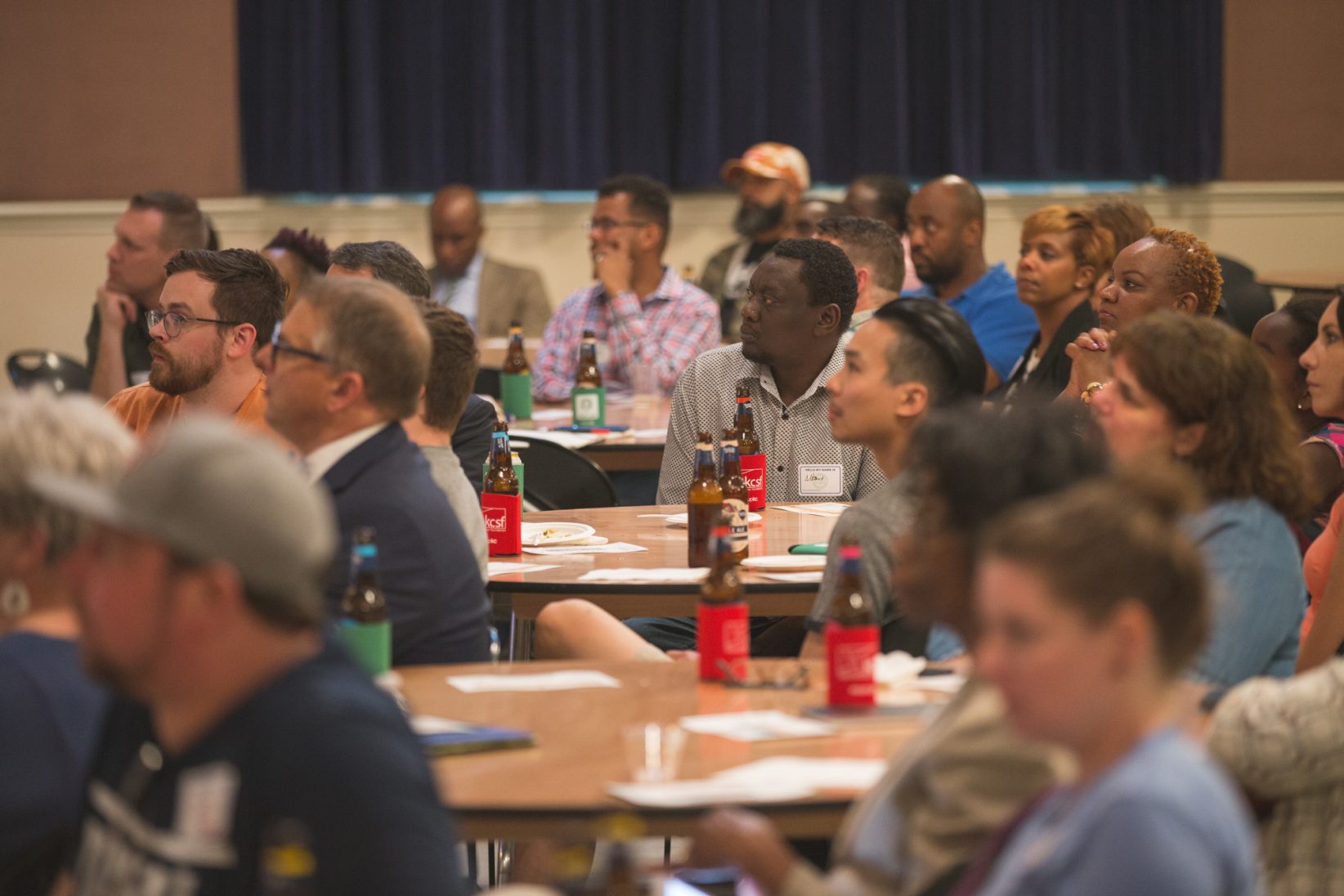
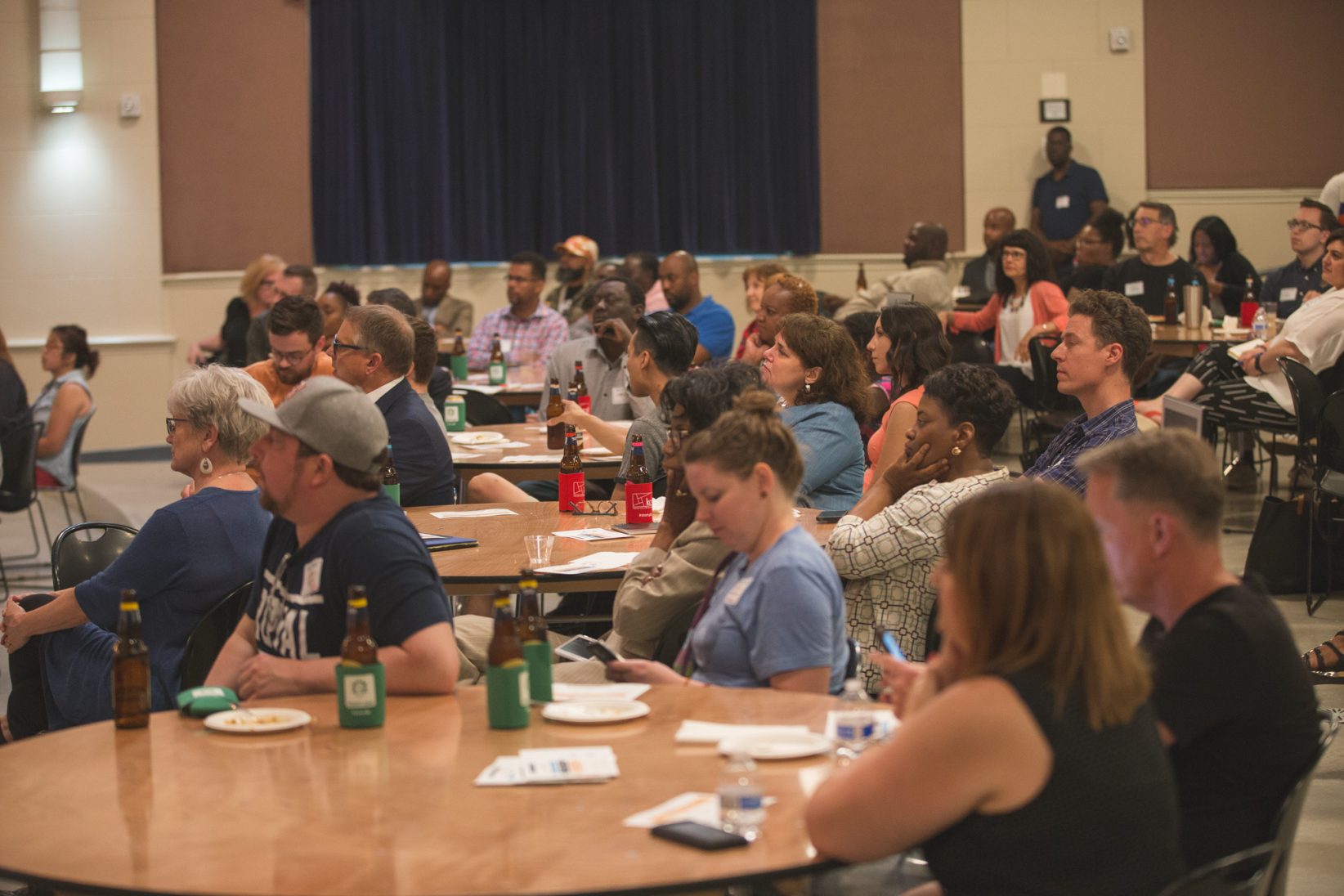
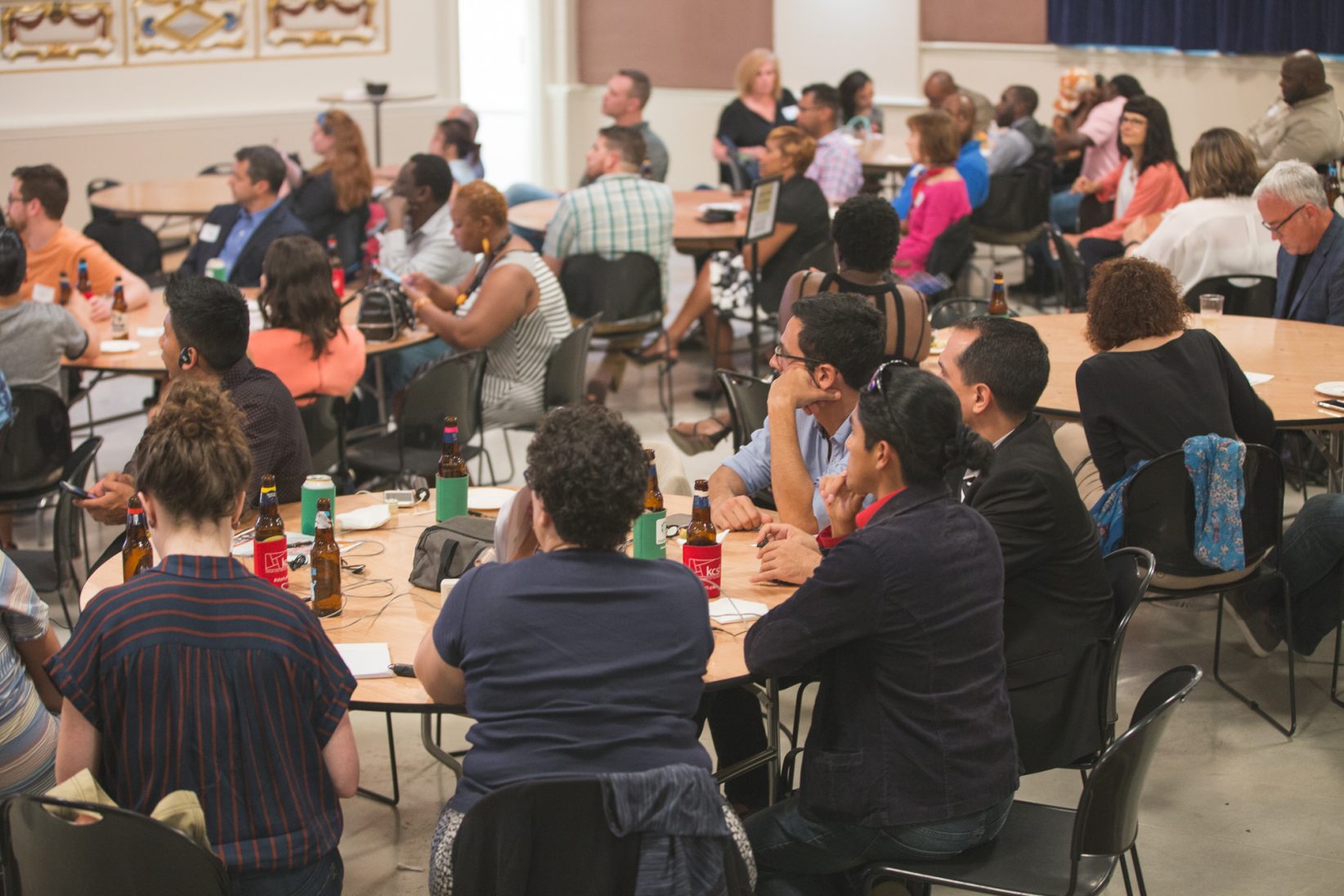
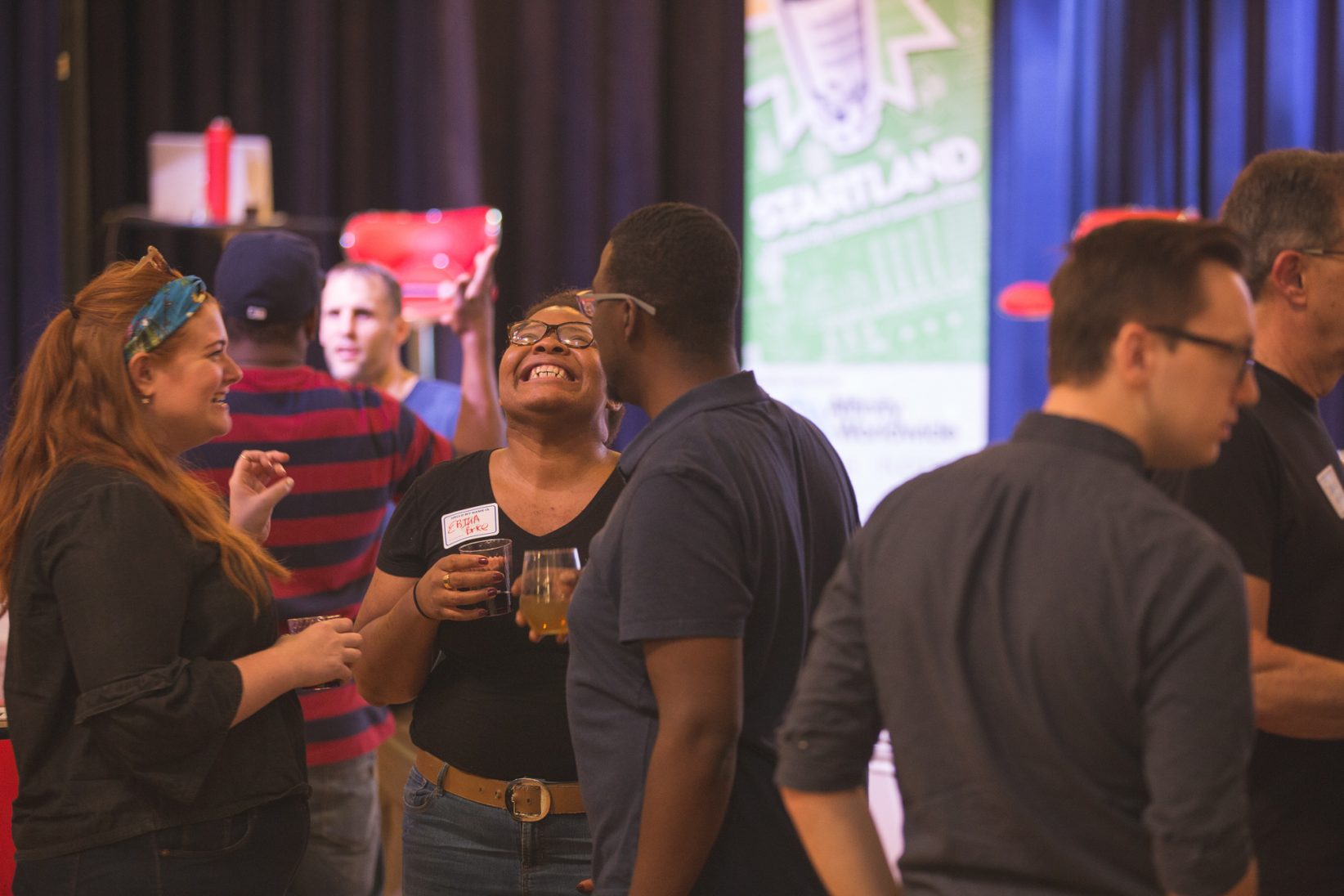
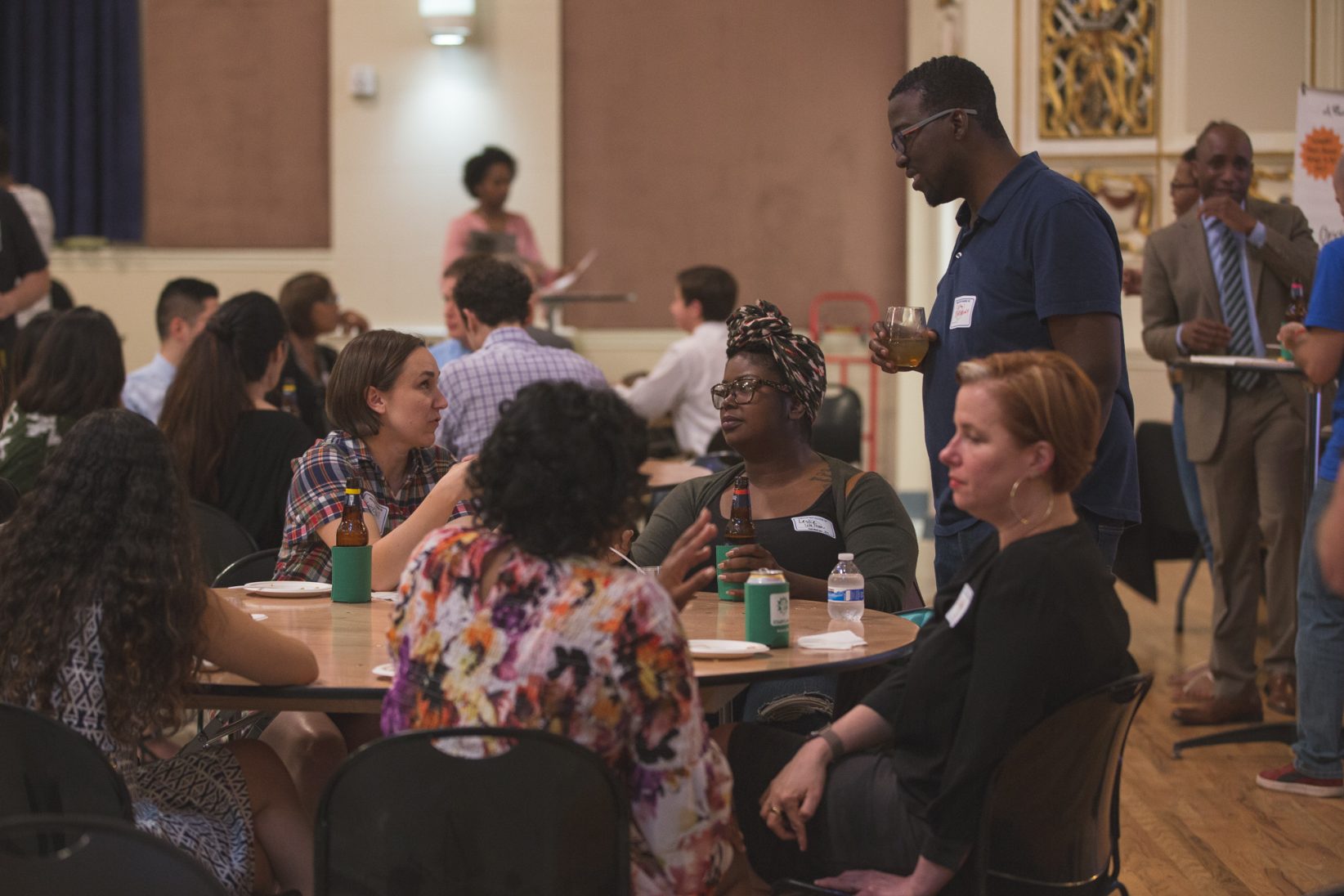
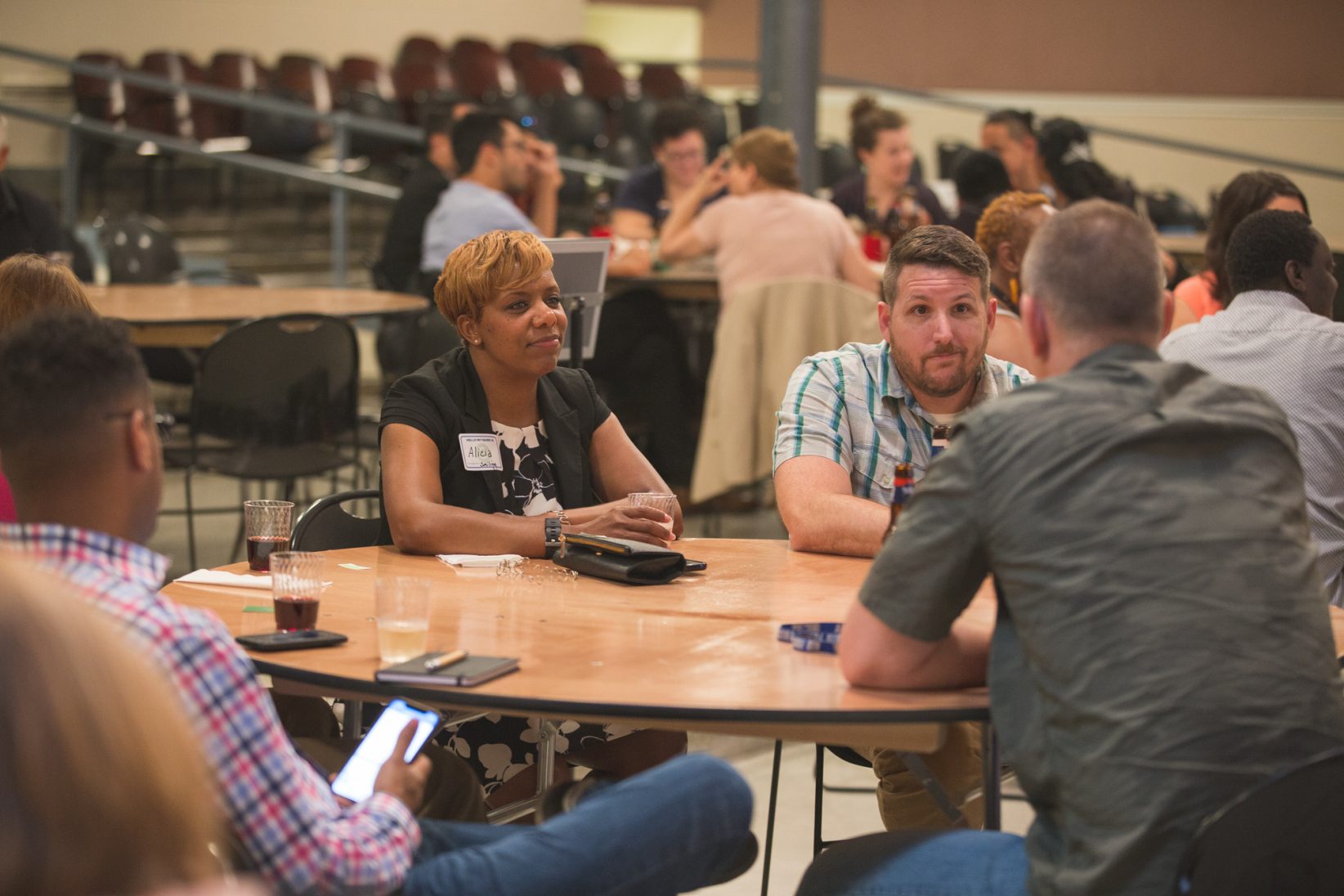
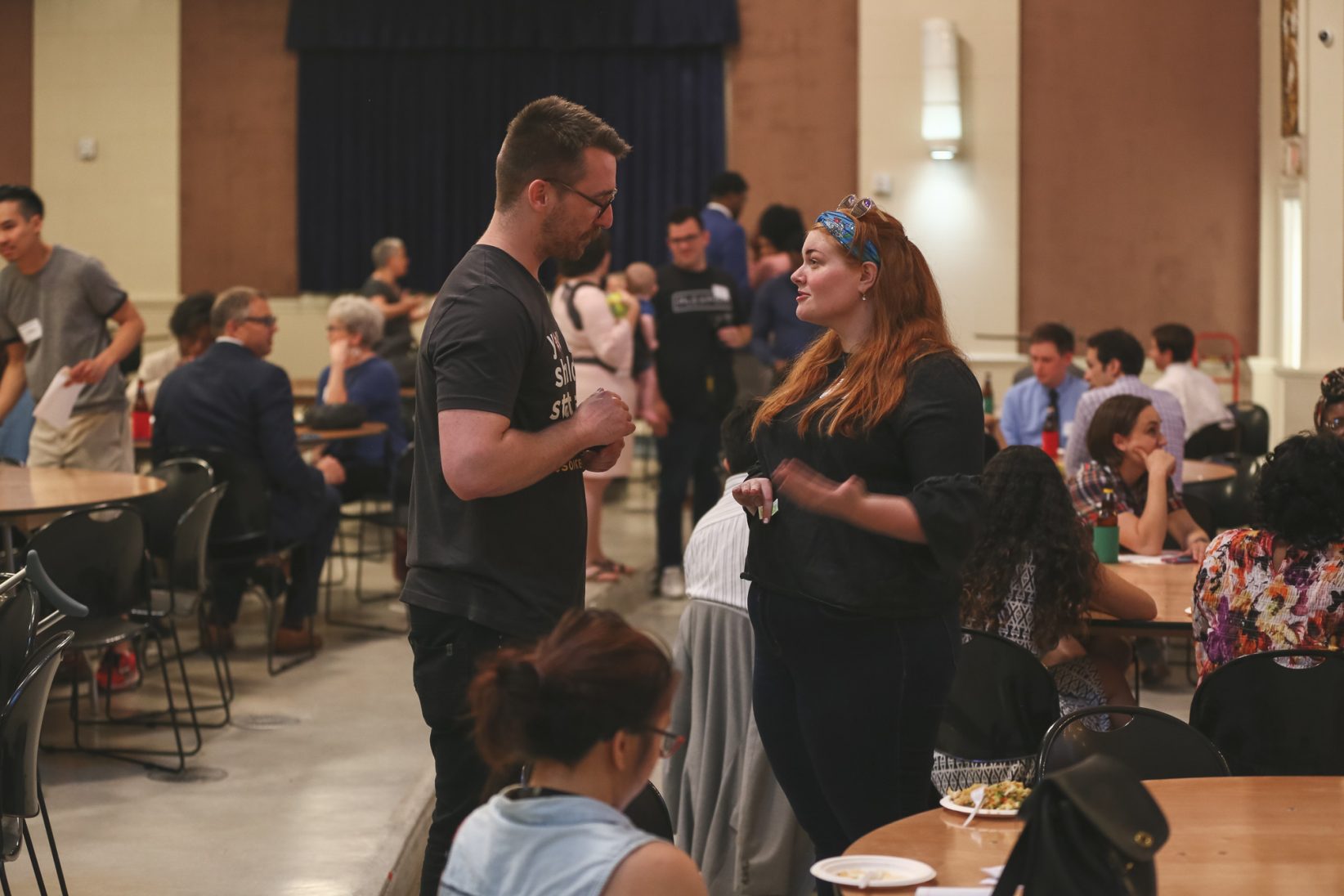
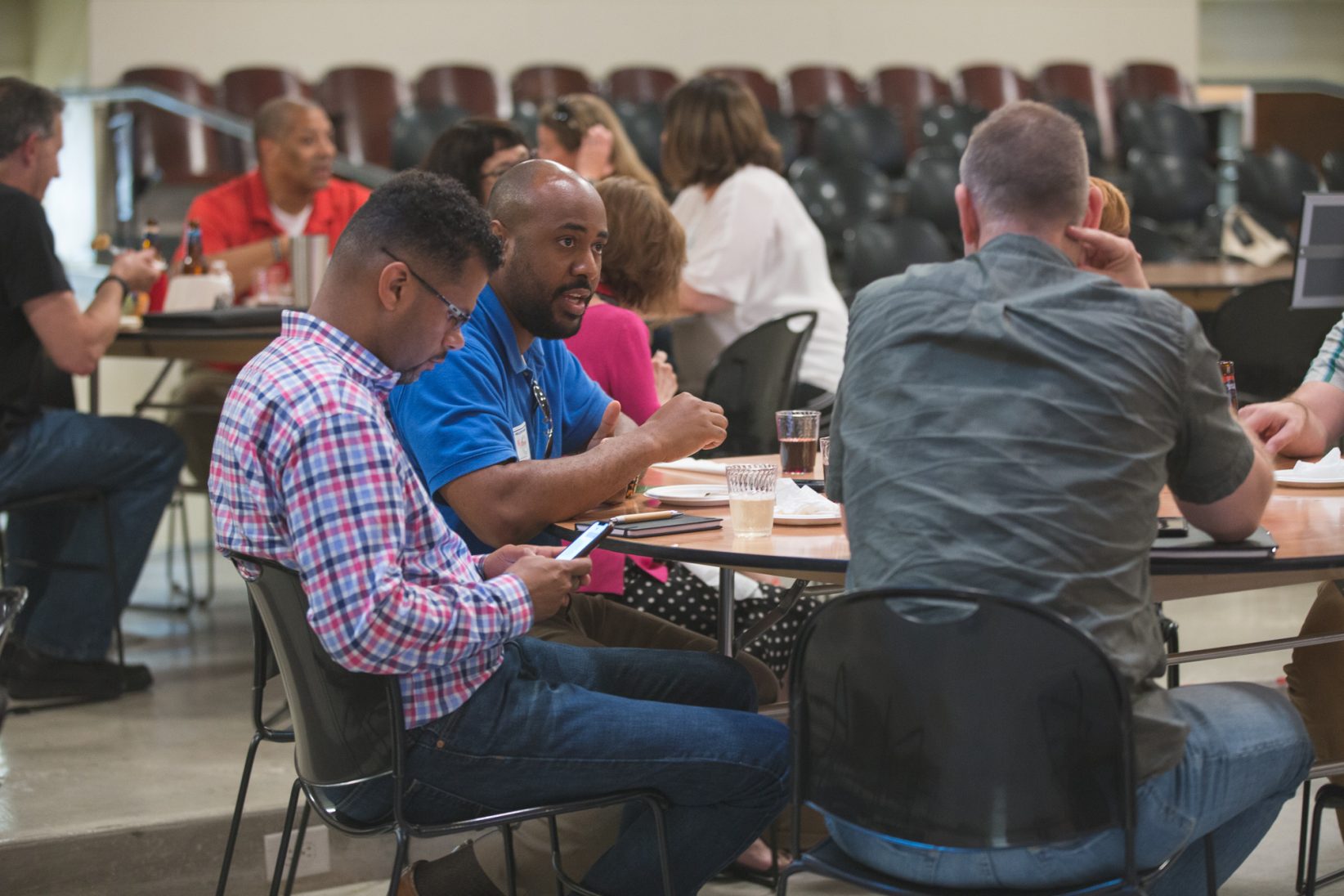
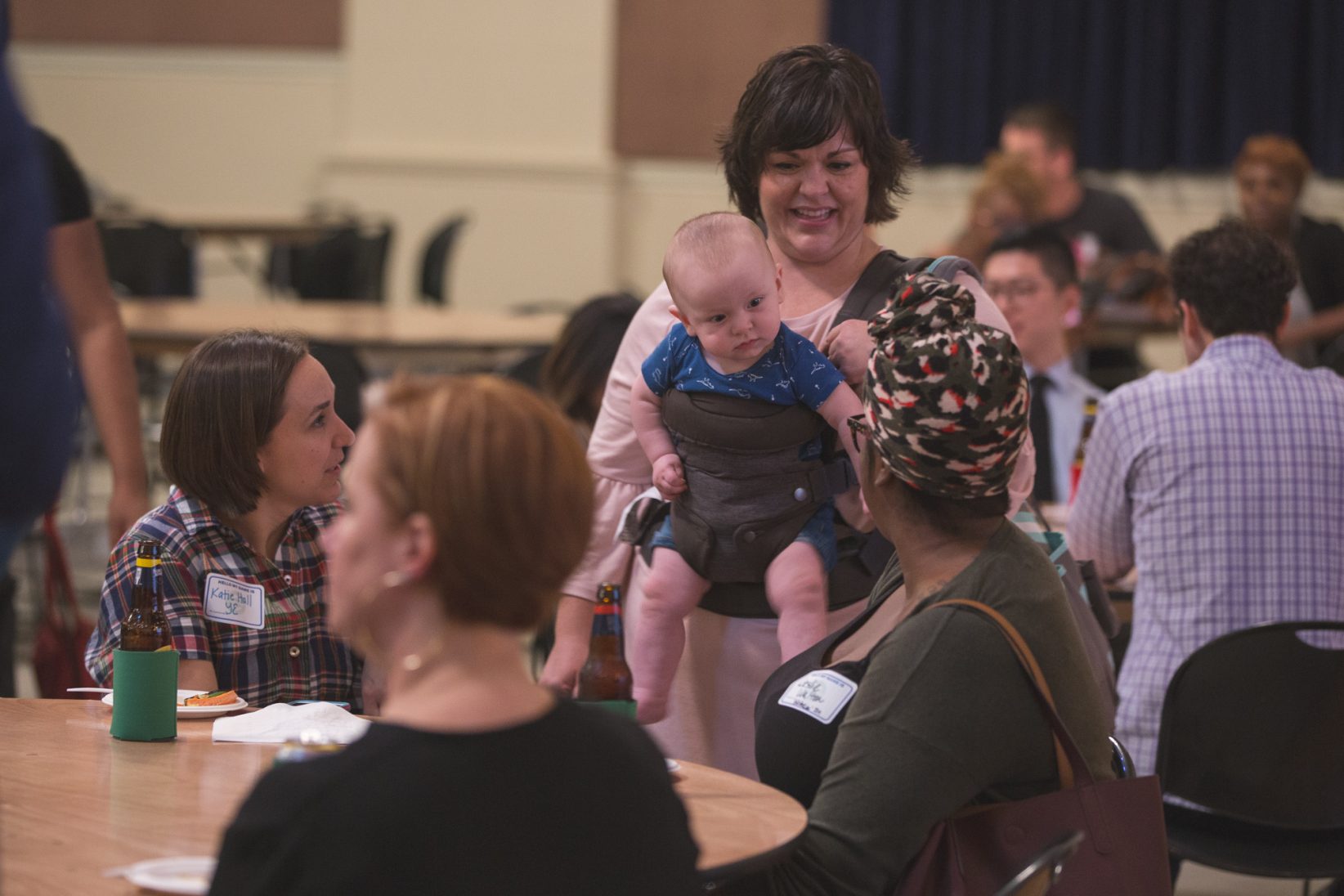
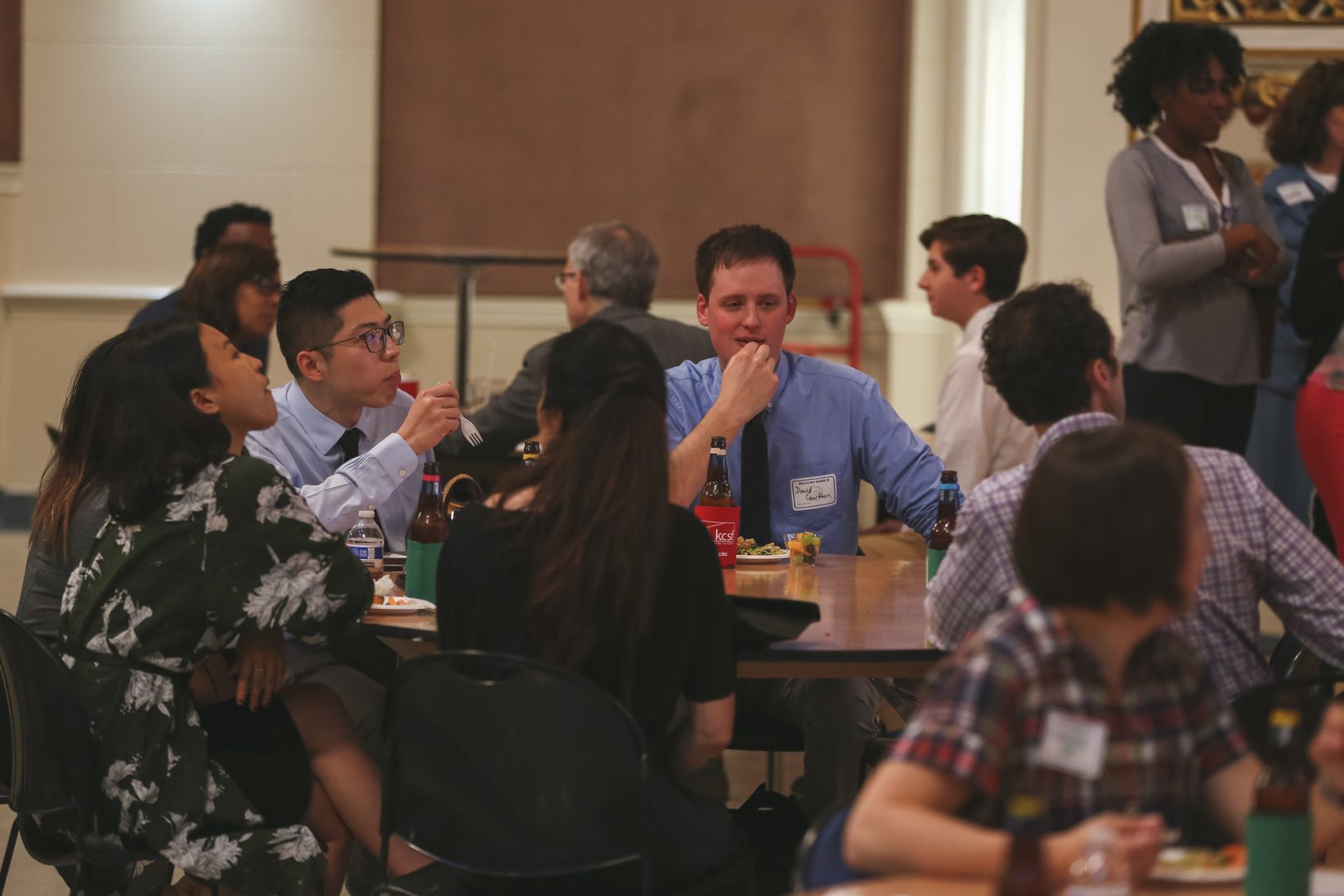
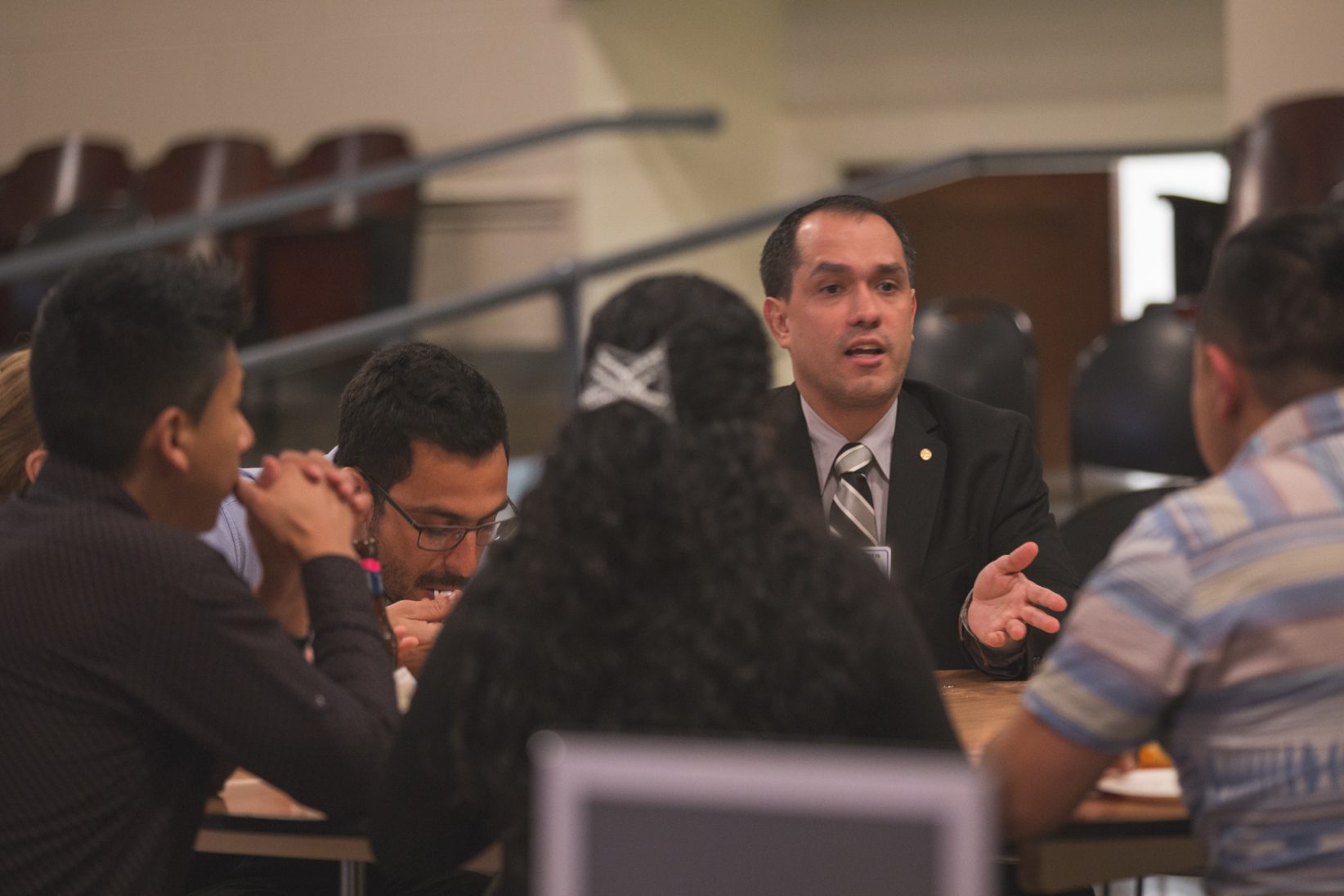
Discomfort appeared an easy task for white members of the audience, who found themselves in the minority when the conversation turned from the panel discussion to an interactive workshop.
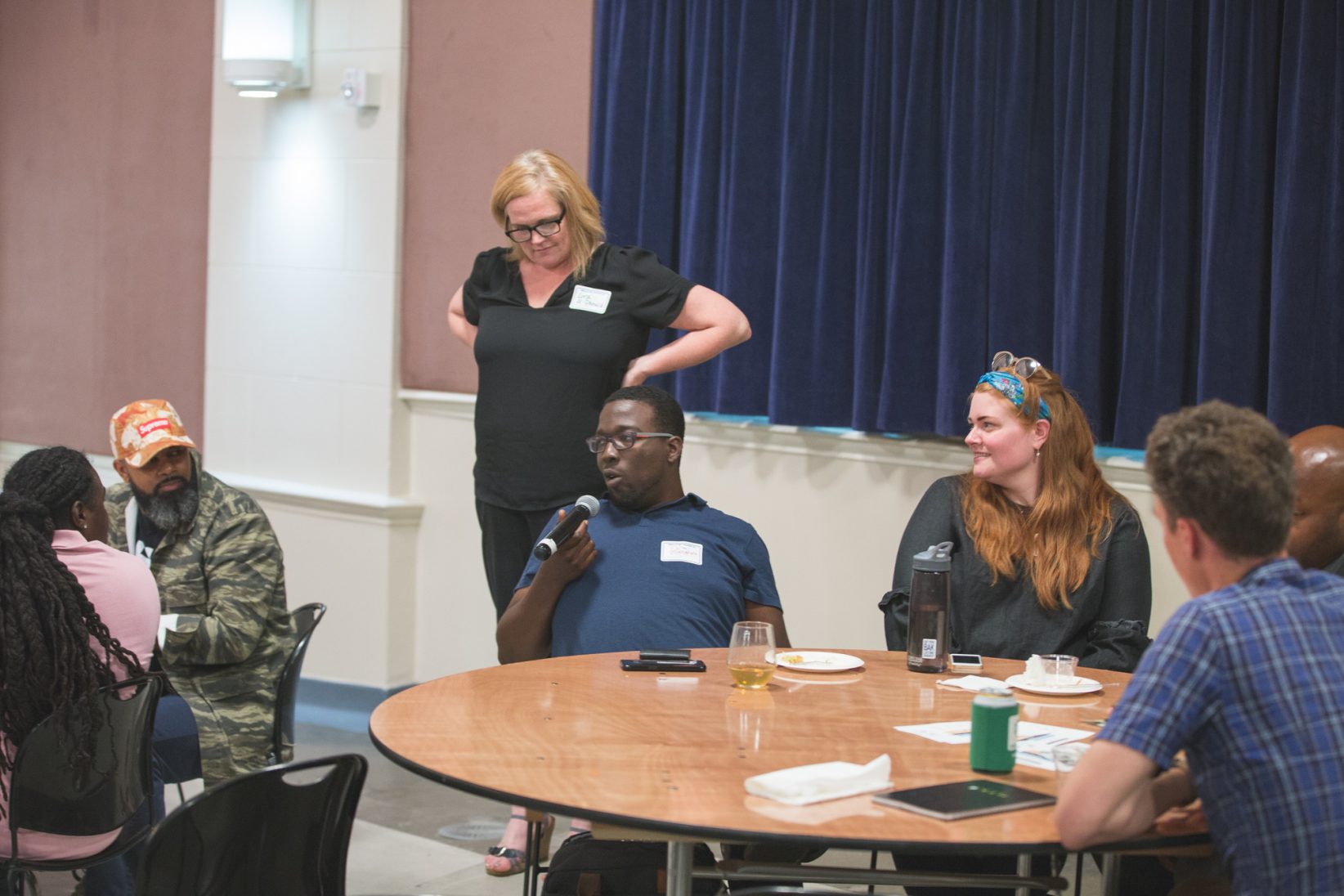
“Can we please make sure there’s at least one white person at each table?” McDonald, who facilitated the workshop, called out to the crowd.
But the issues discussed weren’t just about calling out white people on their privilege, panelists acknowledged earlier in the evening.
“All of our brains are wired for bias,” Wilson said. “Back in the caveman days, you didn’t have time to mull over, ‘Is this a vegetarian dinosaur coming toward me? Or is this a meat eater?’ You just knew you had to run like hell. That’s where bias starts, it’s those primitive brain mechanisms that drive your fight or flight mechanism that was really designed for self-preservation. So anything that was strange or unusual, we would know to get away from.”
“The problem now is that it’s tied to social stereotypes that drive our behavior,” she added. “If we don’t make our unconscious biases conscious, then it leaks out into our behavior in terms of how we interact with people, the way we make our decisions, in our business judgment and who we determine can be our partners. It has real-life implications.”
The good news?
People can take a step forward if they’re so willing, Wilson said. The Harvard Implicit Association Test is a good place to start, she noted.
“You will walk away knowing what your implicit biases are,” Wilson said. “And once you know what they are, then you can start doing something about it.”
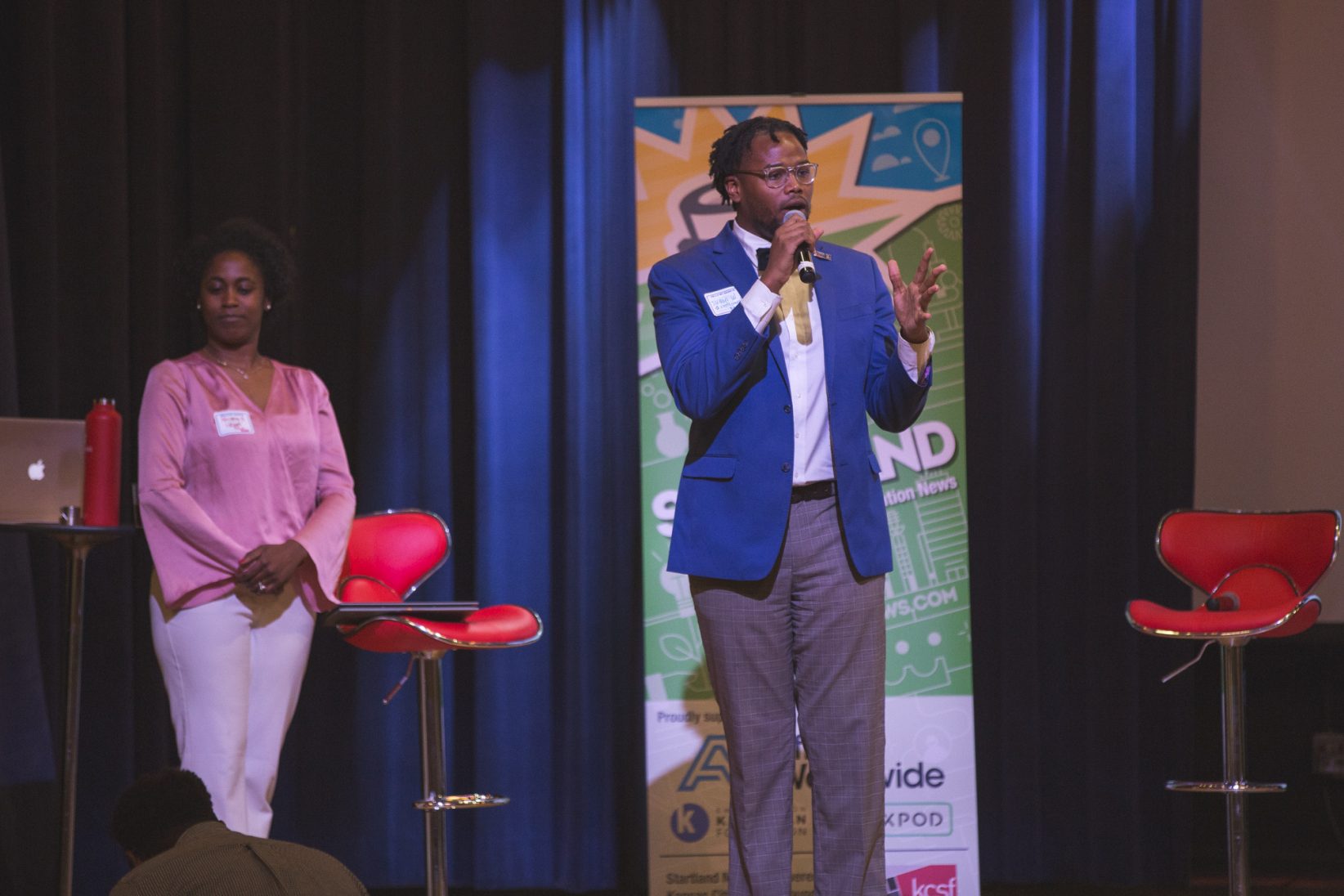
Opening the door to such internal and external discussions about bias takes courage, said Segura.
“Collaboration is currency,” he said, echoing other speakers from the night. “Let’s expand the conversation outside this room — spread the word!”
Featured Business

2018 Startups to Watch
stats here
Related Posts on Startland News
SNAP cuts are ‘worse than they look on paper’: Food access advocates warn shelves could go bare overnight
Chef Shanita McAfee-Bryant doesn’t mince words about perceptions of the hungry Kansas Citians she serves daily through her award-winning culinary social venture. “These are the people who — if you listen to the rhetoric — are deemed ‘lazy,’” the founder of The Prospect KC’s NourishKC Community Kitchen told Startland News. “We know the narratives being…
LISTEN: Fermenting a clean future through products from meat alternatives to skin creams and baby formula
On this episode of Startland News’ Plug and Play Topeka founder podcast series, we chat with Francesca Gallucci of Natáur, a Baltimore-based biotech company that’s reimagining how essential nutrients are made. Combining synthetic biology, metabolic engineering, and eco-friendly fermentation, they’re producing bio-based taurine (and other naturally occurring sulfur compounds) without relying on petroleum. Gallucci takes…
KCMO slashes fees for outdoor dining permits, launches dining trail for grant winning projects
Kansas City has officially eliminated outdoor dining permit fees, reducing the cost from $850 to zero, thanks to the momentum created by a city-led initiative to encourage investment in outdoor dining experiences, city leaders announced this week, unveiling new plans to promote funded businesses and their projects. Launched in 2024, the Outdoor Dining Enhancement Program…
World Cup will produce KC small biz millionaires in just weeks, leaders say, but it’s only the start
Kansas City can’t look at the World Cup in 2026 as one big event where businesses are going to make good money for a while, and then everything goes back to normal, said Wes Rogers. “This has to be the beginning of the next chapter of our city,” the 2nd District Councilman for Kansas City,…