
IXKC: Racial bias conversation puts white faces in an awkward spot — the minority
May 24, 2018 | Tommy Felts

Editor’s note: Check out photos from this event below the story.
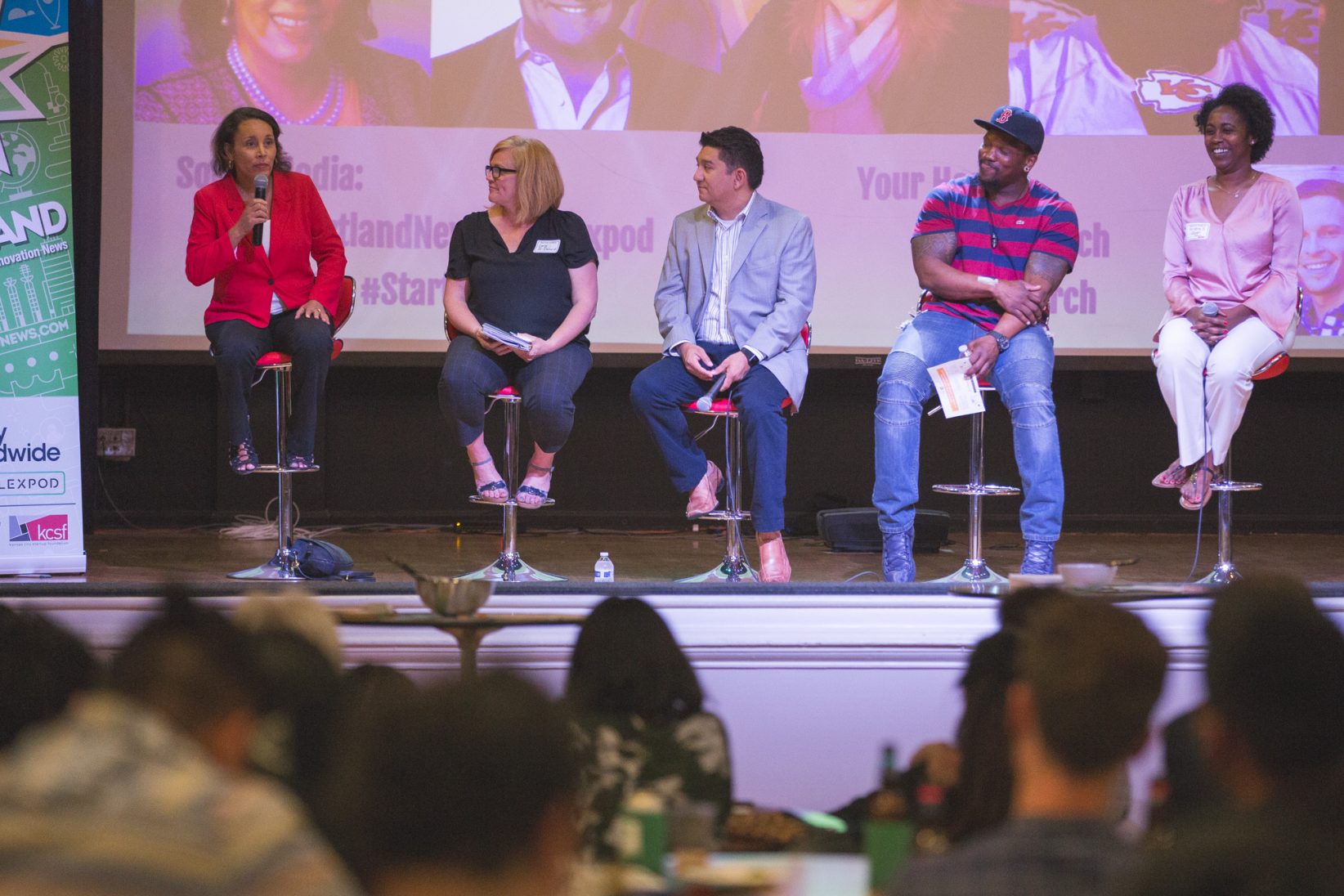
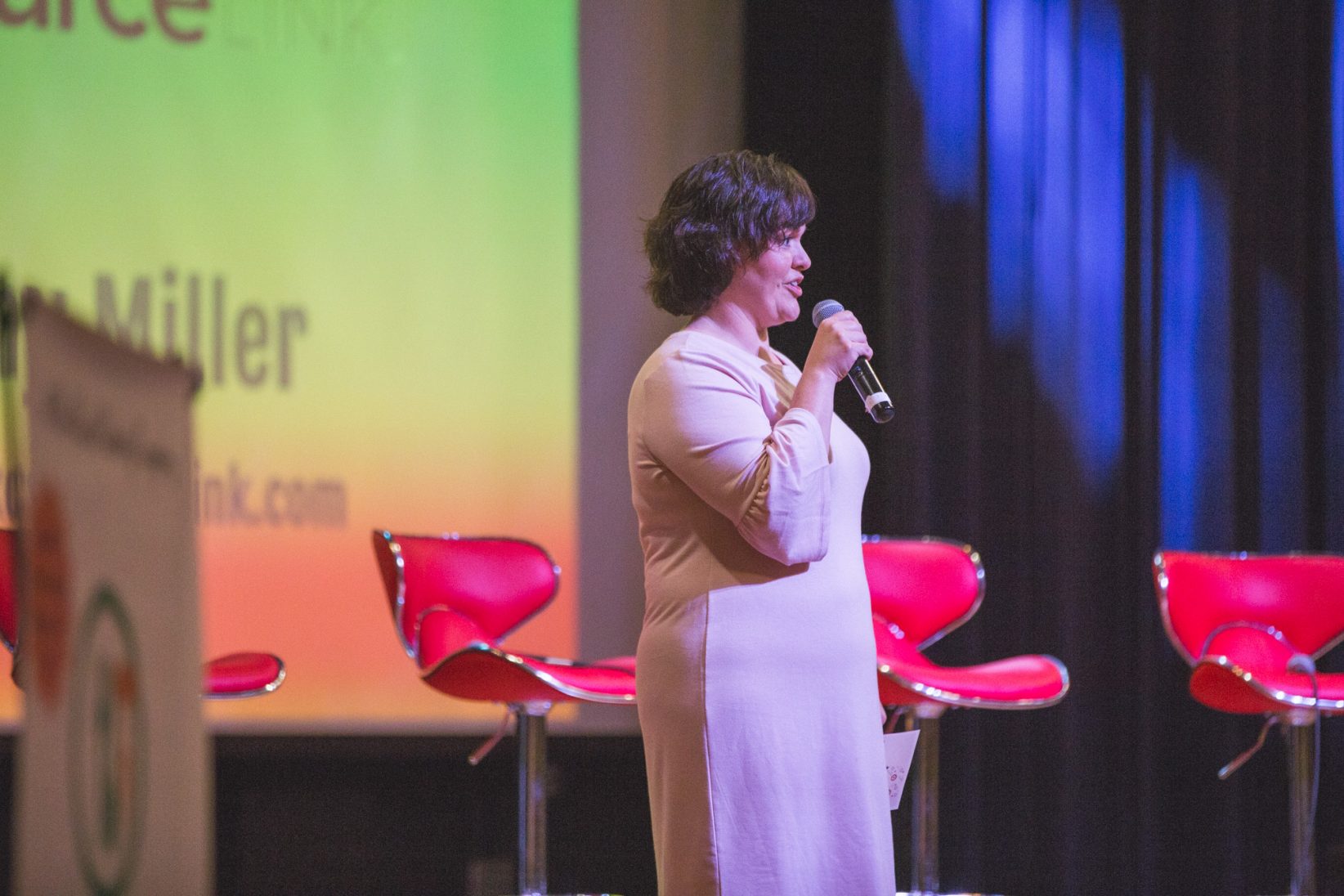
White people have to understand that they’ll never understand, said Lora McDonald.
“White people only have to be ‘white’ when they’re in a room with other races. When they aren’t, they get to be individuals, not just a monolithic group,” she told a diverse crowd at Startland’s recent Innovation Exchange conversation about disrupting racial bias in startup culture.
For people of non-white races, “otherness” tends to be their defining characteristic in the workplace and greater society, added McDonald. The nuances of that reality are challenging for even the most well-intentioned white person — like her — to ever fully comprehend, she admitted.
Privilege, racial bias and their effects can, however, be acknowledged and discussed to move a multi-ethnic community forward, continued McDonald, executive director for Metro Organization for Racial and Economic Equity (MORE2).
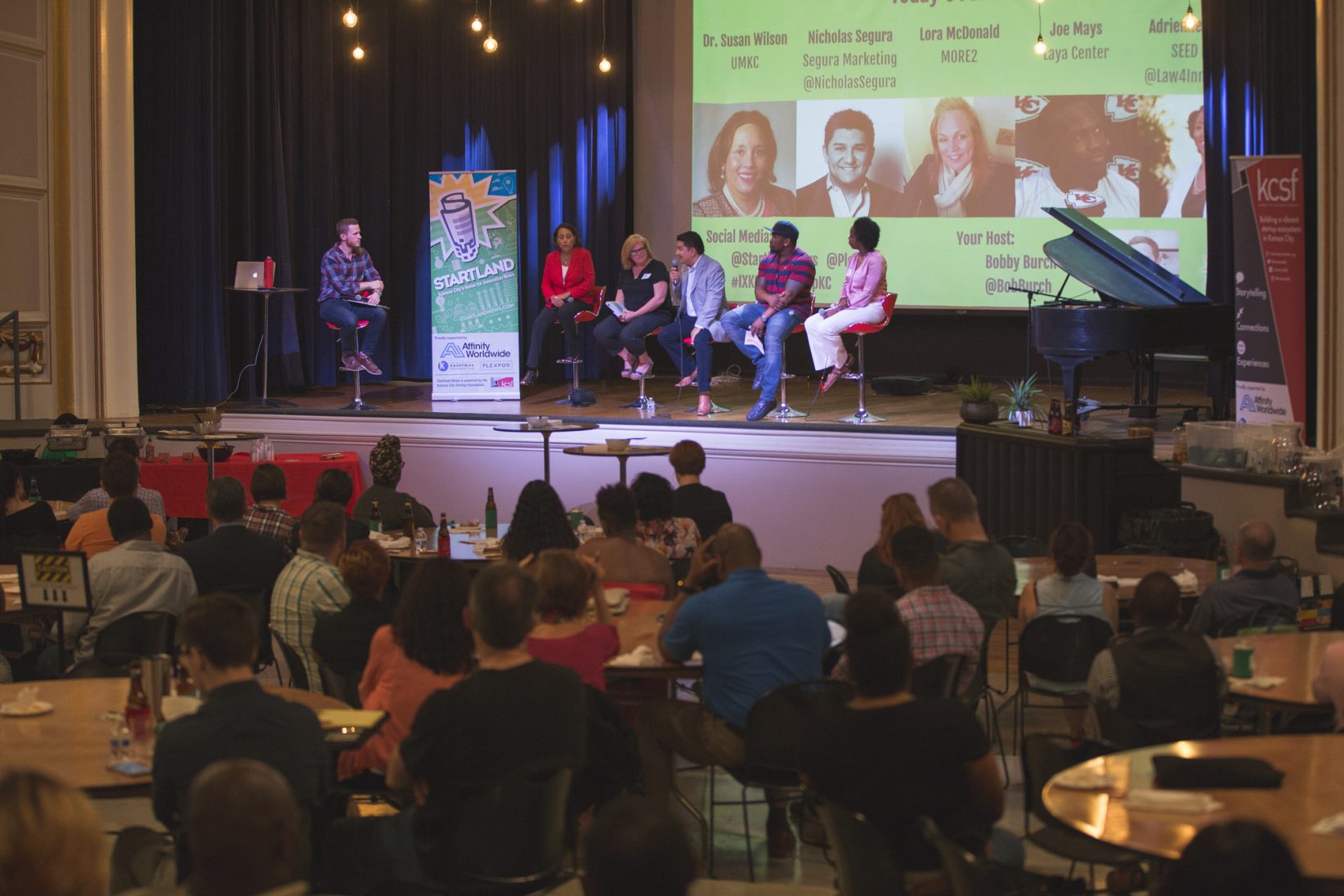
The pointed and, at times, uncomfortable conversation Tuesday night at Plexpod Westport Commons was a collaboration between Startland News and Jordan Williams, founder of Keefe Cravat and whose push for dialogue in the wake of recent race-related incidents in the news helped spark the idea for an interactive community event.
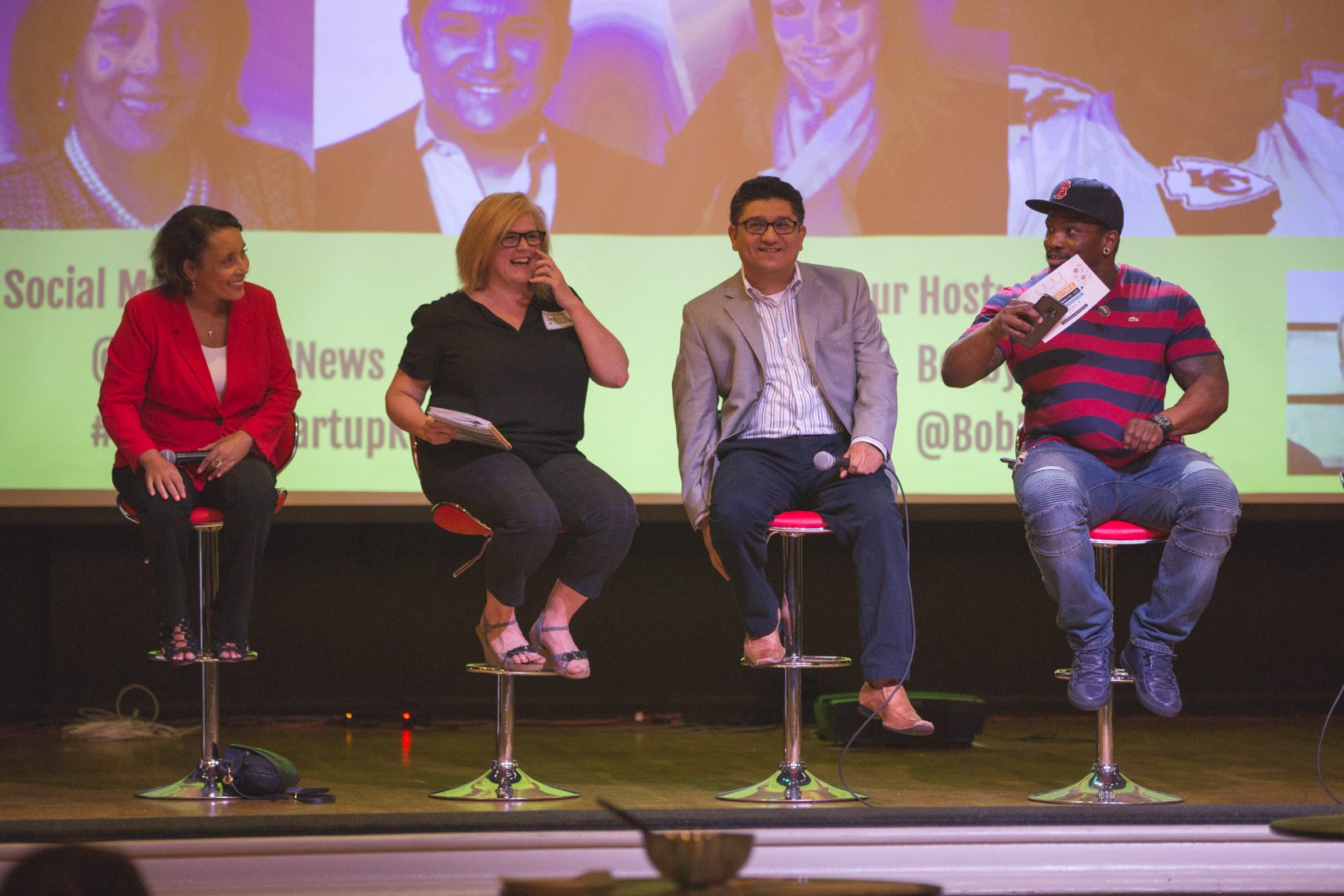
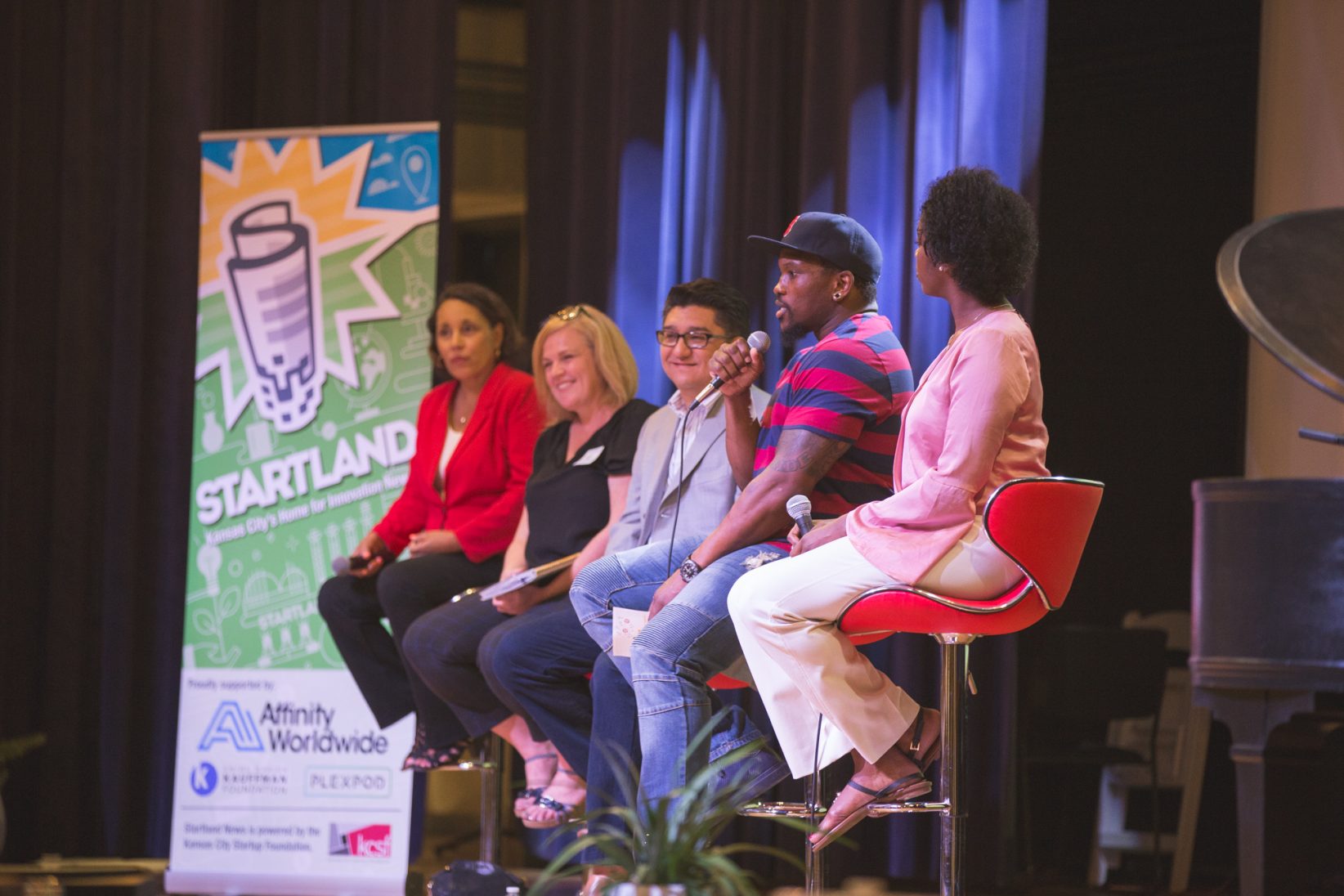
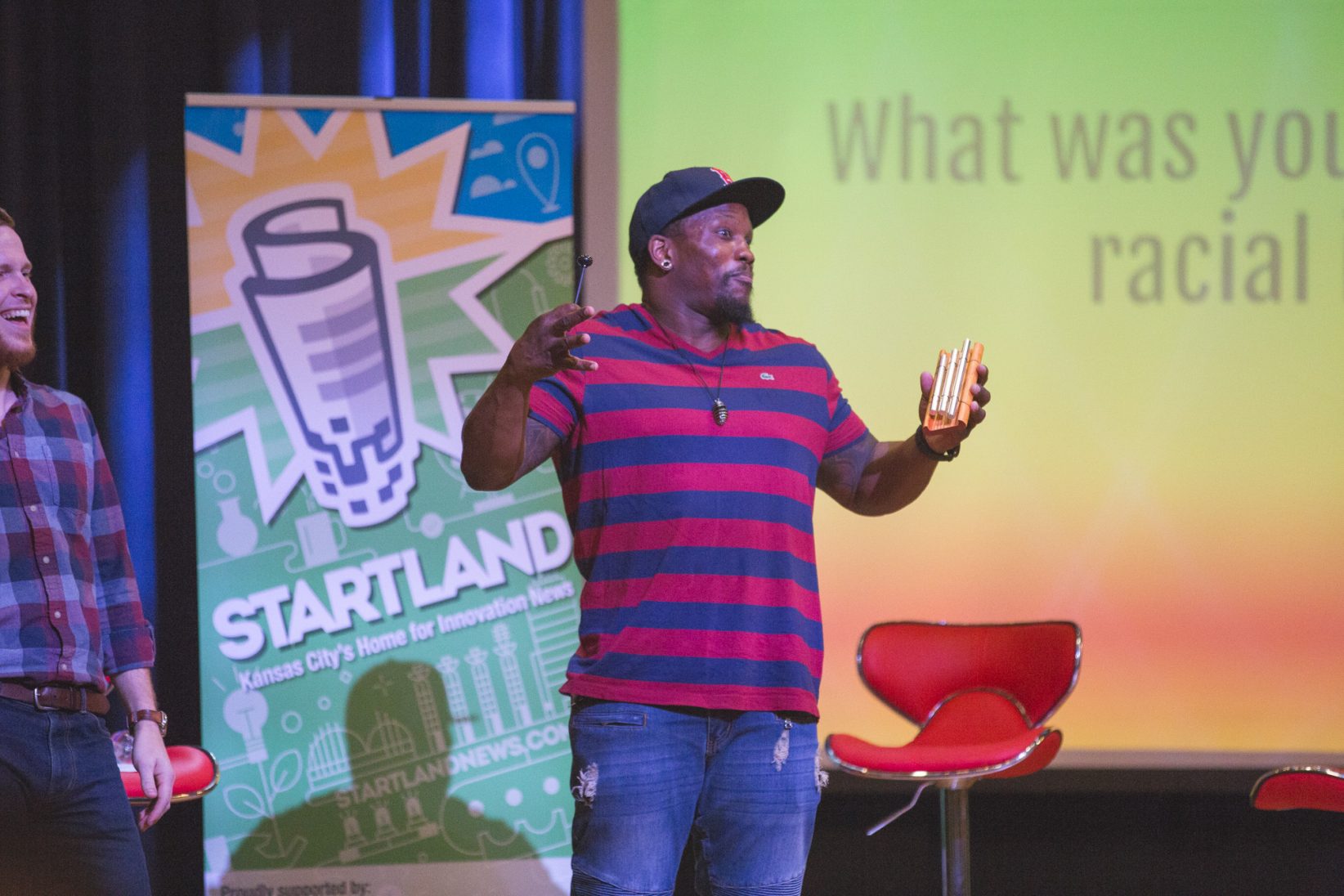
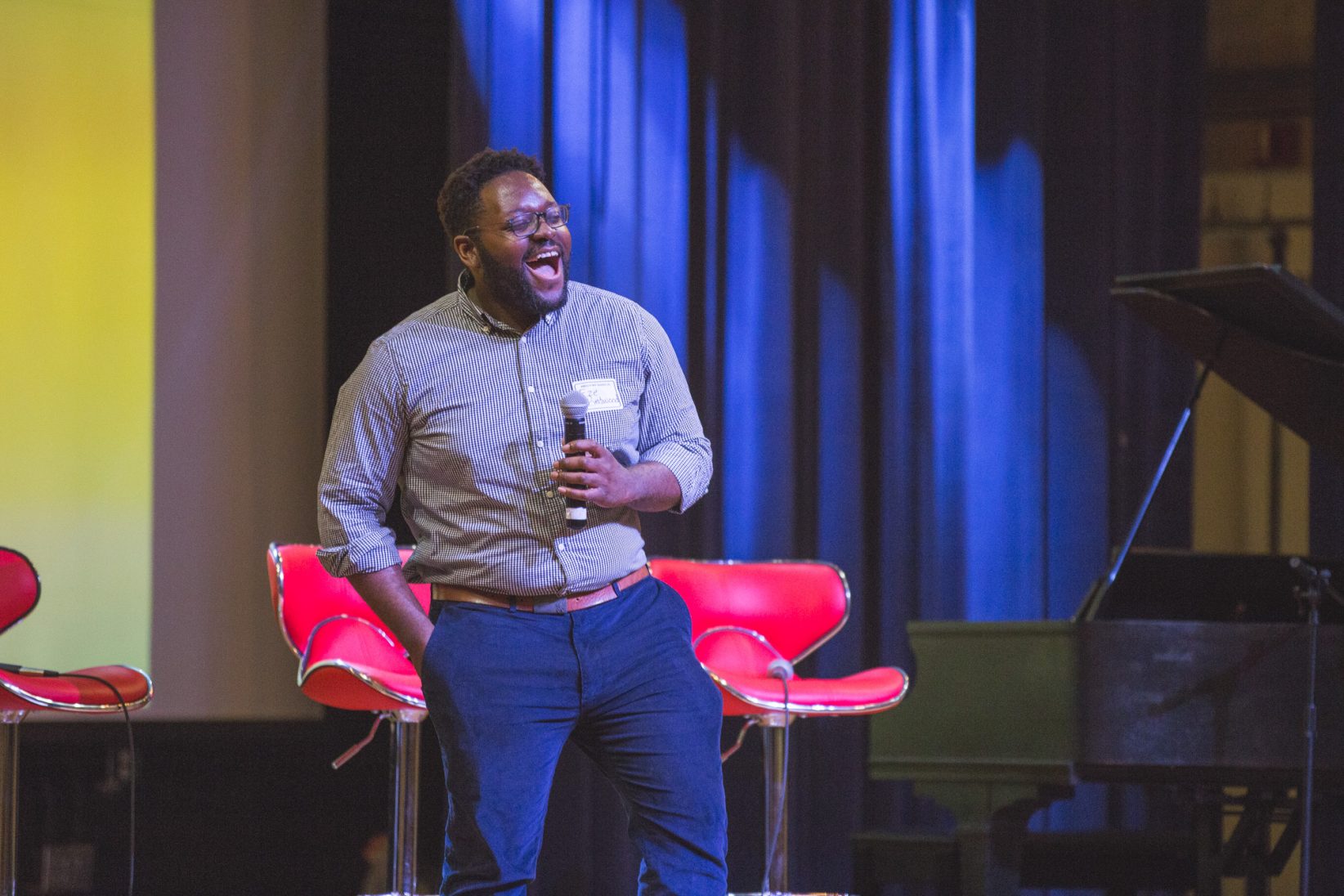
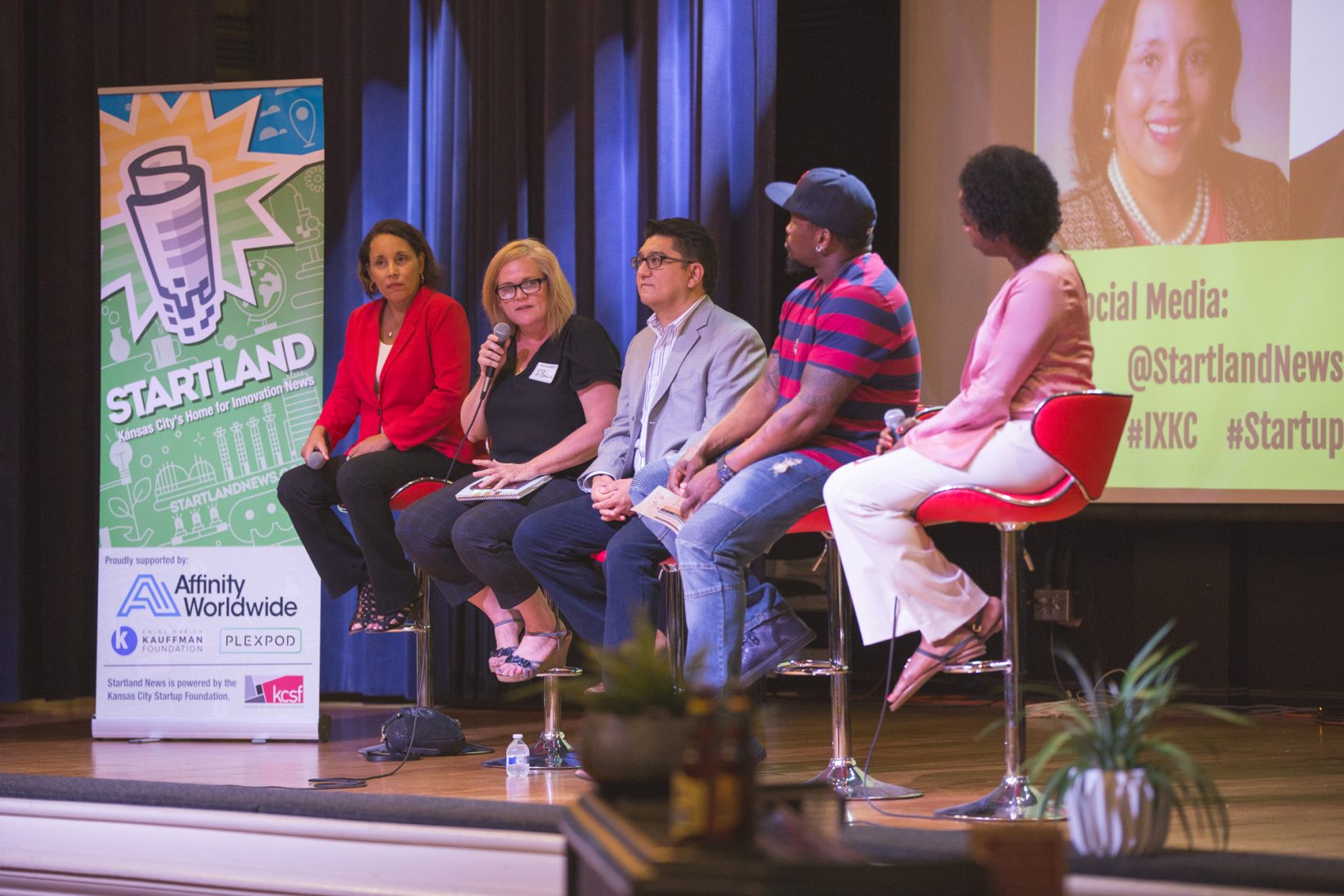
“It’s time to be vulnerable,” former Chiefs player and owner of The Laya Center Joe Mays advised Innovation Exchange attendees during a panel discussion on bias.
Originally from Chicago, Mays was raised in a majority-black, inner-city neighborhood where the only white people typically seen were teachers, he said. His life changed when he left for college.
“When I went to school in North Dakota, that was a huge culture shock for me — to go from one end of the spectrum to the opposite end,” Mays said. “Growing up, I was always taught I can be ‘my way’ whenever I’m around ‘us,’ and whenever I’m around other people, I have to act a certain way. I have to carry myself a certain way. I have to talk a certain way.”
“I had to totally lose myself, and gain another part of myself,” he added.
While Mays praised his experience at North Dakota State, it was the start of a journey where he had to learn to adapt and adjust to white society, he said.
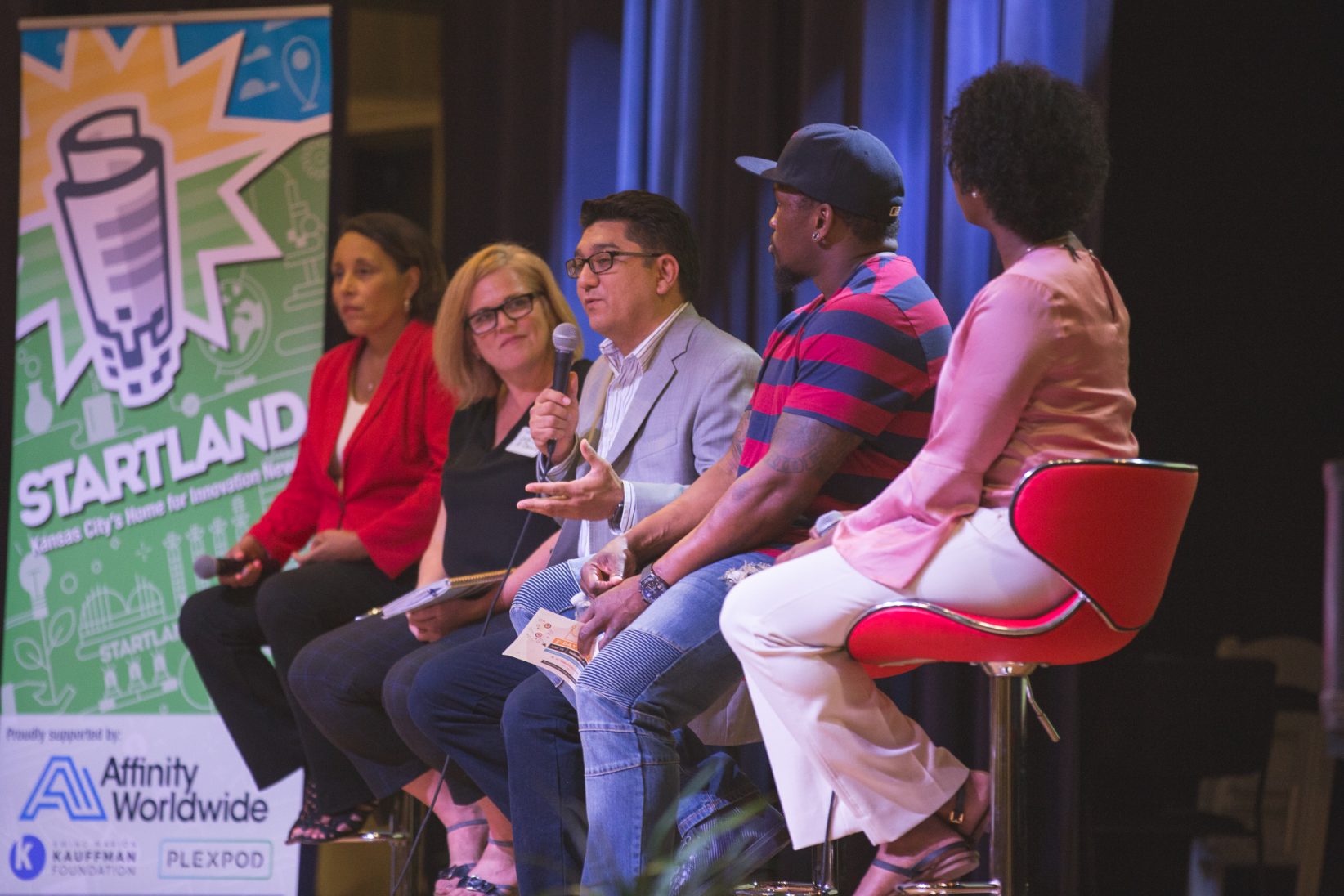
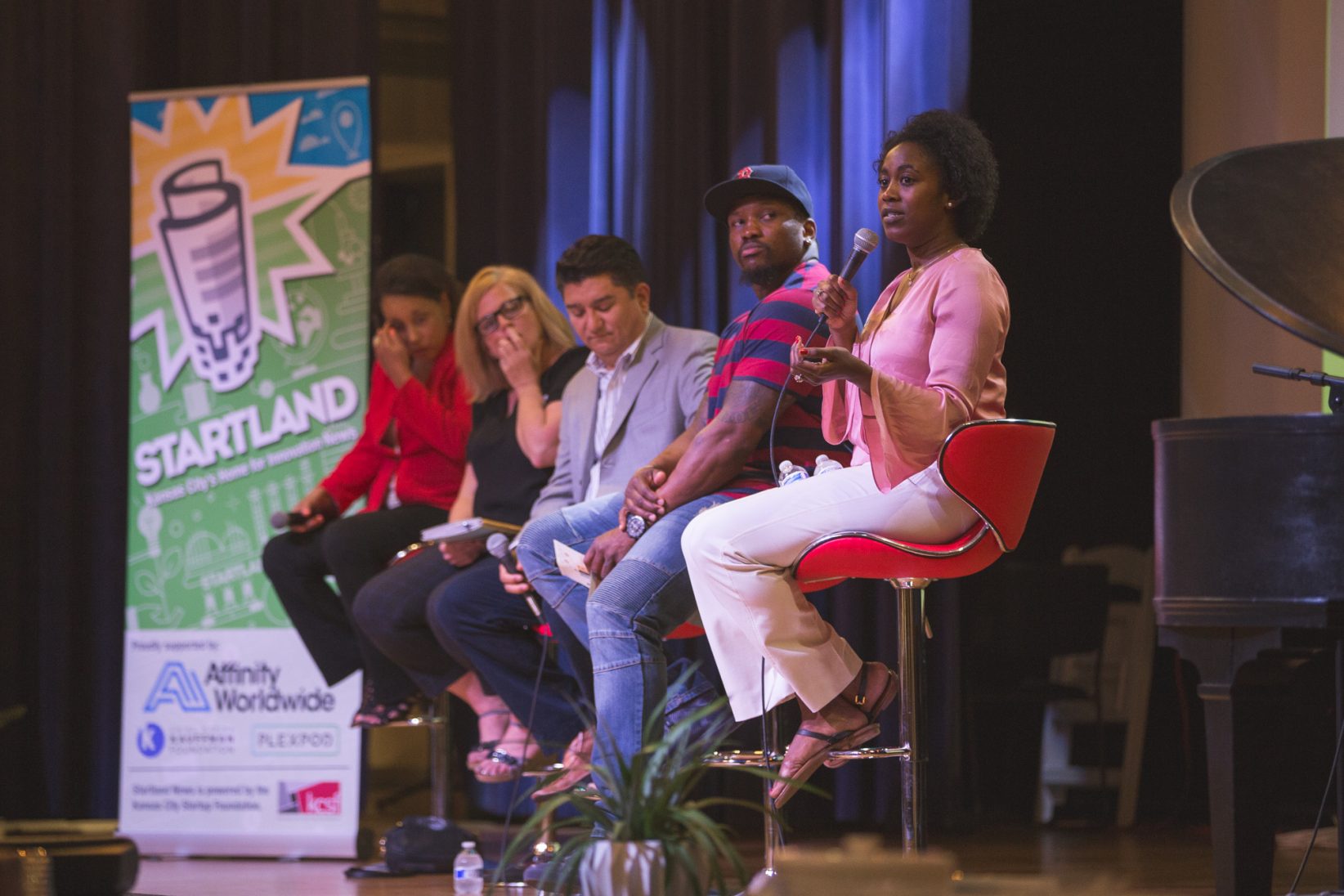
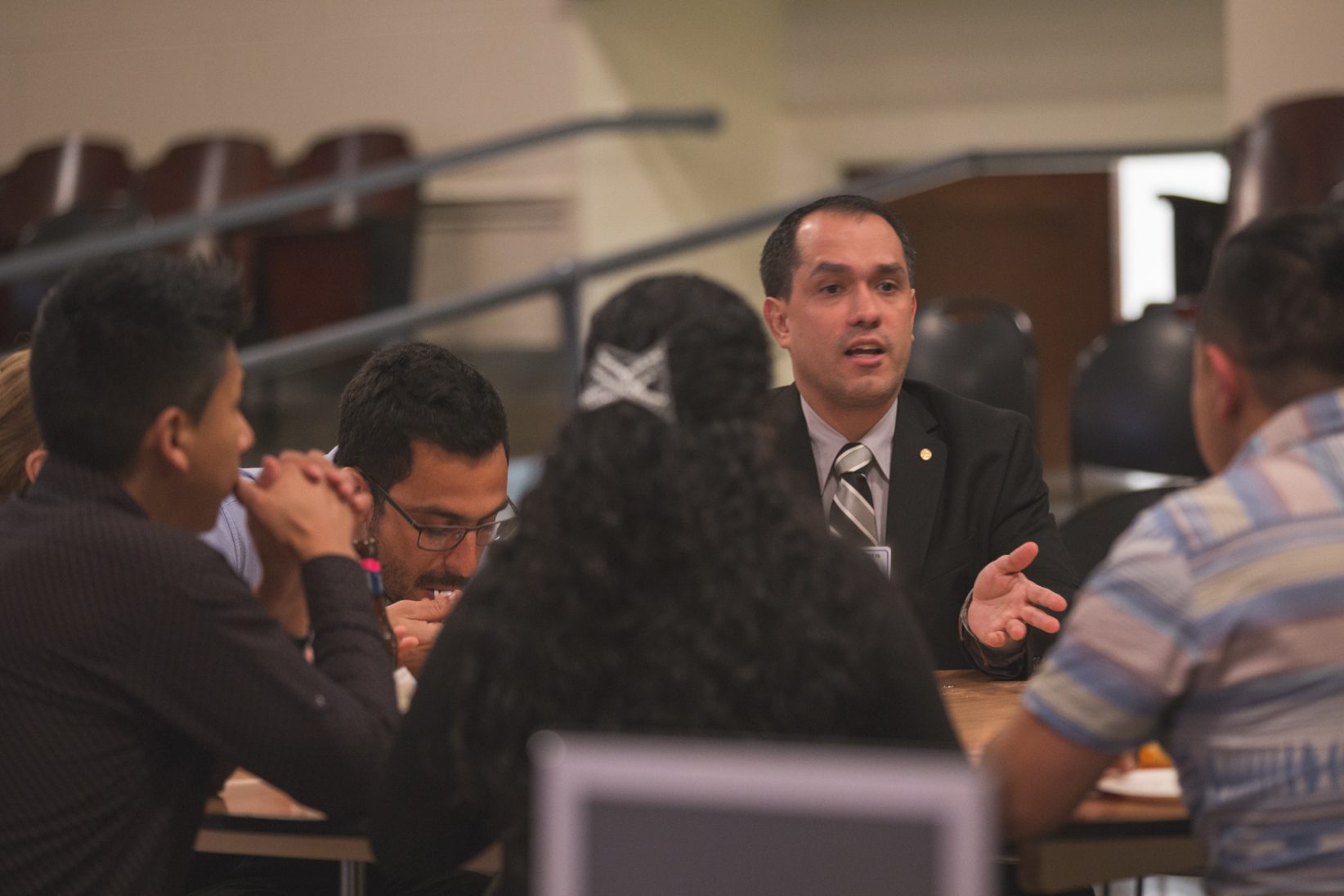
Mays’ fellow panelists — McDonald; Dr. Susan B. Wilson, vice chancellor of diversity and inclusion at the University of Missouri-Kansas City; Nicholas Segura, a Kansas City marketing executive, and Adrienne Haynes, an entrepreneur, business attorney and leader of the Multicultural Business Coalition — each encouraged the crowd to get uncomfortable.
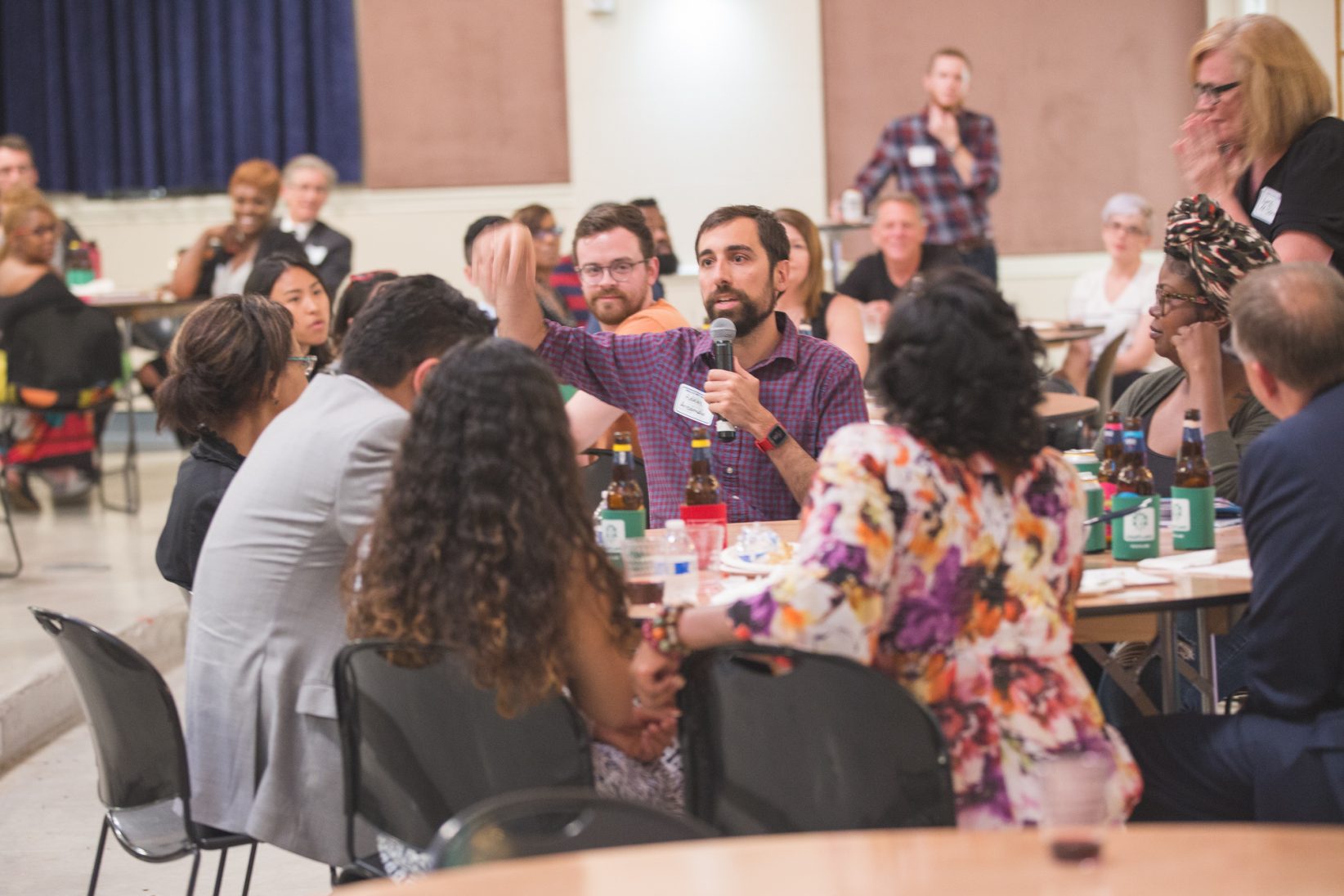
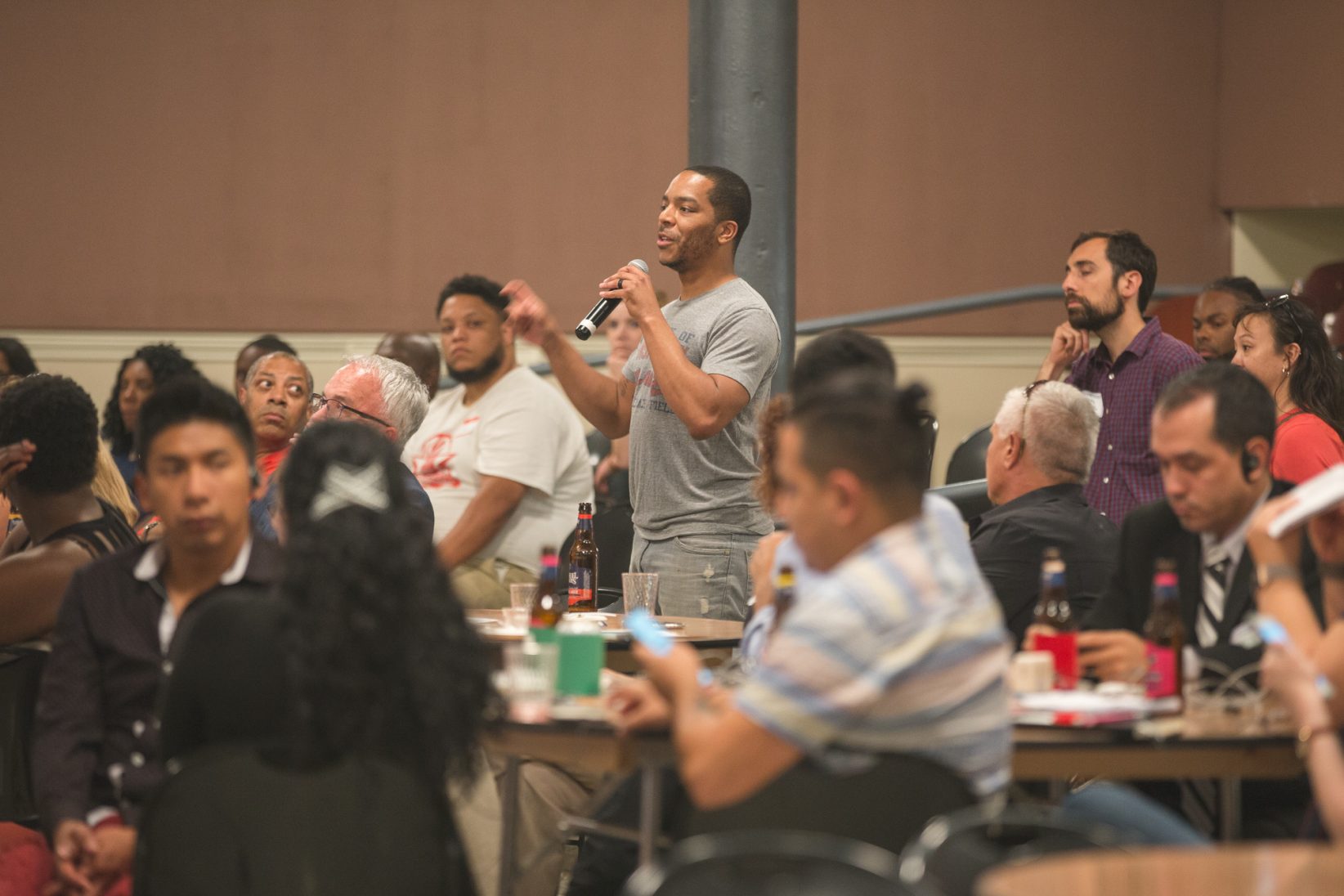
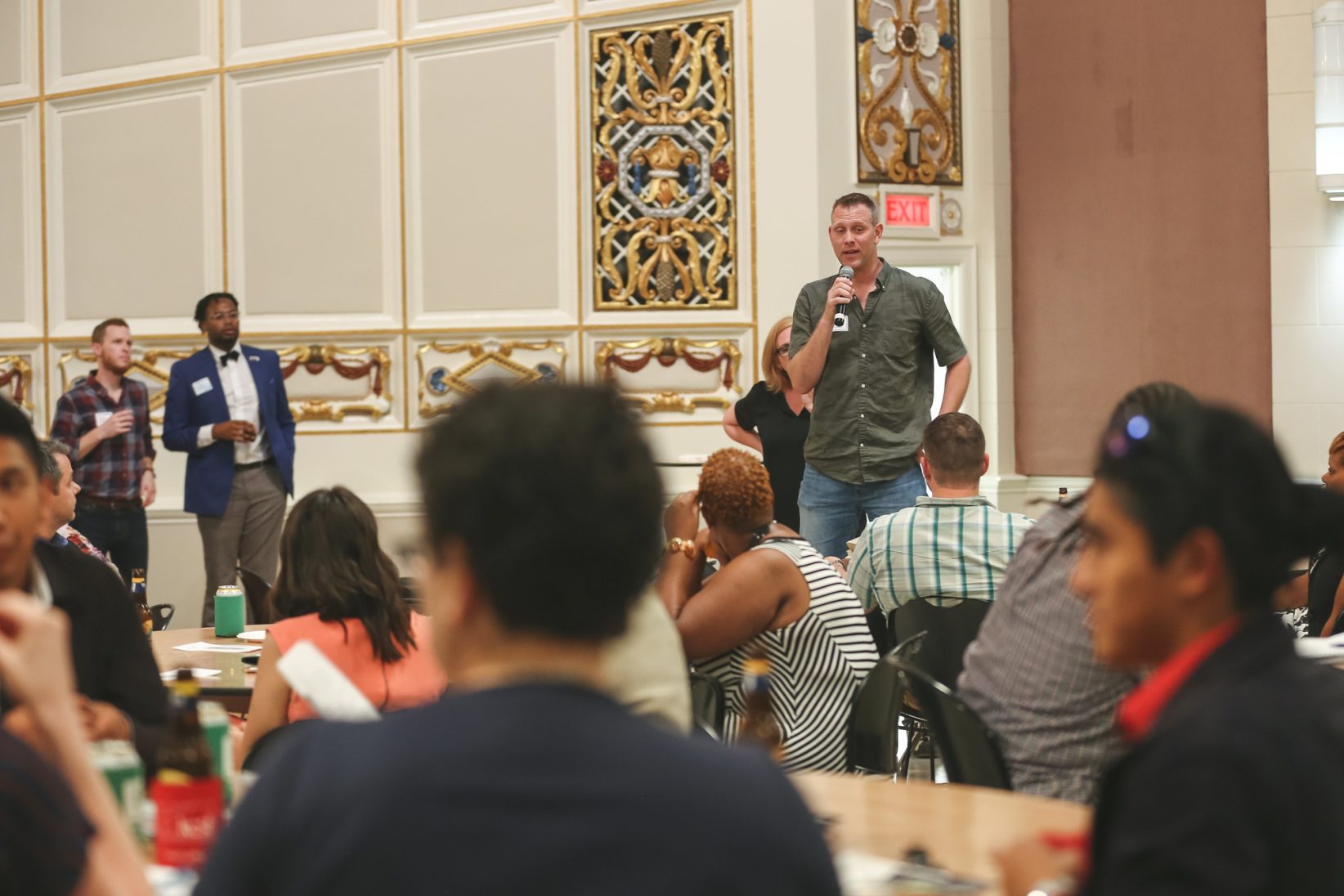
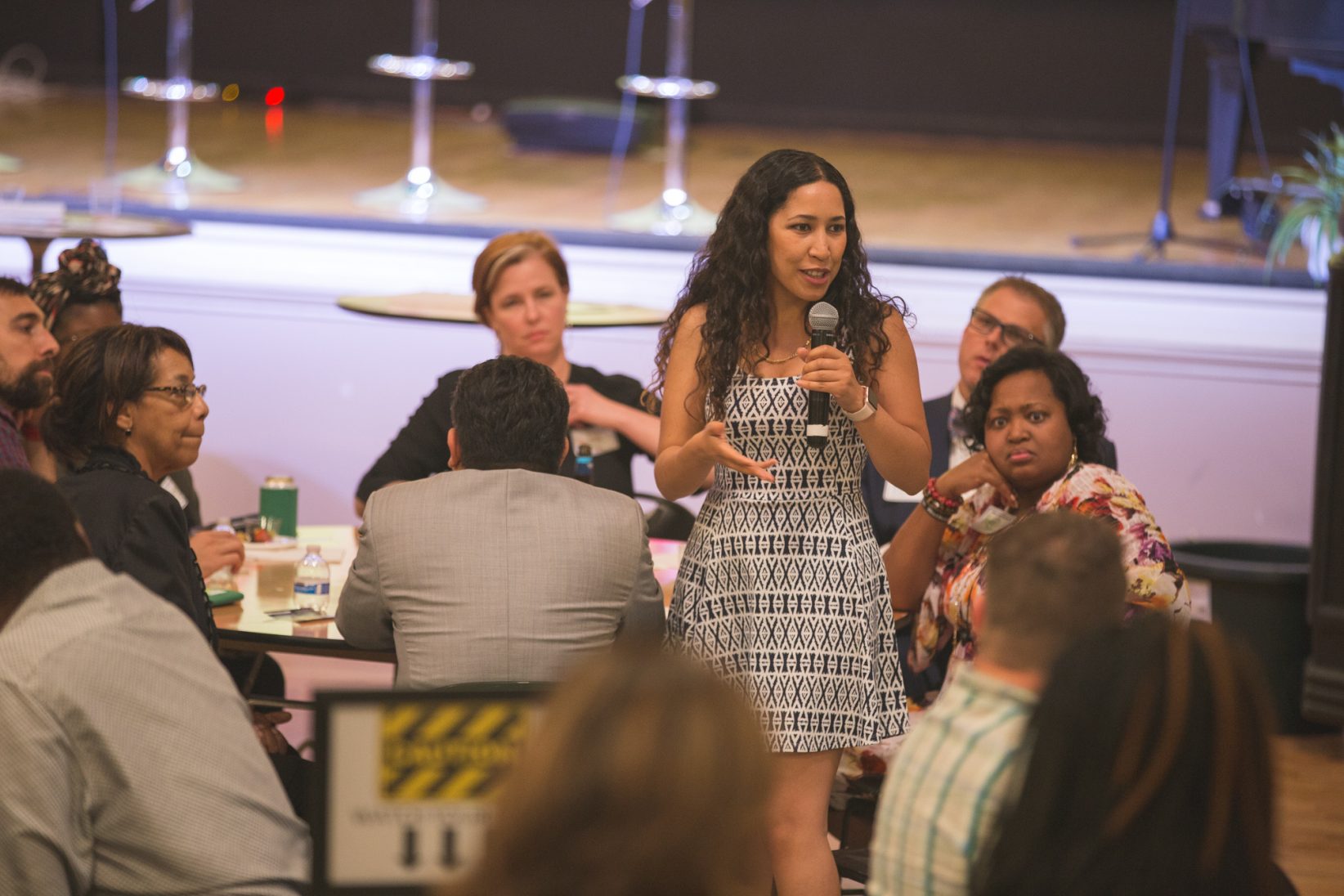
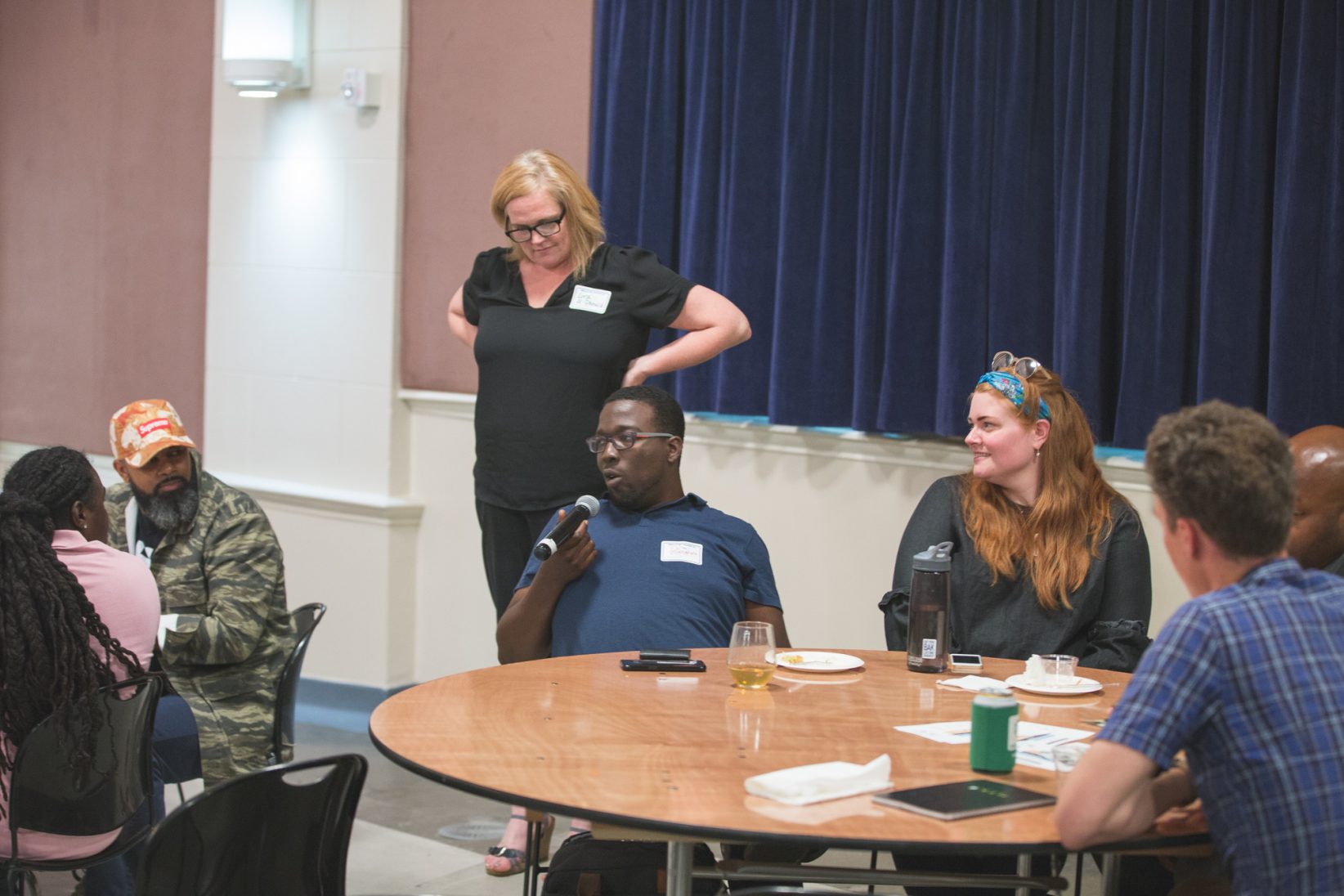
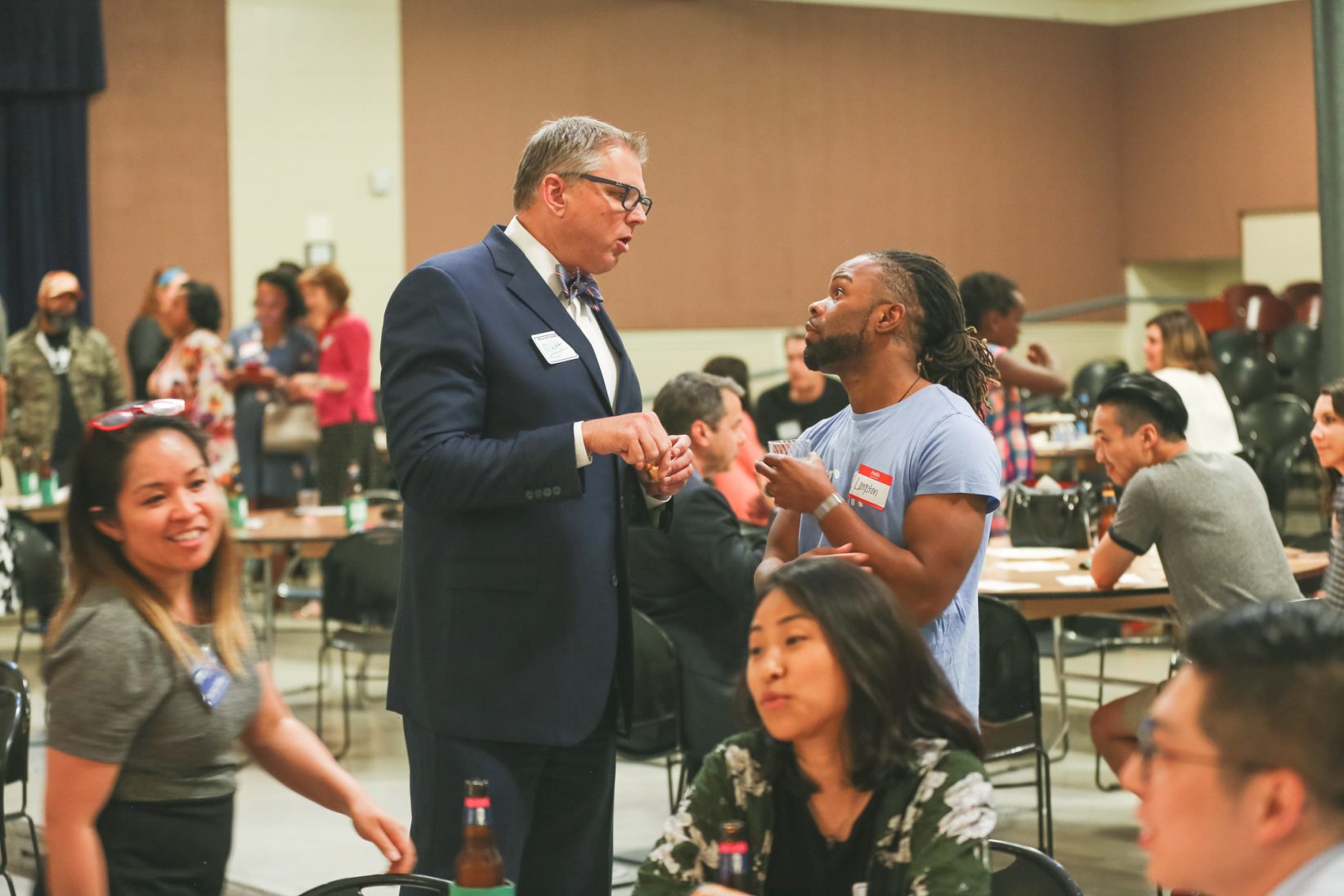
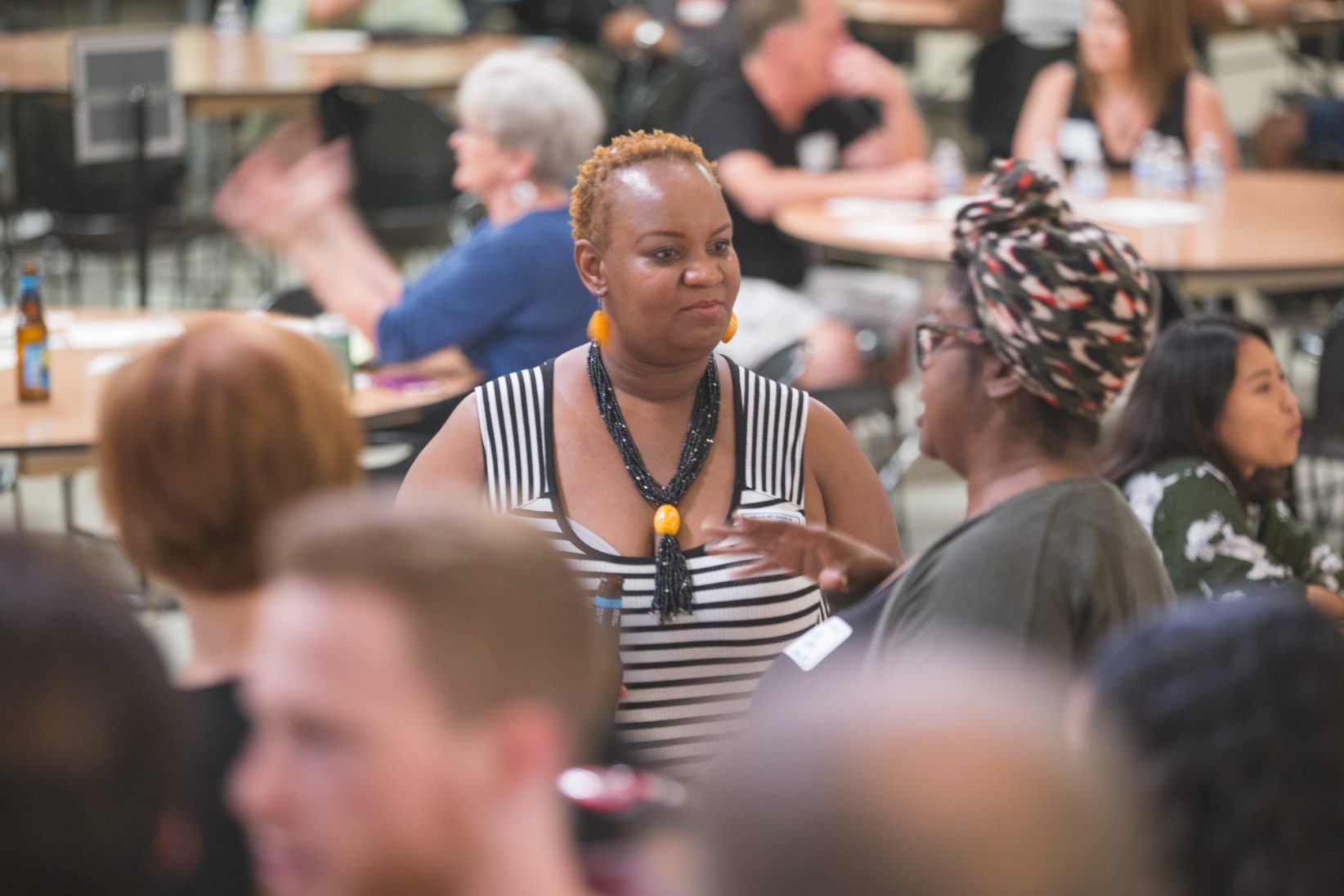
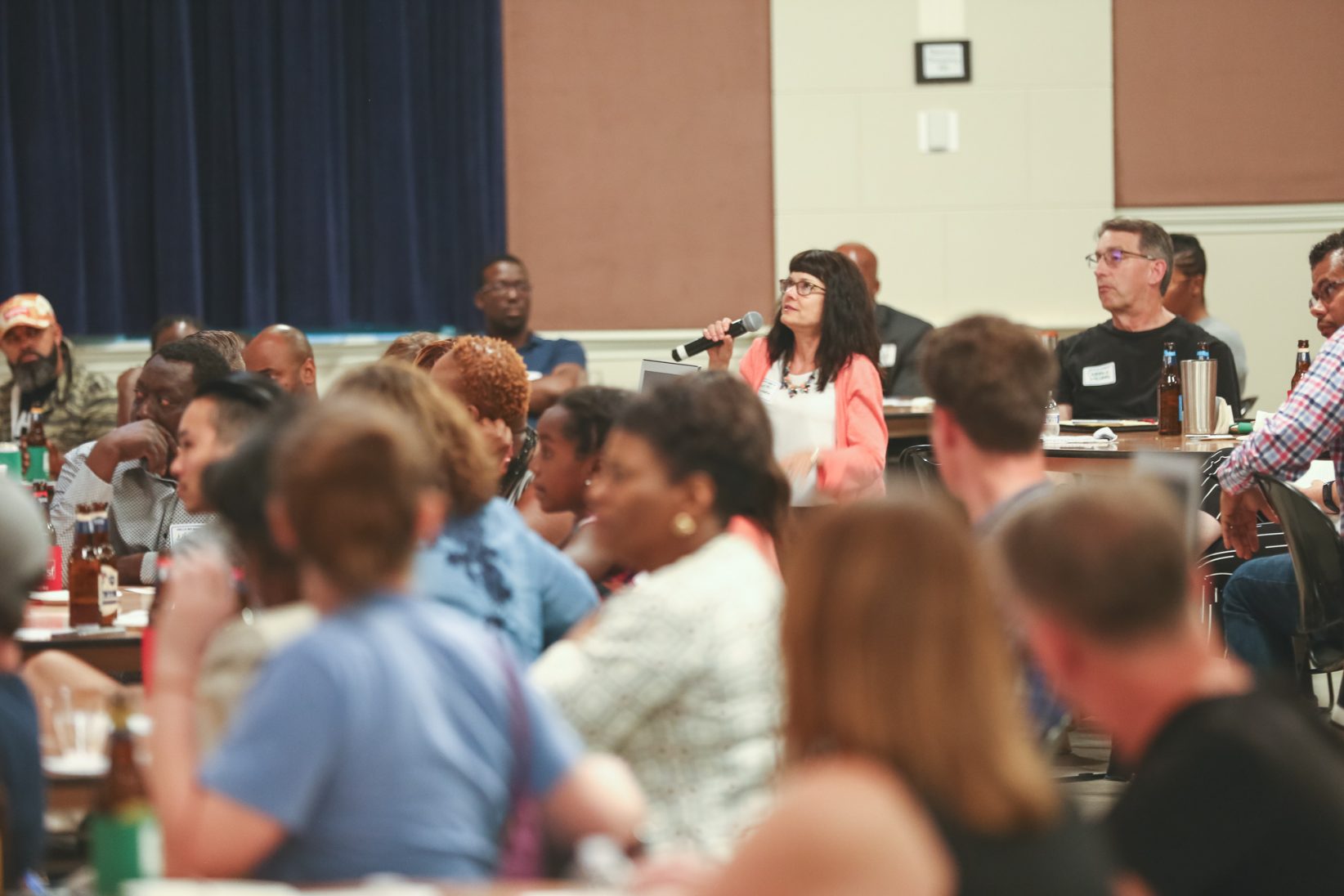
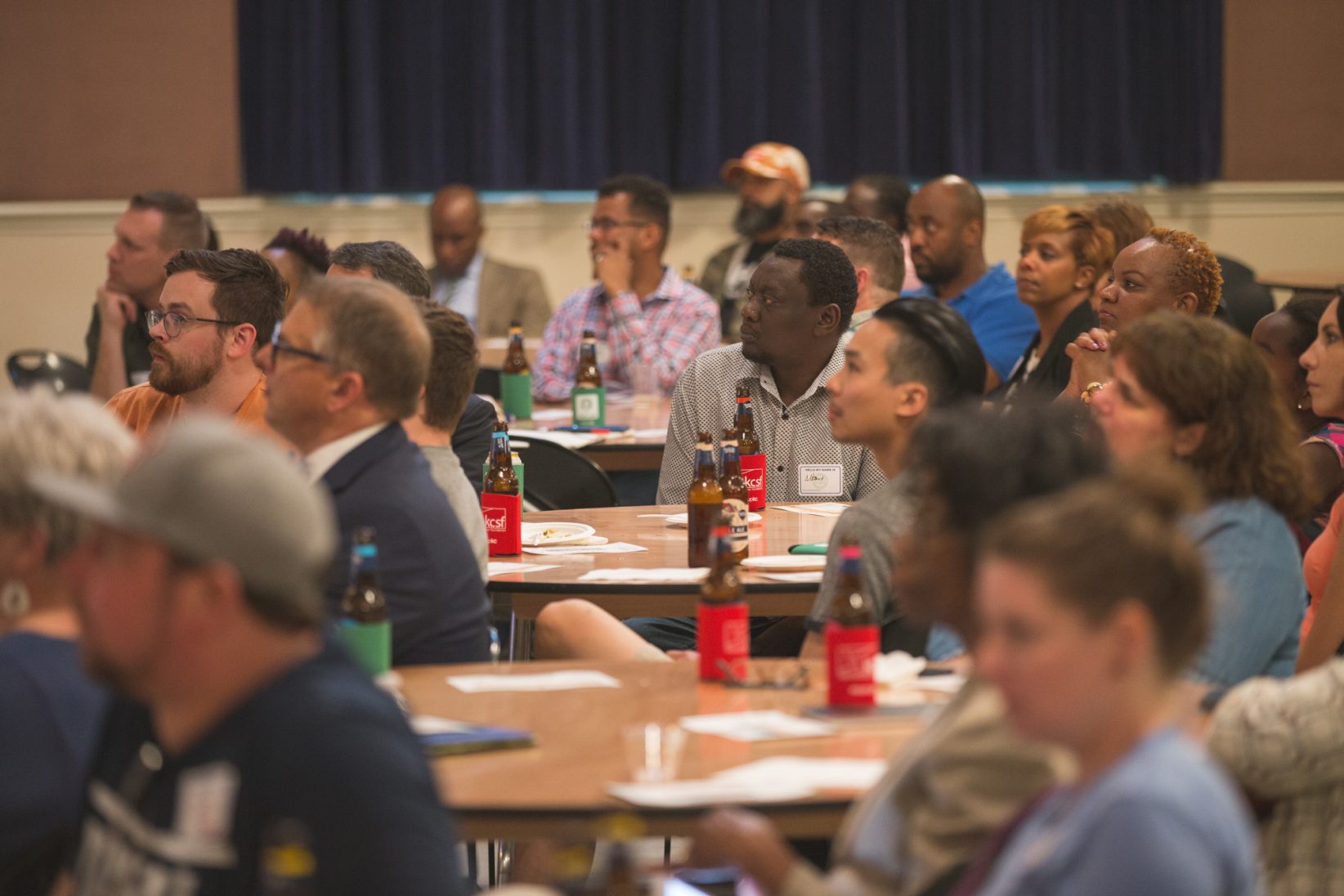
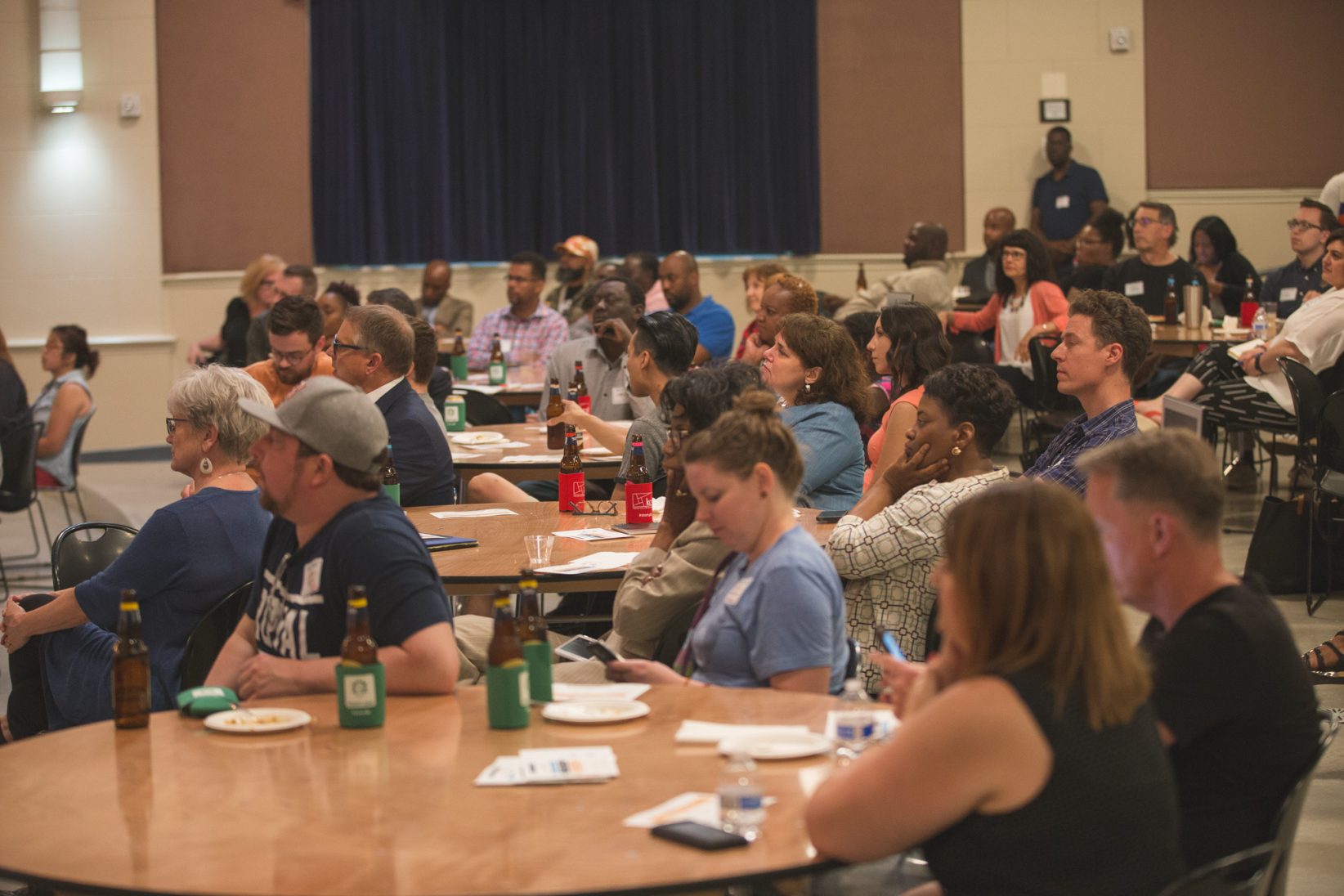
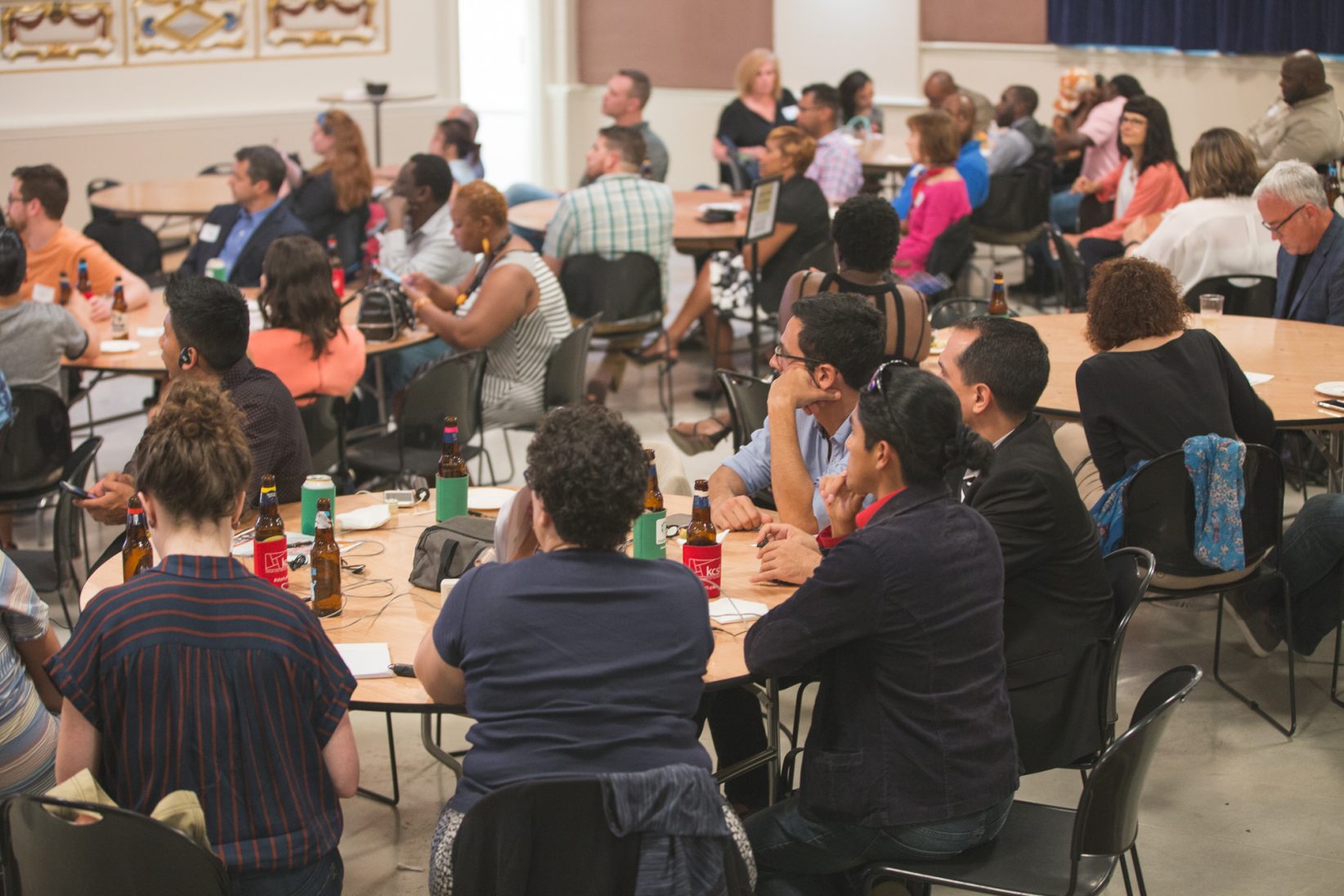
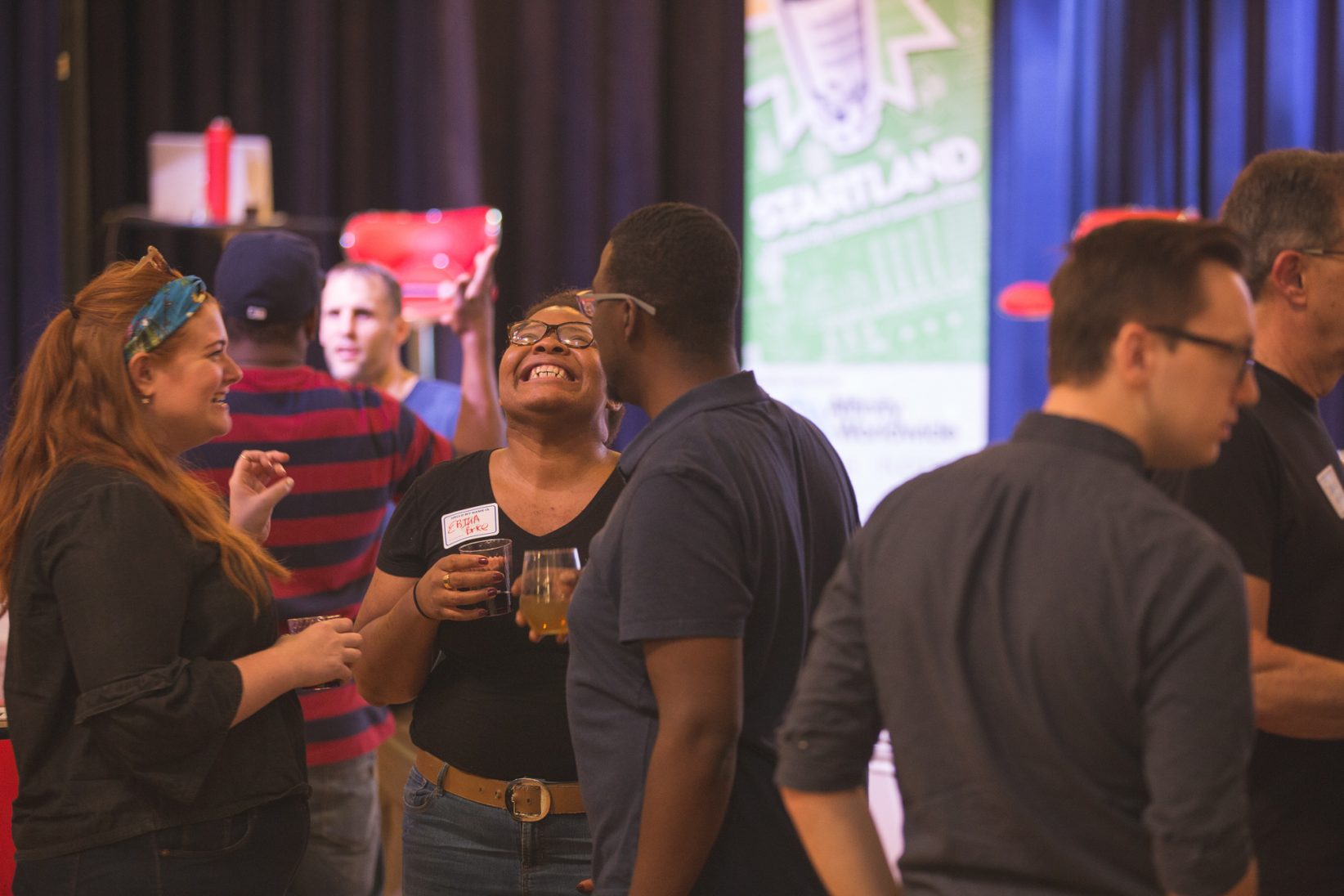
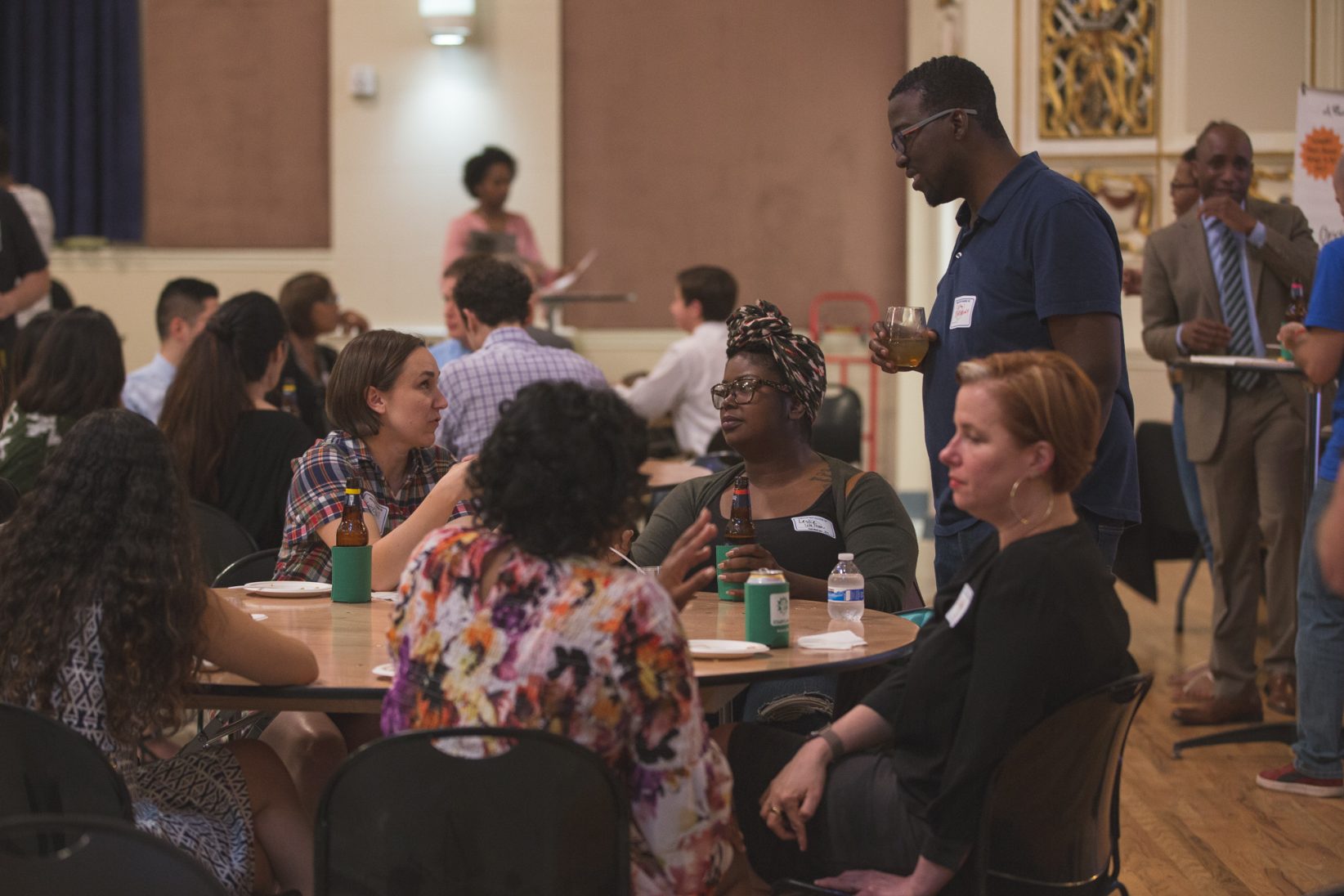
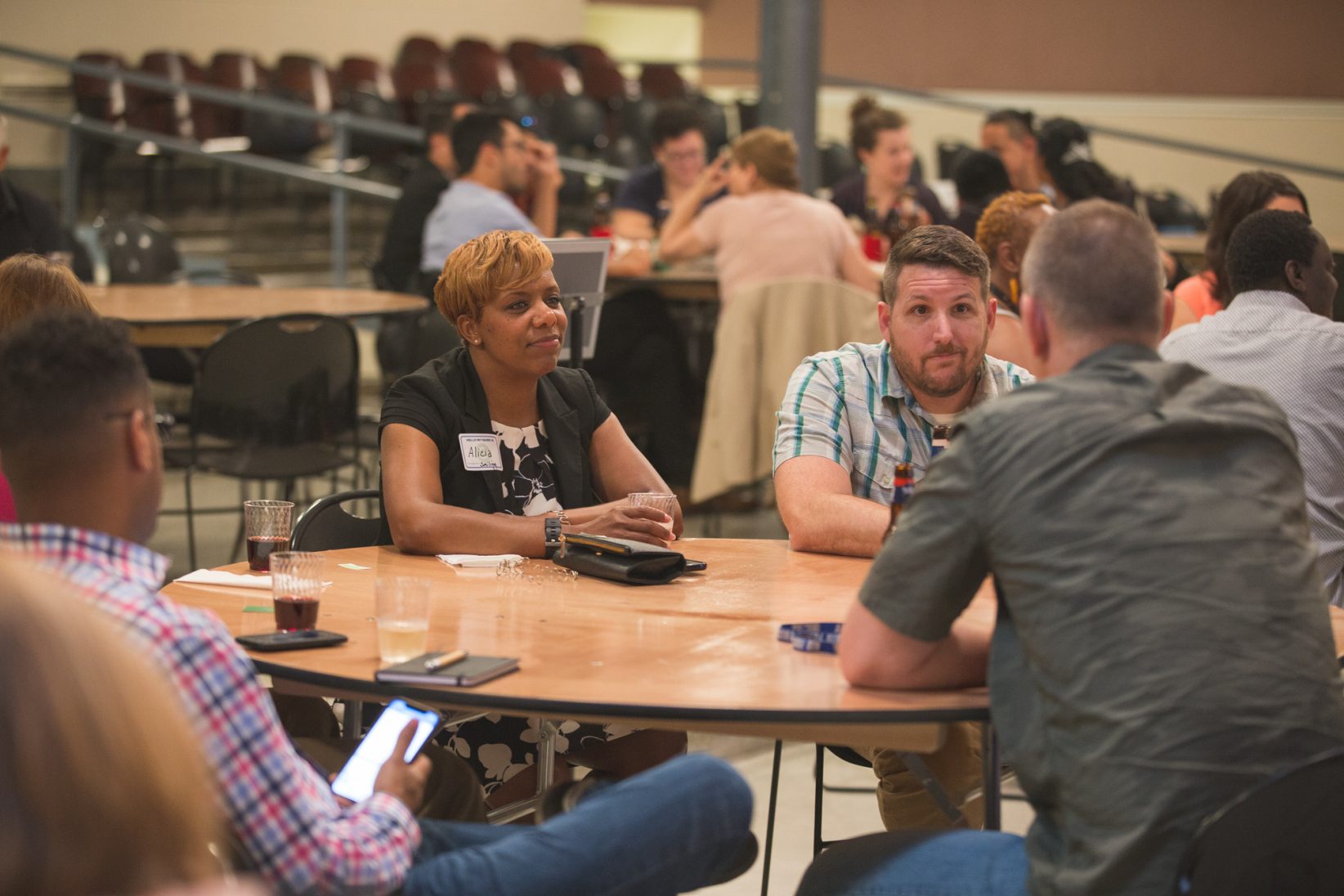
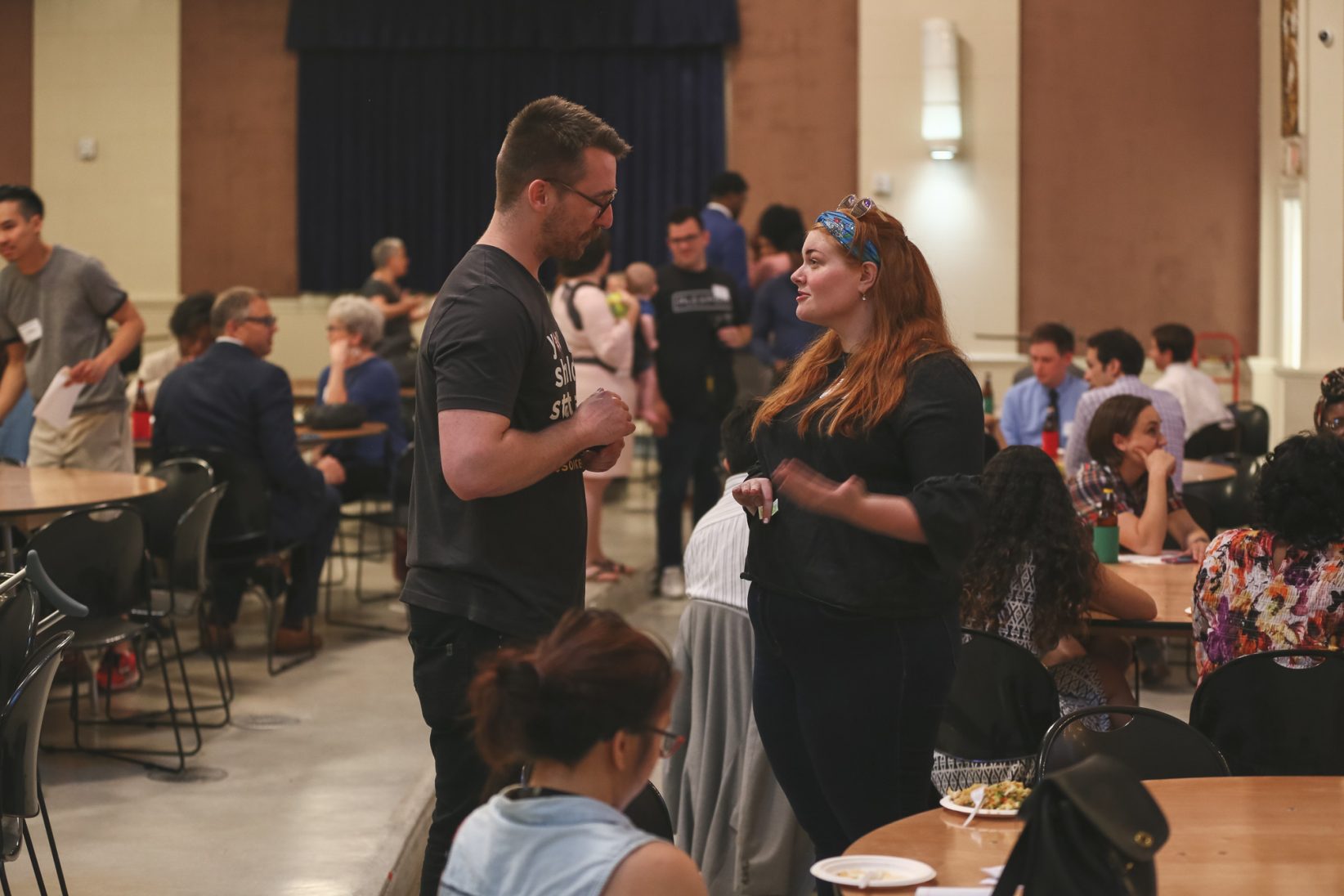
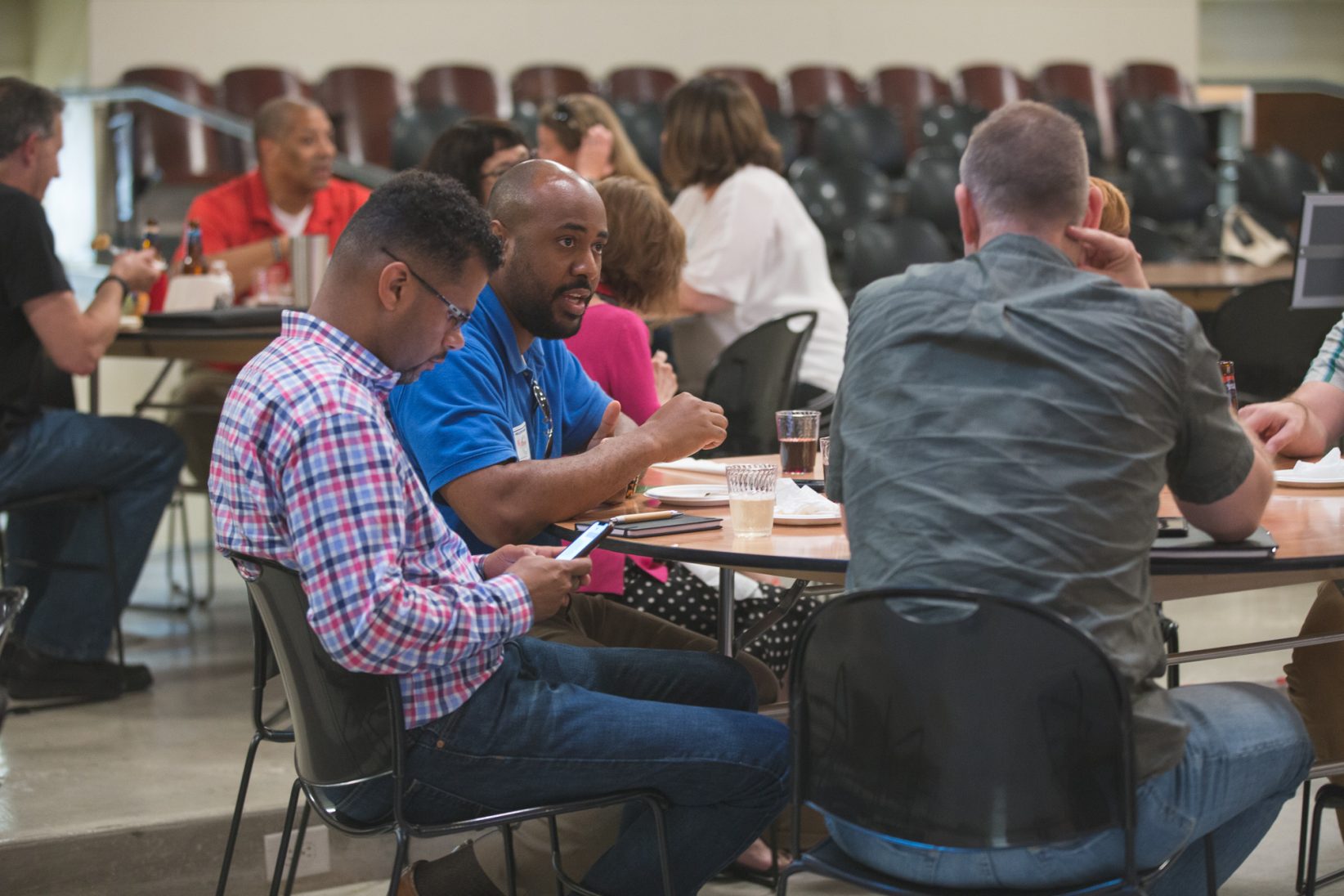
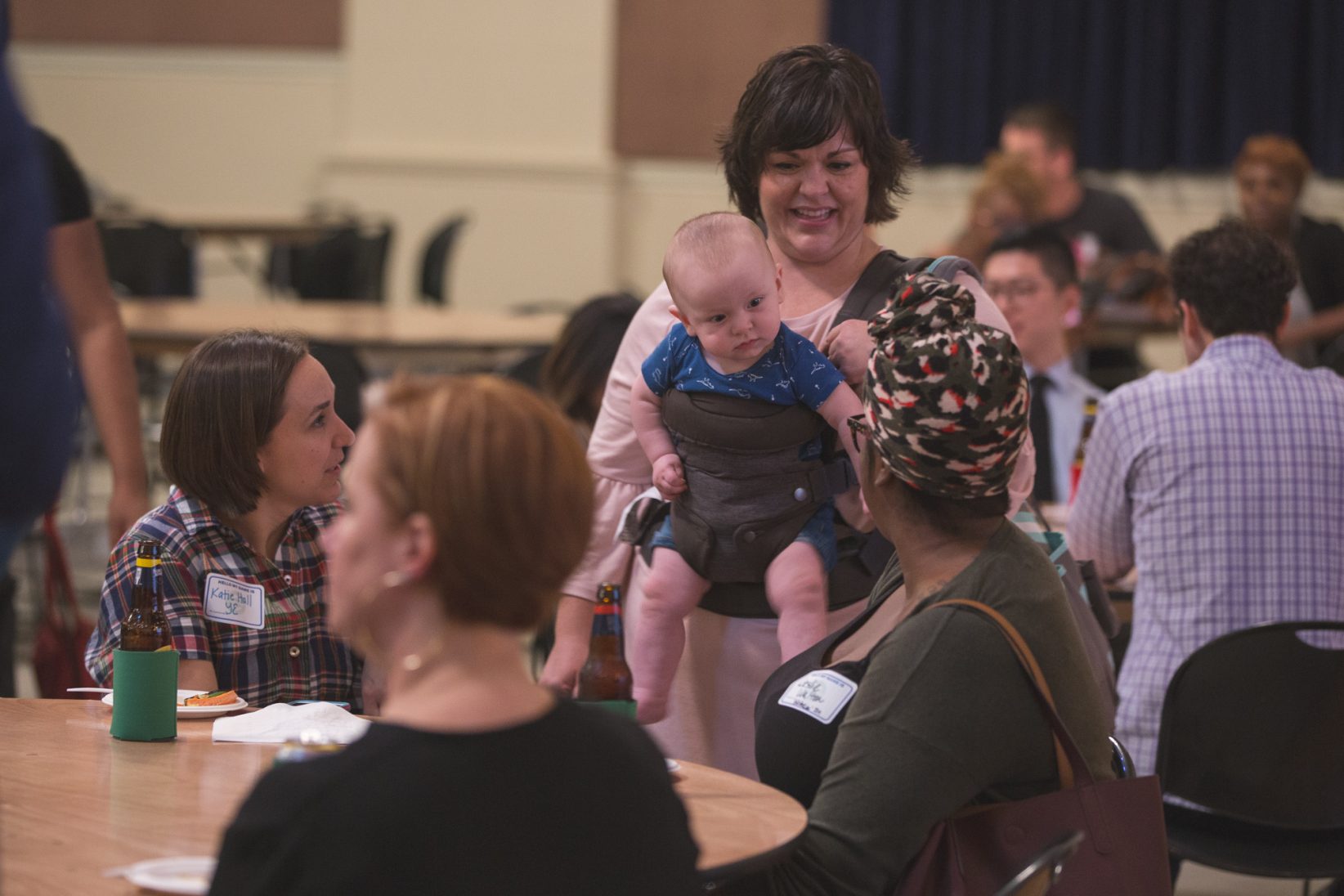
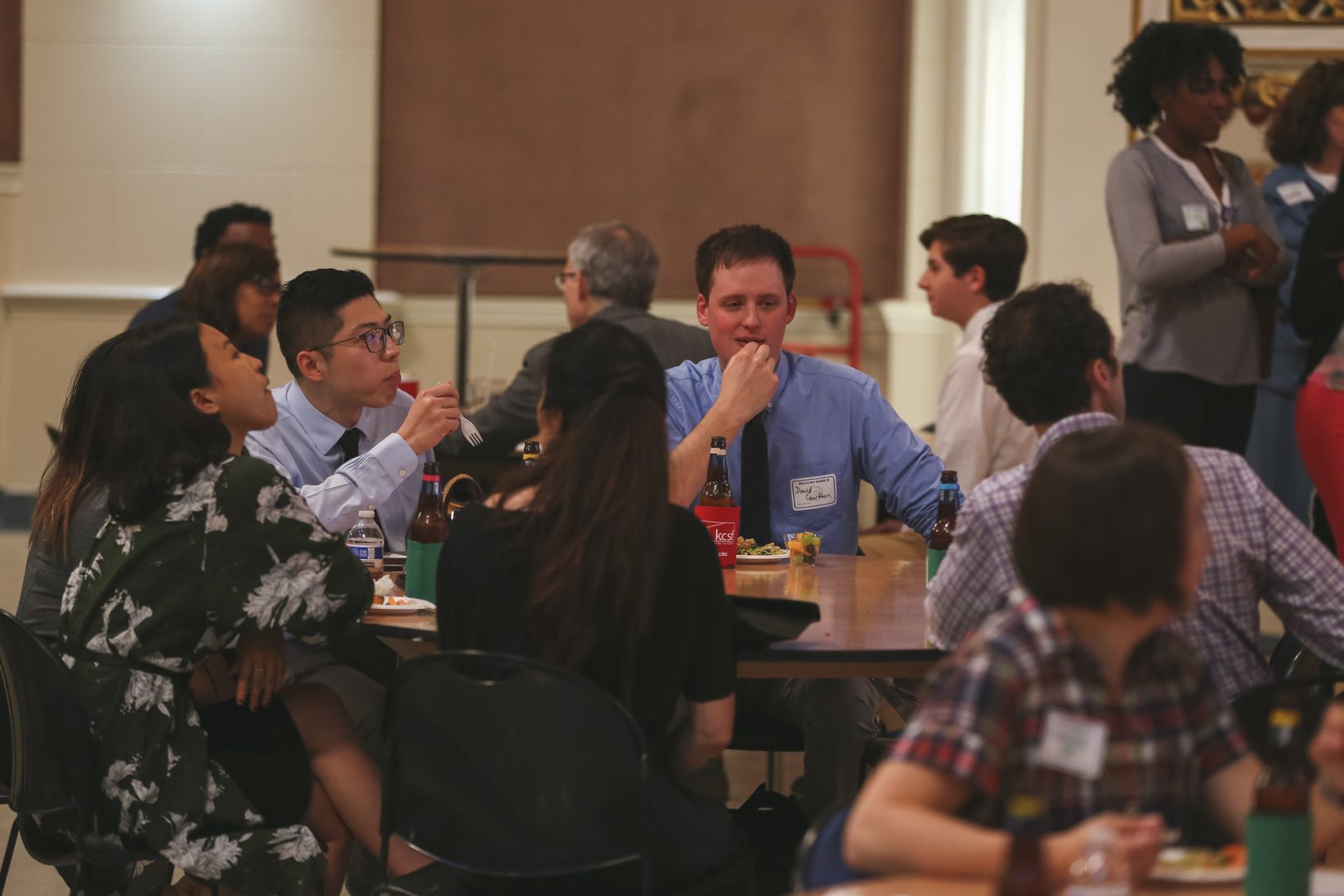
Discomfort appeared an easy task for white members of the audience, who found themselves in the minority when the conversation turned from the panel discussion to an interactive workshop.
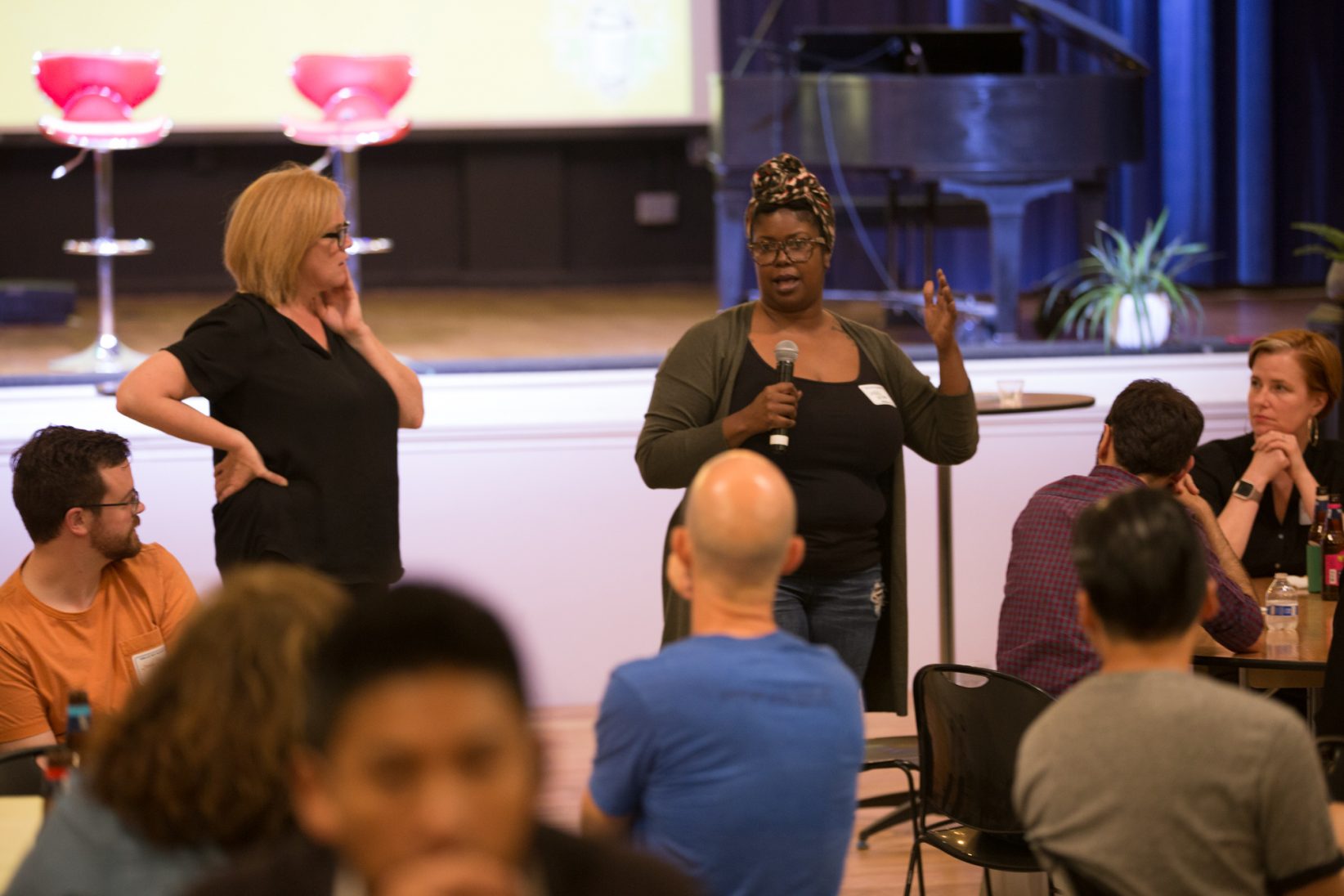
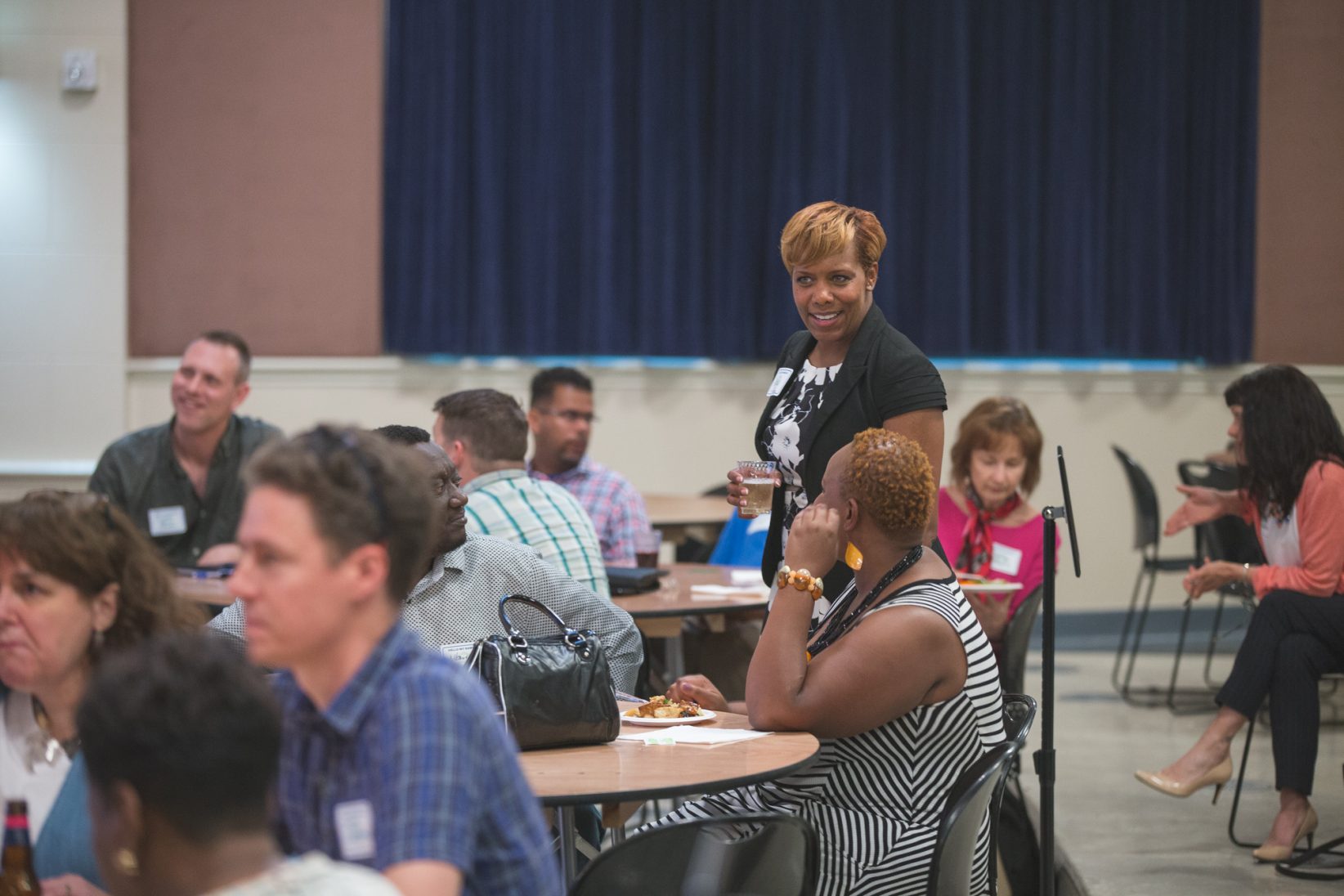
“Can we please make sure there’s at least one white person at each table?” McDonald, who facilitated the workshop, called out to the crowd.
But the issues discussed weren’t just about calling out white people on their privilege, panelists acknowledged earlier in the evening.
“All of our brains are wired for bias,” Wilson said. “Back in the caveman days, you didn’t have time to mull over, ‘Is this a vegetarian dinosaur coming toward me? Or is this a meat eater?’ You just knew you had to run like hell. That’s where bias starts, it’s those primitive brain mechanisms that drive your fight or flight mechanism that was really designed for self-preservation. So anything that was strange or unusual, we would know to get away from.”
“The problem now is that it’s tied to social stereotypes that drive our behavior,” she added. “If we don’t make our unconscious biases conscious, then it leaks out into our behavior in terms of how we interact with people, the way we make our decisions, in our business judgment and who we determine can be our partners. It has real-life implications.”
The good news?
People can take a step forward if they’re so willing, Wilson said. The Harvard Implicit Association Test is a good place to start, she noted.
“You will walk away knowing what your implicit biases are,” Wilson said. “And once you know what they are, then you can start doing something about it.”
Opening the door to such internal and external discussions about bias takes courage, said Segura.
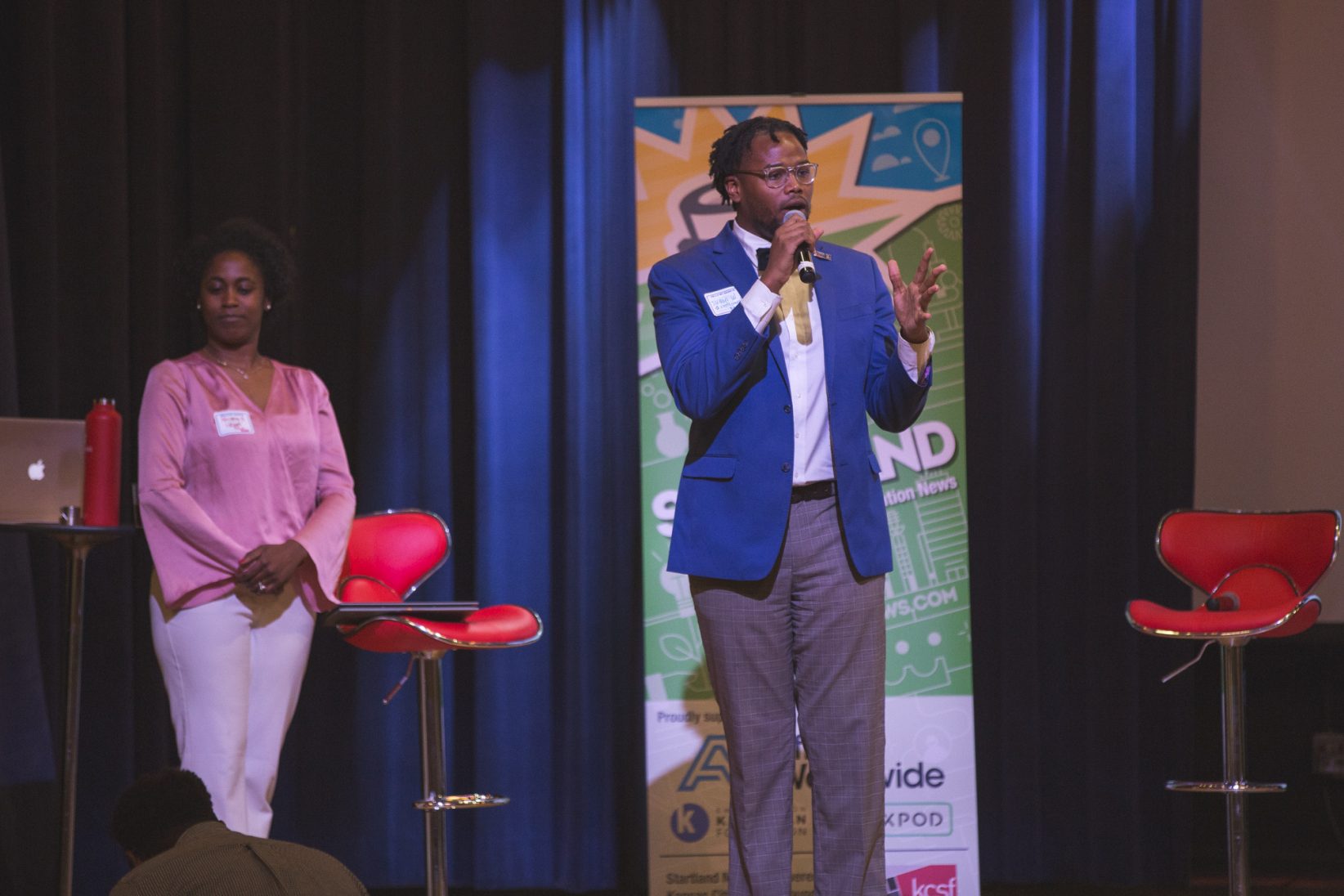
“Collaboration is currency,” he said, echoing other speakers from the night. “Let’s expand the conversation outside this room — spread the word!”
Featured Business

2018 Startups to Watch
stats here
Related Posts on Startland News
LISTEN: Ground Truth Ag puts real-time objectivity into grain grading; here’s how it makes your food safer
On this episode of our 12-part Plug and Play Topeka podcast series, we speak with Kyle Folk, CEO and founder of Ground Truth Ag — a next-gen ag-tech company using AI, machine vision and near-infrared spectroscopy to deliver real-time grain-quality data across the farm-to-market workflow. Folk shares how his upbringing on a Canadian farm inspired…
Peek inside: Buffalo State Pizza takes another slice of ownership with fresh-baked downtown OP relocation
Three decades of pizza at a popular downtown Overland Park corner might have come to a close this week, as the crew at Buffalo State Pizza Co. picked up the last of what they could carry and walked it a half block down the street to the shop’s new home near another local favorite, The…