
Hack Midwest is back with $20K in prizes, space for tech talent to flex app-building muscles
July 21, 2022 | Austin Barnes

More than prize money is on the line when Hack Midwest returns this weekend to Kansas City, Michael Gelphman said, detailing how the contest could ignite progress in the local tech ecosystem.
“We can get people to think entrepreneurially and create new ideas,” said Gelphman, the competition’s founder, noting the power and potential of the 24-hour app-building challenge, which is set for a tech talent-studded reboot Saturday morning at the Lightwell building.
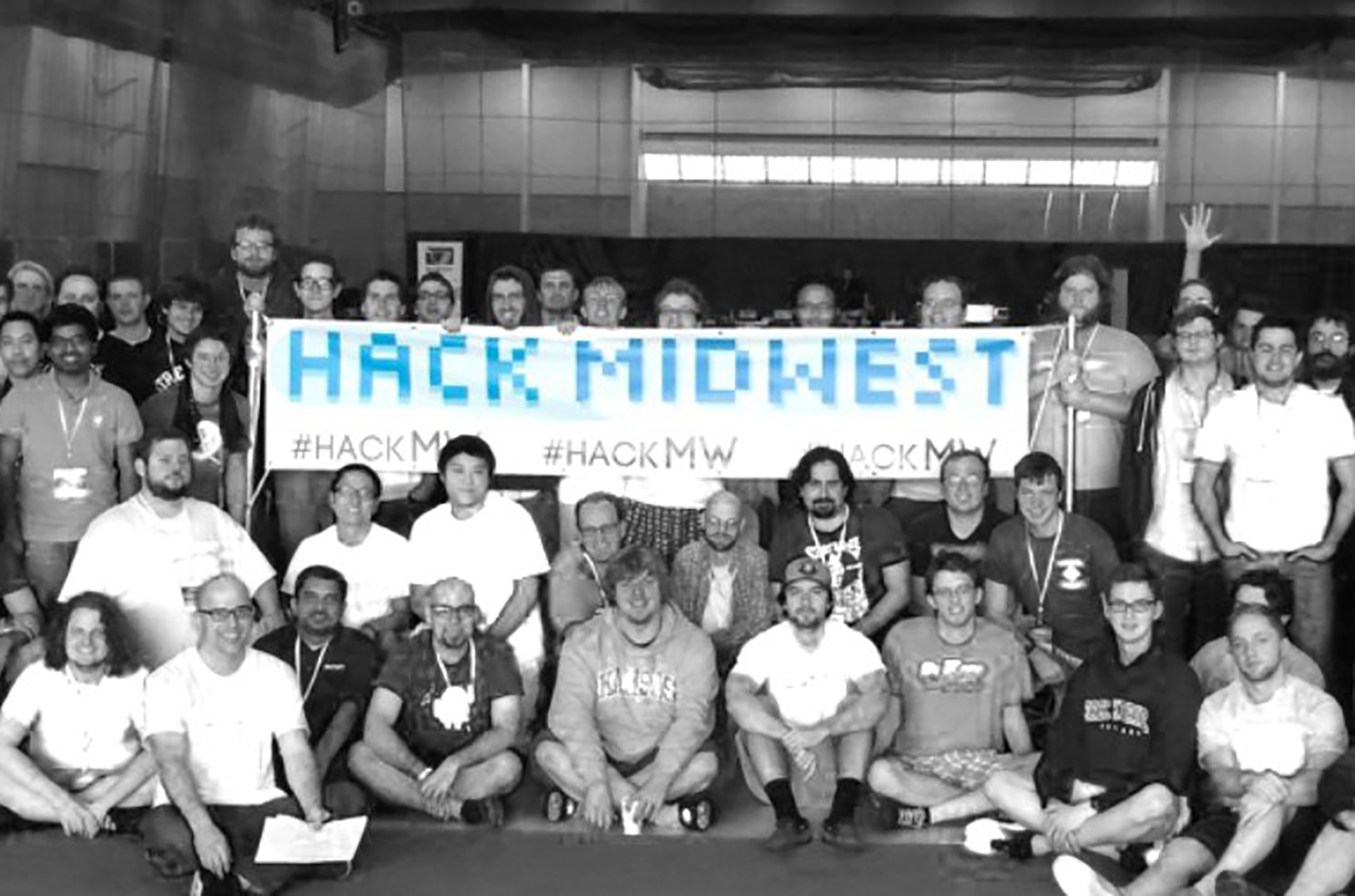
Hack Midwest
Presented in partnership with Trevi Pay, Hack Midwest is expected to put more than 250 developers to the creative and technological test — and more than $20,000 in prizes on the line.
Click here to learn more about joining Hack Midwest’s app-building competition.
“It’s really an opportunity to learn and grow as a software engineer and to see what you are capable of building — working along with other people and all the magical things that can happen as a result,” Gelphman said.
“That’s really the best part about it. Sometimes people have ideas and because of the contributions of the other people that they’re working with, they come up with something truly unique.”
Among such people is Ben Barreth, a Kansas City founder and developer whose contributions to the local tech ecosystem are unmatched, Gelphman said.
Hack Midwest inspired Barreth in 2012 to launch Home for Hackers — formerly a KCK-based space which rented room to developers in the first house in the world to obtain Google Fiber, he said.
“Ben sort of spurred the Kansas City Startup Village,” Gelphman added, referencing the now-defunct startup effort that saw organizers Matthew Marcus, Adam Arredondo, and Barreth work together to bring more homes online by leveraging access to Google Fiber to create a meca for tech-focused entrepreneurs.
“That might not have happened if he hadn’t attended Hack Midwest.”
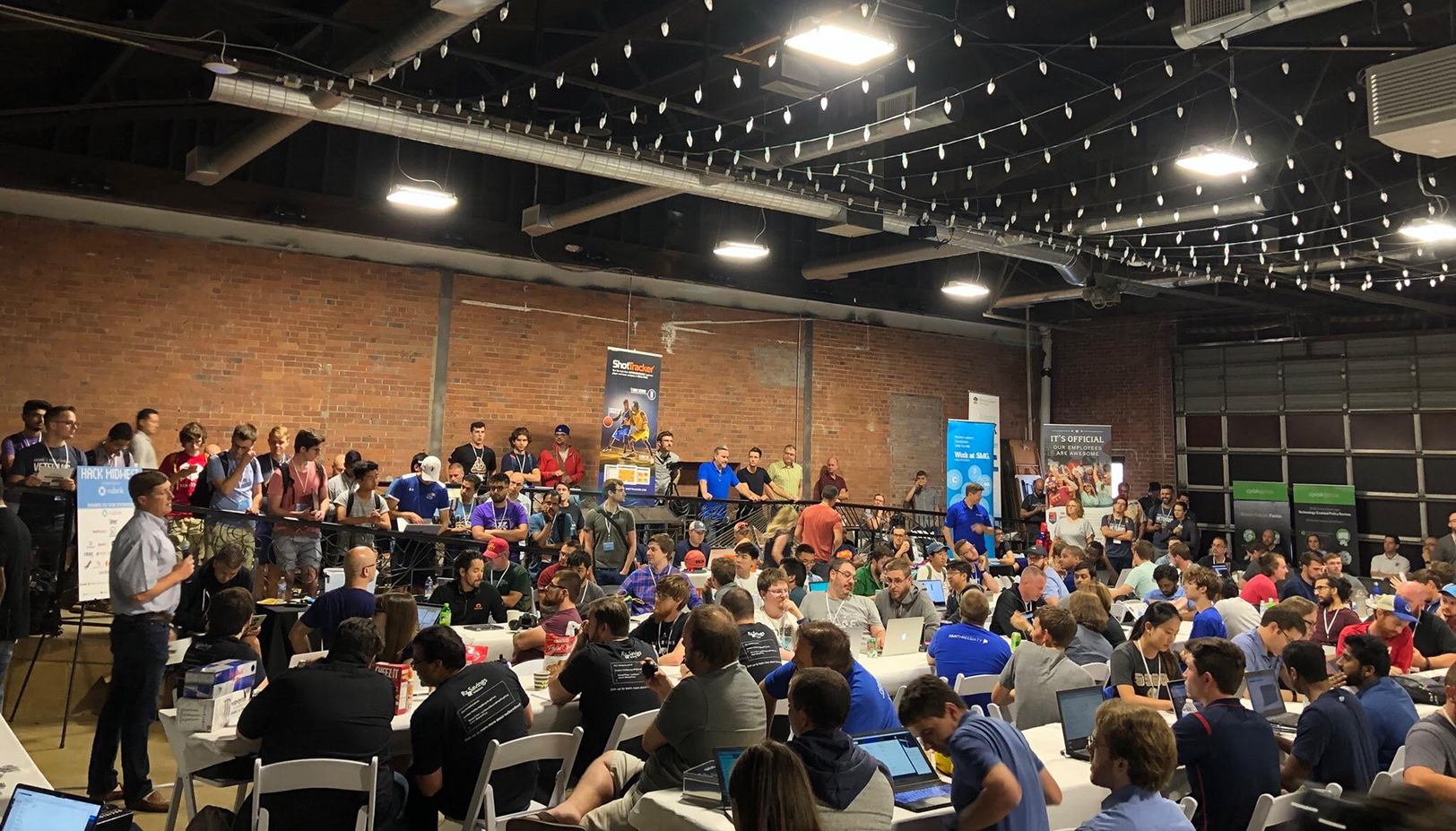
Hack Midwest 2018 at iWerx; photo courtesy of Michael Gelphman, Hack Midwest
Barreth agreed in a note to supporters of Hack Midwest, which was shared with Startland News by Gelphman.
“It sounded a little scary to show something after having only 24 hours to work on it, but I signed up anyway,” Barreth recalled through his testimonial.
“I saw how startups could spring out of nothing and it was actually possible to build something quickly that was really cool and have it take off like wildfire. But when it came time to show everyone what we built after 24 hours of code, nothing from our demo was working.”
Following a “complete disaster” of a presentation, Barreth said, the experience immediately saw him question his entire career.
“Perhaps I wasn’t made out for programming after all. Perhaps all these people that built all these cool things were in an elite league of ninja programmers that I would never be part of.”
The next day, clarity and motivation set in and quickly recoded such a narrative, he continued.
“Because of one 24-hour event, I generated a list of ideas that just kept growing. Once you start exercising that little idea muscle in your brain, it sort of gets infected and contagious and you can’t stop,” Barreth said.
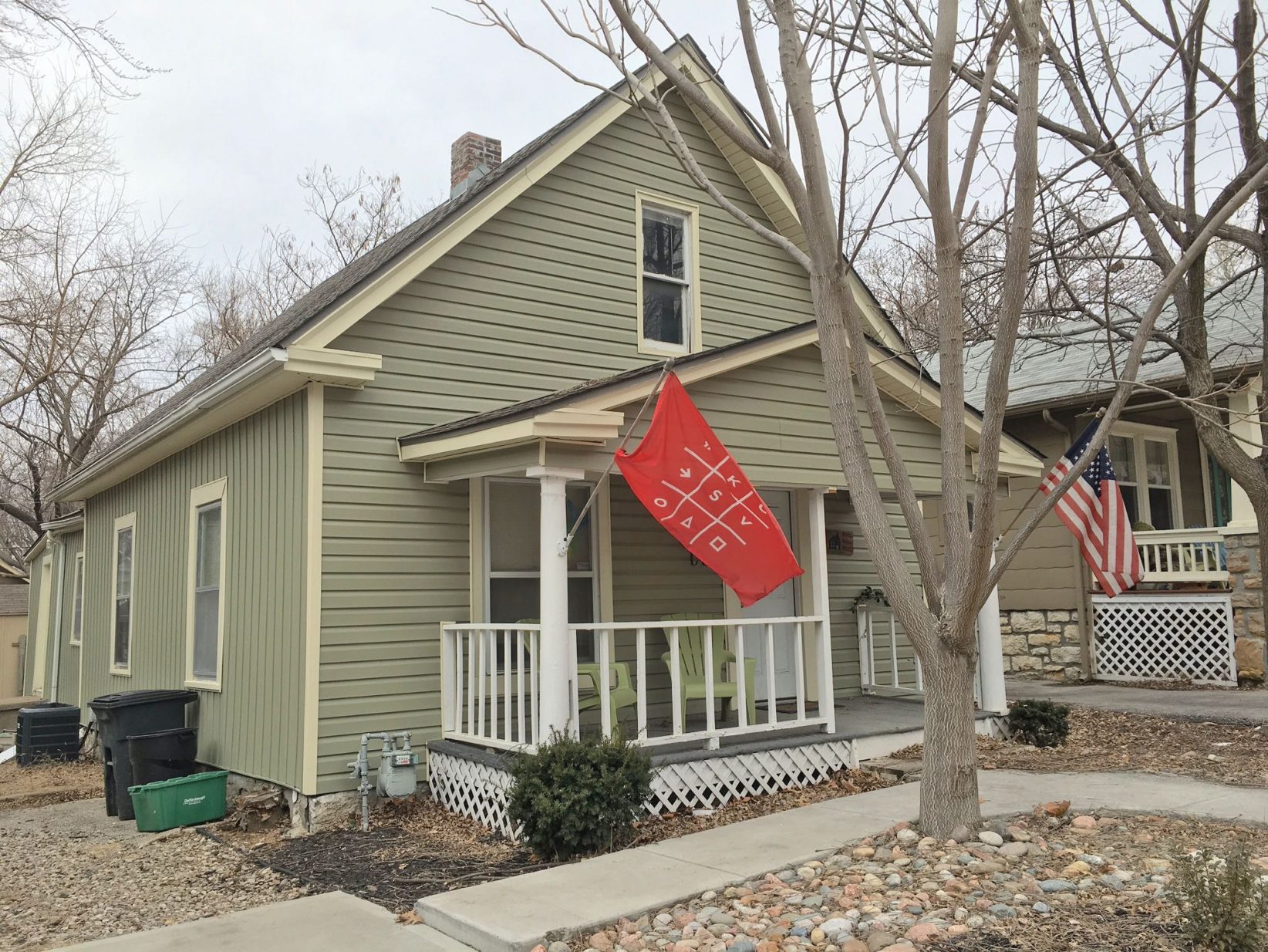
Former Homes for Hackers, near 44th and State Line Road
When a group of entrepreneurs visited Kansas City amid a U.S. tour a month later, Barreth and his wife allowed them to stay at their house — a decision that enabled and empowered the developer to share more than 173 of his ideas with the group.
“They encouraged me to share those ideas with others. The next day I wrote a blog post about a new kind of idea I wanted to tell the world about,” he continued.
“It was simple, really: having these entrepreneurs stay with us was really inspiring … maybe others would have a similar experience. Maybe other people in Kansas City would be crazy enough to let a startup live with them for as long as a couple of months. Maybe we could find homeowners that would be getting Google Fiber and make it really attractive so that startups would actually go out of their way to come visit Kansas City.”
“Homes for Hackers was born. … or at least the idea of it was.”
With support from the Ewing Marion Kauffman Foundation, Home for Hackers was fully functional some two months later.
Barreth offered his story to emphasize the importance of creating space for tech talent (or that from any other industry) to stretch their muscles and collaborate with their peers, Gelphman reiterated, hopeful to encourage as many developers and tech champions as possible to support or get involved in Hack Midwest — especially as it returns to the region after a four-year hiatus, due in large part to the COVID-19 pandemic.
“Some people might work in an environment where they don’t know if they can build something within 24 hours. I think it helps create a shift in their understanding of their own capabilities as human beings,” Gelphman said, adding that for people like Barreth, who also worked in corporate tech, the event can highlight for the importance of staying nimble, creative, and always eager to take chances within their career.
“What the event itself did for him is the exact outcome that I hope for [everyone] — it shifted the way that he thought. … At the base level, that’s what Hack Midwest is about. It’s giving people the ability to create new things without constraints.”
Featured Business

2022 Startups to Watch
stats here
Related Posts on Startland News
Founder of defunct Symptomly shares lessons from failure
Failure is a touchy subject. But for Derek Bereit — the former CEO and co-founder of mobile asthma tracking company Symptomly — his company’s failure was an opportunity shrouded in a difficult situation. Rather than sulking, Bereit sat down with Startland News to discuss Symptomly’s demise, the lessons it provided him and the possibilities that…
Founders discuss tough decisions entrepreneurs face
Two founders took the stage at Kansas City’s chapter of 1 Million Cups to discuss the vast variety of tough decisions entrepreneurs face when starting and running a business. Stuart Ludlow, co-founder of RFP 365 and Sarah Shipley, co-founder of BikeWalkKC, offered insights and advice for those launching a business. Read about RFP365’s recent funding…
Lenexa studio joins national coworking relief effort for Nepal
Despite the nearly 8,000 miles between them, a Kansas City-area coworking studio is helping with relief efforts in Nepal after a 7.8 magnitude earthquake destroyed hundreds of buildings and claimed thousands of lives. Lenexa-based Plexpod has joined the international “Coworking for Nepal” movement that has attracted dozens of studios to encourage fundraising for Nepal relief…