
Executing a valuation cap SAFE: Why you should think about the employee equity pool
November 18, 2024 | Gabriel Riekhof

Editor’s note: The opinions expressed in this commentary are the author’s alone. Gabriel Riekhof is an attorney at Husch Blackwell, a leading law firm that provides unparalleled service and industry-specific solutions to clients nationwide.
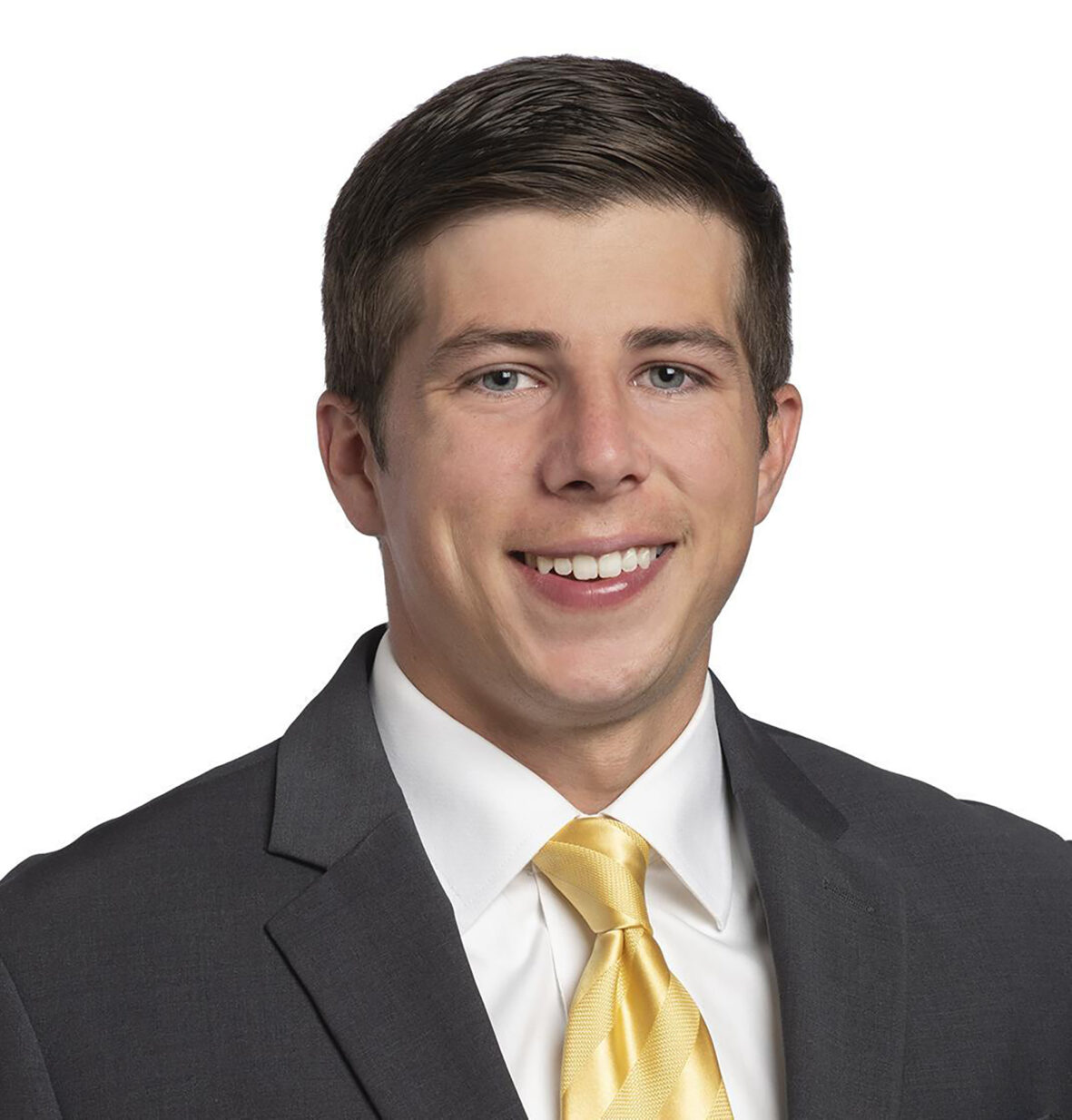
Gabriel Riekhof, Husch Blackwell
Earlier this year, I wrote about SAFEs (Simple Agreements for Future Equity), focusing on the importance of the defined term “Company Capitalization.” That piece explained that small adjustments to certain variables can significantly affect the number of shares issued at the SAFE’s conversion, making it essential for founders and investors to carefully negotiate those terms.
Today, let’s build on those fundamentals and aims to help founders and investors understand how the size of a company’s option pool prior to the signing of the SAFE will impact the cap table following the conversion of the SAFE. After reading, investors will better understand how they can maximize their investment in a company, and, conversely, founders will better understand how they can prevent unnecessary dilution.
[divide]
Preliminary Matters
What is “Company Capitalization” in a SAFE?
Company Capitalization serves as a proxy for the fully-diluted capitalization of the Company, as measured at the applicable conversion event. As Company Capitalization increases, so does the number of shares an investor will receive, and so does the dilution the founders will suffer.
What is an equity pool?
An equity pool is equity set aside or “reserved” for future grants to employees, advisors, or consultants. The goal is to issue these reserved shares at a later date as incentives to attract and retain talent. Equity pools are also known as option pools since many startups exclusively award stock options from the pool (as opposed to restricted stock awards, restricted stock units, etc.).
What does “fully-diluted basis” mean?
It is important to understand that “reserving” shares in the equity pool does not mean actually issuing those shares. Fully diluted means the total number of shares that would be outstanding if all potential equity, such as all shares reserved in the equity pool, were issued, fully-vested, and, in the case of options, exercised. It provides a snapshot of the maximum possible dilution for existing shareholders if all contingent events were triggered. As a simple example, if a founder holds the one and only share issued by a company, but there is one share reserved for future issuance in an equity pool, then we would say the founder owns 100% of the company today, but 50% on a fully-diluted basis.
Why do investors care about the size of a company’s equity pool in a typical preferred stock financing round?
Investors care about the size of the equity pool because investors want the company to issue equity to attract and retain key talent, but they don’t want to be diluted by those issuances. To prevent this type of dilution, investors often require companies to “reserve” an option pool (for example, shares totaling 10% of the company’s equity) before shares are issued to the investor. As a result, founders are diluted (on a fully diluted basis) by both (i) the equity pool reservation and then (ii) the subsequent stock issuance to investors.
Does the size of the equity pool typically get discussed in a SAFE round?
If there is an institutional investor involved, the size of the equity pool may be discussed, but rarely do investors require a certain equity pool at this stage of the company’s life cycle. If no institutional investor is involved, the equity pool may not be discussed at all.
This choice is a mistake and is the subject of the remainder of this piece.
[divide]
Primary Matters
The equity pool should be discussed in connection with a SAFE financing because the standard definition of Company Capitalization includes shares in the equity pool whether those shares have been awarded or not. In other words, SAFE investors are automatically protected against dilution by all shares in the equity pool that are reserved at the time of conversion. As the unissued equity pool increases, the number of shares the SAFE holders receive also increases, and so too does the amount of dilution suffered by the founders.
One question may be, “if preferred investors get protected from dilution caused by shares reserved in the equity pool, why shouldn’t SAFE investors?” The answer comes down to timing. In a preferred financing, the founders are making a choice to accept funding in exchange for a specified percentage of dilution that will be reserved in the option pool; a percentage typically dictated to them, in advance, by the preferred investors.
The standard SAFE also allows the founders to choose how much they will be diluted by the equity pool, but unlike in a preferred financing, the company will get nothing additional in return regardless of that answer; the SAFE investors made their investments long ago and those investment amounts will not change.
From the founder’s perspective:
First and foremost, founders should negotiate the terms of the company’s SAFE so that unissued shares in the equity pool do not factor into Company Capitalization.
Even if a standard SAFE is executed, the good news is that investors have no right to dictate the size of the pool. So, if a founder will be diluted less if there are fewer shares reserved in an option pool at conversion, why would founders reserve any shares in the option pool beyond what they actually plan to issue on a short-term basis? Why would they reserve a potentially over-abundant number of shares in the equity pool and risk suffering unnecessary dilution resulting from the conversion of outstanding SAFEs? Instead, why not incrementally increase the option pool purely on an as-needed basis? This allows the company to continue to attract talent (a win for founder), but it doesn’t come with any risk of extra dilution (a win for founder).
From the SAFE investor’s perspective:
If an investor is investing using a standard-form SAFE and the terms grant dilution protection against shares reserved in the equity pool, why not encourage (require?) the company to maintain a certain (large) sized option pool? If required, the company will either use those shares to attract talent to grow the company (a win for investor) or your SAFE converts as if those shares had been issued anyway (a win for investor).
[divide]
(i) Excluding any increase to the pool that was in connection with the financing, per standard SAFE language.
(ii) Alternatively, and ethical consideration aside, you could just erase all unissued shares from the option pool before conversion. This may cause some relationship issues with your investors, though (to put it mildly).
[divide]
Postliminary Matters
To summarize, here are the key takeaways for founders and investors:
- Understand the impact of Company Capitalization in SAFEs: Company Capitalization usually includes both issued and unissued shares in the option pool.
- Be proactive about option pool management: When founders are reserving shares in an equity pool they should completely understand the resulting impact on their future shareholdings.
- Negotiate terms thoughtfully: If possible, founders should negotiate to exclude unissued option pool shares from the Company Capitalization definition in a SAFE. This can protect founder equity without affecting the company’s ability to reward key talent.
- Recognize SAFE and preferred round differences: In preferred stock rounds, investors often have more control over the option pool size, but in SAFE rounds, founders typically retain control. Founders should use this control to manage dilution carefully.
- SAFE investors can also benefit from option pool size: SAFE investors can lock in additional value by including a covenant that the company will maintain a certain number of shares in the option pool. This incentivizes the company to award equity to service providers for the purpose of growing the company.
[divide]

Gabriel Riekhof is an attorney at Husch Blackwell, a leading law firm that provides unparalleled service and industry-specific solutions to clients nationwide. He has experience working with entrepreneurs, investors and corporations on various aspects of equity financing, including angel, venture, and crowdfunding deals. He has helped clients raise capital, grow their businesses, and successfully exit.

2024 Startups to Watch
stats here