
Efficiency, innovative home construction are cornerstones for Prairie Design Build
May 26, 2017 | Shane Jackson

David Schleicher was just looking for something to get back on track.
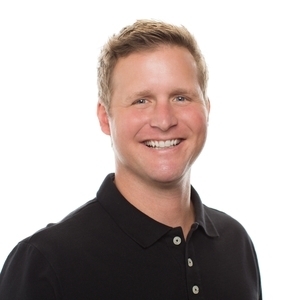
Schleicher
In 2012, the president of Prairie Design Build, a house building company located in Kansas City, had watched his then six-year-old business begin to suffer because of the recent recession. Schleicher was desperately seeking a way to keep his head above water, not to mention compete with larger and more established local companies, so he began to research innovative ways while working on a particular house.
That’s when he discovered “Passive House” design, a building standard for energy efficiency. And the third-generation carpenter has never been the same.
“We had a long building reputation of building really durable homes; this just takes it to a whole new level,” Schleicher said. “We are competing with a bunch of old dogs, so I’m the new young dog on the block. We needed to find a way to differentiate ourselves, and now we are doing it.”
The premise of the Passive House standard originated in the in the late 1970s. Because the fuel prices were so steep, people began looking at ways to conserve energy, such as super insulation for energy efficient buildings.
Once President Ronald Reagan entered the White House in 1981, however, there was less motivation to further explore the concept, because he immediately worked to drop fuel prices. Suddenly, the market wasn’t compelling a need for energy efficiency in the U.S.
The same couldn’t be said for everywhere, though. In Europe, fuel prices never dropped and physicists dove into cases studies conducted in the U.S. It eventually led to the invention of the Passive House standard in the early 1990s, created by Dr. Wolfgang Feist, a German physicist, and Dr. Bo Adamson, a Swedish scientist.
Passive House, or Passivhaus in German, focuses on an airtight envelope and shell of the house, which includes the roof and exterior walls, to separate the inside from the outside. It results in a building that uses 80 percent less energy than a standard house.
The model standard has now been around for around 25 years, and there are over 25,000 passive houses in Europe. In the United States, the number is far fewer, but the potential remains.
“I’m looking to grow a company of people that are looking to change the way we live daily,” Schleicher said.
Schleicher knows first hand the benefits of having a Passive House. Just two years ago, he and his wife chose to remodel a 1954 home in the area, and convert it to this model.
For example, Schleicher can’t hear his neighbor’s lawnmower if he were just sitting at home. There is no need to open a window because the air in the house is so pure. Schleicher, who often has allergies and sinus problems, has had just one cold since remodeling his house.
And, of course, not having to constantly tinker with the thermostat does wonders to his monthly bill.
“The energy savings are kind of just icing on the cake,” Schleicher said. “But you do realize daily, the comfort, the durability, and the health. Those three things alone are so different than a normal home. It’s just a higher quality of life.”
That’s is why Schleicher believes there is a need for such lifestyle, particularly in this area. The drastic weather conditions in the Midwest, coupled with poor quality buildings, make Kansas City a prime location for such a business to have success.
Still, educating people about buildings and how the climate affects them has been one of the company’s biggest obstacles. It’s not just potential consumers, either, but also those in the home construction industry itself.
“This industry is very slow moving,” said David Hawkins, a building scientist for Prairie Design. “You have a lot of people who learn from their fathers, who have learned from their fathers. So there is a lot of tradition in the techniques that people have built.”
But Prairie Design Build is doing its best to break away from the traditional mold by adopting innovative ideas. This year, the team of nine members elected to exclusively build houses with this standard.
The company has already completed and sold two houses, and plan to roll out a dozen more in coming months.
A new marketing tactic has been arguably the biggest factor in what has the makings of its best year. The company started to focus on the health and durability benefits, rather than energy efficiency.
“I think marketing starts internally, figuring out who you are as a company and what you believe in,” said Drew Argensberg, the head of marketing for Prairie Design. “Those two things are seen as a positive, rather than a negative in the public’s eyes. That’s what we are focusing on marketing-wise.”
Schleicher admitted he can often alleviate any of the worries potential consumers may have, despite the lofty price that these houses typically cost. A passive house can usually cost between $300,000 and $500,000.
But the investment is worth it, Schleicher believes, and he is confident many more people in the area will have the same mindset. And Prairie Design Build will have helped orchestrate what could be the standard of future living.
“I’m looking to build a company that is going to last beyond my lifetime,” Schleicher said.
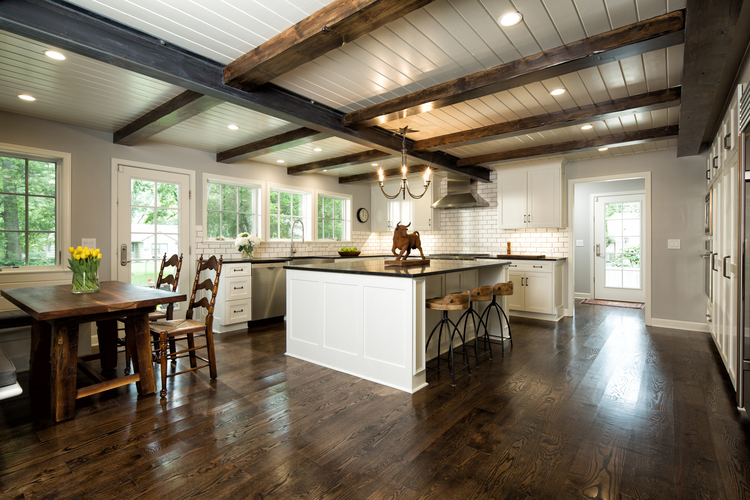
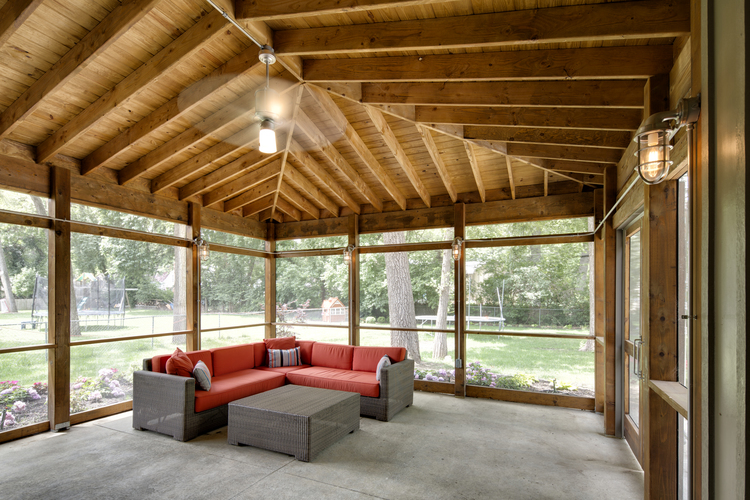
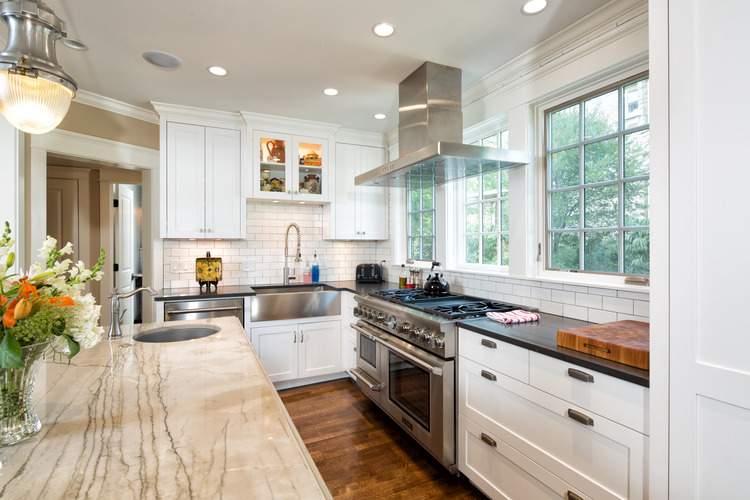
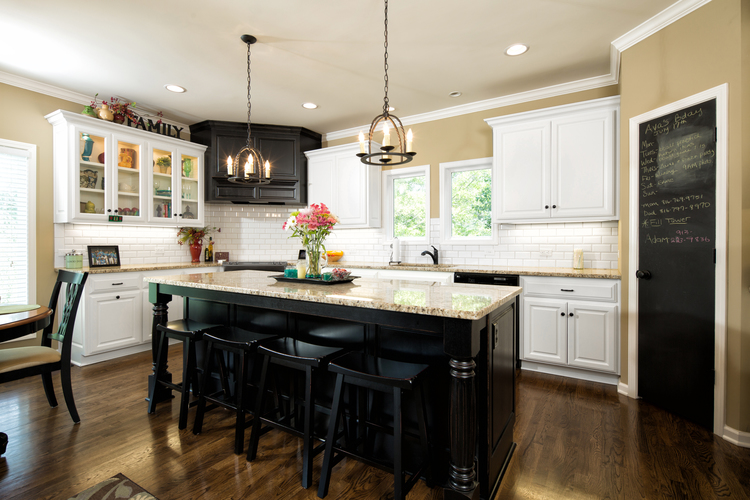
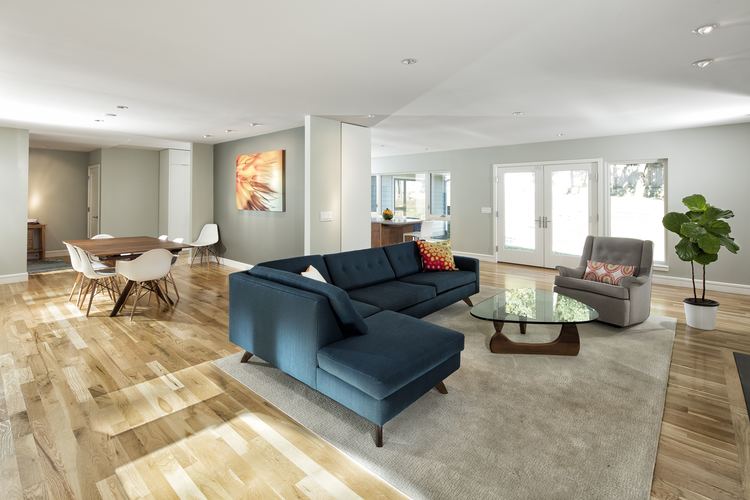
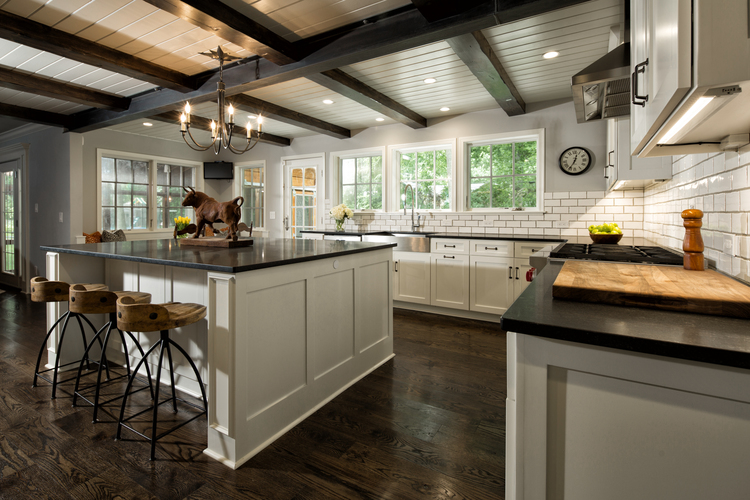
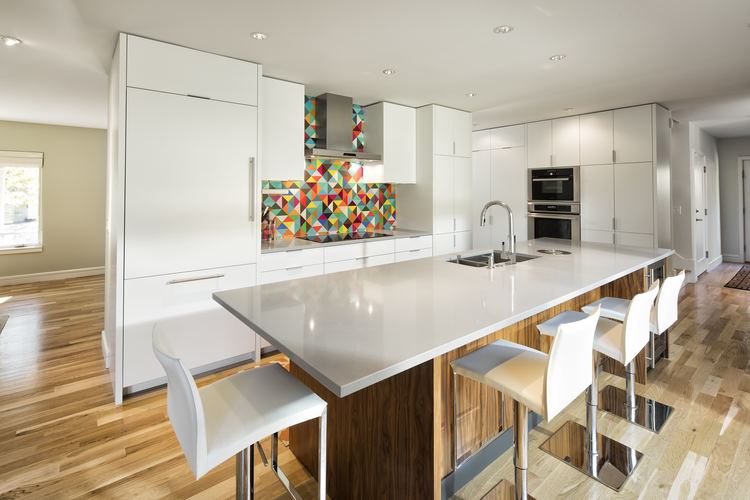
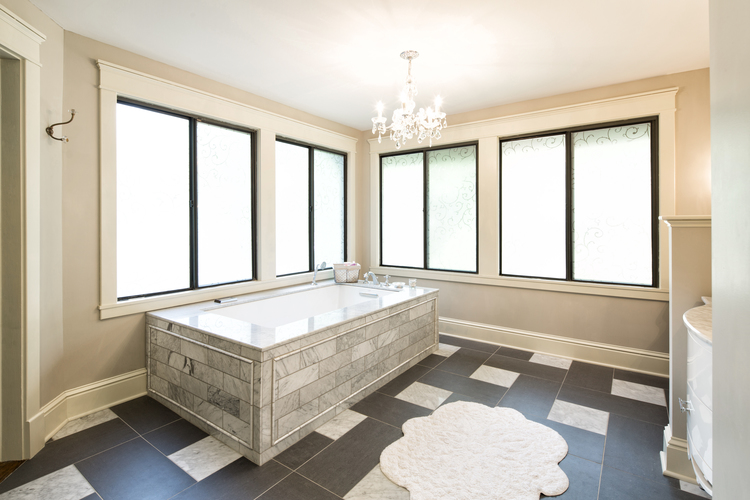
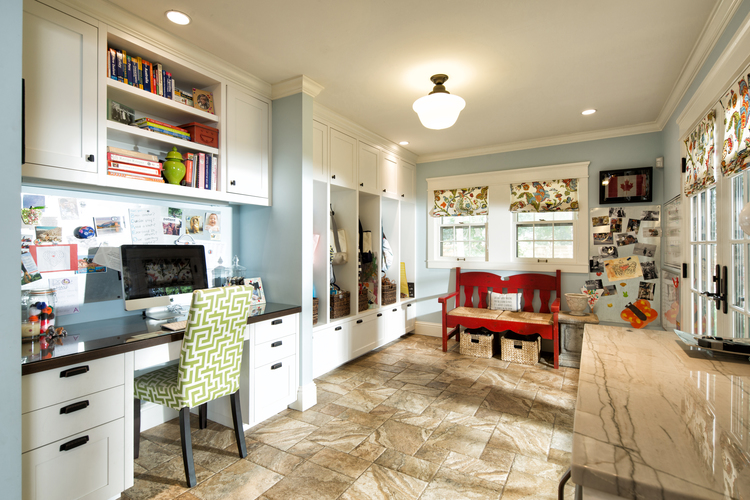
Check out photos of the company’s homes below.
Featured Business

2017 Startups to Watch
stats here
Related Posts on Startland News
André’s planted its flag in KC 70 years ago; chocolatier says that’s just a taste of what’s to come
Nearly 5,000 miles from Switzerland, a small group toured the inner sanctum of an iconic 70-year-old Kansas City company — a family-run brand that helped redefine accessible luxury in the Midwest, one Swiss chocolate-covered almond at a time. “What people get excited about André’s is the legacy, that we take a lot of pride in…
Here’s how ULAH’s new boutique model aims to rack success for local brands, not inventory debt
The new KC Collective consignment-based program for local brands at ULAH is a win for both the Westwood boutique and Kansas City creatives, said Joey Mendez and Buck Wimberly, announcing a fresh model to help the struggling store stay open and financially stable. “We’ve always had local brands,” said Mendez, co-founder of ULAH, explaining the…
Tiki Taco ticks up giving alongside expansion; CEO owns up to taco shop’s neighborhood impact model
A month-long campaign in the popular Kansas City-based chain offers easy add-on: joining KC GIFT’s network of donors Restaurant executive Eric Knott wants Tiki Taco’s operators to own the neighborhoods into which the popular taco shop expands, he said, but that doesn’t just mean dominating the fast-casual market in each pocket of Kansas City. “Our…