
‘Buddha was a Baller’ seeks to awaken success without overthinking, Mindsport founder says
August 31, 2018 | Elyssa Bezner

Buddha had the mind of an athlete, said Ryan Stock.
The spiritual sage on whose teachings Buddhism was founded inspired Stock, creator of the MindSport app and a former basketball coach, to put his own thoughts to paper. His book, “Buddha was a Baller,” is set for release Oct. 28, the Kansas City entrepreneur said.
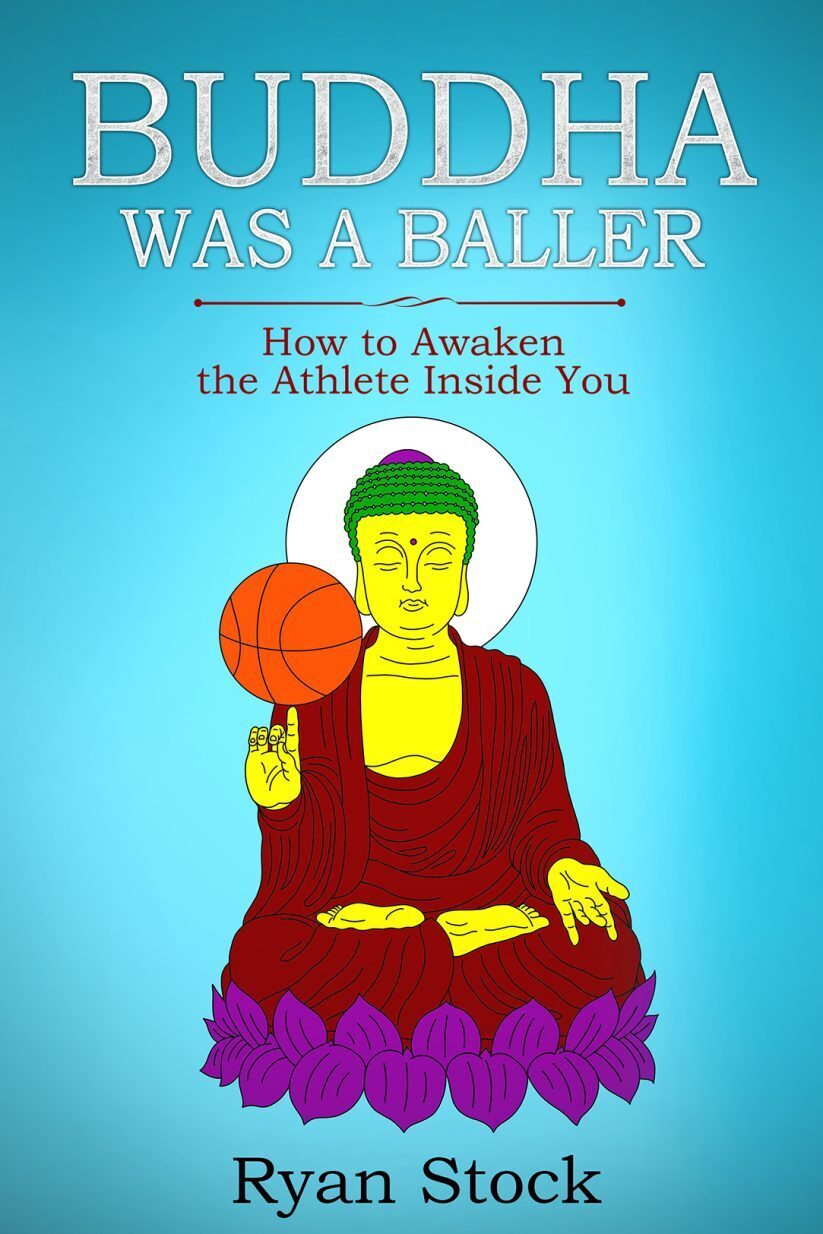
“Buddha was a Baller”
Stock’s new project complements MindSport, an app with recording sessions focused on using mindfulness and meditation to combat the pressures that come with being an athlete, he said. It integrates Buddhist teachings like the Four Noble Truths into chapters on practicing intense focus, being present with emotions, and awakening the athlete, he added.
Ideas for the book’s content and philosophies have long percolated, Stock said, noting “Buddha was a Baller” is his way of pushing them out to help athletes and coaches understand healthier ways to think about performance.
Entrepreneur ecosystem collisions at an event organized by the Ewing Marion Kauffman Foundation — as well as a chance encounter with an illustrator, Francois Lariviere, who actually played basketball at Stock’s former high school — proved key in getting the project from concept to the page, he said.
Like MindSport itself, “Buddha was a Baller” caters to athletes, but its lessons are applicable to any career, including startup life and entrepreneurship, Stock added.
“There’s so much about remaining present in your performance — no matter what field you’re in, or if you’re an athlete,” he said.

Ryan Stock, MindSport, GRID
Anyone who performs in some way thinks about how to improve themselves, he said. And if they perform well, they wonder how to replicate that experience — but rarely are athletes or entrepreneurs enjoying the moment or being satisfied with what they’ve accomplished, Stock said.
The goal is to reach the state of being an unconsciously effective athlete or entrepreneur, he said, noting the concept is explored in his “Awakening the Athlete” segments.
The process has four stages: unconsciously ineffective, consciously ineffective, consciously effective, and unconsciously effective, he added, meaning the athlete starts off being unaware of shortcomings, to being aware, then only being effective while concentrating, then being effective without thinking.
“You’ll hear announcers say, ‘He’s unconscious,’ and that’s because he or she quite literally is unconscious at that moment and they are no longer thinking about their performance at all,” Stock said. “They’re able to do everything so effectively, so efficiently that they’re doing it without thinking.”
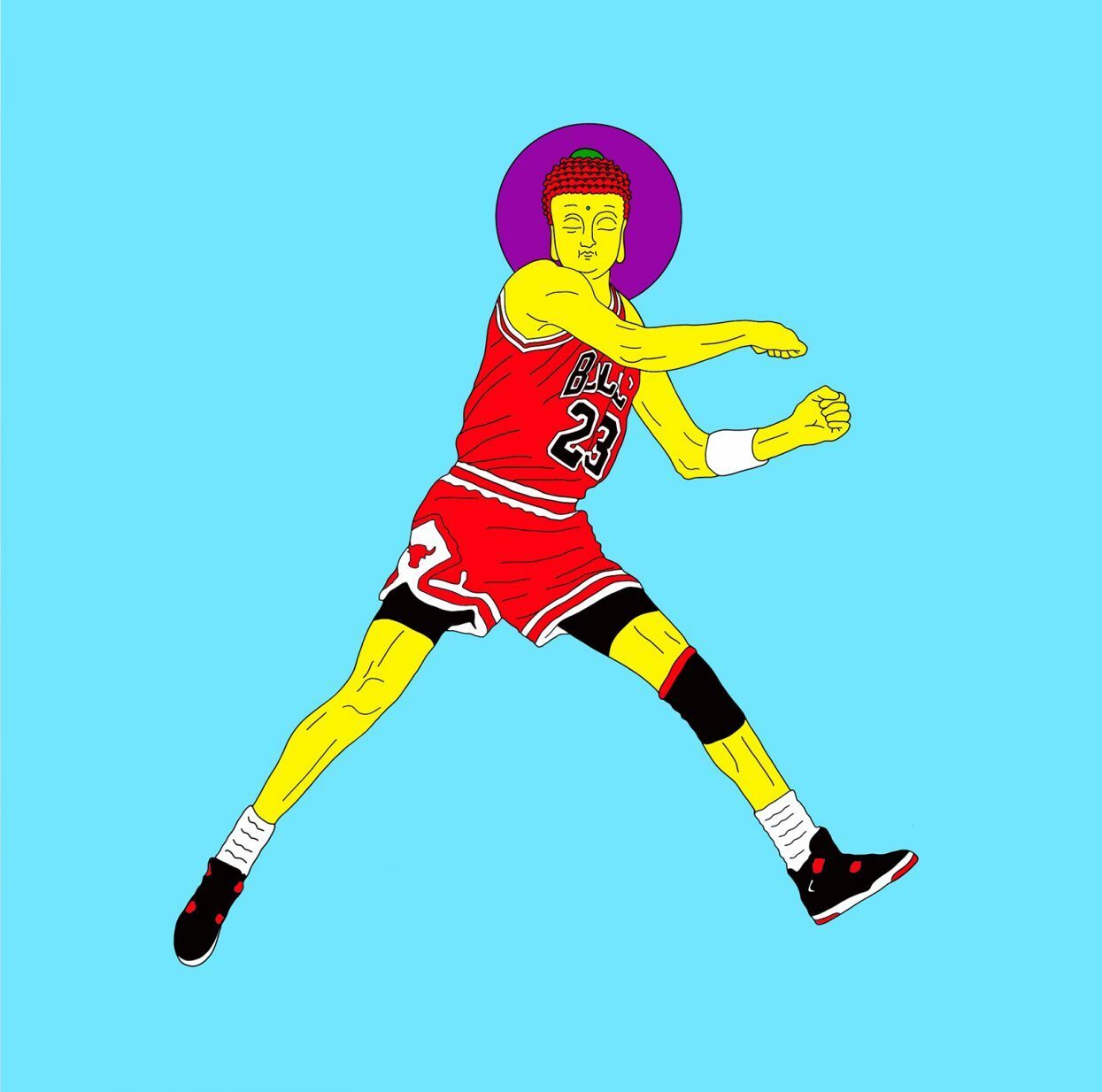
“Buddha was a Baller”
Highs and lows are inevitable, he said, but being present with emotions — and even labeling them — takes the edge off.
“You can say: I’m sad. I’m frustrated. I’m happy. I’m excited — and be present with that as opposed to always trying to not feel anything or if you have a negative emotion — trying to push it away,” he said.
Despite the Buddhist terminology, which Stock called aversion, the author and entrepreneur considers himself more spiritual than religious, he said. Stock cites a diverse education throughout his upbringing and into his college years.
“Because of that, I haven’t really been drawn towards one specific religion and I’m more about ‘How can we help people be the best version of themselves that they can be?’” he said.

2018 Startups to Watch
stats here
Related Posts on Startland News
André’s planted its flag in KC 70 years ago; chocolatier says that’s just a taste of what’s to come
Nearly 5,000 miles from Switzerland, a small group toured the inner sanctum of an iconic 70-year-old Kansas City company — a family-run brand that helped redefine accessible luxury in the Midwest, one Swiss chocolate-covered almond at a time. “What people get excited about André’s is the legacy, that we take a lot of pride in…
Here’s how ULAH’s new boutique model aims to rack success for local brands, not inventory debt
The new KC Collective consignment-based program for local brands at ULAH is a win for both the Westwood boutique and Kansas City creatives, said Joey Mendez and Buck Wimberly, announcing a fresh model to help the struggling store stay open and financially stable. “We’ve always had local brands,” said Mendez, co-founder of ULAH, explaining the…
Tiki Taco ticks up giving alongside expansion; CEO owns up to taco shop’s neighborhood impact model
A month-long campaign in the popular Kansas City-based chain offers easy add-on: joining KC GIFT’s network of donors Restaurant executive Eric Knott wants Tiki Taco’s operators to own the neighborhoods into which the popular taco shop expands, he said, but that doesn’t just mean dominating the fast-casual market in each pocket of Kansas City. “Our…