

Sprint VP: Corporate engagement helps drive KC startup ecosystem, next-generations of innovation
January 16, 2020 | Bryan Fries
Editor’s note: The opinions expressed in this commentary are the author’s alone. Bryan Fries is vice president of 5G marketing strategy and global services for Sprint.
[divide]
From job creation and economic growth to the increase in competition and innovation, Kansas City-area startups and entrepreneurs play a vital role within the ecosystem of our community. And with Kansas City often topping lists for best places to start a business (and to live), this is a particularly exciting time to be an innovator in this city. Now that the next generation of wireless technology, 5G, is available in KC, it’s going to be interesting to see how companies will leverage the new network to transform industries, including gaming, entertainment and transportation.

Bryan Fries, Sprint
To see these types of benefits within our community, we as corporations must step-up to assist these new ventures.
According to 2019 statistics from the U.S. Small Business Administration, about 20 percent of new startups fail in the first year and only about half survive five years or longer. Despite these statistics, there are many KC organizations helping guide entrepreneurs toward success.
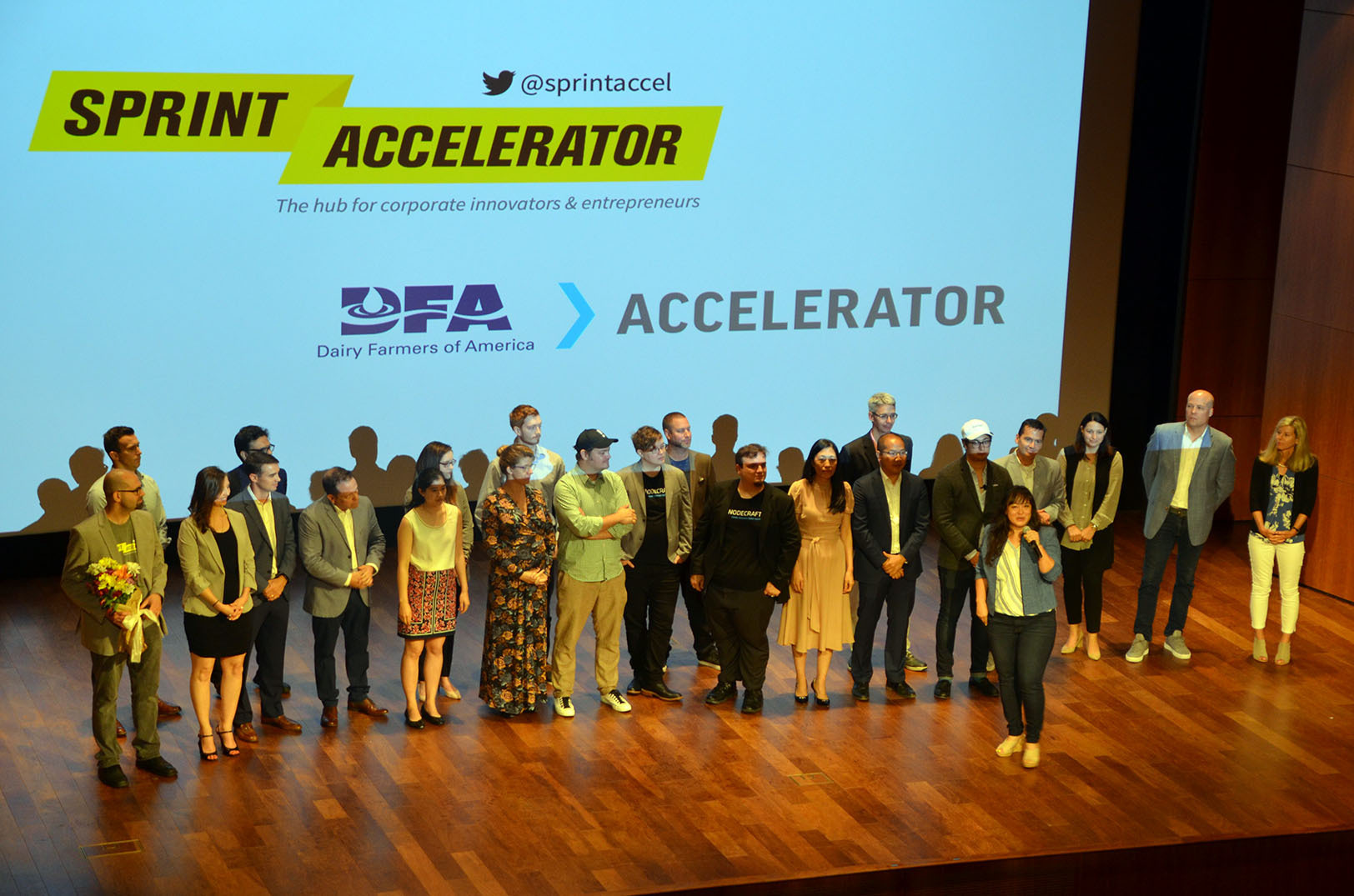
For example, Sprint has a long history of working with KC entrepreneurs. In 2012, we launched the first efforts that would become the Sprint Accelerator — the hub for corporate innovation and entrepreneurial engagement. In 2014, we officially opened the accelerator space and welcomed the first cohort of the 90-day Sprint Corporate Accelerator program.
Today, the accelerator space is used to deliver year-round programming, including innovation programs, mentor engagement, STEM programs, and entrepreneurial community collaboration. Throughout the years, we’ve hosted more than 1,500 events, meetings and programs in our space — serving more than 44,000 participants in the KC community.
We are very encouraged by the results the 90-day accelerator program has generated since its inception. We’ve worked with 52 startup companies, which have raised an aggregate of more than $41.8 million, had two successful exits and 77 percent of the alumni companies are still in business today.
However, we’re not alone.
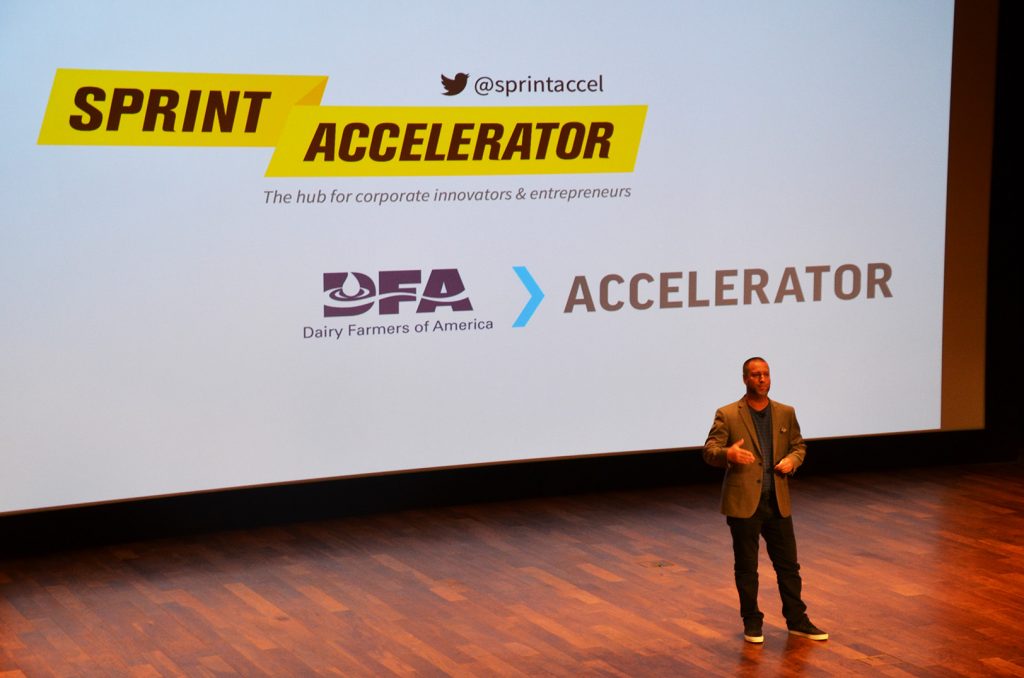
Bryan Fries, Sprint Accelerator 2019
Many other local companies are also doing their part to help grow and strengthen their connections with local startups. For example, executives from 40 local companies including Dairy Farmers of America and Commerce Bank have served as mentors in the Sprint Accelerator Mentor Network. The Mentor Network is designed to help advance entrepreneurship through mentoring while also providing access to additional connections, resources and services that enable entrepreneurs to grow and scale their companies. To date, nearly 100 founders from start-ups have participated in the program.
So why have Sprint and others made this commitment?
Because the benefits of companies’ involvement with startups and entrepreneurs is actually reciprocal. The collaboration and mentorship provides our businesses with the opportunity to learn new ways to solve existing problems, create new partnerships and co-develop the next great innovation.
While we have seen some good success, helping young companies in the KC area navigate the corporate world and build momentum behind their new businesses continues to need the support of organizations, local government, investors and leaders within our communities. And as successful corporations, we must continue to partner with entrepreneurs in our communities and play a larger role in advancing the greater KC ecosystem.
[divide]
Bryan Fries is a vice president at Sprint, based in Overland Park, where he leads the company’s 5G market strategy and ecosystem development. He is also the sponsor for the 2020 Sprint Accelerator program which will focus on the 5G vertical. Interested applicants should apply by January 31, 2020 at www.sprintaccelerator.com.

Featured Business


2020 Startups to Watch
stats here
Related Posts on Startland News
Crossroads small biz owners to Royals: Come back with a better plan (and put it in writing)
It didn’t have to be this way, said Crossroads business owners, blaming Tuesday’s failed stadium sales tax initiative on what they viewed as a lack of transparency and legally binding agreements, too many last-minute deals and changes, and a disregard for community input. Most, however, hope the conversation isn’t entirely finished. Jackson County voters this…

Voters hand Royals, Chiefs a resounding defeat on sales tax that would’ve funded stadium projects
Editor’s note: The following story was published by KCUR, Kansas City’s NPR member station, and a fellow member of the KC Media Collective. Click here to read the original story or here to sign up for KCUR’s email newsletter. [divide] The 3/8th-cent sales tax extension would have helped build a new Kansas City Royals stadium downtown as well as fund…
Urban designer behind Royals’ Crossroads ballpark pioneered the modern MLB stadium (and he has the bats to prove it)
It’s difficult to find a Major League Baseball stadium that Earl Santee hasn’t influenced with his philosophy of community-oriented design. Called the “Godfather of ballparks,” Santee — the recently named CEO of Populous and literal architect of the proposed Kansas City Royals ballpark district in the East Crossroads — either designed or renovated two dozen…
Royals change stadium plan to keep Oak Street open to traffic, but fate of businesses is uncertain
Editor’s note: The following story was published by KCUR, Kansas City’s NPR member station, and a fellow member of the KC Media Collective. Click here to read the original story or here to sign up for KCUR’s email newsletter. [divide] The Royals’ original plan was to place the team’s corporate offices and entertainment venues on Oak Street, which would close…