

Why many ‘deskless’ workers think management is out of touch — the good news: tech can fill the gap
June 23, 2022 | Bob Butler

Editor’s note: The opinions expressed in this commentary are the author’s alone. Bob Butler, chief customer officer at SafetyCulture, which has its U.S. headquarters in Kansas City’s Crossroads Arts District, oversees operations for the global tech company and has led it through its greatest stages of growth.
Click here to read more about SafetyCulture’s strategy and most recent acquisition.
[divide]
Despite their value and the critical roles they perform, frontline workers are still woefully underserved when it comes to technology. Those employees whose main place of work could be a construction site, a restaurant, a supermarket or manufacturing line, make up 80 percent of the global workforce, but just 1 percent of available venture capital funding gets invested in developing tech solutions for them.
Where and how do we level the playing field?
Unlocking the power of tech to connect HQ with the frontline
Given most businesses are dealing with the effects of supply chain issues and labor shortages, communicating with teams on the frontline is critical. However, frontline workers can be challenging to reach given they aren’t always at a desk and often don’t have a company email address.
While many businesses have continued to invest in providing their white-collar workers with high-quality tools and technology for remote communication, enabling the frontline remains a blindspot for many organizations. This is readily apparent in recent research we commissioned in partnerships with YouGov. More than one in three (40 percent) frontline workers said management is “out of touch” with their role based on the communications they receive from HQ.*
[pullquote]
* About the research
All figures, unless otherwise stated, are from YouGov Plc. Total sample size was 1,980 adults (858 US, 553 Australia, 569 UK). Fieldwork was undertaken during April 2022. The survey was carried out online. The figures have been weighted and are representative of US, UK and AU frontline workers (aged 18+).
[/pullquote]
With frontliners making up 80 percent of the global workforce, the data shines a light on major opportunities to better engage the workforce largely responsible for keeping the world moving.
Our research also revealed:
- More than one in four frontline workers (32 percent) don’t have time to read or act on HQ communications.
- More than one in three frontline workers agree the communications they receive from HQ are often irrelevant (42 percent) and not engaging (43 percent).
- Almost half of the frontline workers (49 percent) also said they couldn’t “put a face to the name” of most HQ team members they communicate with.
Investing in the right tech for the team
There are two effective — and easy-to-implement — ways to improve internal communications for any organization, no matter the industry.
The first is to create and enforce a comprehensive communication policy that considers all types of workers. This should outline what information can be shared, where it’s shared, how it should be communicated and the types of information channels to use to ensure messages get through.
The second ingredient is equipping teams with the right technology for their communication needs. In our recent research, more than one in four American frontline workers (28 percent) said there was no go-to communication channel for important updates in their workplace. Further to that, more than 1 in 4 American frontline workers (32 percent) stated that if there was a channel, it didn’t actually work for their role.
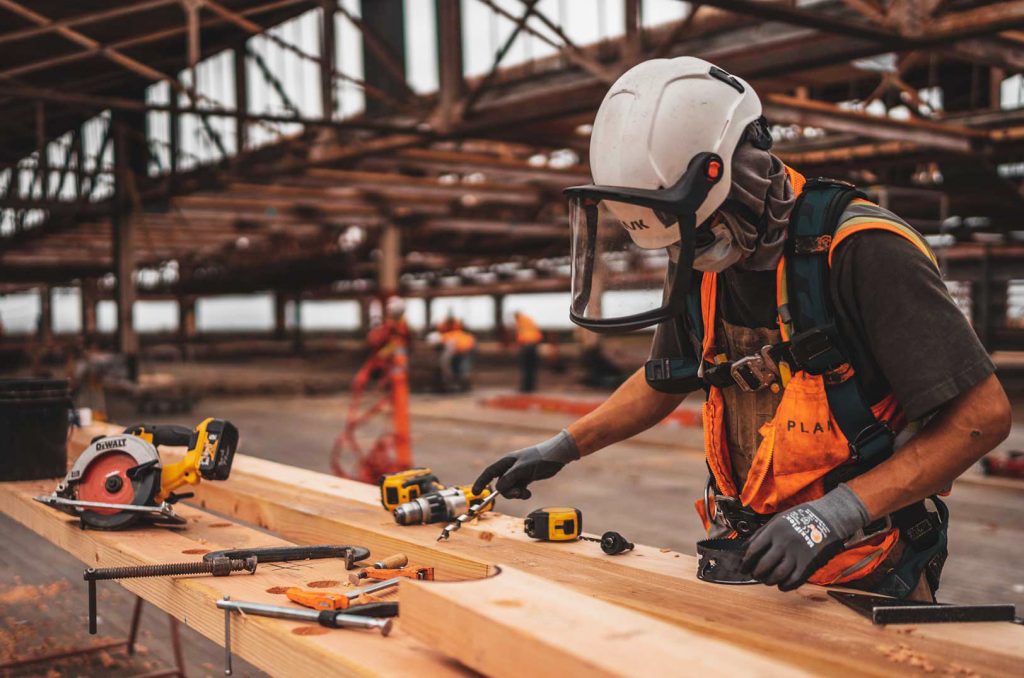
Photo courtesy of SafetyCulture
The survey spotlights a crucial gap in the market — communication tools that seamlessly fit into workday processes. And this is where companies in our line of work can step in. Targeting these niche gaps and building tailored solutions are a sweet spot for start-ups; we’re not afraid to disrupt the old ways of working to drive businesses forward. We treat these insights as another reminder to keep innovating.

For us, we’ve focused on building consumer-grade technology for frontline workers that can easily be integrated into their day to day. The key is to connect teams and communicate in the mediums they love to use every day: via engaging, visual, mobile-first content. Here at SafetyCulture, we’ve developed features like Heads Up to facilitate media-rich, easy-to-consume communication so messages can be quickly digested in the palm of hands and workers get to see their HQ counterparts and build camaraderie.
Communicating with teams in a way that works for them is an express lane to a better day at work. It’s time to eliminate the disconnect and bring leadership and working teams together with the help of tech.
[divide]
Bob Butler is chief customer officer at SafetyCulture, a global technology company helping working teams get better every day. Its mobile-first operations platform leverages the power of human observation to give workers a voice, leaders visibility and unite teams to improve.
Based at the company’s US headquarters in Kansas City, Missouri, Bob oversees operations for the company and has led them through its greatest stages of growth. More than 60,000 customers use its flagship products, iAuditor and EdApp, to perform checks, train staff, report issues, automate tasks and communicate fluidly. SafetyCulture powers over 600 million checks per year, approximately 50,000 lessons per day and millions of corrective actions, giving leaders visibility and workers a voice in driving safety, quality and efficiency improvements.



2022 Startups to Watch
stats here
Related Posts on Startland News

Marma launches sister brand to fit weight loss support with women’s health needs
Weight loss support wasn’t originally in the plans for Marma — the only OB-GYN and registered dietician-approved nutrition platform for women during their reproductive years — shared co-founder Meredith McAllister. But with the rise of GLP-1 medications, she and co-founder Victoria Weber saw the opportunity for a nourishing, evidence-based approach to weight loss support. In…

Fund Me, KC: Portrayals XR crowdfunds next step in building its immersive healing space
Startland News is continuing its long-running “Fund Me, KC” series to highlight area entrepreneurs’ efforts to accelerate their businesses or lend a helping hand to others. This is an opportunity for business owners and innovators — like Tricia Keightley and her immersive healing platform — to share their crowdfunding stories and potentially gain backing from…

KC-built sports tech startup acquired by AI-powered fundraising, engagement platform
The acquisition of Kansas City-built Athlete Network — a platform designed to foster lifelong connections between student-athletes and athletic alumni — deepens the startup’s work a decade after it launched, its founder said. “This is a huge milestone for our team, and I want to take a moment to sincerely thank our teammates, partners and…

Investors laud emerging founder’s expertise as CarePilot logs $2.5M for AI healthtech tool
It’s rare for a regional venture capital firm like KCRise Fund to invest in an entrepreneur just out of college, the Midwest-focused firm told Startland News, detailing the remarkable talent that led it to join an early round for Joseph Tutera’s digital health startup. Overland Park-based CarePilot recently announced a $2.5 million seed round led…