
KC workers aren’t leaving — they just want more control over their jobs; Why that isn’t such a weird flex
February 14, 2022 | Bo Fishback

Editor’s note: The opinions expressed in this commentary are the author’s alone. Bo Fishback, CEO of Airtasker USA, a local services marketplace that connects people who need work done with those who are ready to work, previously founded Kansas City-based Zaarly. The startup was acquired by Airtasker in 2021.
[divide]
Corporate America’s “Great Resignation” is largely because people want jobs with flexibility and remote options, according to LinkedIn’s Global Talent Trends report released in January. One takeaway notes that “there has been an 83 percent increase in job posts mentioning flexibility since 2019, as well as a 343 percent increase in mentions of flexibility.”
Yet, according to the December jobs report from the U.S. Department of Labor, hiring was significantly down at the end of 2021. This, despite the fact that wages were up a total of 4.7 percent for the year. As The New York Times suggests, this means that the issue is with the amount of available workers, and not the lack of demand for them.
So, where are all of these workers going? Enter the flex labor economy.
The flex labor economy consists of workers that have the flexibility to select their own hours, and agree to the scope of work and pricing before committing to any job. It prioritizes autonomy and flexibility, where workers monetize their existing skills as opposed to their assets (such as leveraging their vehicle to drive for Uber).
This type of flexible work is unique in how it follows an open, horizontal marketplace model, no longer limiting the tasks that can be posted or monetized, nor putting a cap on that monetization. Meaning, it enables skilled professionals to easily connect with people and offer skills they previously may not have thought they could monetize such as baking, voice-over work or crafting, at a cost they deem is worth their time and experience. Whether seeking a side hustle, full-time job or a stop-gap, the flex economy supports Americans in finding both income and purpose.
As we continue into year three of the COVID-19 pandemic, awaiting the peak of the most contagious variant to date, 6.3 million workforce eligible adults do not have jobs despite more than 10 million openings. Whether that is because of childcare issues (costs, long waitlists, etc.) or healthcare concerns amid the pandemic, there are still opportunities for Kansas City residents to seek regular flexible work that pays the bills.
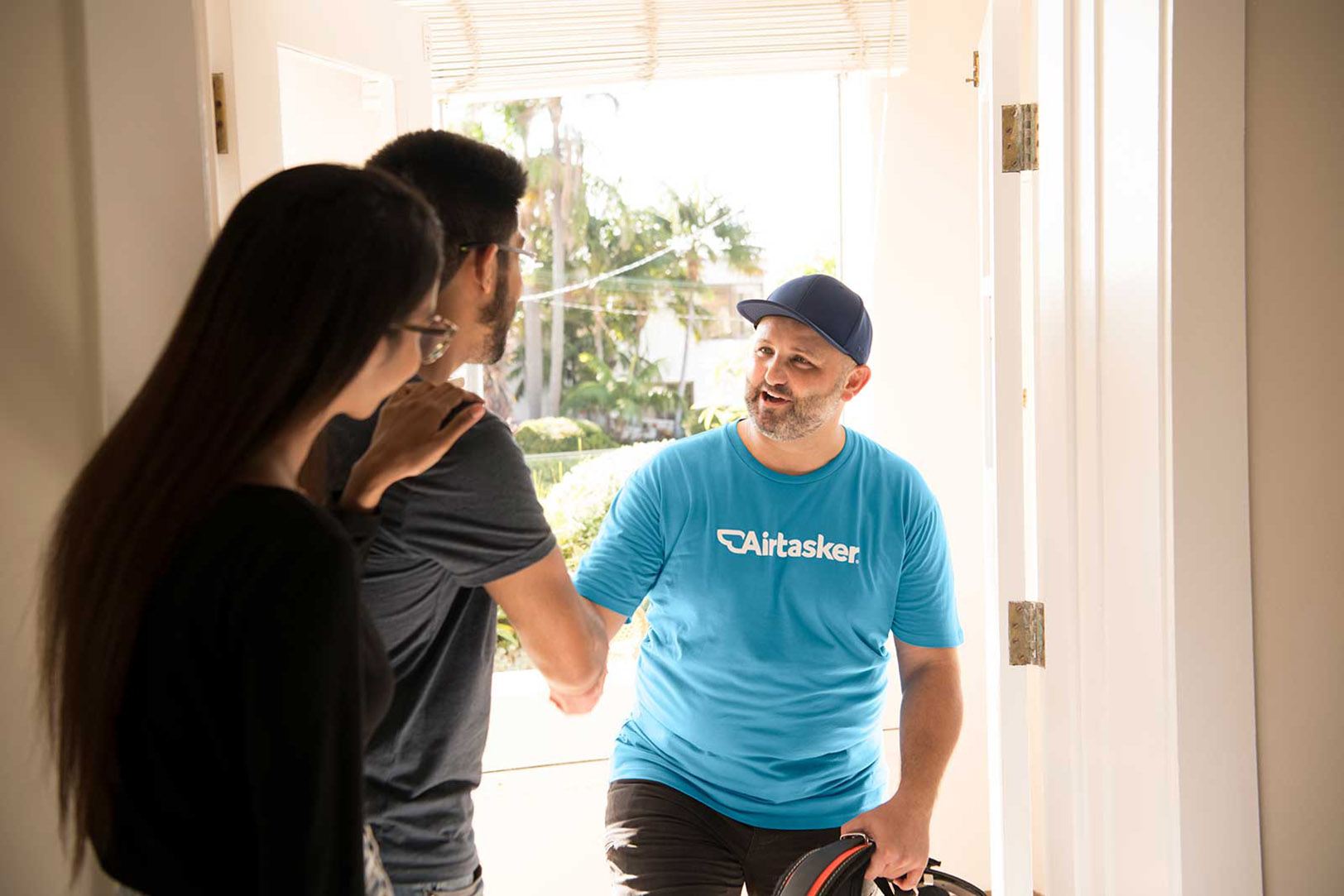
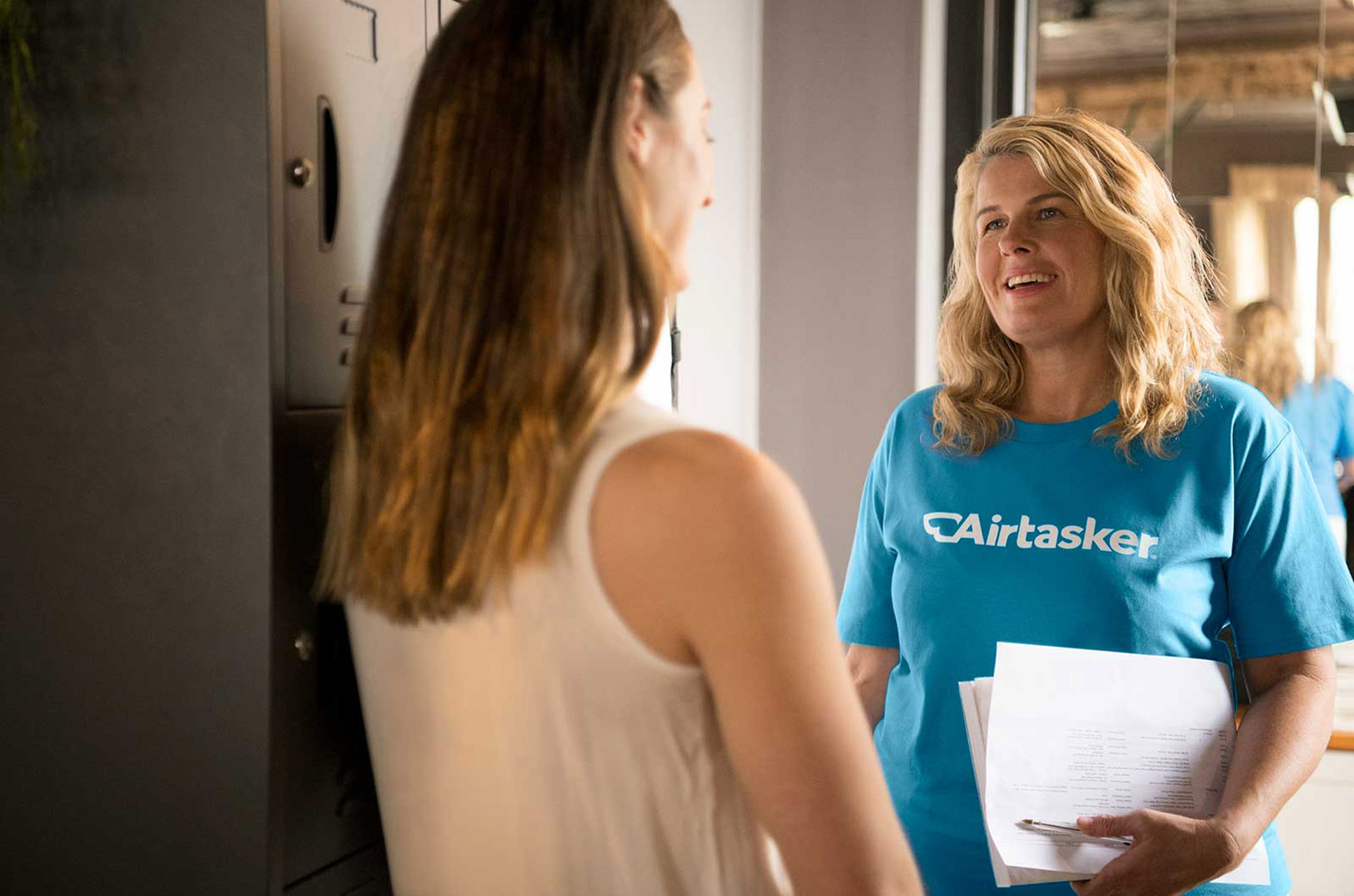
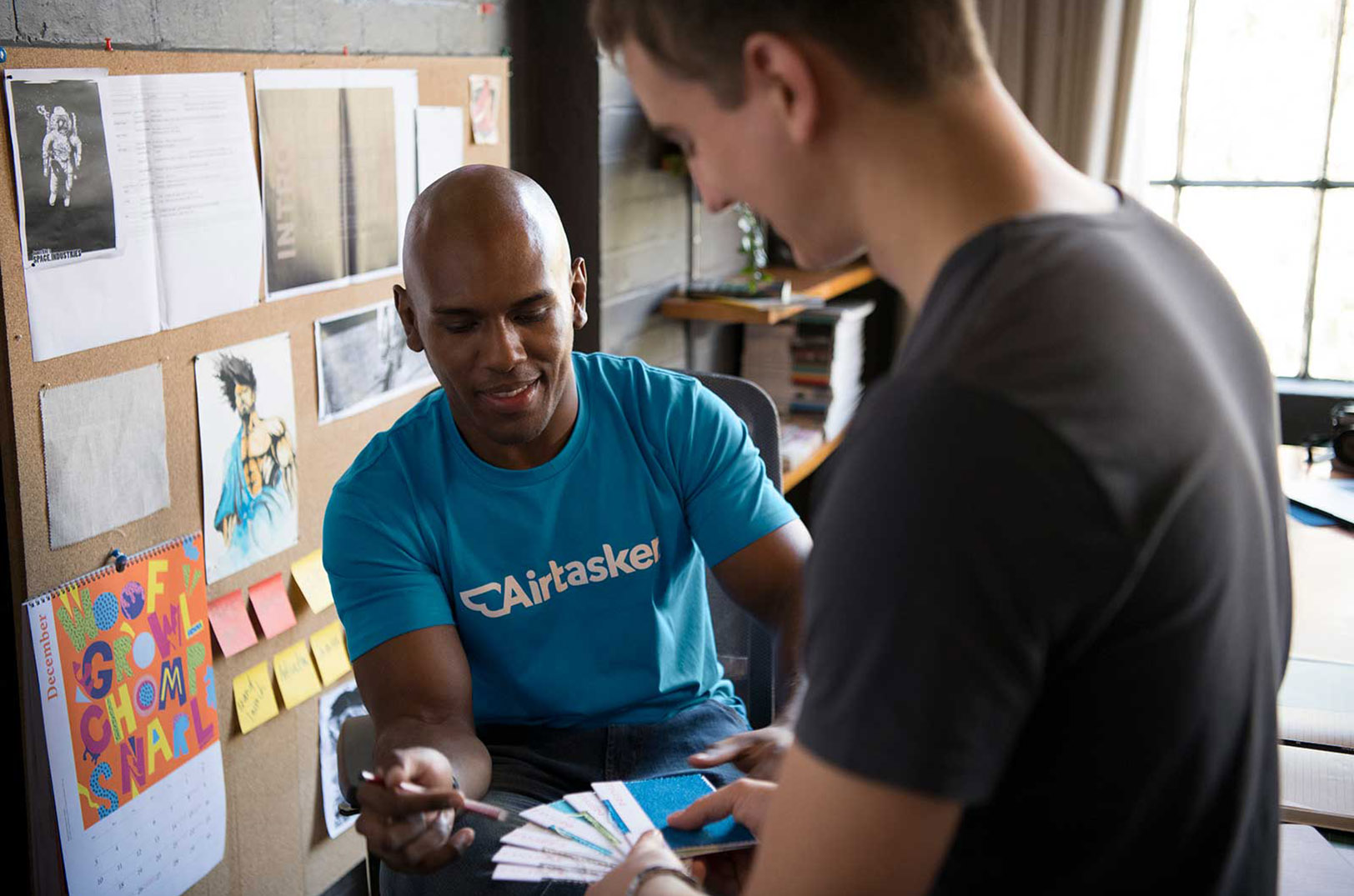
Airtasker, which is available in Kansas City, offers the opportunity for skilled experts to easily connect with people who need a task done. Airtasker saw a 64 percent increase in service provider (“Tasker”) sign-ups when comparing September to December 2021. Kansas City residents are completing jobs and monetizing their skills, such as assembling furniture, gardening, designing websites and more, while also enjoying the benefits of remote work. In December 2021, there was more than $25,000 worth of work available in the Kansas City area on Airtasker.
Nationally, remote tasks on the platform increased by 90 percent in December compared to June 2021.
This is largely because of demand created and driven by customers looking for skills to solve new problems created by the pandemic and shows how the flex economy allows workers to adapt and respond to changing situations and the needs of people within their local community.
As we look to 2022, we anticipate our workforce will continue to evolve and adapt to this new era of workers. This means we’ll see new tech advancements that support flex economy jobs and employment as more people embrace this way of working. Kansas City’s future of work is reliant on catering to its workers and their newfound values. Those that don’t evolve and adapt are at risk or being left behind.
[divide]
Bo Fishback is CEO of Airtasker USA, a local services marketplace that connects people who need work done with those who are ready to work.

2022 Startups to Watch
stats here
Related Posts on Startland News
Brian Kearns: Get outside of your startup bubble
What’s so special about Silicon Valley, Hollywood or New York? I’ll give you a hint: bad barbecue. Just kidding. These are the places you go when you want to build the next “unicorn,” become a big star or bask in the bright lights of Broadway. The dream you often hear whispered backstage is, “I want…
Chris Brown: How to split equity in your startup
Editor’s note: Opinions expressed in this commentary are the author’s alone. This article is general in nature and does not constitute legal advice. Readers with legal questions should consult an attorney. When founding a new startup it is common to have disagreements over how much equity each founder should receive. In this post, we will…