
KC software team of three builds $3.5M insurance risk management app from scratch
December 9, 2021 | Startland News Staff

A New York-based insurance management startup recently closed a $3.5 million funding round for its new end-to-end platform — an application built entirely by Kansas City software developer Binary Noggin.
billy, a construction-specific insurance management and tracking application headquartered in Brooklyn, sought out Binary Noggin’s services early this year for developing its software. The startup closed a $3.5 million series seed round in October, led by the entrepreneurial early-stage capital investor Coelius Capital and the global proptech VC firm MetaProp.
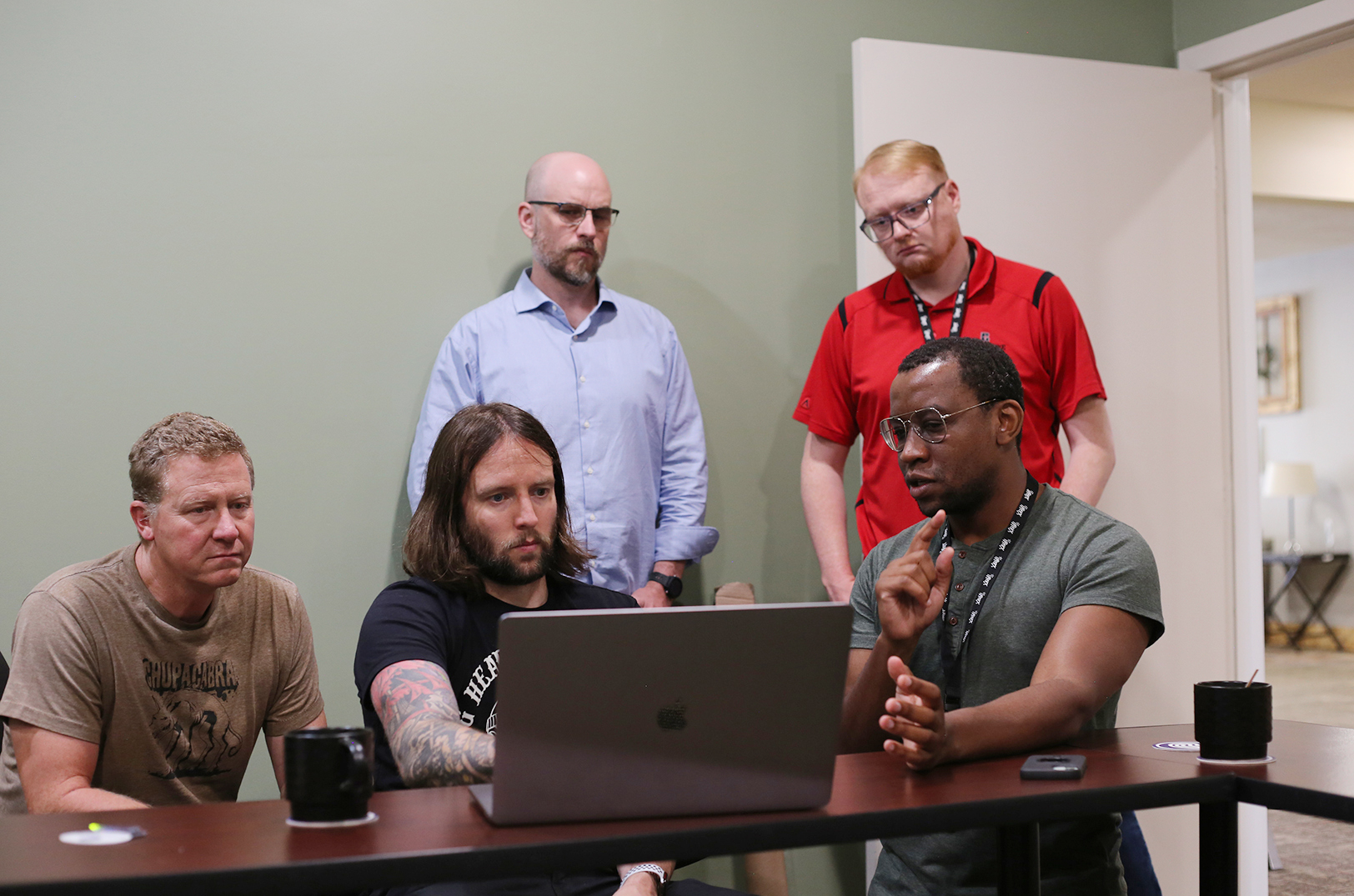
billy with Binary Noggin’s team
“Our software automates what are very manual processes — documents typically kept in drawers, folders and spreadsheets — and allows users to manage and track their insurance documents digitally and all in one place,” said Amos King, founder and CEO of Binary Noggin. “I can’t give enough praise to billy’s team, because their guidance and business savvy have driven the project from day one. We’re their technical counterpart, but the way billy has communicated their vision to us and their clients has been a major part of their success.”
Click here to learn more about Binary Noggin, a Kansas City team of software engineers and architects with expertise in Elixir, Ruby, Phoenix, Nerves and other open source technologies.
Binary Noggin’s team of three began building the billy software from scratch in February and saw its first paying user by the beginning of July, marking a lightning five-month development timeline, the company said. Binary Noggin has continued to work in and on the application alongside billy as it grows its userbase.
billy focuses on protecting construction and real estate companies, contractors and subcontractors from risk by allowing users to request, verify, track and renew insurance certificates, ultimately keeping them accountable and compliant. Offered as a SaaS annual subscription, the software centralizes compliance requirements, aggregates existing insurance data, collects information from third-party vendors and identifies potential gaps and savings.
“The service that Binary Noggin has provided to us is something that otherwise could have taken years to produce,” said Nyasha Gutsa, co-founder and CEO of billy. “We see them as part of our team. Due to their decades of experience and the passion they bring to a project, we’ve been successful in building what’s really important for our users, who are now also customers.”
Click here to learn more about billy.

2021 Startups to Watch
stats here
Related Posts on Startland News
A St. Joe CEO handed him a franchise after graduation; two years later, the risk is paying off
Spencer Engelman’s expectations for his post-college career were shredded by an offer he couldn’t refuse. The Northwest Missouri State University graduate was awarded a business of his own — minus the franchise fee — by a veteran entrepreneur who had visited one of his classes. “It’s a crazy opportunity,” said Engelman, who now operates a DocuLock…
What a catch: Kansas City fandom creates custom appeal for taco-loving cartoonist vibe
Drawing from Kansas City’s spotlight moments — whether trendy and new or iconic and timeless — W. Dave Keith balances a quirky aesthetic with a practical focus on what will actually sell. “I’ve slowly learned that if I want to make money off this business, I need to make stuff that people want to buy,”…
Power through purpose: How a winding journey led this eco devo steward to deep-rooted impact
Editor’s note: The following story was written and first published by the Economic Development Corporation of Kansas City, Missouri (EDCKC). Click here to read the original story. [divide] Going behind the scenes of CCED with the people who make it happen Some people are drawn to city-building because of the bricks and steel, the architecture, the skyline, the…
Missouri’s weapon in the AI race with China: KC tech companies, says GOP lawmaker
As artificial intelligence reshapes the way Kansas City works, civic and elected leaders want to ensure small businesses and the region’s tech community have seats at the table. Federal regulation could help, said Eric Schmitt. “For me, [it’s about] making sure that the big tech companies don’t block out a lot of the innovators, say…