

LISTEN: KoraLabs connects AI to the field, helping agtech grow a more sustainable future
November 15, 2025 | Austin Barnes

On this episode of our 12-part Plug and Play Topeka podcast series, we speak with Luca Corinzia of KoraLabs — an agtech pioneer based in Switzerland that’s bridging the gap between scattered farm data and actionable insights.
 KoraLabs’ AI-driven “digital twin” platform integrates field data, satellite imagery, soil and weather models to help agronomists and input companies make smarter decisions.
Recorded live at the Plug and Play Animal Health & AgTech Expo in Topeka, learn more about how feeding the world doesn’t have to deplete its natural resources.
Listen to a teaser below or click here for the full podcast episode.

Featured Business

2025 Startups to Watch
stats here
Related Posts on Startland News

Staying transaction-ready in uncertain market conditions
Editor’s note: The perspectives expressed in this commentary are the author’s alone. The following is a paid thought leadership piece from The Ferguson Smith Cohen Group at Morgan Stanley. In the face of market uncertainty, one thing private companies can control is their “transaction-readiness” for an IPO or secondary offering. Discover three things a company…

Zee underscores artists’ need for positive venues; creative powerhouse opens pocket of support
Zahra Briggs developed her creative voice in Kansas City; now she’s setting the stage for fellow independent artists who struggle to find venues that match their vibe — and often have to pay to perform. She’s even creating a version of herself in the metaverse to open access further. A singer and songwriter herself, Briggs — who…

MyAnIML earns NSF funding, patent; now facing new phase of growth with industry validation
Thanks to a recent federal grant — along with a newly secured patent on its first-of-its-kind, proprietary facial recognition tech for cows — MyAnIML is proving its place as a leader within a herd of ag innovation, Shekhar Gupta said. The Overland Park startup received a 250,000 Phase I grant from the National Science Foundation…
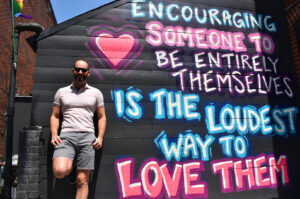
KC’s next LGBTQ+ space wants to be more than just a raging club; How this permanent takeover aims to better reflect queer nightlife
Westport nightlife is set for transformation as a sweeping expansion adds seven late-night hotspots to the historic entertainment district — anchored by a new bar catering specifically to Kansas City’s LGBTQ+ community. Q Kansas City — a collaboration with Lance Pierce of Queer Bar Takeover — is expected open its doors in October at 504 Westport…