

Spaceman drops tracks: Kansas teen raps a midwest mixtape, says he’s ready to launch
October 15, 2025 | Jocelyn Heckman
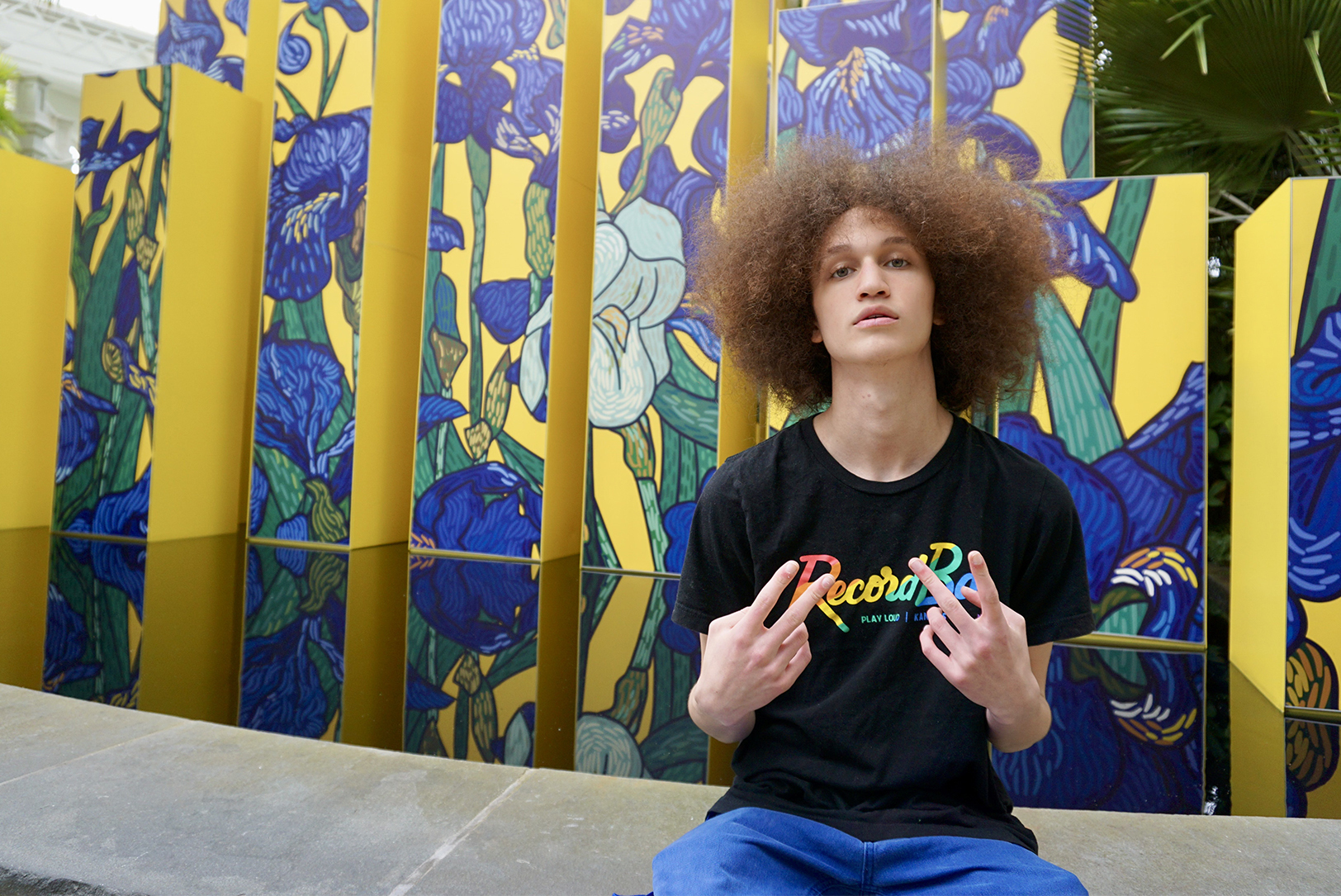
Give Trip Thomas a phone, and the Olathe Northwest High School senior will get his peers talking. Rapping under the name Spaceman, Thomas is staying grounded as he finds his voice through music, he said, and it sounds a lot like resilience.
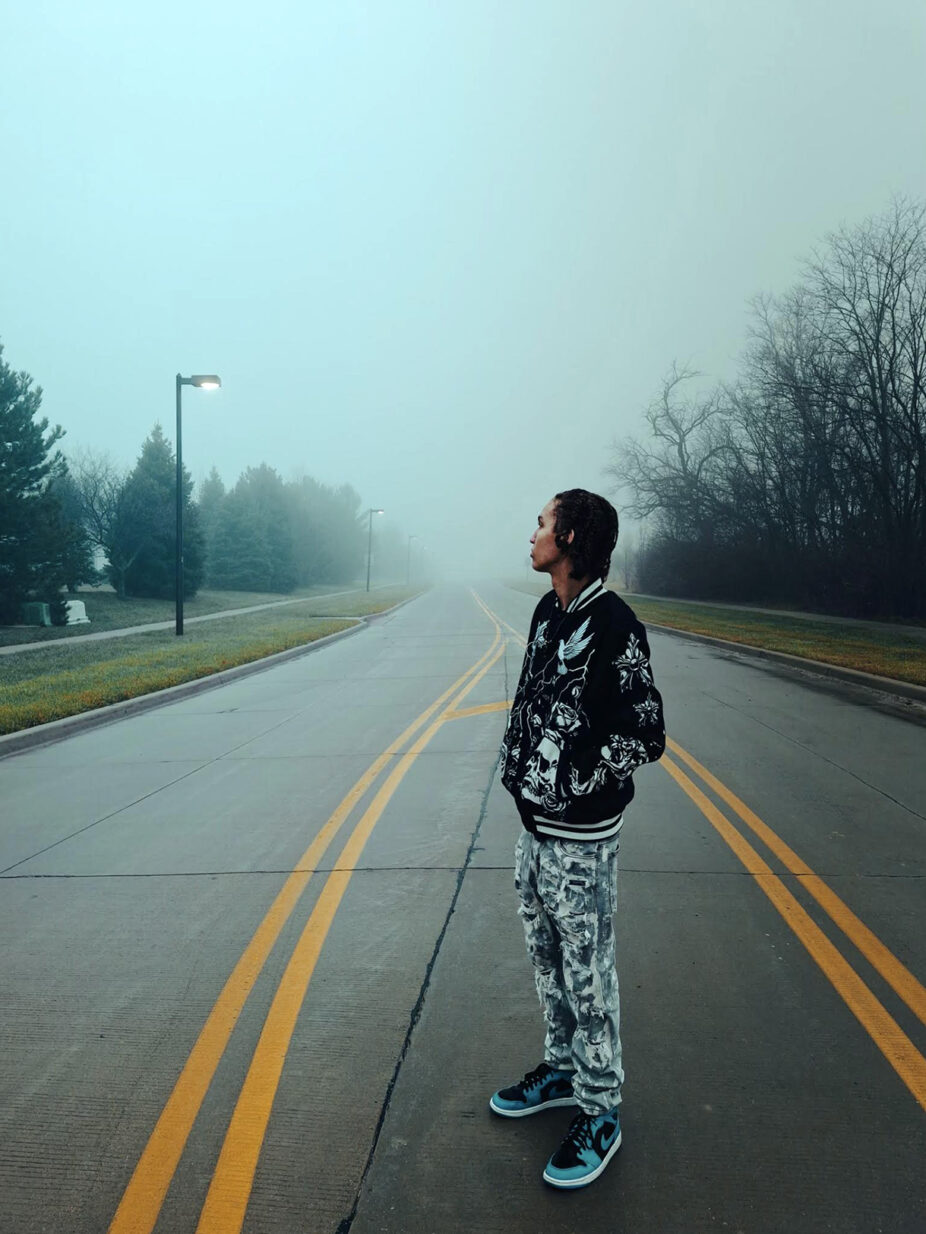
Trip Thomas, Spaceman; courtesy photo
“Music was my therapy,” said Thomas, who started writing from his bedroom at 6, later getting deeper into the craft and music production as he became a teenager. “It helped a lot when my mom was struggling financially.”
And like his mother — Vanessa Thomas, a veteran of the musical stage and multiple genres — the teen draws inspiration from a wide-range of sources. He credits his sound to influences from R&B, jazz, and rap.
“Steve Lacy is my main inspiration,” Thomas said of the acclaimed Grammy-nominated singer-songwriter. “I started making stuff on my phone like that, kind of in the same style like R&B, back when I was still singing primarily.”
His sound developed more of its rap flavor after creative sparks from artists like Tyler the Creator, Little Wayne, and Kid Cudi.
Spaceman now boasts about 130 monthly listeners on Spotify and is actively working to build a stronger presence in the music industry, Thomas said.
Click here to follow Spaceman on Instagram.
His first major release of the year was “my honest unfiltered opinion,” which dropped in March, quickly gaining momentum (and 5,000 Spotify streams). Another track — “luv letter 4 the future. Part 1” — garnered another 4,000 streams.

The track was supported by radio airplay on Kansas Public Radio’s 105 Live. It then grew buzz through social media thanks to Spaceman’s versatile musical talent, he said.
His next release — “ZONE785” — is for its official debut Oct. 31. The lead single “CODE785” pays tribute to Thomas’ hometown roots in Lawrence with its 785 area code.
As Spaceman — who considers himself a multi-faceted artist with talents as a guitarist and poet — eyes developing his own studio with limited resources, his biggest challenge is a common one for any teenager willing to express themself, he said: dealing with the hate that comes from putting yourself out there.
“There’s a lot of people who I have lost friendships with — not because of anything I did specifically — but just because they started hating on my music. And well, I don’t make it for everyone else.”
Click here to follow along with Spaceman’s music on YouTube.
Jocelyn Heckman is a Park Hill South High School journalism student and an intern for Startland News.


2025 Startups to Watch
stats here
Related Posts on Startland News
Novel Capital teams with Crux KC to offer growth-focused marketing to early-stage tech companies
An exclusive partnership between two Kansas City-based innovators is expected to help remove a traditional financial hurdle to business growth, said Ethan Whitehill, president and chief strategy officer for the KC Chamber-lauded marketing firm Crux KC. The collaboration between Crux and Overland Park-headquartered capital provider Novel Capital is expected to offer B2B SaaS and tech…
Neighborhood smart cans help Kansas Citians save the planet from their kitchens
Newly introduced composting technology is already turning new ground in Kansas City, Kristan Chamberlain said, with more solar-powered compost cans arriving later this spring across the metro’s urban landscape. Her social venture, KC Can Compost, installed three of the devices in October — free to use for KCMO residents wanting to deposit their soil-making food…

Voodoo Volleyball bounces back in OP: Father-daughter duo doubles as new venture’s setters
Quinn Austin put several sports to the test as a preteen — racing from basketball practice to softball to volleyball. But she latched on to just one. “Volleyball. It was my sport. Everyone was having a good time,” she said. “We just loved the cheers — a cheer when we got a hit, a cheer…

Black farmers are losing ground in the fight to feed their communities, advocates say
More than a century of systemic land dispossession and discriminatory practices has left Black farmers with less than 0.6 percent of U.S. farmland — less than a third of the 16 million acres they operated in 1910, according to local urban farming advocates. They gathered Tuesday at Independence Boulevard Christian Church to confront this history…