

From ravioli to revenue: How Pasta La Fata became a fresh pasta powerhouse in mid-Missouri
September 5, 2025 | Taylor Wilmore
Editor’s note: The following story was produced through a paid partnership with MOSourceLink, which boasts a mission to help entrepreneurs and small businesses across the state of Missouri grow and succeed by providing free, easy access to the help they need — when they need it.
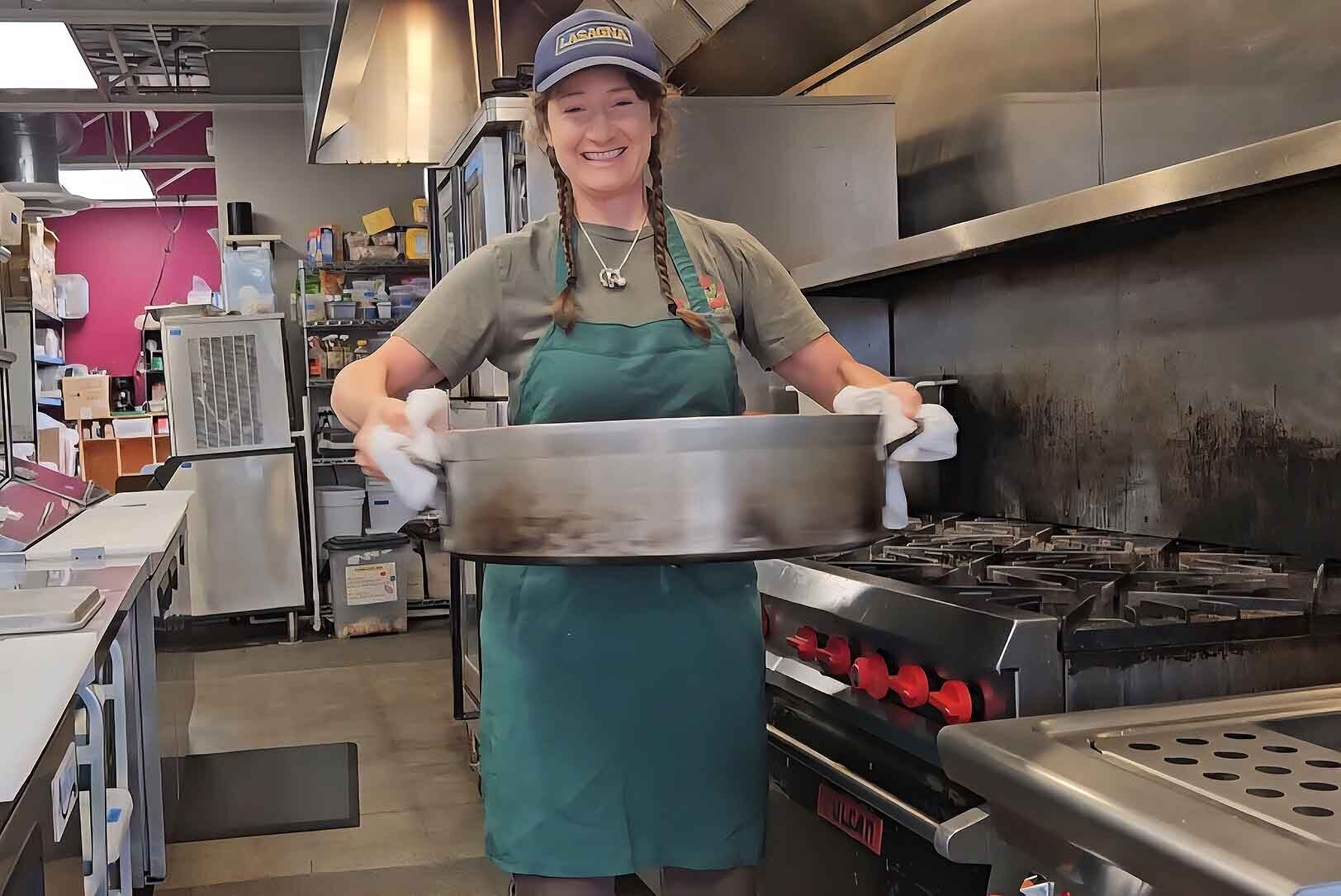
COLUMBIA, Mo. — Michelle “Shelly” La Fata built Pasta La Fata with flour and love, shaping every noodle by hand and grounding her work in family tradition, seasonal ingredients and a belief that food should bring people together.
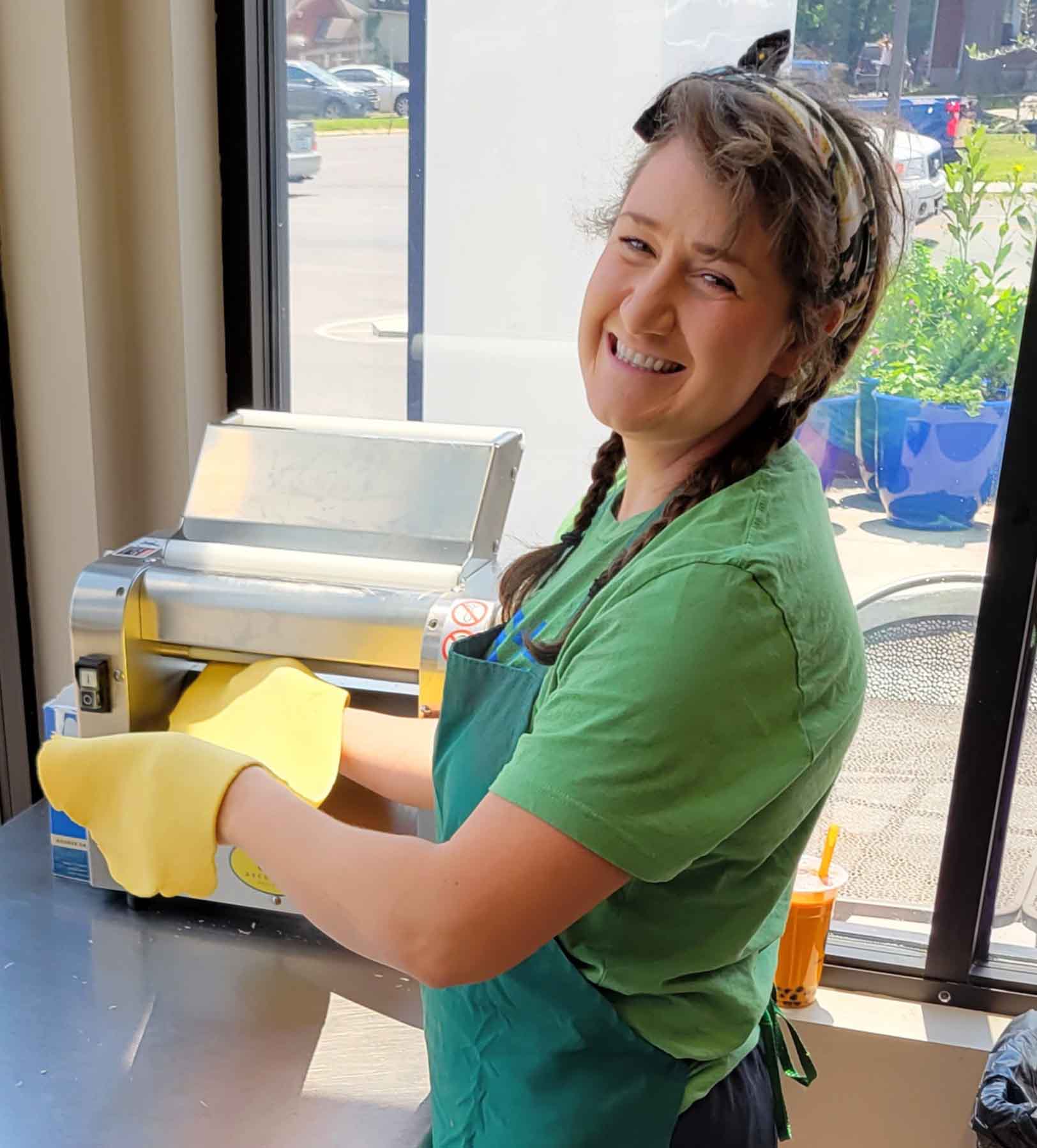
Shelly La Fata working dough for noodles at Pasta La Fata; courtesy photo
At her Columbia, Missouri, restaurant and pasta shop, every rigatoni, ravioli and ragù comes from scratch. What began as a solo gig at the farmers market now supports a full kitchen team, a rotating menu and a loyal following of pasta lovers.
La Fata’s love for food started at home. She was raised Sicilian-American in St. Louis, where her family gardened, cooked every meal from scratch and rarely ate out.
“My grandparents had an enormous vegetable garden next to their house,” she recalled. “They were first-generation Americans, extremely frugal and ate out of their garden. My grandma cooked everything from scratch.”
It wasn’t until college that La Fata realized just how different her upbringing was.
“I thought everybody ate pasta all the time,” she said. “Then I got to college and realized that my standards for ingredients were much higher than my peers’.”
After earning a degree from the Natural Epicurean Academy of Culinary Arts in Austin, Texas, she returned to Columbia in 2012 and started a private chef business, offering her flexibility and autonomy.
“My focus was nutrient dense food,” La Fata said. “It was a good intro into launching a small business. From there, I diversified and started working for other companies.”
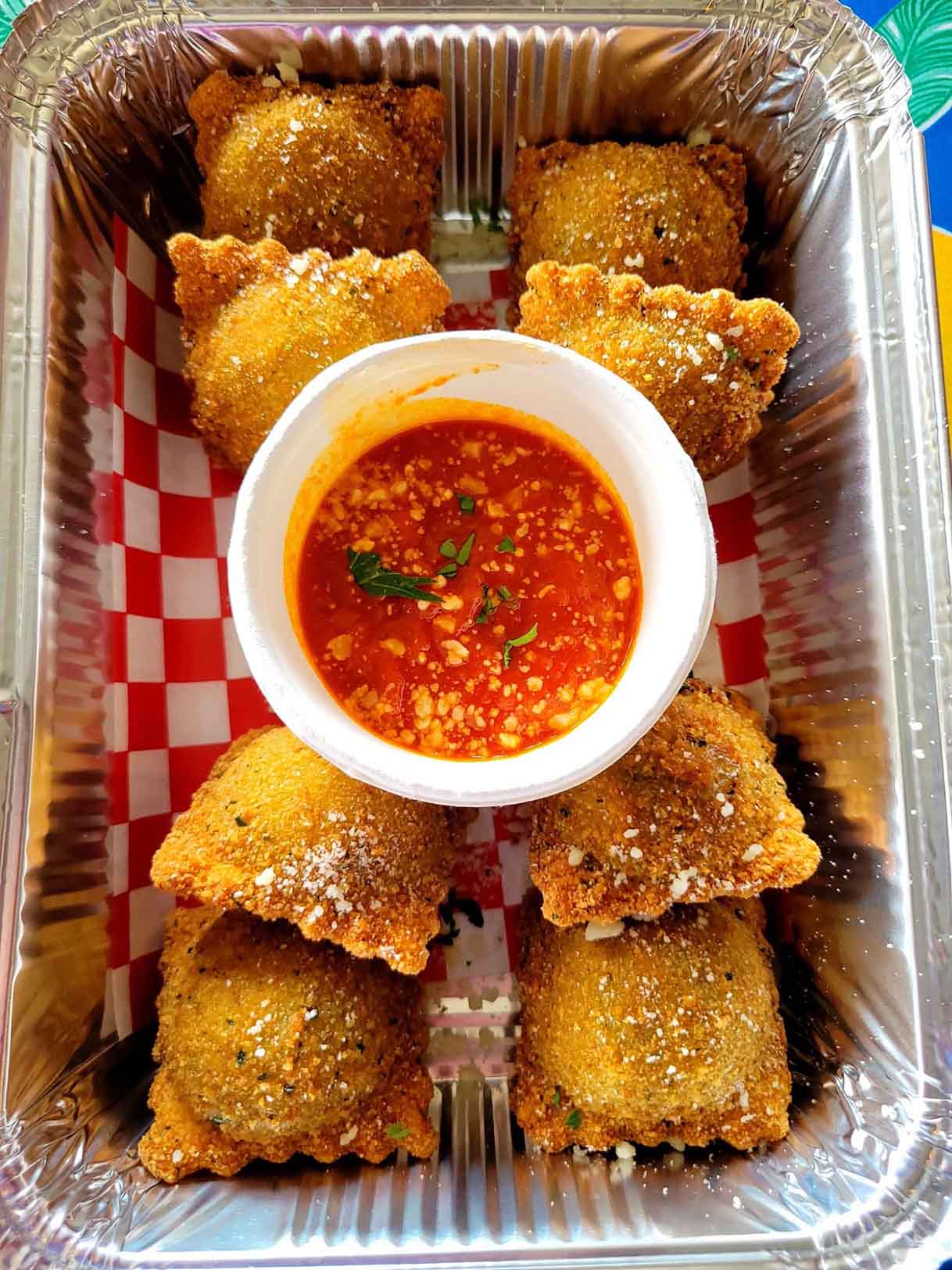
Handmade toasted ravioli from Pasta La Fata; courtesy photo
Toasted ravioli turns heads
While still working in restaurant kitchens, La Fata started experimenting with handmade pasta and pop-ups around town. Her first hit was a play on toasted ravioli, a St. Louis classic, filled with creative combinations like roasted pepper and goat cheese.
“I made handmade toasted ravioli for a bar crowd,” she said. “They were unique, with local fillings, and people responded really well.”
After seeing success at occasional pop-ups, she started selling handmade ravioli at the Columbia Farmers’ Market in 2018. The reception was immediate.
“I’d go to the farms myself, harvest produce and use it in my fillings,” La Fata said. “I was telling that story on Facebook and people felt really connected to it.”
People weren’t just buying pasta, they were investing in a story.
“They could buy cheap ravioli at a grocery store,” she said. “Or they could come to the farmers market and have a conversation with me and buy this handmade story.”

Farm fresh food
As La Fata’s business grew, so did her network of farmers and food producers.
One neighbor, a 77-year-old gardener named Tony, became an early collaborator.
“He reminded me of my grandparents,” she said. “I would walk through his garden every week and write my menus based on what he was growing.”
Eventually, Tony started growing specifically for Pasta La Fata. The partnership became the template for how La Fata sources ingredients: local, fresh and in season.
“All of our meat, eggs, milk and cream are sourced locally,” La Fata said. “Buying what’s grown down the street instead of shipped across the country means better quality and a stronger community.”
She also sees her sourcing choices as part of a bigger food justice mission.
“Corporate farming has poor working conditions, pollutes heavily and controls pricing,” she said, “Supporting local farmers is not just better for the food, it’s better for the community.”
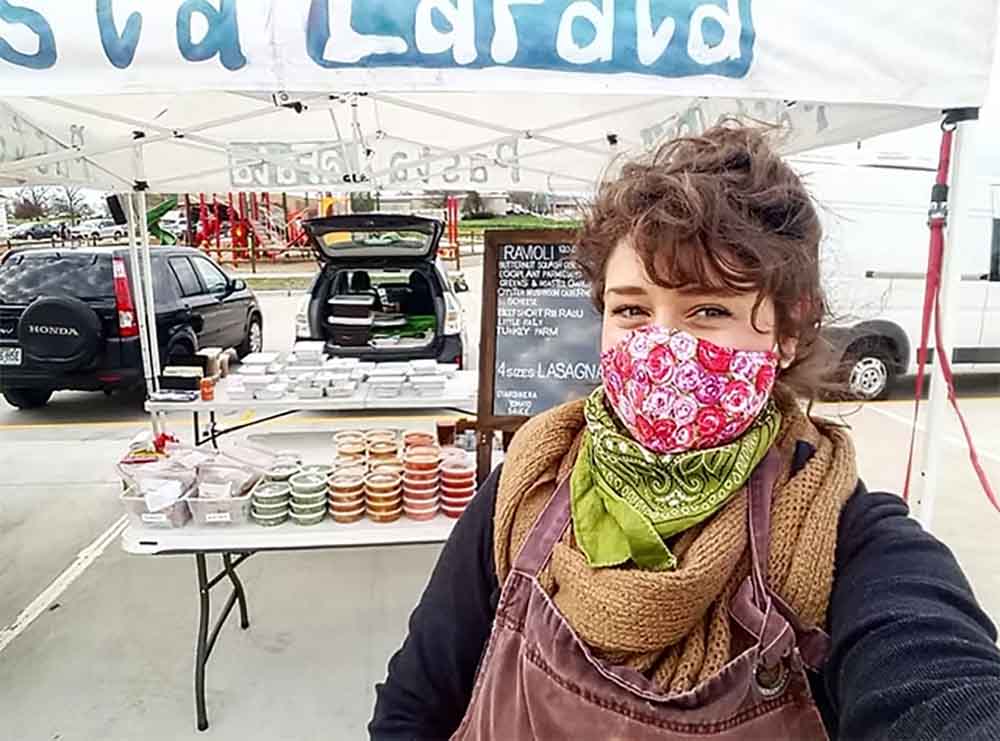
Shelly La Fata at the Columbia Farmers Market; courtesy photo
A pivot during the pandemic
The COVID-19 pandemic disrupted La Fata’s farmers market routine but offered an unexpected opportunity. Her teammate and general manager, Moki Prevo, built an e-commerce website, and they expanded into online sales and meal deliveries.
They began offering more items, including frozen lasagna, pasta kits and cookies.
“We were still just a farmers market booth, but now we had an online store and were delivering across Columbia,” La Fata said.
The shift led to explosive growth.
“That quadrupled our revenue,” she said. “I hired three more people before we ever opened a restaurant.”
Learning the business of pasta
With demand on the rise, La Fata joined the Missouri Women’s Business Center in 2020, where she was paired with a business coach who had restaurant experience. Regular meetings helped her develop the operational side of her business, from payroll to tax filings.
“[My coach] met with me every week,” La Fata said. “I didn’t know how to set up payroll or file tax returns. She really helped me build a solid foundation.”
She used her business plan to pitch a local bank, securing funding to build out a commercial kitchen and storefront from the ground up.
“It was a completely blank slate,” she said. “No plumbing, no electricity, no gas. We had to build everything.”
Pasta La Fata officially opened in June 2022 with a small dine-in space, a pasta counter and a menu that changes weekly.
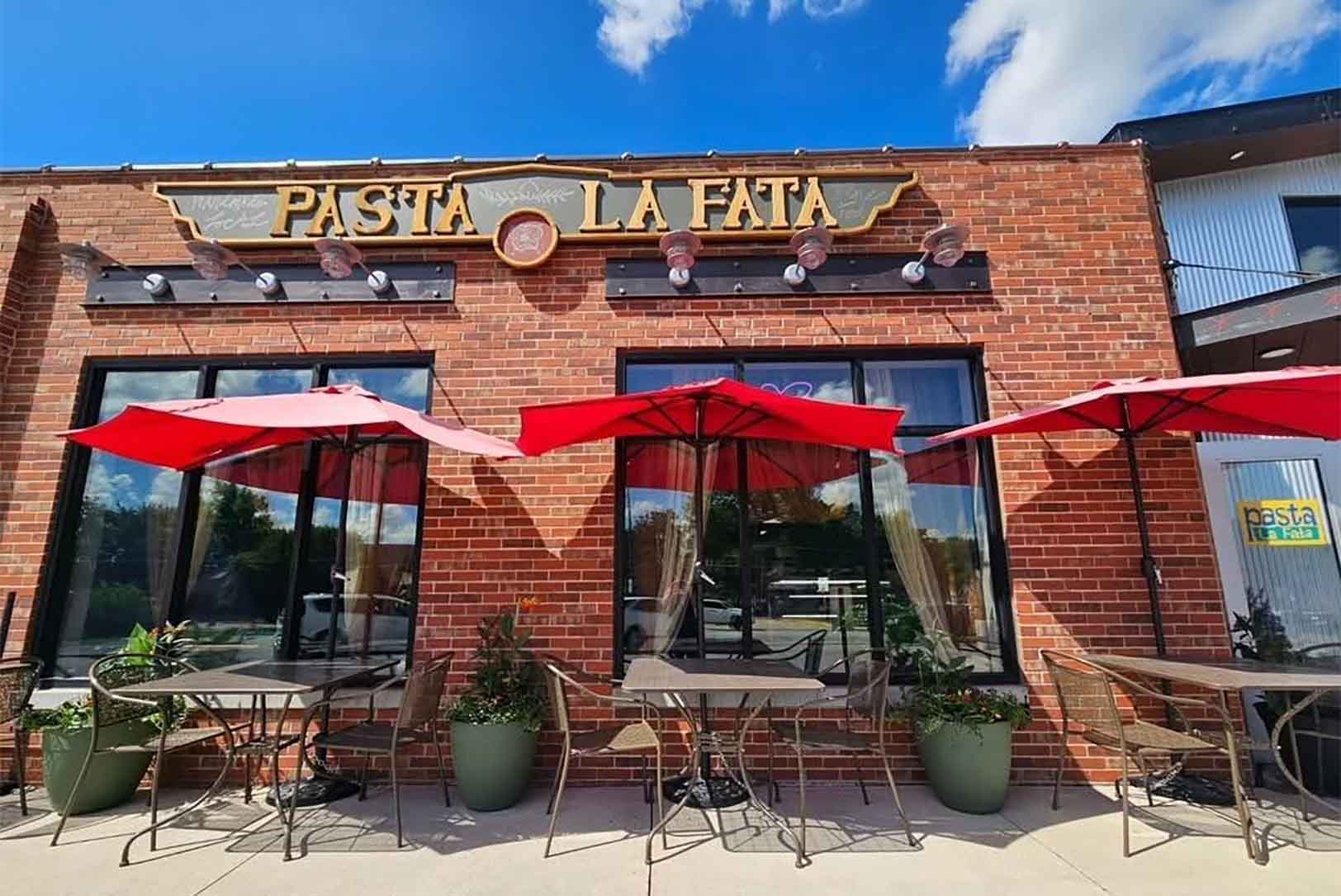
Pasta La Fata at 1207 Rogers St., Suite 106, in Columbia, Missouri; courtesy photo
Always handmade, always intentional
Today, La Fata runs the business with an 18-person team. Her leadership style, once rooted in hustle and improvisation, has evolved into something more sustainable and team-driven.
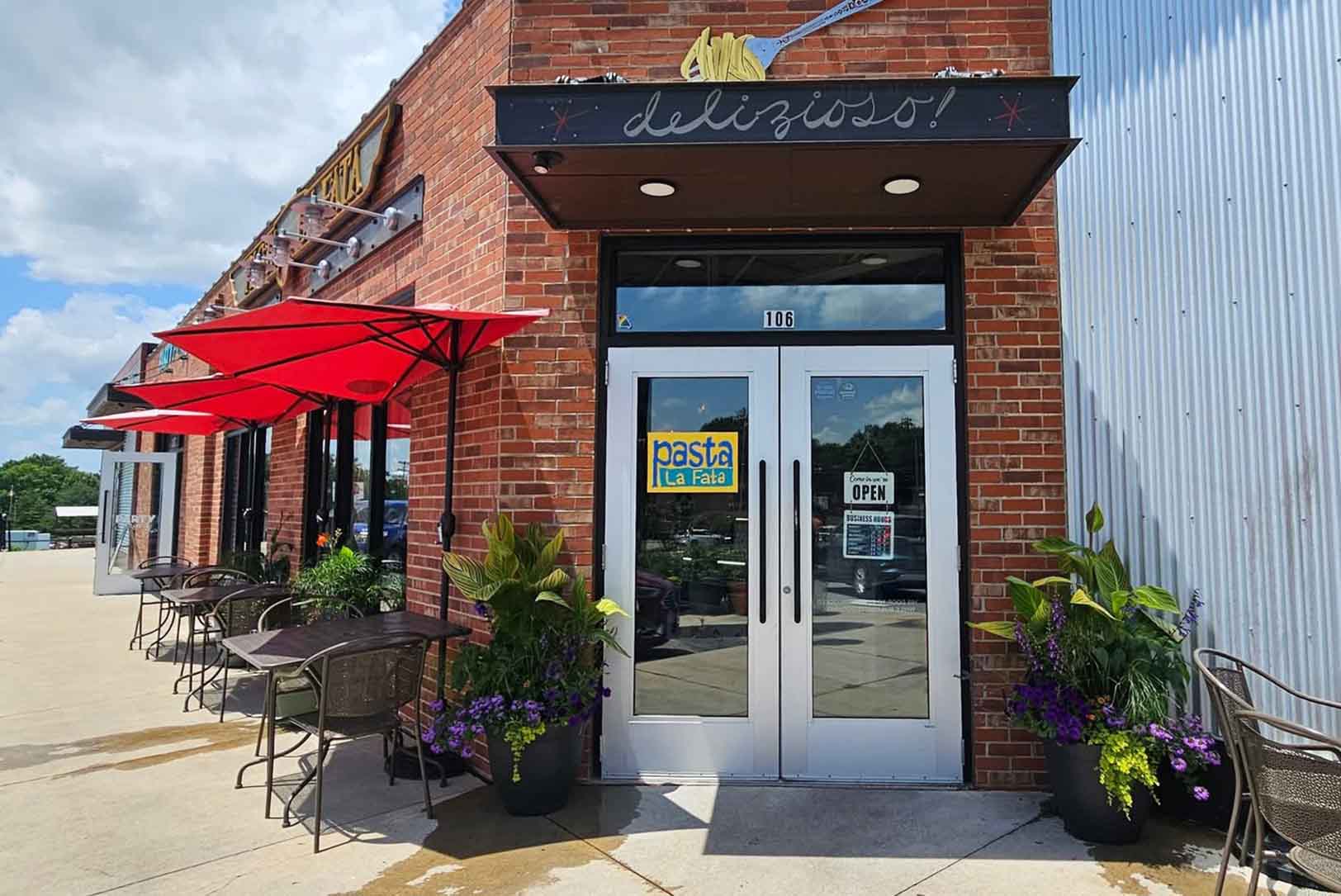
Pasta La Fata at 1207 Rogers St., Suite 106, in Columbia, Missouri; courtesy photo
“I had to transform myself,” she said. “At first, I was just trying to survive. I was operating on fear and adrenaline. But once the business stabilized, I really turned my attention to the people who work for me.”
She implemented weekly all-staff meetings, built out employee policies and invested in leadership training.
“We say, ‘Make their day!’” La Fata said of her team’s philosophy to be intentional with everyone who walks through the door. “Whether it’s a customer, a delivery driver, or someone fixing the sink, we treat everyone with care.”
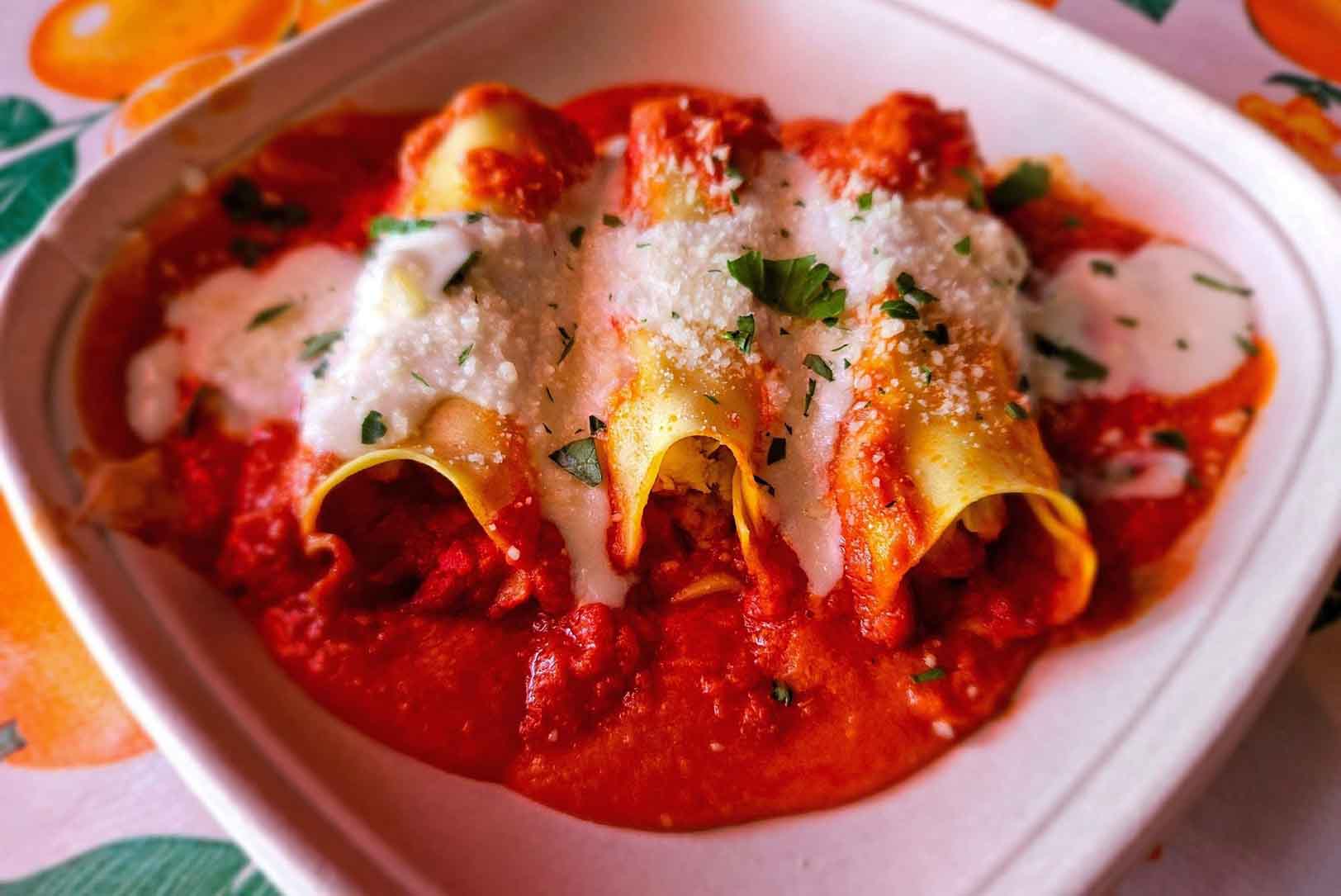
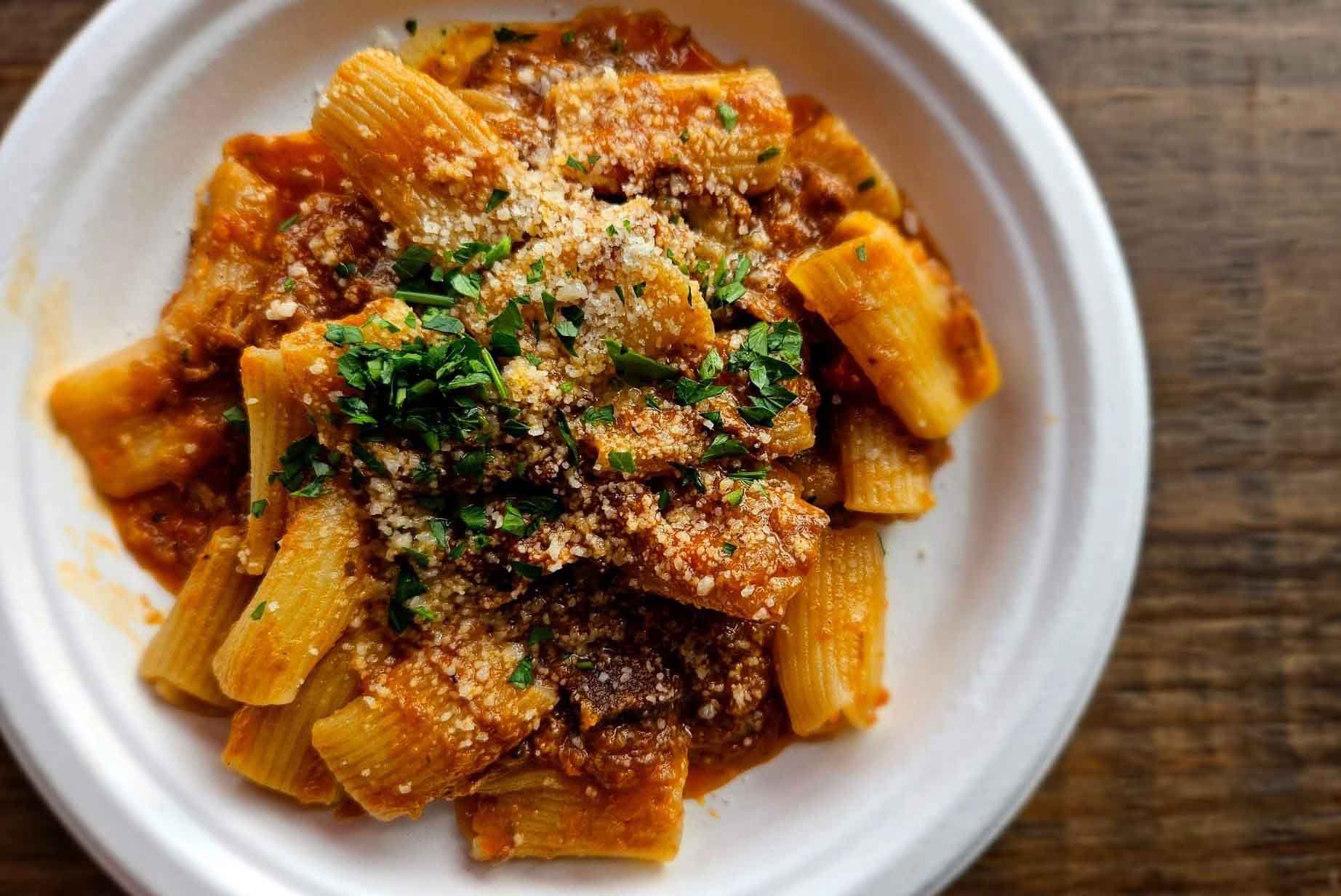
Menu items shift with the seasons, often including a meat sauce, a cream-based sauce and a vegetarian option. The ragù on fresh rigatoni remains a customer favorite.
Pasta La Fata continues to grow as a culinary gem in Columbia, with new pasta shapes, sauces and offerings rotating each week, she said. But the mission remains the same: Make food from scratch, support local farms and feed people well.
“I like forming a connection with customers, learning their names and their stories, and seeing them interact with my business in different ways,” La Fata said. “Over the years, it’s like we have kind of grown together.”

Featured Business

Taylor Wilmore
Taylor Wilmore, hailing from Lee’s Summit, is a dedicated reporter and a recent graduate of the University of Missouri, where she earned her Bachelor’s degree in Journalism. Taylor channels her deep-seated passion for writing and storytelling to create compelling narratives that shed light on the diverse residents of Kansas City.
Prior to her role at Startland News, Taylor made valuable contributions as a reporter for the Columbia Missourian newspaper, where she covered a wide range of community news and higher education stories.
2025 Startups to Watch
stats here
Related Posts on Startland News
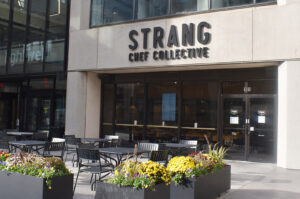
Downtown food hall hits closing time; Strang’s chef-driven concept leaving lightwell
Strang Chef Collective is serving its final customers within the food hall’s downtown space, said CEO Shawn Craft, announcing the lightwell location would close Tuesday “despite the company’s best efforts over the past year to keep it open.” The chef-driven concept — through which diners experience a mix of global and elevated comfort flavors —…

KC Daiquiri Shop closing Dec. 1; iconic duo behind the party vibes plans to ‘regroup, reflect, and rebuild’
The good times roll through the weekend at KC Daiquiri Shop as the well-known Mardi Gras-themed getaway on Grand Boulevard shuts down its years-long revelry. “This decision has not come lightly,” Kinley Strickland and Calvin Vick, owners of KC Daiquiri Shop, said Monday in a social media post announcing the business’ plans to close Dec.…

Side hustle to help autistic adults belong in the workplace earns young founder Student Entrepreneur of the Year honor
Grace Kertz is redefining what workplace inclusivity can look like with Sensory Sync, an AI-powered platform designed to support neurodivergent employees. Her work on the innovative venture on Thursday earned her the title of UMKC Student Entrepreneur of the Year. “Sensory sync is an enterprise grade DEI and wellness platform sold to companies. It utilizes…

UMKC Entrepreneur of the Year: How Populous designed a legacy, built to go global
Kansas City-built design firm Populous brought to reality more than just great venues, Tom Bloch shared; it developed great experiences for a worldwide audience. “From its start here in Kansas City as HOK Sport in 1983 until now, Populous has set an unmatched standard for stadiums, convention centers, and event spaces,” Bloch told the crowd…