

Radar’s new pitch: How this Kansas sports tech startup spins data into speedier fastballs
August 1, 2025 | Taylor Wilmore
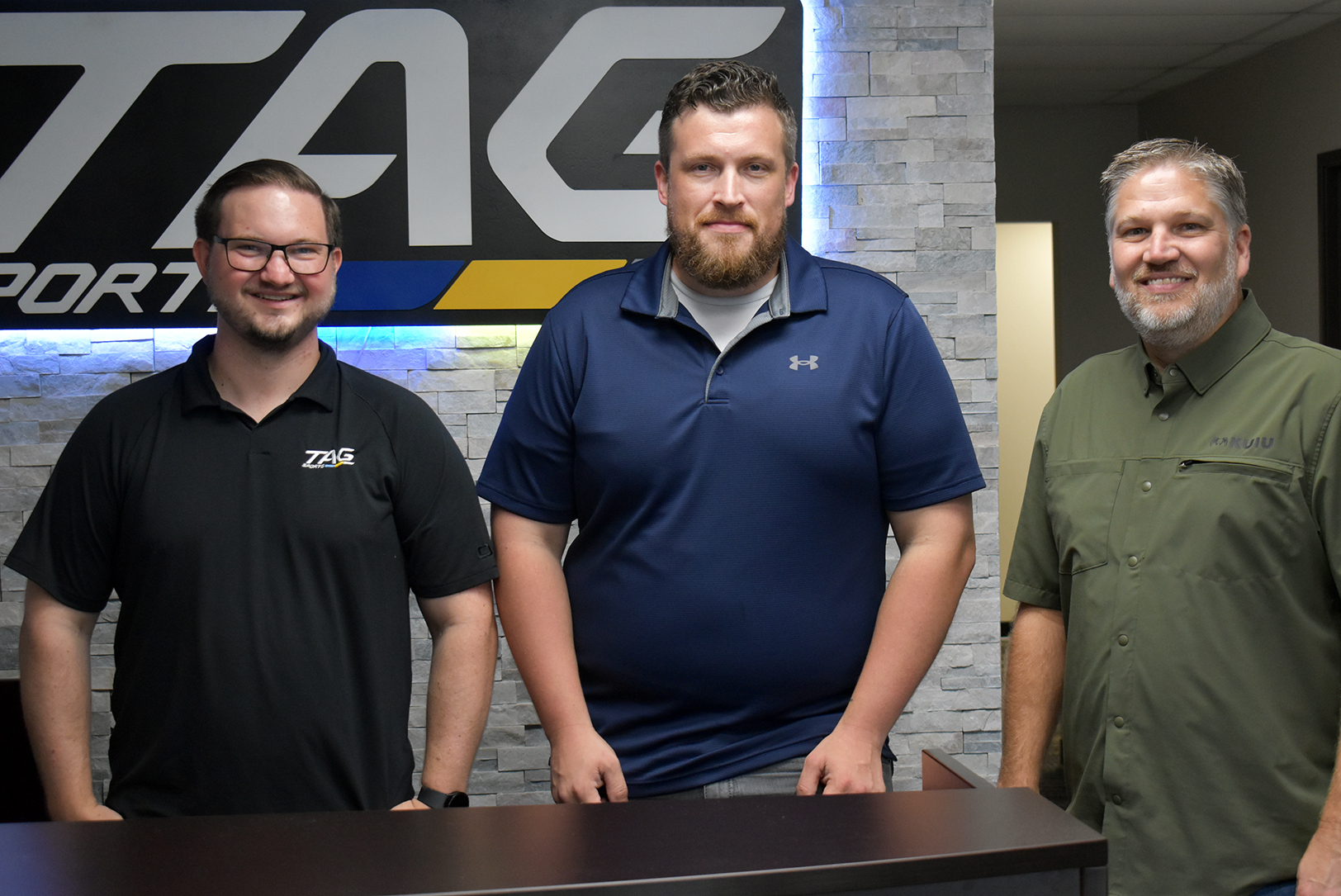
When speed is the name of the game, data can be nearly as important as talent, said Jarrod Nichols, emphasizing the role his startup’s radar technology can play in helping baseball and softball athletes measure fastball performance, improve their stats, and swing for the fences.

“Pitch speed has been captured since the early ’70s,” said Nichols, managing director of Lenexa-based TAG Sports. “But now, we can capture it as the ball is releasing, which is one of those stats people want to see: how fast the ball is travelling from the pitcher to the catcher.”
The company’s innovative speed-tracking device, launched earlier this year, is already gaining traction among baseball and softball players, coaches, and curious parents.
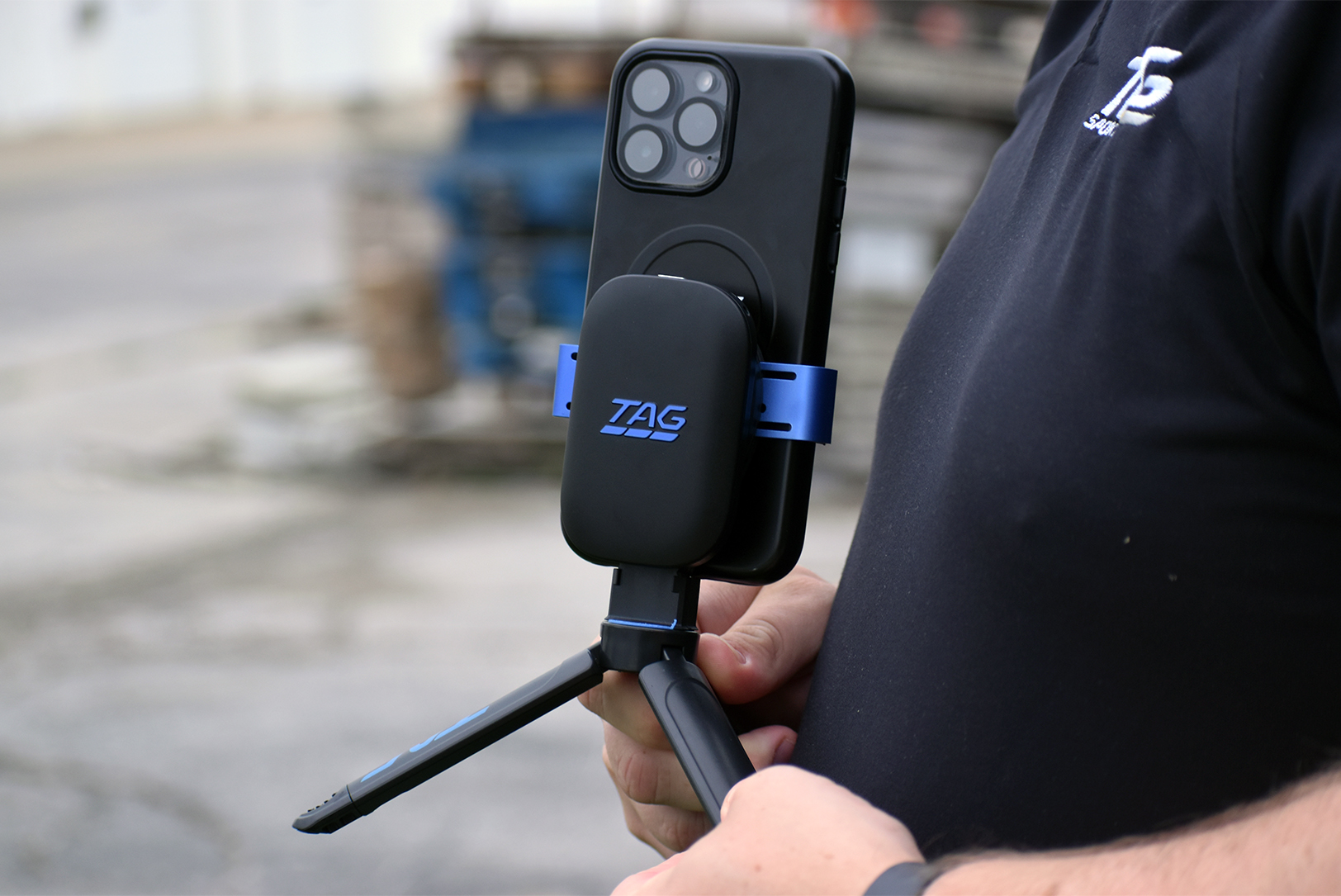
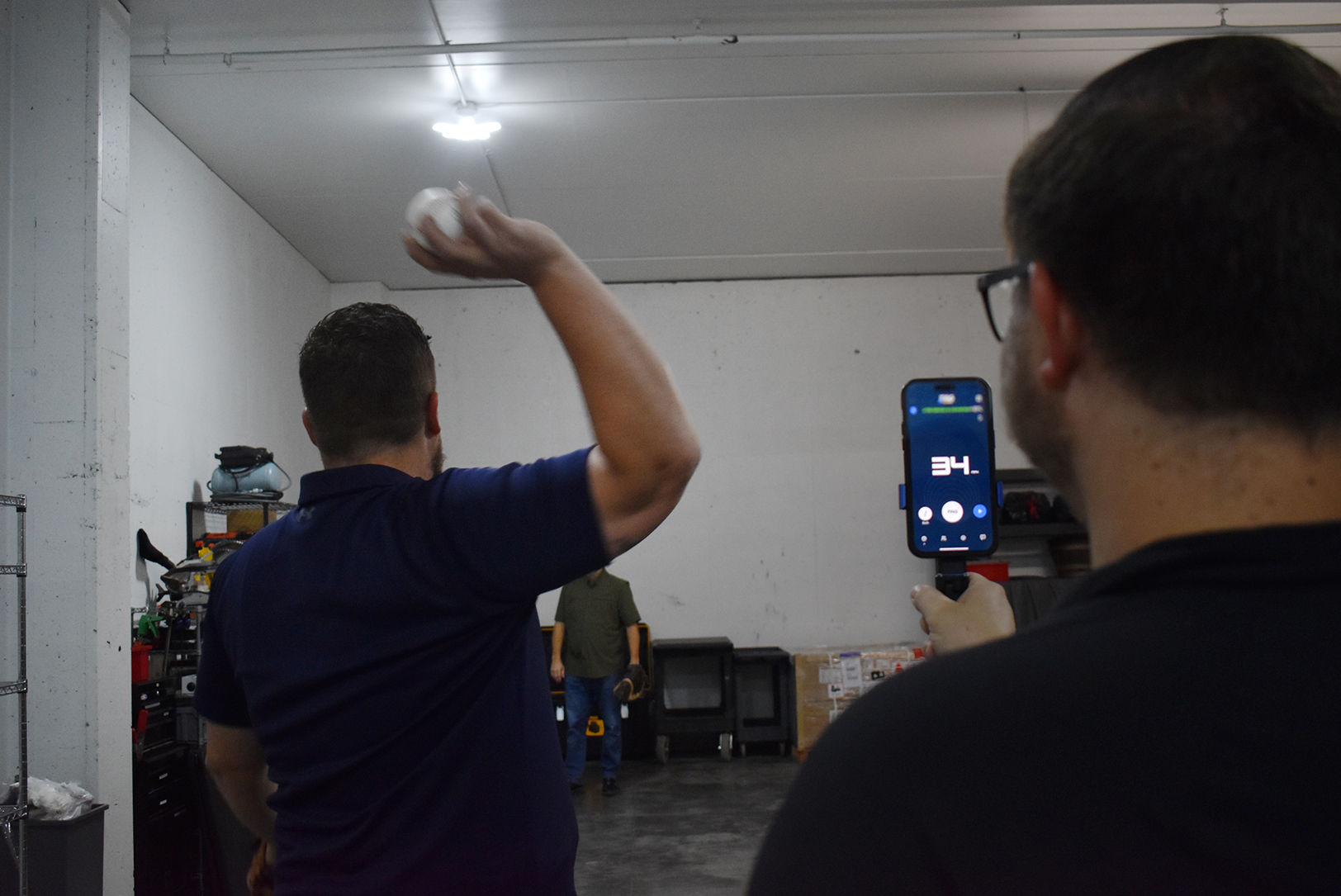
The TAG One Sports Radar product includes a compact radar sensor, phone mount, and handle/tripod combo. It connects via Bluetooth to a fully integrated mobile app and is built for easy use.
“You can actually attach the radar right to the back of your phone,” explained Logan Tuel, mechanical engineer at TAG Sports. “We included these devices to make it easier and more versatile.”
A coach right in your pocket
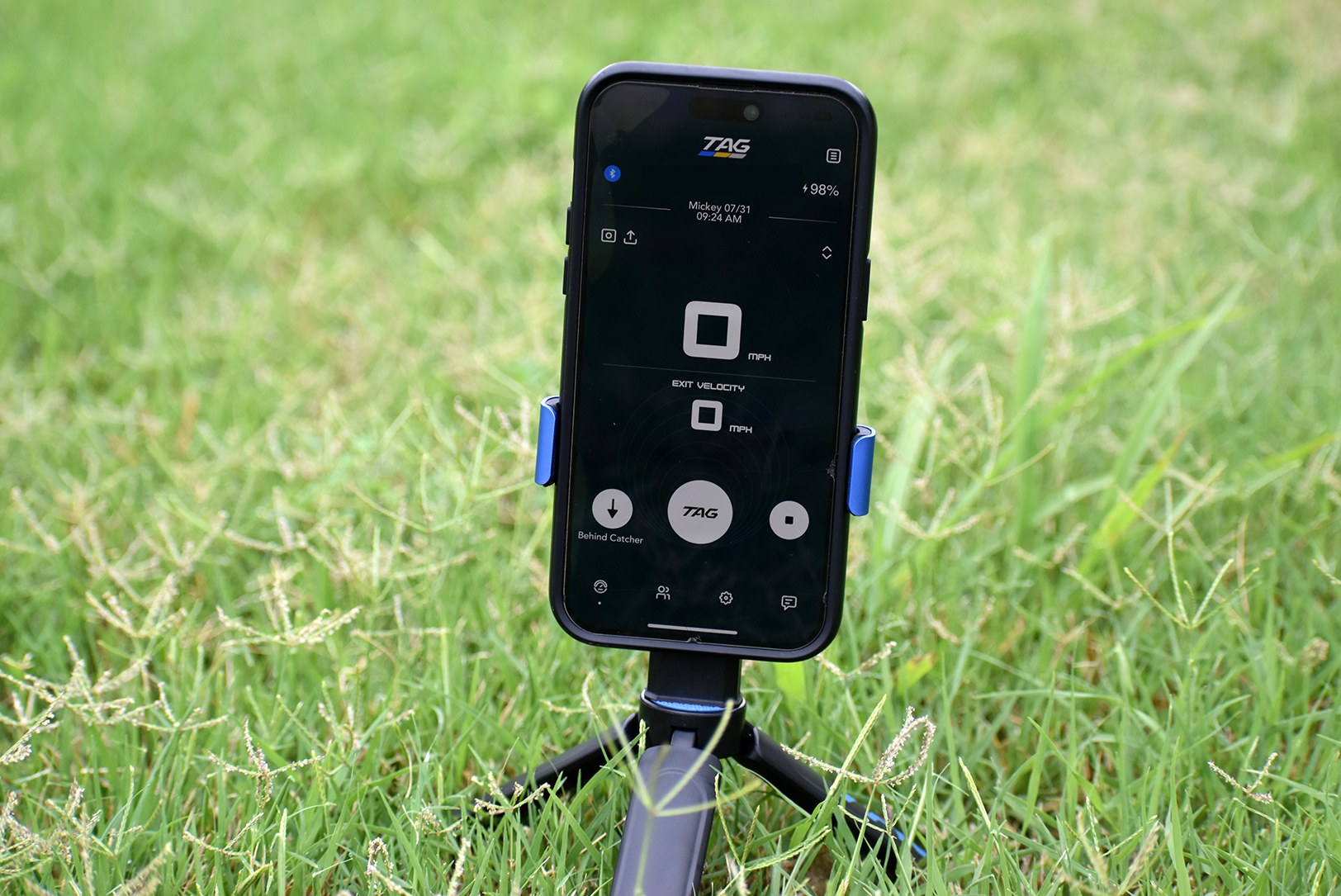
What makes TAG stand out: Its system measures pitch speed, tracks progress, offers coaching advice, and provides visual feedback using AI-powered insights from an in-app coach named ACE (Artificial Coaching Expert).
“You can ask it questions about how to improve your game, about your statistics,” said Tuel, noting a user who threw a bullpen session could use the data gathered to compare themself to historical statistics.
TAG’s app also generates video highlights with overlaid speed metrics. This allows players to share clips, review their mechanics, and get custom feedback.
And ACE can compare player stats to age-specific benchmarks and offer practical ways to improve.
“Let’s say you’re a 14-year-old pitcher averaging 68 miles an hour,” said Caleb Lucas, marketing manager at TAG Sport. “ACE can say, ‘Well, for 14, you should be hitting 70, and here’s how to do that.’”
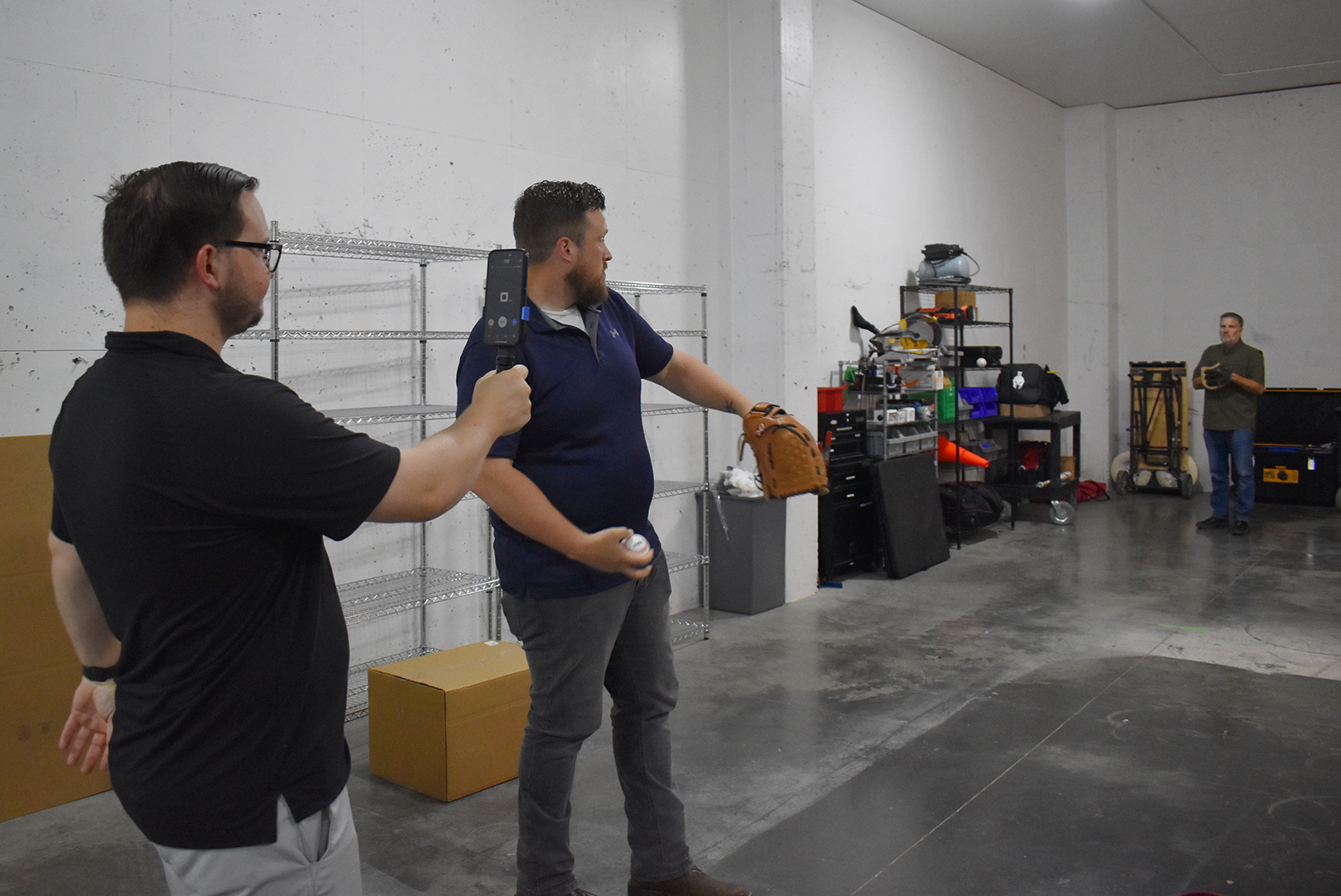
Training for the whole team
TAG’s journey started not on a baseball field, but in the skies over Antarctica.

Zongbo Wang, Ainstein
“Our founder, Zongo Wang, was doing some research at the University of Kansas. They were flying over Antarctica in a C-130 and had a Doppler radar doing some weather mapping,” Nichols said. “At that moment, he’s like, ‘I want to see if I can miniaturize this and take it to sports.’”
Wang later founded Ainstein, a radar technology company producing safety systems for everything from lawn mowers to drones and self-driving bulldozers to jetpacks. That tech laid the groundwork for TAG Sports’ entry into consumer athletics by using radar in a handheld way.
From the archives: How Tiger Woods’ swing at The Masters was influenced by this Lawrence lab
“There’s 25 million softball and baseball players in the U.S. alone,” Nichols said. “The market was ripe for new innovation.”
Many other radar devices and “speed guns” have existed for decades. TAG wants to offer a product that is affordable, app-integrated, and user-friendly.
“It’s for everybody, not just athletes,” Nichols added. “If I’m a coach of a Little League team, I can assign plans to each one of my players, and then I can look and see what their progress is.”
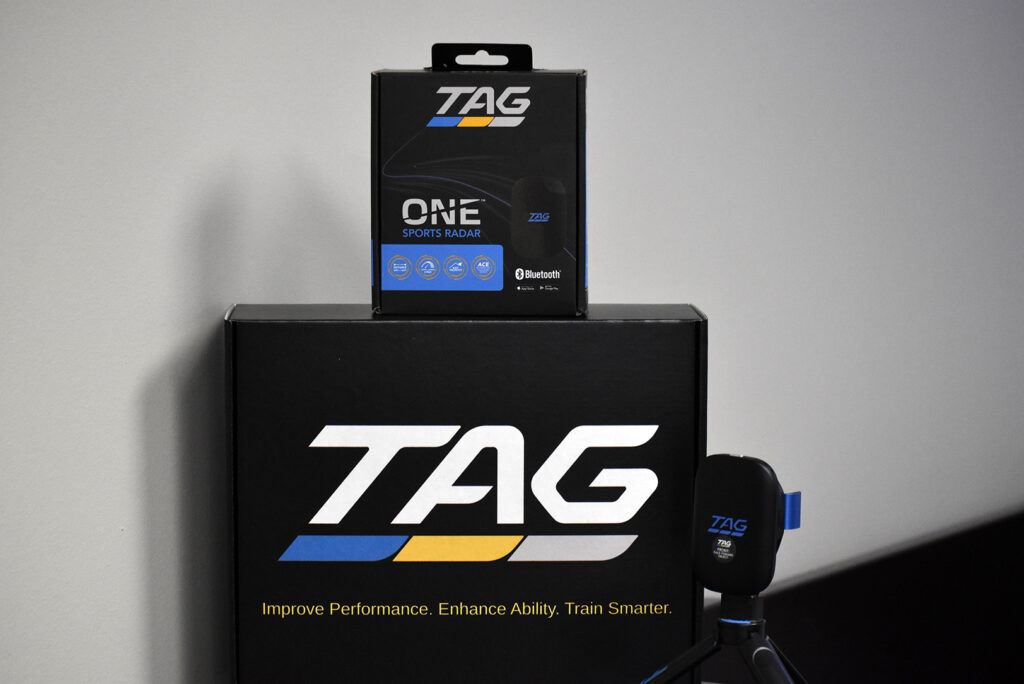
The TAG One Sports Radar product from Lenexa-based TAG Sports; photo by Taylor Wilmore, Startland News
Built in Kansas, backed by community support
TAG Sports operates from Kansas and has leaned heavily into grassroots efforts to build its brand, including field events, Amazon sales, and local radio ads.
“We’re a small but mighty team,” Nichols said. “Just seeing the community respond to the launch of TAG, and that we’re a local Kansas-based company; it’s been really cool to see the pride that people have here.”
The company is also collaborating with the University of Missouri-Kansas City to create an AI internship program while keeping their pricing accessible, even as tariffs fluctuate.
TAG is currently focused on baseball and softball for its products, but the company’s leaders have ambitions to expand into other sport training tools.
“We’re continually thinking of new things and ideas,” Nichols said. “Eventually we’re going to get into bigger and better devices and potentially new sports.”
Data-driven improvement
Recently, TAG showed off its tech at an MLB pitch, hit, and run event in Eudora, Kansas, hosted by D-BAT.
“We set up a station and had little ones come in and throw,” Nichols said. “I was blown away by their performance and just seeing their faces light up when they saw the speed, it was a really neat experience.”
The device is giving families new insight into their kids’ abilities, especially those who’ve never had access to training tools like this before.
“We’ve had videos submitted where the kids guess their speed 20 miles an hour slower than what they actually can do, they just had no idea,” said Lucas.
It’s TAG’s mission to deliver value to players at every level, Nichols emphasized.
“That’s what we want to support, seeing how people improve over time with our platform,” he said.

Featured Business

Taylor Wilmore
Taylor Wilmore, hailing from Lee’s Summit, is a dedicated reporter and a recent graduate of the University of Missouri, where she earned her Bachelor’s degree in Journalism. Taylor channels her deep-seated passion for writing and storytelling to create compelling narratives that shed light on the diverse residents of Kansas City.
Prior to her role at Startland News, Taylor made valuable contributions as a reporter for the Columbia Missourian newspaper, where she covered a wide range of community news and higher education stories.
2025 Startups to Watch
stats here
Related Posts on Startland News

Why coastal investors ignore the Midwest and what’s next for federal startup policy
Here are this week’s watercooler conversation-starters on why inland states struggle to find funding, coming issues in federal entrepreneurship policy and the success of innovation districts that are cropping up around the U.S. (and in Kansas City). More in this series here. International Business Times: Finding venture capital far from the coasts Of the $48.3…

Ebb and flow: The Kansas City Startup Village by the numbers
Startland News created an infographic on the growth and shrinkage of the Kansas City Startup Village since its 2012 founding. Here’s a colorful interpretation of its ebb and flow, as presented by Startland’s Kat Hungerford. Read more about the KCSV’s history, successes and possible future here.
Shawnee passes tax measure to attract startups
A tax incentive program that aims to attract high-growth startups to the City of Shawnee unanimously passed a city vote, paving the way for firms to tap a variety of benefits to alleviate initial costs. The city council voted 8-0 on the “Startup Workforce Relocation and Expansion Program,” which aims to encourage job growth and…

Animal health firms can now apply for key Kansas City investor forum
The Kansas City Animal Health Corridor is now accepting applications for its eighth-annual investor forum that brings together the top decision makers in the animal health industry. The forum — set for Aug. 30 — will welcome dozens of venture capital organizations from around the world and offer animal health companies the chance to score…