

How reactivating history can drive economic growth more sustainably than a new build
August 18, 2025 | Haines Eason

Editor’s note: The following is part of an ongoing feature series exploring impacts of initiatives within the Economic Development Corporation of Kansas City through a paid partnership with EDCKC.
Hotel owners wanted charm that can’t be built in today’s economy; Kansas City history booked them the bones to do it
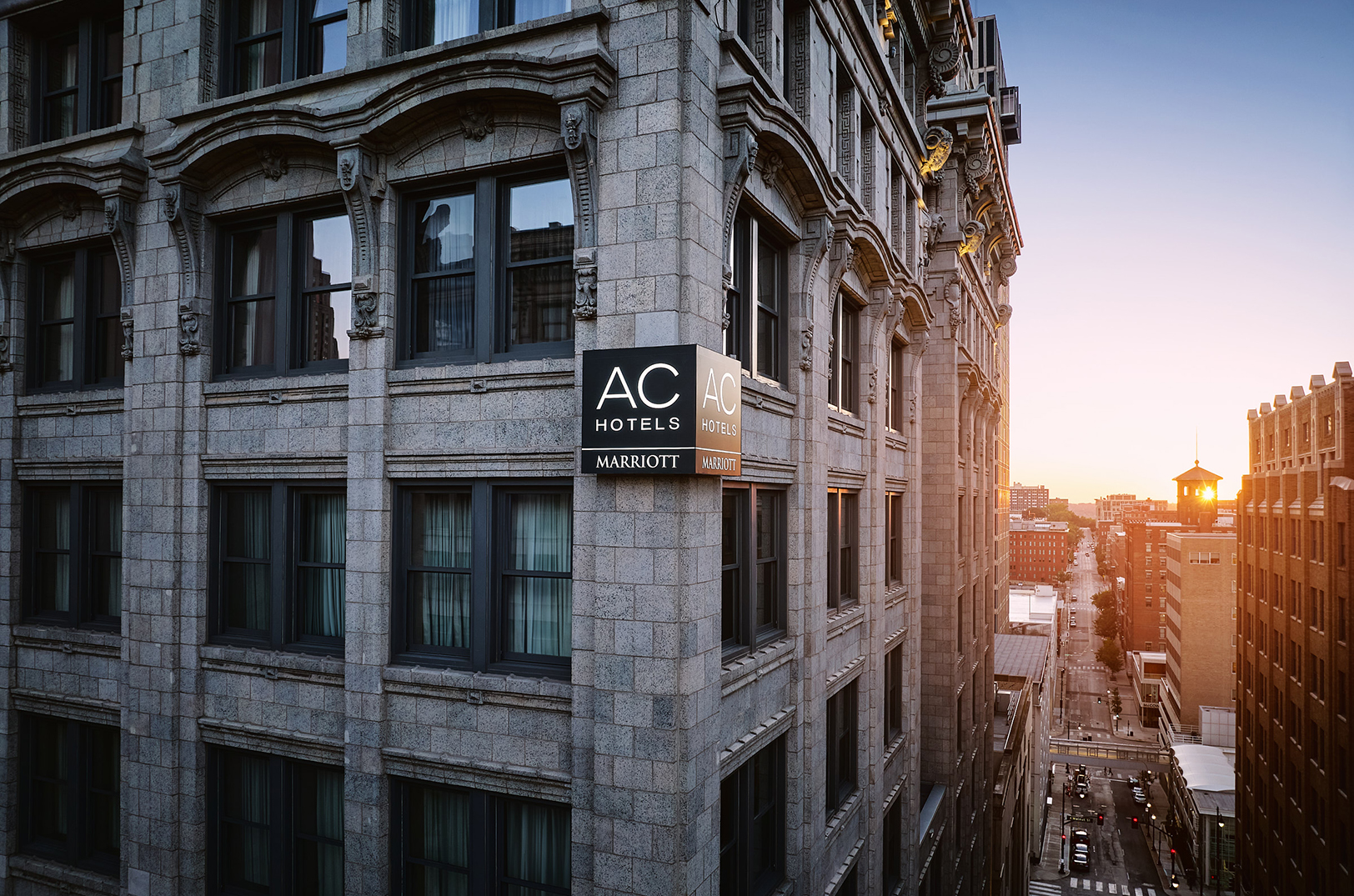
A one-of-a-kind, limestone-clad building at 906 Grand Blvd. — reopened in May as one of Kansas City’s premiere hotel destinations — reflects architectural details that developers no longer pursue when building new, said Blair Allen.
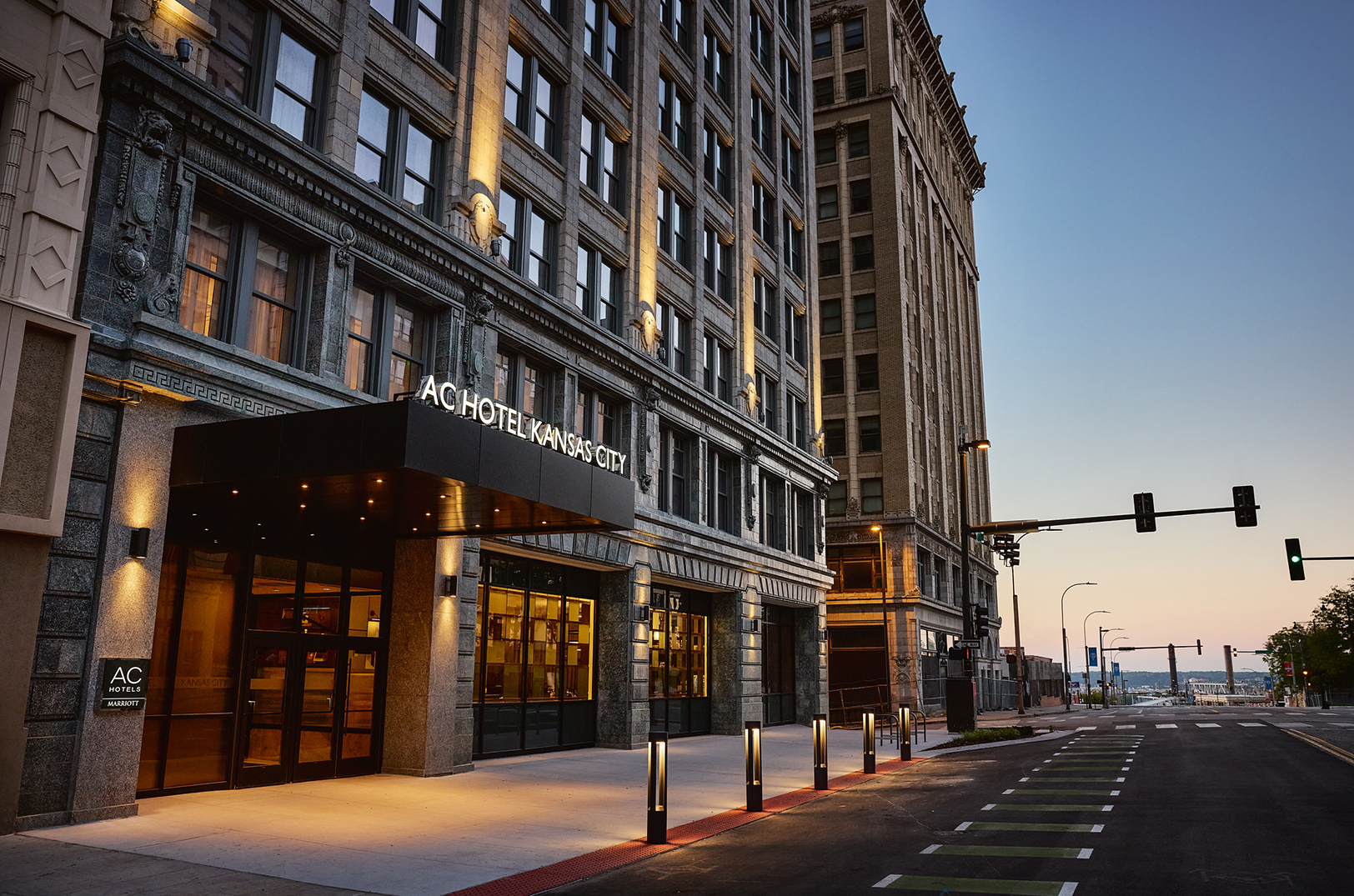
AC Hotel Kansas City at 906 Grand Blvd. in downtown Kansas City; courtesy photo
“We were captivated by its beauty and the intricate exterior and tile work,” said Allen, part of the ownership group behind the redevelopment within the 13-story structure — now transformed into a 239-room AC Marriott Hotel.
Standing tall since 1912, the structure has evaded the wrecking ball of time, largely kept whole in its new iteration; serving as a bridge between the city’s storied past and its promising future.
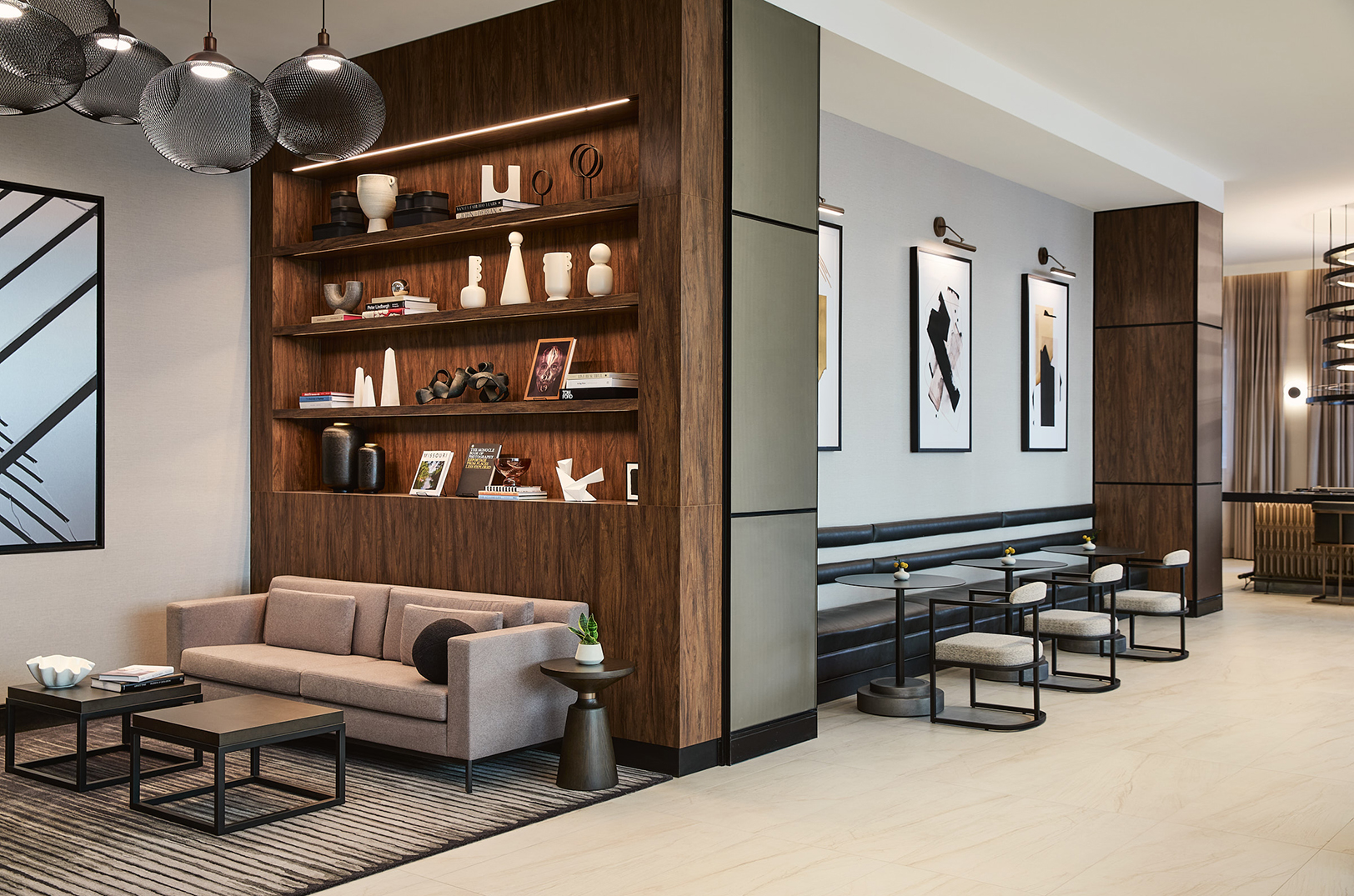
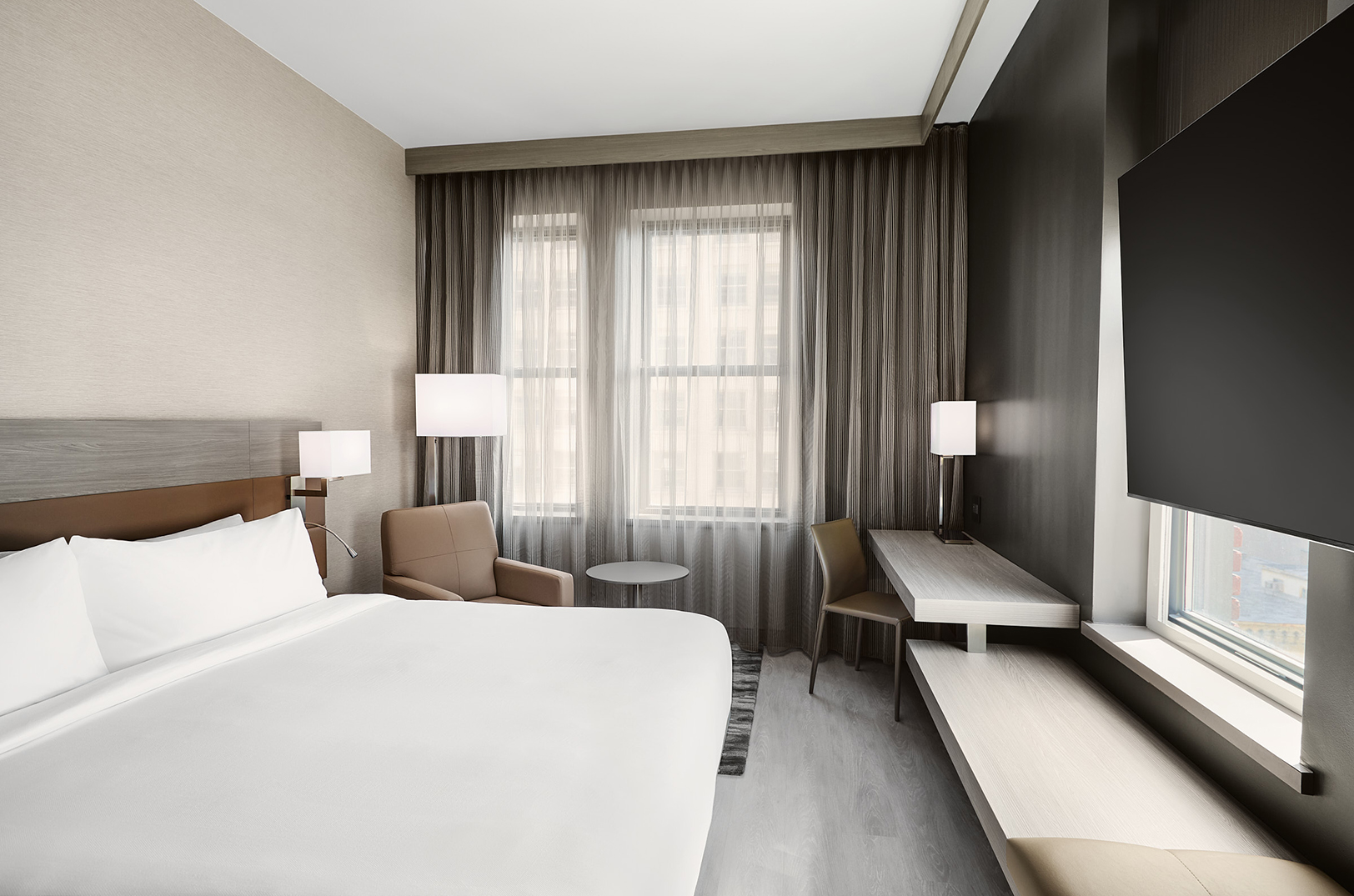
“We’re blending historic beauty with modern needs,” Allen explained. “Guests today want the new amenities, they want the right bed, the right shower, the right WiFi and television offerings, but at the same time they appreciate the beautiful tile work and the beautiful attributes of this building.”
Project developers meticulously preserved or replicated — not just replaced — original windows, maintained intricate craftsmanship, and showcased the grand marble staircase, an architectural centerpiece rarely found in modern construction.
Allen credited architect John Campo for expertly navigating this delicate balance.
“His design philosophy really accentuated and added to the historic aspect of the building, rather than taking away from it, and that’s a real gift,” Allen said. “I’m a hotel guy. I need somebody with his brain to make it all work.”
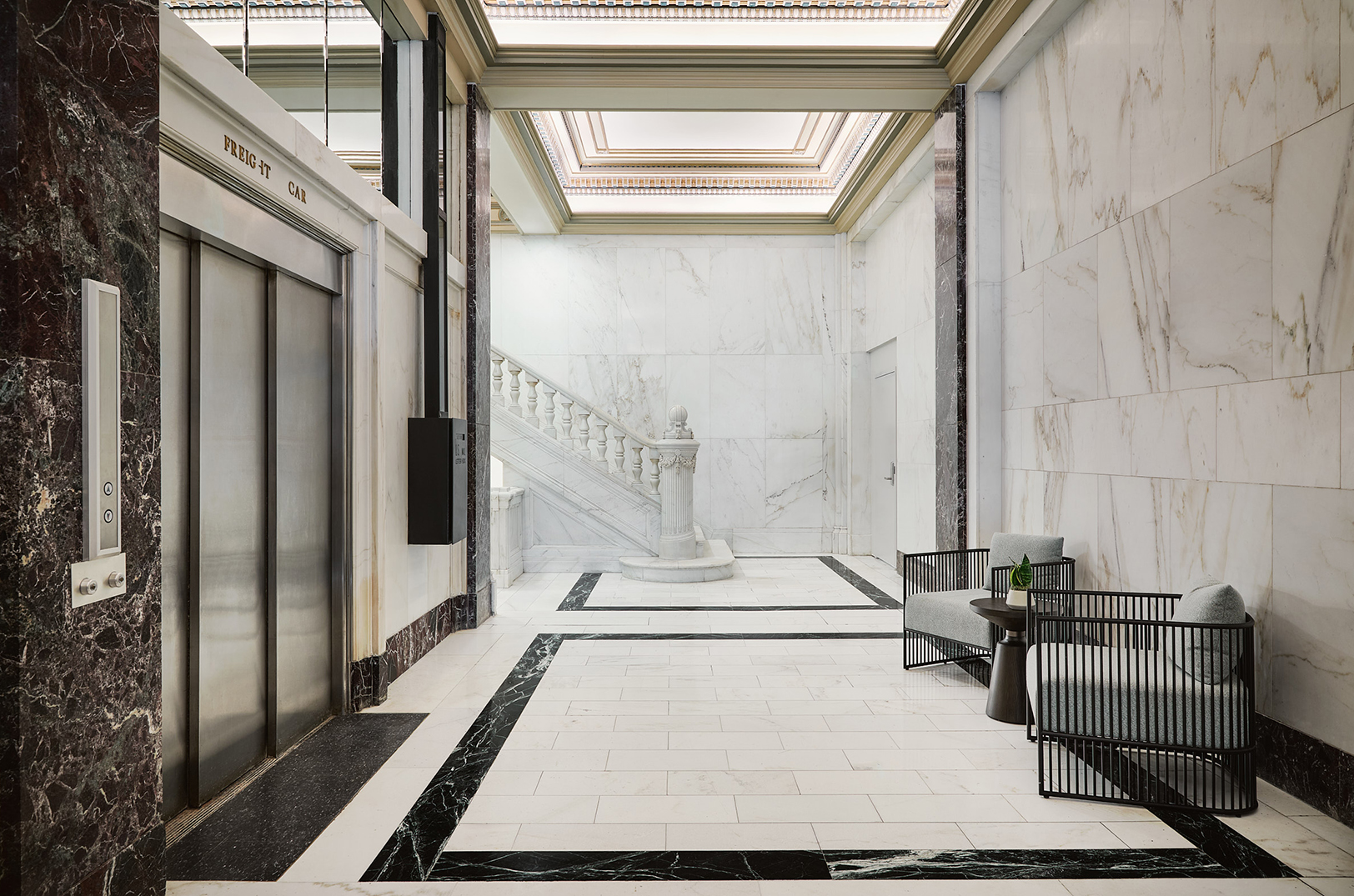
A marble stairwell inside the AC Hotel Kansas City at 906 Grand Blvd.; courtesy photo
Energy efficiency upgrades — including insulation, double-pane glazing, advanced HVAC systems and careful weatherproofing — demonstrate a commitment to sustainability, he added.
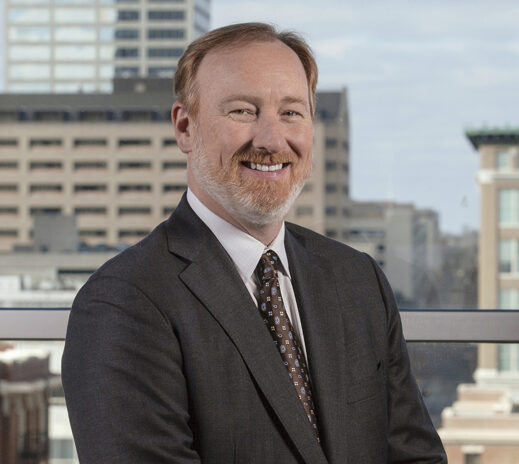
Blair Allen, Beechwood Hospitality
The 906 Grand ownership group includes specialists who worked in concert to keep the project’s momentum through completion, he said. Allen is a hotelier; others in the group focus on architecture, construction, renovation, and historic restoration.
That diversity of talent — and its focus on the careful balance required when historic preservation meets a modern lodging establishment — helped bring the city of Kansas City, Missouri, and the Economic Development Corporation of Kansas City (EDCKC) aboard to support the 906 Grand project.
The revival of AC Marriott Hotel underscores the EDCKC’s broad emphasis on sustainable development, said Dan Moye, as well as the inherently sustainable nature of preservation.
“To some extent, any historic preservation is a sustainability effort in itself,” explained Moye, vice president at the EDCKC and executive director of the Land Clearance for Redevelopment Authority (LCRA).
“If you’re reutilizing something that’s old — if you’re not tearing it down — your carbon footprint’s going to be smaller,” he said. “And with restoring a historic building, you’re bringing it up to speed, you’re making it more energy efficient.”
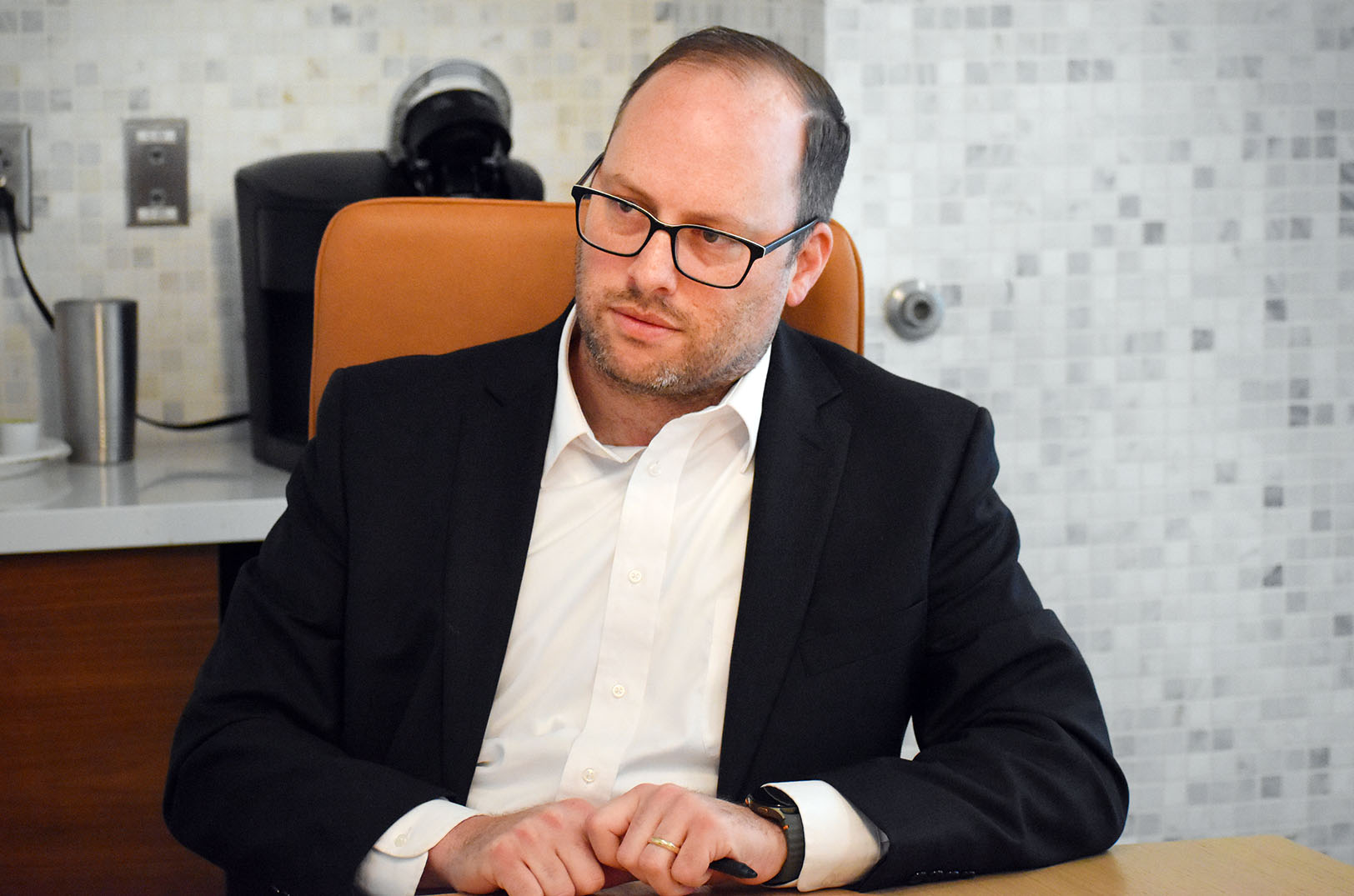
Dan Moye, vice president of land development for the Economic Development Corporation of Kansas City, at EDCKC’s offices in River Market; photo by Taylor Wilmore, Startland News
Walking toward growth
The redevelopment’s economic impact began with the creation of numerous construction and operational jobs, Moye said.
Now with 239 available rooms, AC Marriott Hotel offers one of the larger hospitality footprints in the downtown area — supporting both tourism and business travelers.
And those visitors will need services.
“Projects like this create spinoff development,” Moye said. “If you have, say, 70 percent of rooms full every night, somebody’s going to open a coffee shop. Guests are going to be walking to meetings, going here, going there. There’s going to be a desire for food and beverage service and more.”
Allen echoed that sentiment, noting the project’s location at the current edge of progress.
“We felt confident that this project will fill in the gaps,” he said. “Ninth and Grand is not fully redeveloped yet. We’re right there on the edge, and we’re building; we’re helping expand the heart of downtown Kansas City.”
Beyond AC Marriott Hotel’s aesthetics and functionality, Moye agreed, the project’s legacy might be measured by the activity sparked around it.
Additional development is already planned nearby, he said, including a mixed-use project directly north of 906 Grand.
“The hope moving forward is that we can build off what that neighborhood already has, take those bones, and help it flesh it out into a really successful neighborhood that adds some vibrancy,” Moye said.
Allen pointed back to the related benefit of walkability.
“I hosted 12 people in Kansas City two weeks ago — all hoteliers from around the country — really to show them what we’ve done,” Allen said. “And we all walked to dinner. We walked and had a cocktail. We walked and saw other architecture. We walked to lunch.”
“And when you get to the true core of downtown, there’s so many options,” he continued.
That’s been a core focus for the city, Moye added.
“In any major downtown in the country — not just Kansas City — you want it to be as walkable as possible,” he said. “You want less vehicle traffic; you want more foot traffic; you want people that are on the ground because they are then walking into shops, they’re walking into a coffee shop, they’re walking into a bodega.”
“And those are things that Kansas City has struggled with over the last few decades that we’re trying to add more of,” Moye continued.
“There’s absolutely still a tourist application for this too. It’s just a couple blocks from T-Mobile.”
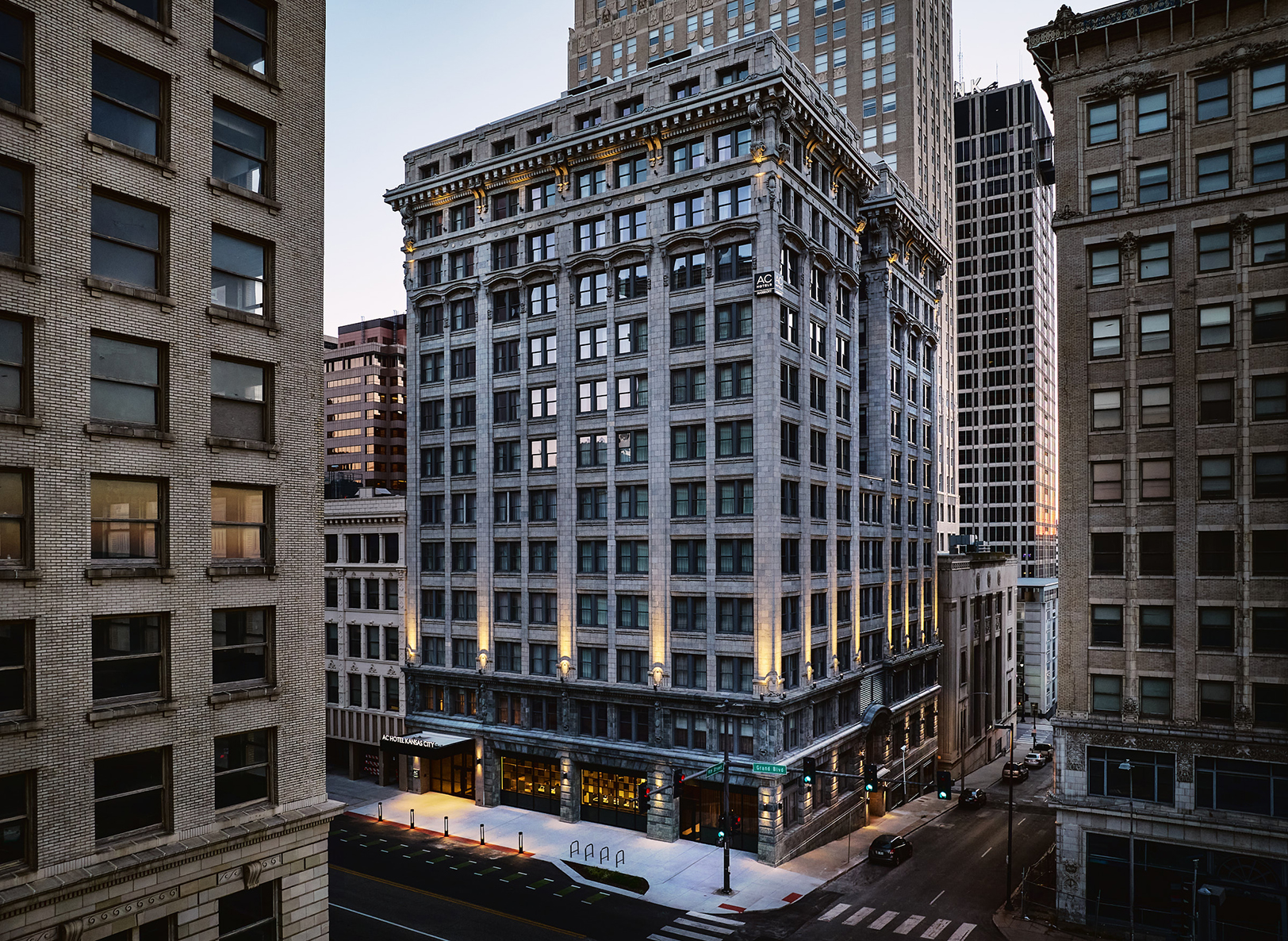
AC Hotel Kansas City at 906 Grand Blvd. in downtown Kansas City; courtesy photo
Blueprint for development
The successful redevelopment of 906 Grand Blvd. illustrates a dream collaboration between public agencies and private developers, Allen said, noting strong partnerships with EDCKC and the land authority were crucial.
RELATED: KC’s next big wins require all players join EDCKC in the field
“The environment for business in Kansas City is very, very strong,” he said. “Being from Arkansas, I’ve actually talked to people here about the differences and what a great job Kansas City did in all aspects of encouraging investment. You know, in partnerships, in every step of the way, we receive some sort of support, assistance, backing from some entity. And that really makes the deal go.”
“Yes, it’s easier to build a new building than it is to restore it all: what you have to clear out, what you have to clean out, what’s not strong anymore?” Allen acknowledged. “And if you just build from the ground up, you know everything you’re doing. You know everything’s there.”
“Restoring an old building is different. It’s expensive,” he continued. “Having those entities in place in Kansas City — supporting economic development, facilitating, helping all these pieces come together — that’s what makes it happen.”
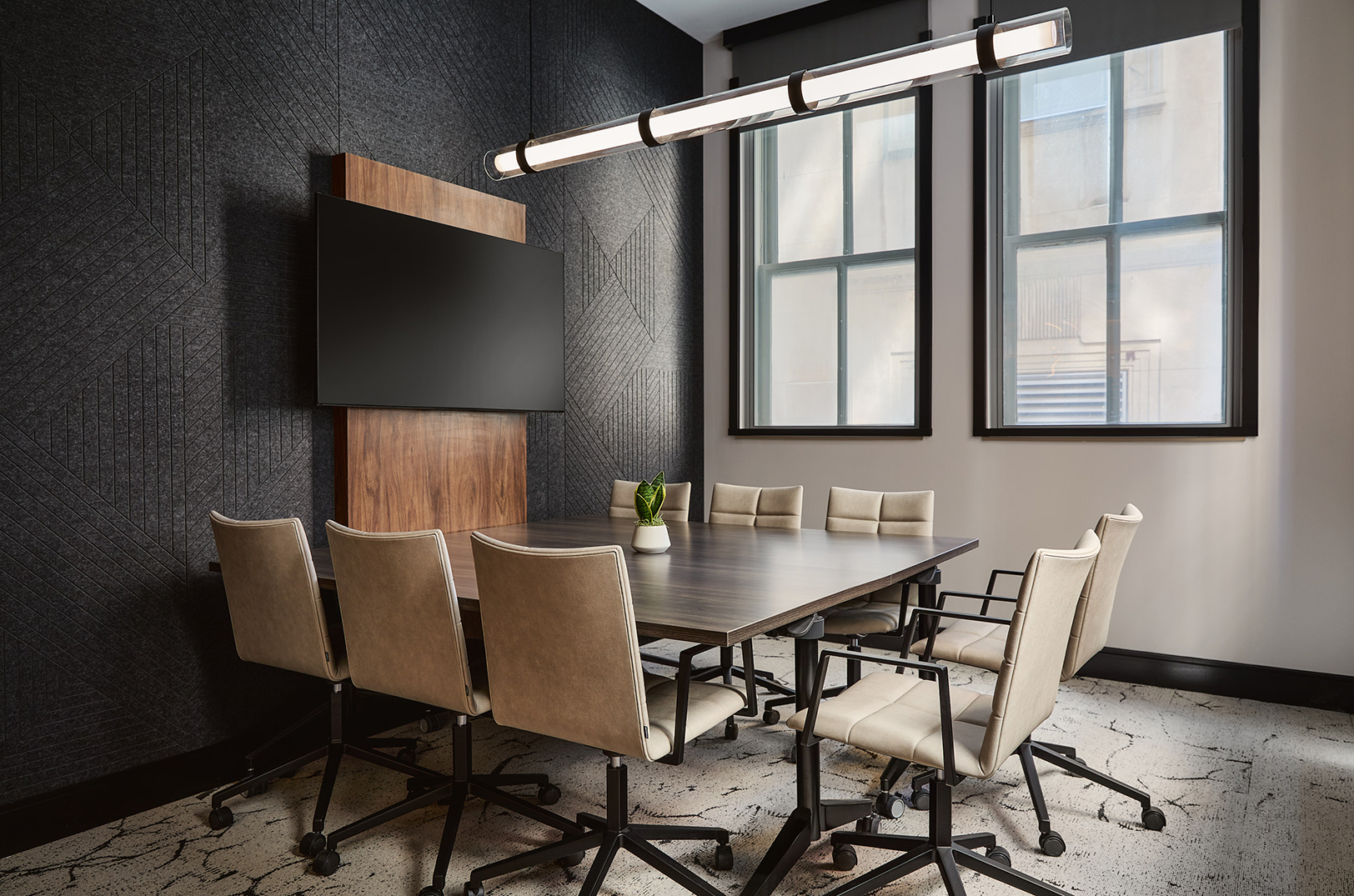
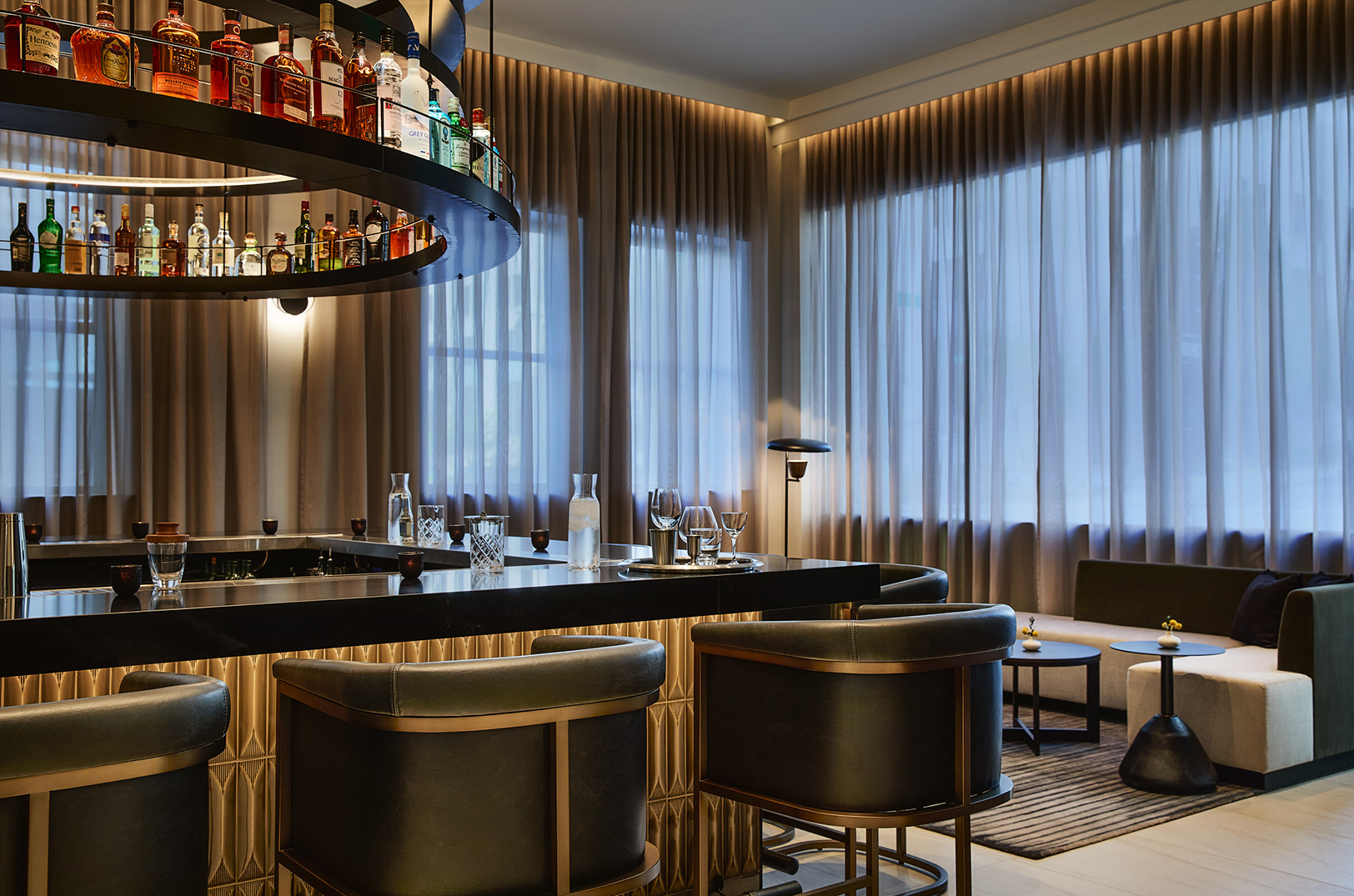
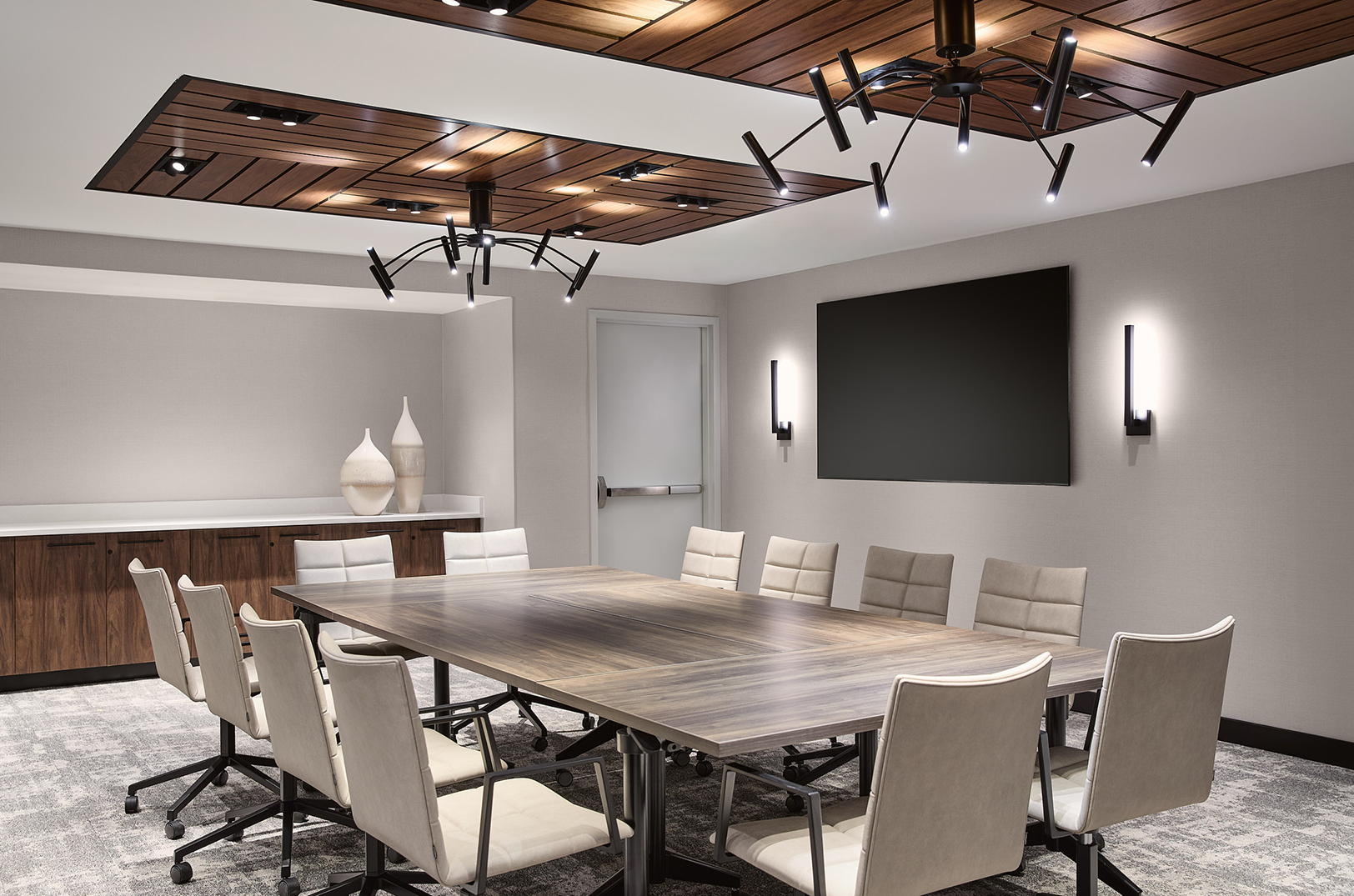
The city and EDCKC specifically have financial tools at their disposal that can help developers like Allen offset the known and, sometimes, unknown costs of restoration projects.
Among the tools used to bridge the financial gap for the 906 Grand project was a carefully calibrated tax abatement package.
“We use third-party financial analysis to ensure our incentives are reasonable,” said Moye. “We’re not in the business of over-subsidizing — we’re in the business of unlocking stalled or challenging projects that offer long-term public value.”
His team’s job is to help developers get to the starting line and then step back, Moye added. But before shovels hit dirt, the EDCKC and other city agencies are there to help with tasks like navigating financing, agency coordination, and securing permits.
“That’s where we’re most effective,” he said.
The 906 Grand project is a blueprint for future urban development in Kansas City, Allen and Moye agreed.
“Who didn’t want to see this building restored?” Allen asked. “How does this project reflect broader trends in adaptive reuse or sustainable urban development? It proves projects like this can work. That’s the real key.”
But it all hinges on building success alongside partners, he emphasized.
“If this were just me coming in and doing this alone, I don’t think it would work,” Allen said. “The EDCKC and the city, the state and the feds, every level of assistance and help and cooperation, is key to this success.”
Haines Eason is the owner of startup content marketing agency Freelance Kansas. Previously he worked as a managing editor for a corporate content marketing team and as a communications professional at KU. His work has appeared in publications like The Guardian, Eater and KANSAS! Magazine among others. Learn about him and Freelance Kansas on LinkedIn.

Featured Business

2025 Startups to Watch
stats here
Related Posts on Startland News
Thai Orchid opens Northland location with homey street food set to wow its new neighbors
Even though the new Thai Orchid restaurant in Kansas City’s Northland proudly pays homage to the Rojjanasrirat family’s culinary legacy in Mission, its second-generation owner wants to shock the taste buds of diners who are unfamiliar with the business’ story. “I want the reaction of the people who try our food to be, ‘Wow! That’s…
C2FO accesses $30M investment with World Bank-backed IFC to expand KC firm’s working capital platform
A just-announced capital infusion for Leawood-built C2FO reflects a shared commitment with global partners to boosting jobs and strengthening economic opportunities — notably for micro, small and medium enterprises in emerging markets worldwide. The $30 million funding round features investment from the International Finance Corporation (IFC), a member of the World Bank Group, and existing…
Park capping I-670 gets an official name: South Loop project to honor longtime Republican bridge-builder
Kansas City’s high-profile South Loop Project — a proposed sustainable urban park capping a portion of I-670 — now has a name that pays homage to a leader who played a key role in launching the project: Roy Blunt Luminary Park. “As a working title, the South Loop Project has served us well,” said Jeff…
Not just a pet project: Why this KC e-commerce team adopted a dog supplement brand as its own
The Morgans — the family behind Marknology, a bootstrapped digital marketing firm specializing in Amazon sales — are taking a dog supplement brand that they built as a client to the next level now as owners, they shared. Waggedy — veterinarian-formulated supplements to keep dogs healthy and active, launched by Ben Bellinson in 2015 in…