

KCMO sets aside $1.4M to get small biz, artists in the front door before World Cup arrives
June 10, 2025 | Tommy Felts
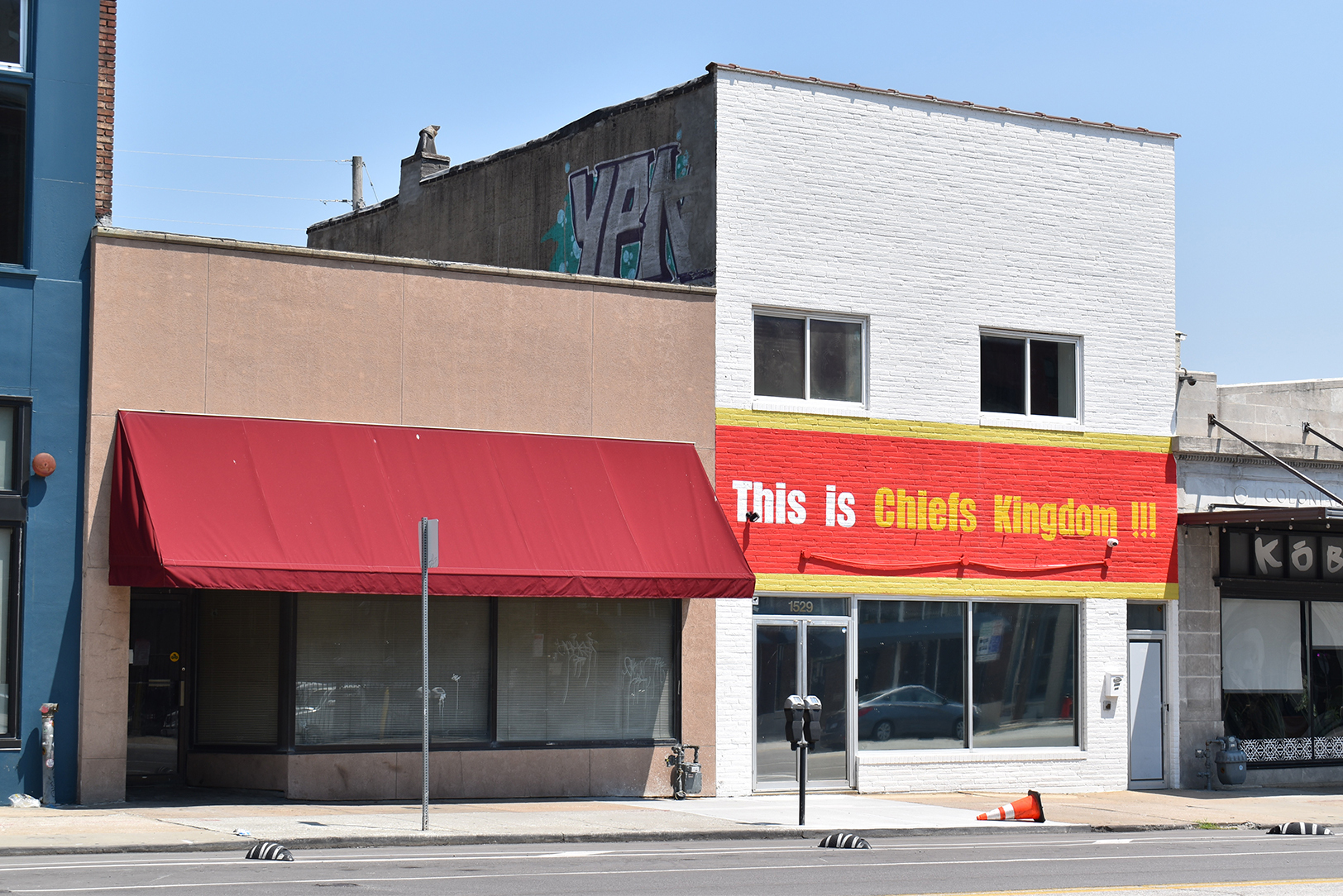
A city-led and funded effort to fill vacant storefronts in downtown Kansas City ahead of the 2026 FIFA World Cup is still taking shape, officials said this week, noting that crafting the infrastructure for the program alongside private property owners is expected to extend through the summer.
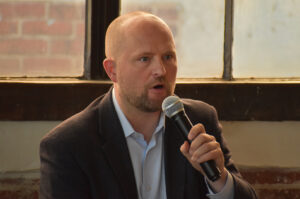
Wes Rogers, 2nd District Councilman for KCMO and chair of the Small Business Task Force, speaks to small business owners in April during a town hall event; photo by Taylor Wilmore, Startland News
“The World Cup is just the beginning of Kansas City’s time on the world stage,” said Wes Rogers, 2nd District Councilman for KCMO and chair of the Small Business Task Force. “When visitors from all over the world visit next year, we need to be open for business, so they come back to Kansas City again and again.”
The City Council recently approved $1.4 million in funds, setting the stage for the Small Business Storefront Vacancy Revitalization Pilot Program, which is being coordinated by the KC BizCare Office and partners at the Economic Development Corporation of Kansas City, Missouri.
“The goal of this initiative is to create as many opportunities for small business, artists and Kansas City makers to activate during the World Cup by getting them into highly visible spaces (storefronts or outdoor booths),” said Nia Webster, assistant director of KCMO’s Neighborhood Services Department, which oversees the KC BizCare Office among other operations.
Editor’s note: KC BizCare is a partner of Startland News’ nonprofit newsroom.
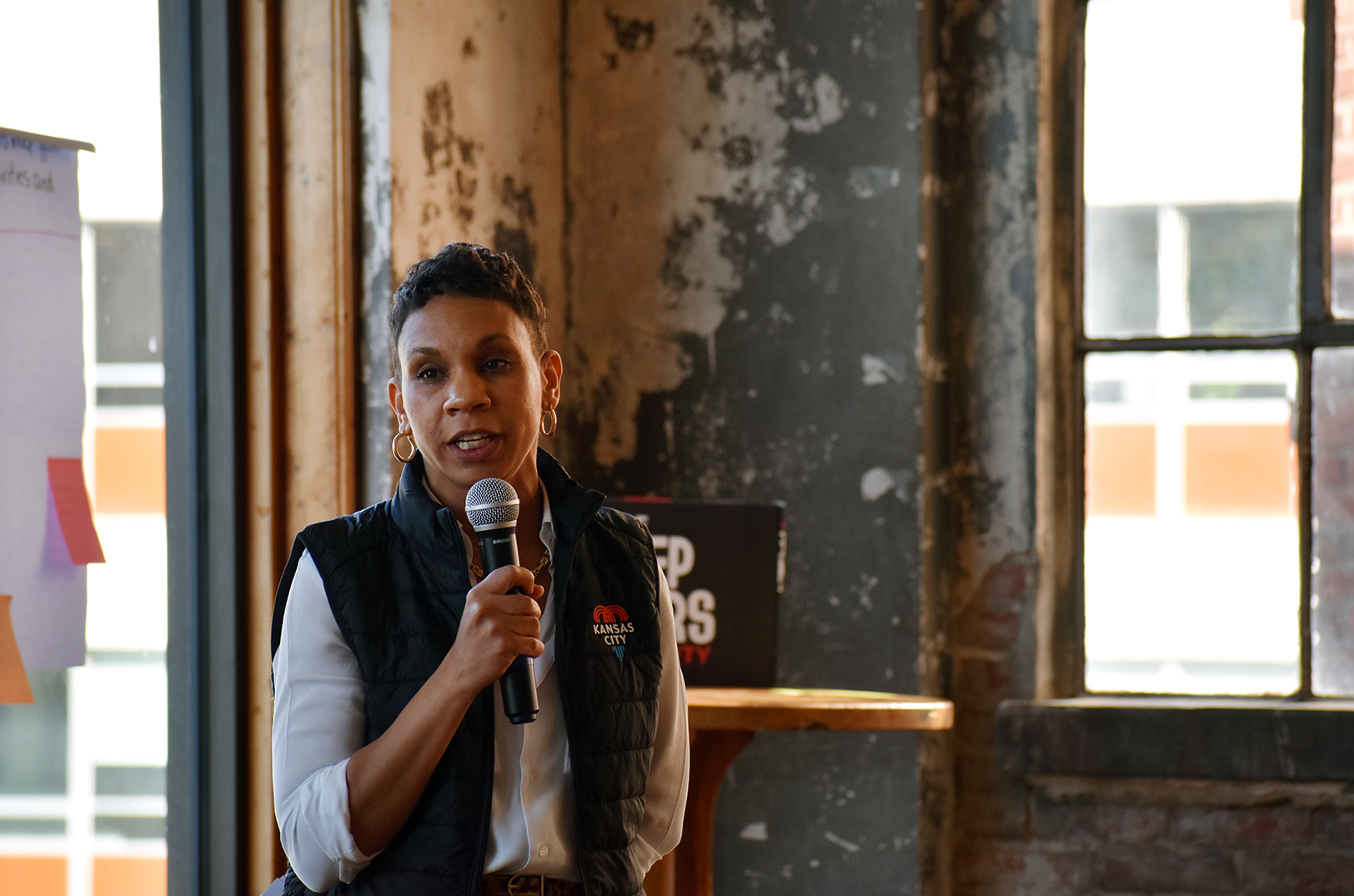
Nia Webster, assistant director of KCMO’s Neighborhood Services Department, which oversees the KC BizCare Office among other operations, addresses a crowd of entrepreneurs and small business representatives in April during a town hall event designed to discuss World Cup challenges and opportunities; photo by Taylor Wilmore, Startland News
“Taking lessons learned from the NFL Draft in 2023 and the feedback we have received from business owners and support organizations,” Webster continued, “we know they want opportunities to participate in the events; to be in prime locations where tourists will be; and to be educated on city regulatory processes that allow them to operate.”
An estimated 650,000 World Cup visitors are expected across June and July 2026.
Fans and food trucks line the streets of Kansas City leading to Union Station in April 2023 as the NFL Draft approached; photo by Austin Barnes, Startland News
In contrast to the Kansas City-hosted, three-day NFL Draft in 2023, the World Cup’s activities will span roughly 40 consecutive days, with six games being played at Arrowhead Stadium, Webster said. Official and unofficial activations like Fan Fest and FIFA Watch Parties are expected to draw even more World Cup revelers to the city, she added.
Through the in-the-works small business storefront pilot program, participating businesses and artists could be given free or reduced leases for short-term placements or subsidized long-term lease funding. (While funding for the program has been allotted by the city, no stipend amounts or schedules have yet been set.)
Applications for interested business owners are not yet being accepted or considered.
Private property owners in the downtown area that are interested in partnering on the storefront program are invited to reach out to the KC BizCare Office here.
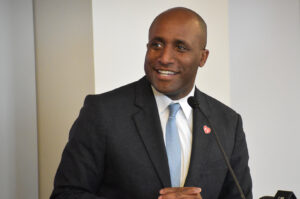
Mayor Quinton Lucas speaks during a launch event in May for DoorDash’s Kansas City Accelerator for Local Restaurants program; photo by Taylor Wilmore, Startland News
“Small businesses are the backbone of our local economy,” said Quinton Lucas, mayor of Kansas City, Missouri. “As Kansas City prepares to welcome the world for the FIFA 2026 World Cup, we’re investing in our legacy small businesses and entrepreneurs to ensure all can succeed during the summer of 2026 and long after.”
Working conceptual details of the program include:
- Open to both local and national businesses and artists, including retail, restaurants, food and beverage establishments, and others.
- Fixed stipends to participants to help with merchandising, staffing, and art installation.
- Lease assistance with the amount varying based on location; negotiated with the property owner.
- Additional professional support in the areas of commercial space development, marketing, and business planning.
Media reports indicating specific funding opportunities and allotments for individual entrepreneurs and businesses have been premature, city leaders said, emphasizing the program is in its early stages with details still being worked out for long-term success.

Community members gather to voice concerns and gain information about potential business opportunities ahead of the 2026 FIFA World Cup during a town hall event organized in April by KCMO’s Small Business Task Force; photo by Taylor Williams, Startland News
The idea for the Small Business Storefront Vacancy Revitalization Pilot Program grew out of a series of roundtable discussions and a town hall event conducted this winter and spring by the Small Business Task Force. The conversations drew a diverse crowd of residents, entrepreneurs, ecosystem partners, and members of the KC2026 team to uncover potential challenges and opportunities facing the community ahead of the World Cup.
“It’s critical that we continue finding tangible ways to help these businesses grow, sustain, and feel valued,” said Davin Gordon, a member of the Small Business Task Force. “The Storefront Vacancy Revitalization Pilot is a meaningful step toward ensuring our local entrepreneurs are front and center as we prepare to welcome the world in 2026. This is about more than aesthetics; it’s about investing in the people and places that make Kansas City thrive.”
Inspiration for the program came from concepts championed by peer economic development officials in San Francisco and Seattle — both of which envisioned building stronger neighborhoods by making it easier for under-resourced small businesses to succeed.
In San Francisco that took shape through grant funding to support expanded and compliant shared spaces, community meal programs, and grants for construction projects, equipment purchases, new signs, hiring and staffing, and other operational and capacity-building needs.
Seattle’s program leaned into resources and funding for pop-ups, long-term and seed-funded leases, window art installations and artist residencies.
Locally, the KC BizCare Office has been rolling out small business initiatives over the past 18 months, many in coordination with the Small Business Task Force.
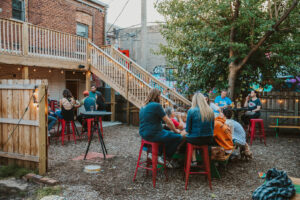
Patio area at Border Brewing Company in Kansas City’s Crossroads; courtesy photo
Most recently, a second round of funding from Kansas City’s outdoor dining enhancement grants program was announced in late May, with 12 businesses receiving shares of $100,000 funding to help improve outdoor dining areas that boost revenue, expand business potential, and contribute to Kansas City’s culinary scene.
“We’ll now be adding some seating and getting new patio furniture, expanding the patio area a bit, and adding lighting, landscaping, and general beautification to the area,” said Eric Martens, owner and founder of Border Brewing Company, one of the outdoor dining grant recipients. “We wouldn’t be able to do this project without the funding, so we’re very grateful for this grant and thrilled that we were awarded it.”
In addition to the outdoor dining program, city-led small business efforts include:
- City regulatory education and outreach;
- Policy reform to support small businesses during major tourist events;
- Small Business Access to Capital programs (including Kiva KC and the Back to Business Fund);
- Economic development aimed at making retail spaces more affordable and accessible;
- Language access and translation services for entrepreneurs;
- Shop local campaigns and bus tours; and
- Wayfinding through public art and live performance activations.
ICYMI: KCMO awards another $100K to help businesses boost outdoor dining ahead of World Cup

Featured Business

2025 Startups to Watch
stats here
Related Posts on Startland News

Smart city leader: Can technology predict deadly shooters before it’s too late?
A smart city is a safe city, Herb Sih said. And technology can help. “If you don’t have safety, you don’t have anything,” said Sih, managing partner at Think Big Partners, one of the key collaborators in Kansas City’s $15.7 million public-private Smart City initiative. Having grown up in St. Louis, Sih said he has…
T-shirt printer GOEX hopes to clad workers in dignity
A Kansas City T-shirt screen printer has a lofty mission: Turn local purchases into global impact. “Your dollar has value in how it’s treating others across the world,” said Ryan Hudnall, engagement director at the Global Orphan Project. Tucked away near Wyandotte and 31st streets, GOEX serves as an offshoot of the Global Orphan Project,…
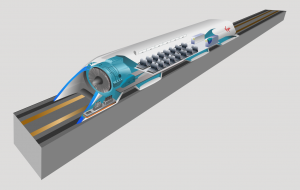
Looping back? Missouri partners with Hyperloop to study 23-minute KC-St Louis route
Missouri’s prospects for landing a Hyperloop route apparently aren’t off the rails after all. Despite the company revealing four U.S. finalist routes in September — which did not include a proposed route through the Show Me State – Hyperloop One announced Tuesday it has entered into a public-private partnership with the State of Missouri to conduct…

Techstars Spotlight: GRIT Virtual builds 3-D tech into 2-D construction mindset
3-D should stay 3-D, said Chris Callen, CEO of GRIT Virtual. And with the rise of virtual reality and augmented reality technology, that philosophy can be applied to the construction of 3-D buildings, Callen said. Wichita-based GRIT Virtual is a software-as-a-service platform for large contractors. It uses VR software to streamline the workflow for construction…