

Growth-fueled HR tech startup moving to Crossroads after announcing $9M defense contract
April 16, 2025 | Startland News Staff
Jumping from a handful of employees to 15 over the past year has come with growing pains for Piccadilly Software Group, said co-founder Abe Dick, but the flip-side comes in the form of enhanced community presence, new office space, and greater opportunity for its signature product.
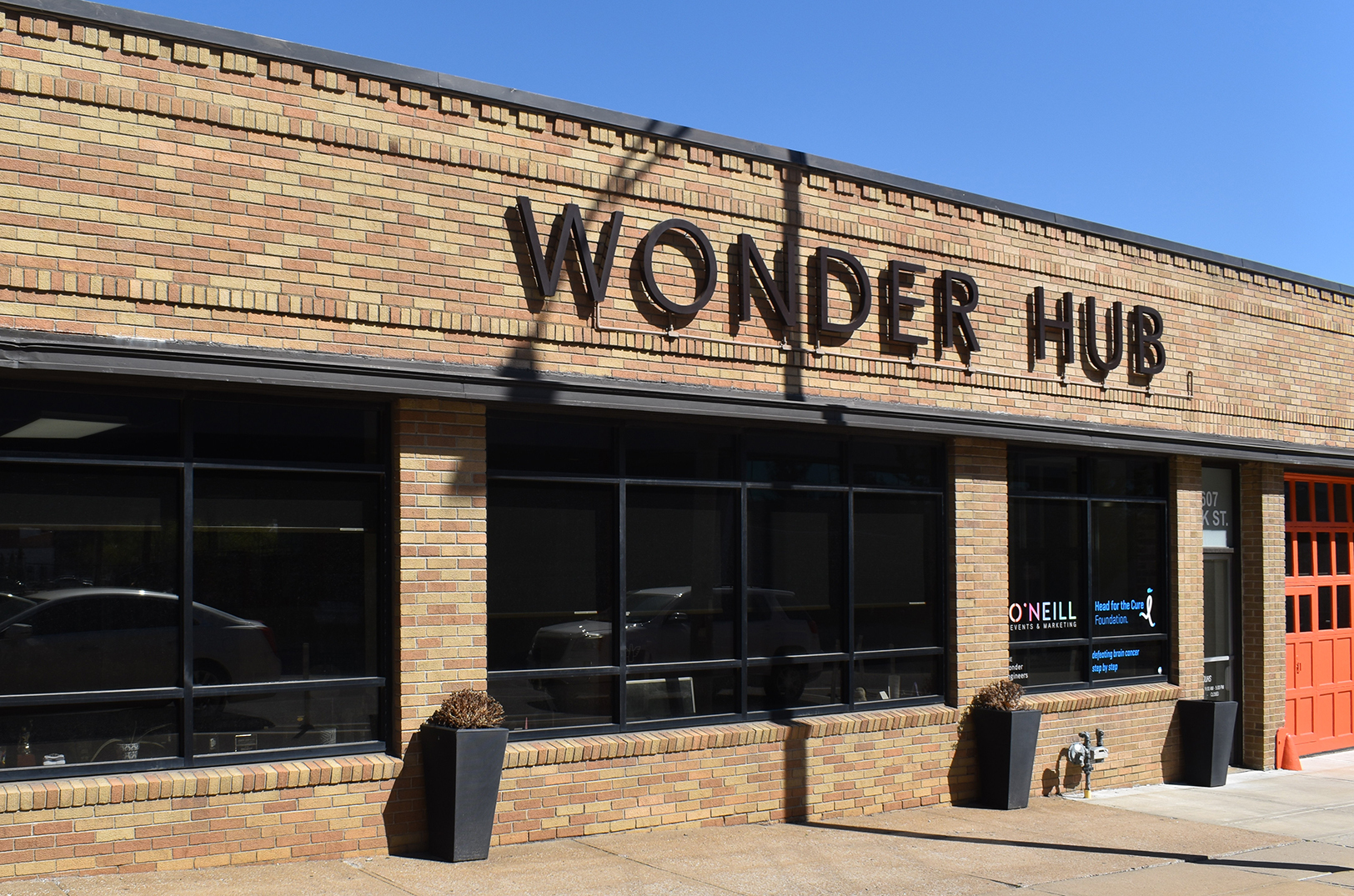
The company this month announced its move to a 6,400-square-foot office space in the Wonder Hub building at 1607 Oak St. — just months after lauding a $9 million contract supporting the Office of the U.S. Secretary of Defense’s submarine industrial base initiatives. (That project provides the startup’s TEQ Connect platform to help defense contractors accelerate the hiring of qualified candidates and boost worker retention in the national defense industry.)
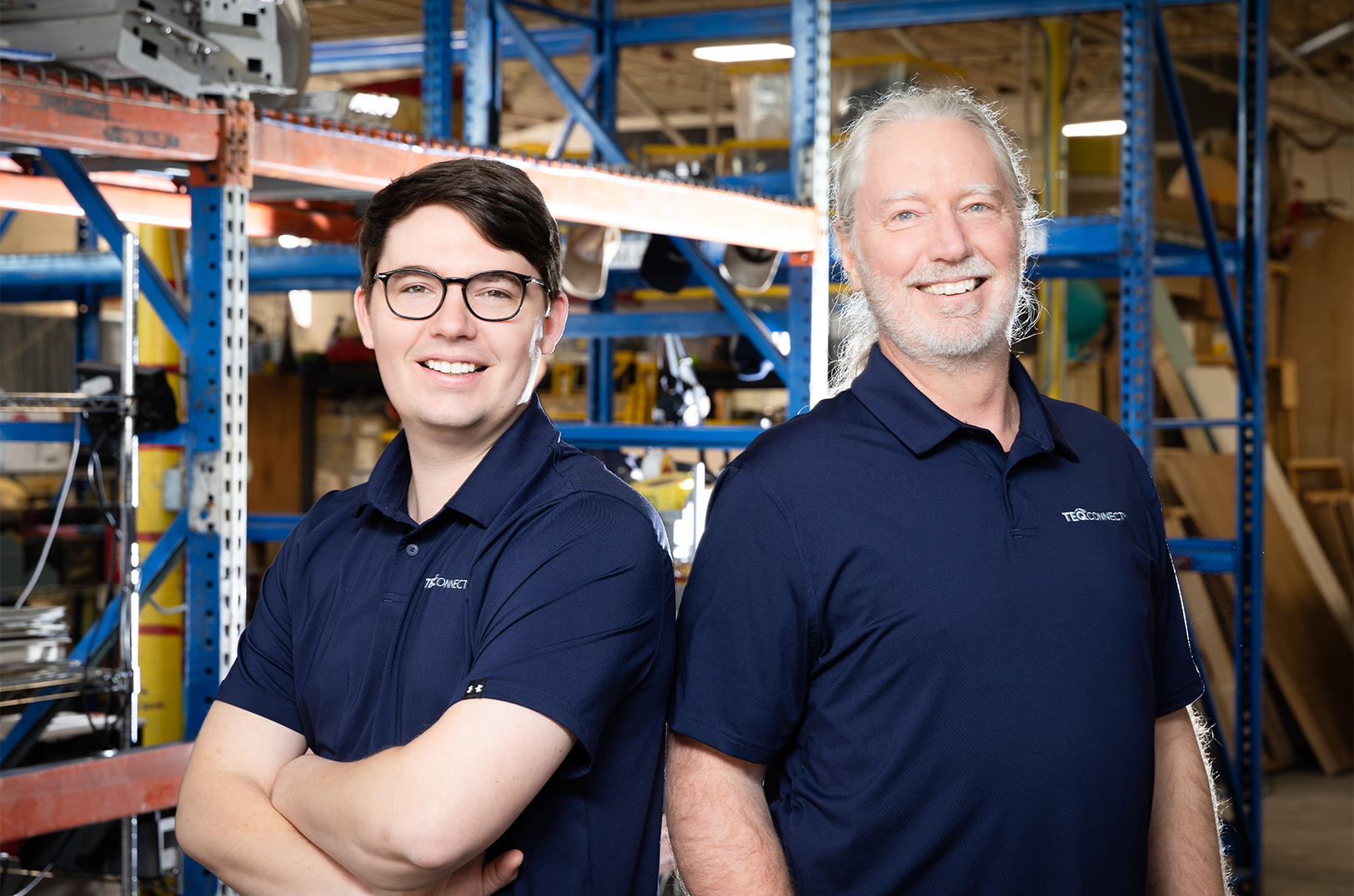
Abe Dick and Ray Dick, Piccadilly Software Group; photo by Morgan Miller Photography
“Piccadilly Software Group has grown significantly in the past year, and we now have the room we need to accommodate future growth, and we get to do it right in the heart of the city,” said Dick, who also is chief technology officer at Piccadilly Software Group.
“The Crossroads is an ideal location for our new headquarters,” he continued. “This is where our current and future team members want to be, and we look forward to rapidly expanding our organization in 2025 and beyond.”
Piccadilly Cloud’s TEQ Connect product was developed by father-son duo Ray Dick (CEO), a University of Kansas engineering instructor-turned-entrepreneur, and Abe Dick, a software engineer who previously worked at such top startups as PayIt and Pepper IoT; and a growing team in Kansas City.
The company’s first-of-its-kind SaaS platform was developed to enable human resources managers in manufacturing and the skilled trades to speed hiring, enhance retention and increase productivity.
Needs across industries abound, its co-founders said.
The U.S. Navy, for example, needs three new nuclear-powered submarines each year for the next 10 years to secure the nation, Ray Dick said previously, noting it’s an effort that will require an estimated 140,000 “highly skilled, well-trained and highly motivated workers.”
“Using TEQ Connect, military contractors can quickly identify and hire the ‘best fit’ employees they need to fulfill their missions and keep America strong,” he added.
The Wonder Hub building also is home to O’Neill Events & Marketing. It previously housed the Head for the Cure Foundation, which relocated to 3238 Gillham Rd, Kansas City.

Featured Business

2025 Startups to Watch
stats here
Related Posts on Startland News
Novel Capital teams with Crux KC to offer growth-focused marketing to early-stage tech companies
An exclusive partnership between two Kansas City-based innovators is expected to help remove a traditional financial hurdle to business growth, said Ethan Whitehill, president and chief strategy officer for the KC Chamber-lauded marketing firm Crux KC. The collaboration between Crux and Overland Park-headquartered capital provider Novel Capital is expected to offer B2B SaaS and tech…
Neighborhood smart cans help Kansas Citians save the planet from their kitchens
Newly introduced composting technology is already turning new ground in Kansas City, Kristan Chamberlain said, with more solar-powered compost cans arriving later this spring across the metro’s urban landscape. Her social venture, KC Can Compost, installed three of the devices in October — free to use for KCMO residents wanting to deposit their soil-making food…

Voodoo Volleyball bounces back in OP: Father-daughter duo doubles as new venture’s setters
Quinn Austin put several sports to the test as a preteen — racing from basketball practice to softball to volleyball. But she latched on to just one. “Volleyball. It was my sport. Everyone was having a good time,” she said. “We just loved the cheers — a cheer when we got a hit, a cheer…

Black farmers are losing ground in the fight to feed their communities, advocates say
More than a century of systemic land dispossession and discriminatory practices has left Black farmers with less than 0.6 percent of U.S. farmland — less than a third of the 16 million acres they operated in 1910, according to local urban farming advocates. They gathered Tuesday at Independence Boulevard Christian Church to confront this history…