

Mayo Clinic research: Missouri startup’s VR tech can help calm patients’ pre-surgery jitters
April 8, 2025 | Startland News Staff
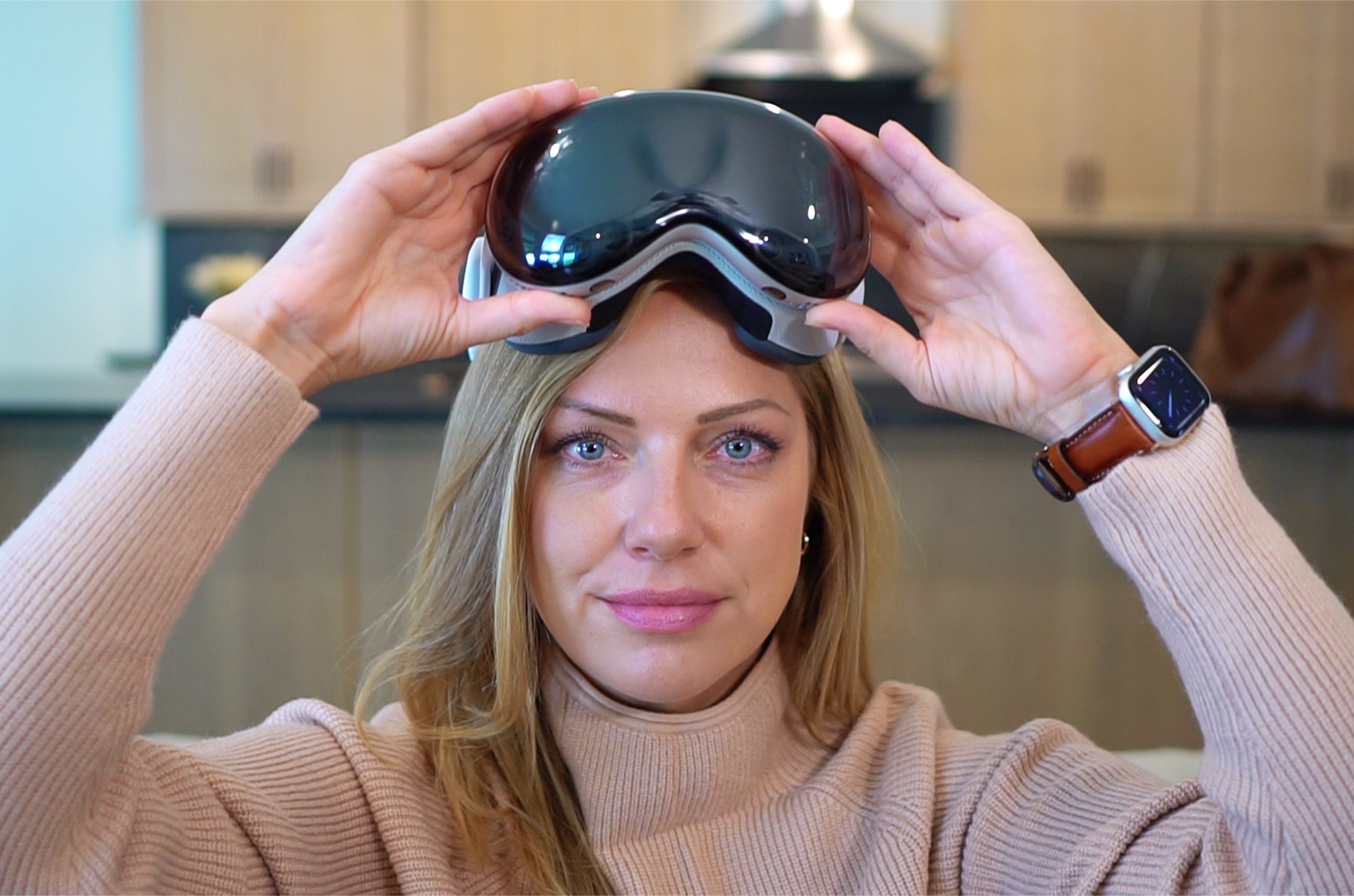
A recent study from the renowned researchers at the Mayo Clinic suggests a dose of virtual reality can help reduce pre-op anxiety in older patients undergoing their first open-heart surgery — and their findings come after testing with technology from Columbia, Missouri-based Healium.

“While much of the research to date using VR involved younger patient populations, these research findings suggest that immersive VR was effective and well tolerated in older patients,” the Mayo Clinic said in a press release. “These reductions in anxiety are particularly significant given the known link between preoperative anxiety and negative postoperative outcomes, including increased pain, reduced activity and higher medication use.”
Click here to read the study, published in Mayo Clinic Proceedings.
“This research represents a step forward in improving the patient experience and potentially using this approach to optimize postoperative recovery,” said Jordan Miller, Ph.D., a cardiovascular disease researcher at Mayo Clinic and senior author of the study.
Success reflected in the findings helps to make clear a new vertical within Healium’s potential uses, said Sarah Hill, founder of the Missouri-built tech company.
“Healium is trusted by the world’s largest brands including the U.S. Air Force, U.S. Army, multiple VA hospitals, major airlines, and NFL teams,” she told Startland News. “This new randomized controlled trial illustrates Healium’s value beyond employee wellness into areas of trauma and surgery centers.”
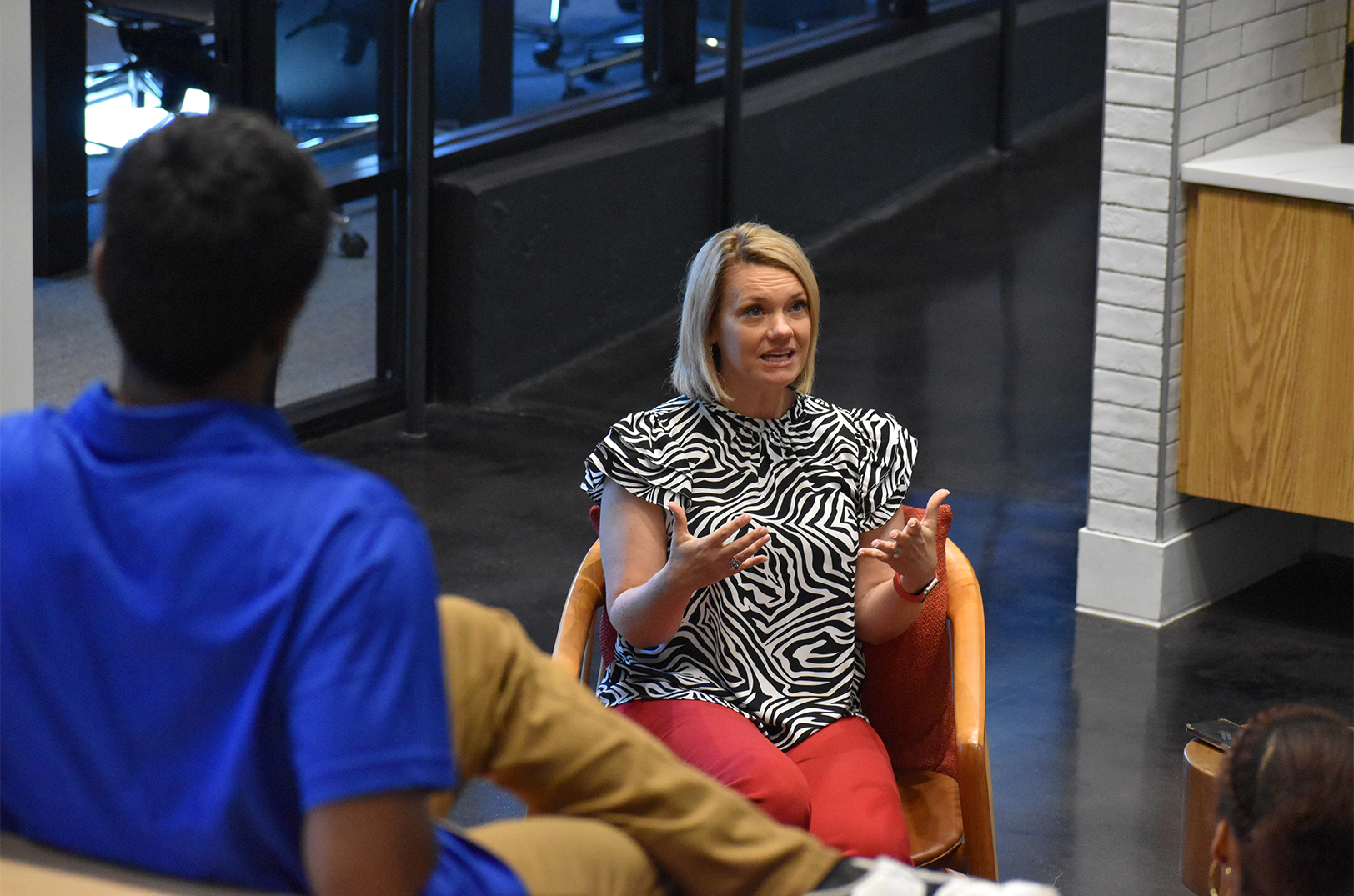
Sarah Hill, Healium, speaks to a crowd gathered for Startland News’ Innovation Exchange in September 2024; photo by Tommy Felts, Startland News
Unlike traditional anti-anxiety medications, which can have drawbacks such as increased difficulty placing the tube that helps a patient breathe during surgery and a longer time to remove the tube after surgery, VR like Healium’s tech offers a nonpharmacological alternative, the Mayo Clinic said. The study also highlights the potential of VR as a flexible tool, with a tablet-based option providing a viable alternative for patients susceptible to VR-induced motion sickness.
The research included 100 participants who were scheduled for open-heart surgery. Each patient wore a monitor to record vital signs and completed a standardized, clinically validated anxiety test before and after the VR intervention on the day of surgery. The test asked them to rate their current state with 20 questions related to feelings ranging from calm to upset. Participants rated each feeling on a scale of 1 to 4, with 1 being “not at all” and 4 being “very much.”
Half of the participants were assigned to a VR tablet and the other half to immersive VR goggles while they waited in the holding area prior to surgery. The VR provided a 10-minute nature experience with guided breathing as they viewed trees and a waterfront that changed through four seasons. The tablet played a video of the content seen by patients in VR, while people who used the immersive VR headset were able to look all around and identify environmental features, which helped them advance through the scene. Both interventions reduced the pulse rate of participants, but they did not affect respiration rate or oxygen levels.

Example of the Crystal Forest realm with one of Healium’s virtual reality experiences; courtesy photo
Healium, one of Startland News’ Kansas City Startups to Watch in 2020, previously collaborated with the Mayo Clinic through a know-how agreement announced in 2023 that coincided with Healium’s $3.6 million seed round.
“While this new research is not related to Mayo Clinic’s prior investment in Healium, all of our investors’ support enables our company to scale into new markets and grow our generative AI technology that creates content from biometric data,” said Hill. “The future isn’t just watching pre-produced video content; it’s creating new, customized experiences from your heart rate or EEG brainwave data. That personalized future goes through Healium.”


2025 Startups to Watch
stats here
Related Posts on Startland News
Photos: PorchFestKC activates Midtown neighborhoods with stoop-to-street music
More than 100 onlookers — some neighbors, others just passing through — gathered in the street, along the sidewalk, and on lawns Saturday afternoon outside Ruben Alonso’s Union Hill home. “It was the perfect spot,” said Alonso, president at AltCap and one of dozens of homeowners who offered up their porches, stoops and front yards…

Doodle Dood paints between lines of business and art with Iron District mural, apparel
Evan Brown refuses to draw out his accomplishments — or even the failures behind them — as he paints the career of a budding illustrator and muralist, he said. “I don’t really dwell. … That might be the reason I’ve been getting more and more projects within the past year,” said Brown, KC-based maker and…
UMKC student-led FeedKC will pitch for donations, connections at Pure Pitch Rally
Continuing a tradition of showcasing student entrepreneurs, Tuesday’s Pure Pitch Rally is expected to feature a pitch from FeedKC, a group run by students at the University of Missouri-Kansas City. And thanks to a private donor to the UMKC Bloch School of Management, all funds designated for FeedKC will be matched up to $10,000. Click…
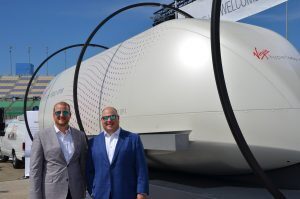
Report: KC tech industry brings in $12B, attracts Hyperloop, but city still struggling to fill talent pool
Despite facing a shortage of skilled talent, the tech industry in Kansas City contributed roughly $12 billion — or about 10 percent — to the local economy in 2018, according to an annual report released by the KC Tech Council, a nonprofit that aims to spur tech growth in the city. Nearly one in 10…