

Lawmakers redeploy bill to boost veterans as entrepreneurs; targeting easier access to capital, credit
February 18, 2025 | Startland News Staff
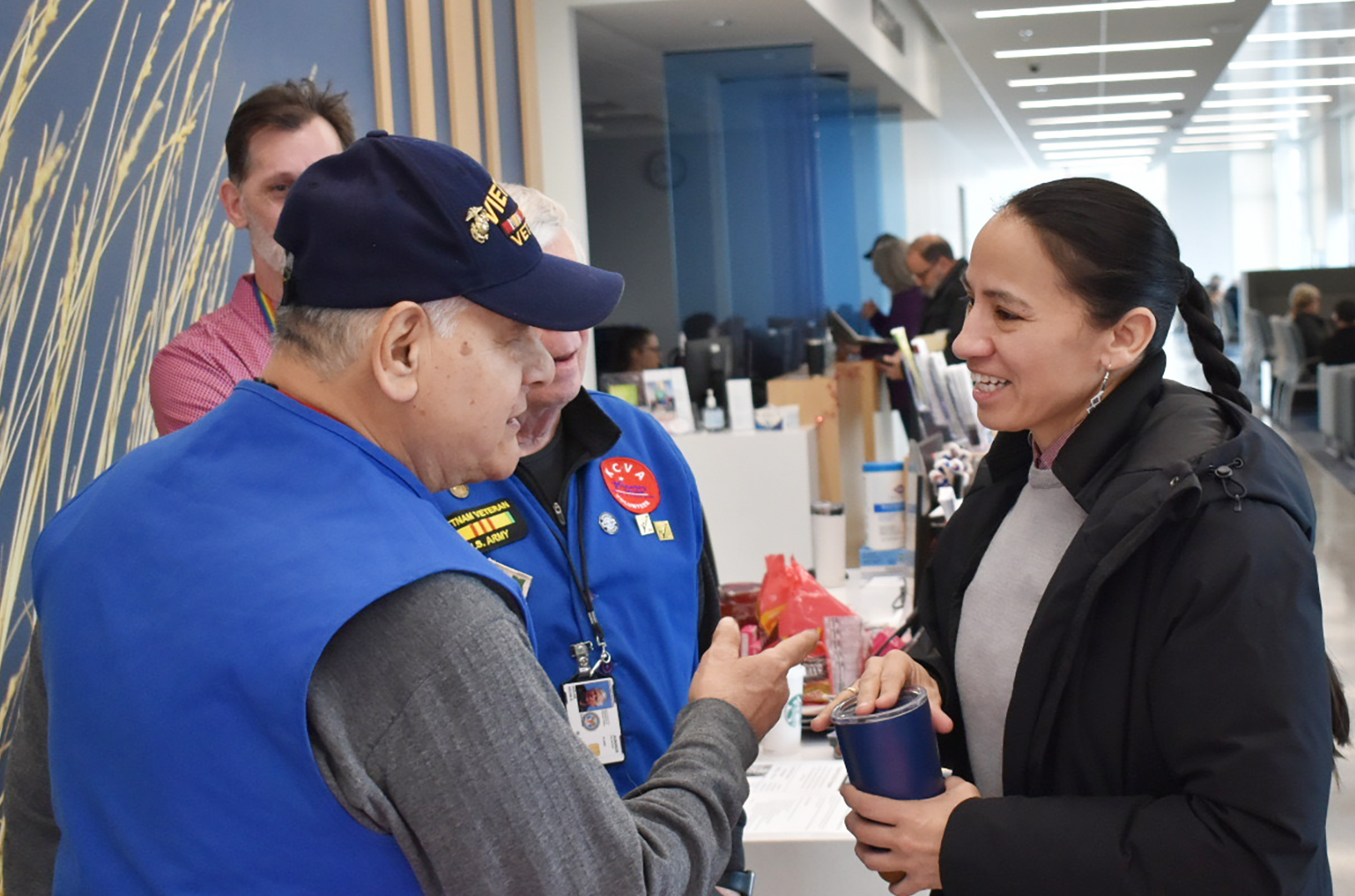
Bipartisan legislation to help veteran small business owners and entrepreneurs overcome barriers on the home front is back in Congress, with backing from two area lawmakers who say the time is now to get resources to those who served.
U.S. Rep. Sharice Davids, D-Kansas, introduced the Successful Entrepreneurship for Reservists and Veterans (SERV) Act alongside her colleagues, U.S. Reps. Mark Alford, R-Missouri, and Herb Conaway, D-New Jersey. (The legislation passed the U.S. House in 2023 with leadership from Davids and Alford, but did not move past the U.S. Senate.)

U.S. Rep. Herb Conaway, D-New Jersey
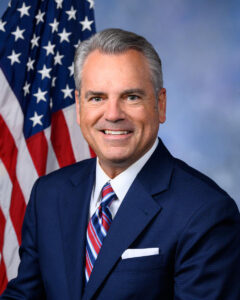
U.S. Rep. Mark Alford, R-Missouri
The SERV Act notably would boost the outreach and promotion of existing veteran-focused small business programs to ensure veterans can access all available resources, capital, and credit.
“Because of their service and dedication, there are few people better situated to become entrepreneurs than our nation’s veterans, but they face far too many obstacles when starting their business,” said Davids. “We must do a better job setting Kansas City area veterans up for success, and that’s why I’m honored to lead the bipartisan SERV Act. This bill is a crucial step in identifying solutions so veterans can thrive, take care of their families, and contribute to our local economy.”
While military experience provides transferable entrepreneurial training and skills, the number of veterans starting their own business has decreased drastically over the past few decades, according to Davids’ office.
“Today, only 4.5 percent of the more than 3.6 million veterans who have served since September 11, 2001, have launched a company. In contrast, the number of World War II and Korean War veterans who went on to operate a business was 50 and 40 percent, respectively. Reasons for this decline include challenges accessing credit, transitioning to civilian life, and overcoming stigmas around physical disabilities and post-traumatic stress disorder,” Davids’ office said.
Davids, whose mother served in the U.S. army for 20 years, said the legislation would also help study the barriers veterans face when starting a business. It specifically:
- Commissions a Government Accountability Office (GAO) report on the ability of veteran and reservist small business owners to access credit.
- This includes a new analysis on common sources of credit and how deployment and other military responsibilities affect veterans’ and reservists’ credit.
- Requires the U.S. Small Business Administration’s Interagency Task Force on Veterans Small Business Development to develop an action plan for outreach and promotion of the many programs available to veterans looking to transition into the business world.
- Requires the task force to report annually to Congress on its appointments and outline its plan for outreach on the many programs available to veterans, service-disabled veterans, reservists, and their spouses.
“As members of Congress, we have the duty to protect and support our nation’s veterans,” Alford said. “This bill is a huge step in doing that. It is a win for our districts, a win for veterans, and a win for our country. I am proud to co-lead the SERV Act with Congressman Conaway, as well as my colleague Rep. Davids who represents our neighboring district to promote veteran entrepreneurship.”


2025 Startups to Watch
stats here
Related Posts on Startland News

KC couple’s 15-year journey evolves into $4M 24-hour child care center in urban core
A multimillion-dollar expansion for KD Academy is expected to upgrade the early learning and child care center’s capacity from 95 to 430 students at its new headquarters on Prospect Avenue — a redevelopment boon for the east side corridor and the extension of a family’s long-running mission. “Our goal starting out was to create a…

Why KCK’s ‘dopest, 7-fingered, adopted, biracial business owner’ is serving kinship, coffee at his new cafe
When a new coffee shop in KCK’s Strawberry Hill neighborhood opens this fall, the space is expected to feature more than just specialty roasts — with financial literacy programming, community workouts and hip hop yoga sessions on the menu. “It’s never been about, ‘How can I make the most money the fastest?’” said TJ Roberts,…

Beacon analysis: Restaurant relief funds flowed to whiter, more affluent areas of Kansas City
Editor’s note: The following story was originally published by The Kansas City Beacon, a nonprofit, public-service journalism newsroom serving Kansas and Missouri. Click here to read the original story or here to sign up for the free Kansas City Beacon email newsletter. Local businesses received a total of $53 million from the fund, but few of those dollars flowed…

New ranking: How KC can break into the Top 10 Midwest startup cities (and why it hasn’t yet)
A freshly released ranking of Midwest startup hubs shows Kansas City maintaining its years-long position at No. 12, but warns — despite a few recent headline-grabbing wins — the metro faces the threat of stagnation without increased activity, startup reinvestment and government support. “You had to get more funding and big exits just to stay…