

Lawmakers redeploy bill to boost veterans as entrepreneurs; targeting easier access to capital, credit
February 18, 2025 | Startland News Staff
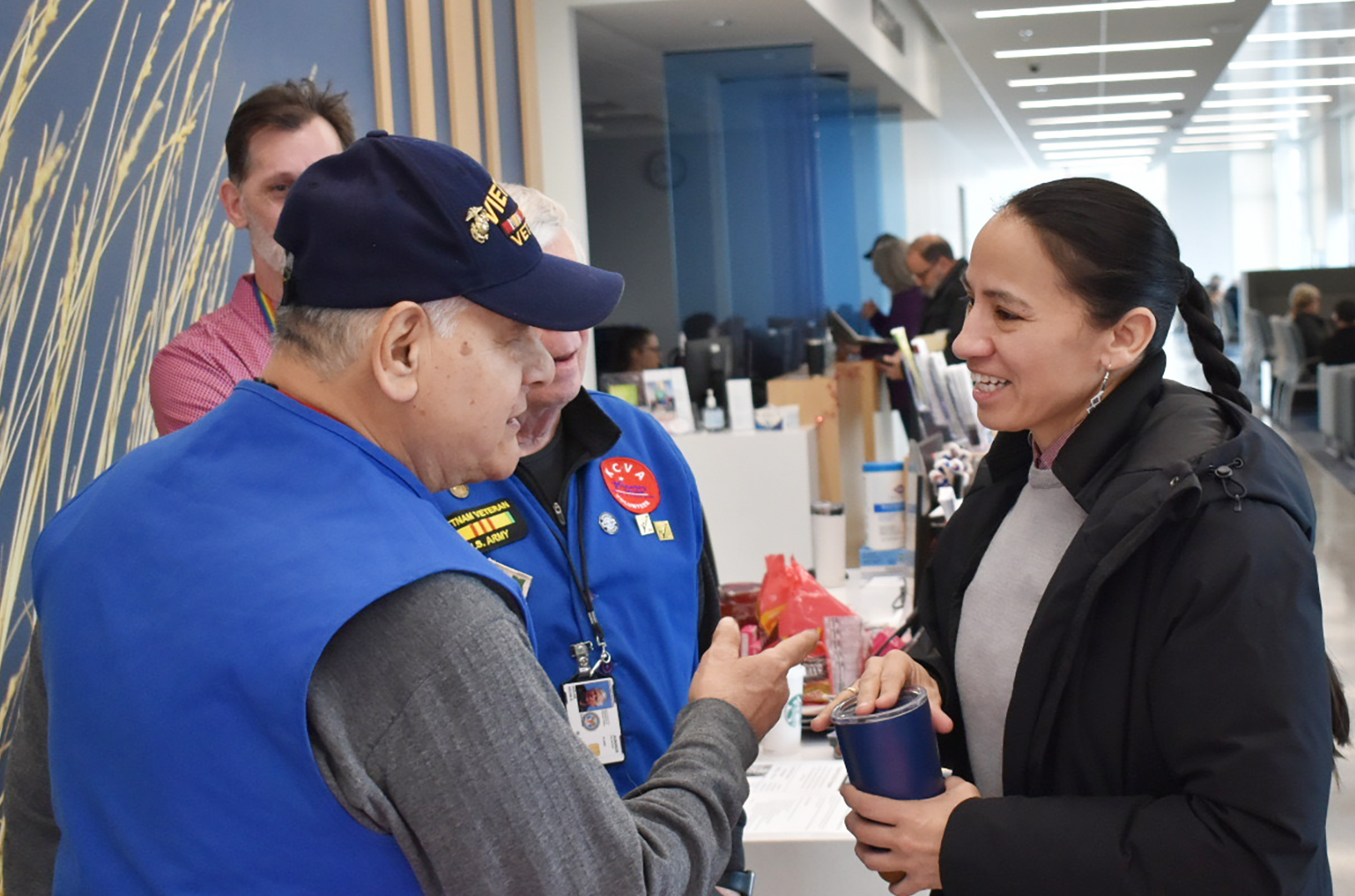
Bipartisan legislation to help veteran small business owners and entrepreneurs overcome barriers on the home front is back in Congress, with backing from two area lawmakers who say the time is now to get resources to those who served.
U.S. Rep. Sharice Davids, D-Kansas, introduced the Successful Entrepreneurship for Reservists and Veterans (SERV) Act alongside her colleagues, U.S. Reps. Mark Alford, R-Missouri, and Herb Conaway, D-New Jersey. (The legislation passed the U.S. House in 2023 with leadership from Davids and Alford, but did not move past the U.S. Senate.)

U.S. Rep. Herb Conaway, D-New Jersey
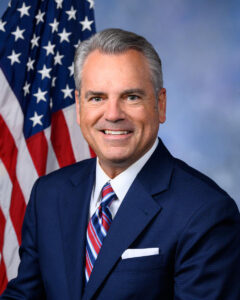
U.S. Rep. Mark Alford, R-Missouri
The SERV Act notably would boost the outreach and promotion of existing veteran-focused small business programs to ensure veterans can access all available resources, capital, and credit.
“Because of their service and dedication, there are few people better situated to become entrepreneurs than our nation’s veterans, but they face far too many obstacles when starting their business,” said Davids. “We must do a better job setting Kansas City area veterans up for success, and that’s why I’m honored to lead the bipartisan SERV Act. This bill is a crucial step in identifying solutions so veterans can thrive, take care of their families, and contribute to our local economy.”
While military experience provides transferable entrepreneurial training and skills, the number of veterans starting their own business has decreased drastically over the past few decades, according to Davids’ office.
“Today, only 4.5 percent of the more than 3.6 million veterans who have served since September 11, 2001, have launched a company. In contrast, the number of World War II and Korean War veterans who went on to operate a business was 50 and 40 percent, respectively. Reasons for this decline include challenges accessing credit, transitioning to civilian life, and overcoming stigmas around physical disabilities and post-traumatic stress disorder,” Davids’ office said.
Davids, whose mother served in the U.S. army for 20 years, said the legislation would also help study the barriers veterans face when starting a business. It specifically:
- Commissions a Government Accountability Office (GAO) report on the ability of veteran and reservist small business owners to access credit.
- This includes a new analysis on common sources of credit and how deployment and other military responsibilities affect veterans’ and reservists’ credit.
- Requires the U.S. Small Business Administration’s Interagency Task Force on Veterans Small Business Development to develop an action plan for outreach and promotion of the many programs available to veterans looking to transition into the business world.
- Requires the task force to report annually to Congress on its appointments and outline its plan for outreach on the many programs available to veterans, service-disabled veterans, reservists, and their spouses.
“As members of Congress, we have the duty to protect and support our nation’s veterans,” Alford said. “This bill is a huge step in doing that. It is a win for our districts, a win for veterans, and a win for our country. I am proud to co-lead the SERV Act with Congressman Conaway, as well as my colleague Rep. Davids who represents our neighboring district to promote veteran entrepreneurship.”


2025 Startups to Watch
stats here
Related Posts on Startland News

Students hope to make KU the ‘premier blockchain university’; Here’s how startups can help
Startland News’ Startup Road Trip series explores innovative and uncommon ideas finding success in rural America and Midwestern startup hubs outside the Kansas City metro. This series is possible thanks to the Ewing Marion Kauffman Foundation, which leads a collaborative, nationwide effort to identify and remove large and small barriers to new business creation. LAWRENCE…

She’s bringing tech to urban core teens; why KCMO says Tammy Buckner needs to pay ‘fair market value’ or get out
One of KC’s leading Black women in tech leased a vacant city building for $1 and made $20K+ in improvements for her workforce development program — now the city wants to sell it, kicking WeCode KC to the curb A local nonprofit is asking for community support as the KCMO city council makes a move…

One-size-fits-all neighborhoods are a blueprint for development failure, C3KC panel says
Editor’s note: Startland News is a non-financial media sponsor of the 3CKC conference organized by the Junior League of Kansas City, Missouri. The formula for creating a vibrant neighborhood might seem simple, but replicating it between variable demographics, geographies and economies is more challenging than many planners think, said Kavya Shankar. “The strength of the…

Fintech revolution follows historical abuse of Black wealth: ‘We’re already late, but we’ve got to do something’
Editor’s note: Startland News is a media sponsor for the C3KC session “Fintech is Revolutionizing Banking.” With nearly 30 percent of Americans reported as under-banked or unbanked, leaders in the financial space need to ask themselves what steps must be taken to create a more inclusive system, said Cordell Carter II. “We often ask leaders the…