

Go BTS of a new KC-filmed reality TV series with the entrepreneurs who matched competitors with their style
December 23, 2024 | Taylor Wilmore
ULAH founders get second chance to put their business (and Kansas City) on the national stage
One of Kansas City’s best-known fashion duos — married entrepreneurs Joey Mendez and Buck Wimberly — recently stepped back into the fast-paced world of reality TV as stylists for a new series featuring another KC personality who commands screen time: Heidi Gardner.

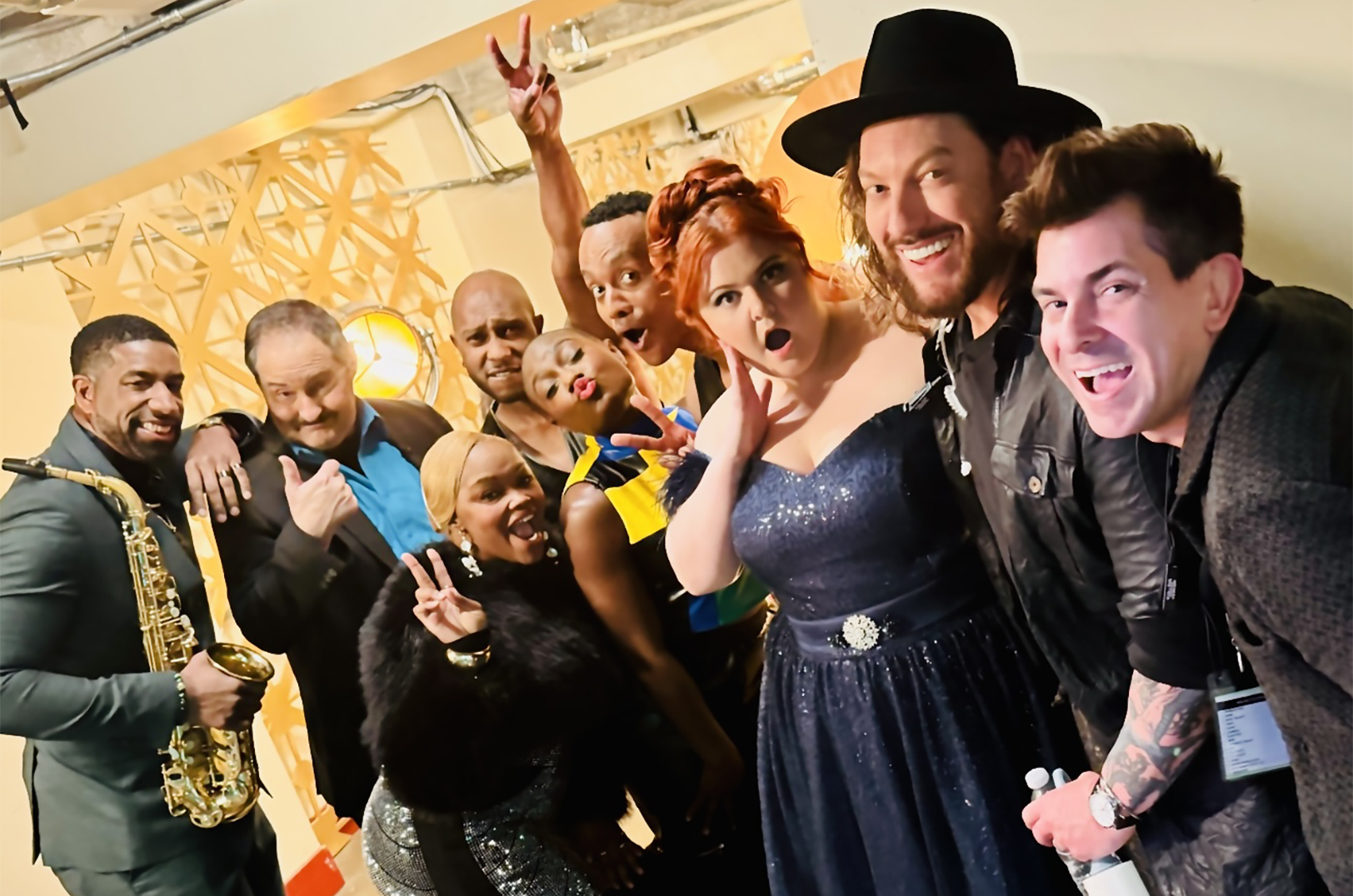
“Second Chance Stage” judges Heidi Gardner, Taye Diggs, and Martina McBride, with host Emmanuel Acho; photo courtesy of Max
Rounding out the team, Mendez and Wimberly, co-founders of Kansas City’s menswear and lifestyle boutique ULAH, collaborated on wardrobe design for the Max reality competition series.
“(A producer) texted us about a new show being filmed locally,” said Mendez. “The network needed help with contestants’ looks just two weeks before filming. It was last-minute, high-energy, but also a ton of fun.”
Mendez and Wimberly’s partnership with “Second Chance Stage” producers wasn’t their first journey into TV. Their store previously appeared on Netflix’s “Queer Eye,” a connection that proved pivotal in building their reputation as go-to stylists for local productions.
“The ‘Queer Eye’ team initially discovered us through a Facebook post, and that opened doors,” said Mendez. “We love how projects like these showcase Kansas City. Seeing our city on TV, and being part of it, feels special.”
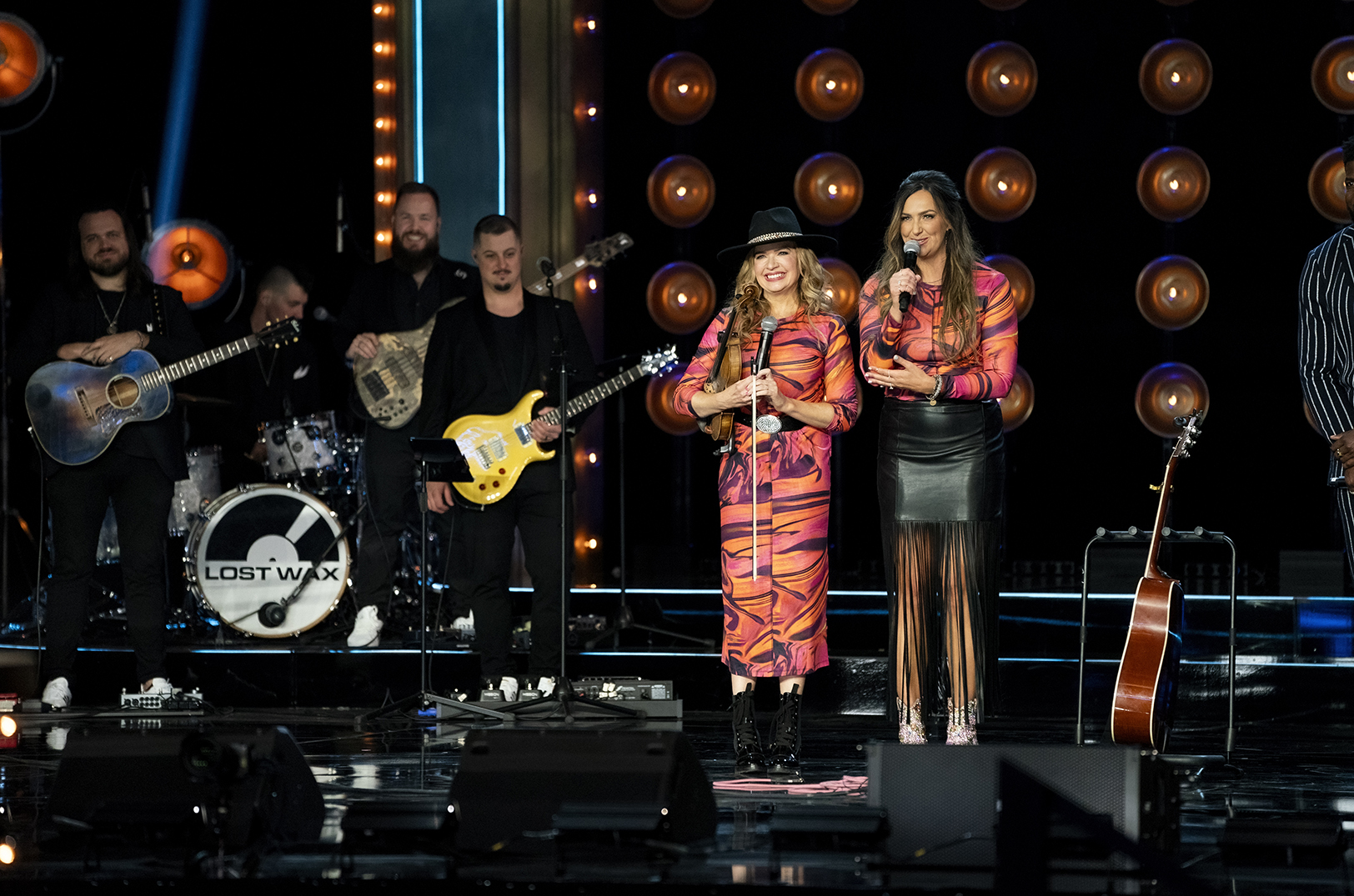
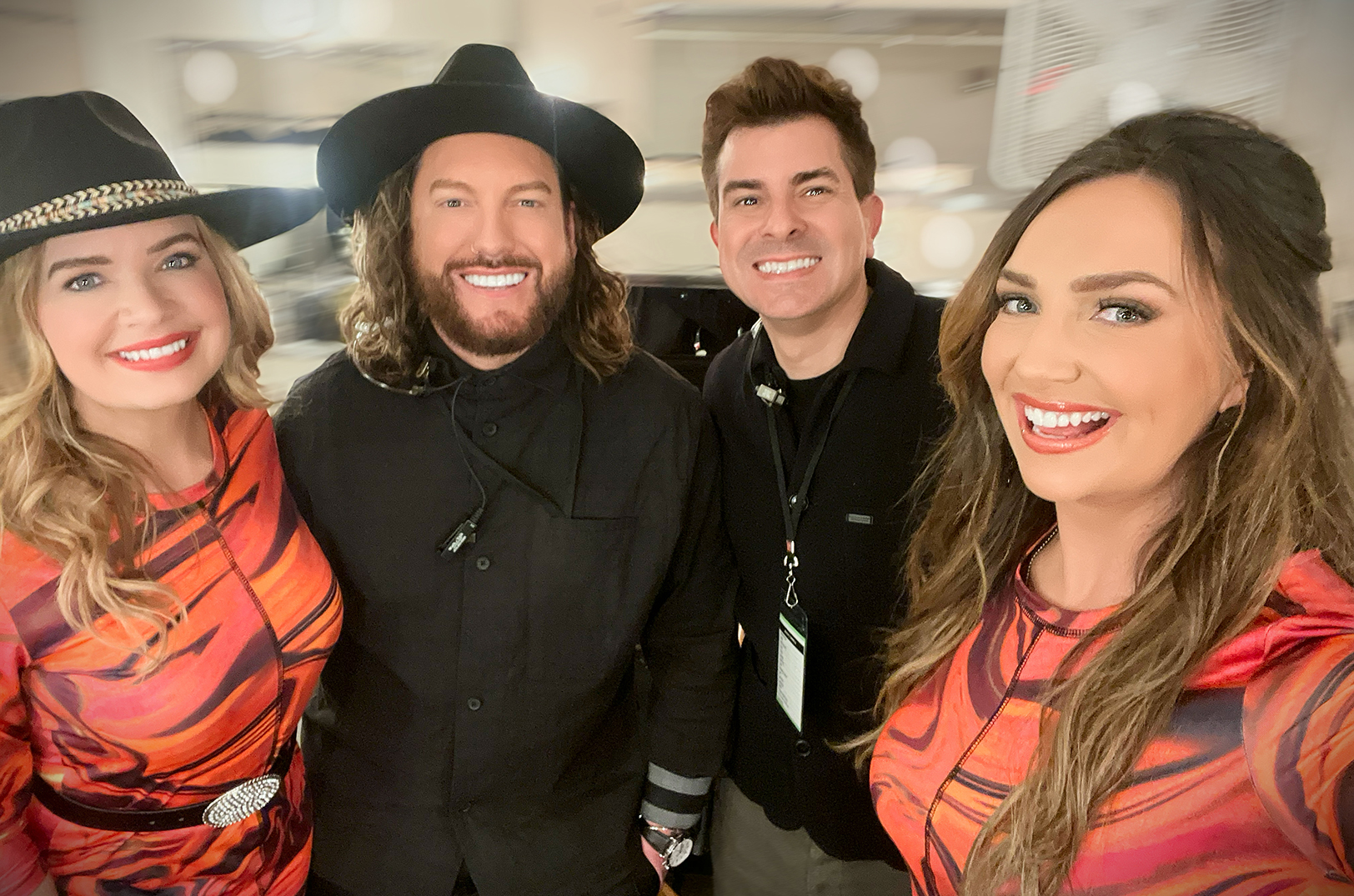
For “Second Chance Stage,” the stakes — and the timeline — were higher. The ULAH team styled 30 contestants for performances, balancing aesthetics with the practicality required for stagewear.
“We had just two days to meet all 30 contestants via Zoom, learn their stories, and understand their talents,” said Wimberly. “It’s about helping them shine, but also ensuring their look complements their performance.”
Click here to stream “Second Chance Stage.”



Styling under pressure
Preparing contestants for a reality show demanded flexibility and quick thinking.

Buck Wimberly, ULAH, makes a last-minute wardrobe adjustment for contestant on “Second Chance Stage”; photo courtesy of ULAH
“There were wardrobe malfunctions we had to fix on the fly,” said Wimberly. “One dancer kept splitting their pants during rehearsals, so we had to do some emergency tailoring. Another contestant needed their skirt shortened right before filming — we grabbed scissors and got it done.”
Mendez and Wimberly split duties to manage the fast-paced schedule.
“Buck was backstage managing last-minute adjustments, while I handled fittings for the next day’s contestants,” Mendez explained. “We’re used to working together, so being apart was a challenge. But in the end, it worked out beautifully.”
Despite the high stakes, the duo leaned on their expertise and creativity.
“As a designer, I’m used to curating looks under pressure,” said Wimberly. “This was just on a bigger scale, with more eyes on us.”

Contestant styled by Joey Mendez and Buck Wimberly, ULAH, for “Second Chance Stage” on Max; photo courtesy of Max
Shining the spotlight on KC fashion
For ULAH, projects like “Second Chance Stage” underscore the vibrancy of Kansas City’s creative community.
“We love that more productions are coming here,” said Mendez. “It’s exciting to see Kansas City featured on screen, and we hope to keep contributing to that momentum.”
The opportunity also inspired new promotion of their offerings at the boutique, with their styling for the show aligning perfectly with their in-store personal styling appointments.
“We’ve started promoting these as gifts — clients can book an hour with us to curate a look for a special event or even a full wardrobe refresh,” said Wimberly. “It’s been fun to expand our brand in this way.”
For the couple, “Second Chance Stage” was more than just a professional milestone. It was a chance to bring Kansas City style to the national stage — and they’re just getting started.
“Every detail, from styling to filming, reminded us why we love what we do,” said Mendez. “This city has so much talent, and we’re proud to be part of showcasing that.”
Click here for more behind-the-scenes stories from the ULAH founders.


Taylor Wilmore
Taylor Wilmore, hailing from Lee’s Summit, is a dedicated reporter and a recent graduate of the University of Missouri, where she earned her Bachelor’s degree in Journalism. Taylor channels her deep-seated passion for writing and storytelling to create compelling narratives that shed light on the diverse residents of Kansas City.
Prior to her role at Startland News, Taylor made valuable contributions as a reporter for the Columbia Missourian newspaper, where she covered a wide range of community news and higher education stories.
2024 Startups to Watch
stats here
Related Posts on Startland News

Three fathers bring Whizz Bang potty-training game to market through Make48, Handy Camel
The Whizz Bang gamifies potty training and saves the bathroom floors of all parents, said Amy Gray. The device, which hooks on the underside of a toilet seat lid, emits a LED light target at the bottom the bowl. Once hit, the device plays musical praise, said Gray, the head of sales for Handy Camel,…

Reconciliation Services hopes to heal trauma in the heart of stigmatized Troost corridor
Commanded by Scripture, David Altschul journeyed into parts unknown, said his successor, Father Justin Mathews. In the mid-1980s, a philanthropic pull tugged at the heart of Altschul — a white, insurance salesman from Johnson County — and eventually led him into the distressed, history-rich neighborhoods that lined Troost Avenue on the east side of…
Thelma’s Kitchen cooks up pay-what-you-can cafe concept to preserve community
Twenty people once filled the kitchen of Thelma Gardner’s apartment in search of their next meal. Their hunger for food fueled her hunger for humanity, recounted Father Justin Mathews as he sat sipping coffee in the newly opened Thelma’s Kitchen. The pay-what-you-can restaurant — located inside of the Reconciliation Services building at 3101 Troost Ave.…
Operation Breakthrough bridge over Troost symbolizes ‘real community’ at an intersection
With reflection in his voice, Alvin Brooks paused. “The city has to be a partner,” the Civil Rights activist and veteran Kansas City Police Commissioner said as he spoke of the redevelopment of Troost Avenue — the well known racial dividing line, that has long isolated the east side of the Kansas City metro from the…