

It’s not too late to preserve KC’s Black-owned restaurants (or to enjoy Black Feast Week)
October 9, 2024 | Taylor Wilmore
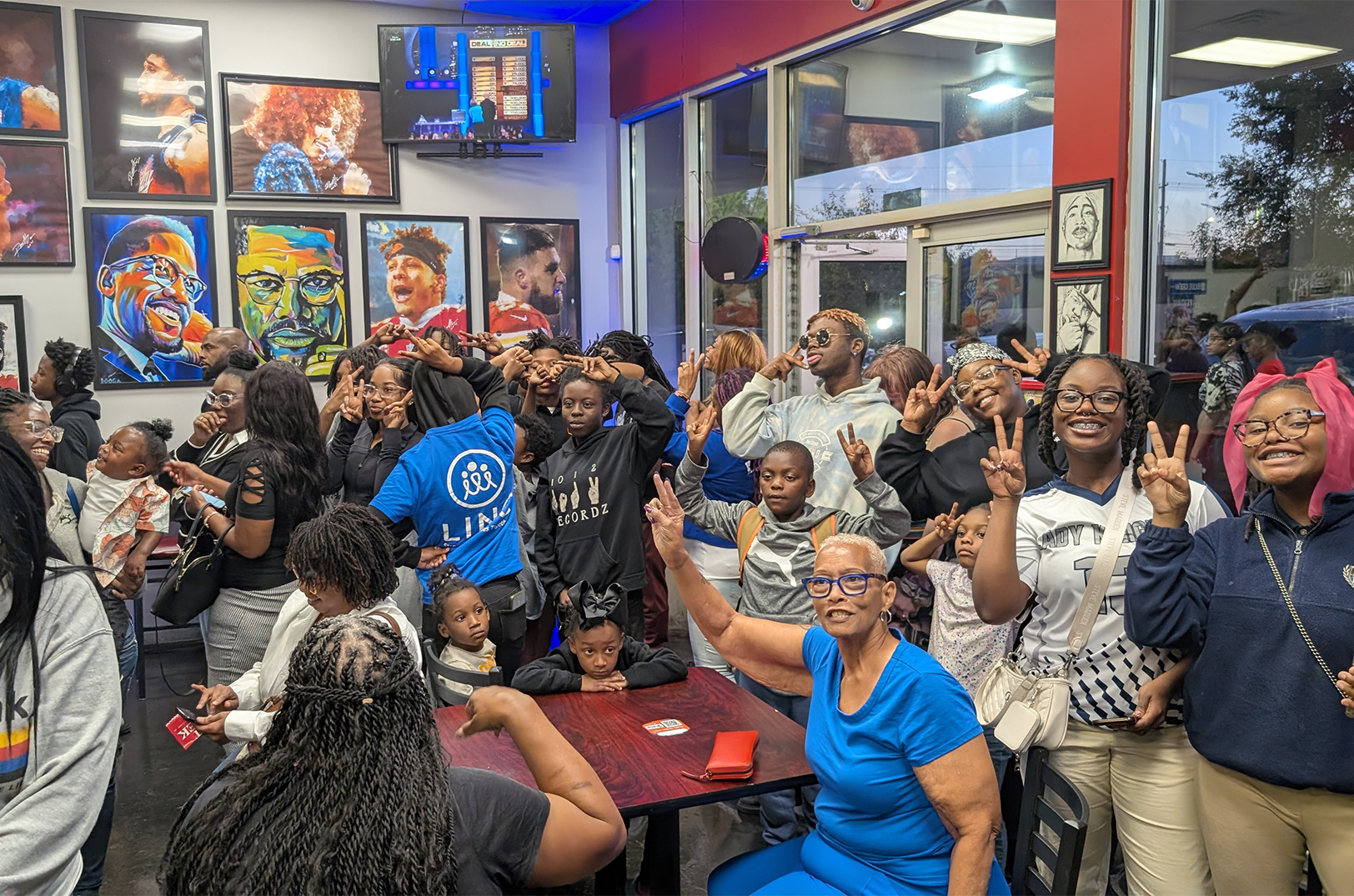
The recent closures of Soiree, The Krave, and Privee — Black-owned restaurants that each became a staple of Kansas City’s evolving food scene — leave a clear void that can’t be ignored, said Ryan Sorrell.

Ryan Sorrell, The Kansas City Defender
An initiative to help save local culinary should-be hotspots in similar danger wraps this week, but the work to promote and preserve the city’s Black-owned eateries can’t end there, he continued.
“We are in a crisis for Black restaurants right now, and that’s what Black owners have told us,” said Sorrell, founder and executive editor of The Kansas City Defender. “A lot of restaurant owners felt that some of the existing initiatives were more nationally-based rather than locally-based, so we wanted to fill that gap.”
The Defender organized Black Feast Week Oct. 1-14 as a two-week celebration to bring awareness to Black-owned restaurants and what they offer.
The event series kicked off at District Fish & Pasta House with a “People’s Food Buyout,” where 100 Black mothers and families received free meals — setting a community-focused tone for the two-week showcase, Sorrell said.
Click here for a full list of participating businesses.
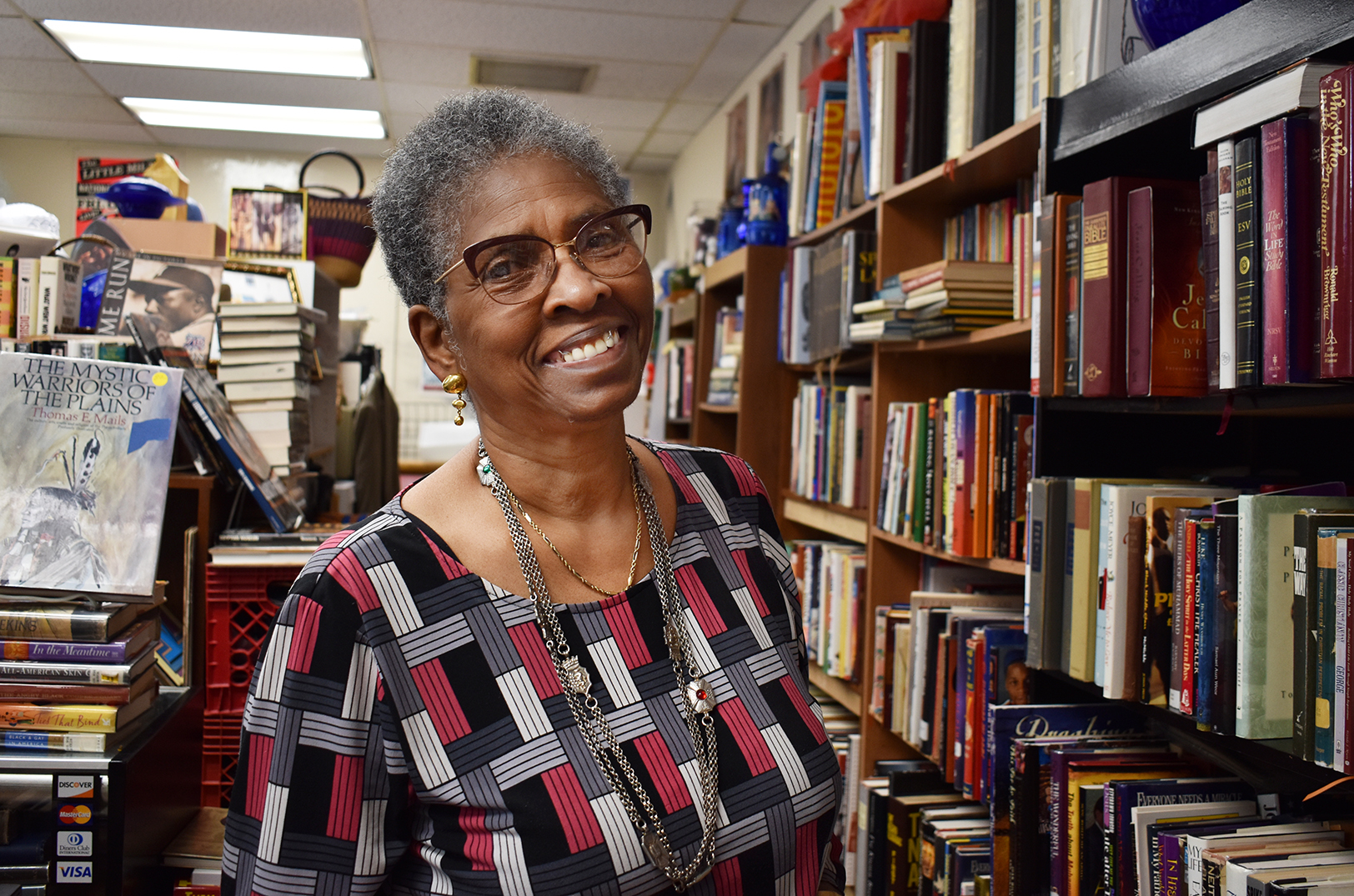
Willa Robinson, Willa’s Books and Vinyl; photo by Channa Steinmetz, Startland News
In addition to highlighting Black-owned restaurants, The Defender is promoting longtime entrepreneur Willa Robinson’s crowdfunding campaign for Willa’s Books and Vinyl — an effort to prevent Missouri’s longest-standing Black bookstore from closing due to gentrification and buyout.
Restaurants have the option to donate any surplus profits to the campaign, adding another layer of community impact to the event.
“This is more than just a restaurant week,” said Sorrell. “It’s about preserving our culture, our businesses, and our history.”
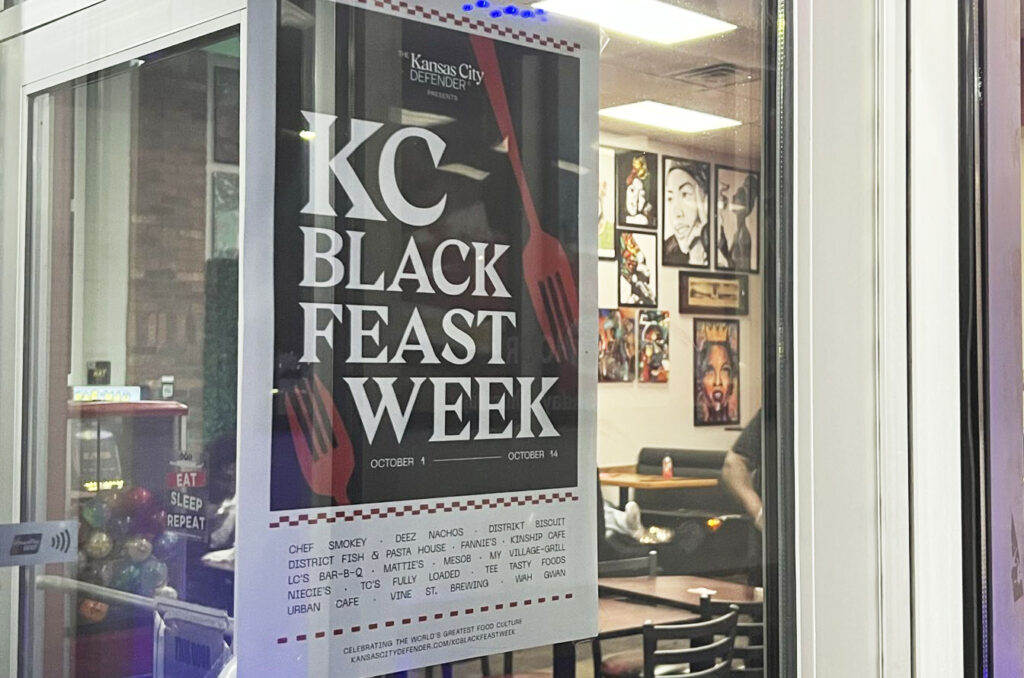
A KC Black Feast Week poster hangs at the entrance of District Fish & Pasta House; photo courtesy of The Kansas City Defender
Filling the gap
Sorrell and his team have been working on Black Feast Week for several months, partnering with 16 Black-owned restaurants and some of Kansas City’s most prominent food influencers, he detailed. The event’s goal is to provide more than just visibility for the participating restaurants — it’s about long-term sustainability.
“We worked directly with the restaurants from start to finish,” Sorrell explained. “We asked them what their needs are, and we’re providing high-quality photography, videos, interviews, and highlights that tell their unique stories.”
Acknowledging that many businesses have limited budgets for marketing, this support is offered free of charge, he said.
By spotlighting these local businesses, Sorrell hopes Black Feast Week will help generate more restaurant traffic beyond the two-week window, creating lasting visibility for these establishments.
A new Kansas City tradition
Black Feast Week is just the beginning, Sorrell said, noting he envisions the event becoming a yearly celebration with even more participating restaurants and a broader reach.

KC Black Feast Week; photo courtesy of The Kansas City Defender
The careful curation of this year’s list or participating restaurants — balancing iconic staples with newer spots — is a strategy Sorrell believes will keep the event fresh and exciting for years to come, he said.
“We wanted to keep the list actionable, so we didn’t include every single Black restaurant in the city — which might overwhelm our audience. We also included a great mix of diverse cuisines, as well as historic staples and newer restaurants that just launched this year,” he said.
Specials during Black Feast Week range from Mattie’s Foods’ BBQ Bacon Chicken Sandwich to Chef Smokey’s gumbo greens with cornbread, and Teetasty Foods’ sampler plates of Egusi and Fufu.
The event is designed not only to boost sales but also to showcase Kansas City’s rich Black culinary heritage, Sorrell emphasized.
“We have so many delicious Black-owned spots that simply don’t get the visibility or support they deserve,” he said. “There’s such diversity — from West African and Ethiopian, to soul food and fine dining-soul food fusion. Black Feast Week is about celebrating that.”

Featured Business

Taylor Wilmore
Taylor Wilmore, hailing from Lee’s Summit, is a dedicated reporter and a recent graduate of the University of Missouri, where she earned her Bachelor’s degree in Journalism. Taylor channels her deep-seated passion for writing and storytelling to create compelling narratives that shed light on the diverse residents of Kansas City.
Prior to her role at Startland News, Taylor made valuable contributions as a reporter for the Columbia Missourian newspaper, where she covered a wide range of community news and higher education stories.
2024 Startups to Watch
stats here
Related Posts on Startland News

Kansas Citians preparing for plethora of pitch competitions
A staple of early-stage business — the elevator pitch — will be on full display for the Kansas City community in coming weeks. Entrepreneurs from around the metro area have several upcoming opportunities to pitch their businesses or to hear other innovators deliver spiels on their firms. Here are few of those events. The University of Kansas’…

Royals, entrepreneurial stars fielding pitches from Kansas City educators
Children today require more than just a pencil and paper to complete their lesson plan. Thanks to a booming education technology market, teachers’ out-of-pocket spending goes far beyond the occasional pen, pencil or box of tissues nowadays. In 2013, teachers spent $1.6 billion annually to support their classroom. To alleviate the climbing prices of basic…

FCC commissioner Ajit Pai’s six strategic steps to close the digital divide
In his second visit to Kansas City within the last six months, Federal Communications Commission Commissioner Ajit Pai stopped by Think Big Tuesday as part of his fight to close the digital divide. Growing up in a small Kansas town three hours south of the metro, Pai said he’s familiar with the energy and vitality…

New regulations yield opportunity for animal feed tech startup
Editor’s note: This content is sponsored by LaunchKC but independently produced by Startland News. Growing up, Gretchen Henry’s family farmed cotton in Southeast Missouri. Although most are familiar with the white, pillowy substance we find in our clothes, use to wash our face or clean our ears, animals also eat it. Livestock feed features many…