

Kin Seltzer marks first anniversary with strategic C-suite hire, national expansion moves
April 23, 2024 | Taylor Wilmore
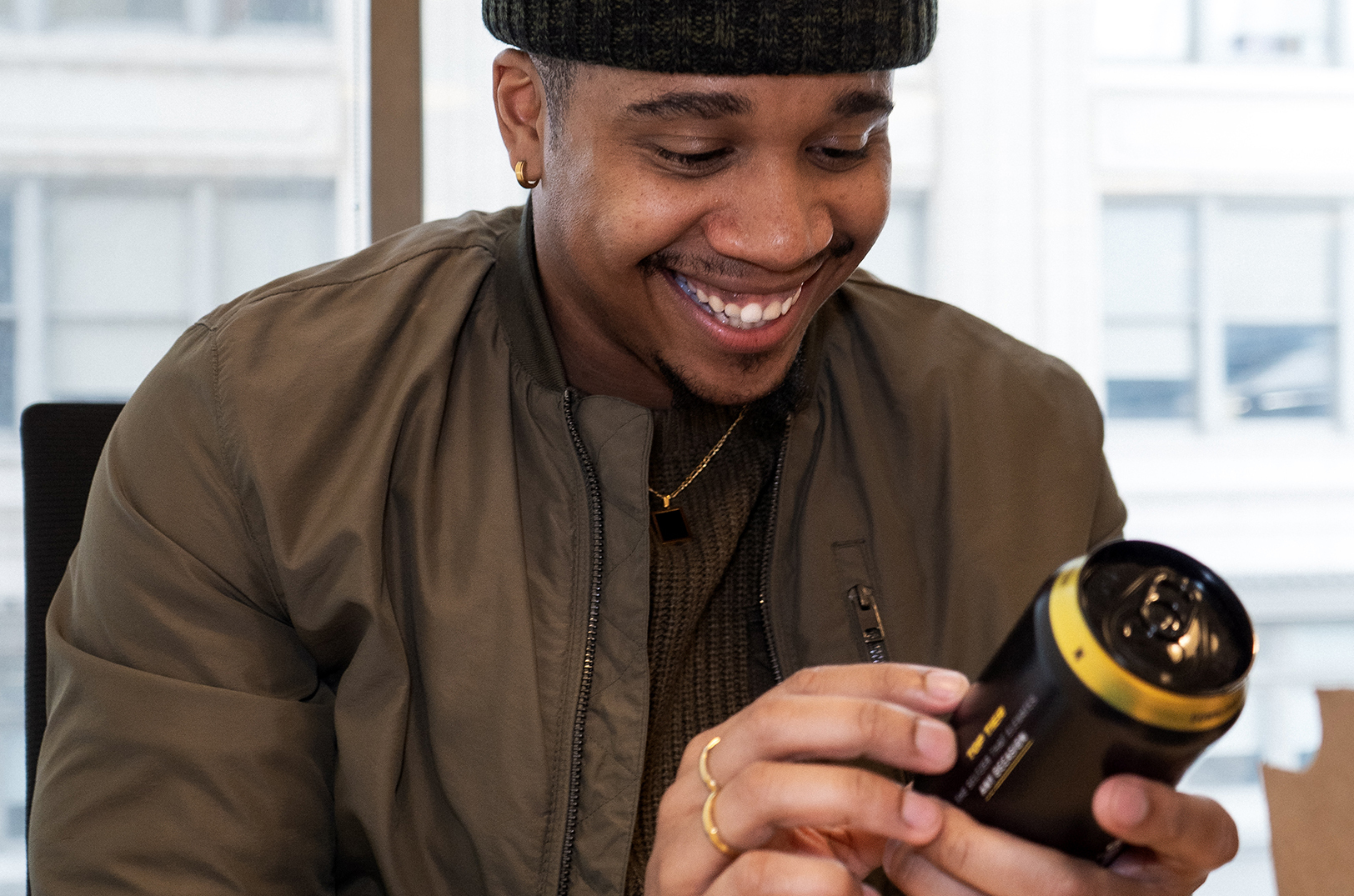
Kansas City’s Black-owned beverage brand Kin Seltzer is popping the tab on a new year of business this month with the addition of a new chief strategy officer and a new focus on expanding the canned drinks’ footprint.
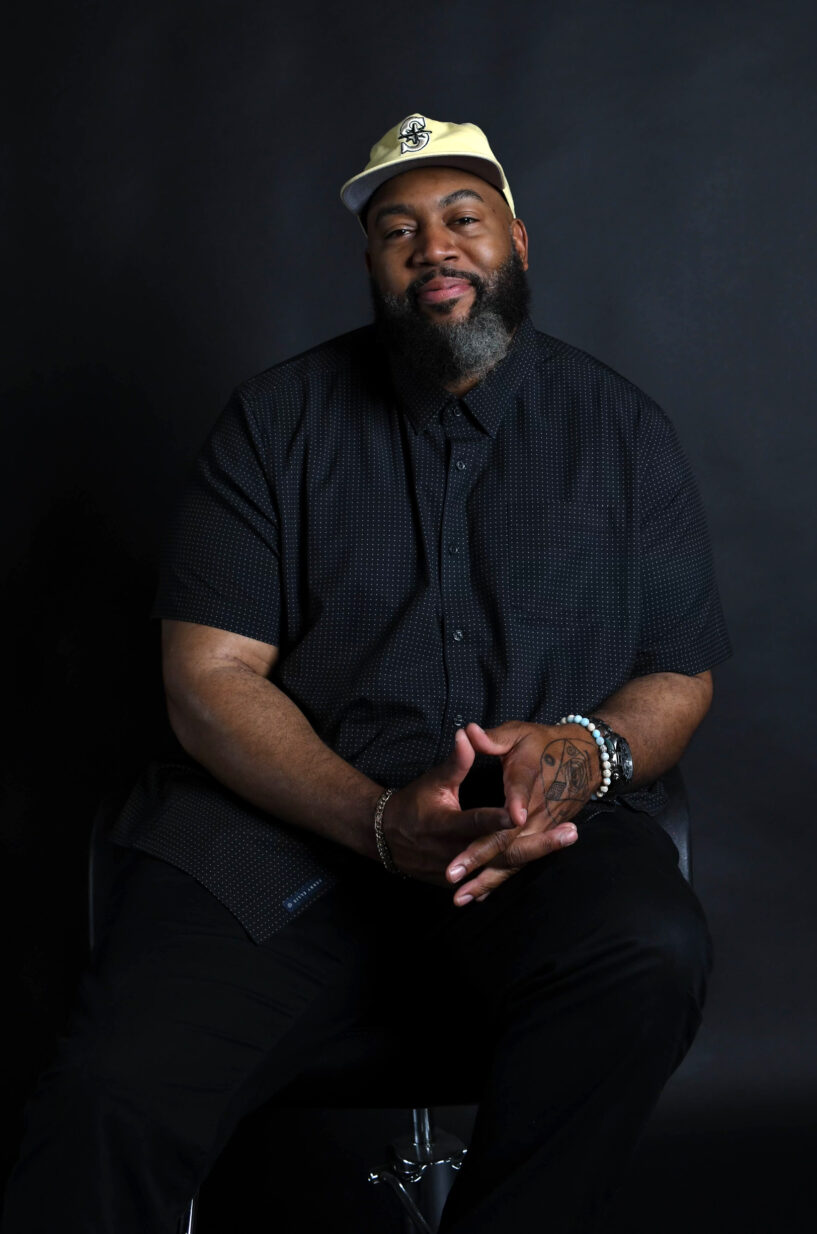
Quincy Crutchfield, Kin Seltzer; photo courtesy of Kin Seltzer
Quincy Crutchfield, Kin’s new executive, comes with extensive entrepreneurial experience in marketing, branding, and creative design, successfully scales brands for new growth, the year-old company said. Crutchfield notably created KC Night Market, a shopping meets nightlife experience in Kansas City.
“Now that Kin Seltzer is at a place where I have to leave and find some of these other markets to penetrate on my own, it was the perfect time for him to come on board as our CSO,” said Joshua Lewis, founder of Kin Seltzer.
For Kin, Crutchfield deals with the day-to-day operations and sales.
“He’s done everything in the food and beverage market,” said Lewis. “He’s launched products, done marketing deals, consulted for startups, a little bit of everything. He knows this market and KC like the back of his hand.”
While Cruchfield holds the fort down in KC, Lewis is preparing to travel extensively over the next couple years to expand Kin Seltzer’s presence, aiming to distribute it in five to 10 additional states, including cities like St. Louis, Dallas, Houston, Austin, Atlanta, Miami, Orlando, and Los Angeles, he said.
Organic, customer-forward launches
Kin Seltzer’s main strategy for expanding to new locations is through a party consumer perspective, being intentional about the industry influencers they use to market the brand in every area.
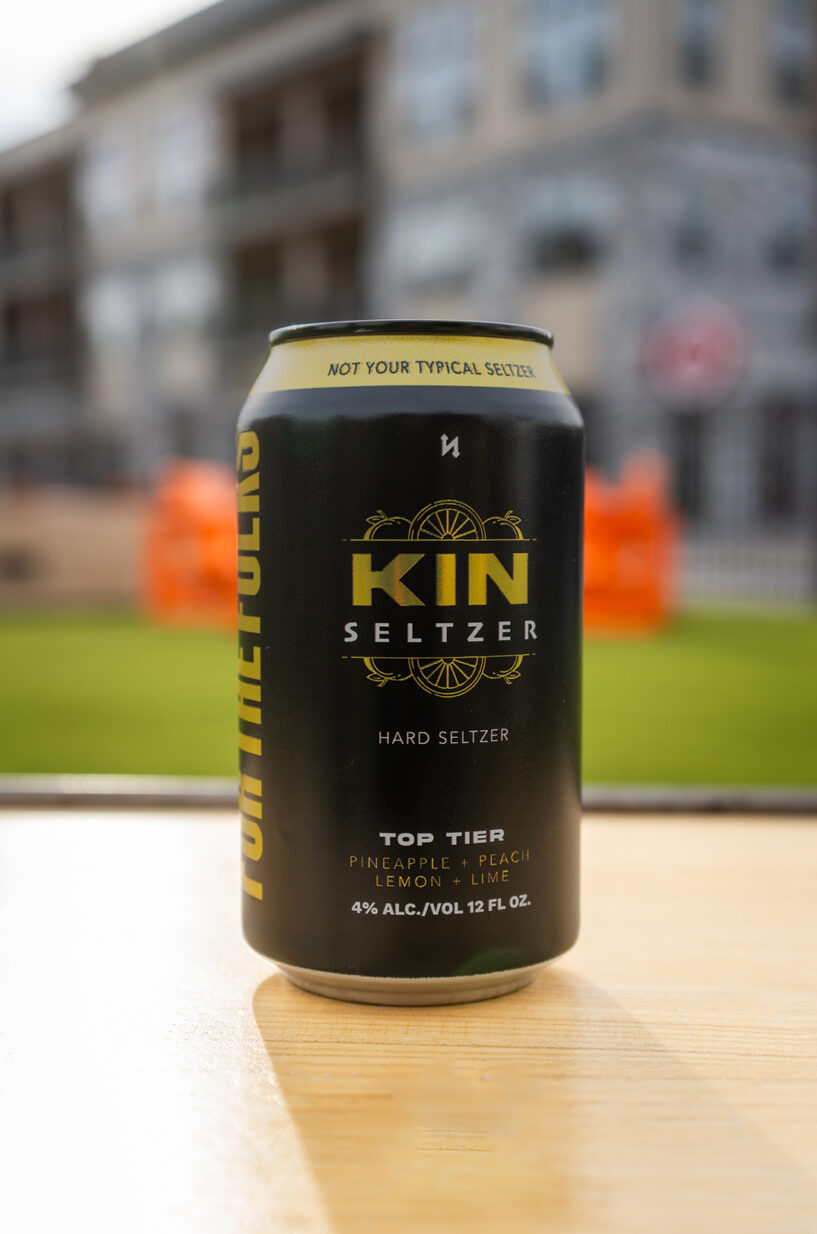
New flavors from Kin Seltzer; photo courtesy of Kin Seltzer
Instead of looking for influencers online to expand in those beverage markets, Lewis plans to do the opposite by reaching out to influencers actively engaged in the nightlife scenes of select cities, including bars, clubs, and restaurants.
“Going to bartenders, DJs, and some of those people that really drive traffic,” said Lewis. “A big thing for us is to get involved in some of the bigger chains that own a few nightclubs, bars, and restaurants and grow with them.”
For the retail side, the brand needs to expand organically in major grocery stores, already working on closing some national deals for this year, he added.
Lewis wants the quality of the product to speak for itself, and let Kin Seltzer’s hype grow through the consumers spreading the word, he said.
“We’re super focused on being the cool drink that grows organically with the people. But just at a fast pace,” said Lewis.
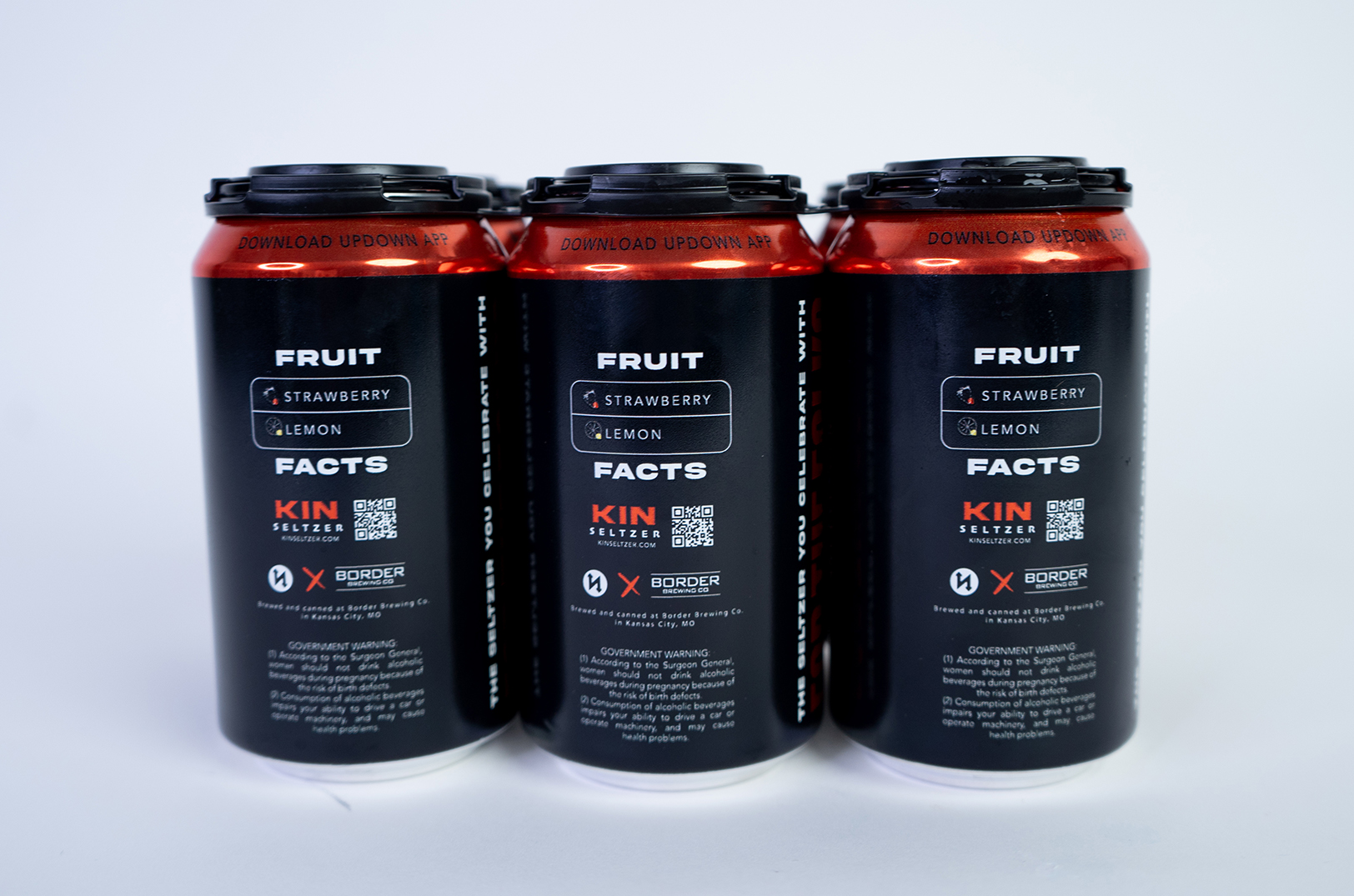
New flavors from Kin Seltzer; photo courtesy of Kin Seltzer
New flavors and new cities
To celebrate its first anniversary and welcome the warm summer weather, Kin Seltzer recently launched a new product, Pressure, a strawberry-lemonade flavored hard seltzer. With more than 2,000 taste tests and no bad review yet, said Lewis, he’s prepared for a standout launch.
“This is probably the best flavored seltzer in the market; the flavor of strawberry lemonade is called ‘Pressure’ because that’s exactly what it gives when people drink it,” said Lewis, noting the taste inspires more than refreshment — but pushes people to try something new in life.
Lewis intends to broaden Pressure into a Lemonade line, unveiling a few surprise flavors later this year, he said.
The founder also was happy to report successful efforts to cut costs by 45 percent, thanks to a new production process that allowed the team to triple its output for less expense, Lewis said.
With some national deals already in the works for this year, he sees Kin Seltzer going international in the future, confident that a lot of people can enjoy a quality seltzer with the message of community and celebration.
“We’re not the first Black-owned seltzer in America for no reason,” Lewis said. “So, I’m just excited to see people not only enjoy the drink, but really understand the meaning behind it and what it stands for.”
“I think that’s a movement within itself,” he added.


Taylor Wilmore
Taylor Wilmore, hailing from Lee’s Summit, is a dedicated reporter and a recent graduate of the University of Missouri, where she earned her Bachelor’s degree in Journalism. Taylor channels her deep-seated passion for writing and storytelling to create compelling narratives that shed light on the diverse residents of Kansas City.
Prior to her role at Startland News, Taylor made valuable contributions as a reporter for the Columbia Missourian newspaper, where she covered a wide range of community news and higher education stories.
2024 Startups to Watch
stats here
Related Posts on Startland News

Kauffman Foundation dishes $840K to 8 area accelerators
The Ewing Marion Kauffman Foundation is hitting the gas on its support of area accelerator programs. As part of the 2016 KC Accelerator Challenge, the Kauffman Foundation announced Tuesday that it’s awarded a total of $840,000 in grants to eight local venture accelerator programs. “Our goal is to increase entrepreneurial success in Kansas City through…

Efficiency, innovative home construction are cornerstones for Prairie Design Build
David Schleicher was just looking for something to get back on track. In 2012, the president of Prairie Design Build, a house building company located in Kansas City, had watched his then six-year-old business begin to suffer because of the recent recession. Schleicher was desperately seeking a way to keep his head above water, not…
Listen: When the grind gets gloomy, experts discuss mental health challenges and entrepreneurship
About 72 percent of entrepreneurs have self-reported mental health concerns, according to a study done by the University of California San Francisco. More specifically, about 30 percent of entrepreneurs experience depression and about 30 percent experience ADHD, the same study found. In recognition of Mental Health Awareness Month, Startland News and Think Big’s May Innovation…
6 tips and tricks to stay sane while scaling fast
Frequently taking on more demands and shirking personal care, entrepreneurs’ work-life balance often skews toward work. Deadlines, finding clients, making payroll and dozens of other stressors can put entrepreneurs at risk of mental illness or compound existing challenges. Furthermore, entrepreneurs are disproportionately affected by such issues as ADHD, bipolar disorder and depression, according to studies…