

Vytelle expands hoofprint for its cattle IVF tech ‘closer to home,’ opening lab in Kearney, Nebraska
March 5, 2024 | Startland News Staff
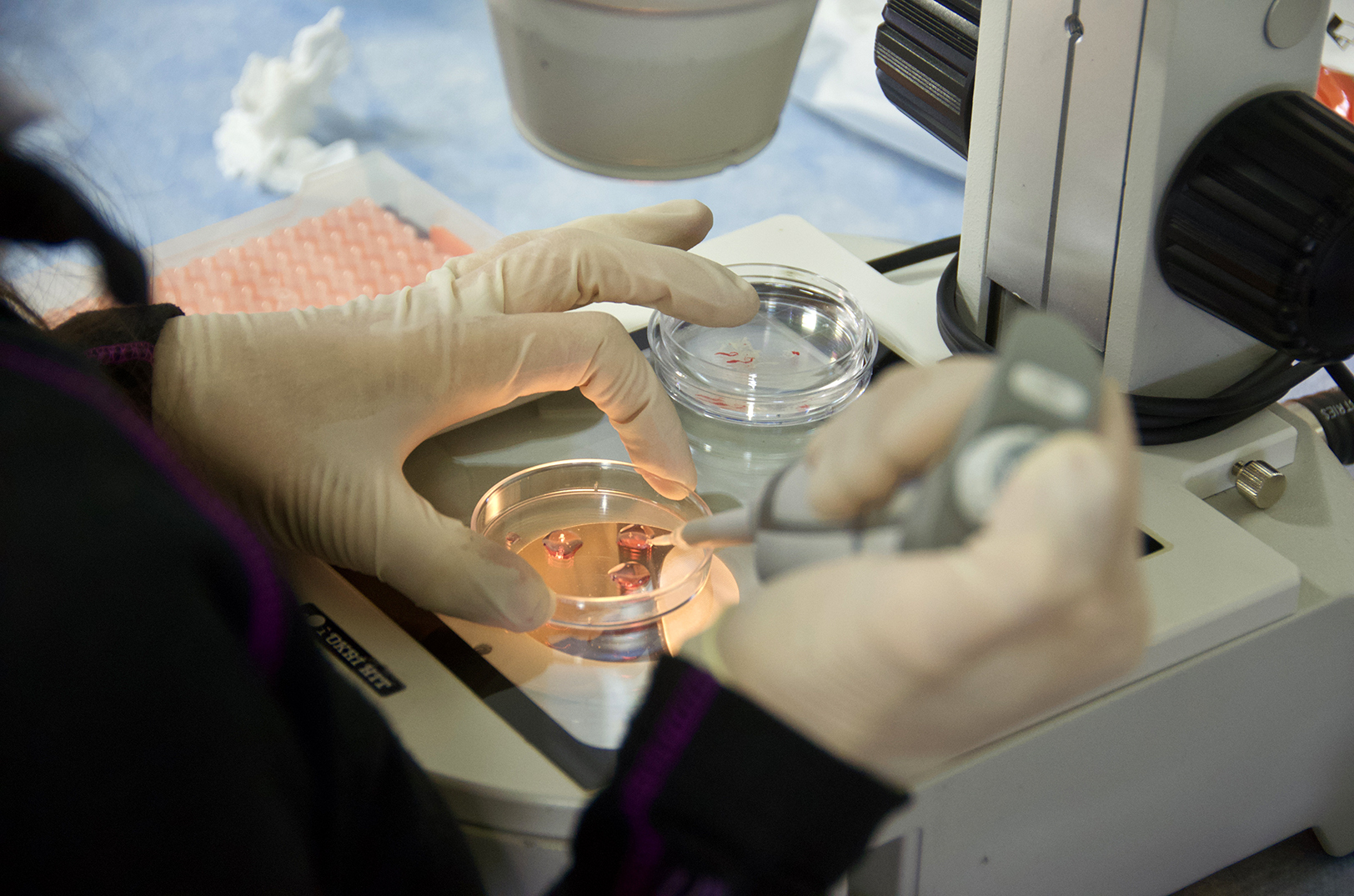
A new lab space for Kansas City-based Vytelle is expected to help the precision livestock startup increase regional accessibility to modern reproduction technology and enable the possibility of fresh embryo transfers for producers across the Midwest, said Kerryann Kocher.
Vytelle — the fastest-growing in vitro fertilization (IVF) company — on Monday announced the opening of its eighth U.S.-based and 17th global laboratory, strategically located in the heart of Nebraska: a region known for elite cattle genetics and performance-focused herds. This expansion further signifies Vytelle’s commitment to providing innovative reproductive solutions and unparalleled access to hormone-free IVF for beef and dairy producers, explained Kocher, CEO of Vytelle.

Kerryann Kocher, Vytelle
“Our expansion into the Nebraska region underscores our dedication to supporting the needs of our current and future customers by bringing our Vytelle ADVANCE solutions closer to home,” she said. “We are excited to increase collaboration with producers in this cattle genetics hub, leveraging our expertise to optimize herd performance and drive sustainable agricultural practices.”
Vytelle’s state-of-the-art laboratories offer reverse-sort technology and a hormone-free IVF process, including proprietary media, delivering high-quality embryos to producers, giving them the technology to make more valuable calves to maximize genetic progress, according to the Lenexa-based company.
“We are thrilled to open our doors in the Nebraska region and expand our footprint,” said Grady Bishop, vice president of North America commercial operations at Vytelle. “Vytelle can now access 50 percent of the national beef and dairy breeding herd through a strong network of Satellite partners who help provide our IVF technology across the U.S. This expansion brings a lab closer to our partners in the area, allowing them to expand their customer offerings to include fresh transfers.”
“By combining our innovative technologies with local expertise, we aim to foster collaboration and drive positive outcomes for livestock producers, ultimately contributing to the sustainability and resilience of the industry,” he continued.
The Nebraska-based team is already serving producers with ovum pick-ups, the company said.


2024 Startups to Watch
stats here
Related Posts on Startland News

Report: KC is a tech hub but labor shortage is hampering growth
Each day, Kansas City is better positioning itself to be the Midwest’s tech hub. But for Kansas City to realize its full potential, tech leaders, policymakers and the community need to do more to cultivate homegrown talent, KC Tech Council president Ryan Weber said. “Attracting talent from another city is a very small game — and…

KC tech startup partners with Children’s Mercy to help diagnose, manage care
Kansas City-based Engage Mobile Solutions developed a mobile app assisting pediatricians at Children’s Mercy Hospital, treating children facing acute illnesses and injuries. The tech firm created “CMPeDS: Pediatric Decision Support” to provide healthcare professionals with evidence-based guidelines to manage patients who are facing acute illnesses such as infections, or children who are experiencing acute injuries,…

UMKC eyes ‘final four’ of Enactus contest attracting thousands of student entrepreneurs to KC
Kansas City will soon become the entrepreneurial epicenter for a national, collegiate competition and conference challenging young innovators to do good in their communities. From May 21 to 23, Kansas City will host more than 2,000 entrepreneurial college students for the Enactus United States National Exposition. Founded in 1975, Enactus challenges students from more than…

Kauffman VP hops on national TV to discuss gaps in entrepreneurship
The Ewing Marion Kauffman Foundation’s vice president of entrepreneurship recently took to national television to examine declining startup rates. CNBC recently featured Victor Hwang to discuss the trend in declining startup rates, including generational gaps, cultural shifts, limited access to capital and the impact of regulations. “It’s hard to pin it down exactly,” Hwang told…