

Vytelle expands hoofprint for its cattle IVF tech ‘closer to home,’ opening lab in Kearney, Nebraska
March 5, 2024 | Startland News Staff
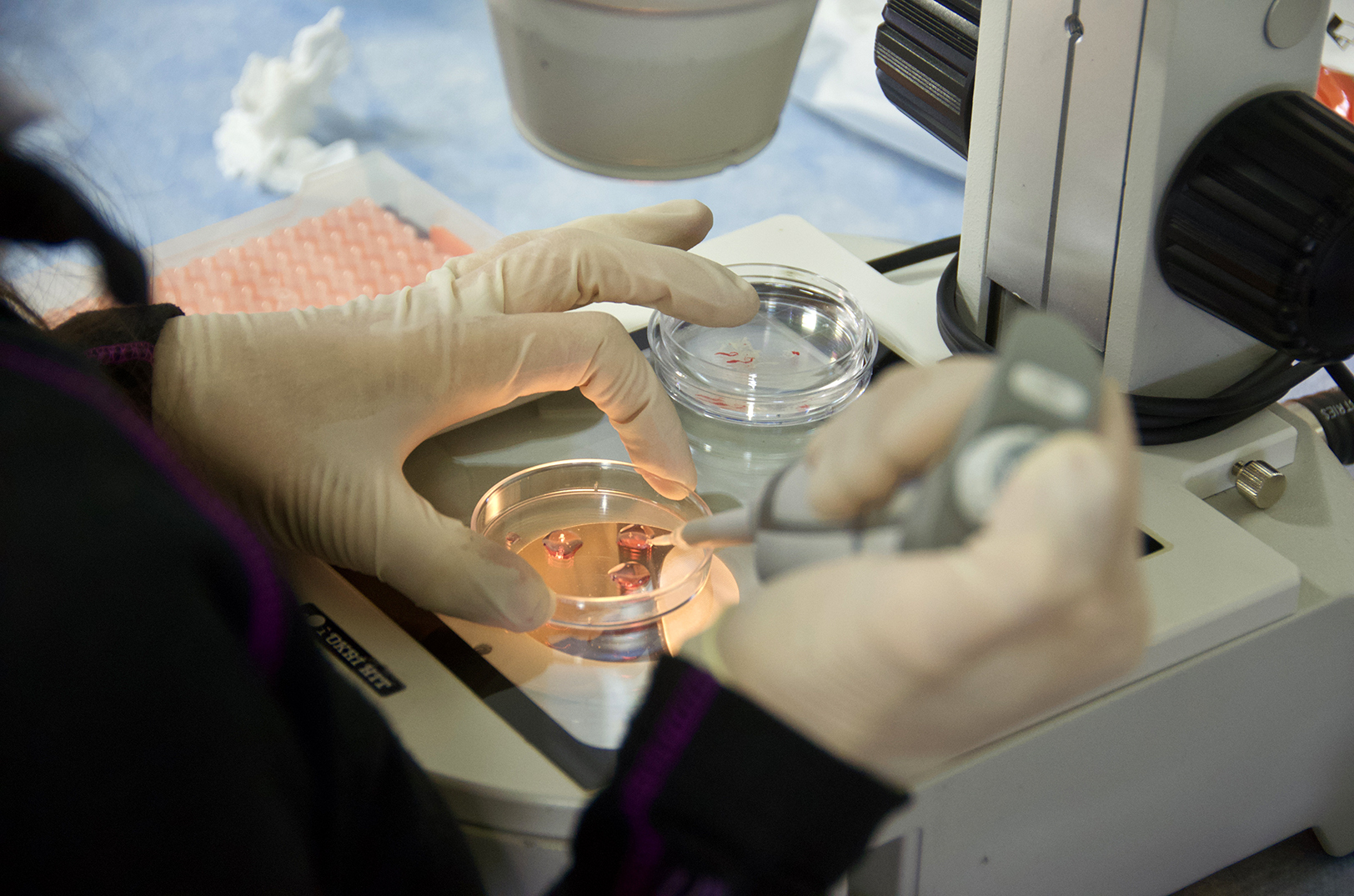
A new lab space for Kansas City-based Vytelle is expected to help the precision livestock startup increase regional accessibility to modern reproduction technology and enable the possibility of fresh embryo transfers for producers across the Midwest, said Kerryann Kocher.
Vytelle — the fastest-growing in vitro fertilization (IVF) company — on Monday announced the opening of its eighth U.S.-based and 17th global laboratory, strategically located in the heart of Nebraska: a region known for elite cattle genetics and performance-focused herds. This expansion further signifies Vytelle’s commitment to providing innovative reproductive solutions and unparalleled access to hormone-free IVF for beef and dairy producers, explained Kocher, CEO of Vytelle.

Kerryann Kocher, Vytelle
“Our expansion into the Nebraska region underscores our dedication to supporting the needs of our current and future customers by bringing our Vytelle ADVANCE solutions closer to home,” she said. “We are excited to increase collaboration with producers in this cattle genetics hub, leveraging our expertise to optimize herd performance and drive sustainable agricultural practices.”
Vytelle’s state-of-the-art laboratories offer reverse-sort technology and a hormone-free IVF process, including proprietary media, delivering high-quality embryos to producers, giving them the technology to make more valuable calves to maximize genetic progress, according to the Lenexa-based company.
“We are thrilled to open our doors in the Nebraska region and expand our footprint,” said Grady Bishop, vice president of North America commercial operations at Vytelle. “Vytelle can now access 50 percent of the national beef and dairy breeding herd through a strong network of Satellite partners who help provide our IVF technology across the U.S. This expansion brings a lab closer to our partners in the area, allowing them to expand their customer offerings to include fresh transfers.”
“By combining our innovative technologies with local expertise, we aim to foster collaboration and drive positive outcomes for livestock producers, ultimately contributing to the sustainability and resilience of the industry,” he continued.
The Nebraska-based team is already serving producers with ovum pick-ups, the company said.


2024 Startups to Watch
stats here
Related Posts on Startland News
Student investors hope to make inroads with KC founders through pitch day
A group of student investors in the Kansas City University Venture Program are working to jump start deal flow and create relationships with Kansas City entrepreneurs. Launched in 2017, the student-led fund is hosting a pitch event to start a dialogue with area startups in hopes of finding their newest investment deals, said Nate Crosser, a…

NBA hires Alight Analytics to collect, analyze data from fans’ social engagement
The volume of data created within a professional sports team’s fan base is enormous, said Matt Hertig, chief executive officer of Alight Analytics. “Being able to see all of that data together across all of the popular social channels — from Facebook, Youtube, Twitter, Instagram, Snapchat — in one place and really understand the correlation…
Photos: LaunchCode christens KC’s newest techies with graduation celebration
An Afghan immigrant. A mother of six. An English grad turned techie. A man now able to provide for his family. They’re all among the graduates and inspirational stories highlighted during LaunchCode’s graduation ceremony that recognized the newest members of Kansas City’s tech community. LaunchCode on Wednesday graduated 60 students from its rigorous LC101 coding…
Christian entrepreneur hopes to convert believers to veganism
Kris Taylor’s inspiration for a vegan, Christian lifestyle traces back to the first book of the Bible, she said. Modern people eat meat because of original sin and the fall of man, as described in Genesis, Taylor said. “But if you go back to the creation story in Genesis, every seed-bearing plant was given to…