

Drug side effects could kill you; meet the KS lab team using DNA testing to save patients
March 26, 2024 | Nikki Overfelt Chifalu
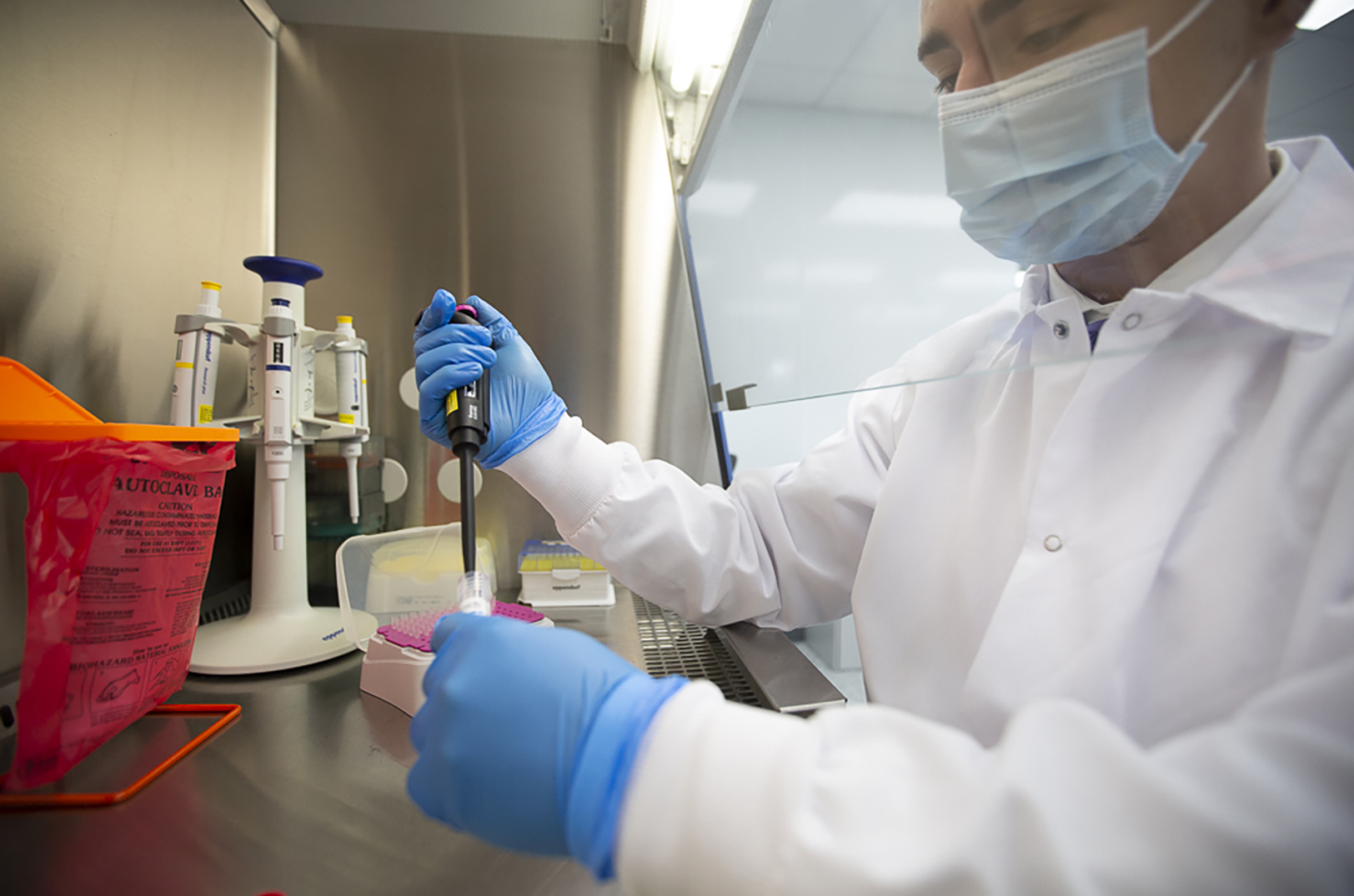
A clinical reference laboratory in Olathe is working to make DNA testing for genetically optimized medications more routine and accessible in healthcare, Dr. Ziyan Pessetto shared.
Sinochips Diagnostics — founded in 2019 by Dr. Jiawu Song, along with Pessetto and Dr. Andrew Godwin — was conceived with the vision to make pharmacogenomics (PGx) an integral part of patient care, Pessetto explained.

“This field is essential for personalized medicine, as understanding genetic variations helps predict whether a medication will be effective for a particular individual and what side effects they might experience,” the chief scientific officer continued. “PGx testing can lead to more accurate dosing, reduce the trial-and-error approach to prescribing medication, lower the risk of adverse drug reactions, and improve overall treatment outcomes. It represents a significant step forward in making treatment regimens more patient-specific, rather than one-size-fits-all.”
Hearing all the possible side effects listed for medications at the end of commercials even scares him, acknowledged Godwin, the Sinochips scientific advisory board chair, University of Kansas Medical Center director of molecular oncology, and founding director of the Kansas Institute for Precision Medicine.
“Part of what pharmacogenomics does is to help reduce that unpredictability,” he added. “There’s different ways that these drugs are processed in our body. Everybody has different responses to those kinds of drugs.”

Dr. Andrew Godwin, Sinochips Scientific Advisory Board Chair

Dr. Ziyan Pessetto, Sinochips Diagnostics
For its PGx testing, Sinochips — which performs testing for COVID-19 and clinical trials, plus microbiological testing for products — the clinical lab looks for 87 genetic variations that cover all drug classes to provide patients and clinical partners a thorough breakdown of patient results and sensitivities.
“We also have licensed pharmacists that specialize in pharmacogenomics that provide consulting to the physicians or patients if they want to talk to them, so they explain the reports,” noted Pessetto, who got a pharmacy degree in her native China before moving to United States to get her doctorate in cancer research.
She also has firsthand experience with the test, she shared. A medication her doctor prescribed was making her vomit. After taking the test, it showed that it was not the best medication for her.
“Doctors are sometimes hesitant to modify prescriptions early in the treatment, wanting the patient to try a little longer,” she explained. “But I knew it wasn’t going to work. And once I showed my family physician my PGx report, and the risk profile of that drug with my particular genes, she made the change. It’s all evidence-based and that made the difference.”
Predicting prescribed behavior
This kind of testing is especially beneficial for patients receiving care related to cancer, mental health, cardiology, and pain management, shared Pessetto, who worked under Godwin as the assistant director of the KU molecular oncology lab until 2020.
When it comes to pain management, she explained, medications are even more highly regulated, especially if they are considering opiate-based options.
“So when a patient complains a pain medication is not working — that they are not getting relief or are experiencing side effects — the doctor has to exercise caution on upping the dosage or prescribing an opiate,” she continued. “A PGx report showing a propensity for pharmacological failure can give them the evidence they need to deliver a better outcome with a targeted prescription and appropriate dosage.”
Sinochips — which is also hoping to start manufacturing high-quality reagents — recently partnered with Midwest Recovery Centers, Pessetto noted, to integrate PGx testing into its care of patients with substance use disorders.
“Once they started to work with us and got a couple of sample tests done, they realized this is exactly what they wanted,” she added, “because most of these patients are using multiple drugs. And sometimes you can even predict their behavior and if they’re more likely to be addicted to certain drugs or not.”
And for cancer patients, Godwin said, it’s especially important that those with colorectal cancer get tested as a commonly used chemotherapeutic agent can kill patients with a specific alteration in their genome.
“You will die — not from your disease — but you’ll die from the drug you’re given,” he explained. “It’s a rare event, but it does occur. If you have it, you should not get that drug. So who’s screens for that? Very few.”
“It’s almost like you have to be the cheerleader to say, ‘Yes, we have to do this. This is important to do,’” he added.
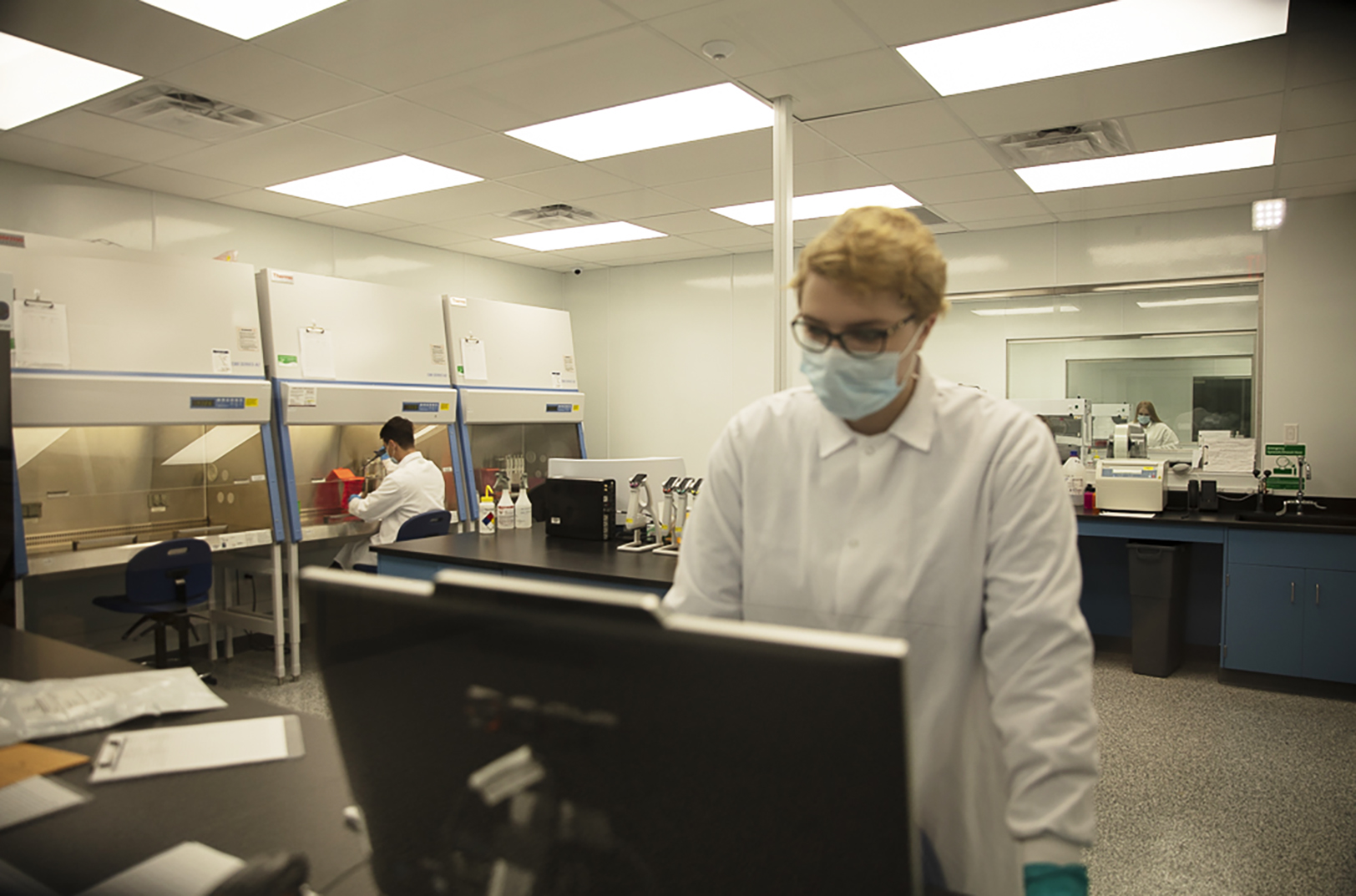
Sinochips Diagnostics Olathe lab; photo courtesy of Sinochips Diagnostics
Building awareness, credibility
The team at Sinochips — which became known for its rapid and affordable COVID-19 testing during the pandemic — is doing its part to advance PGx testing in the healthcare industry, but barriers remain, shared Pessetto and Godwin.
“They did start to approve PGx relevant reagents or tests as FDA cleared, which is a huge step forward,” Pessetto noted. “But that being said, we are still behind.”
One roadblock is awareness among doctors, they said.
“I’m not blaming them,” Pessetto explained. “This wasn’t a standard class in their education system. It’s so important, but they don’t (have it).”
“It’s harder for some physicians who have not been trained in this area to understand how to interpret these results,” Godwin added. “So it requires the expertise of your pharmacists and those people who are providing you the drugs to also help you understand if those drugs work together or not.”
They also have to dispel the idea among patients that the tests are a scam, Pessetto continued. A few years ago, a couple of companies posed as labs doing PGx and cancer screening testing and targeted seniors in order to steal their identities. They’ve since been shut down, but some patients still associate the testing with fraudulent behavior.
“They ignore the importance and the real usage for these things,” she said, “but they remember the scam. There’s a lot more education that needs to be done.”
Insurance coverage is another barrier, Pessetto noted, although they are making progress. The testing is now covered by Medicare. And before any testing is done at Sinochips, the team makes sure to let the patient know if the test will be covered by their insurance. And if not, they advise them of the costs, which they will not exceed.
“We aim to democratize access to PGx testing,” she added, “ensuring that it’s not just a luxury for the few but a standard part of healthcare for many.”

Sinochips Diagnostics lab at 25000 College Blvd Olathe; photo courtesy of Sinochips Diagnostics
Boosted by KC’s DNA
Despite some remaining speed bumps, Godwin said, PGx is an innovative field that will impact medicine today and in the future.
“Everybody somewhere along the way will have this kind of test or a whole genome kind of analysis done somewhere in their life because that will help physicians better treat patients,” he explained.
And the Kansas City area is the perfect place for the Sinochips lab to grow and thrive, he noted.
“We continue to demonstrate we can do excellence here in Kansas City,” he continued. “We have enough support. We have enough support in regards to legislation in many cases. We have a lot of support in regards to the business communities and venture capital people.”
“I (navigated) the venture capital world for other things I did with some of my colleagues in Boston and those areas and it’s a different beast,” he added. “But there are people who want to support biotech and grow that out here.”


2024 Startups to Watch
stats here
Related Posts on Startland News

Innovation program challenges civically-minded Kansas Citians
The City of Kansas City, Mo. is again asking for entrepreneurs’ help. Kansas City is now accepting applications for the 2016 Innovation Partnership Program, which provides an avenue for entrepreneurs to develop, test and demonstrate solutions to improve city operations. The city will accept program applications for only 30 days — from July 13 to August 15.…

Tech startup Bungii is your new friend with a truck
“Hey, can I borrow you and your truck this weekend?” It’s a question dreaded by truck owners everywhere, and in April of 2015, it made Ben Jackson regret ever buying his 1999 Ford Ranger. Jackson — and his truck — had just finished an exhausting day helping friends make four hauls across Manhattan, Kan. The…

Google Fiber hops to new, pricier plans for businesses
All good things — or in this case inexpensive things — must come to an end. Google Fiber will soon nix early-access pricing for its gigabit business service and will more than double its costs for new customers in August. Google Fiber — which first arrived in Kansas City in 2012 with residential service —…

Amazon to bring 1,000 jobs, huge facility to KCK
Online retail giant Amazon will open a massive new facility in Kansas City, Kan. The Seattle-based company announced Monday that it will create more than 1,000 full-time jobs and construct an 855,000-square-foot fulfillment facility near the Turner Diagonal on I-70 in Kansas City, Kan. “These aren’t just any jobs. They are the best entry-level jobs our…