

KC startup pairs with blockchain platform to build trust, value in premium beef genetics
January 31, 2024 | Startland News Staff
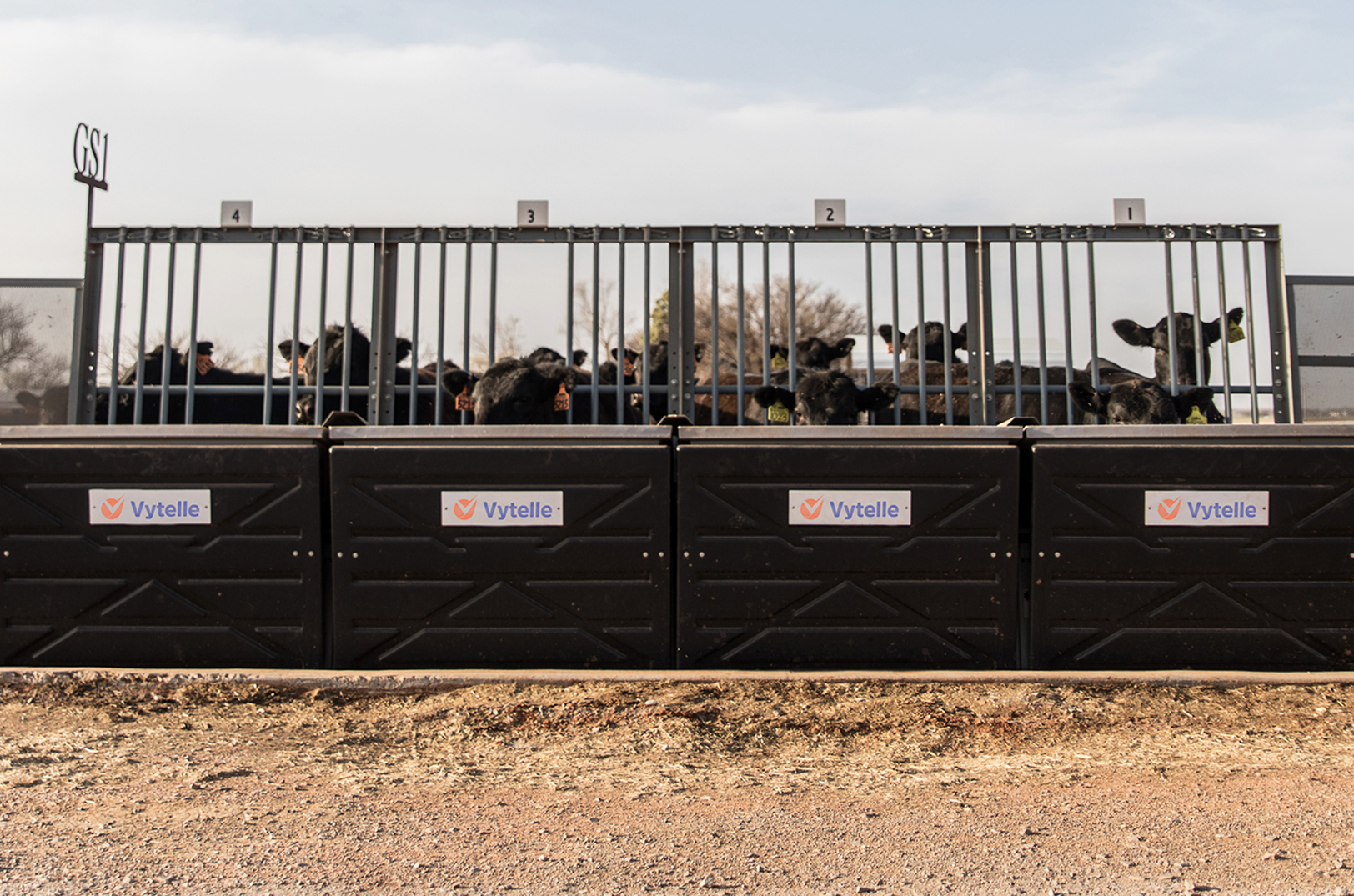
A newly announced strategic collaboration is expected to help Lenexa-based Vytelle promote the value of feeder cattle, while simultaneously bringing more transparency to a critical market segment within the beef industry.

Kerryann Kocher, Vytelle
The initiative between Vytelle and BlockTrust Network — an API-driven platform that leverages blockchain technology to enhance trust within the beef supply chain — marks the first of its kind aimed to leverage their respective strengths targeting the feeder cattle market.
“We are thrilled to embark on this groundbreaking collaboration with Blocktrust,” said Kerryann Kocher, CEO of Vytelle, the fastest growing, independent IVF company and curator of the world’s largest feed efficiency database.
Collaboration is a step forward in building markets that acknowledge the value of premium genetics for Vytelle’s seedstock customers by increasing the demand for their progeny, she added.

Gregg Barfield, Blocktrust Network
Leveraging the power of the Vytelle’s industry leadership in characterizing feed efficient genetics, Vytelle will develop tools to characterize differences in feed efficiency among groups of feeder cattle via the Blocktrust Network’s permissioned blockchain, the company said. This information will provide buyers unique insights on the value of cattle, shining a spotlight on the premium value of calves sired by bulls from breeding programs that are driving genetic improvement in feed efficiency, a critical driver of profitability and sustainability in cattle feeding.
“Blockchain technology has proven to be a transformative force across various industries and Blocktrust Network is thrilled to bring a new level of transparency to the beef supply chain,” said Gregg Barfield, CEO of Blocktrust Network, which is headquartered in College Station, Texas. “The opportunity to classify cattle individually based on their genetics and performance through harvest will unlock markets and value for smaller producers to participate in quality-driven sustainable supply chains.”

Featured Business

2024 Startups to Watch
stats here
Related Posts on Startland News

Novel Capital teams with Crux KC to offer growth-focused marketing to early-stage tech companies
An exclusive partnership between two Kansas City-based innovators is expected to help remove a traditional financial hurdle to business growth, said Ethan Whitehill, president and chief strategy officer for the KC Chamber-lauded marketing firm Crux KC. The collaboration between Crux and Overland Park-headquartered capital provider Novel Capital is expected to offer B2B SaaS and tech…
Neighborhood smart cans help Kansas Citians save the planet from their kitchens
Newly introduced composting technology is already turning new ground in Kansas City, Kristan Chamberlain said, with more solar-powered compost cans arriving later this spring across the metro’s urban landscape. Her social venture, KC Can Compost, installed three of the devices in October — free to use for KCMO residents wanting to deposit their soil-making food…

Voodoo Volleyball bounces back in OP: Father-daughter duo doubles as new venture’s setters
Quinn Austin put several sports to the test as a preteen — racing from basketball practice to softball to volleyball. But she latched on to just one. “Volleyball. It was my sport. Everyone was having a good time,” she said. “We just loved the cheers — a cheer when we got a hit, a cheer…

Black farmers are losing ground in the fight to feed their communities, advocates say
More than a century of systemic land dispossession and discriminatory practices has left Black farmers with less than 0.6 percent of U.S. farmland — less than a third of the 16 million acres they operated in 1910, according to local urban farming advocates. They gathered Tuesday at Independence Boulevard Christian Church to confront this history…