

KC Rainbow Tour highlights LGBTQ+ history: You can legislate us, but our stories keep us alive
December 5, 2023 | Nikki Overfelt Chifalu
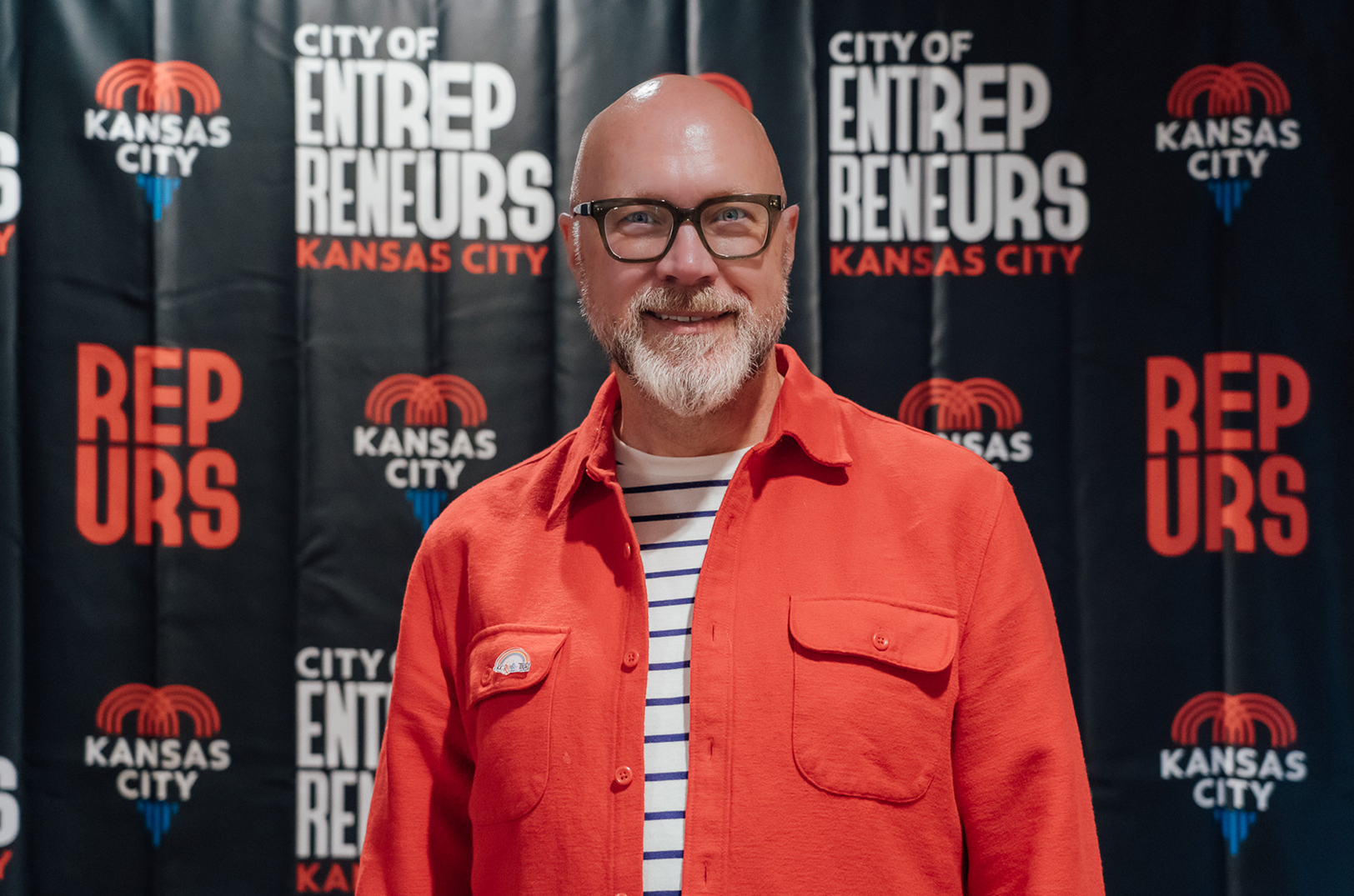
Kansas City’s LGBTQ+ history is one of its best kept secrets, Joel Barrett said, explaining his journey to share a wealth of local lore with residents and visitors alike.
The KC Rainbow Tour — a free, 90-minute self-guided driving tour — uses the VoiceMap app to highlight about 20 destinations with LGBTQ+ significance, including the sites of notable historic gay bars like the Dixie Belle and Jewel Box, the former Womontown neighborhood, and the former workhouse in the historic 18th and Vine Jazz District.
“We have such a rich and incredible history here that people — even those who have been here their whole lives — don’t know about,” said Barrett, a survivor of ex-gay therapy and former fundamental Baptist preacher.
Now a Kansas City-based professional speaker, founder of Joel Speaks Out, and the author of “Godly … But Gay,” Barrett was born in KC but moved away at the age of 4, returning with his husband in 2016.
Barrett launched the KC Rainbow Tour in June with the help of a Rocket Grant from the Charlotte Street Foundation, he said. He had the idea for the tour after he and his husband took the self-guided Dividing Lines Tour — produced by the Johnson County Library — which tells the history of redlining and segregation in Kansas City.
“So I filed that away in my head,” Barrett explained. “Then in 2022, it just started gelling in my head and, honestly — this is not to sound ethereal — it was a process that made me discover, ‘This is something I’m supposed to do and I’m going to create it.’”
Barrett researched, curated, and mapped out the content for the tour (with the help of the VoiceMap app), and wrote and recorded its narrative, he noted.
“I am a storyteller at heart and I believe in the power of storytelling,” he said. “I think there’s a place for history in a textbook and we need that. But there’s nothing more powerful than sharing your stories because it gives you that personal insight. People remember stories better than they do statistics and facts and data.”
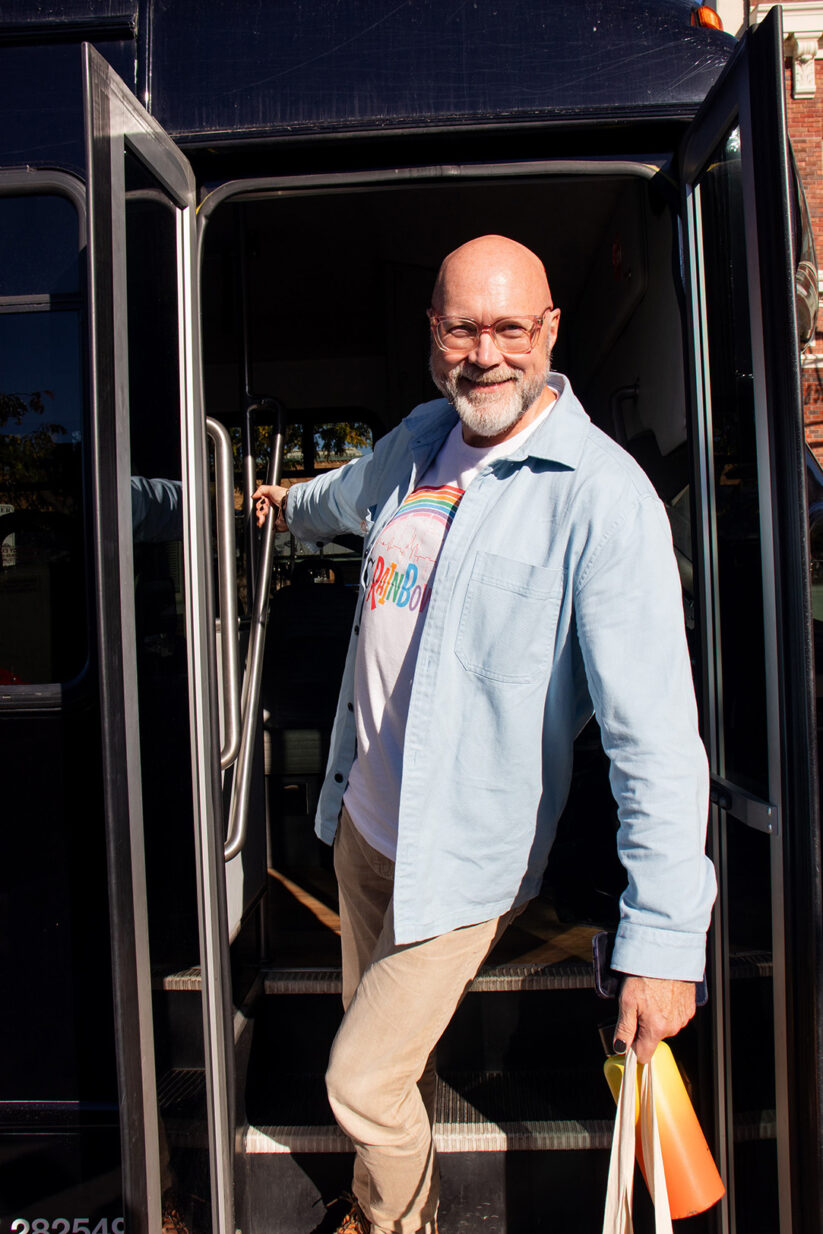
Joel Barrett, KC Rainbow Tour
Now — in a brand new way — these stories are needed, continued Barrett, who is the board vice president of the Midwest LGBT Chamber of Commerce.
“We are facing some really intense challenges of erasure,” he explained. “If you had to summarize all the [anti-gay] legislative efforts that are going on around the United States right now — in one word — it would be ‘erasure’ or trying to erase who we are, erase our history, silence us, all of these kinds of things.”
“So our stories can’t die unless we don’t tell them,” he added. “Our stories keep our history alive and they can’t legislate our stories. So that’s why I feel very strongly about telling our stories.”
It’s also important, he noted, to educate younger people who are farther removed from the beginnings of the gay rights movement and even marriage equality.
“There’s a whole generation that doesn’t understand or know about our history,” he said. “While everything isn’t perfect, a lot of sacrifices were made to get us to even where we are today. And the fact that we don’t have as many sanctuary spaces as we used to is sometimes a little discouraging, but at the same time, it actually shows how far we’ve come.”
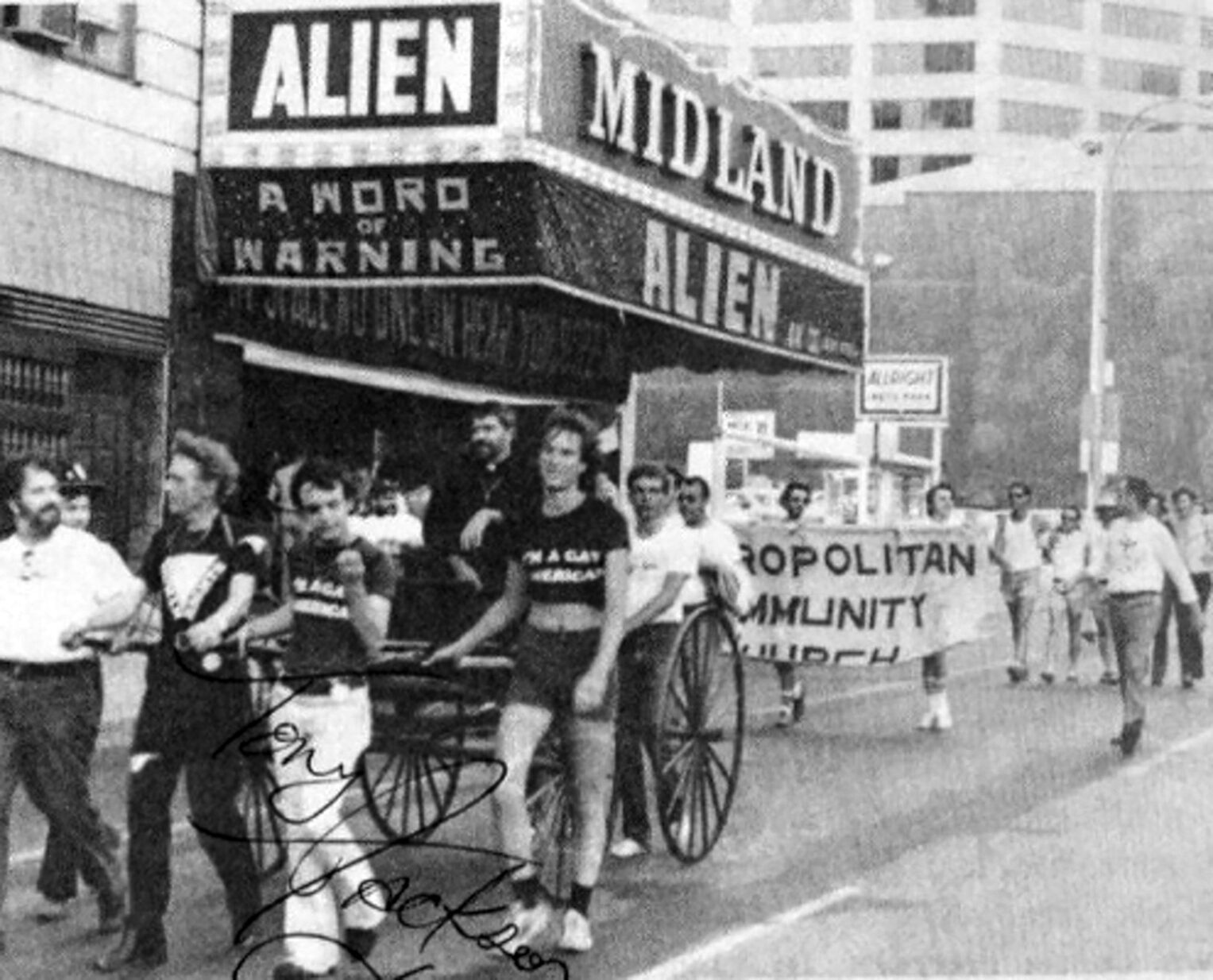
Photo courtesy of the Gay and Lesbian Archive of Mid-America
During the self-guided KC Rainbow Tour, Barrett isn’t the only one telling the stories, he shared; about 10 other voices and perspectives are featured, some who have lived the history and some who have studied it.
“I wanted to make sure that it wasn’t just one side of any story,” Barrett explained. “I feel like a rainbow is a really beautiful symbol for our community because a rainbow is so nuanced. The colors aren’t just stripes — like we draw as children — they bleed into the other colors and there’s so much there that can’t even be described. So when we tell our story, we’ve got to make sure that we’re not making it simpler than what it really is, forgetting the people that were involved and recognizing that not everybody had the same experience.”
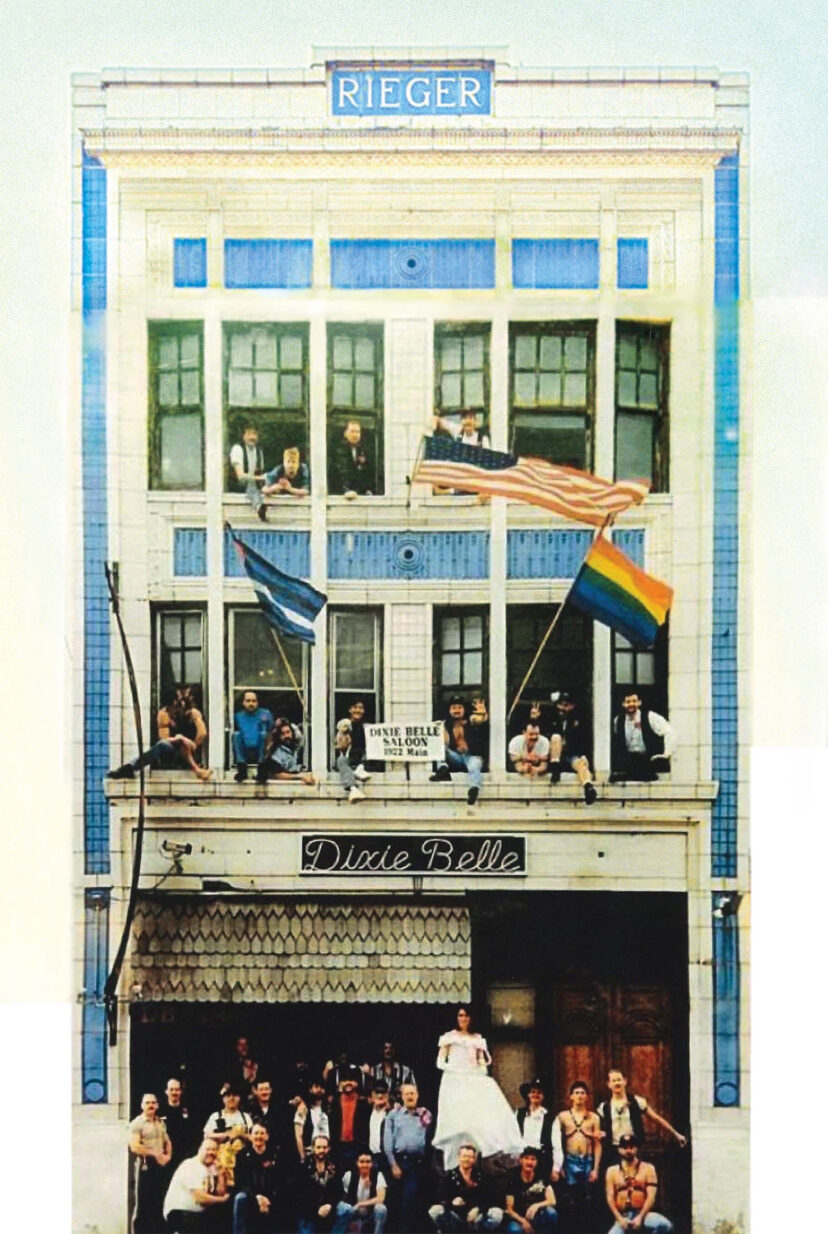
The Dixie Belle; photo courtesy of J. Rieger & Co.
One of those voices, Barrett noted, is Nasir Montalvo, the managing editor of the Kansas City Defender and the “Black/queer Kansas City” curator, who talks about how different the experience was for people of color in those sanctuary spaces. For example, Barrett noted, the Dixie Belle had a Confederate flag hanging in it for a long time.
“We’ve got to talk about that,” he continued. “We can still wax nostalgic about the Dixie Belle and the good things, but let’s remember, it wasn’t the same experience for everybody. They had unwritten quotas about how many people of color can be in the space at one time. They started requiring multiple forms of ID from Black people in order to limit the number.”
Those are the stories Barrett wanted to make sure to include in the KC Rainbow Tour, he said, noting he wants to scale the experience into its own app and expand it to other cities.
“It’s easy for history to get whitewashed and to only share the narrative of mostly cis, white gay men,” he said. “It’s important for us to recognize that — even in our own community — we have our own issues, too.”
Throughout all the stories and destinations, Barrett said, he noticed a theme of the queer community having to create its own safe, sanctuary spaces in what were often considered less desirable areas.
Check out a collection of photos below, courtesy of the Gay and Lesbian Archive of Mid-America, then keep reading.
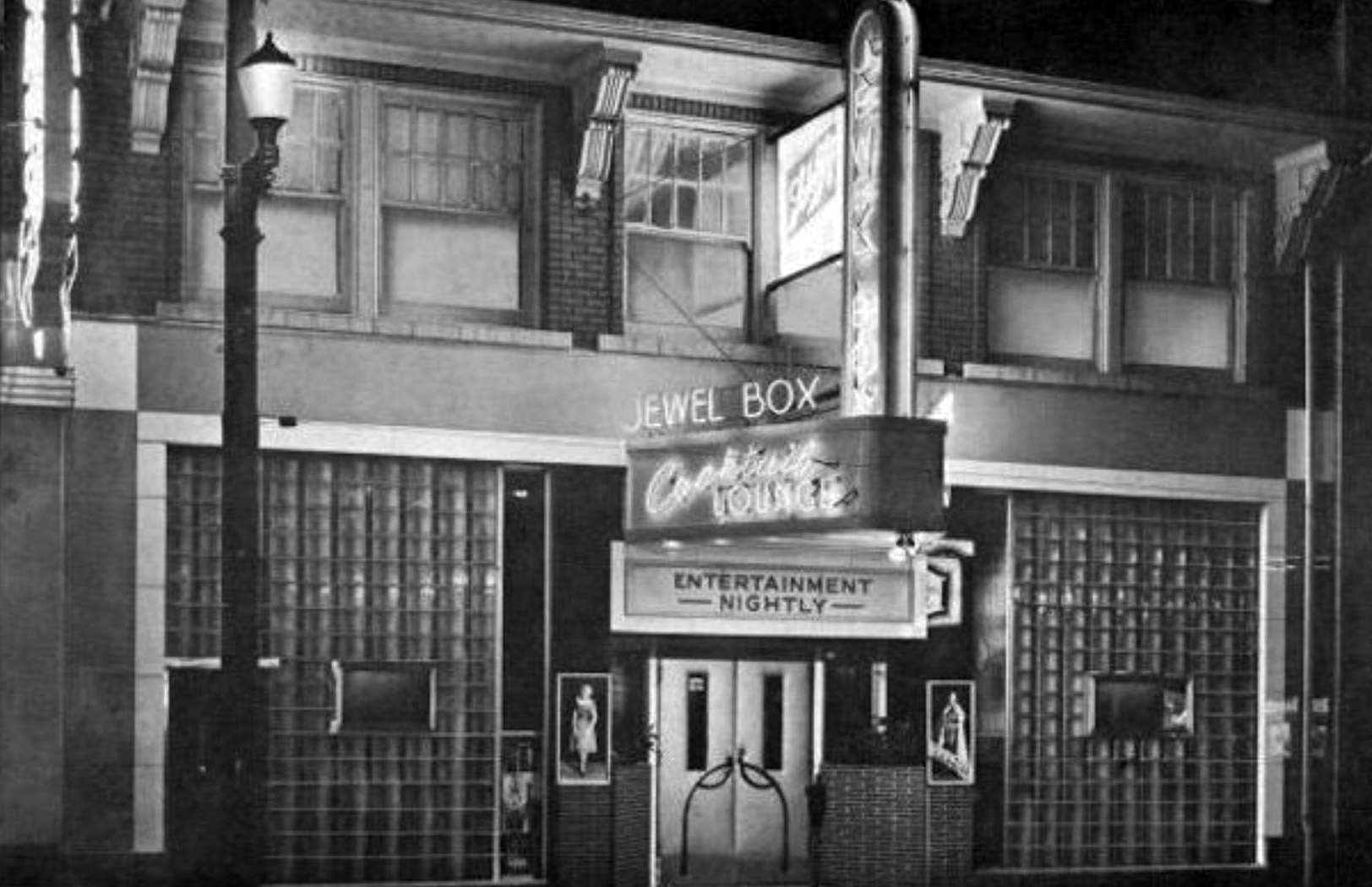
The Jewel Box Lounge, previously at 3223 Troost Ave.; photo courtesy of the Gay and Lesbian Archive of Mid-America
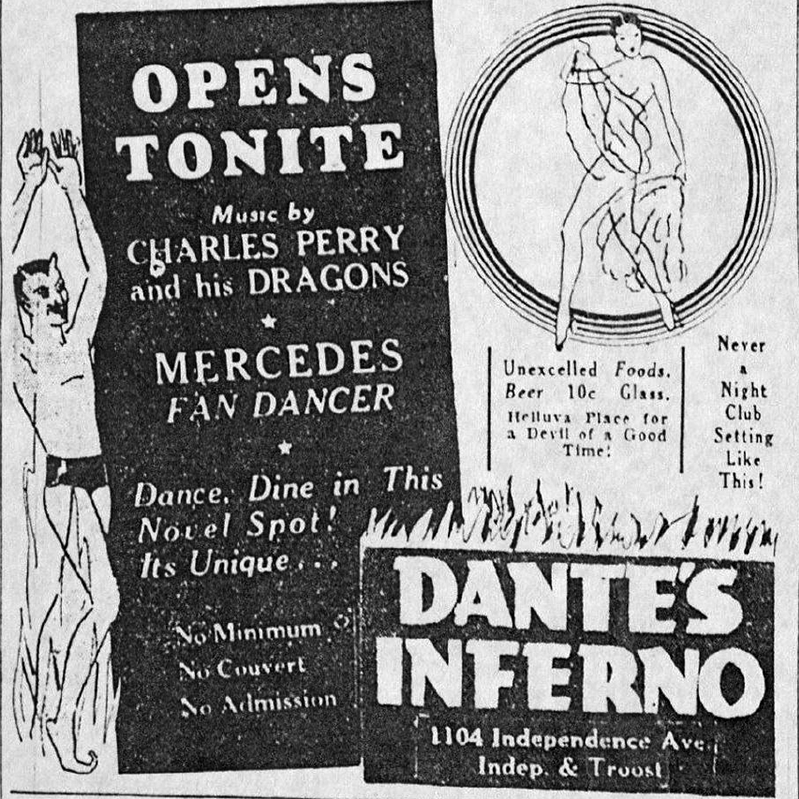
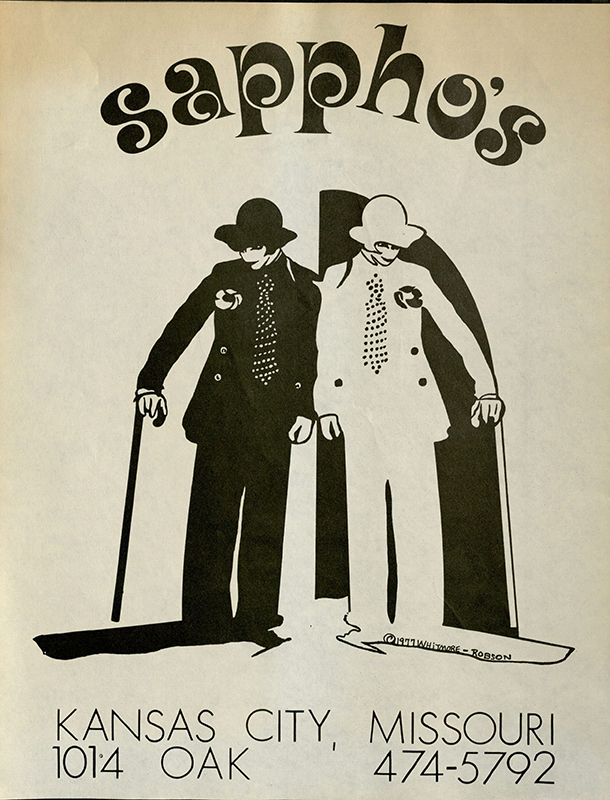
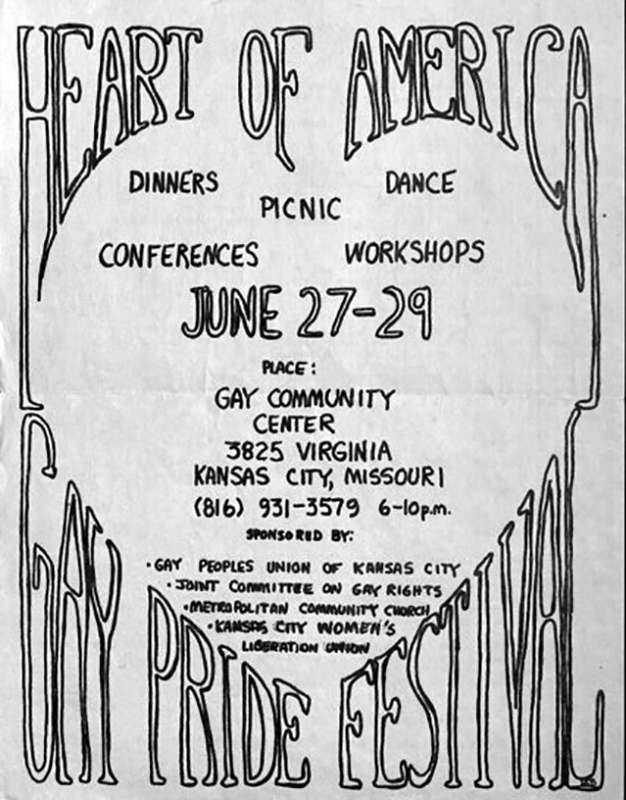
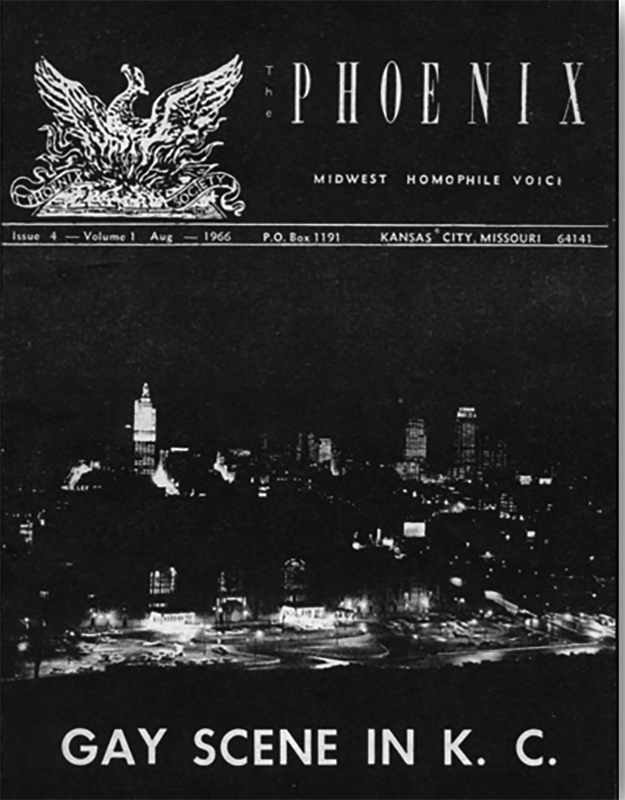
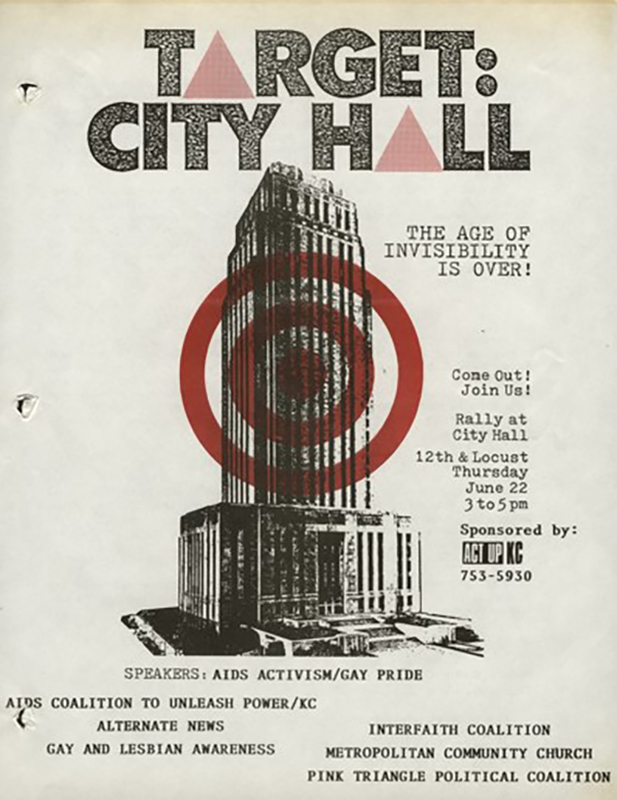
For example, Korea Kelly — Miss Trans Missouri 2023 and who Barrett calls the keeper of the stories — told him the story of how Soakie’s in downtown — which was an Italian sandwich shop by day and a Black lesbian bar by night — was the only safe place for the Black queer community during a time when no one wanted to be downtown. And if a person wasn’t old enough to get in the bar, she told him, then they hung out in the parking lot.
“She said they called us parking lot pimps,” Barrett recalled. “I guess there was a JCPenney parking garage there and she’s like, ‘We took over the parking garage, we hung drapes and did drag shows in the parking garage back there.’”
“What an amazing story of resilience in saying, ‘We will have a space, and if you won’t give us one, we’ll create one,’” he continued. “And I just saw that thread over and over again in various places in Kansas City.”
What typically followed, he noted, was the mainstream, heteronormative community trying to shut those spaces down or zone them out.
“It’s just really a beautiful story of our resilience and our persistence,” added Barrett, who is accepting bookings for group tours and speaking engagements in 2024 (contact joel@joelspeaksout.com for details). “You won’t stop us. You can legislate us, but you can’t stop us.”
RELATED: Womontown: How 12 city blocks in Kansas City became a radical enclave by and for women

Featured Business

2023 Startups to Watch
stats here
Related Posts on Startland News
LaunchKC awards $300K: Six new startups enter the winners’ circle with KC investments
Editor’s note: Startland News’ coverage of Global Entrepreneurship Week-Kansas City is made possible by the support of Husch Blackwell. Emerging entrepreneurs don’t need Silicon Valley to launch or scale their startups, said Holly Andra Small, leader of one of six companies announced Tuesday as $50,000 winners in LaunchKC’s grants competition. “We were so excited,” said…
Digital Health KC earns $2M federal grant, doubled by matching funds from Kauffman Foundation
Three weeks after Kansas City’s designation as a U.S. “Tech Hub,” the region has earned “tremendous funding to jumpstart KC’s digital health cluster,” said Maria Meyers, informally announcing a $2 million federal grant — matched by an award from the Ewing Marion Kauffman Foundation. The Build to Scale grant was awarded to the University of…
Pitch competition at GEW Topeka puts $38K on the line for women, entrepreneurs of color
Startland News’ Startup Road Trip series explores innovative and uncommon ideas finding success in rural America and Midwestern startup hubs outside the Kansas City metro. TOPEKA — Building an equitable business community in Shawnee County is critical to economic development in and around the state’s capital city, said Glenda Washington. A pitch competition slated for…
KC lawmakers backing legislation to boost re-entry for veterans becoming entrepreneurs
Veterans who return to the workforce as entrepreneurs face unique challenges when exiting full-time military life, said Brian Newton. A bipartisan push by two members of Kansas City’s delegation to the U.S. House could ease the transition for veterans-turned-small business owners. “My father was a career Marine and I served for a decade myself, with…