

This Kansas gardener sued to sell fruit and honey; Now her town will allow urban farming
September 26, 2023 | Celia Llopis-Jepsen
Editor’s note: The following story was published by KCUR, Kansas City’s NPR member station, and a fellow member of the KC Media Collective. Click here to read the original story or here to sign up for KCUR’s email newsletter.
Ottawa city officials are trying to strike a balance between people who want to produce food and the interests of their neighbors
OTTAWA, Kansas — Ottawa will now allow small-scale urban agriculture — a move designed to accommodate residents who want to raise chickens and to resolve a homeowner’s lawsuit over the right to sell fruit and honey.
City lawyer Blaine Finch said the goal is to let residents produce food in their yards without impinging on the welfare of their neighbors.
“Frankly, agriculture is one of the original activities in this area,” Finch told city commissioners at a recent meeting. “The city hall is built on the site of Tauy Jones’ wild berry patch … It’s as old as the community, if not older.”
The rules allow small-scale farming in neighborhoods, as long as it doesn’t create nuisances like bad odors or lots of customers visiting residential streets.
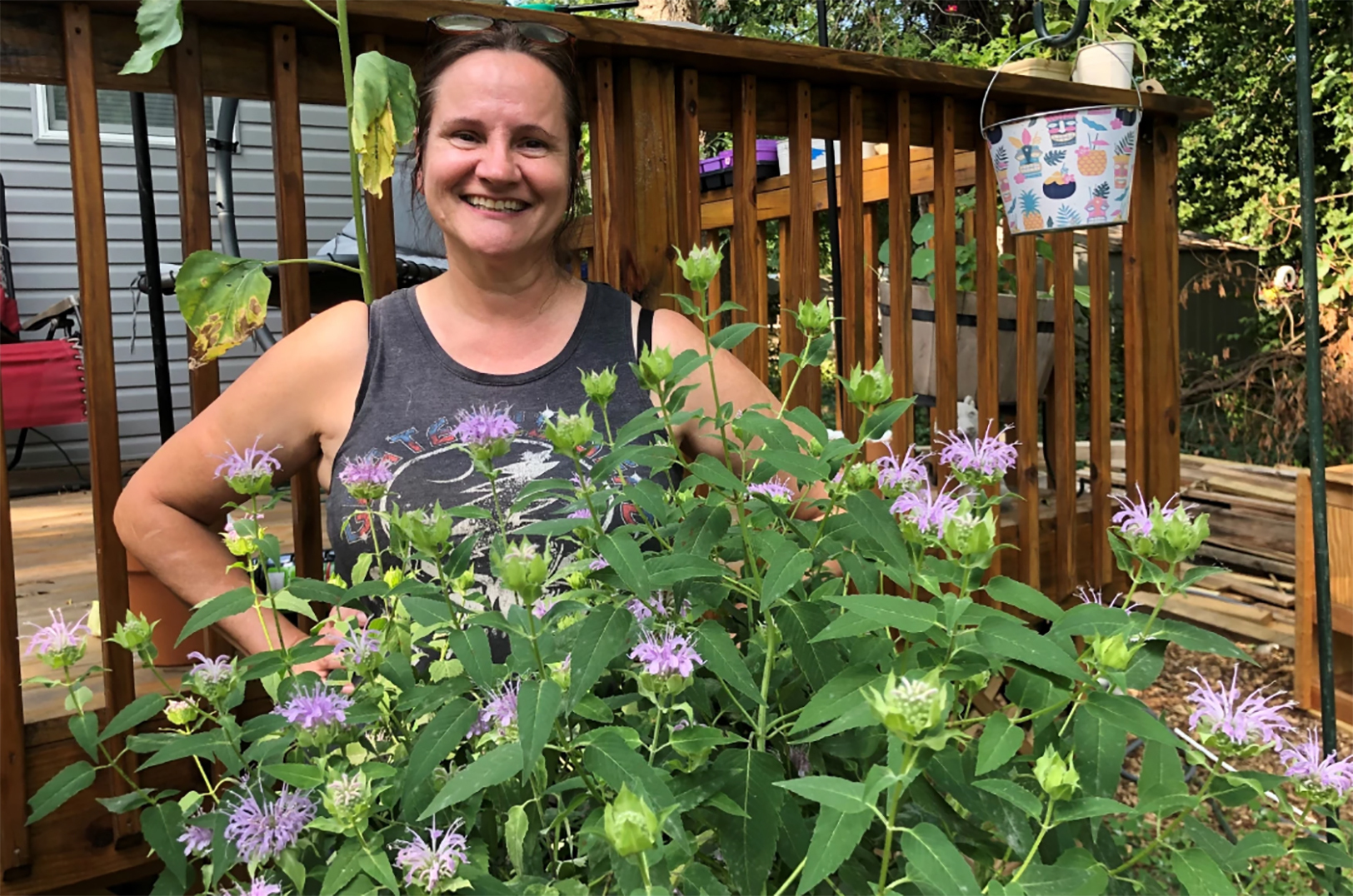
The change is a victory for Ellen Finnerty, a fruit gardener and aspiring beekeeper who sued the city earlier this year.
RELATED: Kansas gardener sues for the right to sell honey and fruit from her Ottawa yard
She had been working on a backyard orchard for a few years and taking community college classes on beekeeping. Her goal is to sell fruit and honey at a local farmer’s market.
But Ottawa’s codes didn’t allow that. The rules banned people from running home businesses that involve animals. They also appeared to prohibit so much as selling a tomato grown in your backyard.
Not anymore.
The commission voted last week in favor of a suite of codes that acknowledge urban agriculture and set rules for it.
The new rules allow people to keep hens for egg-laying. They also set guidelines for beekeeping.
And the rules distinguish urban farming from other kinds of animal-related work. That means it will now be legal to take homegrown honey and eggs to the farmer’s market.
Some other kinds of animal businesses, such as at-home dog kennels, remain banned.
Finnerty was scared that the city’s previous rules put her at risk of fines or jail. She challenged the rules with representation from the Kansas Justice Institute — the legal arm of the Kansas Policy Institute, a small-government think tank.
Her lawyer argued the city’s rules violated the Kansas Constitution, which guarantees the rights to life, liberty and the pursuit of happiness.
Ottawa’s lawyer asked the judge in a filing to throw out Finnerty’s case. But the filing also signaled city officials were open to changing the codes. It said officials were already working to address public requests to allow chicken coops.
The city entered talks with the Kansas Justice Institute to resolve her lawsuit.
Now that the commission has approved urban farming codes, the institute put out a press release calling the change a victory.
“The city, to its great credit, understood there wasn’t a good reason to prevent Ellen from starting her home-based business,” said Sam MacRoberts, the group’s litigation director.
Advocates for buying and growing food locally say that urban farming can provide fresh food with fewer transportation costs and carbon dioxide emissions.
Some cities are tweaking their rules to accommodate that.
Lawrence changed its codes in 2016 to loosen rules for residential crops and allow beekeeping and sales of honey and other homegrown foods. Indiana, meanwhile, struck down all municipal beekeeping bans in 2019.
Celia Llopis-Jepsen is the environment reporter for the Kansas News Service. You can follow her on Twitter @celia_LJ or email her at celia@kcur.org
The Kansas News Service is a collaboration of KCUR, Kansas Public Radio, KMUW and High Plains Public Radio focused on health, the social determinants of health and their connection to public policy.


2023 Startups to Watch
stats here
Related Posts on Startland News

Now in new Crossroads space, Rightfully Sewn prepares to welcome male sewists (Photos)
The secret to any startup venture is to move forward one stitch at a time, said Rightfully Sewn founder Jennifer Lapka. “Start small, struggle, have success, then scale,” she said, quoting one of her many mentors. Freshly moved into a 2,200-square-foot atelier, or design studio, at 1800 Wyandotte St. in the Crossroads, Rightfully Sewn is…

CommunityAmerica teen-led innovation effort lauded for developing college cost calculator
College degrees come with two price tags: the sticker price and the net price. A new free tool from the CommunityAmerica teen advisory board is being celebrated for helping students solve the complicated equation that separates the two — as well as determine which college options are financially realistic. “[With] some of the more elite schools,…

Fishing Caddy inventor pours family business into new product: Anywhere Cup Holder
Joe Pippins’ latest invention — the Anywhere Cup Holder — can support as much as 50 pounds in a single cup, he said. It’s a solution that serves the needs of everyone from mechanics and fishing enthusiasts to gardeners and people who entertain in their homes, said Pippins, founder of Live Holdings, which produces the…

Selling ‘the infinite commodity’: Farmobile leverages blockchain to build secure data store
With more than a million acres of field data amassed by Farmobile, farmers now need an exchange to securely connect them with buyers of the digital machine and agronomic information they’ve harvested, said Jason Tatge. A newly opened Farmobile DataStore, which leverages elements of blockchain technology fueled by Intel Sawtooth and Amazon Web Services to…