

This Kansas gardener sued to sell fruit and honey; Now her town will allow urban farming
September 26, 2023 | Celia Llopis-Jepsen
Editor’s note: The following story was published by KCUR, Kansas City’s NPR member station, and a fellow member of the KC Media Collective. Click here to read the original story or here to sign up for KCUR’s email newsletter.
Ottawa city officials are trying to strike a balance between people who want to produce food and the interests of their neighbors
OTTAWA, Kansas — Ottawa will now allow small-scale urban agriculture — a move designed to accommodate residents who want to raise chickens and to resolve a homeowner’s lawsuit over the right to sell fruit and honey.
City lawyer Blaine Finch said the goal is to let residents produce food in their yards without impinging on the welfare of their neighbors.
“Frankly, agriculture is one of the original activities in this area,” Finch told city commissioners at a recent meeting. “The city hall is built on the site of Tauy Jones’ wild berry patch … It’s as old as the community, if not older.”
The rules allow small-scale farming in neighborhoods, as long as it doesn’t create nuisances like bad odors or lots of customers visiting residential streets.
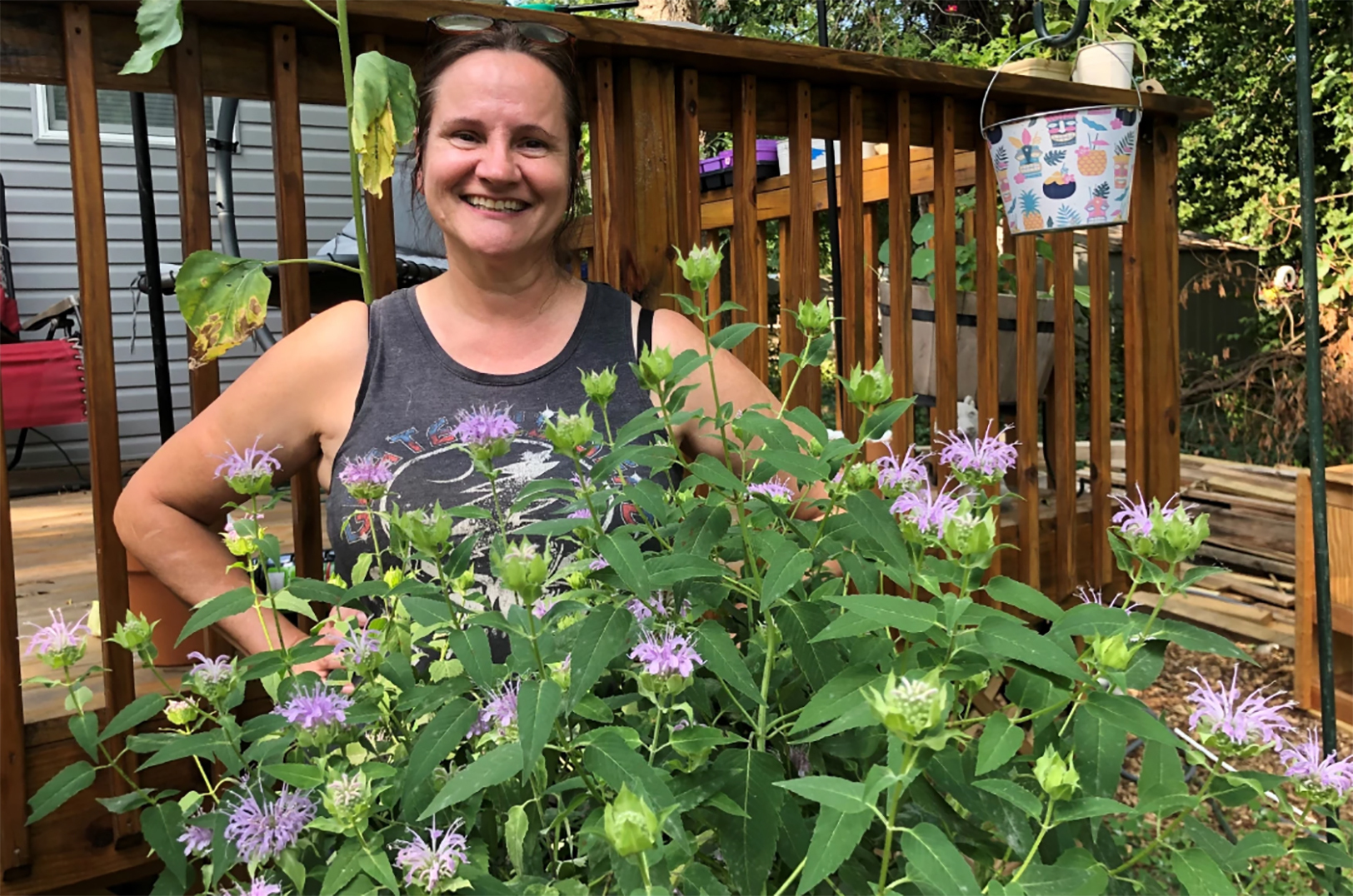
The change is a victory for Ellen Finnerty, a fruit gardener and aspiring beekeeper who sued the city earlier this year.
RELATED: Kansas gardener sues for the right to sell honey and fruit from her Ottawa yard
She had been working on a backyard orchard for a few years and taking community college classes on beekeeping. Her goal is to sell fruit and honey at a local farmer’s market.
But Ottawa’s codes didn’t allow that. The rules banned people from running home businesses that involve animals. They also appeared to prohibit so much as selling a tomato grown in your backyard.
Not anymore.
The commission voted last week in favor of a suite of codes that acknowledge urban agriculture and set rules for it.
The new rules allow people to keep hens for egg-laying. They also set guidelines for beekeeping.
And the rules distinguish urban farming from other kinds of animal-related work. That means it will now be legal to take homegrown honey and eggs to the farmer’s market.
Some other kinds of animal businesses, such as at-home dog kennels, remain banned.
Finnerty was scared that the city’s previous rules put her at risk of fines or jail. She challenged the rules with representation from the Kansas Justice Institute — the legal arm of the Kansas Policy Institute, a small-government think tank.
Her lawyer argued the city’s rules violated the Kansas Constitution, which guarantees the rights to life, liberty and the pursuit of happiness.
Ottawa’s lawyer asked the judge in a filing to throw out Finnerty’s case. But the filing also signaled city officials were open to changing the codes. It said officials were already working to address public requests to allow chicken coops.
The city entered talks with the Kansas Justice Institute to resolve her lawsuit.
Now that the commission has approved urban farming codes, the institute put out a press release calling the change a victory.
“The city, to its great credit, understood there wasn’t a good reason to prevent Ellen from starting her home-based business,” said Sam MacRoberts, the group’s litigation director.
Advocates for buying and growing food locally say that urban farming can provide fresh food with fewer transportation costs and carbon dioxide emissions.
Some cities are tweaking their rules to accommodate that.
Lawrence changed its codes in 2016 to loosen rules for residential crops and allow beekeeping and sales of honey and other homegrown foods. Indiana, meanwhile, struck down all municipal beekeeping bans in 2019.
Celia Llopis-Jepsen is the environment reporter for the Kansas News Service. You can follow her on Twitter @celia_LJ or email her at celia@kcur.org
The Kansas News Service is a collaboration of KCUR, Kansas Public Radio, KMUW and High Plains Public Radio focused on health, the social determinants of health and their connection to public policy.


2023 Startups to Watch
stats here
Related Posts on Startland News

Crowdfunding investment helps fan favorite food cart revive second-chance entrepreneur’s outlook
After spending a decade in prison, owning her own catering business has given Stephanie Blaco a new purpose in life, she shared, and a new small business crowdfunding platform is giving her the opportunity — when others wouldn’t — to scale up. “That’s what I believe has kept me out of prison,” the Mixing Bowl…

This KCK native started his own Black rodeo to celebrate cowboys left out of Western lore
Editor’s note: The following story was published by KCUR, Kansas City’s NPR member station, and a fellow member of the KC Media Collective. Click here to read the original story or here to sign up for KCUR’s email newsletter. Ivan McClellan’s new photobook, “Eight Seconds,” documents the Black riders, ropers and rodeo queens encountered in dusty arenas around the United…

Hemp acres shrink across Midwest; USDA data shows farmers turning away from CBD
Editor’s note: The following story was published by Harvest Public Media and KCUR, Kansas City’s NPR member station, and a fellow member of the KC Media Collective. Click here to read the original story or here to sign up for KCUR’s email newsletter. Fewer farmers are planting hemp across the Midwest and Great Plains; The decline is most acute in…

Her iconic KC business made her queen of the road; why Gail Worth is switching gears into retirement
Gail Worth is hitting the open road of retirement — putting 25 years at her premier motorcycle dealership in the rearview mirror. And the Grandview business — Gail’s (formerly known as Gail’s Harley-Davidson) — that she made popular with her community drive and over-the-handlebars personality, is closing on Worth’s own terms, she said proudly. “I’m…