

This Kansas gardener sued to sell fruit and honey; Now her town will allow urban farming
September 26, 2023 | Celia Llopis-Jepsen
Editor’s note: The following story was published by KCUR, Kansas City’s NPR member station, and a fellow member of the KC Media Collective. Click here to read the original story or here to sign up for KCUR’s email newsletter.
Ottawa city officials are trying to strike a balance between people who want to produce food and the interests of their neighbors
OTTAWA, Kansas — Ottawa will now allow small-scale urban agriculture — a move designed to accommodate residents who want to raise chickens and to resolve a homeowner’s lawsuit over the right to sell fruit and honey.
City lawyer Blaine Finch said the goal is to let residents produce food in their yards without impinging on the welfare of their neighbors.
“Frankly, agriculture is one of the original activities in this area,” Finch told city commissioners at a recent meeting. “The city hall is built on the site of Tauy Jones’ wild berry patch … It’s as old as the community, if not older.”
The rules allow small-scale farming in neighborhoods, as long as it doesn’t create nuisances like bad odors or lots of customers visiting residential streets.
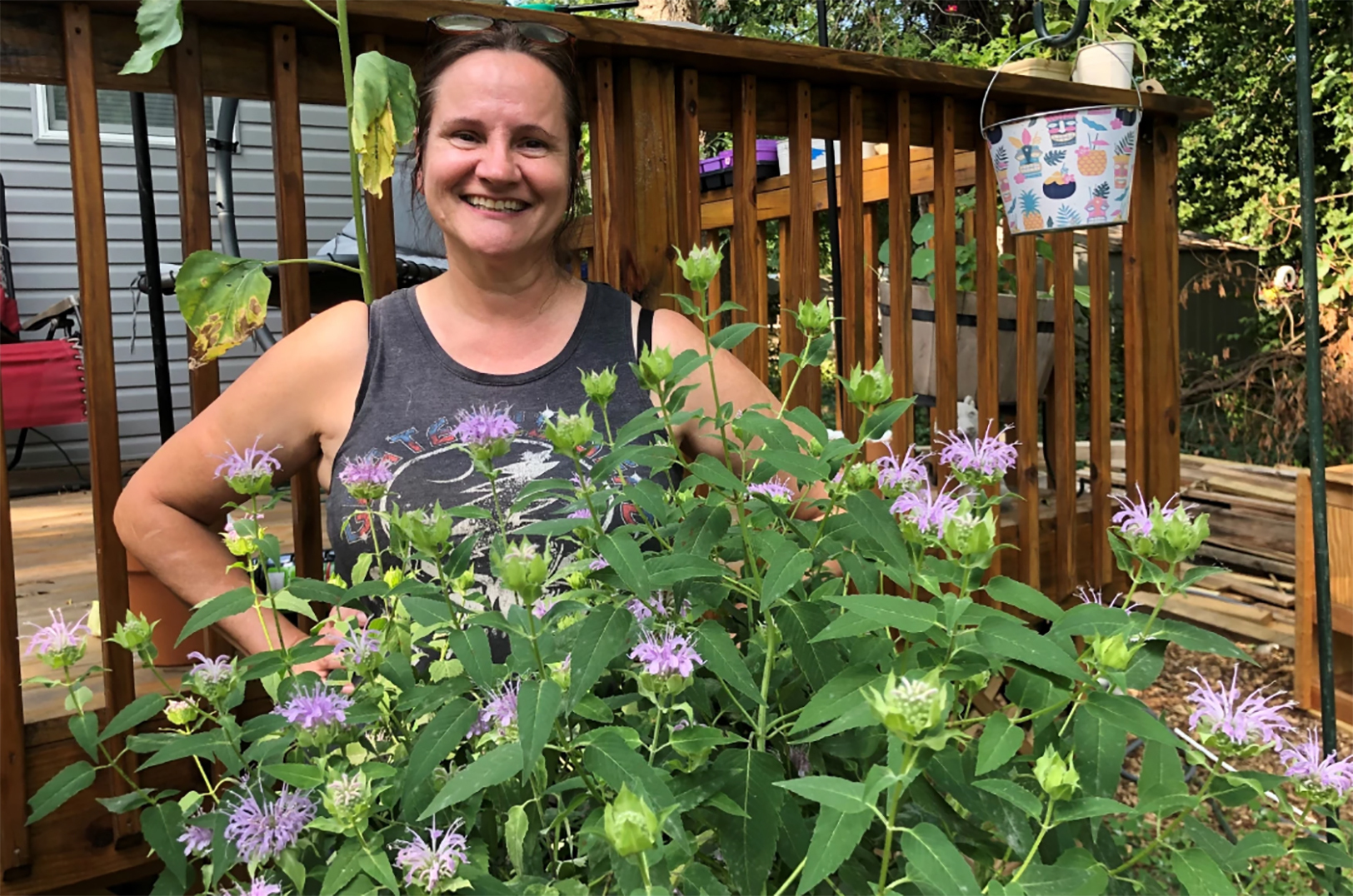
The change is a victory for Ellen Finnerty, a fruit gardener and aspiring beekeeper who sued the city earlier this year.
RELATED: Kansas gardener sues for the right to sell honey and fruit from her Ottawa yard
She had been working on a backyard orchard for a few years and taking community college classes on beekeeping. Her goal is to sell fruit and honey at a local farmer’s market.
But Ottawa’s codes didn’t allow that. The rules banned people from running home businesses that involve animals. They also appeared to prohibit so much as selling a tomato grown in your backyard.
Not anymore.
The commission voted last week in favor of a suite of codes that acknowledge urban agriculture and set rules for it.
The new rules allow people to keep hens for egg-laying. They also set guidelines for beekeeping.
And the rules distinguish urban farming from other kinds of animal-related work. That means it will now be legal to take homegrown honey and eggs to the farmer’s market.
Some other kinds of animal businesses, such as at-home dog kennels, remain banned.
Finnerty was scared that the city’s previous rules put her at risk of fines or jail. She challenged the rules with representation from the Kansas Justice Institute — the legal arm of the Kansas Policy Institute, a small-government think tank.
Her lawyer argued the city’s rules violated the Kansas Constitution, which guarantees the rights to life, liberty and the pursuit of happiness.
Ottawa’s lawyer asked the judge in a filing to throw out Finnerty’s case. But the filing also signaled city officials were open to changing the codes. It said officials were already working to address public requests to allow chicken coops.
The city entered talks with the Kansas Justice Institute to resolve her lawsuit.
Now that the commission has approved urban farming codes, the institute put out a press release calling the change a victory.
“The city, to its great credit, understood there wasn’t a good reason to prevent Ellen from starting her home-based business,” said Sam MacRoberts, the group’s litigation director.
Advocates for buying and growing food locally say that urban farming can provide fresh food with fewer transportation costs and carbon dioxide emissions.
Some cities are tweaking their rules to accommodate that.
Lawrence changed its codes in 2016 to loosen rules for residential crops and allow beekeeping and sales of honey and other homegrown foods. Indiana, meanwhile, struck down all municipal beekeeping bans in 2019.
Celia Llopis-Jepsen is the environment reporter for the Kansas News Service. You can follow her on Twitter @celia_LJ or email her at celia@kcur.org
The Kansas News Service is a collaboration of KCUR, Kansas Public Radio, KMUW and High Plains Public Radio focused on health, the social determinants of health and their connection to public policy.


2023 Startups to Watch
stats here
Related Posts on Startland News

KC-based Jayhawk startups earn cut of $570K from Oread Angel Investors pitch event
LAWRENCE, Kansas — Four Kansas City-area startups with ties to the University of Kansas recently took home funding infusions from a newly formed network of Sunflower State investors — part of a rapidly advancing initiative led by KU Innovation Park. Members of the Oread Angel Investors network, which launched in September and now has about…
Meet 5 new startups bolstering KC innovation (now with a funding boost from Digital Sandbox)
Just-announced funding for a handful of fresh tech ventures is expected to help Kansas City founders who already are poised to make a significant impact in their industries, from health care to government to education. Digital Sandbox KC has accepted five new startups into its program. Each is expected to receive up to $20,000 in…

This $25 stack of ‘Touchdown Toast’ barely fits in its photo; Chiefs concessions debuts decadent playoff platter
Chiefs fans will have a “larger-than-life, breakfast-for-dinner” creation to celebrate the playoffs as Kansas City’s hometown team returns to Arrowhead Stadium later this month. “Touchdown Toast” — described as a loaf of bread that is first soaked in eggs, custard, milk and heavy cream, seared and then baked — is among the first specialty offerings…
Café Equinox propagates new year-round Liberty location; Nelson brothers taking perennial coffee concept evergreen
Café Equinox initially was meant to operate its coffee shop concept only during the equinox, nestled inside Family Tree Nursery greenhouses, said Jonah Nelson. “From September through March when people don’t have that warm outside space, they can come to the greenhouse,” said Nelson, who operates the family-owned garden centers with his brother, Jessie. “It…