

Your anxiety at work might not have a specific ‘trigger’: Why ignoring it will just bring more stress
September 4, 2023 | Kharissa Parker

Kharissa Parker is a news producer, writer, certified health coach, and “Holistic Hustle” columnist for Startland News. The opinions expressed in this commentary are the author’s alone. For more of her self-care tips on how to keep your cup full, visit kparker.co.
Seventy-two percent of people experience stress to the extent that it interferes with their lives, according to the Anxiety & Depression Association of America, and 28 percent say they have anxiety or have had a panic attack. Though these numbers are high, only 9 percent have actually been diagnosed with an anxiety disorder.
Because of how anxiety appears, it’s easy to write it off as just being a little stressed or needing to take a break. Confusing stress with anxiety is a common mistake and can be one of the reasons why many people go undiagnosed. Understanding the difference between the two and how anxiety shows up at work can help make sure you get the help you need.
The difference between stress and anxiety
Medical News Today says that stress happens “in response to a recognized threat.” It’s prompted by a specific situation and goes away once the circumstances end. Stress is also a natural bodily response and doesn’t always have to be negative.
Anxiety, on the other hand, “may not have an identifiable trigger” and can linger on even after any apparent threats are long gone. Anxiety can be caused by stress that’s not properly handled and doesn’t yield any benefits.
What generalized anxiety disorder looks like
While there are only three different types of stress, there are several different types of anxiety disorders. WebMD lists them as generalized anxiety, panic disorder, social anxiety disorder, specific phobias, agoraphobia, separation anxiety, selective mutism, and medication-induced anxiety disorder. We won’t go through each of them here, but generalized anxiety is one of the most common. Some of the symptoms of generalized anxiety disorder include:
- Not being able to relax
- Constantly feeling on edge
- Excessive and unrealistic worry
- Unable to take control of thoughts
- Tension in your muscles
- Insomnia
When it comes to the workplace, Very Well Mind says that these symptoms can impact your ability to interact with colleagues, participate in meetings, give presentations, and meet deadlines. Generalized anxiety disorder can even make driving to work hard to do.
Coping with anxiety at work
When I really think about it, anxiety is totally internal. It’s an emotional reaction that inhibits mental clarity. Because of this, there are three practices in particular that I find to be most beneficial for coping with anxiety at work:
- Breath work
- Meditation
- Grounding
When anxiety hits, our breathing becomes more shallow. It makes our heart rate increase and can cause us to get dizzy and possibly pass out. Breath work can help regain control. There are many types of breathing exercises. One of them is to inhale for four seconds, hold for four seconds, exhale for four seconds, hold for four seconds, repeat. Healthline says alternate-nostril breathing is another helpful technique for reducing anxiety.
There are several ways to meditate. In 2017, the University of Waterloo in Ontario, Canada published a study that found practicing mindfulness meditation for just 10 minutes a day can prevent racing thoughts brought on by anxiety. This type of meditation calls for you to focus solely on the present moment and center your attention on the breath.
Grounding is another technique that can bring the mind back to the present. It’s done by using your environment and five senses to reconnect with what’s happening right now.
- You can use your sight by identifying certain colors or shapes in the room that you’re in or watching the clouds for a couple of minutes.
- Keeping an essential oil or your favorite perfume nearby to smell when anxiety flares up is a way to use scent for grounding.
- Listening grounding techniques can include literally listening to and identifying the sounds around you or turning on nature sounds, white noise, or a sound bath.
- Taste can be used by savoring a square of chocolate, stick of peppermint, or even a slice of lemon.
- Touch grounding can be performed by standing barefoot on grass (might want to do that one at home to avoid crazy looks from your co-workers), holding a hot cup of coffee or tea, massaging your temples, or cuddling the office pet.
Though anxiety and stress are sometimes used interchangeably, it’s important to remember that they are different. Anxiety can make you feel restless and is more about the ceaseless thoughts in your mind than what’s really happening in the world.
With breath work, meditation, and grounding, you can reclaim power of your thoughts and prevent your thoughts from having power over you.
Fueled by her expertise as a news producer, writer, and certified health coach, Kharissa Parker is passionate about helping entrepreneurs in Kansas City achieve their goals without sacrificing self-care. Check out her brand, The KP Method, and connect with her on Facebook, Instagram, and Twitter.


2023 Startups to Watch
stats here
Related Posts on Startland News
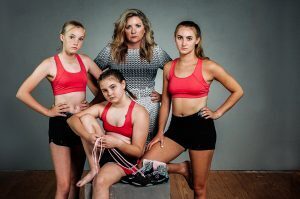
Beating the boys club: Mother of three hits the mat with girls wrestling shoes
Anything guys can do, girls and women just might be doing better, Deb North said. “Our whole goal is to support girls in this process and build them up and be their cheerleaders,” North, founder of Yes! Athletics, explained of the social enterprise — which recently launched The Defiant 1 wrestling shoe, a breathable, lightweight, eco-friendly shoe…

‘Labor of love’: Leslie Scott’s decade-long mission to pair donors, nonprofits launches
A years-long project to help non-profits connect with donors is now a reality — thanks in large part to a government-issued economic stimulus check. “Because of my stimulus payment, I was able to actually pay a friend who’s a WordPress developer to do the site,” said Leslie Scott, non-profit advocate and founder of Re.Use.Full — a…
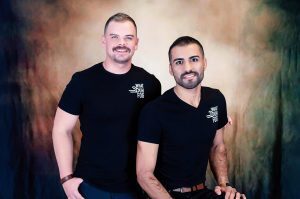
What Duh Fog: Couple offers dual take on inclusivity with COVID-prompted venture
The threat of COVID-19 exposed gaps in access to effective and proactive cleaning services for small businesses hoping to reopen amid the pandemic, said Eruvial Montes-Boyle. “We wanted to help people and businesses feel safe in their homes or shops, so making [fogging] available to all has been a huge driver for us,” said Montes-Boyle,…

OHUB.KC an investment in equity infrastructure, founder says; minority accelerator deadline Sept. 18
Kansas City’s startup community still has room to improve on racial equity and access issues, said Rodney Sampson, but the ecosystem should safeguard the progress it’s made now — before COVID-era re-settlers arrive, bringing potentially problematic culture with them from larger startup hubs. “When a lot of those folks leave regions like the coasts and come…