

‘Oppenheimer’ actor says new Missouri tax incentives could bring investors, more film productions to KC
August 4, 2023 | Matthew Gwin
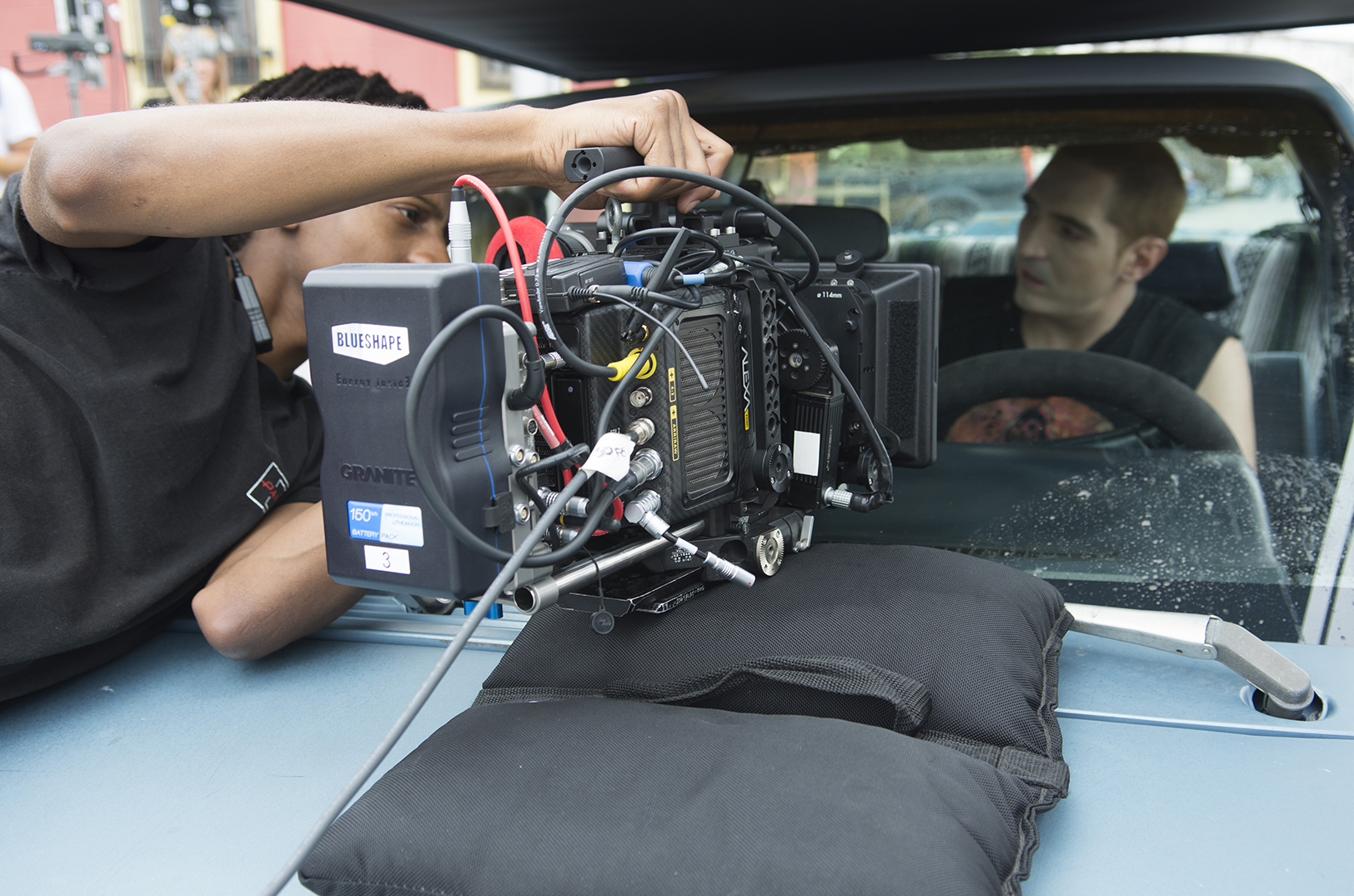
David Dastmalchian’s screenplays for movies set in Kansas City now have a realistic chance to be filmed in and around his hometown, said the acclaimed actor, writer, and producer who grew up in Overland Park.
Recently-signed legislation paves the way for increased film production in Missouri by reauthorizing — and strengthening — tax credit incentives that expired a decade ago. While filming across the industry is currently stalled because of the ongoing SAG-AFTRA actor’s union strike, forward-looking Missouri film advocates are celebrating the legislative win.
“With the passing of a Missouri tax incentive, what is possible for me personally is an opportunity to have much better odds of convincing investors to put their money into projects that we could shoot in the state of Missouri, reflecting environments, architectures, and people that you don’t see reflected in so many of the films and TV shows that we are consuming right now,” said Dastmalchian, who is most widely known for his roles in such far-ranging films as “The Suicide Squad,” “Dune,” “Weird: The Al Yankovic Story,” “Ant-Man and the Wasp: Quantumania” and the recent blockbuster “Oppenheimer.”
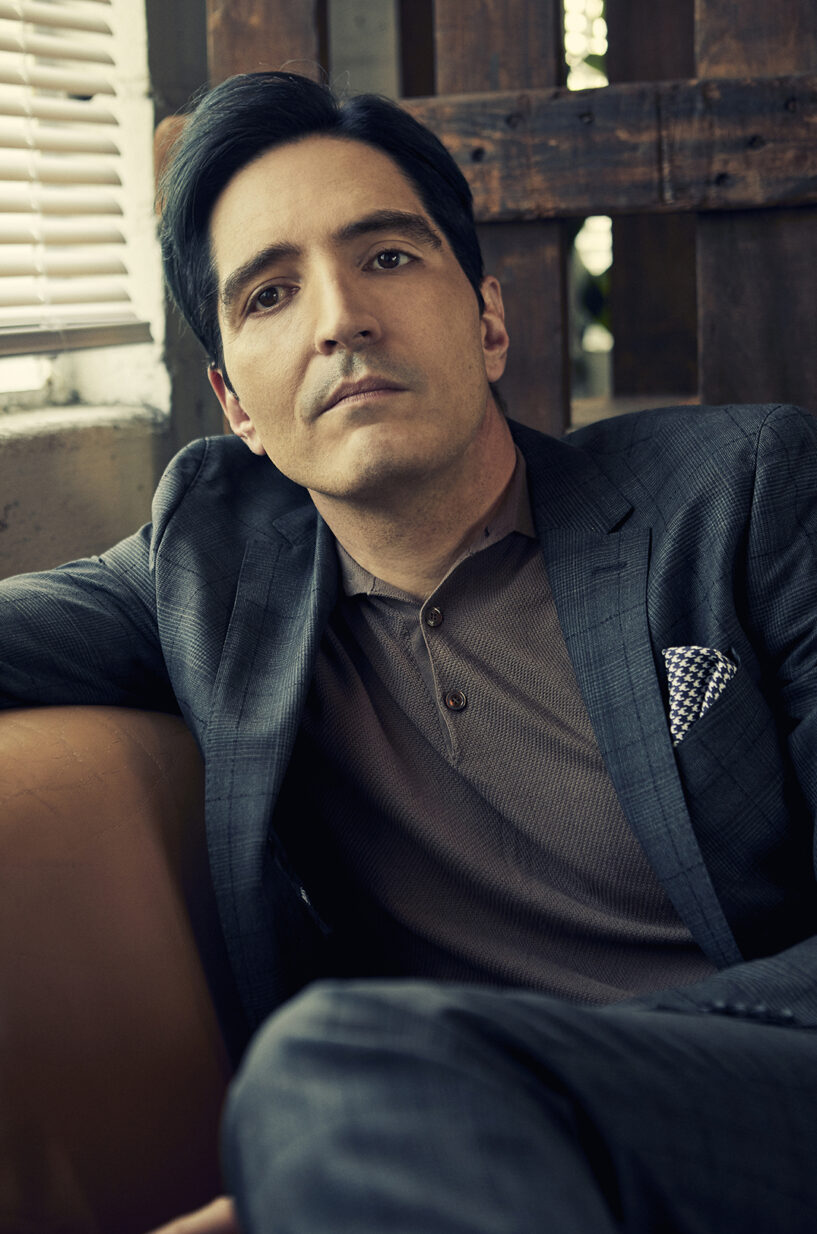
David Dastmalchian
The Show MO Act — signed last month by Gov. Mike Parson, R-Missouri — will allow Missouri to compete with other states to secure more film locations, thereby strengthening the local economy, according to advocates within the region’s film industry.
When the state’s previous film tax credit program expired in the mid-2010s, Kansas City enacted its own incentives. Dastmalchian’s film project “All Creatures Here Below” was the first production to take advantage of the regional tax credit — bringing the filming to Kansas City and providing a glimpse into the financial and creative impact of an expanded program across the state, he said.
In all his film work, Dastmalchian aims to highlight the authenticity of his characters, which he said can only be done by accurately “reflecting the places from which the characters come.”
“I’m from south Kansas City,” Dastmalchian said. “I spent my entire childhood in either Kansas or Missouri, and so the stories that I am yearning to tell often are set in either those specific locations, or fictional locations I’ve created that evoke the same atmosphere as Kansas and Missouri.”
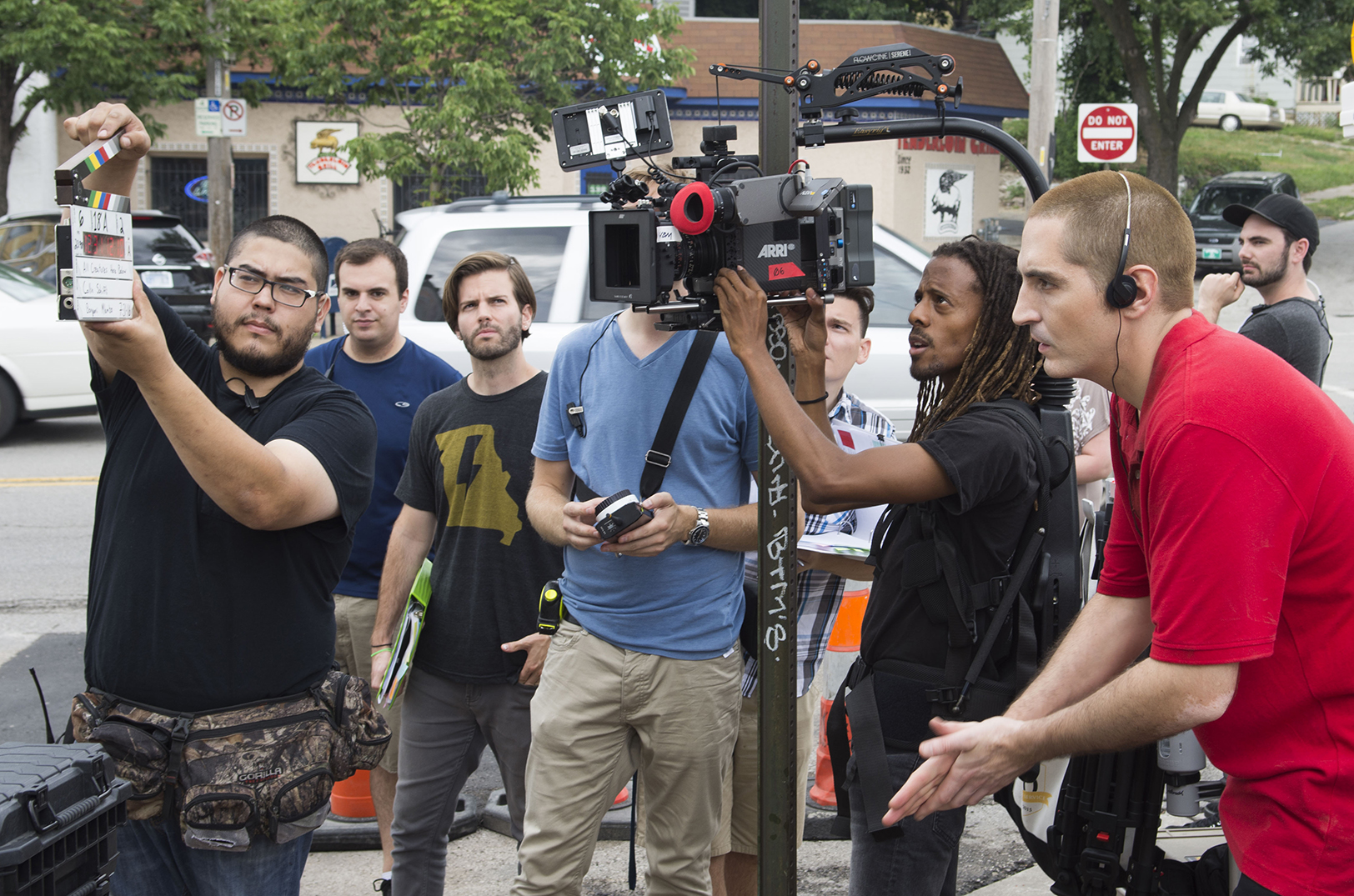
Behind-the-scenes photo from “All Creatures Here Below,” the independent feature film that was the first to use a local Kansas City film incentive in 2016 after state incentives lapsed; “All Creatures Here Below” credits: written by and starring: David Dastmalchian; directed by: Collin Schiffli; director of photography: Bongani; producers: Amy Greene and Chris Stinson; filmed in Kansas City, Missouri, and Kansas; photo courtesy of the KC Film Office
Filming at home
Dastmalchian estimated that more than 90 percent of people working on a film production come from the local area, which would help local actors like Michelle Davidson-Bratcher.
“For my acting work, I travel out of the state to states that have an incentive to be on television shows and in movies,” said Davidson-Bratcher, who also serves as president of Film in MO, the primary organization that advocated for the tax credit. “I would prefer not to spend my nights in a hotel room. I would like to be able to show off Missouri, and act in movies and TV shows that are set here, and celebrate our state.”
She’s excited by the new opportunities presented with more small and larger-scale productions coming to Missouri and Kansas City, she added.
“At least now the possibility can be entertained; before it wasn’t even a possibility,” said Davidson-Bratcher. “Investors would hear that we had no incentive, and move on. Now, we can compete.”
The incentive allows approved motion media productions filmed in Missouri to receive tax credits up to $16 million, with a base 20 percent credit that can increase to 40 percent if certain requirements are met.
Two audits — the first performed by a CPA licensed in Missouri, the second by the state government — will be conducted on all projects to ensure that the money is being used properly and distributed to Missouri-based businesses.
“Our incentive program was designed to fit our state,” Davidson-Bratcher said. “We want to do what’s right from Missouri and what our legislators felt comfortable voting for.”

Steph Shannon, Kansas City film commissioner
Missouri was actually one of the first states to offer a film tax incentive, according to Steph Shannon, the Kansas City film commissioner.
When that previous law expired in 2013 — just months after “Gone Girl” took advantage of the credit to film in Cape Girardeau — many assumed it would be quickly reauthorized, said Shannon, vice president of Film in MO.
“The natural sunset just hit, and nobody in our industry thought it would be hard to just reinstate it the following legislative session,” Shannon said. “Well, it was hard.”
After 10 years of advocacy and education, the bill finally secured the right sponsors to be passed, Shannon said.
“This was a bipartisan effort,” Shannon said. “This is about business; this is about jobs; and eventually, this is also about brick and mortar businesses. It’s not just Hollywood coming in for handouts.”
Casting call for revenue
Beyond the direct economic impacts of filming taking place in Missouri, many other local industries benefit from a motion picture production, Shannon said.
“Every project is a business in and of itself,” Shannon said. “Every kind of job that a regular business has and needs, happens for every single project, for every single film, and for every single TV show we see.”
Justin Begnaud, Film in MO
Justin Begnaud, a film and television producer and board member for Film in MO, estimated that each set employs 300 to 400 people, most of whom are local to the area.
“Every movie is a startup,” Begnaud said. “Every startup needs a ton of resources to help it grow, and the difference between a [typical] startup and a movie is … you’re hiring 300 people to work on that movie instantly.”
Those jobs include more obvious roles such as acting talent, camera crew, lighting, audio, electric, makeup, and wardrobe, Shannon and Begnaud noted, but also a variety of people in positions not often associated with film production, like plumbing, carpentry, accounting, payroll, insurance, and painting.
Beyond the actual set, film production can directly impact a number of other aspects of a local economy, Shannon added, citing how “Gone Girl” poured $7.9 million into Cape Girardeau’s economy in less than a month.
“There are a lot of ancillary needs,” Shannon said. “They need lumber to build the sets, so that will come from a [local] lumber yard. They need to rent an office. They drink enormous amounts of coffee. … They might bring in some big-name actors who have to stay in hotels or some kind of housing, so there is direct economic impact.”
The economic boon can continue long after filming stops, Davidson-Bratcher said, noting how film tourism can generate even more revenue.
After “Gone Girl” hit theaters, for example, local tourism officials created a popular “Gone Girl Driving Tour” featuring filming locations and other favorite sites.
“We do know that people decide where they’re going to travel based on the pop culture they consume,” Davidson-Bratcher said. “If we can show Missouri as a tourist destination … that leads to tourism. It leads to money flowing into our state year after year.”
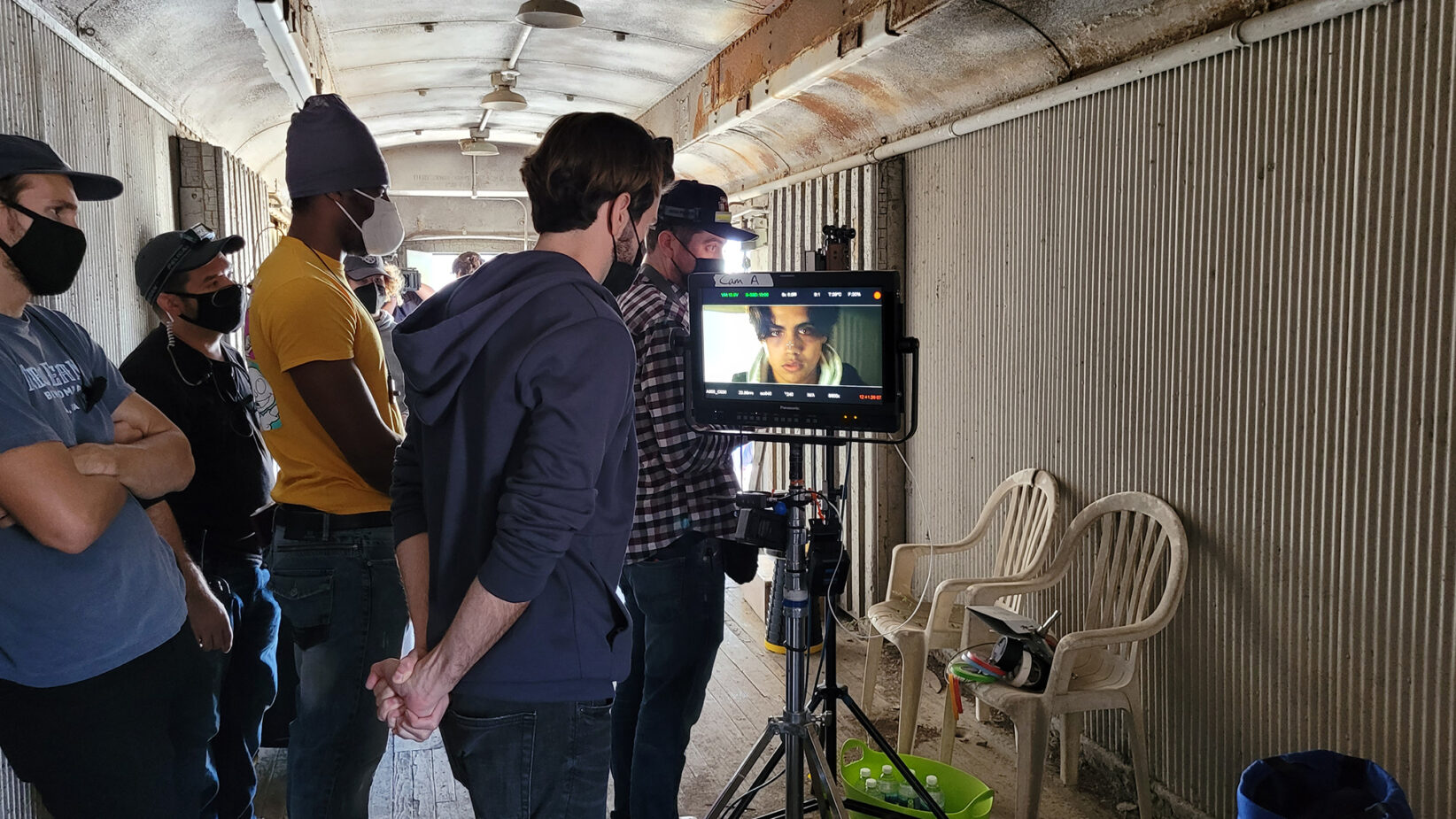
A crew from Missouri Stories Lab films “Boy Mom” in Kansas City; “Boy Mom” credits: written by: Michelle Davidson Bratcher and Jeffrey Field, winners of the MO Stories Scriptwriting Fellowship and first Missouri Production Labs project; directed by: Collin Schiffli; director of photography: Jeremy Osbern; and starring: Jackie Cruz (“Orange is the New Black”), Brett Hoyle; photo courtesy of the KC Film Office
Davidson-Bratcher has personally missed opportunities to work as an actor, screenwriter, and producer in her home state because of the lack of tax incentives, she shared.
She previously wrote a script designed to be set in Missouri and secured the backing of a production company, only to have the project film in Canada instead, she said.
“That is just one example of the many Missouri-set stories that now might entertain the idea of setting up their large business in our state,” Davidson-Bratcher said.

Featured Business

2023 Startups to Watch
stats here
Related Posts on Startland News

Meet 7 startups just funded to turn potential into Kansas City-built tech innovation
The latest crop of Digital Sandbox KC companies — earning up to $20,000 in project funding for their concepts — are poised to make significant impacts within their industries, said Jill Meyer, noting a through-line from digital health to AI-powered construction and fantasy sports solutions. “These exciting innovations show some great promise, and we’re honored…

Cosmo Burger brings its mouth-watering tots, boozy milkshakes to East Crossroads’ bustling streets of eats
Bringing Cosmo Burger to the Crossroads required cousins Atit and Jugal Patel to cook their plans to perfection, serving up the brand’s first full-service brick-and-mortar location after years of trial by griddle. The result: a beefed up version of the owners’ original concept in one of the city’s most popular dining and entertainment districts. “This…
Independence day: Flipping from side-hustle to full-time requires grind behind glory
Founders found freedom in the journey (but they’re grateful for what they didn’t know was ahead) Jason Taylor walked away from big tech for good in January — leaving behind a dream résumé that included a long engineering career at Microsoft, then Google, for the freedom to pursue what had once been just a passion…
Family history, franchise model help second-chapter entrepreneur jump business obstacles
Throughout his career as a car salesman and mortgage broker, Brad Staples felt a calling toward entrepreneurship, he said. And when those industries ran dry, the Missouri native realized it was time to try on a familiar hat: running a family business. His venture, USA Ninja Challenge — a franchise kids’ fitness gym inspired by…