

Wave of anti-trans bills in Midwest could turn founders (and their businesses) into political refugees fleeing MO, KS
May 10, 2023 | Channa Steinmetz
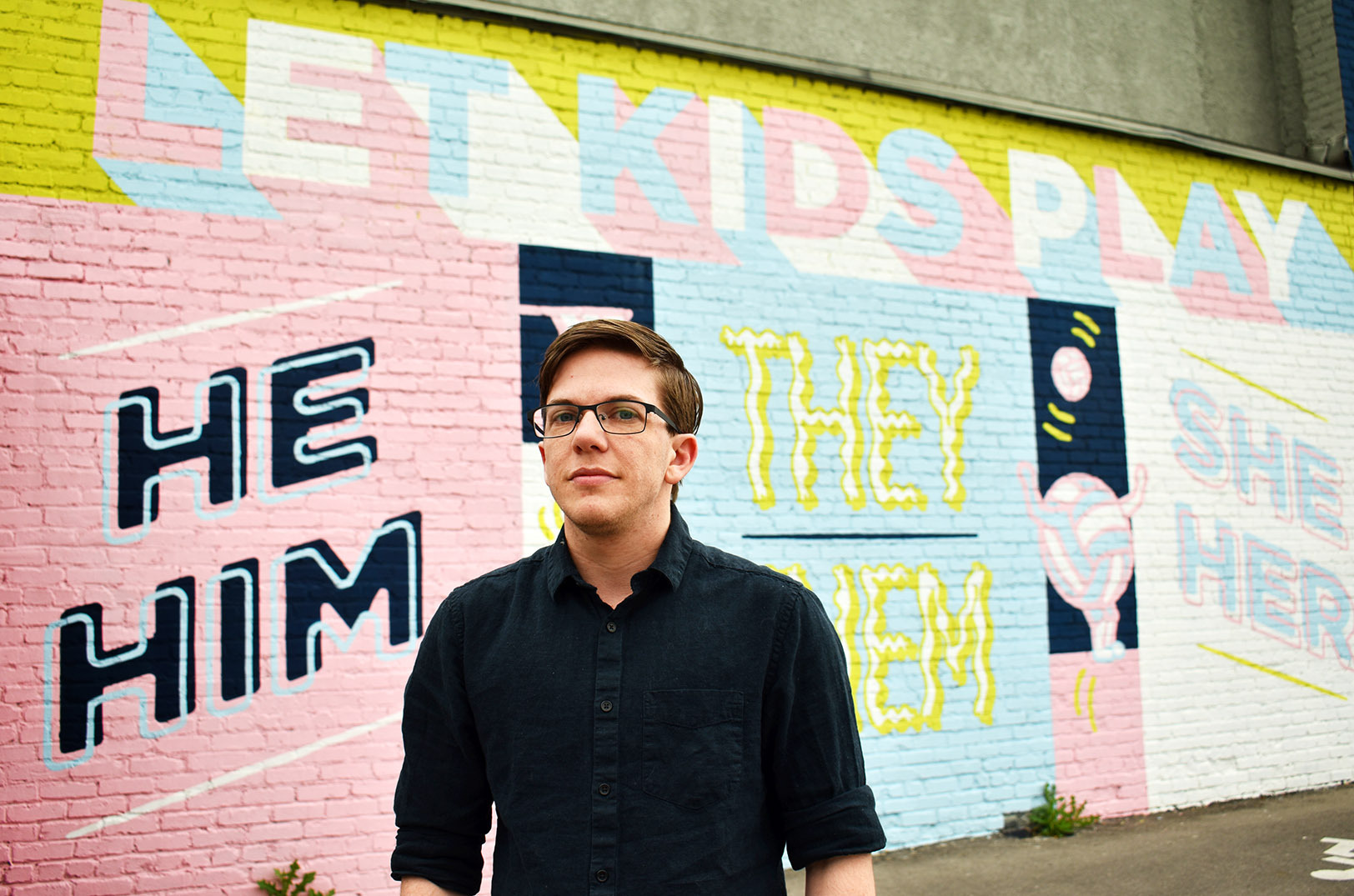
At 50, Suzanne Wheeler never imagined her government would propose legislation to take her health care away, she shared.
In April, Missouri Attorney General Andrew Bailey announced a plan to issue emergency rules on transgender care. The regulations would make Missouri the first state to severely restrict transgender care for adults, in addition to children. Before the rules were set to take effect, a Missouri judge issued a temporary restraining order on the legislation; the next court appearance is set for July 20, allowing Missourians to receive gender-affirming care until then.
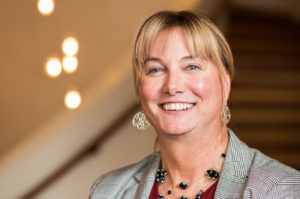
Suzanne Wheeler, Mid-America LGBT Chamber
“If this goes into effect, my wife and I have the resources to walk away from Kansas City,” said Wheeler, the executive director of Mid-America LGBT Chamber of Commerce, who identifies as a trans woman. “However, I recognize that there are so many people who do not have that privilege of leaving. I wrestle with the fact that even if things do get bad, I need to stay and fight — so that those who can’t leave will still have their rights.”
RELATED: Leaders want to make KC a safe haven for trans health care
As the head of the LBGT+ chamber, Wheeler has a finger on the pulse of her community, she said, detailing that members are scared, frustrated and searching for solutions.
“I’ve had families reach out to me, saying that they are thinking about leaving the state because they’re concerned about their health care or their child’s health care,” Wheeler said. “We’re watching other states across the union essentially create sanctuaries where trans people and gender non-binary people can go and know that they’re going to be appreciated. Folks are now starting nonprofits to help people flee Missouri and go to those states.”
One of those advocates: Lee Zuvanich.
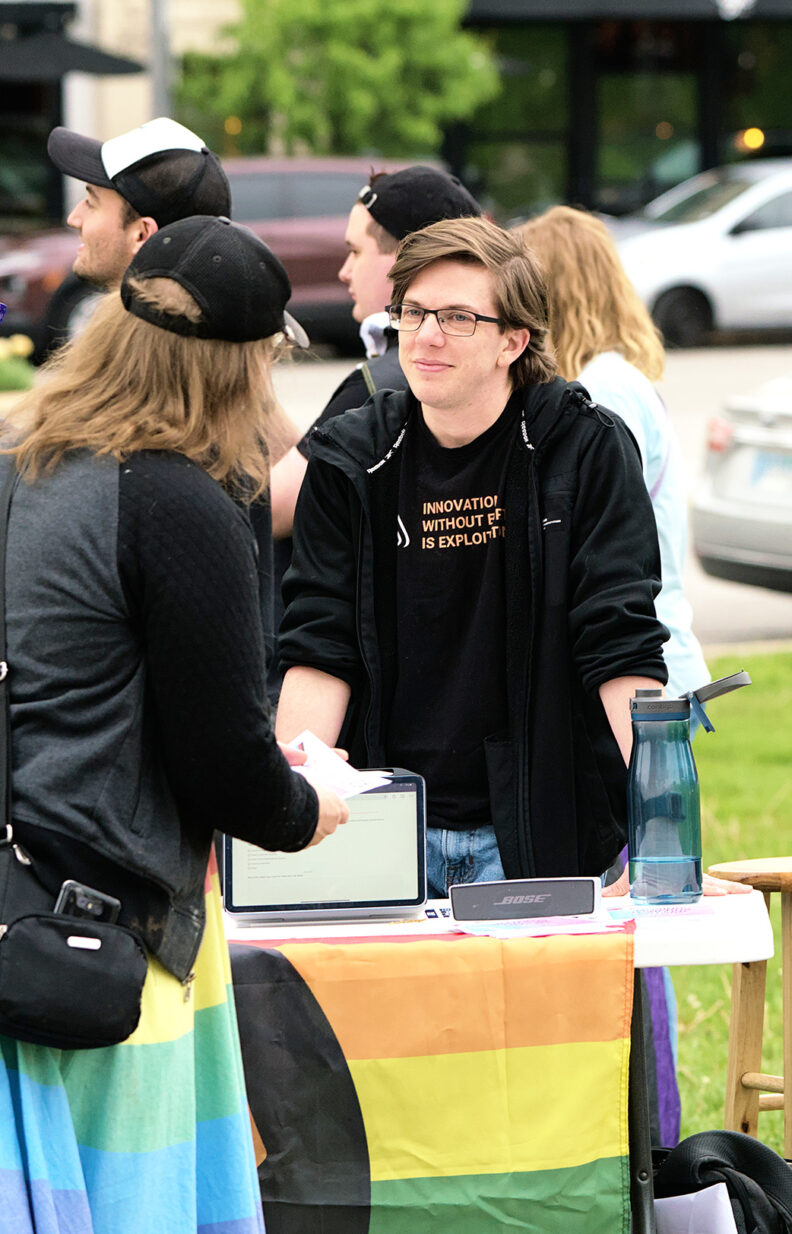
Lee Zuvanich at the Rally for Trans Lives at Mill Creek Park
Zuvanich, a trans masculine, Kansas City-based serial entrepreneur, co-founded Transitional Justice — a nonprofit that aims to provide one-to-eight weeks of transitional housing for displaced political refugees. Along with sheltering individuals and their families, Transitional Justice assists with connecting displaced individuals to a vetted and established network of resources in their new city. The nonprofit will also provide housing for short-term medical needs, such as visiting doctors, picking up medication or visiting for surgery.
“Nobody displaced by these laws should end up homeless,” said Zuvanich, who is a member of the 2023 Pipeline fellowship. “We want to provide families with hope that there’s a way out. They don’t have to stay in a place where they have to go off their medication, or take their child off medication, because that is unthinkable.”
Transitional Justice is looking to partner with Airbnb and Airbnb hosts for donated or discounted spaces, he added, noting any donations to Transitional Justice will cover the costs and fees for displaced refugees during their stay.
“If we could get 5,000 people to donate $20, then that’s $100,000 — and with $20,000, we can get a three-bedroom house in San Francisco for a year,” Zuvanich said. “… People who feel really powerless can contribute to a huge impact by donating $20.”
Transitional Justice is also actively recruiting for advisory board member positions and volunteers who can bring their experience to the nonprofit, Zuvanich continued.
Click here to donate or get involved with Transitional Justice.
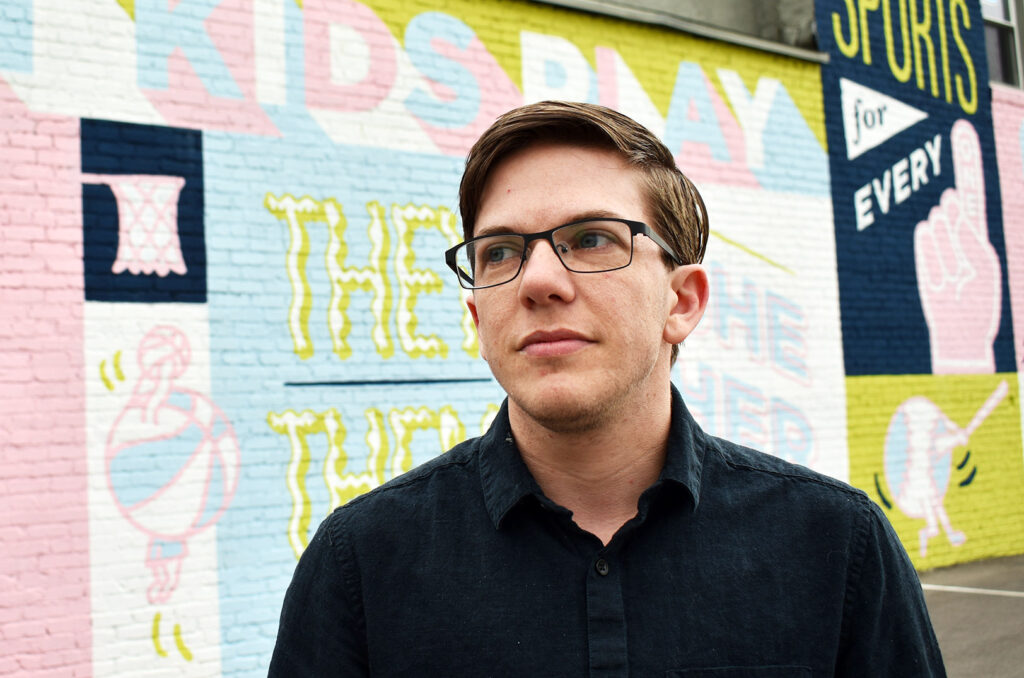
Lee Zuvanich, Transitional Justice
Zuvanich and his team plan to use a risk-based scoring model to distribute resources. This model prioritizes the most at-risk individuals in the community, with transgender BIPOC women and girls receiving a proportionally greater risk score, he noted.
“This will automatically move this group to the forefront, as they are disproportionately affected by hate crimes, systemic oppression and intersectional discrimination,” Zuvanich said. “… We’ve gained traction more rapidly than anyone could have predicted and would like to ensure that we use our resources and platform to spotlight the experience of BIPOC trans women. Our fiduciary oversight, advisory board and partnerships will expend as much effort as is necessary to have these voices not just at the table, but leading the conversation.”

Sarah Ron, Transitional Justice
Transitional Justice might have sparked from need and passion, but the nonprofit would not have come together without the support of community leaders in other states, Zuvanich said, crediting his West Coast co-founder, Sarah Ron, with being a fundamental partner in helping launch the platform in a week’s time.
“I felt totally overwhelmed — I am in the middle of launching my startup right now,” said Zuvanich, the founder of Appsta. “I shouldn’t have the time or energy for this right now. But Sarah and a few other friends I’ve reached out to have made this possible.”
“I’ve worked in the tech industry out here in San Francisco for a long time, so I am accustomed to things moving fast paced,” Ron added. “But I will say, I have never pushed a project forward as quickly as Lee and I have been able to push [Transitional Justice] forward. We just want folks to live and thrive and continue on with their lives and have a chance to age like everyone else.”
Click here to read about Lee Zuvanich and his personal journey with identity.
Economic impacts
If the Missouri attorney general’s restrictions on transgender care go into effect later this year, the State of Missouri will face economic impacts, Wheeler said.
“If you talk to the folks in Jefferson City, they’ll tell you that the number one issue around economic development for the State of Missouri is workforce development,” Wheeler explained. “They need qualified people to be able to not only bring jobs to Missouri — but fill the jobs that are currently in Missouri. When you look at the new workforce that is graduating from Missouri’s colleges, tech programs and high schools, that workforce no longer aligns with the thought processes of the folks in Jefferson City.”
A 2020 Pew Research study found that Gen Zers are more likely to know someone using gender-neutral pronouns and more likely to say forms or online profiles should include gender options other than “man” and “woman.” Gen Zers went on to be the generation most likely to say that society is not accepting of enough people who do not identify as man or woman.
Wheeler worries that young professionals who identify as LBGT+ or are allies to the queer community will not move to states that have restrictions against that population of people, she shared. Working along other chambers of commerce through Missouri, Wheeler said that the fear for the future of business in the state is widespread.
“This could damage Missouri’s reputation as being a good state to do business in because you’re not going to be able to get folks to move here,” she said. “… And then with our larger businesses [in Kansas City], they are looking at transferring their transgender workforce outside of the area to where they can still access health care. It impacts the [human resource] space too because employers who provide insurance that covers trans health care are confused about the legalities.”
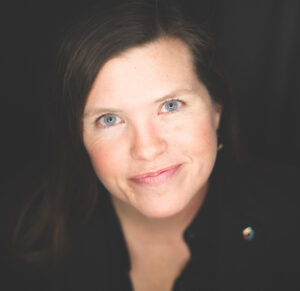
Kate Nielsen, On Tap, Mid-America LGBT Chamber of Commerce
Kate Nielsen, the managing director at On Tap and president of the Board of Directors for the Mid-America LGBT Chamber of Commerce, echoed Wheeler’s sentiments.
“Our corporate partners at the chamber have worked to attract and retain talent that’s diverse because we know that diverse talent and diverse companies succeed more financially,” Nielsen said. “I don’t think this legislation is a good long-term decision in terms of progressive economic growth for the region.”
Not only will Missouri-based corporations and large businesses be impacted, but the entrepreneurial ecosystem will feel the repercussions, Zuvanich said, noting that he would have to headquarter his businesses, Adva Digital Solutions and Appsta, in another state to protect his family.
“I’m nervous to put that out there because I have clients who really like that we are based in Kansas City,” Zuvanich said. “I’ve hired hundreds of people over the last few years — and I have a habit of hiring people who are historically underrepresented in tech — so this could really shake things up for them as well. Other people on my team are also being directly impacted and may have to move away, which is a really complex component of what’s happening.”
Adva Digital Solutions is headquartered in Kansas City, Missouri, whereas Appsta is based in Kansas City, Kansas, so Zuvanich would have to relocate a business from both states.
Meanwhile in Kansas
On April 27, Kansas became the first state to enact a state-wide transgender bathroom ban that bars transgender and intersex women from restrooms, locker rooms, rape crisis center and other female-sepcific spaces.
The ban furthers the message that both Kansas and Kansas City are unsafe places for transgender and LBGT+ individuals, Nielsen said.
“Why would someone move somewhere where they couldn’t get access to health care, or just use the bathroom that they want to?” Nielsen proposed. “For parents of children who identify as transgender, why would you want to bring your children to a place like that?”
Nielsen, whose wife is a masculine presenting woman, already takes the precaution of escorting her partner to the bathroom to avoid being misgendered and yelled at, she shared.
“It’s really scary to think about our transgender friends who are going to have way more risk involved with just going to the bathroom,” Nielsen said. “It feels like we are heading backwards — morally, in terms of potential economic growth and in being an innovative city that attracts diverse talent.”
Along with a crucial business argument against Bailey’s restrictions on transgender care, the situation brings up a moral argument, Wheeler said.
“I can’t stress that enough. If the attorney general is coming after me, a 50-year-old adult, who are they going to make health decisions for next? Where’s that line?” Wheeler questioned. “It comes down to a majority of cisgender citizens saying, ‘Enough is enough. These folks deserve the same rights as us, and it’s time to stop picking on them.’”

Featured Business

2023 Startups to Watch
stats here
Related Posts on Startland News

‘Kansas City Startup House’ aims to be smart home incubator
A local tech founder is transforming his Kansas City, Kan., home to eventually become the area’s next incubator program. Sports Photos founder Brandon Schatz recently launched the “Kansas City Startup Home” to host entrepreneurs and innovators from around the world. While it’s now serving as an Airbnb destination for techies, Schatz said in the next…

Kauffman Foundation analyzes Kansas City’s startup growth
What does startup community success look like? Often one hears buzzwords like “vibrant,” “supportive” and “close-knit” — standards by which nearly any community can label itself successful. But since it’s nearly impossible to objectively measure those terms, a startup community’s success is instead frequently evaluated through funding and exits. That ignores the fact that most…

Events Preview: Second Fridays, WordCamp KC
There are a boatload of entrepreneurial events hosted in Kansas City on a weekly basis. Whether you’re an entrepreneur, investor, supporter or curious Kansas Citian, we’d recommend these upcoming events for you. WEEKLY EVENT PREVIEW Second Fridays When: June 10 @ 4:30 pm – 7:00 pm Where: Village Square Coworking Studio We’ll provide games & cards.…

New KC streetcar app connects riders to entertainment, nightlife
A local coding school on Thursday released a new mobile application to enable ridership on Kansas City’s popular new streetcar line. The Disruption Institute developed the “StreetcarKC” app, which helps passengers find stops along the 2.2-mile streetcar line, discover locales along the route and access schedule information. Now available only on iOS devices, the app…