

Tesseract earns $1.25M contract to help Space Force, military ‘predict the future’
April 19, 2023 | Startland News Staff
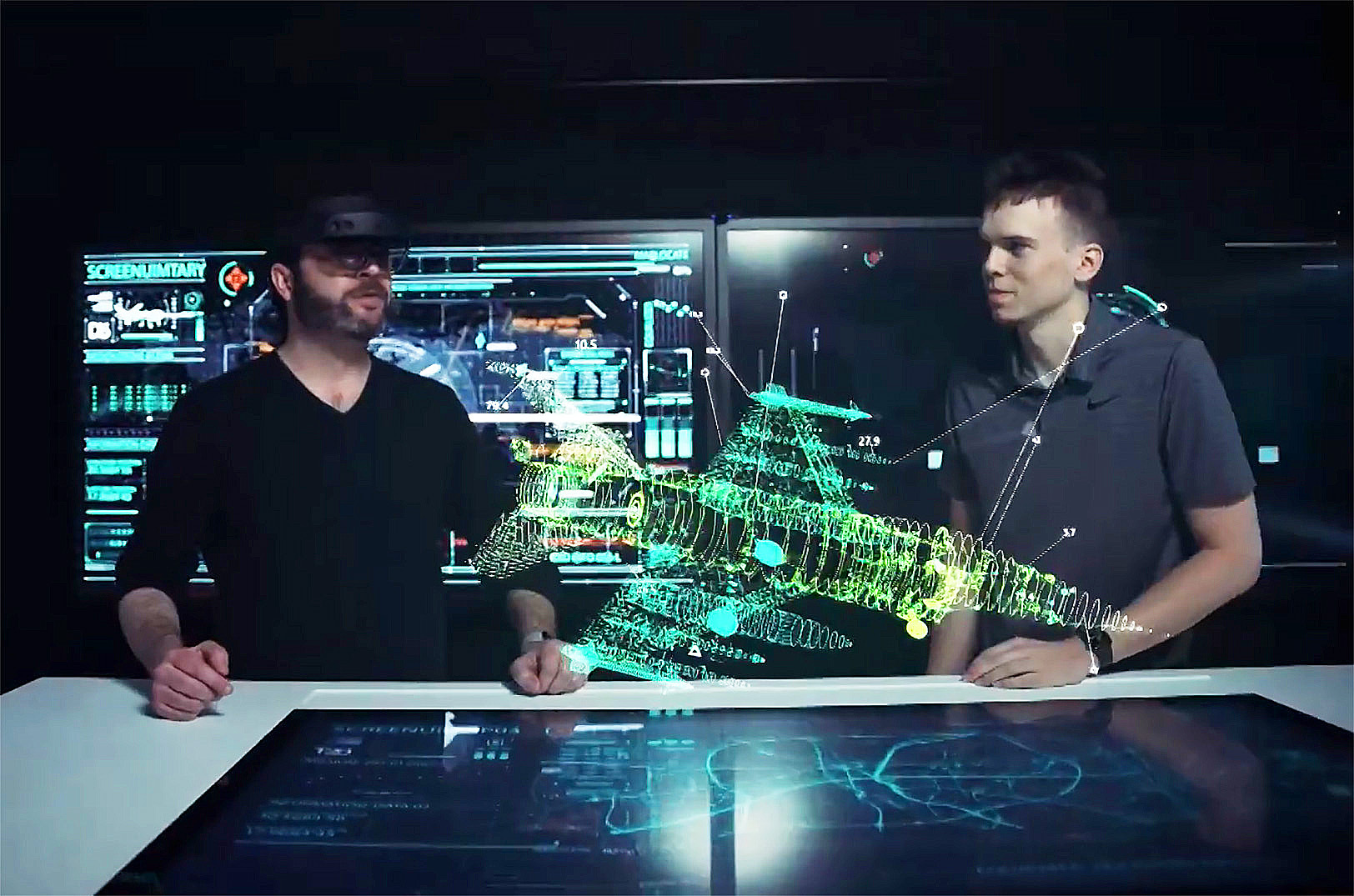
Industry-defining tools built by Kansas City’s Tesseract Ventures will help the U.S. Space Force accurately track machines, people and objects on base, and create a clearer understanding of launch conditions through next generation data visualization, said John Boucard.

John Boucard, Tesseract Ventures
Tesseract announced Tuesday that the company has been awarded a direct-to-Phase II Small Business Innovation (SBIR) contract by the Space Force through AFWERX. The $1,250,000 contract is designated for research and development at Space Launch Delta 45 at Patrick Space Force Base, Florida, and at Cape Canaveral, Florida.
“At Tesseract Ventures, we are driven by a sense of duty and purpose to make a positive impact on the world through the development and deployment of cutting-edge technology — for exactly the right customer at exactly the right time,” said Boucard. “Our SBIR Phase 2 relationship with the United States Space Force is an incredible opportunity to leverage our innovation studio, For All Kind, to accelerate the development of advanced 21st century wearable robotics, data visualization in all dimensions, and digital twin technology. It is an honor to be part of this contract.”
RELATED: Tesseract deepens military ties with deal to develop smart space hub for US Air Force
Under the newly announced contract, Tesseract will further develop its Tesseract Smart Space, Prism hardware and Mosaic software to create a multi-dimensional common operating picture of the launch environment.
Click here to learn more about Tesseract Ventures’ technology and its portfolio of genre-smashing, industry-crossing studios.
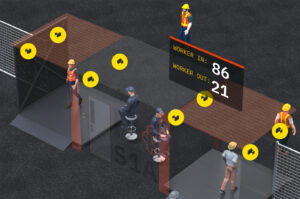
Tesseract Venture’s PRISM technology
Prism’s real time location tracking hardware works with Mosaic’s data analysis software to collect and parse data from across the spaceport, detailed Boucard. These work to track inventory, equipment status, staff locations, environmental conditions and much more. This information can then be used to visualize a digital twin of objects such as rockets, or the entire space port. Armed with a data-enhanced picture that can be viewed from multiple vantage points in the Tesseract Smart Space, teams will get up-to-the-minute insights into a vast array of conditions that can enhance safety, increase efficiency and produce better outcomes.
Tesseract was founded in 2018 by John Boucard, a veteran inventor, engineer and technologist. It was named one of Startland News’ Kansas City Startups to Watch in 2020 — later becoming a go-to tech powerhouse for military and national security applications.
The company — which now splits bases of operations between Overland Park, Kansas, and Tampa, Florida — enables businesses to defy the boundaries of space and time through next-generation technologies. Robots, smart spaces, wearables and radically connected platforms are just some of the tools created by Tesseract in its mission to make industries smarter, better connected and more efficient.


2023 Startups to Watch
stats here
Related Posts on Startland News

How one KC startup studio helps feel-good ventures grow impact while actually making money
Running a social venture comes with an inherent challenge for founders, shared Jacqueline Erickson Russell, emphasizing they must balance purpose and profit. Social Venture Studio — powered by LaunchKC — offers support along that journey, added Erickson Russell, the founder and CEO of Social Impact Advising Group and consultant for the Kansas City-based program. “Complex…
This hard swap plays easy: How one KC producer juggles community, breaking the club music cookie cutter
Tyler Jordan’s new spin on DJing: amplify fellow artists and unite people through music, he shared. Jordan — who produces electronic music and DJs under the name Oblivinatti (a mashup of his favorite video game growing up, The Elder Scrolls: Oblivion, and his interest in conspiracy theories) — is evolving his sound production business Vibration…
Art and technology too often butt heads, festival planners say; River Market event paints a reality where they coexist
The River Market Art Festival is back after a 20-year hiatus — with a nod to the past and an eye toward the future, shared The AI Hub’s Taylor Burris and James Spikes, startup founders who are hosting the event in partnership with the River Market Community Association. The revival of the art festival —…
PayIt co-founder: No one-size-fits-all formula for scaling one of KC biggest startup ideas
Mike Plunkett’s journey with PayIt came to an early, but critical crossroads when a wealthy entrepreneur offered half-million dollars to support the Kansas City-built govtech venture, he recalled. The catch: this investor insisted on imposing control and veto power as they committed more funds. Despite being low on funds, the PayIt team — led by…