

Help from above: Why protecting satellites from cyber attacks could hold key to adapting to climate change
February 14, 2023 | Channa Steinmetz

Humans must responsibly rise to the occasion as Earth’s climate changes, Charles Beames said, detailing the role well-protected satellites and space systems can play in putting life-preserving solutions into orbit.
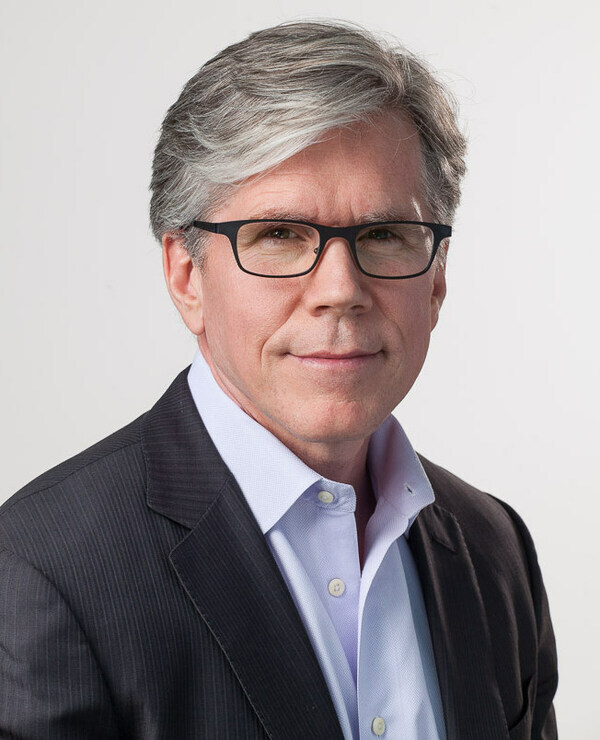
Charles Beames, SpiderOak
“Space systems are one of the keys to the future, our future, of dealing with the changing climate and our adaptation,” said Beames, aerospace expert and executive chairman of Kansas City-built SpiderOak. “The horse has left the barn on a lot of aspects regarding climate change, so it’s really a question of, ‘How do we responsibly adapt as a species?’ Observation from space is really important to understanding what we need to do to minimize the effect on both people and resources.”
Founded in 2007, SpiderOak is a Lenexa-based company specializing in zero-trust cybersecurity software for commercial and military operations. In January, the company announced a $16.4 million Series C round led by Empyrean Technology Solutions.
Click here to read more about SpiderOak’s recent funding round and its cyber defense implications.
Although a majority of space funding is directed toward national security, it is crucial to invest in the future of civil space systems as well, said Beames, who has worked in the aerospace industry and intelligence community for more than three decades.
“There are obvious things like GPS for the future economy, but what is a high priority for the current administration is coming out of NASA,” Beames noted. “Dr. Karen St. Germain is the director of Earth Sciences; and she’s very focused on climate change, the impacts of climate change and what can be done to address it.”
“Satellites are not going to stop climate change, but what they are going to do is help us figure out what to do and how to adapt,” he continued. “… The climate has always been changing, we just didn’t have the technology to understand what’s going on. Most of that technology comes from space, and I think securing those [systems] is just as important as securing national security systems.”
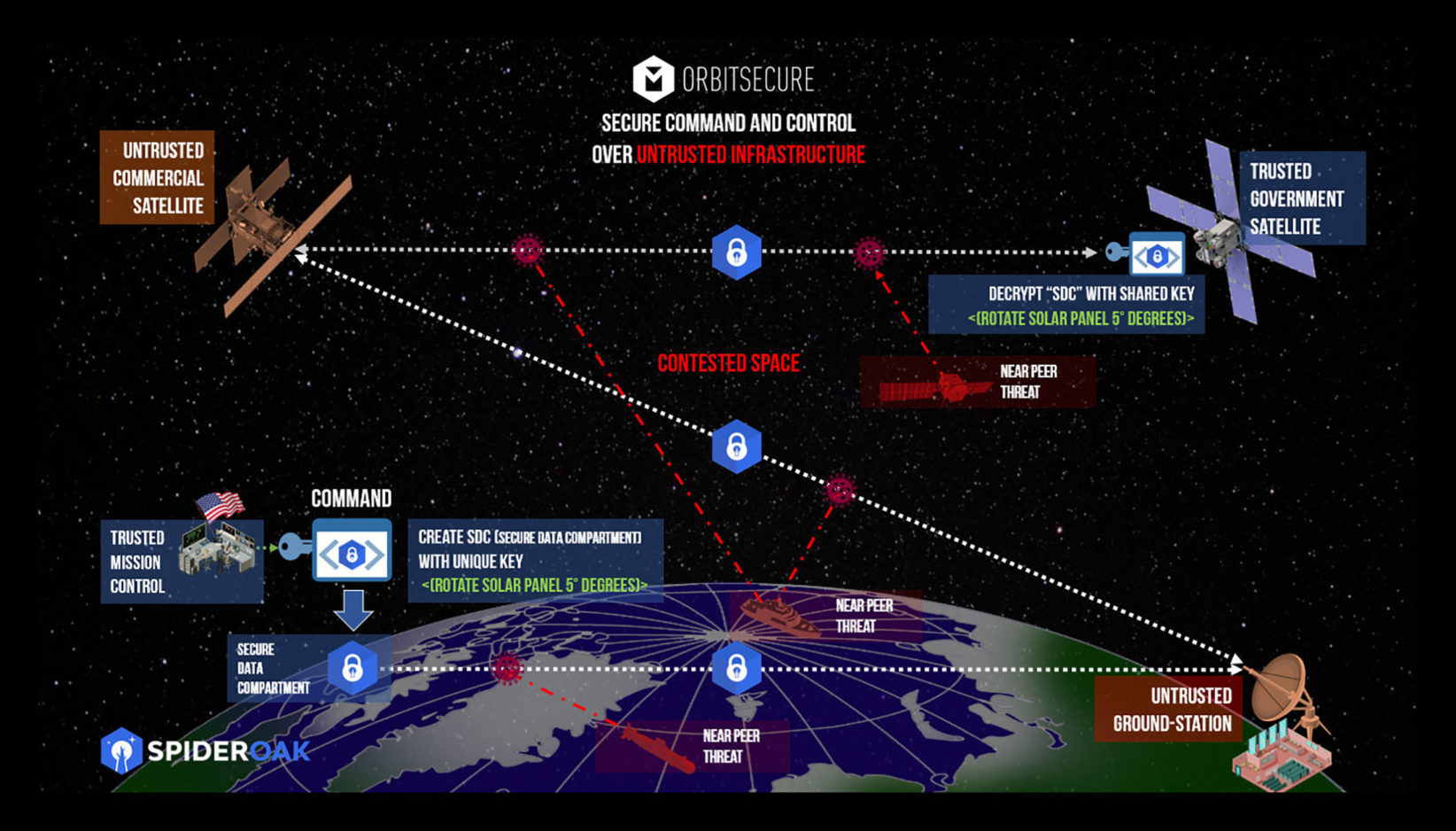
SpiderOak’s OrbitSecure
Orbiting satellites frequently communicate a wide variety of data on multiple missions. Some of the best weather systems operated by or at the direction of the United States government also serve alternate functions related to national security, Beames explained. This makes otherwise benign missions such as weather prediction a target for a cybersecurity attack.
“Frankly, all data needs to be protected,” Beames said, emphasizing the importance of SpiderOak’s technology. “Whether it is personal privacy, which is where SpiderOak really got its start, or national security — it all needs to be protected.”
A cybersecurity attack is the greatest threat when it comes to disrupting satellite systems, Beames said, but SpiderOak also works to protect against “jamming” or overwhelming the transponder of a satellite with a more powerful signal that disrupts it.
Click here to learn more about SpiderOak.
As a result of its Series C round, SpiderOak is building headquarters in Reston, Virginia, for its subsidiary, SpiderOak Mission Systems, which is focused on work with the federal government.
“We’re still going to have a very strong presence in Kansas City,” Beames said. “… It is noteworthy — the fantastic talent in the Kansas City area — and we intend to keep and grow it.”
With coastal cities being credited as the leaders in software and aerospace technology, Beames applauded Kansas City for the community’s entrepreneurial spirit.
“What Kansas City spawned so many years ago is going strong; it’s something the city should be proud of,” Beames said. “We love the fact that the folks, the city, and the culture of the Kansas City area is alive and well. We’re excited about where we are going in the future with them.”


2023 Startups to Watch
stats here
Related Posts on Startland News

I-70 wage gap? Kansas City lags St. Louis on tech pay, snapshot analysis says
St. Louis might be the gateway to higher tech pay — but not by much, according to a new nationwide snapshot analysis of tech industry jobs. The Kansas City metro logged an average tech wage of $90,940 in 2017, falling slightly behind the St. Louis metro at $96,370, based on data released in the Cyberstates…

Prairie Village company’s Firefly lends serenity, tech to backyard fireworks
Prairie Village-based Winco Fireworks is officially launching Firefly, a remote firework firing system, introducing a tech blend to the formerly traditional firework industry and backyard Fourth of July celebrations. “It’s a really neat invention,” said Michael Collar, president of Winco Fireworks, which focuses on consumer fireworks. “There’s a lot of commercial firework companies that do…

We Create KC report: Startup investment soared to $540M in 2017
A startling statistic for those who think capital merely flies over the Midwest: Kansas City saw a 69 percent increase in startup investment from 2016 to 2017, according to KCSourceLink’s We Create KC report. All told, early-stage businesses classified by KCSourceLink as startups — typically defined as those with 20 or fewer employees — nabbed…

KCultivator Q&A: John Coler champions making a quick impact, packs of dolphins
Editor’s note: KCultivators is a lighthearted profile series to highlight people who are meaningfully enriching Kansas City’s entrepreneurial ecosystem. Today Startland takes a closer look at startup ecosystem champion John Coler. Check out our features on Made in KC’s Tyler Enders, Hispanic business builder Pedro Zamora, ‘fashionpreneur’ Jordan Williams, Plexpod founder Gerald Smith, innovation coach Diana…