

Vytelle doubles its bovine IVF lab capacity; outpacing goals since its $13.2M round
December 1, 2022 | Startland News Staff
A five-year plan initiated by Vytelle’s Series A funding round called for the agtech startup to double its laboratory capacity to produce bovine embryos through in vitro fertilization. Just a year later, the Lenexa-headquarted company already has opened its fifth new lab.
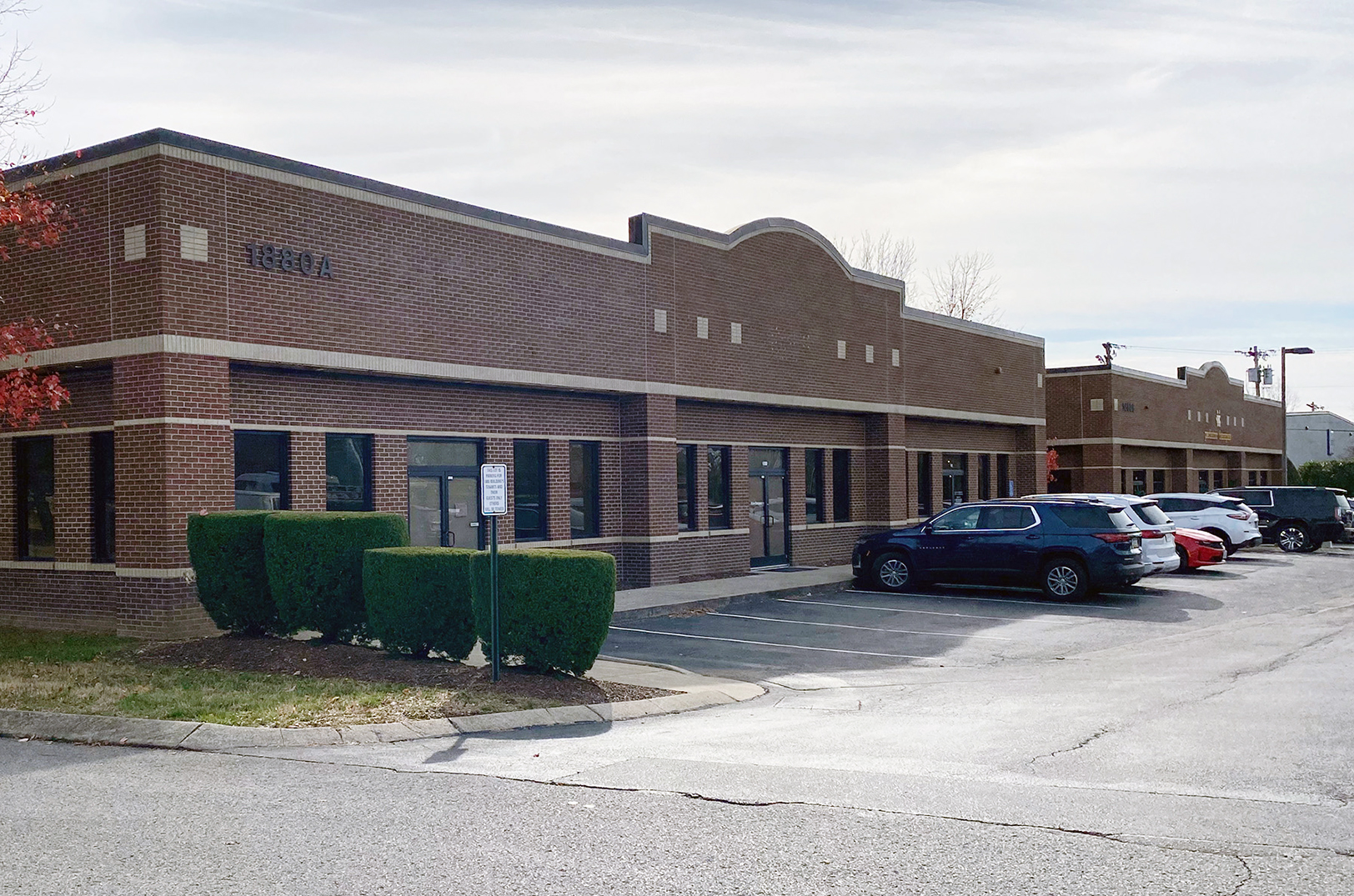
Vytelle’s Franklin, Tennessee, laboratory; photo courtesy of Vytelle
Vytelle’s latest facility — in Franklin, Tennessee — is accessible to beef and dairy seedstock producers through on-farm ovum pick-ups and satellite locations, the startup detailed, noting previously opened labs in Albany, New York; Fort Worth, Texas; and Gainesville, Florida; in addition to Hamilton, New Zealand.
Click here to learn more about Vytelle’s $13.2 oversubscribed round in 2021, which included backing from Kansas City venture capital firm KCRise Fund.
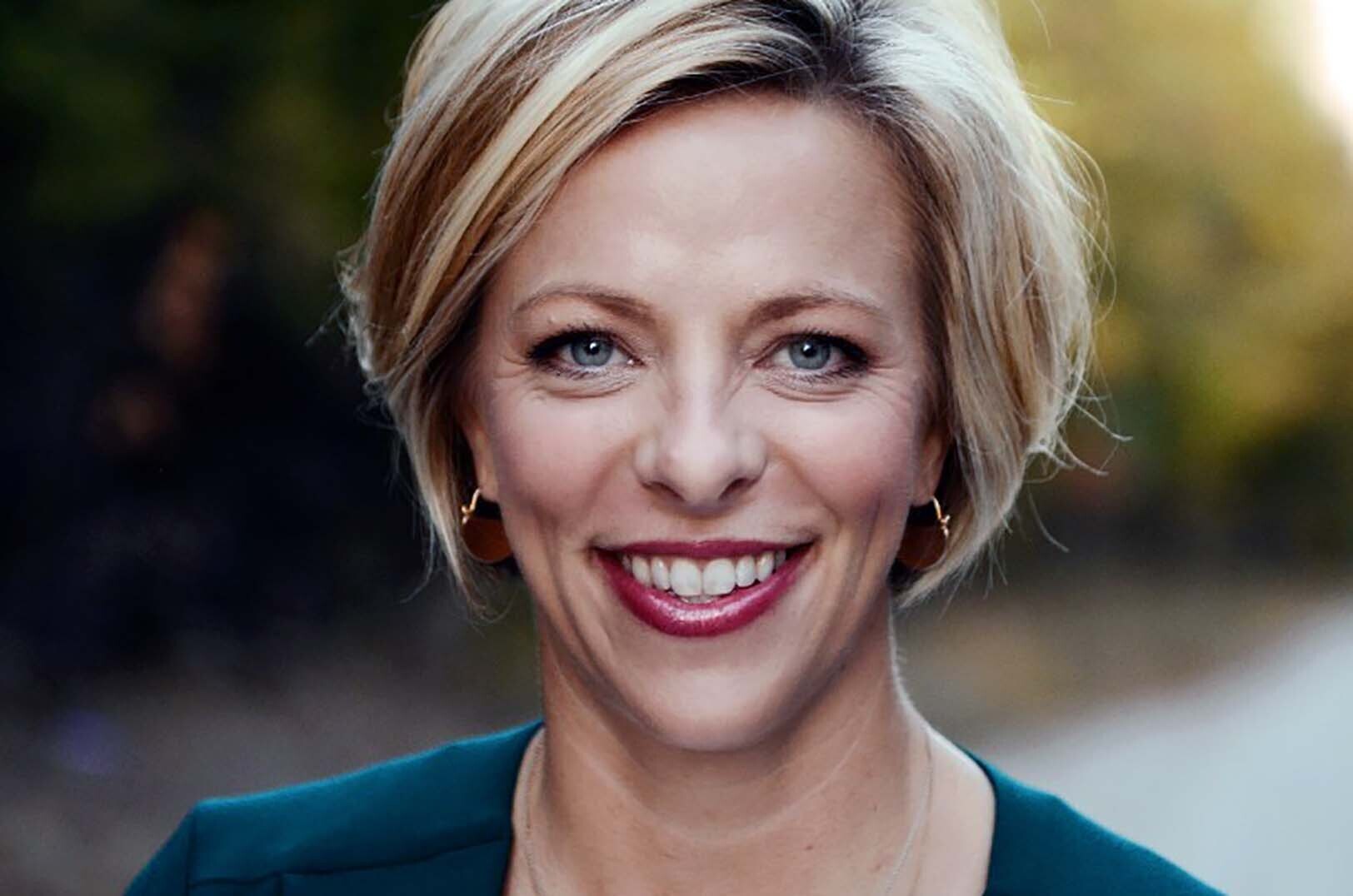
“Vytelle is the fastest growing bovine IVF company in the world,” said Kerryann Kocher, CEO of Vytelle. “Producers are accelerating genetic progress — replicating their elite animals with hormone-free IVF. This last lab places Vytelle within reach of 50 percent of the US breeding stock, making hormone-free technology more accessible to our customers.”
RELATED: KC capital implants cattle tech startup with fuel to scale, expanding IVF labs, headcount
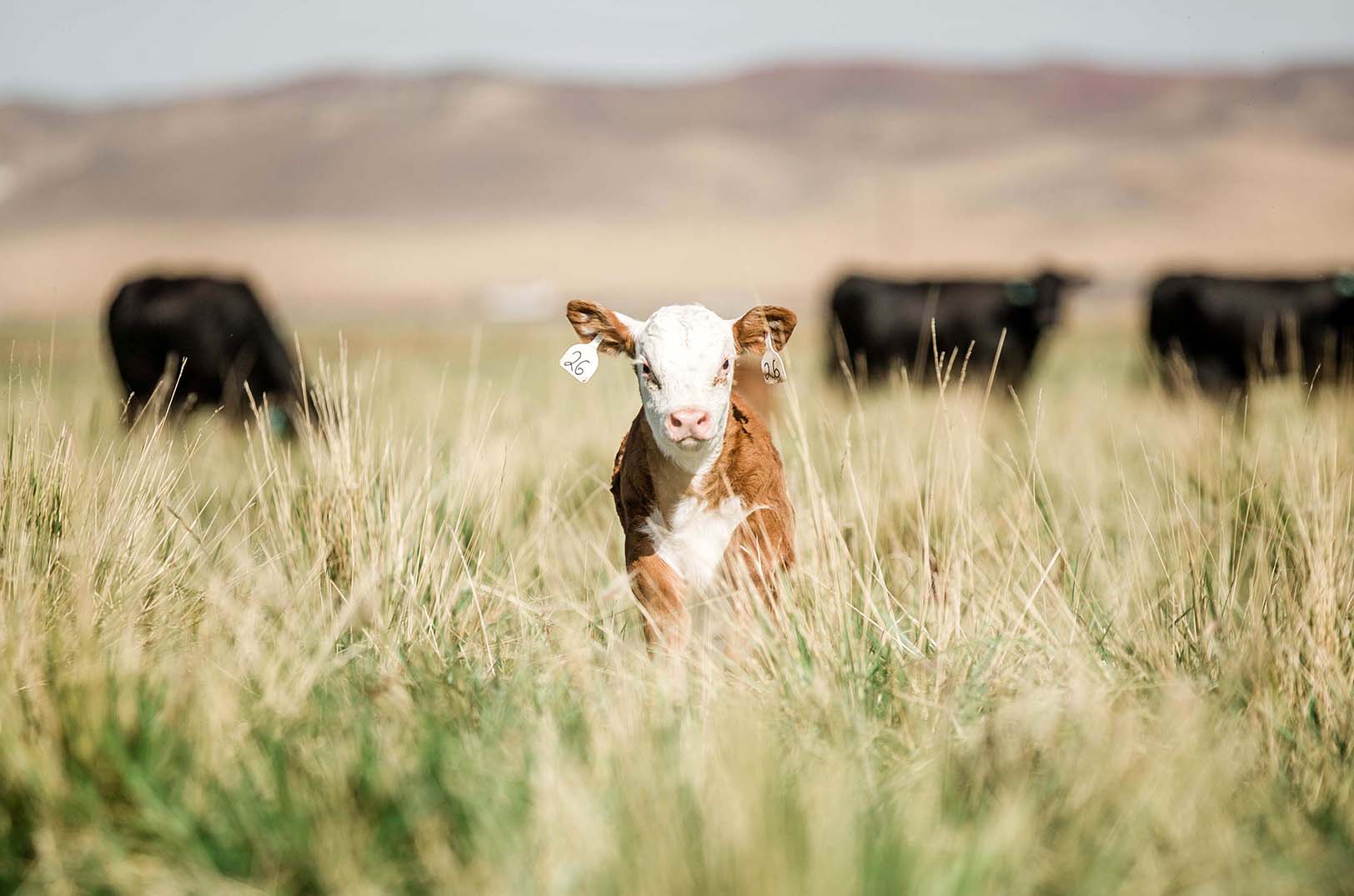
Vytelle is an integrated technology platform built to accelerate genetic progress in cattle; photo courtesy of Vytelle
Vytelle’s platform combines Vytelle ADVANCE, a breakthrough IVF technology, with Vytelle SENSE, an animal performance data capture system, and Vytelle INSIGHT, an artificial intelligence-based genetic analytics engine.
The platform provides progressive cattle producers the technology to make reliable data-driven mating decisions that improve the predictability of genetic progress replicating the right genetics faster.
Producers are able to access Vytelle’s bovine hormone-free IVF process by bringing donors to any of the more than 30 satellite locations across the United States or by scheduling an on-farm ovum pick-up.
Click here to learn more about Vytelle, an integrated technology platform built to accelerate genetic progress in cattle.

This story is possible thanks to support from the Ewing Marion Kauffman Foundation, a private, nonpartisan foundation that works together with communities in education and entrepreneurship to create uncommon solutions and empower people to shape their futures and be successful.
For more information, visit www.kauffman.org and connect at www.twitter.com/kauffmanfdn and www.facebook.com/kauffmanfdn


2022 Startups to Watch
stats here
Related Posts on Startland News
Novel Capital teams with Crux KC to offer growth-focused marketing to early-stage tech companies
An exclusive partnership between two Kansas City-based innovators is expected to help remove a traditional financial hurdle to business growth, said Ethan Whitehill, president and chief strategy officer for the KC Chamber-lauded marketing firm Crux KC. The collaboration between Crux and Overland Park-headquartered capital provider Novel Capital is expected to offer B2B SaaS and tech…
Neighborhood smart cans help Kansas Citians save the planet from their kitchens
Newly introduced composting technology is already turning new ground in Kansas City, Kristan Chamberlain said, with more solar-powered compost cans arriving later this spring across the metro’s urban landscape. Her social venture, KC Can Compost, installed three of the devices in October — free to use for KCMO residents wanting to deposit their soil-making food…

Voodoo Volleyball bounces back in OP: Father-daughter duo doubles as new venture’s setters
Quinn Austin put several sports to the test as a preteen — racing from basketball practice to softball to volleyball. But she latched on to just one. “Volleyball. It was my sport. Everyone was having a good time,” she said. “We just loved the cheers — a cheer when we got a hit, a cheer…

Black farmers are losing ground in the fight to feed their communities, advocates say
More than a century of systemic land dispossession and discriminatory practices has left Black farmers with less than 0.6 percent of U.S. farmland — less than a third of the 16 million acres they operated in 1910, according to local urban farming advocates. They gathered Tuesday at Independence Boulevard Christian Church to confront this history…