

Don’t fixate on the ‘quiet quitting’ trend; focus on poor performers who aren’t even doing the minimum
December 20, 2022 | Jennifer Libby

Editor’s note: The opinions expressed in this commentary are the author’s alone. Jennifer Libby is a district manager with human resources provider Insperity’s Kansas City office. Click here to read more from this contributor.
Employee performance is top of mind for many business owners. Team management has become more challenging as of late with the move to remote, hybrid or flex working schedules, which removes the opportunity for managers to consistently observe work styles and identify underperformance.

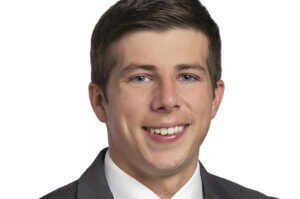
Jennifer Libby, Insperity
Holiday-time distractions and end-of-year demands only exacerbate these trends.
Even though “quiet quitting” or doing only what is required has gained attention, the real issue is managing those who are underperforming. A quiet quitter might leave work on time and not put in extra hours, but they might be efficient workers who are striking a balance between work and life. Underperformers, on the other hand, can create extra work for colleagues and damage morale if the issue is not addressed.
Here are six ways to manage underperformance:
Conduct a self-evaluation
When facing the challenge of an underperforming employee, managers should look inward to determine if they can improve how they set expectations or clearly define the role for the employee. Also determine if the repercussions of poor performance are understood and if trainings have been conducted.
The manager should also make sure the employee understands they are underperforming in the role. If it is determined the employee does not know they are underperforming, the issue of education and training need to simply be addressed.
Act quickly
The attitudes of team members can quickly sour when they are carrying the weight of an underperformer. Frontline managers and supervisors must act quickly to address performance issues as soon as it comes to their attention. If they do not address performance in a timely manner, it can set a precedent for poor work performance, which can negatively impact team morale and counteract the company’s positive work culture.
When approaching the underperformer, position it as an opportunity to find solutions to any problems. The conversation is most beneficial when the manager spends the time listening, which helps the underperformer feel they are contributing to a solution they can manage.
Understand the hurdle
Underperformance issues could be caused by myriad factors including the employee’s personal life. If the performance has recently slid for a once-engaged employee, it could be a temporary situation. However, managers still need to address performance issues for all employees, no matter their previous record. A change in performance could be part of a bigger issue such as burnout, mental wellbeing or health. Other factors managers may discover leading to underperformance could be bullying, a lack of recognition or a lack of clarity.
Seeking to understand performance also includes understanding what motivates the employee. Discuss how leadership can better support them in their role, where they would like to go in their career and any long-term goals. Knowing what motivates the employee will allow for better management of the situation in the future.
Set goals
Managers should ask employees how they would like to progress and work together with the employee to set individual performance goals. These goals, all of which should be measurable, could include areas for improvement, specific achievements and new skills they would like to master. As part of the goal-setting exercise, the manager and employee should establish together how to prevent performance issues in the future and how the current issue will be addressed.
Conduct appropriate training
Training and development need to be a regular component of every manager’s team, but more specific training may be necessary for the underperformer. All team members need periodic trainings, which should include addressing performance expectations. These trainings can be geared toward sharpening the skills expected to perform the employee’s current job and sessions preparing them for career advancement.
Follow up
Addressing the performance issues of an underperformer can be a daunting task. Once it is done, the follow up begins. Setting regular meetings to check in, further clarify expectations and follow up goal progression is time well spent. This structured environment to measure improvements is usually appreciated by employees.
Underperformance is one of the most critical issues for managers to address. With proper preparation and review, managers can typically identify the cause quickly and work with the employee on a path to improved performance and a better team dynamic.
Jennifer Libby is a district manager with Insperity, a leading provider of human resources offering the most comprehensive suite of scalable HR solutions available in the marketplace. For more information about Insperity, call (800) 465-3800 or visit www.insperity.com.


2022 Startups to Watch
stats here
Related Posts on Startland News

Nell Hill’s founder returns to retail with ‘this little secret’ — a micro shop with an old-fashioned, in-store experience
Mary Carol Garrity’s last home furnishings store was 18,000 square feet. Her new one? A “petit bazaar” at just 400. Garrity is teaming up with longtime friend, Rebecca Wood, on diebolt’s in Midtown’s Gillham House Antiques & Furnishings. The shop, which is scheduled for an April 19 soft opening, is expected to offer a “fun…

Drug side effects could kill you; meet the KS lab team using DNA testing to save patients
A clinical reference laboratory in Olathe is working to make DNA testing for genetically optimized medications more routine and accessible in healthcare, Dr. Ziyan Pessetto shared. Sinochips Diagnostics — founded in 2019 by Dr. Jiawu Song, along with Pessetto and Dr. Andrew Godwin — was conceived with the vision to make pharmacogenomics (PGx) an integral…
Company capitalization: The most overlooked definition in your SAFE
Editor’s note: The opinions expressed in this commentary are the author’s alone. Gabriel Riekhof is an attorney at Husch Blackwell, a leading law firm that provides unparalleled service and industry-specific solutions to clients nationwide. Introduced by Y Combinator in 2013 as an alternative to traditional convertible notes, a “Simple Agreement for Future Equity” or “SAFE”…

Serial entrepreneur: Why are many small businesses against the new Royals stadium?
Editor’s note: The opinions expressed in this commentary are the author’s alone. Tyler Enders is co-founder of Made in KC, a brick-and-mortar and online retailer of locally made goods with locations downtown, on the Country Club Plaza, Lenexa, Lee’s Summit, and across the metro. Getting the disclaimers out of the way first: Small businesses aren’t…