THC-infused lemonade squeezes into market as ballot push unbottles potential for 2M Missouri cannabis customers
November 4, 2022 | Tommy Felts
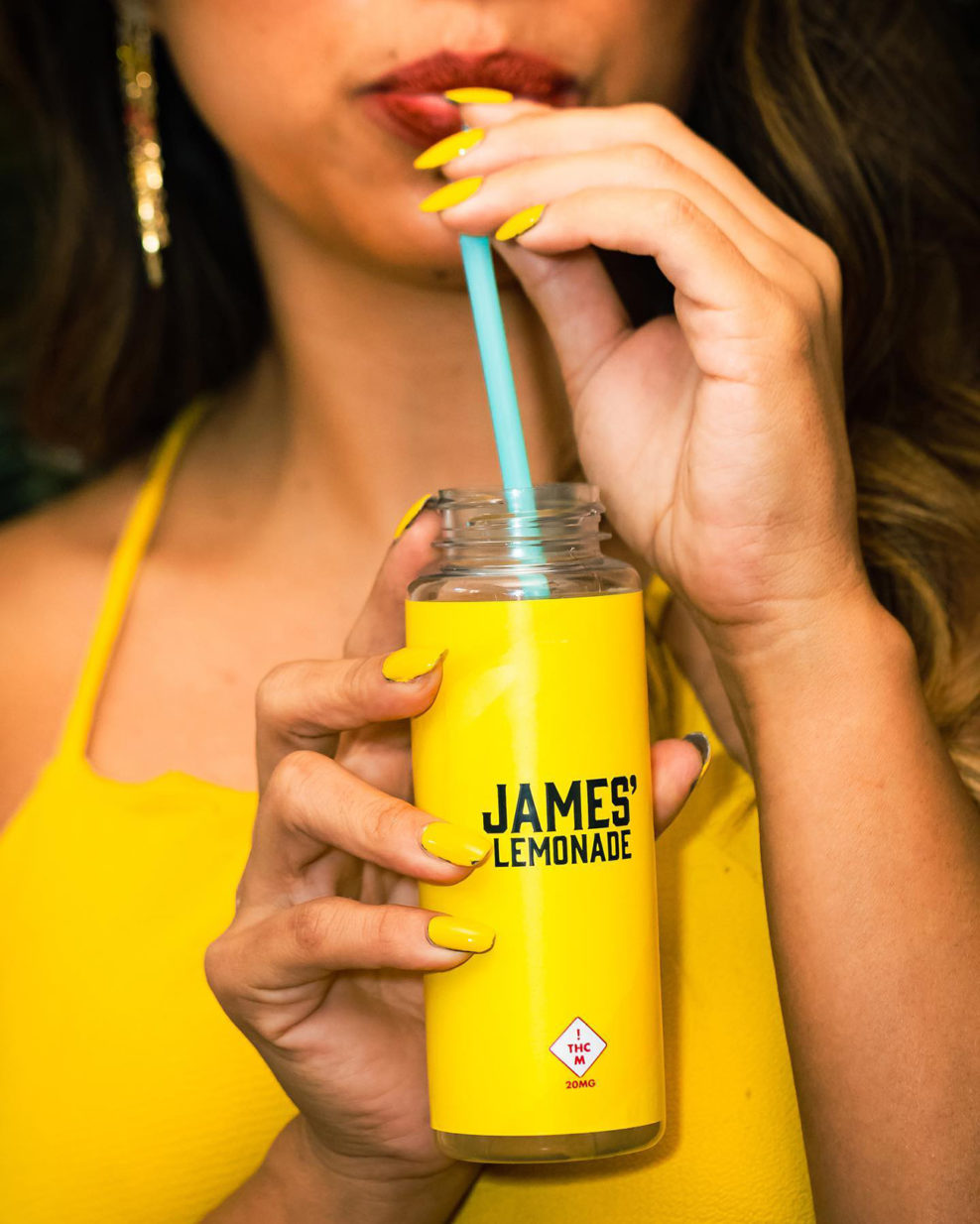
Blending the classic and comforting flavor of lemonade with the benefits of marijuana is like mixing oil and water, said Michael Wilson. But Franklin’s Stash House persisted, spending the time and money to perfect the process behind its THC-infused lemonade, he said.
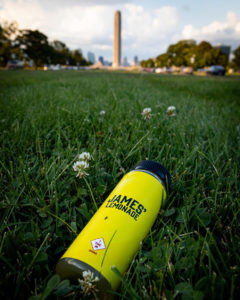
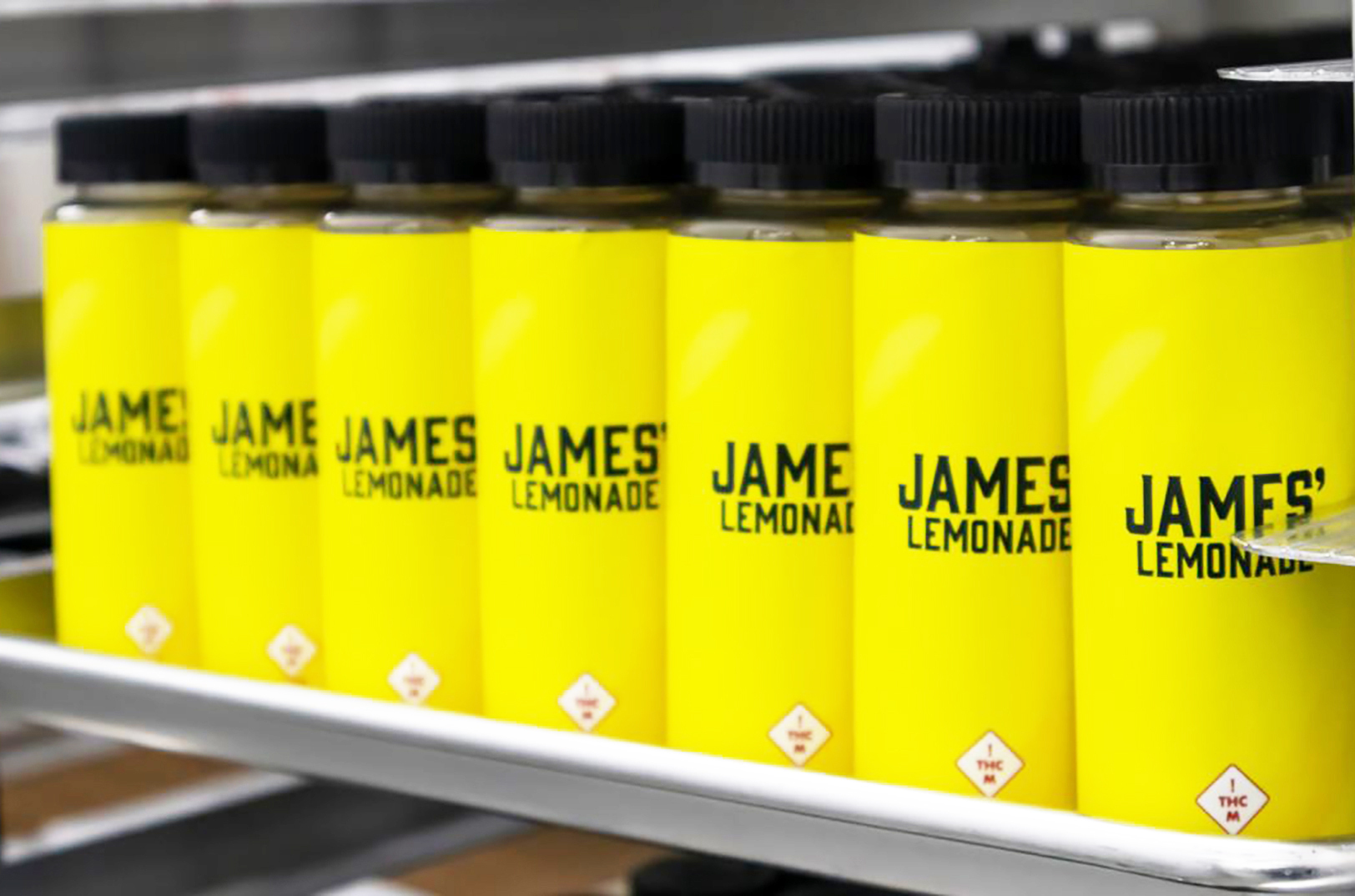
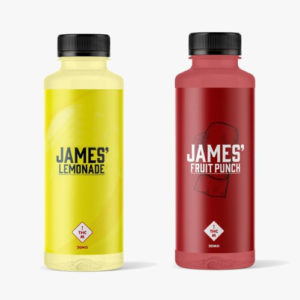
James Lemonade by Franklin’s Stash House
“Our water soluble formula has been our biggest investment — and really the technology behind it goes so deep down the rabbit hole that it seems to blow a lot of people’s minds,” said Wilson, co-founder of Franklin’s and the serial entrepreneur behind True State hemp products and the former luxury watch maker Niall.
“There’s science, formulation and ultrasonic agitation that goes into this technology,” he continued, displaying the equipment used to make the cannabis-blended James Lemonade in Franklin’s 3,000-square-foot production facility in Kansas City. “We like to call it the Tesla coil because when you turn it on, it’s got such a sound that you feel like it’s tapping into the universe for its energy.”
That energy — and proprietary process — breaks down the beverage at the particle level, Wilson said, with the Franklin’s team manipulating the mix for freshness, not long shelf life.
“That’s a big part of what makes our formula our formula,” he said. “Plus, with James Lemonade, there’s no taste, no smell when it comes to the marijuana.”
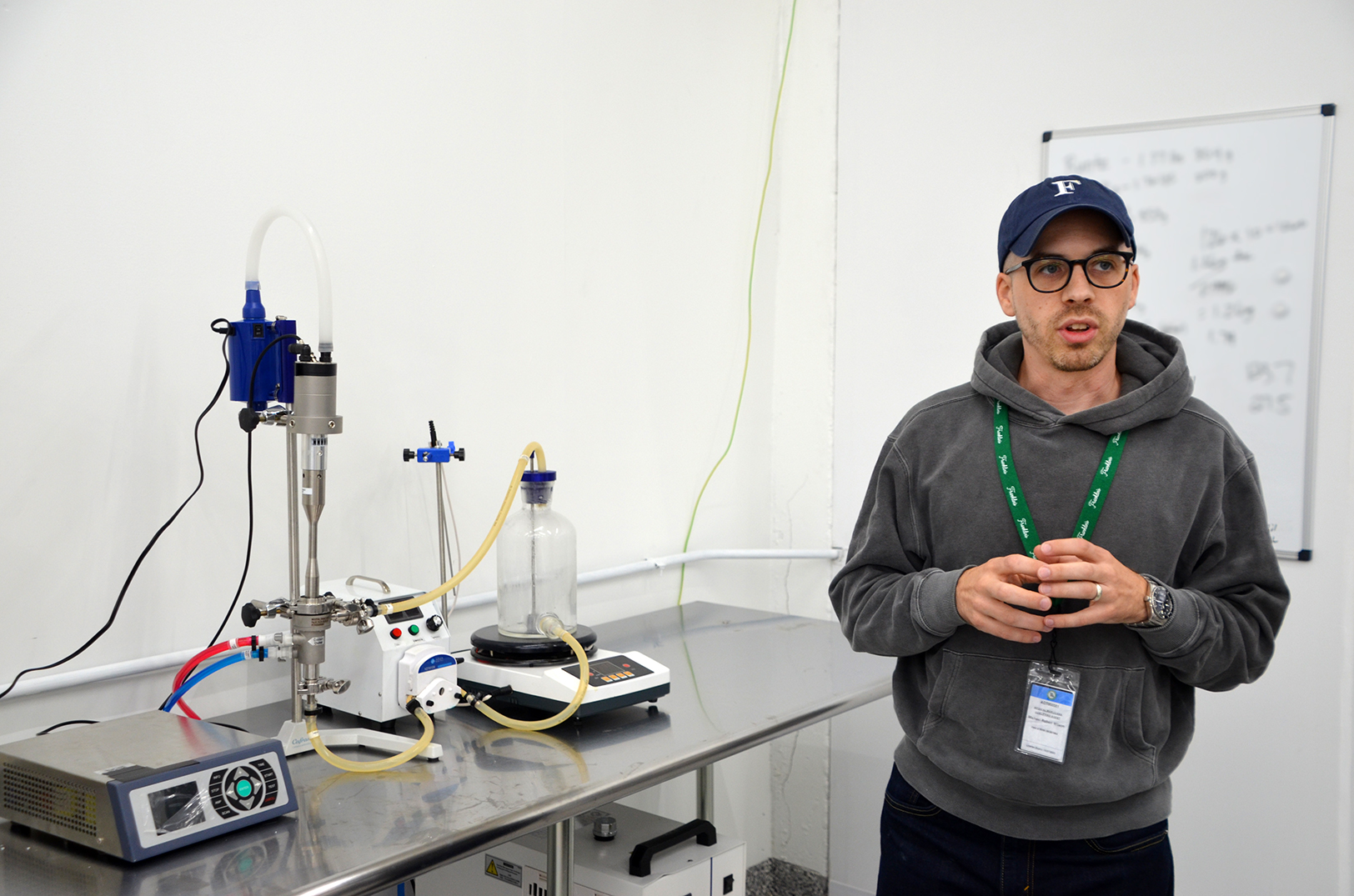
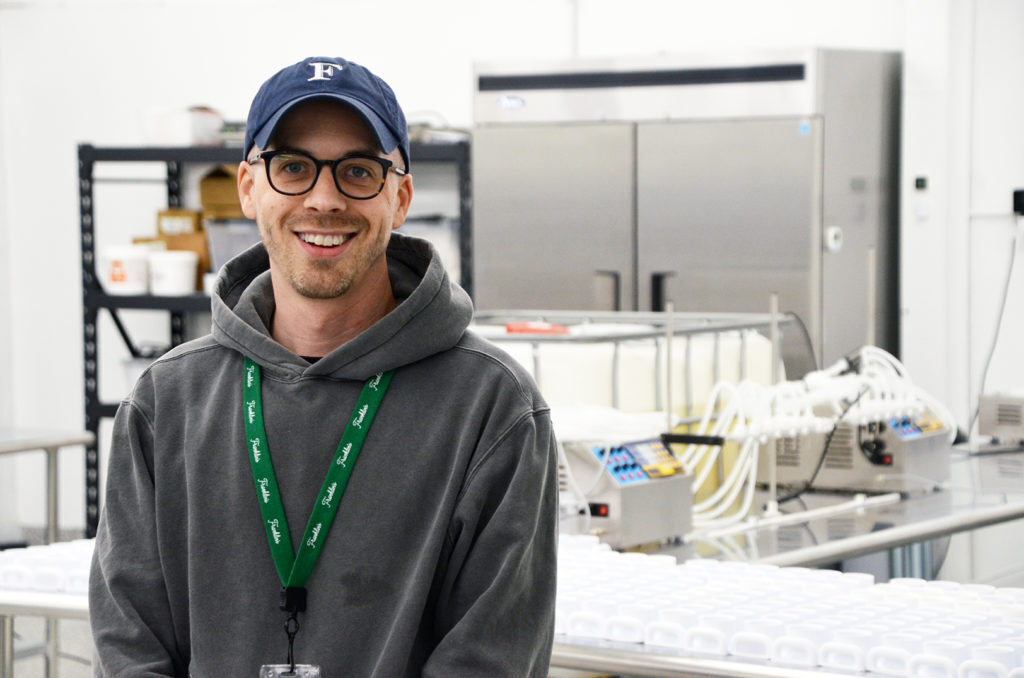
Michael Wilson, Franklin’s Stash House
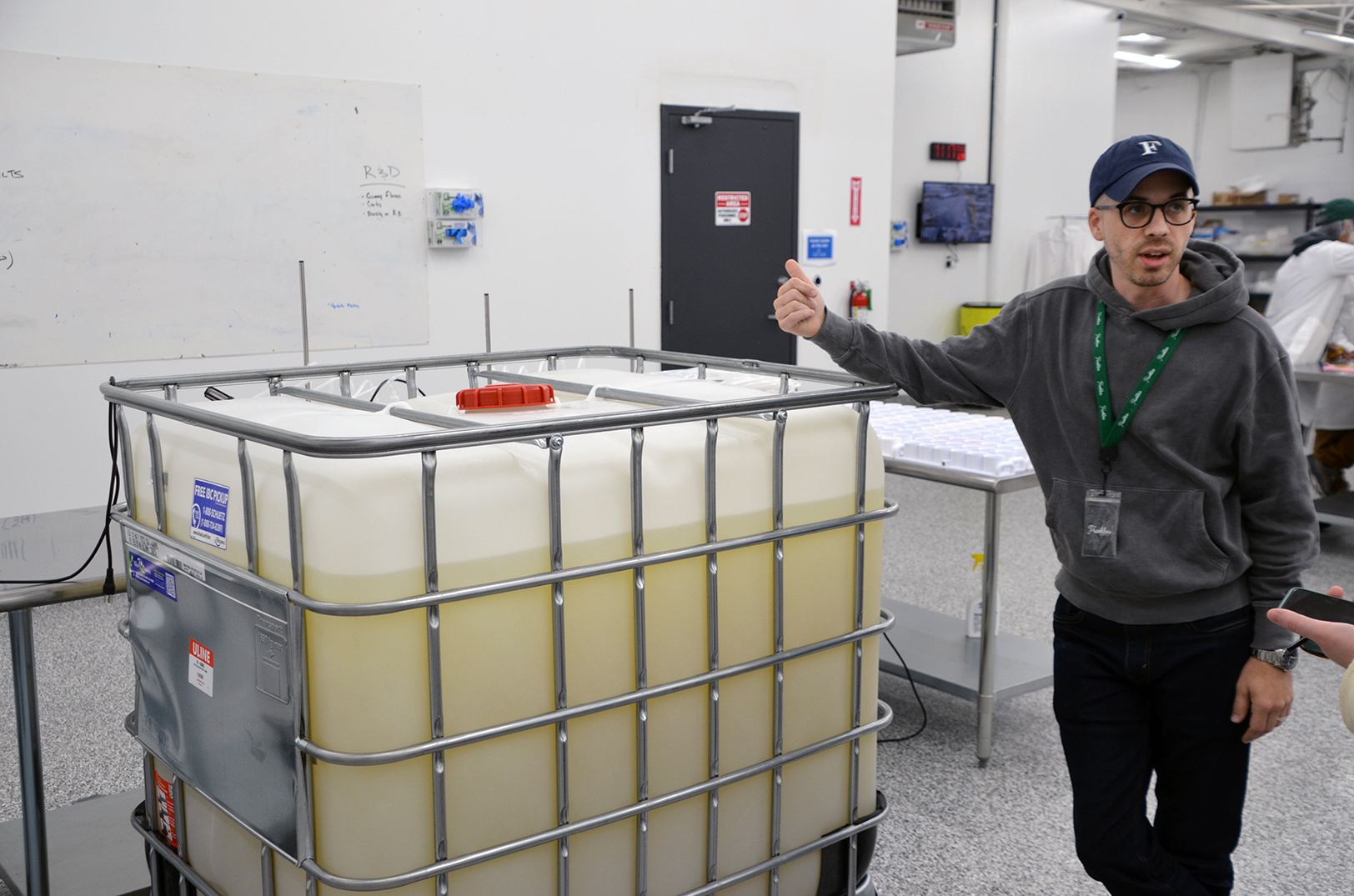
Michael Wilson, Franklin’s Stash House
Competitors in the space can’t say the same, Wilson said, standing next to a 100-gallon tank used for the brew.
“All the products already on the market taste like weed, and they’re just terrible because they’re made to last six months,” he said. “Franklin’s already tastes better because ours is a fresh product, but when you add in that our formula doesn’t taste like weed — you’re entering into what’s made edibles so popular. Edibles don’t taste like weed, and neither should a beverage.”
Click here to see where customers can already find Franklins’ products, like James Lemonade and its popular line of pre-rolls.
Budding business on the ballot
With recreational marijuana on the ballot Nov. 8 in Missouri, Franklin’s is poised for an even larger market for its THC-infused beverages.
“Over the next six months — between now and March — if Missouri voters vote ‘yes,’ you’re going to see the amount of people available to buy marijuana go from 200,000 to 2 million,” Wilson said. “You’re going to see lines out the door. You’re going to see inventory gone all the time. When people ask what we’re ramping up for, it’s February and March. The people who are well positioned are going to make an exorbitant amount of gross revenue. Now whether they’re profitable is a different story. That’s up to the business operator.”
Click here to learn more about Missouri’s Amendment 3, which is on the Nov. 8 ballot in the Show-Me State.
Armed with aggressive product expansion plans and a multi-state strategy, James Lemonade is just one step in a larger picture for Franklin’s as cannabis continues to roll toward the mainstream, he explained.

Michael Wilson, Franklin’s Stash House
“The hype has been wild. So we’re managing the demand,” Wilson said. “Orders are going out in waves with the goal of saturation with at least 100 distributors by the time the rec market comes online. But it all boils down to product. That’s why I’m putting my money on quality.”
Franklin’s products currently are available at select dispensaries, with online sales a lingering question as Missouri and the federal government continue the process of regulating an emerging industry that’s growing faster than the regulators can keep up, Wilson said.
Many are calling it the “Green Rush.”
“This is the same thing as the gold rush — think about a hundred thousand people migrating to go chase billions — but state by state. Different regulations. Different limitations. Different opportunities,” Wilson said. “But right now, out of 50 states, Missouri is in the top 10 and by 2026, it’ll probably be in the top six or seven marijuana markets in all the United States. And we’re the only ones that will have a recreational marijuana market throughout the Midwest.”
Built for innovation, scale
Franklin’s considers itself a craft cannabis manufacturer.
Its secure, climate-controlled facility in Kansas City is monitored by the Missouri Department of Health and Senior Services. And its team of 12 includes Wilson’s wife, formerly a pharmacist managing compliance for hospitals, who joined full-time to ensure Franklin’s sticks to all regulations — and adapts to new rules as they develop — at European pharmaceutical industry level standards.
“Our facility is top-notch. This isn’t back-room business with no cameras,” Wilson said. “We’re not just some weed company. We’re not just a food manufacturing company either. We do our own engineering, our own customization. It’s the same concept we’ve used for other businesses — now it just happens to be in weed.”
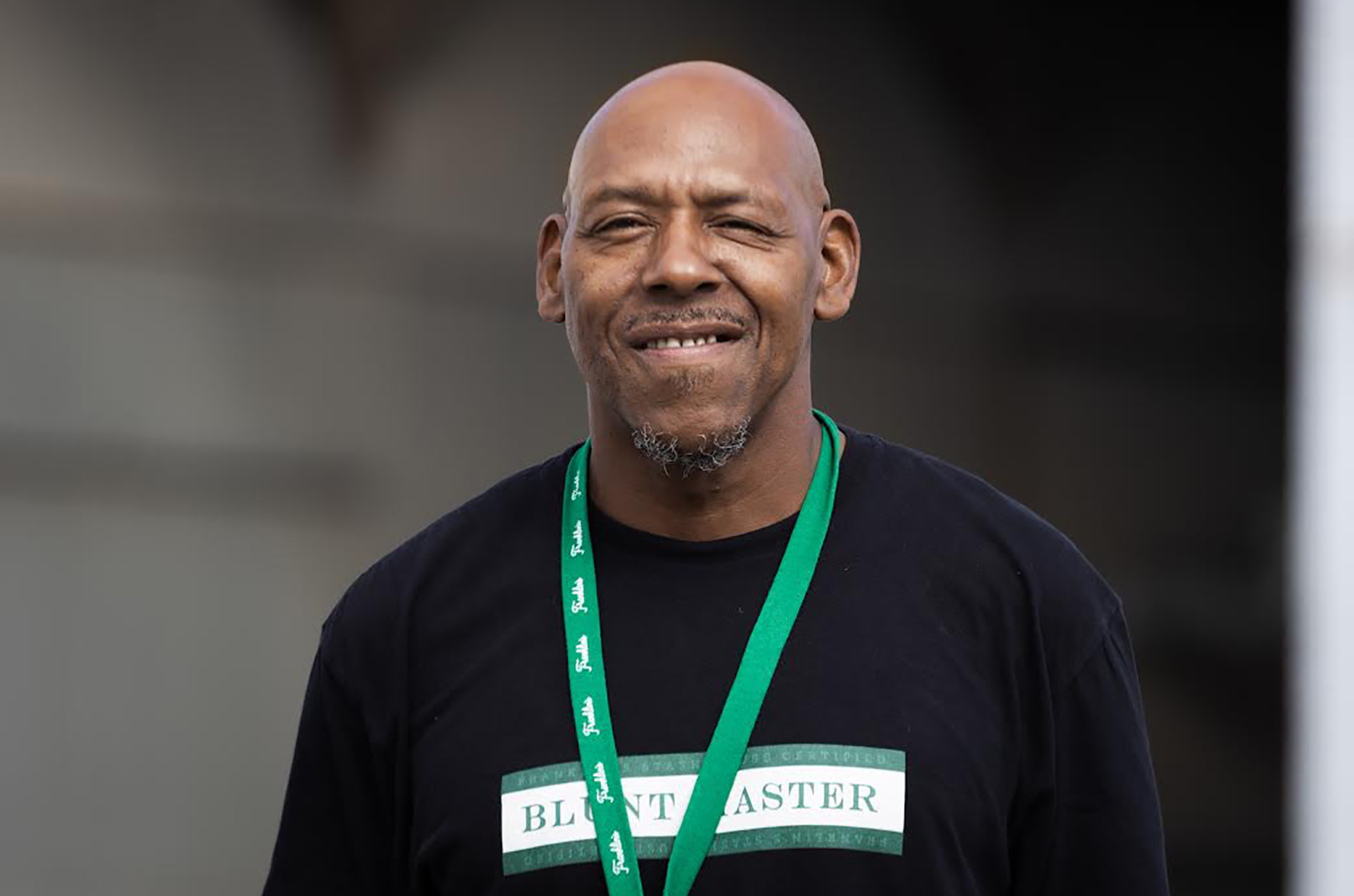
Ronald Rice, Franklin’s Stash House
Co-founded by Wilson and Ronald Rice, Franklin’s raised a $2 million seed round — from about a dozen investors, including Andrew Miller, another serial entrepreneur whose Kansas City, Kansas, company makes the lemonade used in the THC-infused product — in less than 90 days to fund the cannabis operation.
“Welcome to the nerd world of manufacturing,” said Wilson, showcasing the space. “There are 1,000 ways you can make marijuana, and we have the flexibility to do it here. If I’ve got to make 25,000 lemonades, we can rearrange to make it happen. We have plenty of space to turn it around to do 25,000 pre-rolls. In that way, this is like food manufacturing — the same FDA codes and regs, the same ways you go about training and being certified.”
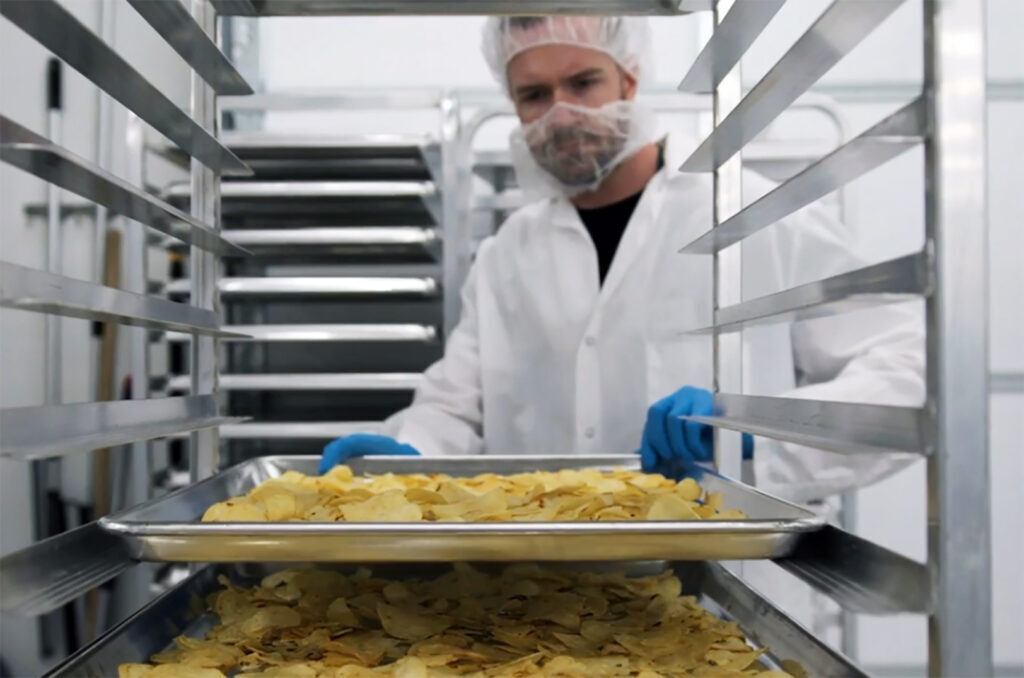
The process begins with raw bud coming into Franklin’s from a variety of suppliers, like Greenlight. The bud is ground up, then goes through a filtration and mining process.
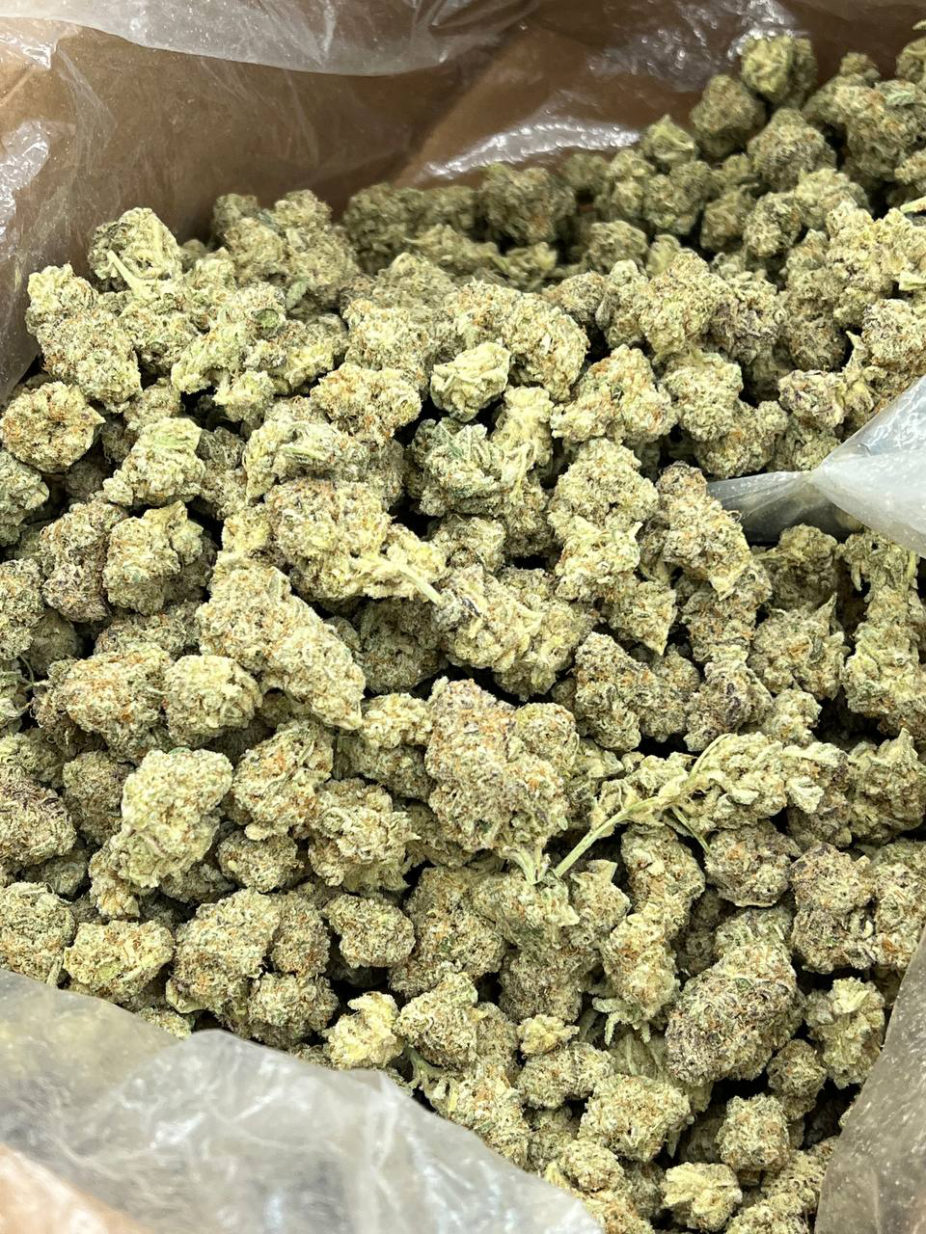
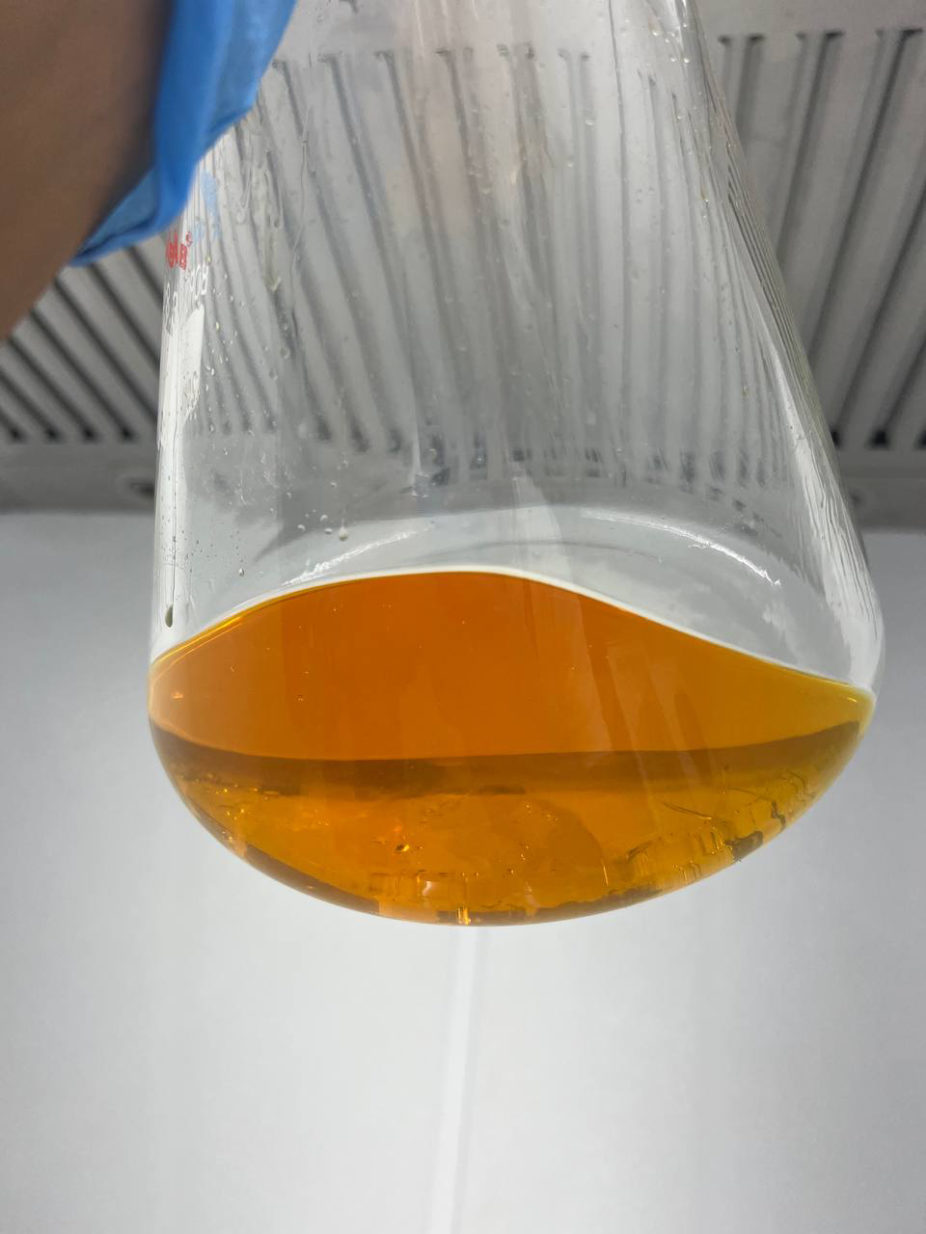
“Through magic and science and settings, it comes out as what we call crude oil,” Wilson said of the substance, which is used in non-smokable cannabis products like edibles and lemonade.

“It comes out a darker color and is about 65 percent THC. The rest is just fats, lipids and other types of waste,” he said. “Because that’s in there, it takes longer to get high.”
By stripping out such waste, the product gets to more of a “pure direct benefit” — distilling down to the quality desired by the manufacturer.
“That’s where you start seeing the THC oil with a golden color —the type of stuff you see on Instagram,” Wilson said. “We’re able to buy, produce and sell so efficiently that we’re able to compete with the big guys who have hundred-million dollar budgets and full vertical integration by producing for cheaper and with more flexibility than they can.”

3D-printed production materials crafted in-house at Franklin’s Stash House
Such a process requires the right equipment, expertise and team, he added.
“You don’t have to be a tycoon to be in this business, but it’s also not set up to be an every-man’s business,” Wilson said. “No one person can do this. You have to build a team to do this the right way and you have to be efficient.”
Franklin’s also is structured to craft more than just cannabis products — using 3D production and other specialized equipment to generate many of its own tools, containers, labels and shipping materials.
“We do our own in-house etching, for example, which allows us to maintain complete control,” Wilson said. “Everyone now is seeing the benefit of reshoring, even in cannabis. If I need flexibility and can quickly produce our own labels or packaging instead of waiting for it to ship over from China — and then maybe have to sit on inventory for six months — that mentality is how we’re going to compete on scale.”
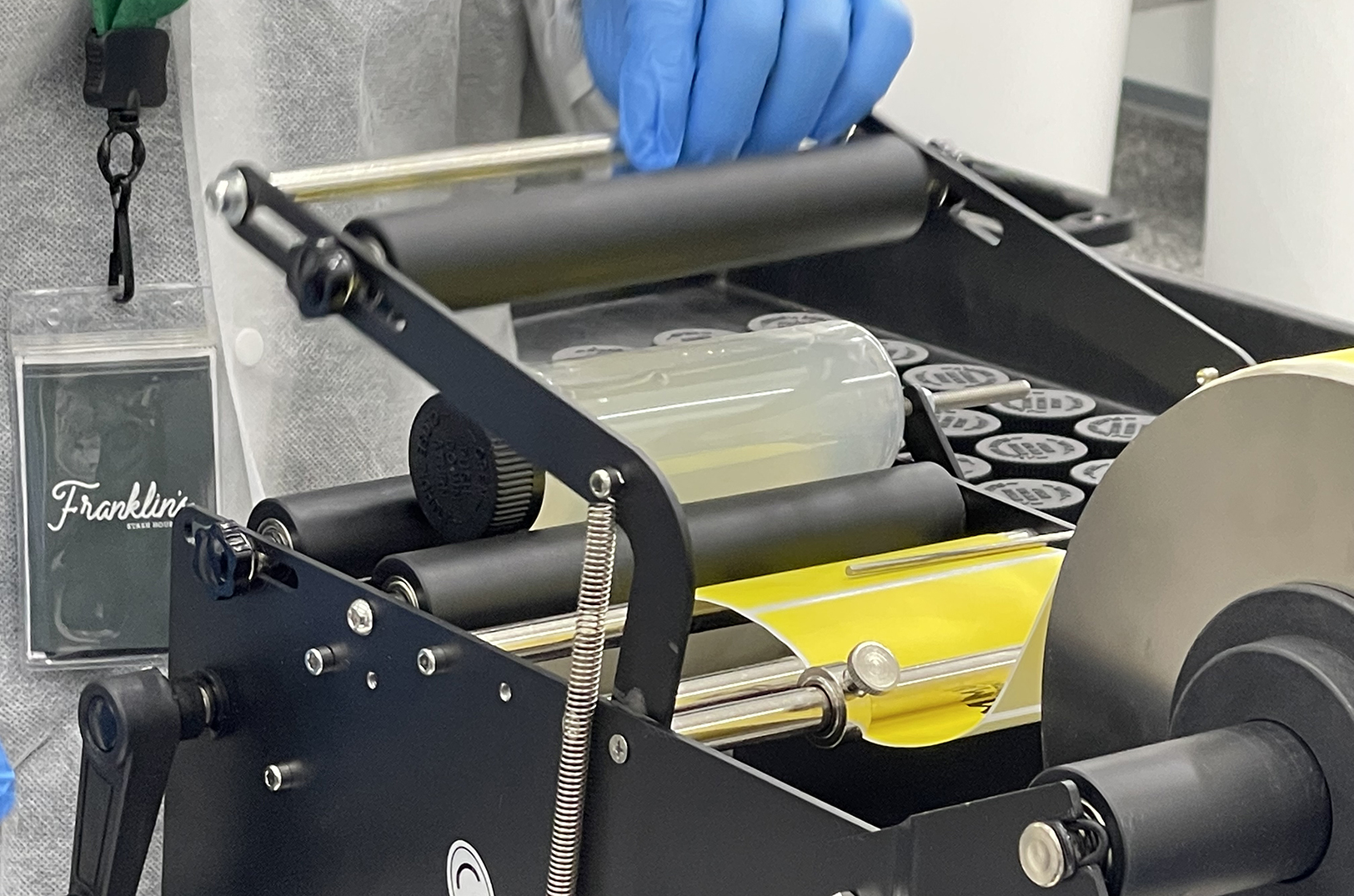
James Lemonade labels being printed at Franklin’s Stash House
Pioneers on the product carousel
Combining drinks with cannabis comes as industry trends show 65 percent of millennials prefer weed over alcohol, Wilson said.
“We’re really trying to shift the entire category to understand a generation that demands more options than there used to be,” he said. “This is a brand new world. And come recreational marijuana, your business model — like ours — better be built on being a pioneer.”
This strategy will require Franklin’s to constantly innovate, Wilson acknowledged.
“The buyer journey is totally a carousel. Every time they go into the store, they want to buy something different. They want to try a different flavor, a different brand,” he said. “That’s inherent to cannabis, and most people don’t understand it yet.”
James Lemonade is just the start, Wilson emphasized, teasing THC-infused fruit punch and pink limeade to come, while noting the brand will steer clear of one-off novelties that sacrifice quality.
“So while I’d love to say ‘We’re going to make a million James Lemonades!’ maybe it’s a quarter-million lemonades, a quarter-million fruit punches, and then something we haven’t thought up yet but that the market and buyers demand,” he said.
Wilson is eager for the normalization of cannabis — both among consumers and the business community itself, he said.
“As older generations retire and people my age and younger get into positions, it creates a whole new dynamic,” Wilson said. “This won’t be some ‘gangster’ industry — it’s just another business and another category; employing people, creating opportunities.”
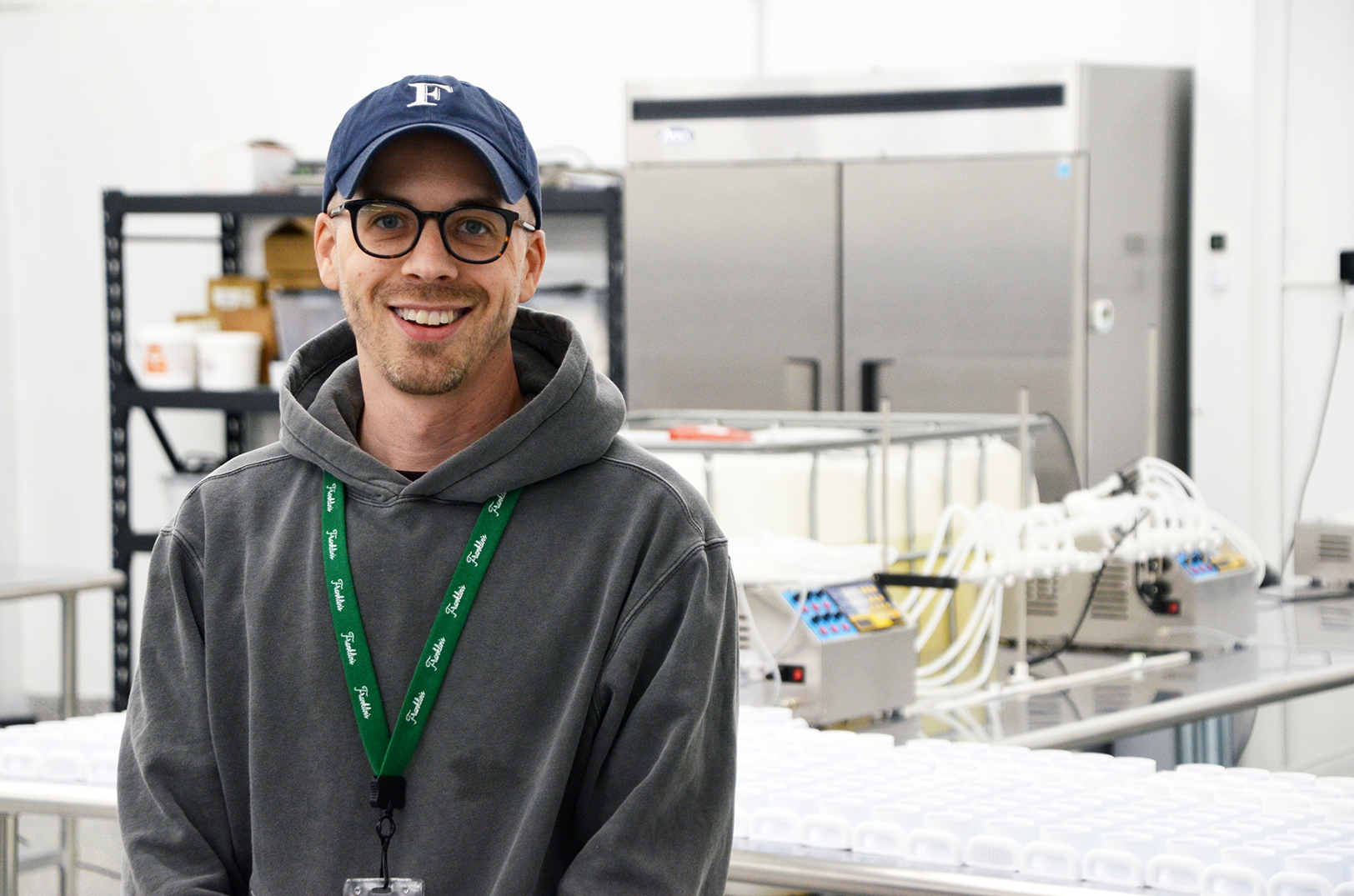
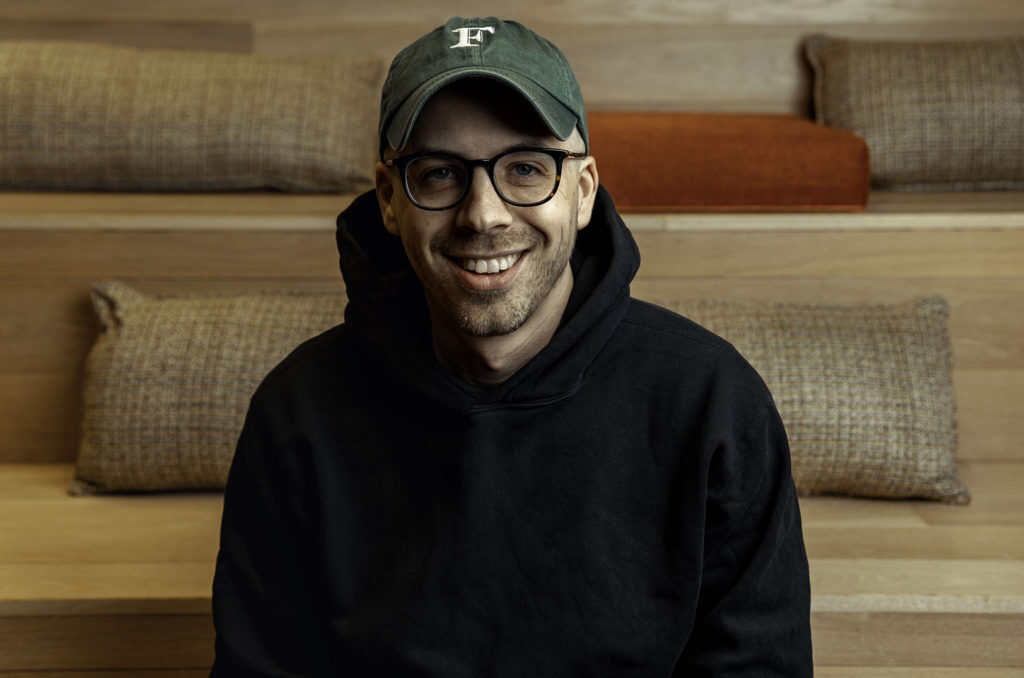
Michael Wilson, Franklin’s Stash House
Like any emerging industry, the cannabis space is seeing a “wild west” energy where many competitors are cutting corners and using cutthroat business practices before regulations lock into place, Wilson admitted, but people should remember the product at the heart of the new market.
“If I’m trying to stress anything as an entrepreneur — despite any of the good and bad tales from the game — cannabis is a product that heals,” he said. “And at the end of the day, I can’t help but to feel like we’re spreading the gospel of marijuana. This is the longest peaceful protest in history. Marijuana is the greatest tool for emotional regulation, period. Bar none. This can, for some people, fix lives, repair relationships, make better fathers and mothers. It can make more calm, empathetic people.
“We really undervalue in this industry that — while it’s a green rush and there’s tons of money to be made for everybody — there’s a huge responsibility to keep very true to ourselves.”
Products like James Lemonade can help bring about a calmer, safer Missouri, Wilson added.
“You can sip your high. You can control your high,” he said. “You don’t have to wait two hours and then all the sudden you wake up are like ‘Oh! I’m gone.’ It’s one of the few things you can dose a little bit at a time.”
RELATED: Voters in some of the most conservative states to weigh in on recreational pot

This story is possible thanks to support from the Ewing Marion Kauffman Foundation, a private, nonpartisan foundation that works together with communities in education and entrepreneurship to create uncommon solutions and empower people to shape their futures and be successful.
For more information, visit www.kauffman.org and connect at www.twitter.com/kauffmanfdn and www.facebook.com/kauffmanfdn

Tommy Felts
Tommy is editor-in-chief for Startland News, a Kansas City-based nonprofit newsroom that uses storytelling to elevate the region’s startup community of entrepreneurs, innovators, hustlers, creatives and risk-takers.
Under Tommy’s leadership, Startland News has expanded its coverage from a primarily high-tech, high-growth focus to a more wide-ranging and inclusive look at the faces of entrepreneurism, innovation and business.
Before joining Startland News in 2017, Tommy worked for 12 years as an award-winning newspaper journalist, designer, editor and publisher. He was named one of Editor & Publisher magazine’s top “25 Under 35” in 2014.