

KC innovator’s anti-itch spray so natural it was discovered on a front porch lab
September 21, 2022 | Matthew Gwin
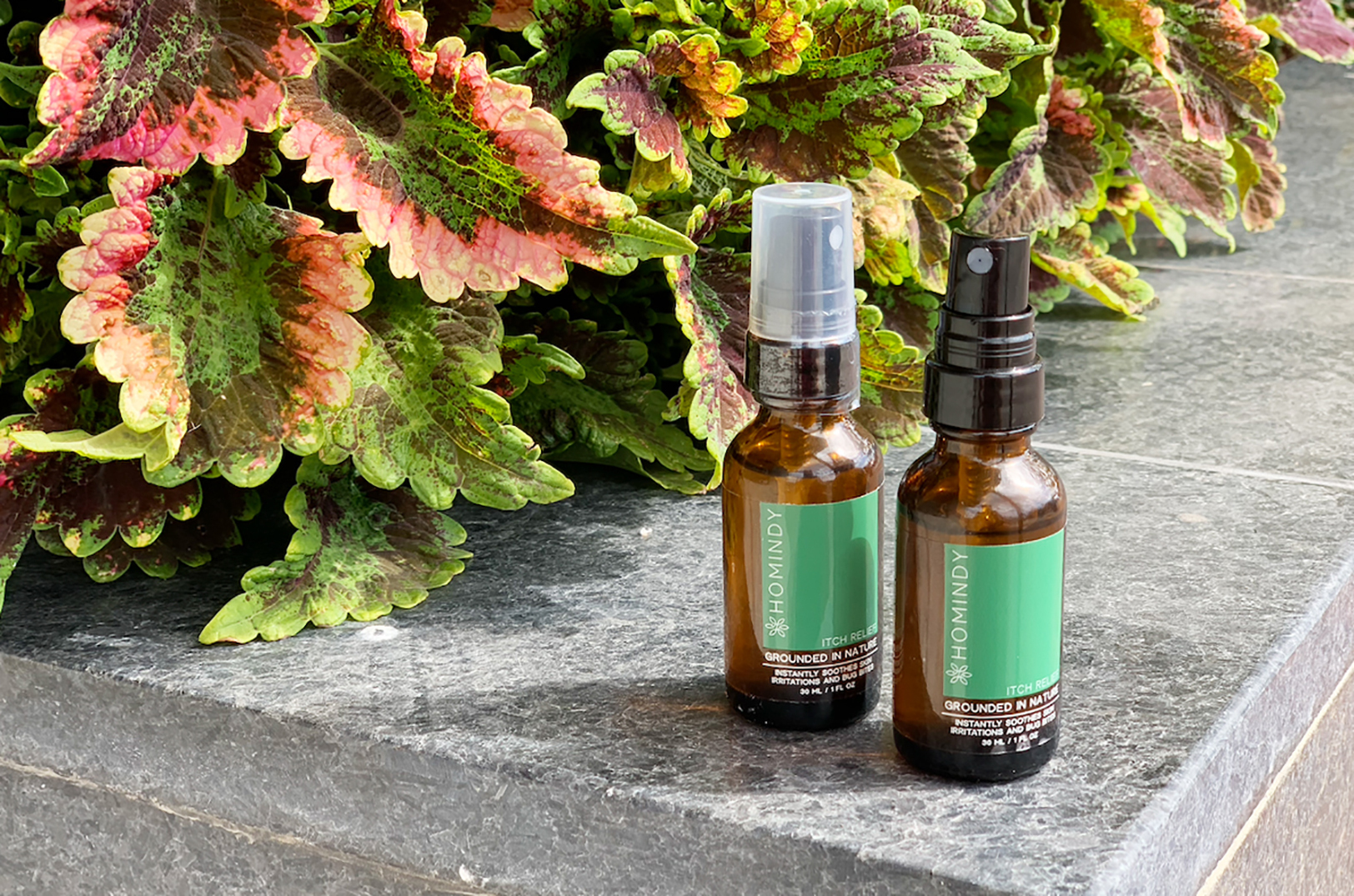
Homindy founder Ronan Molloy discovered the benefits of his company’s itch relief spray somewhat by accident.
During the summer of 2020, Molloy volunteered to participate in a clinical study for a tea with all-natural ingredients that was supposed to reduce inflammation in his right knee.
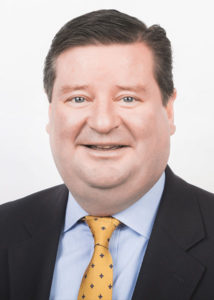
Ronan Molloy, Homindy
At that time, he was president of the Innovation Stockyard, a business incubator in St. Joseph that specializes in the animal sciences field.
He said the product resolved the swelling in about 10 days, which led him to see if maybe it could be useful in other areas, too.
“I got bit by a mosquito, so I’m like, ‘Let’s put on this extract,’” said Molloy, who also serves as CEO of Homindy. “I put it on a mosquito bite, and it resolved. Then my wife got bitten by a yellow jacket, and it resolved. . . So that’s how I discovered it — literally sitting out on my porch during COVID getting eaten alive by mosquitoes.”
Molloy noted that Homindy only has exclusive rights to the topical, anti-itch spray, while the animal health company that conducted the study maintains the rights to the anti-inflammatory drink.
After nearly two years sending the spray across the United States and Molloy’s native Ireland to gather testimonials and feedback, Homindy officially began selling its itch relief spray in June. It’s available for purchase on the company’s website and at a handful of Kansas City-area retailers, with plans to expand to more stores soon.
Click here to shop Homindy.
Molloy joked that many people who tried the spray have liked the product so much that they now cut him off before he can even finish his sales pitch.
“My sales pitch has become, ‘Just use the bloody product and let it speak for itself,’” he said.
View this post on Instagram
Relief in a bottle
The spray — described as “grounded in nature” — is made with eight natural, plant-based ingredients, including cinnamon, barley grass, ginseng root, and honeysuckle. For optimum results, Homindy recommends refrigerating the bottle.
Click here to check out Homindy’s Instagram, which includes commentary from users.
Being 100 percent natural differentiates Homindy from many other anti-itch products and appeals to many consumers, said Kristen Beerman, chief marketing officer for Homindy.
Beerman herself “fell in love” with the all-natural lifestyle while living in California, and then adopted it even more since her son was born.
“I’ve just been very systematic in checking out the ingredients, what is going into my child and what is going onto my child,” Beerman said.
Her son suffers from eczema, and Beerman said that even after meeting with doctors at Children’s Mercy for a year, nothing seemed to work.
“We tried every product under the sun,” Beerman said. “Now that I have Homindy, he sleeps with a bottle next to his bed, and he always asks me, ‘Mom, where’s my Homindy?’ It just makes me feel better that I can find a product that doesn’t have steroids or things I can’t pronounce that can give him relief.”
Children have been a group with some of the largest user uptake — if only because they tend to be outside more, and therefore, more susceptible to bites, bumps, and itches, Molloy said, noting he considers people of all ages to be within the product’s audience.
View this post on Instagram
From good to great
It’s fitting, then, that the company’s name was inspired by Molloy’s son, who he called “the love of my life.” He initially considered Hugh Oliver Molloy Industries, but settled on Homindy because it better matched the “all-natural” aesthetic.
Molloy emphasized that the spray is not a repellent and should strictly be used after a bite, bump, itch, or burn develops. He also stressed that the topical product only provides relief and does not act as a treatment or cure for any conditions.
Moving forward, Molloy and Beerman said that Homindy would like to establish partnerships with more large retailers and distributors throughout the country, in addition to tapping into natural markets like golf courses, kids’ camps, and canoe shops.
Molloy believes the itch-relief spray could produce a “halo effect” that leads to the creation of more products — he specifically mentioned a cream as a possibility down the road.
Both Molloy and Beerman agreed their optimism about the future of Homindy only continues to grow as more people use and endorse the product.
“The good news is that I’ve gone from saying this is a good product to saying it’s a great product,” Molloy said. “My confidence level in the product, which was always high, has just gotten higher.”
“As long as we’re ‘grounded in nature’ and we provide naturally to everyone,” Beerman said, “the sky’s the limit for what else we can come up with.”


2022 Startups to Watch
stats here
Related Posts on Startland News

Tech startup Bungii is your new friend with a truck
“Hey, can I borrow you and your truck this weekend?” It’s a question dreaded by truck owners everywhere, and in April of 2015, it made Ben Jackson regret ever buying his 1999 Ford Ranger. Jackson — and his truck — had just finished an exhausting day helping friends make four hauls across Manhattan, Kan. The…

Google Fiber hops to new, pricier plans for businesses
All good things — or in this case inexpensive things — must come to an end. Google Fiber will soon nix early-access pricing for its gigabit business service and will more than double its costs for new customers in August. Google Fiber — which first arrived in Kansas City in 2012 with residential service —…

Amazon to bring 1,000 jobs, huge facility to KCK
Online retail giant Amazon will open a massive new facility in Kansas City, Kan. The Seattle-based company announced Monday that it will create more than 1,000 full-time jobs and construct an 855,000-square-foot fulfillment facility near the Turner Diagonal on I-70 in Kansas City, Kan. “These aren’t just any jobs. They are the best entry-level jobs our…

Survey: KC is sticky for startups with equity funding
A majority of Kansas City startups choose to maintain their hometown roots after they raise capital — even when the funds come from outside investors, a recent survey found. Of the companies that raised money in 2013 and 2014, 74 percent of them are still active and headquartered in the City of Fountains, according to…